

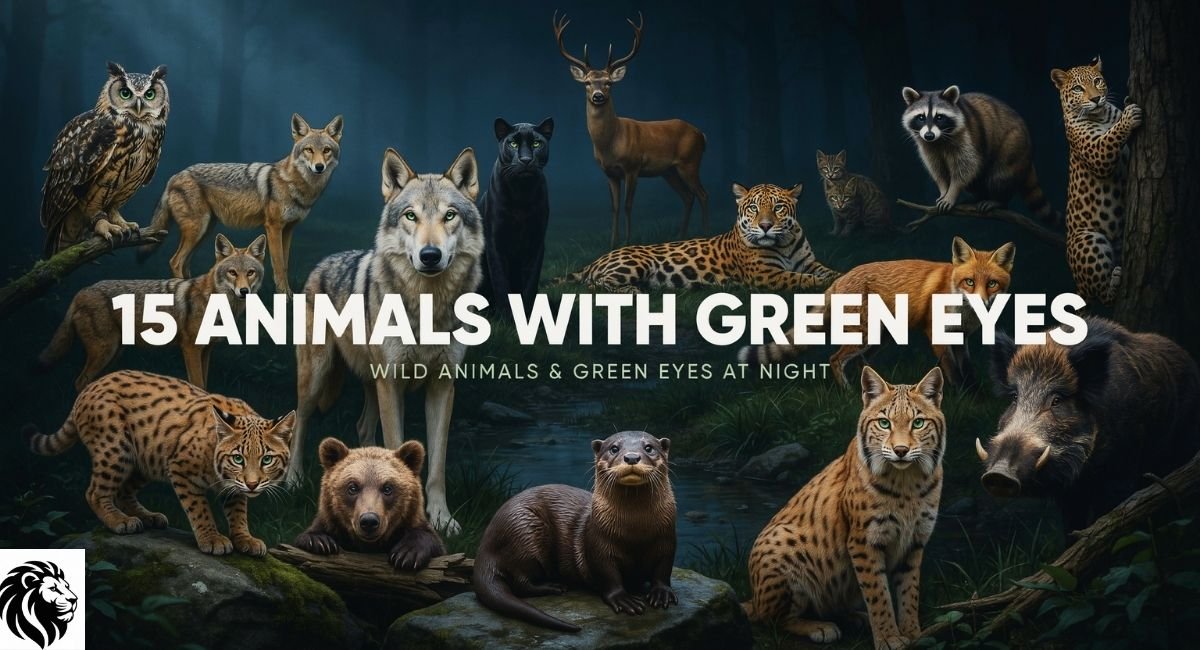
From a flash of emerald in the darkness to a cat’s striking gaze, Animals With Green Eyes can be surprisingly fascinating. Some creatures truly have green irises, while others only appear green-eyed when light reflects from inside their eyes. This difference becomes especially important when you spot green eyes at night in a backyard, forest, or roadside. Genetics, pigmentation, and specialized eye structures can all shape what you see.
In this guide, you’ll discover fascinating green-eyed animals, including pets, frogs, and wildlife. You’ll also learn why some animals have glowing eyes after dark, what causes animal eyeshine, and whether green eyes have any special meaning.
What Does It Mean When an Animal Has Green Eyes?
A green-looking animal eye can have more than one explanation. In some species, the iris naturally develops a green shade through genetics and pigmentation. In others, the apparent color comes from reflected light. That’s why a photograph taken at night can make a brown-eyed animal look surprisingly green.
The key is separating green eye color from green eyeshine. Natural eye color belongs to the iris and remains visible under ordinary lighting. Eyeshine appears when incoming light reflects from structures inside the eye. This simple distinction clears up much of the mystery surrounding animals with green eyes at night.
Green Eye Color in Animals
Natural green eyes develop differently across species. Genetics influence pigmentation and eye structure, while age can affect the final shade. The Egyptian Mau provides a clear example because its breed standard specifically describes its eye color as “gooseberry green.”
Green Eyes vs. Green Eyeshine
Here’s the easiest way to remember it: green eyes are a color, while eyeshine is a reflection. An Egyptian Mau can genuinely have green irises. A deer photographed after dark may only show green eyeshine, even though its actual iris isn’t green.
Why Do Some Animal Eyes Glow Green at Night?
Many animals active after sunset have special adaptations for dim conditions. The tapetum lucidum sits behind the retina in species that possess it and can reflect light back through the visual system. This creates the familiar glowing effect seen in cats and many other animals.
15 Animals With Green Eyes at a Glance
The table below separates genuine eye color from nighttime reflection. That distinction is especially useful when you’re trying to identify an animal from a photograph or a brief sighting. Remember, eye color variation can occur within a species, while eyeshine depends heavily on light and viewing angle.
| Animal | Eye Appearance | Habitat | Night Activity | Standout Feature |
| Egyptian Mau | Natural green | Domestic | Moderate | Gooseberry-green eyes |
| Green-Eyed Tree Frog | Green eye markings | Australian rainforest | High | Large prominent eyes |
| American Pit Bull Terrier | Individual variation | Domestic | Low | Variable eye color |
| Border Collie | Individual variation | Domestic | Low | Coat and eye genetics |
| Lemur | Species-dependent | Madagascar | Variable | Unusual visual adaptations |
| Domestic Cat | Natural green or other shades | Domestic | High | Strong low-light vision |
| Red Fox | Greenish eyeshine | North America and beyond | High | Reflective eyes |
| Deer | Greenish or pale eyeshine | Woodlands and fields | High | Strong nighttime reflection |
| Raccoon | Reflective eyeshine | Forests and suburbs | High | Nocturnal lifestyle |
| Opossum | Reflective eyeshine | Woodlands and neighborhoods | High | Night-active mammal |
| Coyote | Greenish or yellowish eyeshine | Wide range | High | Excellent adaptability |
| Bobcat | Reflective eyeshine | Forests and brushlands | High | Secretive wild cat |
| Mountain Lion | Pale or greenish eyeshine | Mountains and forests | High | Powerful nocturnal predator |
| Alligator | Reflective eye appearance | Wetlands | Moderate–high | Low-light adaptation |
| Leopard | Reflective eyeshine | Africa and Asia | High | Night hunting ability |
15 Animals With Green Eyes
Not every animal in this section has naturally green irises. Some belong here because their eyes can appear green under specific lighting conditions. That distinction makes the list more accurate and helps you understand why green-eyed animals can look so different from one another.
The first few examples show genuine or possible eye-color variation. The later wildlife examples focus mainly on animal eyeshine, especially the greenish glow you might notice while driving through rural areas or walking near wooded habitats after sunset.
1. Egyptian Mau
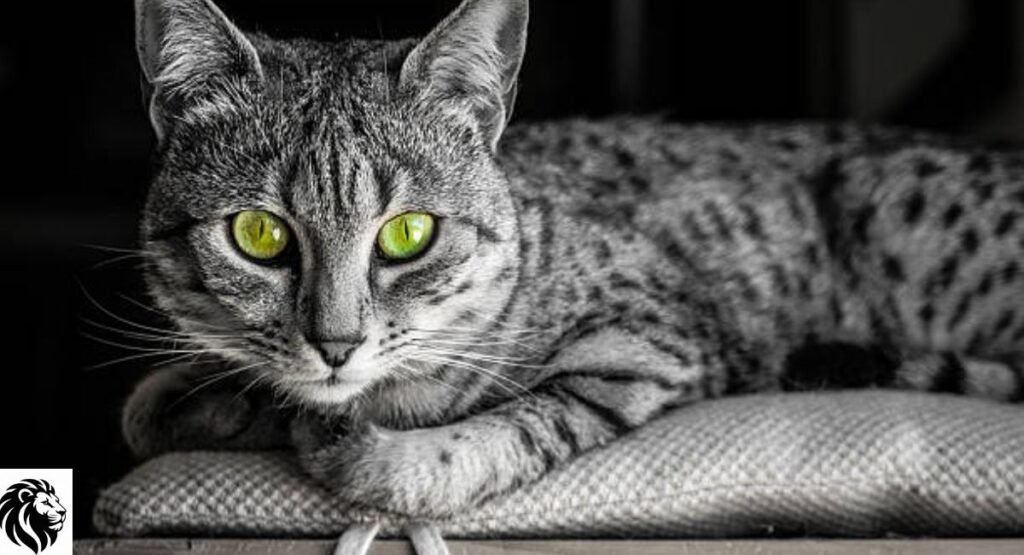
The Egyptian Mau is one of the clearest examples of a cat with naturally green eyes. Its breed standard calls the color “gooseberry green,” while the eyes are broad and slightly almond-shaped. Interestingly, the green develops as the kitten matures, with full green color expected later in development.
This spotted cat also has an athletic build and a distinctive appearance that resembles a small wild feline. Its eye color isn’t simply a nighttime illusion. In this breed, green eye color is a recognized characteristic that makes the Egyptian Mau especially striking.
2. Green-Eyed Tree Frog
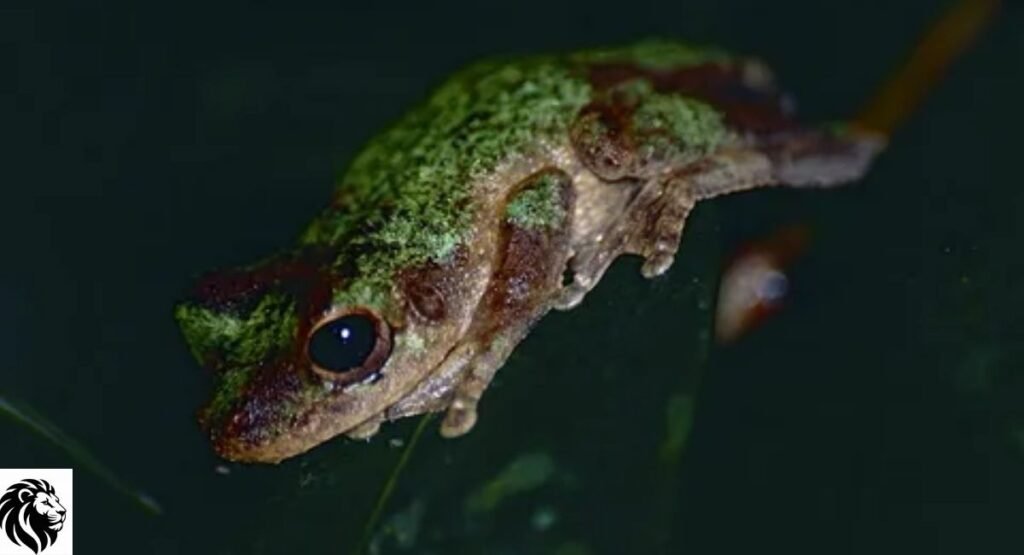
The green-eyed tree frog is an intriguing amphibian associated with northeastern Queensland, Australia. Its scientific classification is now Spicicalyx serrata, although “green-eyed treefrog” remains one of its recorded common names. It lives in rainforest environments and has a remarkably distinctive appearance.
Unlike a typical pet frog, this species has features adapted to an arboreal lifestyle. Its large eyes help create its memorable expression. Its name itself reflects the unusual eye appearance, making it one of the most fascinating examples for readers searching for animals with big green eyes.
3. American Pit Bull Terrier

Some American Pit Bull Terriers can develop lighter eyes that appear green, hazel, amber, or somewhere between these shades. However, green isn’t a universal breed trait. Individual genetics and pigmentation play a major role in determining the final appearance of a dog’s eyes.
That means you shouldn’t assume every dog of this type will have green eyes. Lighting can also change what you see. A warm indoor bulb may make hazel eyes look golden, while natural daylight can reveal more olive or green tones.
4. Border Collie
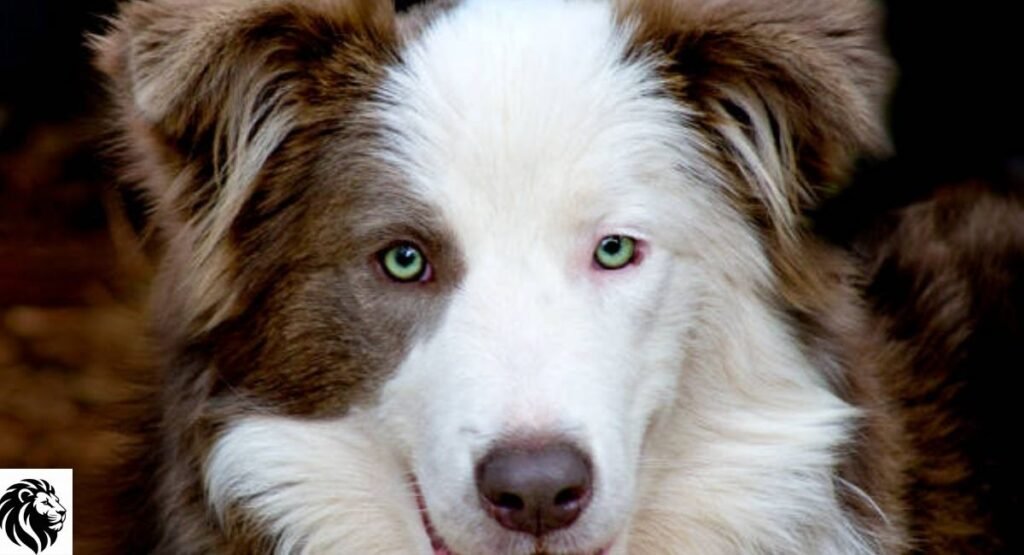
Border Collies are famous for intelligence and an intense working expression. Their eye color can vary, although recognized breed standards generally describe brown eyes, with blue permitted in merle dogs. Therefore, calling green a standard Border Collie eye color would be misleading.
Merle genetics can create unusual pigmentation patterns, especially around the eyes and coat. Some dogs may therefore appear to have lighter or mixed eye colors. This is a good reminder that eye color variation doesn’t automatically mean a breed has naturally green eyes.
5. Lemur
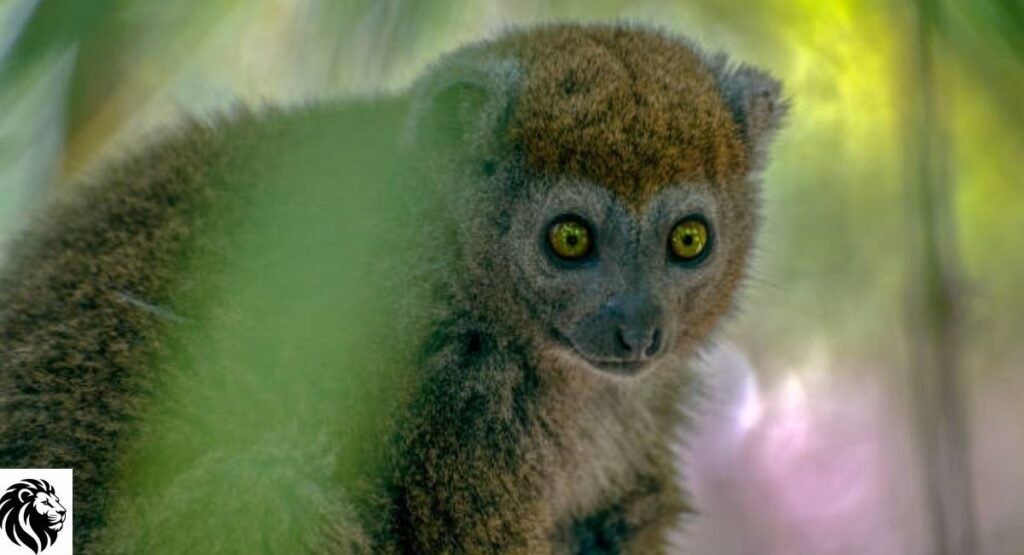
Lemurs bring another layer of complexity because “lemur” describes an entire group of primates rather than one species. Their eye appearance varies, and some individuals can show striking greenish tones. Their visual systems also differ according to species and lifestyle.
These remarkable primates live naturally on Madagascar. Their large eyes are particularly useful for species that move or forage in dim forest environments. Still, it’s more accurate to discuss individual species rather than claim that every lemur has green eyes in animals.
6. Domestic Cat
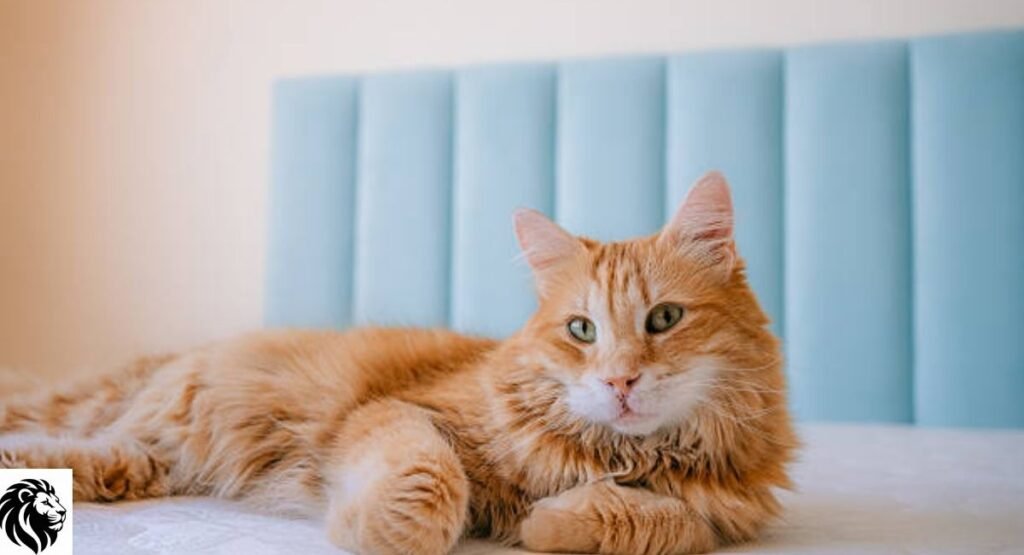
Domestic cats come in a remarkable range of eye colors, including green. Some have vivid emerald shades, while others show olive, yellow, copper, blue, or mixed tones. Their eye color develops through genetics and pigmentation, so littermates can sometimes look surprisingly different.
Cats also provide an excellent example of the difference between natural color and nighttime reflection. Their eyes contain a tapetum lucidum, which can produce a characteristic blue or greenish glint after dark. Cats also have many rod cells that help them function in dim light.
7. Red Fox
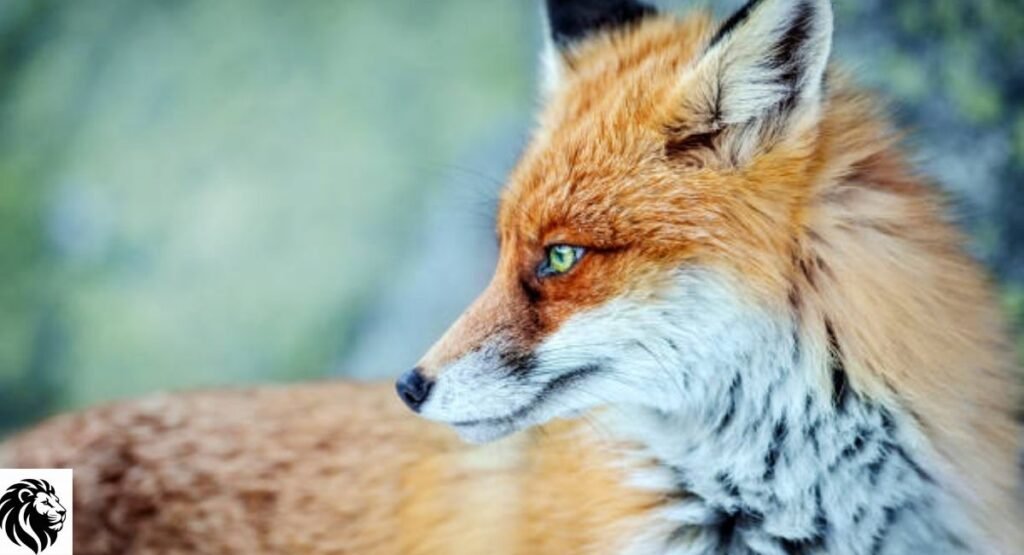
A red fox crossing a road after sunset may give you a quick glimpse of glowing eyes. From a distance, those eyes can appear greenish, yellowish, or pale depending on the light source and viewing angle. The effect comes mainly from reflection rather than green irises.
Foxes are highly adaptable and often remain active around human communities. In North America, you may encounter them around fields, forests, suburban edges, and other mixed landscapes. Their nighttime eyeshine can make them look almost otherworldly for a moment.
8. Deer
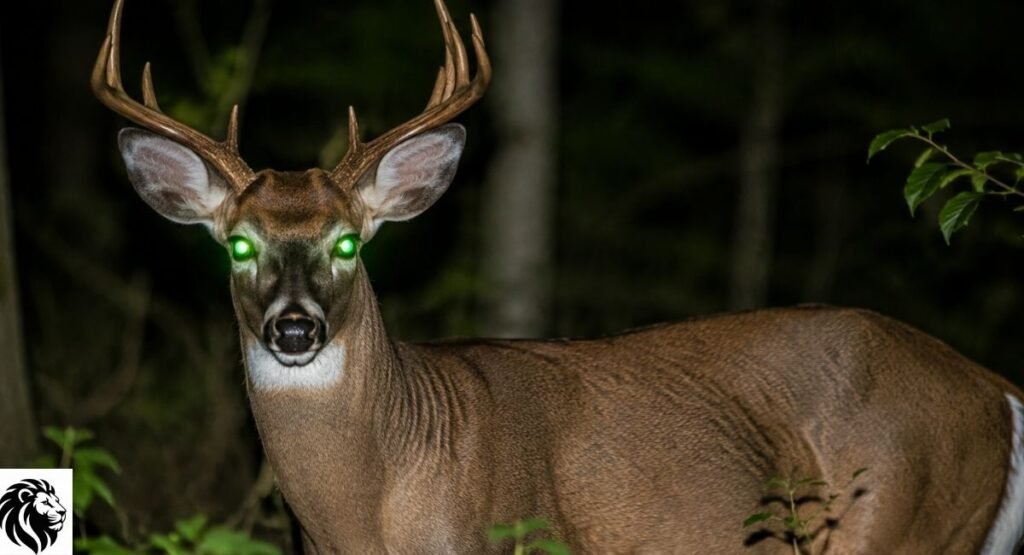
Deer are among the most recognizable examples of wildlife with glowing eyes at night. A flashlight or vehicle headlights can produce a bright reflection from their eyes. Depending on the conditions, the reflection may appear green, yellow, white, or another pale shade.
This effect doesn’t mean deer naturally possess green irises. Instead, reflected light interacts with structures inside the eye. Their nighttime vision helps them remain active during low-light periods, which is particularly useful for movement and feeding around dawn, dusk, and nighttime hours.
9. Raccoon
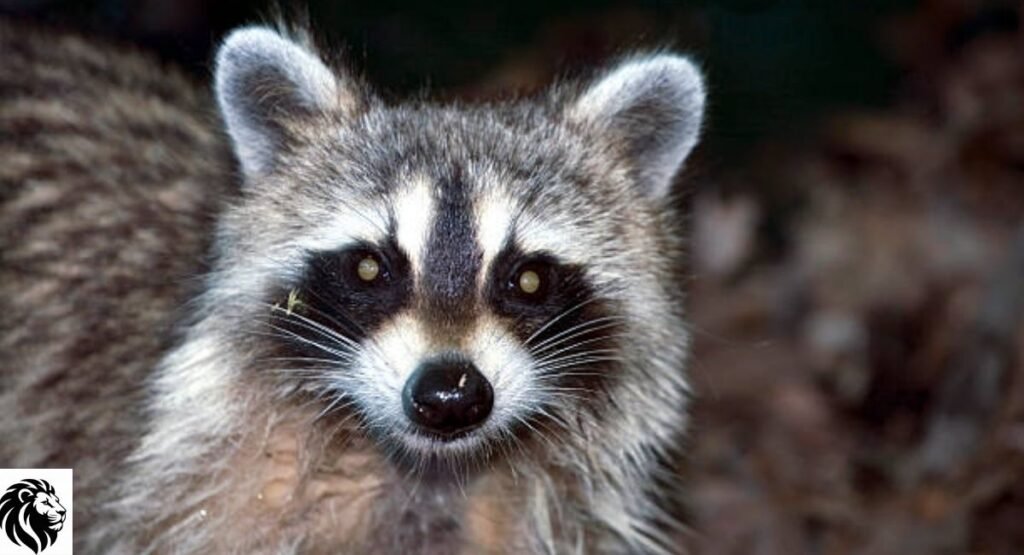
Raccoons have become remarkably successful around American cities and suburbs. Their nighttime lifestyle means you may spot them after dark near garbage cans, gardens, wooded areas, or quiet roads. When a beam of light hits their eyes, the reflection can look surprisingly bright.
The important detail is that green eyeshine isn’t the same as a naturally green iris. Raccoons can appear green-eyed in photographs because the camera captures reflected light. Change the angle or light source and the apparent color can change too.
10. Opossum
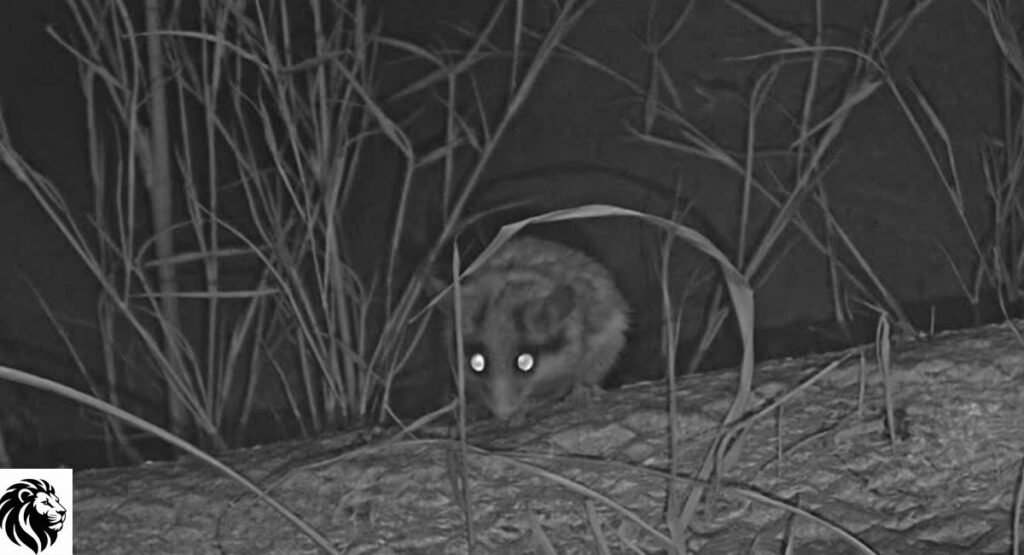
The Virginia opossum is another nocturnal animal that can produce a noticeable eye reflection. These animals often become active after sunset, when their surroundings are already dim. A flashlight can suddenly reveal two bright points that seem almost detached from the animal.
That glowing appearance is useful for observation but shouldn’t be treated as a precise identification mark. Other nocturnal mammals can produce similar reflections. If you see an unknown animal at night, body shape, movement, habitat, and behavior provide stronger clues.
11. Coyote
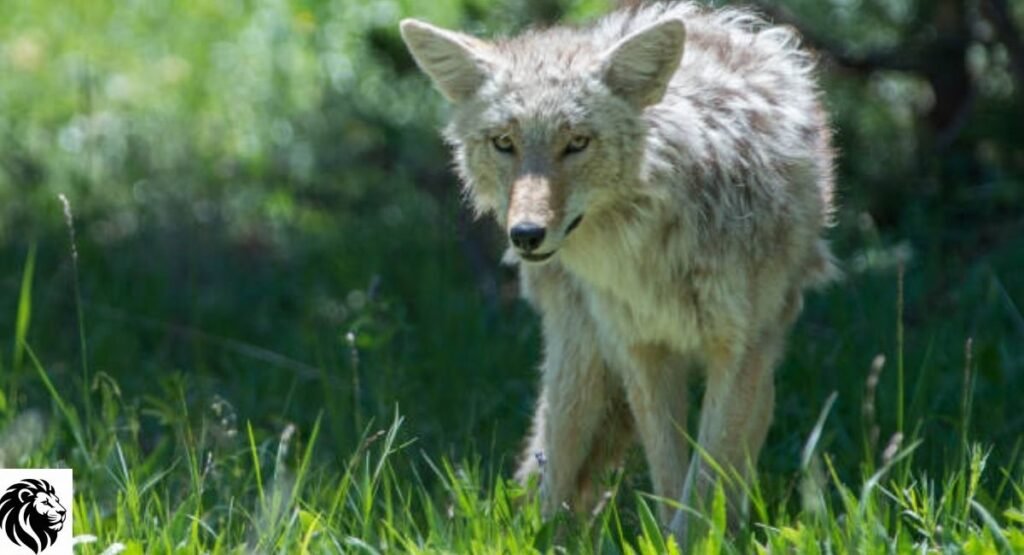
Coyotes are among the most adaptable wild mammals in North America. They occupy deserts, grasslands, forests, farmland, and even suburban landscapes. At night, their eyes can reflect artificial light and appear greenish or yellowish from a distance.
Their ability to operate during low-light periods helps them exploit a wide range of environments. If you spot glowing eyes beside a rural road, don’t identify the animal from color alone. A coyote’s silhouette, long legs, pointed ears, narrow muzzle, and bushy tail offer better evidence.
12. Bobcat
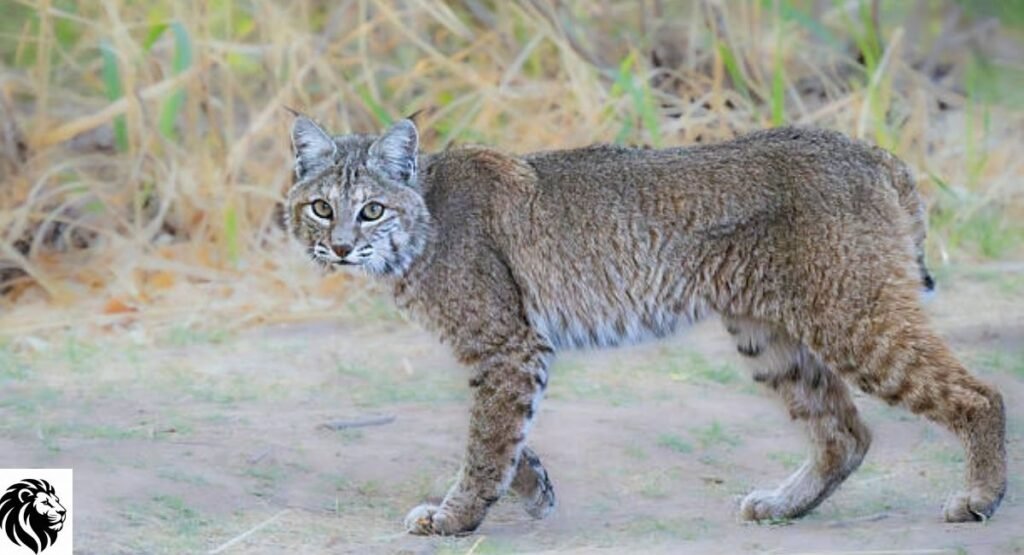
The bobcat is a secretive North American wild cat that often becomes active during low-light hours. Its reflective eyes can produce an eerie glow when headlights or a flashlight strike them. The effect can look greenish even when the actual iris isn’t green.
Bobcats live in forests, deserts, grasslands, swamps, and suburban-edge habitats. Their broad habitat range makes nighttime identification tricky. If you encounter glowing eyes in the woods, look for the animal’s short tail, compact body, ear tufts, and feline movement.
13. Mountain Lion
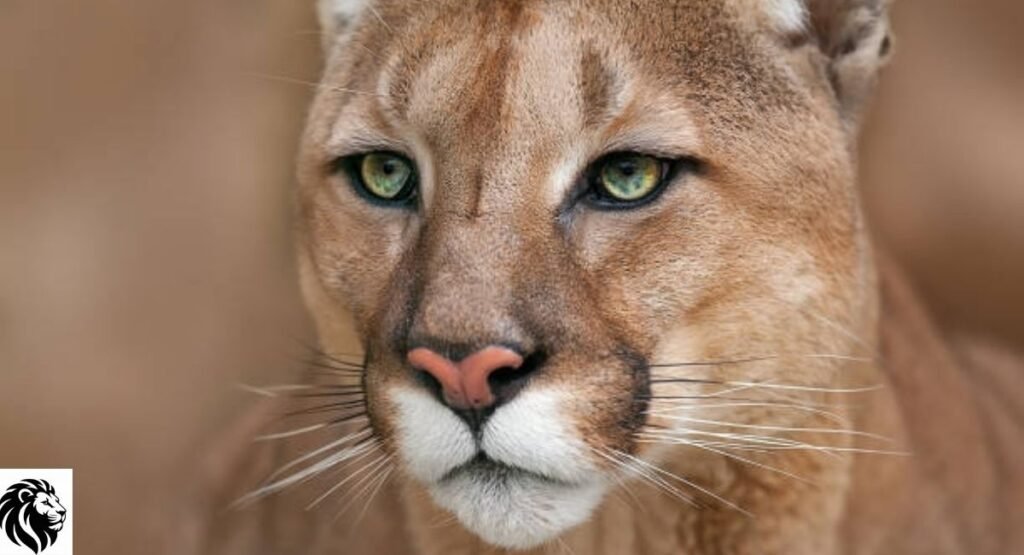
Mountain lions are powerful predators with impressive low-light capabilities. They can become active around dusk, nighttime, and early morning. Under artificial light, their eyes may reflect a pale or greenish glow that seems brighter than expected.
The apparent color depends on several factors. Distance, viewing angle, light intensity, and the structure of the animal’s eye can all change the reflection. So, if you see two glowing points in the darkness, don’t assume you’ve found a mountain lion without additional evidence.
14. Alligator
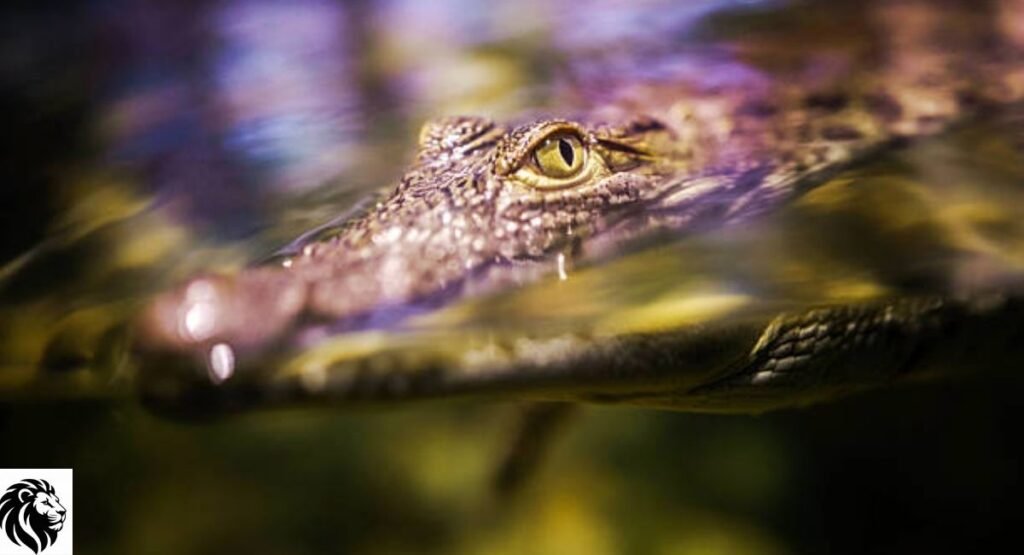
Alligators have eyes adapted for life in environments where light levels can change dramatically. Their reflective eyes can become particularly noticeable after dark when a flashlight or spotlight passes across the water.
This creates one of the most memorable examples of wild animals with green eyes at night. Yet again, the glowing appearance doesn’t necessarily represent natural green iris pigmentation. Instead, reflected light creates the visual effect that makes the eyes appear luminous.
15. Leopard
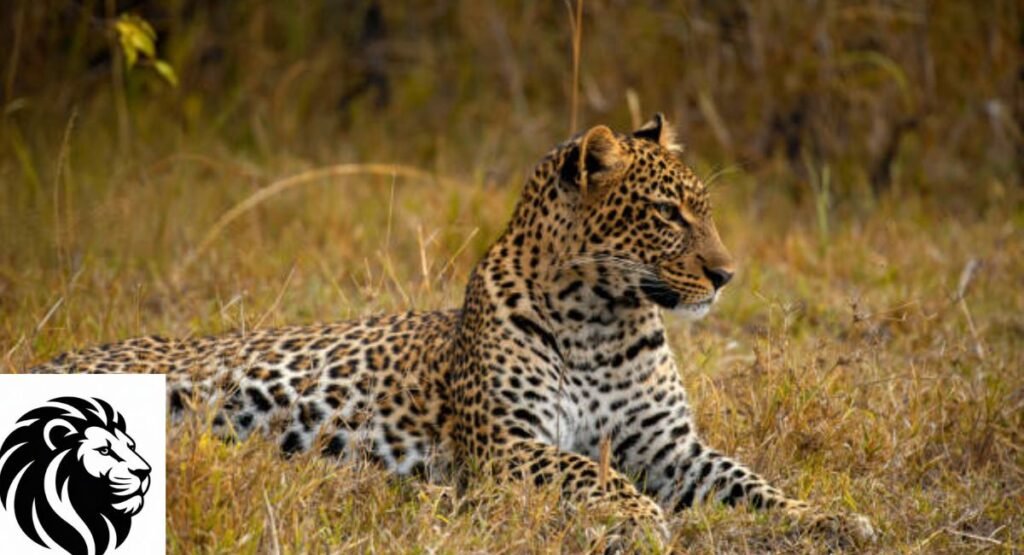
Leopards are famous for hunting in low-light conditions. Their powerful bodies, camouflage, and adaptable hunting behavior make them formidable predators after sunset. When artificial light catches their eyes, the resulting reflection can look remarkably bright.
This is another case where green eyes at night usually refers to eyeshine rather than a permanently green iris. Their reflective eye structures help explain why nighttime wildlife photographs can make predators look almost supernatural.
What Animal Has Green Eyes at Night?
Several animals can appear to have green eyes at night, including cats, deer, foxes, raccoons, coyotes, and some other nocturnal mammals. However, the green appearance usually comes from eyeshine, not a genuinely green iris. The exact shade depends on the species, light source, and viewing angle.
For a real-world identification, don’t rely on eye color alone. If you’re in a suburban area, a raccoon or opossum may be more likely. In open country, deer or coyotes become stronger possibilities. In suitable mountain or forest habitat, larger predators may enter the picture.
Animals That Can Show Green Eyeshine
Cats are particularly well known for greenish or bluish reflections because their eyes contain a reflective layer. Deer, foxes, raccoons, coyotes, bobcats, and other nocturnal mammals can also show noticeable eyeshine when illuminated.
The important clue is consistency. If the eyes only appear green when a flashlight, headlight, or camera flash hits them, you’re probably seeing reflected light rather than a naturally green iris.
Why Their Eyes Look Green in Darkness
Darkness itself doesn’t make an animal’s eyes green. Instead, a light source enters the eye and can reflect from internal structures before returning toward the observer. The viewing angle can then determine whether the reflection appears green, yellow, blue, or pale.
Why Do Animal Eyes Glow Green at Night?
The glowing effect looks mysterious, but the biology behind it is surprisingly practical. Animals that move through darkness need every bit of available light. Some species have evolved reflective structures that help maximize the light reaching the retina.
According to the Merck Veterinary Manual, the tapetum lucidum is associated with enhancing vision in dim light in animals that possess it. Its structure differs between groups, including carnivores and herbivores.
What Is the Tapetum Lucidum?
The tapetum lucidum is a reflective layer associated with the back of the eye. Rather than letting useful light disappear after one pass, it reflects light through the retina again. This can improve visual sensitivity under dim conditions and also creates the familiar eyeshine effect.
How Eyeshine Helps Nocturnal Animals
For a nighttime hunter, even a small amount of extra usable light can matter. Better sensitivity can help an animal detect movement, judge its surroundings, and navigate when daylight fades. That’s why nighttime animal vision is such an important survival adaptation.
Why Is Eyeshine Sometimes Green, Yellow, White, or Blue?
Eyeshine isn’t one fixed color. Species differences, eye anatomy, the source of illumination, and viewing angle can all influence the appearance. Even the same animal may look different when photographed with a phone flash compared with a flashlight.
Green Eyes vs. Green Eyeshine: What’s the Difference?
The simplest comparison is between an iris and a reflection. A naturally green iris is part of the animal’s visible eye color. Eyeshine, by contrast, appears only when suitable light reaches the eye and reflects back toward you.
This distinction helps explain why a cat may have green eyes during daylight and a brilliant greenish glint at night. The first is pigmentation. The second involves eye reflection and internal eye anatomy.
| Feature | Green Eyes | Green Eyeshine |
| Source | Iris pigmentation | Reflected light |
| Visible in daylight | Yes | Usually subtle |
| Requires a light source | No | Yes |
| Main influences | Genetics and pigmentation | Eye structure and lighting |
| Typical example | Egyptian Mau | Deer at night |
| Can change with viewing angle | Slightly | Strongly |
Why Do Animals Have Different Eye Colors?
Eye color is a fascinating blend of genetics, pigmentation, anatomy, and development. Two animals from the same species can sometimes look different because their genes influence pigment production and distribution.
Light can complicate the picture even further. A brown eye may appear amber in warm sunlight, while a hazel eye can look greener under cool daylight. That’s why photographs aren’t always reliable for determining an animal’s exact natural eye color.
Genetics and Inherited Traits
Genes influence how an animal develops its eyes and how much pigment appears in the iris. These inherited differences help explain why certain breeds or species show characteristic eye colors while others display a broader range.
Melanin and Eye Color
Melanin is a pigment that contributes to coloration throughout the body, including the eyes. Differences in the amount and distribution of pigment can affect how the iris looks. However, eye color isn’t controlled by one simple switch, especially across the enormous diversity of animal species.
Heterochromia in Animals
Heterochromia occurs when an animal has differently colored eyes or different colors within the same iris. Genetics can contribute to this unusual appearance. It is especially noticeable in some domestic dogs and cats, where one blue eye may contrast sharply with a brown or amber eye.
Can an Animal’s Eye Color Change?
An animal’s apparent eye color can change with age, lighting, pupil size, and camera exposure. Some young animals also develop their adult eye color gradually. The Egyptian Mau is a useful example because its recognized green eye color becomes fully established as the cat matures.
What Is the Meaning of Green Eyes in Animals?
When people search for animals with green eyes meaning, they may expect a symbolic answer. Biologically, however, green eyes don’t carry one universal message. They don’t automatically indicate aggression, intelligence, friendliness, or any other personality trait.
Instead, green eyes can reflect genetics, pigmentation, species traits, or breed characteristics. In nighttime photographs, the “green” may not even belong to the iris. It may simply be green eyeshine created when light interacts with the animal’s eye.
Does Green Eye Color Have a Special Meaning?
There is no universal biological meaning attached to green eyes. The color doesn’t automatically reveal an animal’s personality or behavior. In most cases, it simply reflects how genetic traits and pigmentation produce the visible appearance of the iris.
What Green Eyes Can Tell Us About an Animal
Eye color can sometimes provide clues about breed identity, genetics, or developmental stage. For example, the Egyptian Mau’s green eyes form part of its recognized breed characteristics. In other animals, however, eye color alone offers little reliable information about identity or behavior.
Why Green Eyes Look So Mysterious
Human attention naturally gravitates toward unusual colors, especially when they appear in darkness. A pair of glowing eyes can feel almost theatrical because the surrounding animal remains hidden. That contrast turns an ordinary biological reflection into something that looks wonderfully mysterious.
Wild Animals With Green Eyes
Many wild animals can appear green-eyed after dark. Deer, foxes, raccoons, coyotes, bobcats, mountain lions, and other mammals may show greenish eyesight reflections when headlights or flashlights reach their eyes.
Still, calling all of them green-eyed would blur an important scientific distinction. In most cases, you’re seeing eyeshine rather than naturally green irises. For wildlife identification, combine eye appearance with habitat, body shape, behavior, and time of activity.
| Wild Animal | What You May See at Night | Better Identification Clue |
| Deer | Pale or greenish reflection | Long legs and large ears |
| Red fox | Bright reflective eyes | Pointed muzzle and bushy tail |
| Raccoon | Bright eye reflection | Masked face and ringed tail |
| Coyote | Greenish or yellowish reflection | Tall legs and narrow muzzle |
| Bobcat | Bright reflective eyes | Short tail and ear tufts |
| Mountain lion | Pale reflective glow | Large body and long tail |
| Alligator | Bright eyes above water | Wetland habitat and low profile |
| Leopard | Strong reflective glow | Spotted coat and feline shape |
Animals With Big Green Eyes
Some creatures attract attention because their eyes appear unusually large. Frogs, cats, and some primates are especially memorable because their eye size seems disproportionate to the rest of the face.
However, big green eyes can describe either genuine eye color or an apparent nighttime glow. The examples below show why size, shape, pigmentation, and reflection should all be considered together.
Green-Eyed Tree Frog
The green-eyed tree frog stands out because of its prominent eyes and unusual facial appearance. Its rainforest lifestyle makes large, expressive eyes particularly useful for spotting movement in a complex environment filled with branches, leaves, and shadows.
Egyptian Mau
The Egyptian Mau combines large, slightly almond-shaped eyes with a recognized gooseberry-green color. This combination gives the breed a remarkably expressive appearance. Its eyes are one reason the breed attracts people searching for unusual green-eyed animals.
Domestic Cats
Domestic cats can have large-looking green eyes that become even more dramatic when their pupils expand. Their reflective eye layer can also produce a greenish glint in darkness. Together, these features give cats one of the most recognizable eye appearances in the animal world.
Lemurs
Lemurs have large, expressive eyes that suit their varied lifestyles. Their visual characteristics differ among species, so it’s better to discuss them individually rather than treating every lemur as a naturally green-eyed animal.
How to Identify an Animal With Green Eyes at Night
Identifying a nighttime animal takes more than spotting two glowing dots. Eyeshine can narrow your options, but it rarely provides a definitive species identification. A better approach combines the reflection with the animal’s silhouette, habitat, movement, and behavior.
For example, two animals may produce a similar greenish reflection while having completely different body shapes. One might be a raccoon in a suburban yard, while another could be a deer beside a rural road. Context is your friend.
Look at the Animal’s Body Shape
Start with the silhouette. Look for body size, leg length, ear shape, tail length, and posture. These features often tell you more than the eye reflection itself.
Check the Eye Reflection
Notice the apparent color and brightness of the reflection. Green, yellow, white, and blue glints can all occur. Also consider whether the eyes change appearance when you move the light.
Consider the Habitat
Location dramatically narrows the possibilities. A wetland in Florida presents a different wildlife lineup from a wooded trail in Pennsylvania or a desert edge in Arizona.
Notice the Animal’s Behavior
Movement can reveal the species. A deer may stand alert before bounding away, while a raccoon may shuffle near food. A fox often moves with a lighter, deliberate gait, while a coyote has a taller, more purposeful silhouette.
Don’t Identify a Species by Eyeshine Alone
Eyeshine is a clue, not a verdict. For reliable identification, combine animal vision, body shape, habitat, behavior, tracks, sounds, and other visible features. If you’re unsure about a potentially dangerous wild animal, keep your distance rather than approaching for a closer look.
Are Green Eyes Rare in Animals?
Green eyes aren’t equally rare across the animal kingdom. Their frequency depends heavily on the species and its genetics. A color can be unusual in one animal while being completely normal in another.
The same rule applies to nighttime green eyes. Greenish eyeshine may be fairly common among animals with reflective eye structures. Therefore, seeing glowing green eyes doesn’t necessarily mean you’ve discovered an exceptionally rare creature.
Why Green Eyes Are Uncommon in Some Mammals
Mammalian eye colors depend on complex interactions involving genetics, pigment, and anatomy. Certain shades appear more frequently than others. That’s why genuinely green eyes can look unusual when you encounter them in a mammal.
Why Green Eyes Are More Noticeable in Certain Breeds
Breed standards can make particular colors especially recognizable. The Egyptian Mau is a strong example because its official eye-color description specifically calls for gooseberry green.
Border Collies provide the opposite lesson. Their recognized standards emphasize brown eyes, while blue can occur in merle dogs. This shows why you shouldn’t label every unusual-looking dog as naturally green-eyed.
Why Nighttime Green Eyes Are Not Necessarily Rare
Nighttime glow is a different phenomenon from natural iris color. Many animals can show eyeshine when illuminated, so a greenish reflection doesn’t necessarily indicate a rare genetic trait.
Conclusion
From elegant Egyptian Maus to wild deer glowing beside a dark woodland trail, Animals With Green Eyes are fascinating for many reasons. Some truly have green irises, while others only show greenish eyeshine when light enters their eyes. Understanding this difference makes nighttime animal sightings much easier to explain.
Whether you’re curious about wild animals with green eyes, glowing eyes at night, or the biology behind them, each example tells a unique story. So, the next time you spot mysterious green eyes after sunset, look beyond the glow. The animal’s habitat, shape, and behavior may reveal the real answer.
FAQs
What animal has green eyes at night?
Cats, deer, foxes, raccoons, coyotes, and bobcats can show greenish or pale eyeshine after dark. However, the glow usually comes from reflected light rather than naturally green irises.
What animals have naturally green eyes?
The Egyptian Mau is one of the clearest examples because its breed standard recognizes gooseberry-green eyes. Some individual animals in other species can also show green eye-color variation.
Why do animals’ eyes glow green at night?
A reflective structure called the tapetum lucidum can send light back through the eye. This increases the effective use of available light and can create visible eyeshine.
Are green eyes rare in animals?
It depends on the species. Genuine green irises can be uncommon in some animals, while greenish nighttime eyeshine can occur fairly often among animals with reflective eyes.
What wild animals have green eyes?
Several wild animals can appear green-eyed at night, including deer, foxes, raccoons, coyotes, bobcats, and mountain lions. In most cases, the green appearance comes from eyeshine rather than a naturally green iris.
Do cats have green eyes?
Yes. Many domestic cats have naturally green eyes. Cats can also show a blue or greenish nighttime glint because they possess a reflective tapetum lucidum.
What causes green eyeshine in animals?
Green eyeshine results when light reflects from internal eye structures. Species anatomy, the angle of the light, the observer’s position, and the intensity of the light can all affect the final appearance.

Welcome to natureanimalhub! I’m Anam Sattar, an AI Powered SEO, and Content Writer with 4 years of experirnce.
I help websites rank higher,grow traffic, and look amazing. My goal is to make SEO and web design simple and effective for everyone.
Let’s achieve more together!
1 thought on “15 Animals With Green Eyes: Wild Animals & Green Eyes at Night ”