


Have you ever wondered whether animals with purple eyes actually exist? While purple is an unusual eye color in nature, a few animals can show striking violet, lilac, or blue-violet eyes. The Satin Bowerbird, for example, is known for its remarkable violet-blue irises. However, not every animal that looks purple in a photograph truly has purple eyes. Lighting, genetics, pigmentation, and eye reflection can change how an iris appears.
Some rare animals may also have unusual eye colors because of reduced pigmentation or genetic variation. In this guide, you’ll discover fascinating species, learn why natural purple eyes are uncommon, and understand the science behind these captivating violet eyes.
Are There Really Animals With Purple Eyes?
Yes, some animals have eyes that genuinely fall within the violet or purple-blue range. The Satin Bowerbird is a particularly strong example. Both sexes have striking blue-violet or lilac eyes, although their body colors differ greatly.
However, not every photograph labeled as showing purple eyes tells the same story. Some eyes only appear purple because of reflected light, camera settings, low pigmentation, or a mixture of blue and red tones.
What Makes an Animal’s Eyes Look Purple?
Several biological and visual factors can create a purple appearance. Iris pigmentation, structural coloration, reflected light, and reduced melanin can all influence what you see.
Think of it like an oil slick on water. The surface can shift between blue, violet, and purple as the viewing angle changes. Animal eyes can produce similarly surprising visual effects.
Are Purple Eyes a Natural Eye Color?
Purple isn’t always used as a strict scientific eye-color category. Wildlife references may describe the same eye as violet, lilac, blue-violet, or purple-blue.
That doesn’t make the color imaginary. In the Satin Bowerbird, respected wildlife references consistently describe a violet or violet-blue iris.
Why Are Purple Eyes So Rare?
Most animal eyes fall into familiar shades such as brown, black, yellow, orange, red, or blue. Genuine violet coloration appears far less often.
Genetics and pigmentation help explain this rarity. Evolution also shapes visible traits, meaning an unusual color doesn’t automatically provide an advantage or disadvantage.
15 Animals With Purple Eyes
Not every animal in this list has a scientifically confirmed purple iris. Some have naturally violet eyes, while others can appear purple because of low pigmentation, reflection, or unusual lighting. This distinction helps separate genuine eye color from a purple-looking appearance.
| Animal | Eye Appearance | Natural or Purple-Looking? | Interesting Fact |
| Satin Bowerbird | Violet to violet-blue | Naturally violet | One of the strongest examples of naturally violet-looking eyes |
| Purple Honeycreeper | Dark violet-purple appearance | Purple-looking | Its vivid plumage can make the eye color appear especially striking |
| Albino Rabbit | Pink to purple-looking | Purple-looking | Low pigmentation can create unusual eye tones |
| Albino Mouse | Pink, red, or purple-looking | Purple-looking | Reduced melanin changes the way light enters and leaves the eye |
| Albino Rat | Pink to reddish-purple | Purple-looking | Its pale eyes can look darker or purplish under certain lighting |
| Albino Ferret | Pink to reddish-purple | Purple-looking | Lack of normal pigmentation affects the eye’s appearance |
| Albino Guinea Pig | Pink or purple-looking | Purple-looking | Some individuals show unusual pale eye shades |
| Albino Deer | Pale pink or purple-looking | Purple-looking | Very low pigmentation can make the eyes appear unusually light |
| Low-Pigment Birds | Violet or purple-looking | Purple-looking | Light reflection can strongly affect their apparent eye color |
| Ornamental Birds | Violet or purple-looking | Purple-looking | Captive breeding can produce unusual pigmentation variations |
| Certain Amphibians | Purple or violet-looking | Purple-looking | Transparent or reflective eye structures can alter perceived color |
| Certain Reptiles | Violet or purple-looking | Purple-looking | Eye color may shift noticeably under different light |
| Low-Pigment Mammals | Pink, violet, or purple-looking | Purple-looking | Reduced pigment can reveal deeper internal eye reflections |
| Rare Captive-Bred Animals | Unusual violet shades | Purple-looking | Selective breeding may produce uncommon visual traits |
| Rare Individual Animals | Violet or purple-looking | Individual variation | Genetics and lighting can create striking eye-color differences |
1. Satin Bowerbird
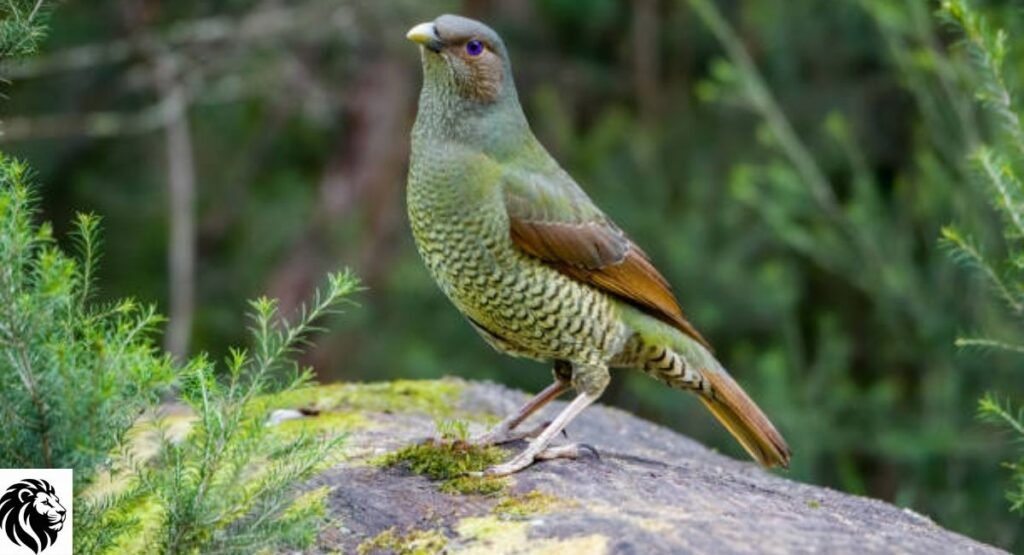
The Satin Bowerbird is the clearest example on this list. Its eyes can appear violet-blue, violet, or lilac, creating a striking contrast with its dark plumage. Unlike many supposed purple-eyed animals online, this unusual eye appearance is well documented in the species.
2. Purple Emperor Dragonfly
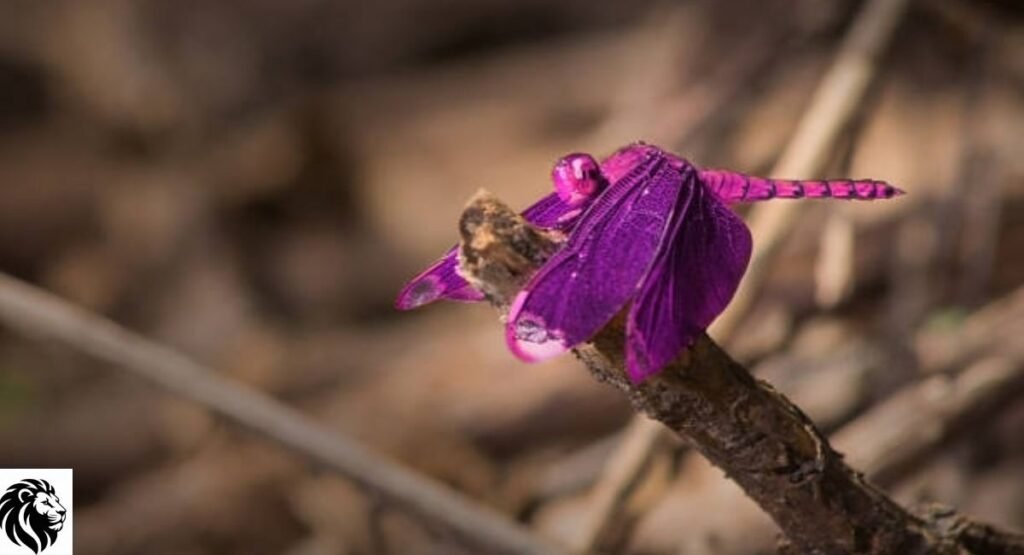
The Purple Emperor Dragonfly has a striking metallic appearance, and its eyes can show blue, violet, or purple-looking reflections under certain lighting. This effect comes from the tiny structures on its eyes that reflect and scatter light. As the viewing angle changes, the color can appear to shift, creating a beautiful purple sheen.
3. Albino Rabbit
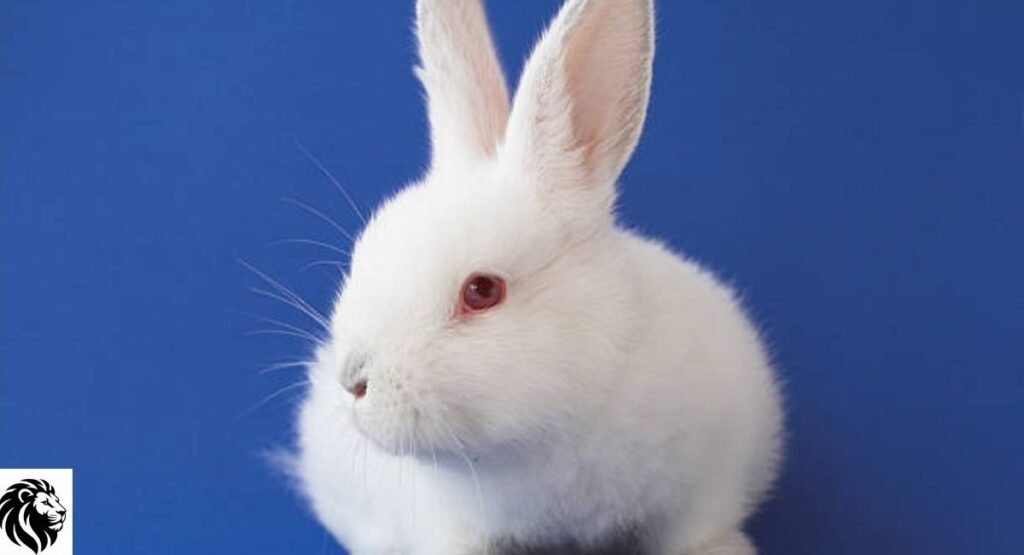
Albino rabbits have very little melanin, which makes their eyes appear pink or reddish. Under particular lighting, these pale eyes can take on a purple-looking shade because of internal reflection and the way light passes through the eye.
4. Albino Mouse
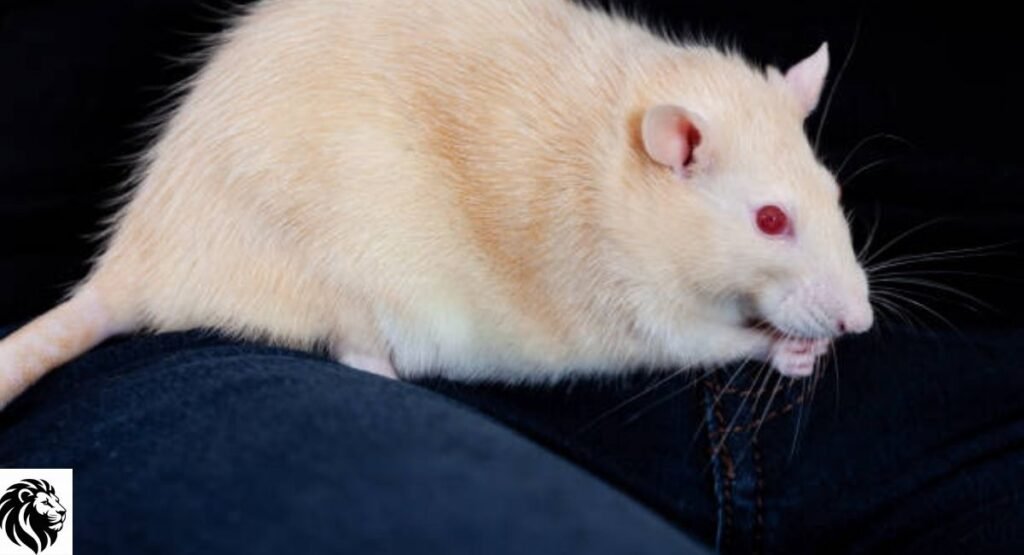
An albino mouse usually has pale pink or reddish eyes rather than genuinely purple irises. However, photographs and unusual lighting can make the eyes appear purple, especially when reflected light mixes with the naturally pale eye tissue.
5. Purple Tang
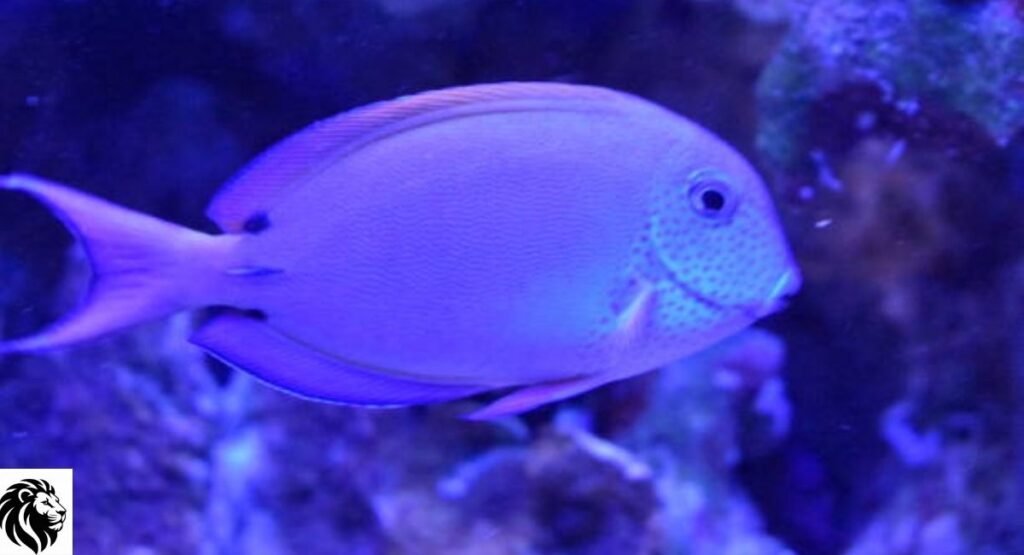
The Purple Tang is a striking marine fish with a deep purple body and vivid coloration. Its eyes can show dark violet or purple-looking tones, especially under aquarium lighting. However, the apparent purple shade can be influenced by light reflection and the surrounding water.
6. Albino Ferret
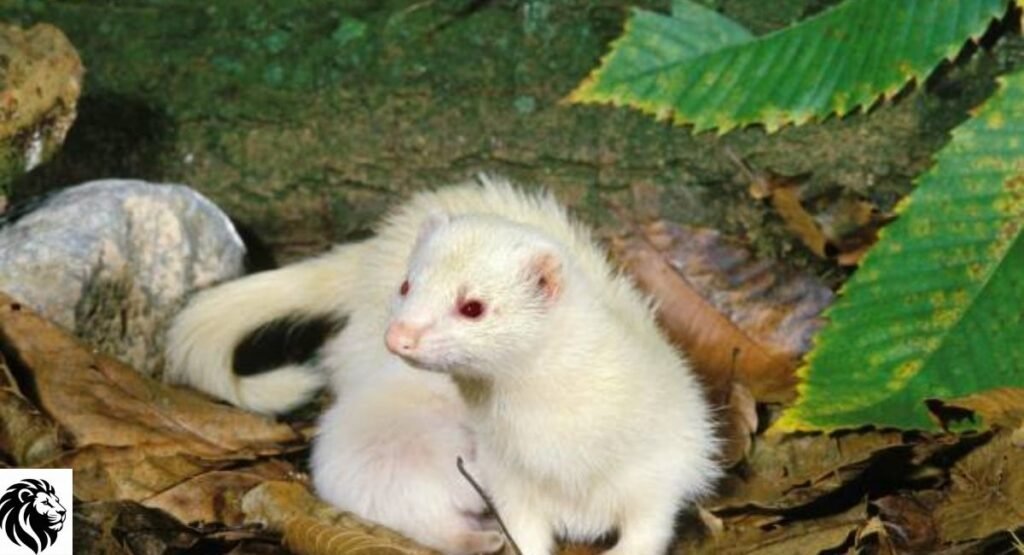
Albino ferrets have greatly reduced pigmentation, which affects both their coat and eyes. Their eyes generally look pink or reddish, although reflections can create a subtle violet or purple appearance in certain photographs.
7. Albino Guinea Pig
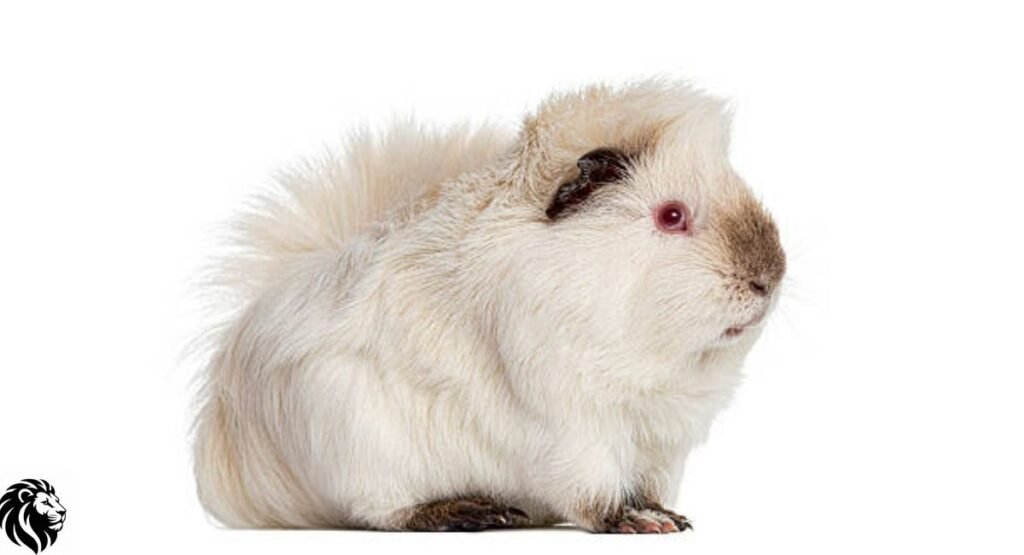
Albino guinea pigs can have striking pale eyes that look pink, red, or slightly purple depending on the light. Their unusual appearance comes from reduced pigmentation rather than a confirmed purple iris pigment.
8. Albino Deer
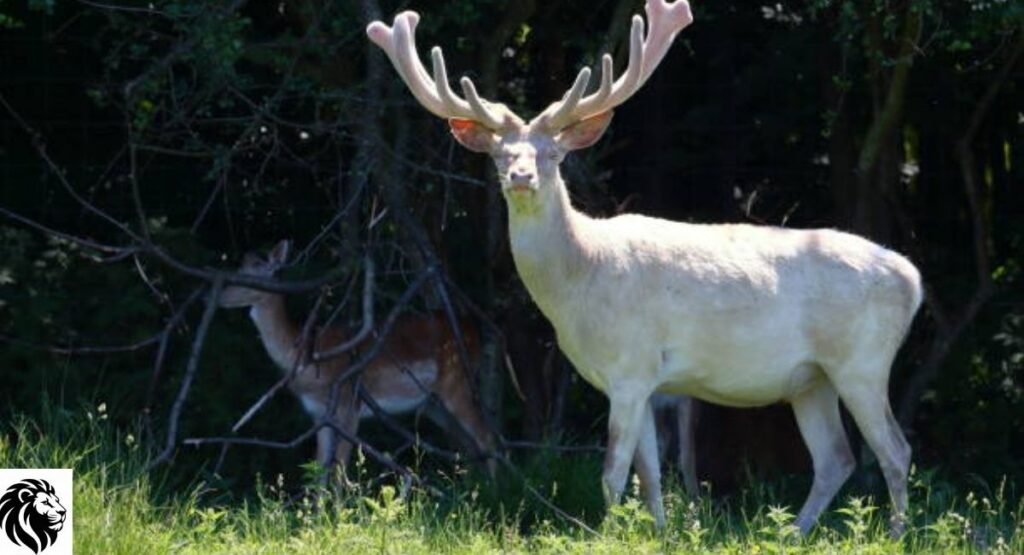
Albino deer are extremely unusual because of their lack of normal pigmentation. Their eyes often look pale pink or reddish, and photographs can sometimes make them appear violet or purple. This is primarily related to reduced pigment and light reflection.
9. Low-Pigment Birds
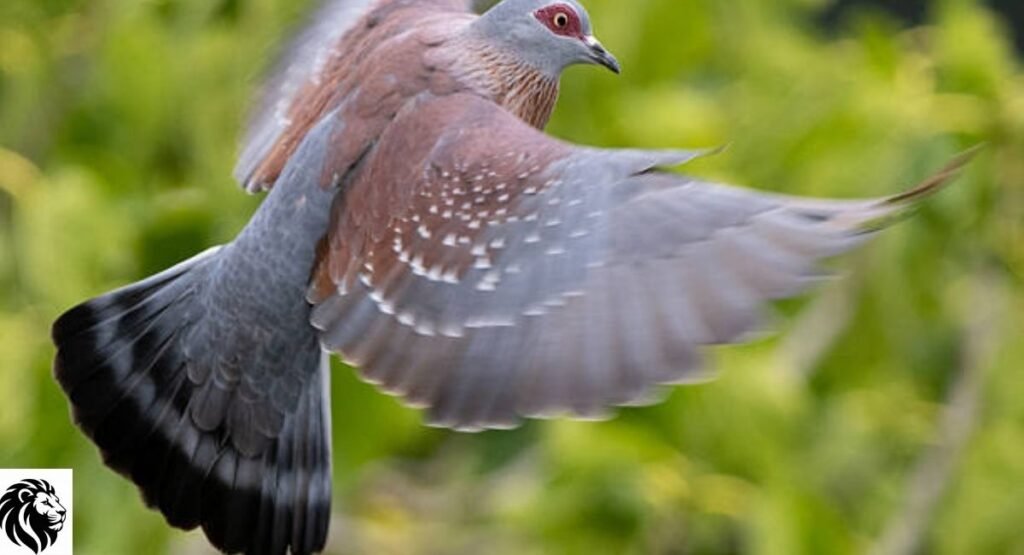
Some birds with unusually low pigmentation can show eyes that appear violet or purple under specific lighting. Their actual iris color needs to be examined carefully because photographs can exaggerate purple tones that aren’t obvious in natural conditions.
10. Ornamental Birds
Certain ornamental and selectively bred birds can develop unusual visual traits, including uncommon eye appearances. However, a purple-looking eye should not automatically be classified as a naturally purple iris without reliable species-level evidence.
11. Certain Amphibians
Some amphibians can produce fascinating eye colors because of their reflective tissues and unusual pigmentation. In photographs, these features may create violet or purple highlights, although that does not necessarily mean the animal has a truly purple iris.
12. Certain Reptiles
Reptile eyes can change dramatically in appearance according to lighting, viewing angle, and pupil size. Some individuals may photograph with violet or purple tones, but these cases are better described as purple-looking eyes rather than confirmed natural purple eyes.
13. Low-Pigment Mammals
Mammals with very little eye pigmentation can show unusual pale colors. When light reflects through their eyes, the result may look pink, violet, or purple. Therefore, the apparent color doesn’t always represent the animal’s actual iris pigmentation.
14. Rare Captive-Bred Animals
Selective breeding can sometimes produce unusual pigmentation patterns that aren’t commonly seen in wild populations. Some captive animals may therefore photograph with striking violet-looking eyes, but such examples require careful documentation before being called naturally purple-eyed.
15. Rare Individual Animals
Finally, some individual animals may appear to have purple eyes because of a unique combination of genetics, pigmentation, reflection, and lighting. These unusual cases are fascinating, but they shouldn’t be presented as proof that the species normally has purple eyes.
Why Do Some Animals Have Purple Eyes?
Eye color begins with biology. Genetics, pigment levels, and the structure of the iris influence how an animal’s eyes look.
Yet biology isn’t the whole story. Light also matters. The same eye can look slightly different in sunlight, shade, or a photograph because the visible color depends on how light enters and leaves the eye.
Genetics and Eye Pigmentation
Genes control many features involved in pigmentation. They influence how much pigment an animal produces and where that pigment appears.
This explains why related animals can sometimes have noticeably different eyes. Domestic species make this especially obvious because selective breeding can preserve rare traits that might be uncommon in wild populations.
How Melanin Influences Eye Color
Melanin is one of the major pigments involved in animal coloration. Higher amounts generally create darker appearances while lower amounts can produce lighter colors.
When pigmentation decreases, the eye may look pale, pink, red, or unusual. In some photographs, those shades can combine with blue reflections and create a purple-like appearance.
Light Reflection and Eye Structure
An eye isn’t simply a colored ball. Its transparent and reflective structures affect the way light behaves inside it.
That is why an iris may appear different from one angle than another. Light scattering can add blue or violet tones while reflections can intensify the effect.
Purple Eyes in Albino Animals
Albinism is a genetic condition involving reduced or absent melanin production. It can create very pale skin, fur, feathers, or scales.
The eyes may also appear unusual because pigmentation is reduced. However, albinism doesn’t automatically create a true purple iris. Pink, red, pale blue, and purple-looking effects can occur under different visual conditions.
Why Albino Eyes Can Look Pink, Red, or Purple
When pigmentation is extremely low, light can interact more visibly with blood-rich tissues inside the eye. This can make the eyes look pink or red.
Photography can intensify the effect. Flash and exposure may add blue or violet tones, causing an eye that is actually pink or reddish to look purple on screen.
Does Albinism Cause Truly Purple Eyes?
No. Albinism itself doesn’t mean an animal has genuinely purple irises.
Instead, reduced pigmentation can create unusual visual effects. If you see an albino animal described as purple-eyed, check several photographs and a trustworthy species source before accepting the claim.
Why Do Some Animals’ Eyes Look Purple in Photos?
Photography can be surprisingly deceptive. A camera records reflected light rather than directly measuring the biological pigment inside an iris.
As a result, exposure, flash, white balance, and nearby colors can shift an eye toward violet. This explains why one photograph may look dramatically different from another of the same animal.
Camera Flash and Eye Shine
Camera flash can produce eye shine when light enters the eye and reflects back toward the lens. Humans commonly notice this effect as red-eye.
Animals can show different reflective effects because their eyes have different structures. Depending on the species and lighting, reflected light may create a reddish, bluish, or purple-looking glow.
Lighting, Reflection, and Viewing Angle
Natural sunlight can reveal colors that disappear in shade. Artificial lighting can also add warm or cool tones to an iris.
Viewing angle matters too. Just as an iridescent feather changes color when it moves, a reflective eye can appear slightly different as light reaches it from another direction.
Purple vs. Violet, Pink, Red, and Blue Eyes
Color names often overlap in everyday conversation. What one person calls purple may look violet or blue-violet to someone else.
For animals, the problem becomes even greater because photographs alter color. A careful article should therefore describe the observed shade while explaining whether reliable sources confirm the biological color.
How to Tell the Difference
Start by checking the eye under natural light. Then compare several photographs taken from different angles.
Next, look for a reliable species description. If reputable wildlife sources consistently call the iris violet or violet-blue, the evidence is much stronger than a single social-media photograph.
Why Some Eye Colors Can Appear Purple
Blue and red tones can visually blend into a purple appearance. Reflections can make that effect even stronger.
Pale eyes are particularly vulnerable to this illusion because they contain less pigment to mask reflected colors. That’s why a pink or blue eye may sometimes look surprisingly violet.
What Do Purple Eyes Mean in Animals?
Purple eyes don’t carry one universal biological meaning. Eye color usually reflects genetics, pigmentation, development, and eye structure rather than a hidden message.
Still, unusual coloration can tell us something valuable. It may reveal inherited variation, reduced pigmentation, a specific species trait, or simply the effect of light.
Genetics and Natural Variation
Genetic variation creates much of the visual diversity seen across animals. Some traits remain rare because only certain combinations of genes produce them.
Domestic animals provide excellent examples. Breeders can preserve unusual coat and eye traits, making colors more visible than they would be in wild populations.
Does Purple Eye Color Affect Vision?
Eye color alone doesn’t automatically determine how well an animal sees.
Vision depends on many structures, including the retina, lens, optic system, and nervous system. Pigmentation can influence light sensitivity in some animals, but a violet-looking iris isn’t itself evidence of poor vision.
Is Purple Eye Color a Sign of Albinism?
Not necessarily. Some albino animals have pale or reddish eyes that may look purple in photographs.
At the same time, genuine violet or violet-blue eyes can occur without albinism. The Satin Bowerbird demonstrates this clearly because its violet-blue iris is a normal species characteristic.
Why Are Naturally Purple Eyes So Rare?
Rare colors often attract attention because they stand apart from common biological patterns. Animal eyes commonly appear brown, black, yellow, orange, red, or blue.
Violet shades exist too, but they occur much less frequently. That rarity makes them especially memorable. It also explains why online searches often mix genuine examples with misleading photographs.
Common Animal Eye Colors
Brown and dark eyes occur widely across the animal kingdom. Yellow, orange, red, and blue also appear in many groups.
These colors can result from different combinations of pigments and eye structures. Violet is less common, which makes documented examples particularly interesting to researchers and wildlife observers.
Evolution and Pigmentation
Evolution doesn’t create traits simply because humans find them beautiful. Eye color develops through inherited biology and the pressures acting on populations over generations.
A rare eye color can persist when it doesn’t significantly reduce survival or reproduction. It may also become noticeable through sexual selection, genetic variation, or species-specific development.
The Role of Genetics
Genetics provides the basic blueprint for many eye-color differences. A small change in pigment production can sometimes produce a noticeable visual difference.
In domesticated animals, selective breeding can make these differences even more obvious. In wild species, unusual colors may remain rare because fewer individuals inherit the necessary genetic combination.
Interesting Facts About Animals With Purple Eyes
1. Satin Bowerbirds have striking violet-blue eyes. Their unusual eye color stands out against their dark feathers, making them one of the best-known examples of violet-looking eyes in animals.
2. Purple eyes are extremely rare in nature. Many animals described online as having purple eyes actually have violet, pink, red, or blue eyes that appear purple under certain conditions.
3. Lighting can completely change eye color. Sunlight, camera flash, reflections, and viewing angles can make an animal’s eyes look more purple than they appear in normal light.
4. Albinism can create a purple-looking effect. Animals with very little pigmentation often have pink or reddish eyes. Light passing through and reflecting inside the eye can sometimes produce a violet or purple appearance.
5. Eye color is closely connected to pigmentation. Melanin and other pigments influence how light interacts with the iris, which helps explain why animals can show such unusual eye shades.
6. A purple-looking eye does not always mean purple pigment. Sometimes the color comes from a combination of internal reflection, tissue structure, and surrounding light rather than a truly purple iris.
7. Photographs can be misleading. A single photograph isn’t always enough to identify an animal’s natural eye color. Multiple images taken under normal lighting provide better evidence.
8. Genetics can influence unusual eye colors. Changes in pigmentation genes can produce rare eye shades, especially in animals with unusual color variations or reduced pigmentation.
9. Violet and purple aren’t exactly the same. In nature, an eye described as violet, lilac, or violet-blue may be closer to the actual observed color than pure purple.
10. Purple-looking eyes don’t automatically indicate poor health. An unusual eye shade can simply be a natural genetic or optical feature. However, sudden changes in an individual animal’s eyes can have a different cause.
Conclusion
Animals with purple eyes are among nature’s most fascinating visual wonders. While the Satin Bowerbird provides one of the clearest examples of naturally violet-looking eyes, many other animals only appear purple because of pigmentation, reflection, genetics, or lighting. That’s why it’s important to distinguish genuine eye color from a purple-looking effect.
From unusual birds to albino mammals, these examples show how differently animal eyes can appear. Purple shades may be rare, but they reveal the amazing ways genetics, light, and eye structure work together in the animal world.
FAQs
Are purple eyes common in animals?
No, purple eyes are extremely uncommon in animals. Many eyes that look purple are actually violet, pink, or reddish and appear different because of lighting and reflection.
What is the rarest animal with purple eyes?
The Satin Bowerbird is one of the best-known animals with naturally violet-looking eyes. Its striking eye color makes it especially unusual among birds.
Can genetics cause purple-looking eyes in animals?
Yes, genetics can influence pigmentation and eye structure, which may create unusual violet or purple-looking eyes. However, not every unusual shade represents true purple pigmentation.
Why do some animals have purple-looking eyes in pictures?
Camera flash, sunlight, reflections, and viewing angles can dramatically change how an animal’s eyes look in photographs. This can make pink, red, or violet eyes appear purple.
Are purple eyes harmful to animals?
Not necessarily. An unusual eye color by itself does not mean an animal has a health problem. Its effect depends on the underlying genetics, pigmentation, and eye structure.

Welcome to natureanimalhub! I’m Anam Sattar, an AI Powered SEO, and Content Writer with 4 years of experirnce.
I help websites rank higher,grow traffic, and look amazing. My goal is to make SEO and web design simple and effective for everyone.
Let’s achieve more together!
1 thought on “15 Animals With Purple Eyes: Rare Species, Meanings & Interesting Facts”