

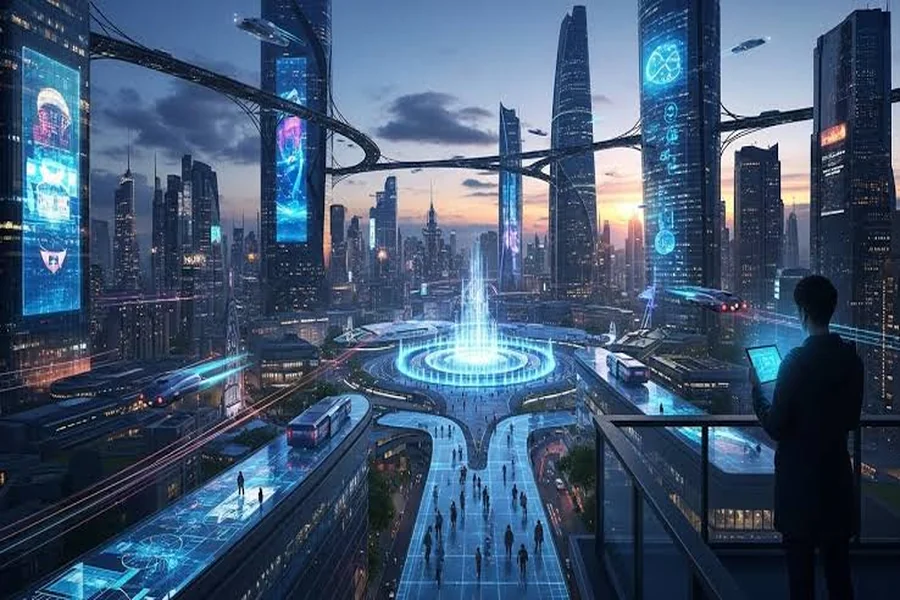
The future of technology in everyday life will bring significant changes to how people work, communicate, learn, and manage their homes. Digital tools are already part of ordinary routines, from smartphone payments and navigation apps to video calls and online shopping. As artificial intelligence, connected devices, robotics, and smart infrastructure continue to develop, these technologies may become even more integrated into daily activities. The goal is not simply to introduce more gadgets but to make services more accessible, save time, and solve practical problems. Understanding these changes can help individuals prepare for new opportunities while recognizing the importance of privacy, security, and responsible innovation.
Artificial Intelligence and Smarter Daily Tasks
Artificial intelligence is becoming a useful part of everyday life by helping people organize information, complete routine tasks, and make decisions more efficiently. AI-powered assistants can summarize documents, suggest schedules, translate languages, and provide support when users need quick answers. In homes and workplaces, intelligent software may automate repetitive activities and help people focus on more meaningful responsibilities. Recommendation systems also personalize entertainment, shopping, and learning experiences based on user preferences. However, AI tools are not always accurate and can produce misleading information, so important decisions still require human judgment. As these systems improve, transparency, data protection, and responsible use will determine how effectively they support everyday needs without creating unnecessary risks.
Smart Homes and Connected Devices
Smart home technology is making household routines more convenient through connected lighting, thermostats, security cameras, appliances, and voice-controlled systems. These devices can allow people to adjust their environment remotely, monitor energy use, and automate tasks according to their schedules. For example, a smart thermostat may help regulate indoor temperatures, while connected lighting can switch off when rooms are not in use. The Internet of Things connects these devices so they can exchange information and respond to changing conditions. Digital platforms such as feeltextz reflect the wider growth of online experiences in a world where connected technology plays an increasingly important role. Still, users should choose secure devices, update software regularly, and review privacy settings to reduce cybersecurity risks.
Healthcare, Wearable Technology, and Wellness
Technology is also changing how people monitor their health and access medical services. Smartwatches and fitness trackers can measure indicators such as heart rate, daily activity, and sleep patterns, helping users understand their habits over time. Telehealth services allow patients to consult healthcare professionals remotely, which can be especially helpful for people living far from medical facilities or facing mobility challenges. Digital health records and remote monitoring tools may also help clinicians review relevant information between appointments. In the future, improved sensors and AI-assisted analysis could support more personalized healthcare. Nevertheless, wearable measurements are not always precise and should not be treated as medical diagnoses. Strong privacy protections, reliable evidence, and professional guidance will remain essential.
The Future of Work, Education, and Transportation
Technology is reshaping how people earn a living, develop skills, and travel. Remote collaboration platforms allow teams to work across different locations, while digital learning tools provide access to courses and educational resources beyond traditional classrooms. AI-based learning assistants may help explain difficult topics and adapt practice activities to individual needs, although teachers remain essential for guidance and critical thinking. Transportation is evolving through electric vehicles, intelligent traffic systems, improved navigation, and ongoing development of autonomous driving technology. These innovations could improve convenience and efficiency, but adoption depends on affordability, infrastructure, safety, and regulation. As technology changes professional expectations, digital literacy and the ability to learn new skills will become increasingly valuable for people across different industries.
Final Thought
The future of technology in everyday life will be shaped by tools that make daily activities simpler, faster, and more accessible. Artificial intelligence may support routine decisions, connected homes can improve convenience, digital healthcare can expand access to services, and modern communication tools can make learning and work more flexible. However, technological progress also brings challenges involving privacy, misinformation, cybersecurity, affordability, and overdependence on digital systems. People and organizations should focus on practical benefits rather than adopting every new product or trend. By combining innovation with responsible use, strong digital skills, and thoughtful safeguards, society can make technology a useful part of everyday life while keeping human needs at the center.
FAQs
1. How will technology change everyday life in the future?
Technology may automate routine tasks, improve communication, support personalized healthcare, and make homes, transportation, and digital services more efficient.
2. What role will artificial intelligence play in daily life?
AI will likely help people organize information, complete repetitive tasks, personalize learning, and access digital assistance, although human oversight will remain important.
3. Will smart homes become more common?
Smart homes may become more common as connected devices become easier to use, more affordable, and better integrated with household systems.
4. How will technology affect future jobs?
Automation may change existing roles and create new opportunities, increasing the importance of digital literacy, problem-solving, creativity, and continuous learning.
5. What are the main risks of future technology?
Important risks include data privacy concerns, cyberattacks, misinformation, unequal access, and excessive dependence on automated systems.

Welcome to natureanimalhub! I’m Anam Sattar, an AI Powered SEO, and Content Writer with 4 years of experirnce.
I help websites rank higher,grow traffic, and look amazing. My goal is to make SEO and web design simple and effective for everyone.
Let’s achieve more together!