

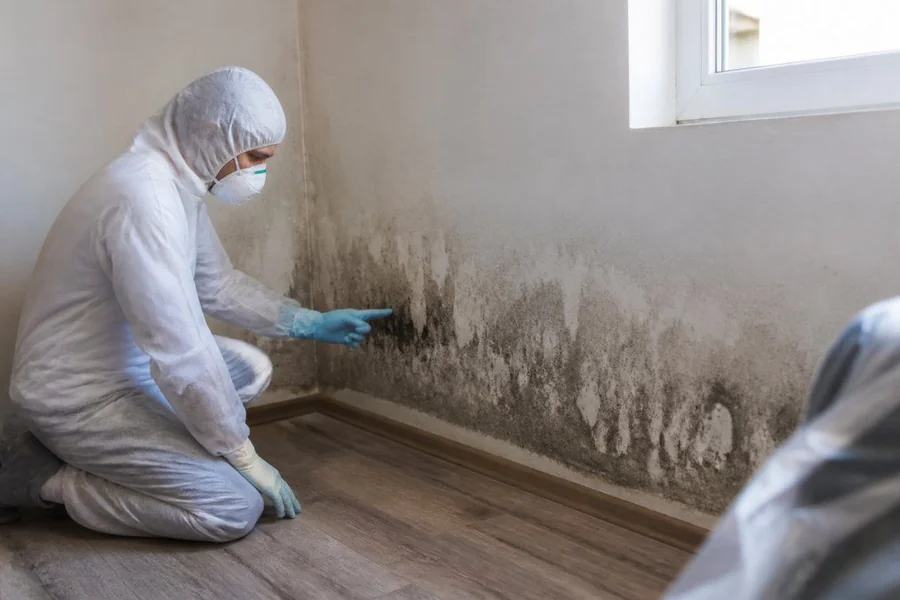
Finding mold in your property brings immediate panic. That panic only grows when your insurance company denies your remediation claim. You pay your premiums every month expecting financial protection during a crisis. Instead, you receive a rejection letter pointing to obscure policy language that leaves you facing massive out-of-pocket costs. Insurance companies often rely on complex clauses to avoid covering expensive environmental repairs. A denial letter does not have to be the final word on your situation. Pushing back against a massive corporation requires professional leverage. Consulting a mold attorney can help you decode your policy and force the insurance provider to honor your agreement.
Understanding Policy Language and Exclusions
Sudden Damage Versus Gradual Wear
Insurers deny these specific claims frequently because of the source of the moisture. Most standard property policies exclude damage caused by long-term leaks or poor maintenance. If a pipe drips behind a wall for six months, the insurance adjuster will almost always deny the resulting claim. They classify this scenario as a maintenance issue that you should have caught and repaired earlier. Conversely, sudden and accidental water damage is typically covered. If a water heater bursts unexpectedly and floods your finished basement, the resulting damage usually falls under your coverage limits. The battle with your insurer often centers entirely on proving that the water source was sudden rather than gradual.
Caps and Limitations
Even if your insurer admits that the cause of loss is covered, they might try to limit the payout. Many policies contain specific caps for fungal remediation. These caps might limit your reimbursement to a fraction of the actual cleanup cost. Insurance providers sometimes misapply these caps to save money. If the fungal growth resulted directly from a covered peril like a sudden burst pipe, the entire tear-out and repair process might actually be covered under the main dwelling limit rather than the restricted environmental cap. You have to read the fine print closely to see how your specific policy handles these overlapping damages and forces insurers to pay remediation costs in full.
Building a Rock-Solid Case After a Denial
When you receive a denial, your immediate reaction might be intense frustration. You must channel that energy into building an undeniable case.
Gathering Independent Evidence
Start by gathering every piece of documentation available. Take clear photographs and videos of the affected areas before any cleanup crew alters the scene. Save all correspondence with your insurance agent and the assigned claims adjuster. Do not rely solely on the insurance company’s preferred vendors to assess the situation. You should hire an independent industrial hygienist. This professional will test the indoor air quality and identify the specific type of spores present. Their official scientific report carries significant weight and provides objective proof of the contamination.
Creating a Paper Trail
You should also bring in an independent water damage restoration contractor to assess the true cause of the moisture. If their professional findings contradict the insurance adjuster, you have solid grounds to appeal the initial denial. Keep a meticulous log of every interaction with your insurance carrier.
- Write down the names of all representatives you speak with.
- Record the exact dates and times of those conversations.
- Follow up all phone calls with an email summarizing what was discussed.
- Keep copies of all receipts related to emergency mitigation efforts.
A clear paper trail is your primary weapon when an insurer attempts to minimize your payout or twist the facts of your claim.
Invoking the Appraisal Clause
If your insurer agrees that there is coverage but disagrees on the cost of the cleanup, you might need to invoke the appraisal clause. Most policies contain this provision. It allows you to hire an independent appraiser to evaluate the loss while the insurance company hires their own appraiser. If the two appraisers cannot agree on a price, they submit their differences to a neutral umpire. The decision made by the umpire becomes binding. This process can bypass a stubborn adjuster who refuses to acknowledge the real-world costs of professional environmental cleanup.
When to Seek Legal Representation
Sometimes all the evidence in the world will not change a stubborn adjuster’s mind. Some insurance companies operate in bad faith to protect their profit margins.
Identifying Bad Faith Tactics
They might delay your claim for months without a valid reason. They might offer extremely lowball settlements that do not even cover the basic demolition costs. Sometimes they repeatedly ask for documents you have already provided to stall the process. This behavior is intentionally designed to wear you down until you give up and pay for the cleanup yourself. You do not have to accept this unfair treatment. Bringing in legal representation completely shifts the balance of power in your favor.
Litigation and Negotiation
A legal professional understands the intricate details of insurance law and knows exactly how to spot bad faith tactics. They will review your entire policy to identify avenues of coverage the adjuster conveniently ignored. When a legal advocate drafts a formal demand letter, insurance companies take immediate notice. The looming threat of a lawsuit often prompts them to reevaluate their position and offer a fair settlement. If the carrier still refuses to pay what you deserve, your legal team can file a lawsuit for breach of contract. Depending on your state laws, you might even be able to sue for bad faith damages. Forcing an insurance provider to hand over a check requires a highly strategic approach. You need an advocate who knows how to navigate the complex legal system and hold the insurer strictly accountable for the policy they sold you.

Welcome to natureanimalhub! I’m Anam Sattar, an AI Powered SEO, and Content Writer with 4 years of experirnce.
I help websites rank higher,grow traffic, and look amazing. My goal is to make SEO and web design simple and effective for everyone.
Let’s achieve more together!