

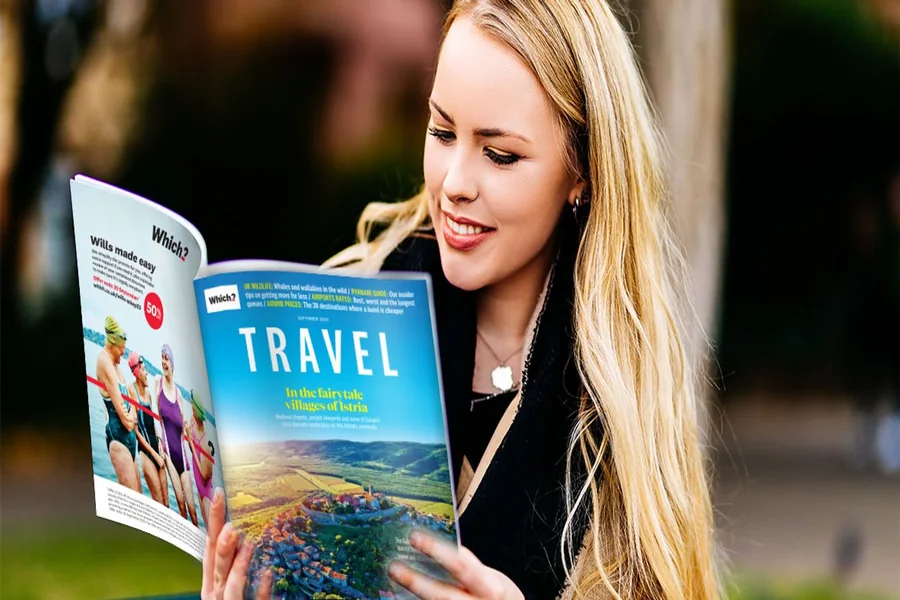
A travel magazine can be a quick source of inspiration, but the best issues offer something more lasting. They capture places, people, and experiences in a way that remains interesting long after the publication date.
That distinction matters in an age of endless online content. A website can help you compare flights or check opening hours, but a thoughtfully produced magazine encourages slower, more meaningful discovery. It becomes part travel guide, part visual record, and part invitation to see the world differently.
So, what makes a travel magazine worth keeping rather than recycling after one read? The answer usually comes down to useful storytelling, memorable photography, timeless information, and physical quality.
Timeless Travel Stories That Go Beyond Basic Advice
A disposable article tells you where to go. A memorable travel feature helps you understand why a place matters.
Strong travel writing includes local history, personal observations, cultural context, and voices from the community. Instead of presenting a destination as a collection of attractions, it explains how people live there and what gives the location its character.
These stories also avoid relying too heavily on temporary trends. Restaurant recommendations and hotel prices can become outdated quickly, but an account of crossing a mountain region, visiting a traditional workshop, or exploring a remote coastline may remain compelling for years.
A Clear Sense of Place
The best travel writers make readers feel present. They describe the sounds of a market, the pace of a railway journey, or the changing light across a landscape without turning every sentence into dramatic poetry.
Specific details create trust. When a writer notices ordinary routines as well as famous landmarks, the destination feels real rather than staged. That sense of place is one of the main reasons readers return to an issue.
Exceptional Travel Photography
Photography often determines whether a magazine is read once or displayed on a shelf. Beautiful images can preserve the atmosphere of a journey more immediately than words alone.
However, attractive photography is not necessarily meaningful photography. A strong visual story shows variety, including wide landscapes, street details, architecture, food, portraits, and unplanned moments. Together, these images reveal more than a collection of perfect viewpoints.
Good photo editing is equally important. Images should follow a visual rhythm and support the written story. When photographs are selected and arranged with care, turning the pages feels like following a journey rather than scrolling through unrelated pictures.
Images That Inspire Without Misleading
Travel photography should inspire curiosity, but it should not create an unrealistic picture of a destination. Overedited skies, empty landmarks, and heavily staged scenes may look impressive, yet they can hide what visiting the place is actually like.
Honest imagery includes texture, weather, people, and everyday activity. It respects both the destination and the reader. This approach makes a magazine more valuable as a cultural record.
Useful Information With Long-Term Value
Practical advice is still essential, even in a publication designed to be collected. The key is choosing information that remains useful.
A lasting guide might explain the best way to explore a region, local customs visitors should understand, or how the seasons affect a journey. Advice about responsible behavior, public transport, walking routes, and regional traditions can stay relevant far longer than a list of fashionable venues.
Useful travel content often answers questions such as:
- How much time does the destination deserve?
- Which experiences require advance planning?
- What local etiquette should visitors understand?
- How can travelers support local businesses?
- Which season suits different types of trips?
A keeper magazine balances this practical guidance with deeper storytelling. Readers can enjoy it from home and later use it when planning an actual trip.
High-Quality Design and Print Production
A physical magazine is also an object. Paper weight, binding, typography, image reproduction, and layout all influence whether it feels worth saving.
Good design should make reading easier, not simply look artistic. Clear headings, comfortable text sizes, well-spaced pages, and thoughtful image placement allow the content to breathe.
Readers should always know where a story begins and how to follow it.
Print quality becomes especially important when photography is central to the publication.
Accurate color, sharp details, and durable paper help an issue retain its impact over time. A carefully made travel magazine can also become a personal keepsake, particularly when it documents meaningful journeys and favorite destinations.
A Distinct Editorial Identity
Memorable magazines have a recognizable point of view. They do not try to cover every destination or appeal to every possible traveler.
One publication might focus on slow travel and rural communities, while another explores design-led hotels, food culture, wilderness adventures, or railway journeys. A clear editorial identity helps readers decide whether the magazine reflects their interests and values.
Consistency matters too. The writing, photography, and design should feel connected rather than assembled from unrelated pieces. That cohesion gives the publication personality and makes future issues easier to recognize.
Responsible and Respectful Travel Coverage
Modern travel publishing has a responsibility to consider the impact of tourism. A magazine worth keeping should do more than promote beautiful destinations. It should help readers visit them thoughtfully.
That means acknowledging overcrowding, environmental pressure, cultural boundaries, and the needs of local residents. It also means giving proper space to local writers, photographers, guides, artists, and business owners.
Responsible coverage does not need to make travel feel difficult or joyless. Instead, it offers better ways to experience a place, such as traveling outside peak periods, staying longer, using local services, and following conservation guidance.
Personal Relevance and Emotional Connection
Not every magazine needs to be universally important. Sometimes an issue is worth keeping because it connects with a personal memory or future ambition.
A feature about a childhood holiday destination may bring back forgotten details. A story about a long-distance walking route might become the starting point for a future adventure. Notes
written in the margins can turn the issue into part of the reader’s own travel history.
This emotional value is difficult to measure, but it often matters more than the cover price. The magazines people keep tend to remind them where they have been, where they hope to go, or how travel has changed their perspective.
How to Decide Whether a Travel Magazine Is Worth Saving
Before adding another issue to your shelf, consider whether you expect to open it again. A collectible travel publication should offer more than temporary entertainment.
Ask yourself whether the stories still feel relevant, whether the photography rewards another look, and whether the practical advice could support a future trip. Also consider the physical condition and design. If the issue feels meaningful, useful, or visually distinctive, it has earned its place.
Conclusion: Keep Travel Magazines That Continue to Inspire
A travel magazine is worth keeping when it offers lasting value through thoughtful writing, honest photography, useful guidance, and durable design. The strongest publications do not simply advertise destinations. They deepen your understanding of them.
The next time you finish an issue, resist the urge to discard it immediately. Revisit the feature that stayed with you, mark ideas for a future journey, or share the magazine with someone who would appreciate it. If it continues to inform, inspire, or bring back memories, it is more than reading material – it is part of your travel story.

Welcome to natureanimalhub! I’m Anam Sattar, an AI Powered SEO, and Content Writer with 4 years of experirnce.
I help websites rank higher,grow traffic, and look amazing. My goal is to make SEO and web design simple and effective for everyone.
Let’s achieve more together!