


White Animals are among the most fascinating creatures found in nature. Their snowy fur, pale feathers, and icy skin help them survive in harsh environments where camouflage means survival. Many of these animals live in the Arctic, mountains, and frozen forests where blending into snow protects them from danger. From polar bears and Arctic foxes to snowy owls and beluga whales, these species display incredible adaptation skills. Scientists believe their white coloration developed through evolution over thousands of years. These beautiful creatures are not only rare but also important for maintaining balance in fragile ecosystems. Exploring Arctic animals, snow camouflage, white wildlife, and cold climate wildlife reveals nature’s extraordinary survival strategies.
Why Are Some Animals White?
Many animals become white because it helps them survive in harsh climates. In snowy places, darker colors make animals easy to spot. White fur or feathers help them blend into frozen surroundings. This process is called snow camouflage and it is one of nature’s best defense systems.
Some species stay white all year while others change color during winter. Arctic animals often grow thicker white coats when temperatures drop. This adaptation protects them from freezing winds and hungry predators. These cold climate wildlife species evolved over thousands of years to survive in extreme conditions.
White Camouflage and Survival in Extreme Climates
White coloring gives animals a major advantage in icy regions. Predators can hide while hunting and prey animals can escape danger more easily. Animals living in tundra habitats depend on this natural disguise every day.
Besides camouflage, white fur also helps with warmth. Thick coats trap heat close to the body. Many Arctic animals combine white coloration with layers of fat and dense fur to survive deadly temperatures.
White Animals Meaning
White animals are animals that naturally have white fur, feathers, skin, or scales. Their white color helps them survive in snowy or icy environments by blending into their surroundings. This natural camouflage protects them from predators and also helps hunters sneak closer to prey.
Many White Animals live in Arctic and cold regions where snow covers the land for long periods. Animals like polar bears, Arctic foxes, snowy owls, and beluga whales are common examples. These species are not usually albino because their white color developed naturally through evolution and adaptation.
White Mammals Found in Nature
Mammals are some of the most famous White Animals in the world. Many live in snowy mountains, Arctic tundras, and icy oceans. Their thick white fur protects them from cold weather and helps them hide from enemies.
These mammals use different survival skills. Some hunt seals beneath ice while others burrow into snow for warmth. Their appearance may look soft and peaceful, yet many are strong survivors built for dangerous environments.
Polar Bear
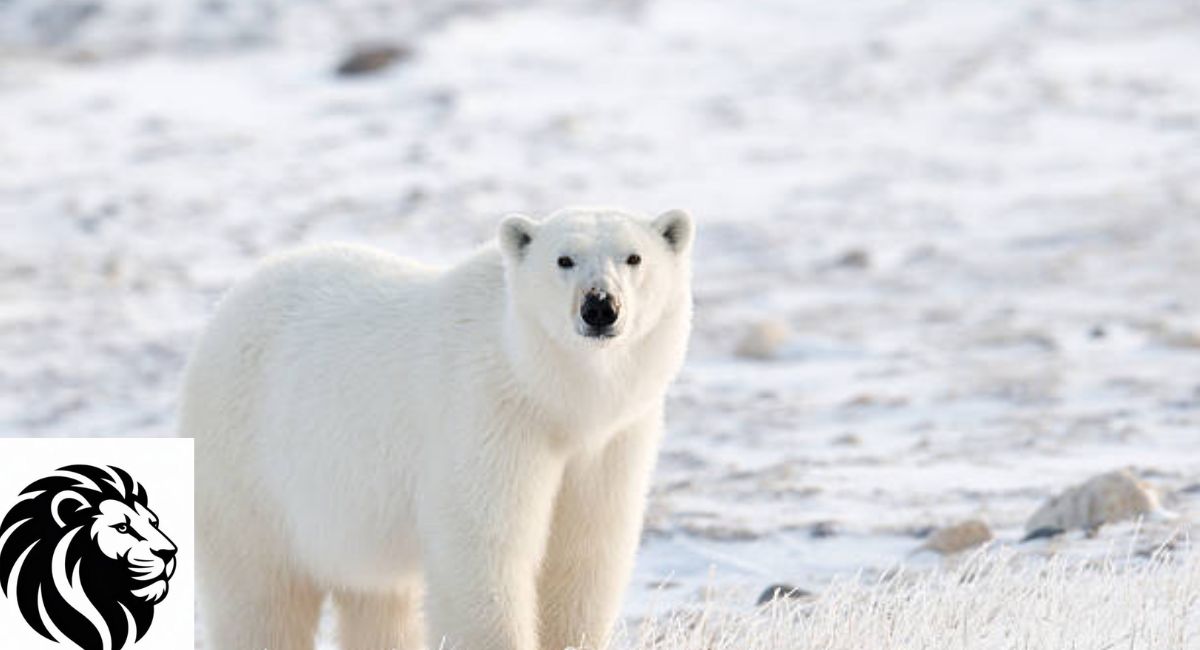
The polar bear is one of the most recognized white mammals on Earth. It lives in Arctic regions covered with sea ice and freezing waters. Surprisingly, its fur is transparent while the skin underneath is black. This unique feature helps absorb sunlight and retain heat.
Polar bears are powerful hunters. They mainly feed on seals and depend on sea ice for survival. Because of melting ice caused by climate change, these majestic creatures face growing threats. Scientists consider them symbols of fragile Arctic ecosystems.
Arctic Fox

The Arctic fox survives in some of the coldest places on Earth. During winter, its fur turns bright white to match snowy landscapes. This camouflage helps it avoid predators and hunt small animals like rodents and birds.
Arctic foxes also have thick tails that act like blankets during storms. They curl into tight balls to conserve heat. Their clever survival skills make them one of the toughest animals in the frozen north.
Arctic Hare

The Arctic hare has long legs and strong muscles that help it move quickly across snow-covered land. Its white winter coat hides it from predators such as wolves and foxes. In summer, parts of its fur may turn gray or brown.
These hares survive by eating small plants, roots, and mosses hidden beneath snow. They often gather in groups for warmth during severe Arctic storms.
Arctic Wolf

Arctic wolves live in remote frozen regions where few humans can survive. Their white coats provide excellent camouflage against snow and ice. Unlike many wolves, they rarely fear humans because of limited contact.
These wolves hunt musk oxen, Arctic hares, and caribou. They work together in packs and depend on teamwork for survival in dangerous environments.
Beautiful White Birds
Birds with white feathers often appear graceful and elegant. Many species live near wetlands, snowy forests, and Arctic coastlines. Their pale plumage protects them from predators while also helping attract mates during breeding season.
Some white birds migrate thousands of miles each year. Others remain in icy habitats throughout winter. Their beauty and survival abilities make them among the most admired creatures in nature.
Snowy Owl

The snowy owl is famous for its bright white feathers and golden eyes. It lives in Arctic tundra regions and hunts during both day and night. Its thick plumage protects it from freezing temperatures.
Male snowy owls are usually whiter than females. These birds feed mainly on lemmings and other small mammals. Their silent flight helps them surprise prey easily.
Mute Swan

Mute swans are large water birds known for their curved necks and pure white feathers. They glide across lakes and rivers with calm elegance. Despite their peaceful appearance, they can become aggressive when protecting nests.
These swans mainly eat aquatic plants and small water creatures. Their graceful movement has made them symbols of beauty in many cultures.
Whooper Swan
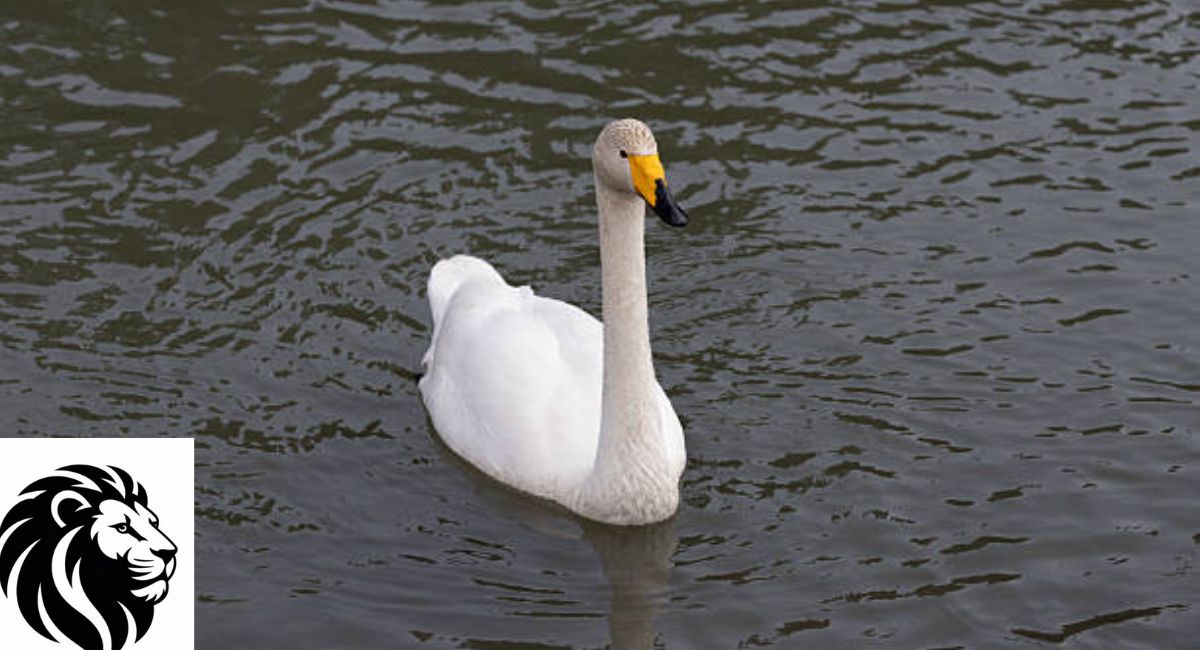
Whooper swans are migratory birds found across Europe, Asia, and North America. Their loud calls echo through wetlands and frozen lakes during migration seasons.
These swans travel in groups and often form lifelong bonds with partners. Their white feathers help them stand out against dark water and icy landscapes.
White Amphibians
White amphibians are rare compared to mammals and birds. Many live in water-rich environments where pale skin helps them survive in unique ways. Some species become famous because of their unusual appearance and biological abilities.
Amphibians also play important roles in ecosystems. They control insect populations and act as environmental indicators because they react quickly to pollution and climate changes.
Axolotl

The axolotl is one of the strangest creatures in the animal kingdom. This aquatic amphibian has a pale body and feathery gills sticking from its head. Unlike most amphibians, it remains underwater for life.
Axolotls are famous because they can regrow lost limbs and organs. Scientists study them to learn more about healing and regeneration. Sadly, pollution and habitat destruction threaten wild populations.
White Tree Frog

The white tree frog is a calm amphibian known for its soft pale-green to white skin. It lives in humid forests and spends most of its time climbing trees and leaves. These frogs are popular pets because of their friendly behavior and unique appearance.
White Newt

The white newt is a small aquatic amphibian with a slender body and smooth pale skin. It usually lives in ponds, wetlands, and slow-moving streams. These creatures feed on insects, worms, and tiny aquatic animals.
White Poison Dart Frog

The white poison dart frog is a tiny amphibian with bright pale skin and dark markings. It lives in humid rainforest regions and feeds on small insects. Despite its beautiful appearance, this frog can produce toxic chemicals to protect itself from predators.
White Marsh Frog

The white marsh frog lives near ponds, wetlands, and slow rivers with thick vegetation. Its pale skin helps it blend into muddy water and wet surroundings. These frogs are active hunters and mainly feed on insects, worms, and tiny aquatic creatures.
White Insects and Moths
White insects may look delicate, yet many are highly adaptable survivors. Some species protect gardens while others damage crops and plants. Their pale wings or bodies often help them hide among flowers and leaves.
Many moths and butterflies use white coloring as camouflage. Others use it to warn predators or attract mates during nighttime activity.
Cabbage White Butterfly

The cabbage white butterfly is common in gardens and farms. Its soft white wings carry small black markings that help identify the species.
These butterflies feed on flowering plants while their caterpillars often damage cabbage crops. Despite being considered pests in some regions, they remain important pollinators.
White Satin Moth

The white satin moth has silky white wings that shine under moonlight. These moths are active at night and often gather near lights.
Their caterpillars feed on tree leaves and can damage forests if populations grow too large. Even so, their elegant appearance makes them fascinating insects.
Greenhouse Whitefly

Greenhouse whiteflies are tiny flying insects that attack vegetables and ornamental plants. They suck sap from leaves and weaken crops over time.
Farmers often struggle to control these pests in greenhouses. Natural predators and organic treatments help reduce their numbers without harming the environment.
White Fishes
White fish species are some of the most elegant creatures found in oceans, rivers, and aquariums. Their pale scales and smooth bodies often help them blend into sandy seabeds or cloudy water. Many white fish are popular because of their beauty, rarity, and peaceful appearance.
Beluga Sturgeon

The beluga sturgeon is a massive fish known for its pale gray to white body. It lives in large rivers and seas across Europe and Asia. This ancient species is famous for producing expensive caviar and can survive for many decades.
Albino Catfish

Albino catfish have creamy white skin and pink eyes because they lack pigment. These freshwater fish are popular in aquariums due to their unusual appearance and calm behavior. They mostly feed at the bottom of rivers and tanks.
White Koi Fish

White koi fish are symbols of peace and luck in many Asian cultures. Their shiny white scales create a graceful appearance in garden ponds. These fish are friendly, long-living, and highly valued by collectors.
Moon Jellyfish

Moon jellyfish appear almost transparent white while floating through ocean waters. Their soft glowing bodies make them look delicate and peaceful. They survive by catching tiny sea creatures with their tentacles.
Platinum Arowana

The platinum arowana is one of the rarest and most expensive aquarium fish in the world. Its metallic white body shines beautifully under light. Many fish lovers consider it a symbol of wealth and luxury.
White Angelfish

White angelfish are popular freshwater aquarium fish with long flowing fins and bright white scales. They move slowly and gracefully through water, making them favorite pets among aquarium owners.
Beluga Whale

Beluga whales are often called the “canaries of the sea” because they produce many sounds and whistles. These marine mammals have smooth white skin that helps them blend into icy waters.
Young belugas are usually gray before turning white as adults. They live in cold Arctic oceans and travel in social groups called pods. Their flexible necks allow them to move their heads in ways most whales cannot.
Rare White Animals Around the World
Some white species are extremely rare and difficult to spot in the wild. These creatures often live in isolated forests, mountains, or icy oceans far from human activity.
Rare white wildlife captures global attention because of its unusual appearance. Many cultures even connect these animals with myths, legends, and spiritual beliefs.
Kermode Bear

The Kermode bear is also called the spirit bear. It lives in the forests of British Columbia, Canada. Although related to black bears, some individuals have creamy white fur because of a rare genetic trait.
These bears hold cultural importance for Indigenous communities. They mainly feed on salmon and spend much of their lives near rivers and forests.
Taiwanese Humpback Dolphin

The Taiwanese humpback dolphin is a rare marine animal with pale pinkish-white skin. It lives in coastal waters near Taiwan and faces serious environmental threats.
Pollution, fishing nets, and habitat destruction continue reducing its population. Conservation groups are working hard to protect this endangered species.
White Animals vs Albino Animals
Many people confuse naturally white species with albino animals. However, they are very different. White Animals evolved white coloration naturally while albino animals have genetic conditions that remove melanin from skin, fur, or eyes.
Albino animals often have pink or red eyes because they lack pigment completely. Naturally white species still carry normal pigments and healthy coloration adapted for survival.
| Feature | White Animals | Albino Animals |
| Cause | Natural adaptation | Genetic mutation |
| Eye Color | Normal | Pink or red |
| Survival Rate | Higher | Lower |
| Camouflage | Strong | Often weak |
Understanding Albinism and Leucism
Leucism is another condition that causes pale coloration. Unlike albinism, leucistic animals still produce some pigment. This creates white or patchy appearances while keeping normal eye color.
Scientists study these conditions to understand genetics and animal evolution better. Rare color mutations continue fascinating wildlife researchers worldwide.
Amazing Adaptations of White Animals
Survival in snowy regions requires more than white fur alone. Many White Animals develop thick fat layers, sharp senses, and powerful hunting techniques to survive.
Some species even change color with the seasons. This ability allows them to remain hidden year-round as environments shift between summer and winter landscapes.
Survival Features That Make White Animals Unique
Arctic foxes use their tails like blankets during storms. Polar bears rely on strong swimming skills to cross icy waters. Snowy owls fly silently through frozen air while hunting prey.
These extraordinary adaptations show how wildlife evolves to survive harsh climates. Nature shapes every detail carefully over time.
Fun Facts About White Animals
White wildlife holds many surprising secrets. Some facts sound almost unbelievable yet scientists continue proving them through research and observation.
For example, polar bear fur is not truly white. It only appears white because light reflects through transparent hairs. Beluga whales also change color as they grow older.
Interesting White Animal Facts
Ptarmigan birds change feather colors with seasons for camouflage. Axolotls can regrow body parts after injuries. Arctic hares dig snow shelters during storms to stay warm.
These incredible abilities make white wildlife even more fascinating for animal lovers and researchers alike.
Threats Facing White Animals
Climate change creates serious challenges for Arctic wildlife. Melting ice destroys hunting grounds and reduces safe breeding areas for many species.
Human pollution also damages fragile ecosystems. Plastic waste, oil spills, and industrial activity continue threatening oceans, forests, and snowy habitats worldwide.
Major Environmental Threats
Rising temperatures affect migration patterns and food supplies. Some species struggle to adapt quickly enough to changing environments.
Illegal hunting and habitat destruction further increase danger. Without conservation efforts, several rare species may disappear forever.
Conservation Efforts
Wildlife organizations around the world work hard to protect endangered species and Arctic ecosystems. Scientists track populations, protect habitats, and educate communities about conservation.
Many governments also create protected national parks and marine reserves. These efforts help reduce human damage to vulnerable environments.
Protecting White Wildlife for Future Generations
Conservation groups rescue injured animals and support breeding programs. Researchers also study climate patterns to understand future risks better.
People can help by reducing pollution, supporting wildlife charities, and spreading awareness about endangered species. Small actions often create powerful long-term change.
Conclusion
White Animals are among the most extraordinary creatures in nature. Their snowy fur, feathers, and skin help them survive in some of the harshest places on Earth. From powerful polar bears to tiny white butterflies, each species reveals nature’s creativity and intelligence.
These remarkable animals also remind us how fragile ecosystems can be. Climate change and habitat destruction threaten many Arctic and white-colored species today. Protecting wildlife and preserving natural habitats will help future generations continue admiring these beautiful animals for years to come.
FAQs
What are white animals?
White animals are species that naturally have white fur, feathers, or skin. Their color often helps them survive in snowy or icy environments.
Are all white animals albino?
No, most white animals are not albino. Many species naturally evolved white coloration for camouflage and survival.
Why do Arctic animals have white fur?
White fur helps Arctic animals blend into snow and ice. This camouflage protects them from predators and helps hunters catch prey.
Which is the most famous white animal?
The polar bear is one of the most famous white animals because of its massive size and Arctic habitat.
Can white animals survive in warm climates?
Some can survive in warmer areas, but many white animals are specially adapted for cold climates and snowy habitats.

Welcome to natureanimalhub! I’m Anam Sattar, an AI Powered SEO, and Content Writer with 4 years of experirnce.
I help websites rank higher,grow traffic, and look amazing. My goal is to make SEO and web design simple and effective for everyone.
Let’s achieve more together!