

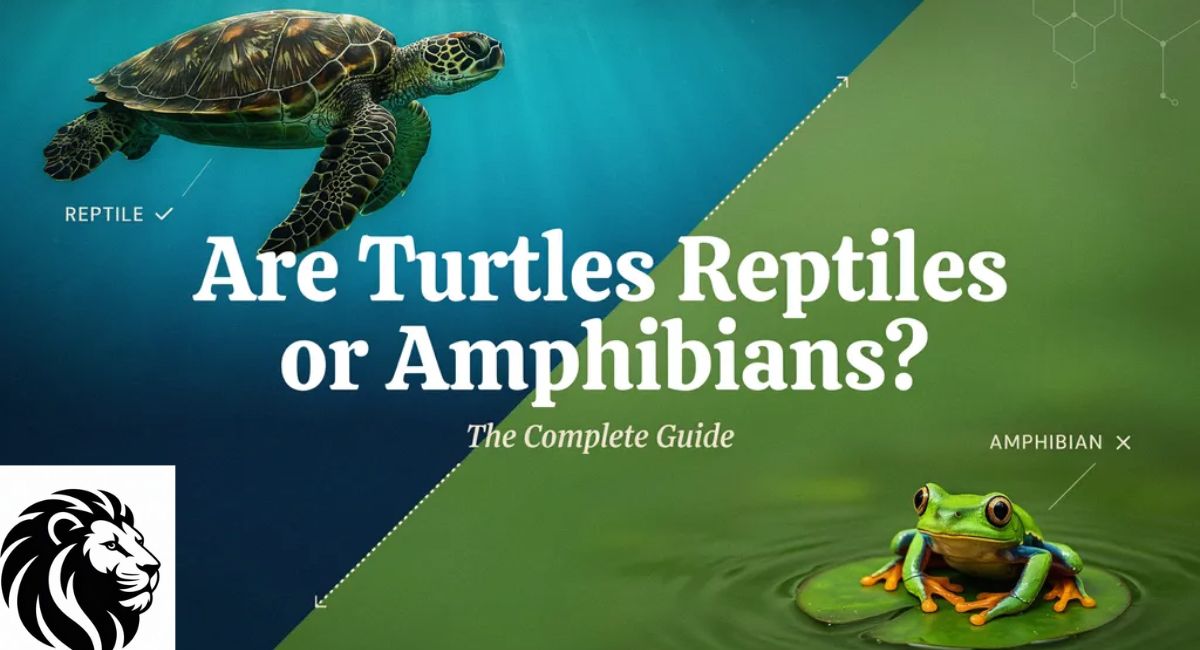
Turtles have puzzled animal lovers for years, leading many people to ask, are turtles reptiles or amphibians? Since these fascinating creatures spend time both in water and on land, the confusion is understandable. However, science provides a clear answer based on their anatomy, reproduction, and evolutionary history. Turtles belong to the reptile family and share important traits such as dry scaly skin, lung breathing animals, and amniotic eggs.
Unlike amphibians, they do not undergo metamorphosis or rely on moist skin for survival. Understanding turtle classification and reptile characteristics helps explain why turtles have successfully adapted to diverse habitats and survived on Earth for more than 220 million years.
Are Turtles Reptiles or Amphibians?
The short answer is simple. Turtles are reptiles, not amphibians. Scientists place all turtles within the Reptilia class and the Testudines order. This group includes freshwater turtles, sea turtles, tortoises, and terrapins. Although many turtle species live near water, their biological traits clearly match those of reptiles rather than amphibians.
The confusion often comes from habitat. Many amphibians live in water and on land. Turtles do the same. However, habitat alone does not determine classification. Scientists examine features such as dry scaly skin, breathing methods, reproduction, and development. When these characteristics are compared, turtles fit perfectly within the reptile category. Their bodies, eggs, and life cycles differ greatly from those of amphibians.
What Defines a Reptile?
Reptiles belong to a group of vertebrate animals that evolved to live primarily on land. Most reptiles have dry scaly skin, breathe through lungs, and reproduce by laying amniotic eggs. They are also ectothermic animals, meaning they rely on external heat sources to regulate body temperature. Snakes, crocodiles, lizards, and turtles all share these important traits.
One of the most important reptile characteristics is their ability to retain moisture. Their scales reduce water loss and help them survive in a variety of environments. Unlike amphibians, reptiles do not need moist skin to breathe. Their lungs handle oxygen exchange throughout their lives. This adaptation allows reptiles to thrive in deserts, forests, wetlands, and oceans.
What Defines an Amphibian?
Amphibians form a completely different animal group. Frogs, toads, salamanders, and newts are common examples. Most amphibians have moist, permeable skin that absorbs water and oxygen directly from the environment. Their survival often depends on access to water because their skin dries out easily.
Another defining feature of amphibians is metamorphosis. Many species begin life as aquatic larvae with gills before transforming into adults with lungs. This process creates a unique amphibian life cycle that turtles never experience. Amphibians also lay soft eggs in water, while reptiles produce eggs with protective membranes designed for life on land. These differences highlight why turtles cannot be classified as amphibians.
Why Are Turtles Classified as Reptiles?
Scientists classify turtles as reptiles because they possess every major feature associated with reptiles. Their bodies are covered with reptilian traits such as scales made of keratin. These scales protect their skin and reduce water loss. Unlike amphibians, turtles never rely on moist skin for breathing. Instead, they use well-developed lungs throughout their entire lives.
Another important reason involves reproduction. Turtles lay amniotic eggs with protective membranes that support embryo development outside water. Even sea turtles return to land to lay eggs. In addition, turtles are cold-blooded animals that depend on sunlight and environmental temperatures to regulate body heat. These characteristics firmly place turtles within the reptile group.
Turtles Have Scaly Skin
A turtle’s skin contains tough scales made from keratin, the same material found in human fingernails. These scales act like natural armor. They help protect turtles from injuries, parasites, and dehydration. This feature is one of the strongest pieces of evidence supporting turtle classification as reptiles.
Unlike amphibians, turtles cannot absorb significant amounts of oxygen through their skin. Their skin remains dry and protective rather than moist and permeable. This difference allows turtles to survive in environments where amphibians would struggle to maintain moisture levels.
Turtles Breathe Through Lungs
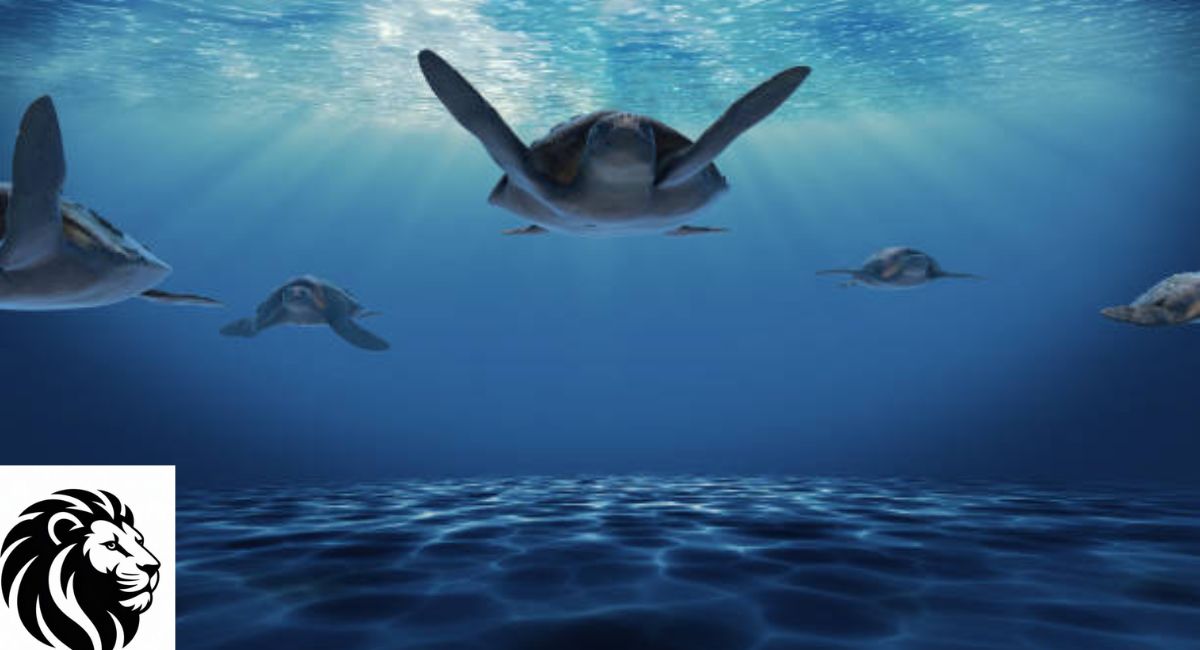
From the moment a turtle hatches, it relies on lungs for respiration. There is no larval stage with gills and no transition through metamorphosis. This continuous lung-based breathing system aligns perfectly with reptile anatomy and separates turtles from amphibians.
Many people wonder how aquatic turtles stay underwater for long periods. The answer lies in efficient oxygen use. Some species can slow their metabolism while resting underwater. Certain turtles even perform limited cloacal respiration, sometimes called “butt breathing,” which allows small amounts of oxygen absorption. However, lungs remain their primary respiratory organs.
Turtles Lay Amniotic Eggs
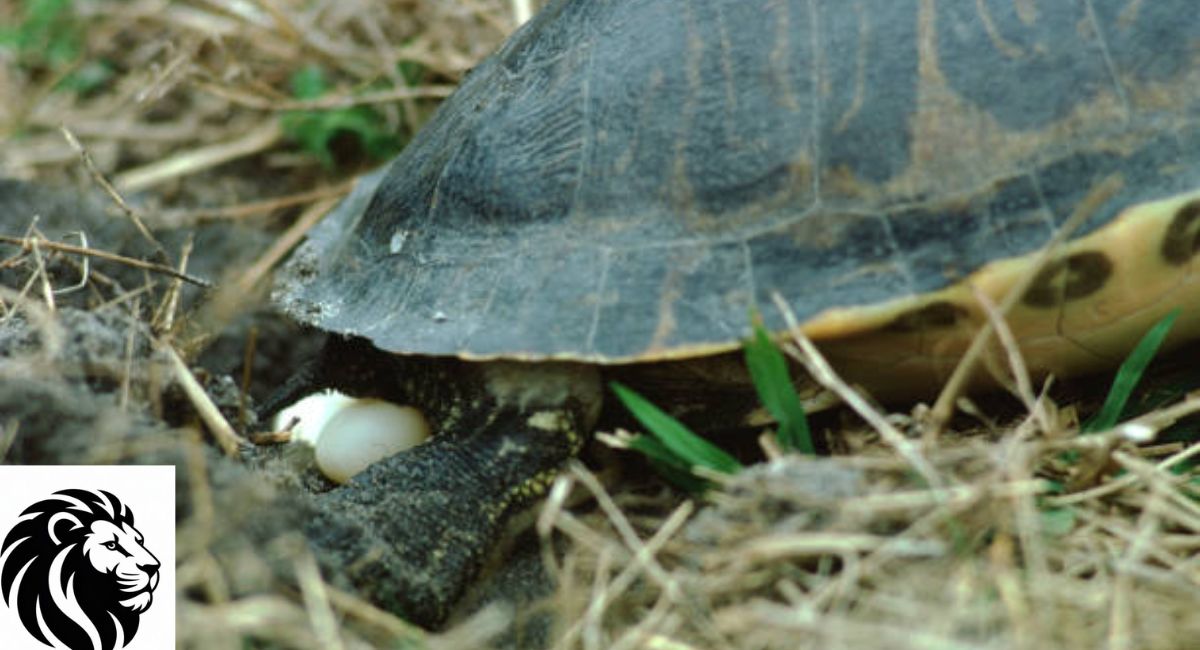
Reproductive biology provides another clear answer to the question, “Are turtles reptiles or amphibians?” Turtles lay amniotic eggs with protective membranes and shells that reduce water loss. These eggs develop outside water, a hallmark of reptile reproduction.
Amphibian eggs differ significantly. They lack protective shells and usually require water to prevent drying out. Because turtle eggs can develop on land, turtles have greater flexibility in choosing nesting sites. This adaptation has contributed to their long-term survival across diverse habitats.
Turtles Are Ectothermic Animals
Like all reptiles, turtles are ectothermic animals. They do not generate enough internal heat to maintain a constant body temperature. Instead, they absorb warmth from sunlight, warm rocks, or surrounding water.
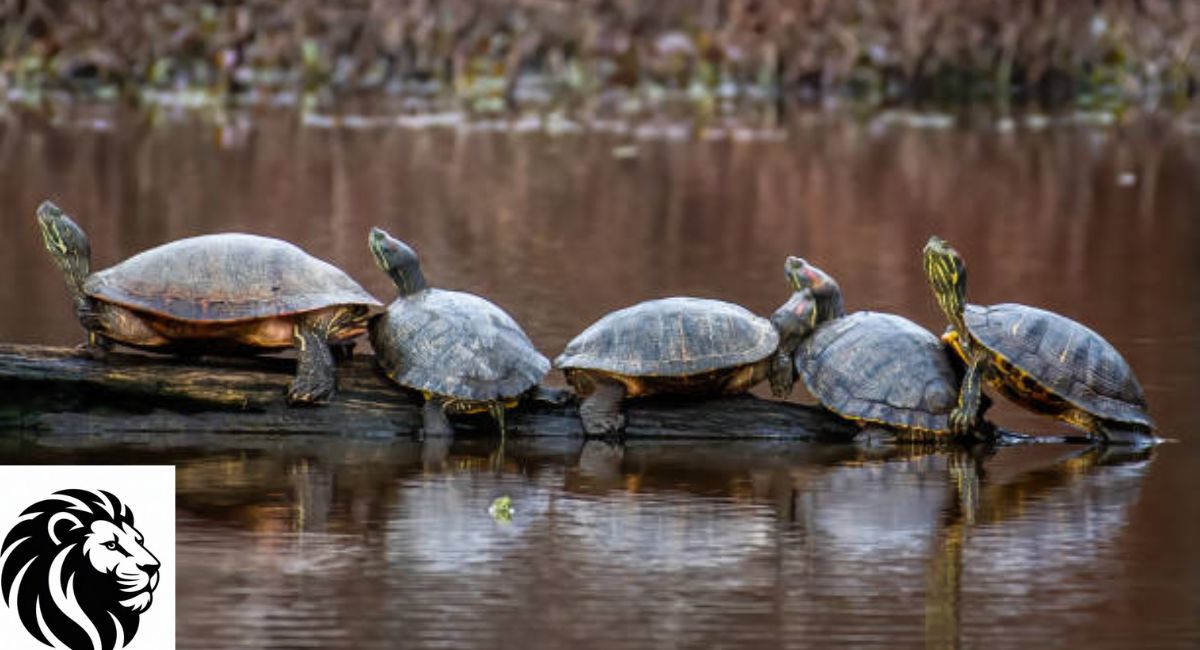
You may often see turtles basking on logs or riverbanks. This behavior helps regulate body temperature and supports digestion, movement, and immune function. Amphibians are also cold-blooded, but when combined with other traits, turtle thermoregulation clearly supports reptile classification.
Evolutionary Evidence Supporting Turtle Classification
Modern genetic studies have strengthened our understanding of turtle evolution. Scientists once debated where turtles belonged in the animal kingdom because of their unusual shell structure. Recent DNA analysis shows that turtles share closer evolutionary relationships with crocodilians and birds than with amphibians.
Fossil discoveries reveal that turtles have existed for more than 220 million years. Ancient turtle ancestors already displayed many features found in modern species. This extensive fossil record supports their position within the reptile lineage and highlights their incredible evolutionary success.
Types of Turtles Around the World
Turtles display incredible diversity. Scientists recognize more than 360 living species across different environments. Some spend nearly their entire lives in the ocean, while others inhabit rivers, lakes, wetlands, forests, and grasslands. This diversity showcases the adaptability of turtle species across ecosystems.
Despite their differences, all turtles share key reptilian features. Every species belongs to the order Testudines and exhibits traits associated with reptile anatomy, including lung breathing, scales, and egg-laying reproduction. Their varied lifestyles make them one of the most fascinating groups in the animal world.
Sea Turtles
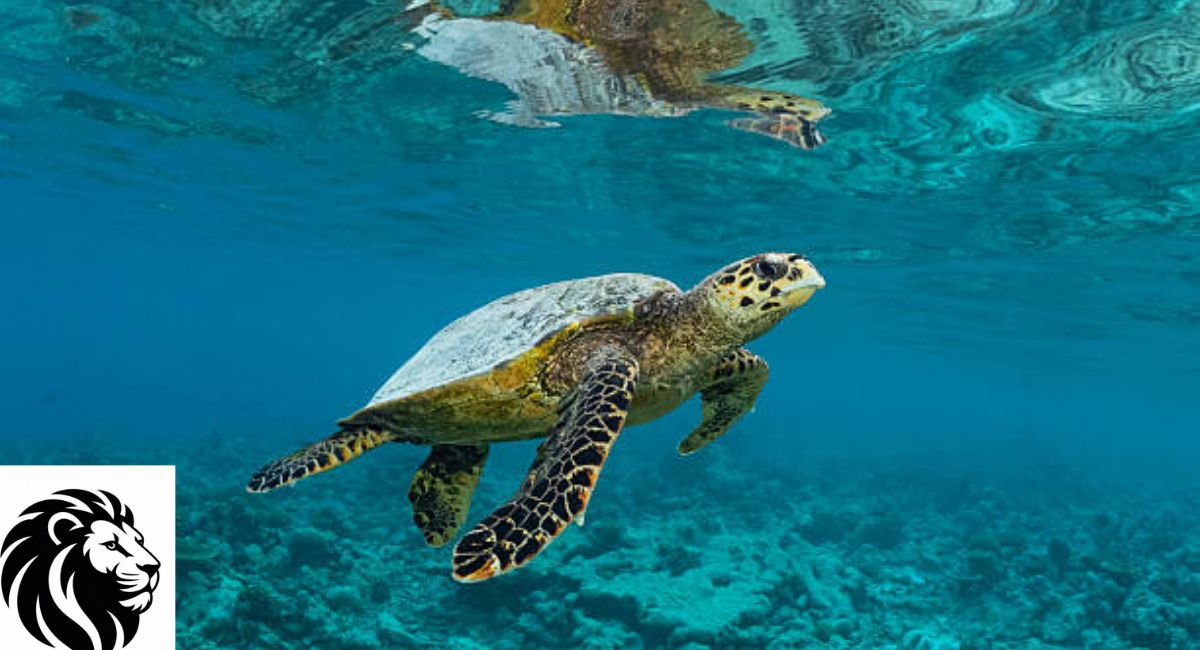
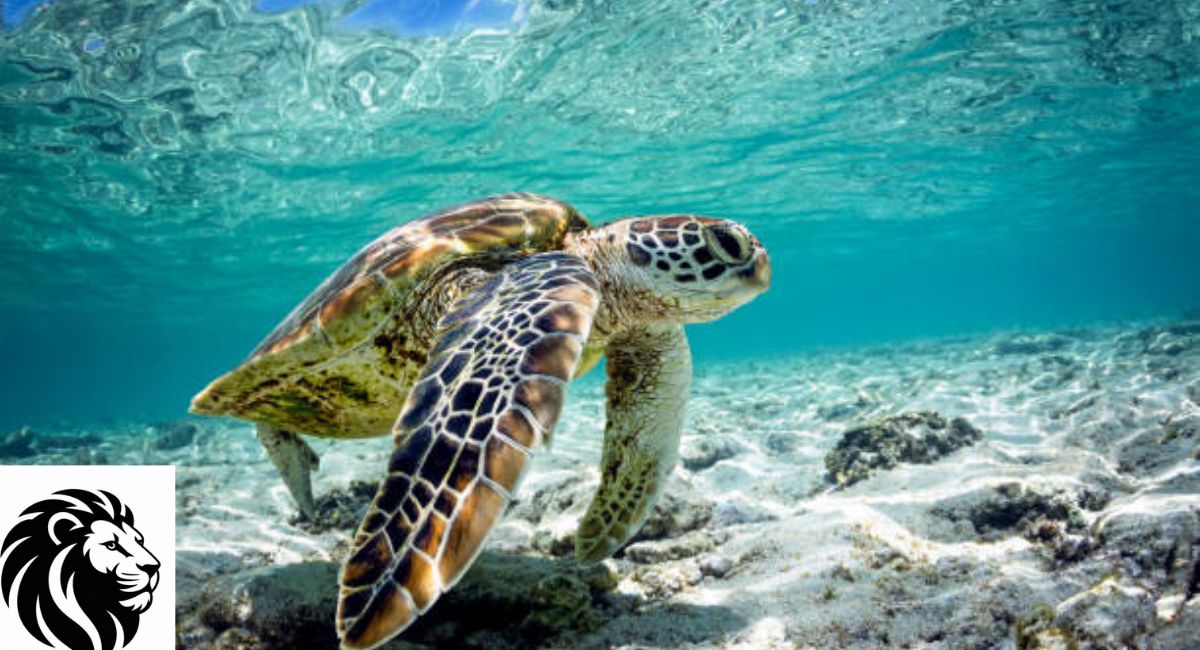
Sea turtles are among the most famous turtle species. They spend most of their lives in the ocean and travel thousands of miles during migration. Species such as the green sea turtle and loggerhead turtle have streamlined bodies and powerful flippers that allow efficient swimming.
Although they live in saltwater, sea turtles remain reptiles. They must surface to breathe air and return to land to lay eggs. Their life cycle demonstrates how reptiles can adapt successfully to marine environments without becoming amphibians.
Freshwater Turtles
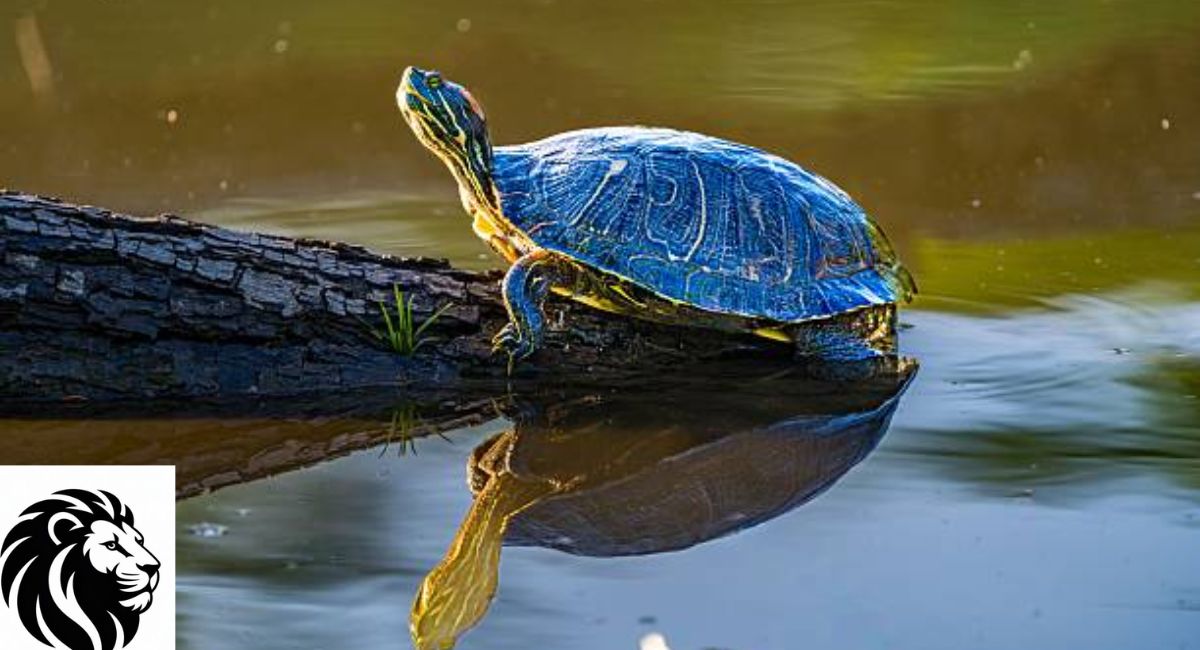
Freshwater turtles inhabit rivers, lakes, ponds, and marshes across the globe. Popular examples include painted turtles, snapping turtles, and red-eared sliders. These turtles often divide their time between water and land.
Freshwater turtles play important ecological roles by controlling insect populations and helping maintain aquatic ecosystem balance. Their presence often indicates healthy freshwater habitats with sufficient food and clean water resources.
Box Turtles
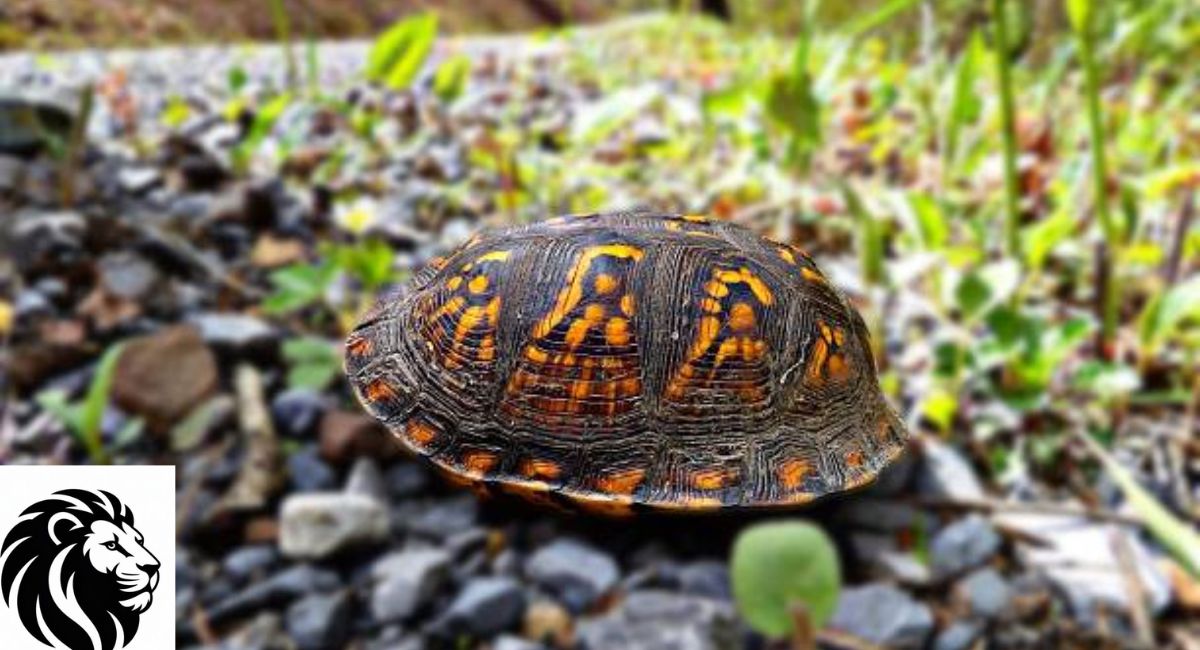
Box turtles are primarily terrestrial turtles known for their highly domed shells and hinged plastrons. This special shell design allows them to close themselves almost completely when threatened by predators.
Unlike many aquatic turtles, box turtles spend much of their lives on land. They prefer forests, grasslands, and woodland edges where they forage for fruits, insects, and vegetation. Their lifestyle often surprises people who assume all turtles are aquatic.
Snapping Turtles
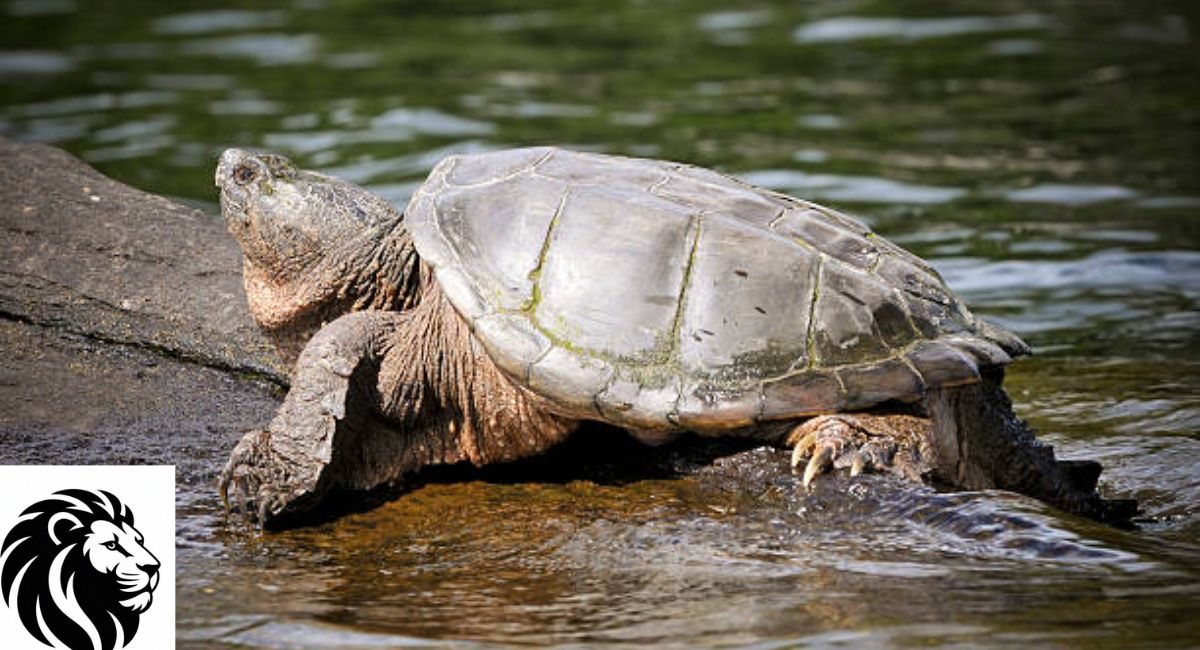
Snapping turtles possess powerful jaws, large heads, and aggressive defensive behaviors. They typically inhabit freshwater environments and can remain underwater for extended periods.
Despite their intimidating appearance, snapping turtles play valuable roles in ecosystem health. They help remove dead organisms and contribute to natural nutrient recycling within aquatic environments.
Softshell Turtles
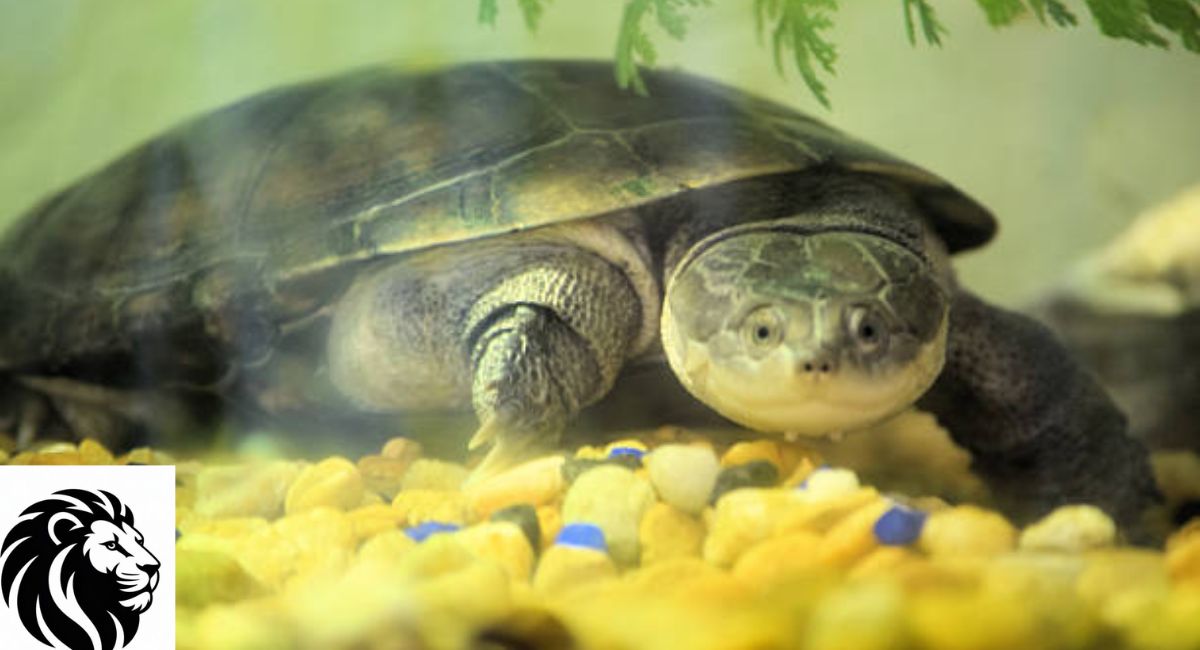
Softshell turtles belong to the Trionychidae family and differ noticeably from most turtles. Their shells lack hard scutes and feature a softer, more flexible structure. This adaptation improves swimming speed and mobility.
These turtles are highly aquatic and often bury themselves in sandy riverbeds. Their unusual appearance makes them one of the most distinctive turtle groups in the world while still retaining all essential reptilian traits.
Why Turtles Are Not Amphibians
Although turtles spend time in water, they lack the defining features of amphibians. They do not undergo metamorphosis, they do not breathe through moist skin, and they do not depend on aquatic environments for every stage of reproduction. These biological differences are fundamental and cannot be overlooked.
The misunderstanding often comes from appearance rather than science. Many people see turtles swimming and assume they belong to the same category as frogs or salamanders. However, when scientists examine animal kingdom classification standards, turtles consistently align with reptiles. Their anatomy, physiology, and evolutionary history leave little room for debate.
Turtles Do Not Undergo Metamorphosis
One of the defining characteristics of amphibians is metamorphosis. A frog begins life as a tadpole with gills and later transforms into an adult with lungs. Turtles follow a completely different developmental path.
When a turtle hatches from its egg, it already resembles a miniature version of an adult turtle. It does not experience dramatic body changes during growth. This direct development is another strong reason turtles are not amphibians.
Turtle Skin Differs from Amphibian Skin
The skin of amphibians remains moist because it plays a role in respiration. Amphibians can absorb oxygen through their skin, making moisture essential for survival. Turtles possess thick, dry skin covered by scales.
This protective covering reduces water loss and shields the body from environmental stress. Such skin structure reflects classic reptile characteristics rather than amphibian adaptations. The difference becomes obvious when comparing a turtle to a frog or salamander.
Reproductive Differences Between Turtles and Amphibians
Reproduction creates another major distinction. Amphibians usually lay soft eggs in water where larvae can develop safely. Turtles lay shelled eggs on land, even when the adults spend most of their lives in water.
This reproductive strategy reflects millions of years of reptilian evolution. The ability to reproduce independently of standing water allowed turtles to colonize habitats unavailable to many amphibian species. As a result, turtles achieved remarkable ecological diversity across the globe.
Key Differences Between Turtles, Reptiles, and Amphibians
Although turtles are reptiles, many people still compare them directly with amphibians because of their connection to water. The easiest way to understand the difference is to examine their biology. Features such as skin type, breathing method, reproduction, and development reveal clear distinctions. These traits help scientists classify animals accurately and avoid confusion.
When you compare turtles with amphibians side by side, the differences become obvious. Turtles possess every major reptile characteristic, while amphibians follow a completely different developmental and physiological path. The table below provides a simple overview of the most important distinctions.
| Feature | Turtles | Reptiles | Amphibians |
| Classification | Testudines | Reptilia | Amphibia |
| Skin Type | Dry scales and shell | Dry scales | Moist, permeable skin |
| Breathing | Lungs only | Lungs | Gills, lungs, and skin |
| Reproduction | Amniotic eggs on land | Amniotic eggs | Soft eggs in water |
| Life Cycle | Direct development | Direct development | Metamorphosis |
| Body Temperature | Ectothermic animals | Ectothermic | Ectothermic |
| Habitat | Water and land | Various habitats | Mostly moist habitats |
| Water Dependency | Limited | Limited | High |
The table highlights why the answer to “Are Turtles Reptiles or Amphibians?” is straightforward from a scientific perspective. Turtles share nearly every defining feature with reptiles and very few with amphibians. Their shell, reproductive strategy, and respiratory system all support their placement within the reptile group.
Turtle Classification and Scientific Taxonomy
Every living organism has a scientific classification that helps researchers understand evolutionary relationships. Turtle taxonomy places these animals within the animal kingdom and identifies their position among vertebrates. This system allows scientists worldwide to classify species consistently.
Turtles belong to the order Testudines, a group recognized for its distinctive shell structure. Within this order, scientists identify hundreds of species adapted to marine, freshwater, and terrestrial environments. Their classification reflects millions of years of evolutionary development and biological specialization.
Scientific Classification of Turtles
The scientific classification of turtles follows a structured hierarchy used throughout biology. This hierarchy helps explain how turtles fit within broader groups of animals.
| Taxonomic Rank | Classification |
| Kingdom | Animalia |
| Phylum | Chordata |
| Class | Reptilia |
| Order | Testudines |
| Suborders | Pleurodira and Cryptodira |
| Families | Multiple families worldwide |
This classification confirms that turtles are reptiles. The class Reptilia includes turtles alongside snakes, crocodilians, and lizards. Their placement is supported by anatomy, genetics, and fossil evidence.
Where Turtles Fit in the Animal Kingdom
Within the animal kingdom, turtles occupy a unique position because of their shell and ancient evolutionary history. Scientists once debated their relationships with other reptiles. However, modern DNA research has resolved many of these questions.
Today, genetic studies suggest that turtles share evolutionary connections with crocodilians and birds. This discovery reshaped scientific understanding of reptile evolution and strengthened evidence supporting turtle classification within the reptile lineage.
The Evolutionary History of Turtles
The story of turtle evolution stretches back more than 220 million years. Ancient turtle ancestors lived during the Late Triassic Period, making turtles one of the oldest surviving reptile groups on Earth.
Remarkably, the basic turtle body plan has changed little over millions of years. Fossils reveal that early turtles already possessed developing shells and many recognizable features. Their long evolutionary success demonstrates the effectiveness of their unique adaptations, including their shell, respiration system, and flexible habitat use.
Turtles vs Tortoises vs Terrapins: What’s the Difference?
Many people use the terms turtle, tortoise, and terrapin interchangeably. However, these animals are not exactly the same. All tortoises and terrapins are turtles, but they have evolved different adaptations based on their habitats and lifestyles. Understanding these differences helps clarify how diverse the turtle species group truly is.
The biggest differences involve habitat, diet, shell shape, and limb structure. Tortoises thrive on land, terrapins usually live in freshwater or brackish environments, and turtles can occupy a wide range of habitats. Despite these differences, they all belong to the order Testudines and share many features of reptile anatomy.
What Is a Turtle?
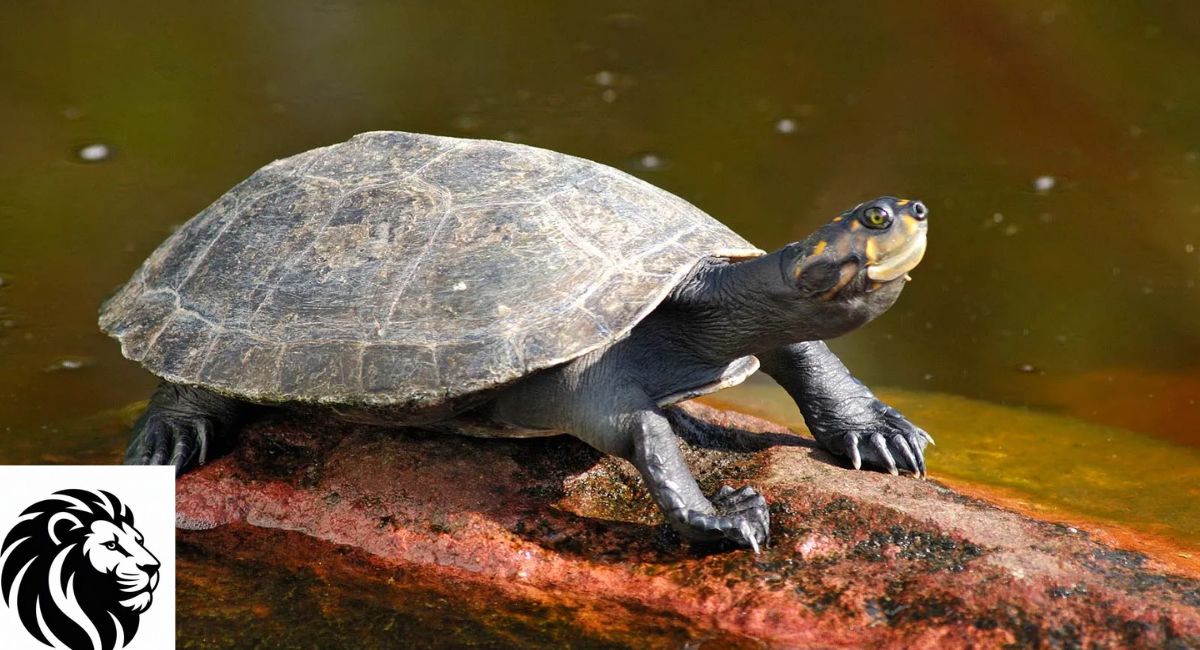
The term turtle serves as a broad classification for all members of the Testudines order. Turtles may live in oceans, rivers, lakes, or on land. Most species possess webbed feet or flippers that help them move efficiently through water.
Turtles display remarkable adaptability. Some migrate across oceans while others spend their lives in small freshwater ponds. Regardless of habitat, every turtle shares essential reptilian characteristics such as lung breathing, scales, and egg-laying reproduction.
What Is a Tortoise?
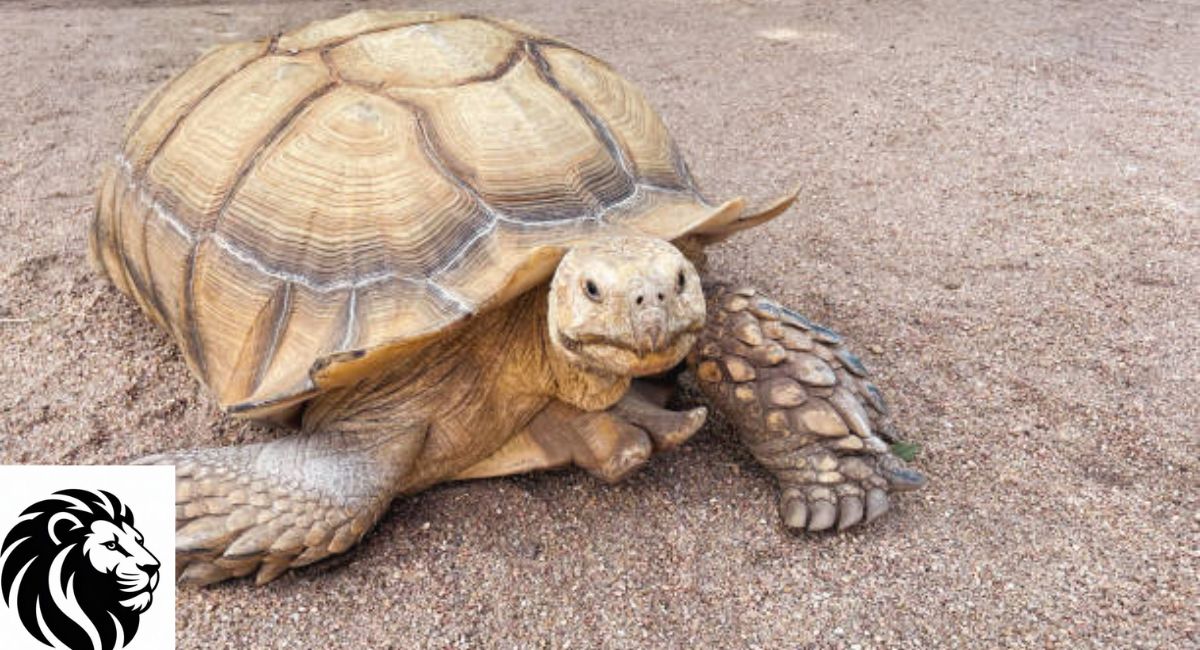
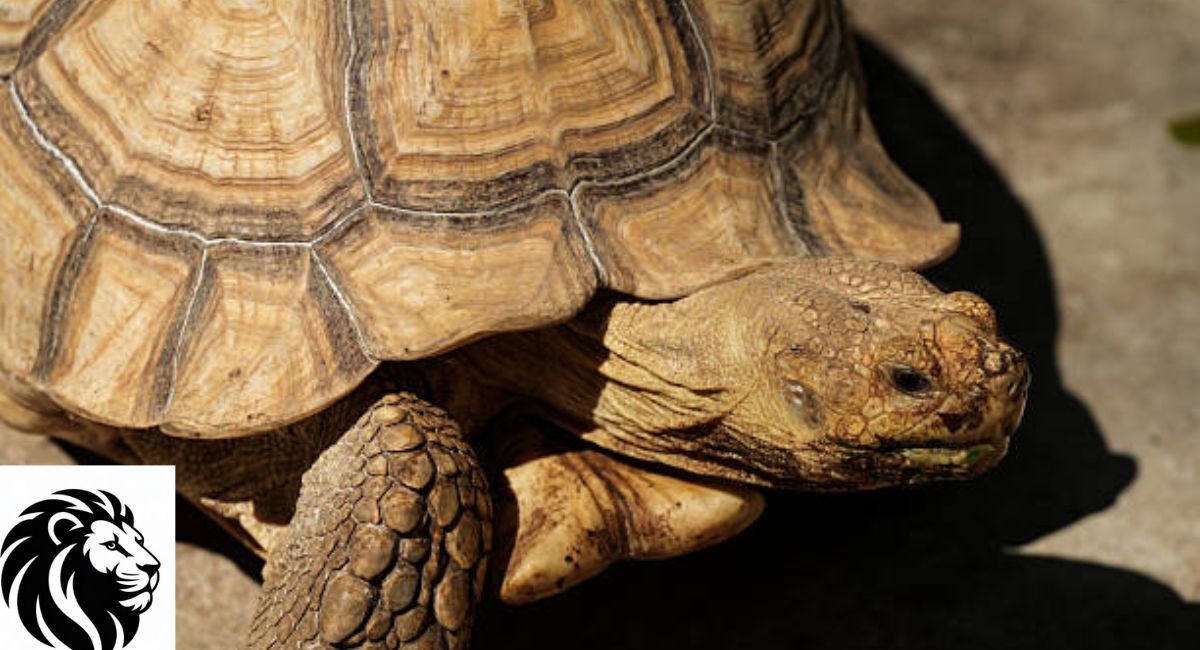
Tortoises belong to the Testudinidae family and spend nearly all their lives on land. They have thick, sturdy legs designed for walking and digging rather than swimming. Their shells are usually larger, heavier, and more dome-shaped than those of aquatic turtles.
Most tortoises are herbivores that feed on grasses, leaves, flowers, and fruits. Their slow movements and protective shells have helped them survive in dry environments for millions of years. Famous examples include the Aldabra giant tortoise and the Russian tortoise.
What Is a Terrapin?
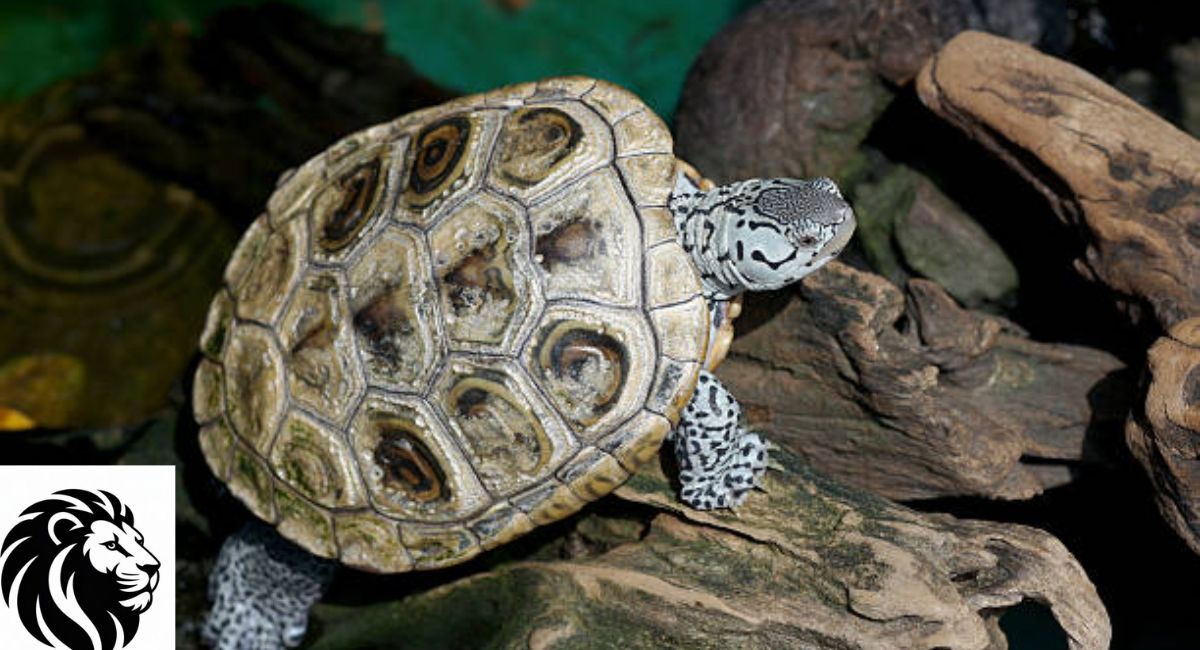
Terrapins represent a group of turtles commonly associated with freshwater and brackish-water habitats. Unlike tortoises, terrapins are comfortable in aquatic environments and possess partially webbed feet for swimming.
One well-known example is the diamondback terrapin found along the eastern coast of the United States. Terrapins often bridge the gap between fully aquatic turtles and strictly terrestrial tortoises, showcasing the diversity within the turtle family.
Side-by-Side Comparison
The following table highlights the major differences among turtles, tortoises, and terrapins.
| Feature | Turtles | Tortoises | Terrapins |
| Habitat | Water and land | Mostly land | Freshwater and brackish water |
| Feet | Webbed or flipper-like | Thick and sturdy | Partially webbed |
| Shell Shape | Streamlined | Dome-shaped | Moderately domed |
| Diet | Omnivorous | Mostly herbivorous | Omnivorous |
| Swimming Ability | Excellent | Limited | Good |
| Example | Sea turtle | Aldabra giant tortoise | Diamondback terrapin |
This comparison shows how habitat influences physical adaptations. While their lifestyles differ, all three groups remain reptiles and belong to the broader turtle lineage.
Which One Is a Reptile?
A common misconception is that tortoises or terrapins belong to different animal classes. In reality, turtles, tortoises, and terrapins are all reptiles. They share the same basic characteristics, including dry scaly skin, amniotic eggs, lung-based respiration, and ectothermic animals physiology.
Scientists classify all three groups within Reptilia because their anatomy and evolutionary history align with reptilian traits. Whether a turtle swims in the ocean or a tortoise walks across a desert, both remain members of the reptile family.
Conclusion
So, are turtles reptiles or amphibians? The answer is clear. Turtles are reptiles because they have dry scaly skin, breathe through lungs, and lay amniotic eggs. While many species live near water, their body structure and life cycle are very different from those of amphibians.
Understanding turtle classification helps you appreciate these remarkable animals even more. From sea turtles to tortoises, every species shares key reptile characteristics that have helped them survive for millions of years. Their unique adaptations, ancient history, and ecological importance make turtles one of the most fascinating reptile groups on Earth.
FAQs
1. Are turtles reptiles or amphibians?
Turtles are reptiles. They have dry, scaly skin, breathe through lungs, and lay eggs with protective shells.
2. Why are turtles not considered amphibians?
Turtles do not undergo metamorphosis and do not breathe through moist skin, which are key traits of amphibians.
3. Do baby turtles have gills?
No, baby turtles hatch with fully functioning lungs and never develop gills at any stage of life.
4. Are sea turtles reptiles?
Yes, sea turtles are reptiles. Even though they live in the ocean, they must come to the surface to breathe air.
5. What is the difference between a turtle and a tortoise?
Turtles usually spend time in water and have webbed feet or flippers, while tortoises live on land and have sturdy, elephant-like legs.

Welcome to natureanimalhub! I’m Anam Sattar, an AI Powered SEO, and Content Writer with 4 years of experirnce.
I help websites rank higher,grow traffic, and look amazing. My goal is to make SEO and web design simple and effective for everyone.
Let’s achieve more together!