

Have you ever watched Scooby-Doo solve a mystery and wondered, What Type of Dog Is Scooby-Doo? This famous cartoon dog breed has entertained fans for decades with his funny personality, love of Scooby Snacks, and unforgettable adventures. While many people recognize him as a fictional Great Dane, his appearance is slightly different from a real Great Dane dog.
His creators intentionally gave him unique features to make him more lovable and memorable. Understanding Scooby-Doo’s breed reveals interesting facts about his design, behavior, and history. In this guide, you’ll discover the truth behind Scooby-Doo’s origins, his connection to the Great Dane breed, and what makes this animated dog character so iconic.
What Type of Dog Is Scooby-Doo?

The simple answer is that Scooby-Doo is a fictional Great Dane. The creators of the character designed him based on the Great Dane breed, one of the largest and most recognizable dogs in the world. His tall frame, long legs, and massive size all reflect classic Great Dane characteristics.
However, Scooby-Doo wasn’t created to look exactly like a real Great Dane. His designer purposely exaggerated certain features to make him funnier and more relatable. That’s why many fans notice that Scooby looks clumsier and less elegant than the typical giant dog breed seen in dog shows today.
Who Is Scooby-Doo?

Scooby-Doo first appeared in 1969 in the animated television series Scooby-Doo, Where Are You! The show followed a group of teenage detectives known as Mystery Inc. Together, they investigated haunted houses, spooky castles, abandoned amusement parks, and mysterious creatures that often turned out to be ordinary criminals in disguise.
Over the decades, Scooby-Doo became much more than a cartoon character. He evolved into one of the most recognizable animated dog characters in entertainment history. Movies, comics, toys, video games, and television spin-offs helped transform the franchise into a billion-dollar brand that continues to attract new generations of fans.
The Meaning Behind Scooby-Doo’s Name
Many fans don’t realize that Scooby-Doo’s name was inspired by Frank Sinatra’s song “Strangers in the Night.” Near the end of the song, Sinatra sings the phrase “dooby dooby doo.” The show’s creators liked the sound and transformed it into the memorable name Scooby-Doo, giving the character an identity that people still remember decades later.
Is Scooby-Doo Really a Great Dane?
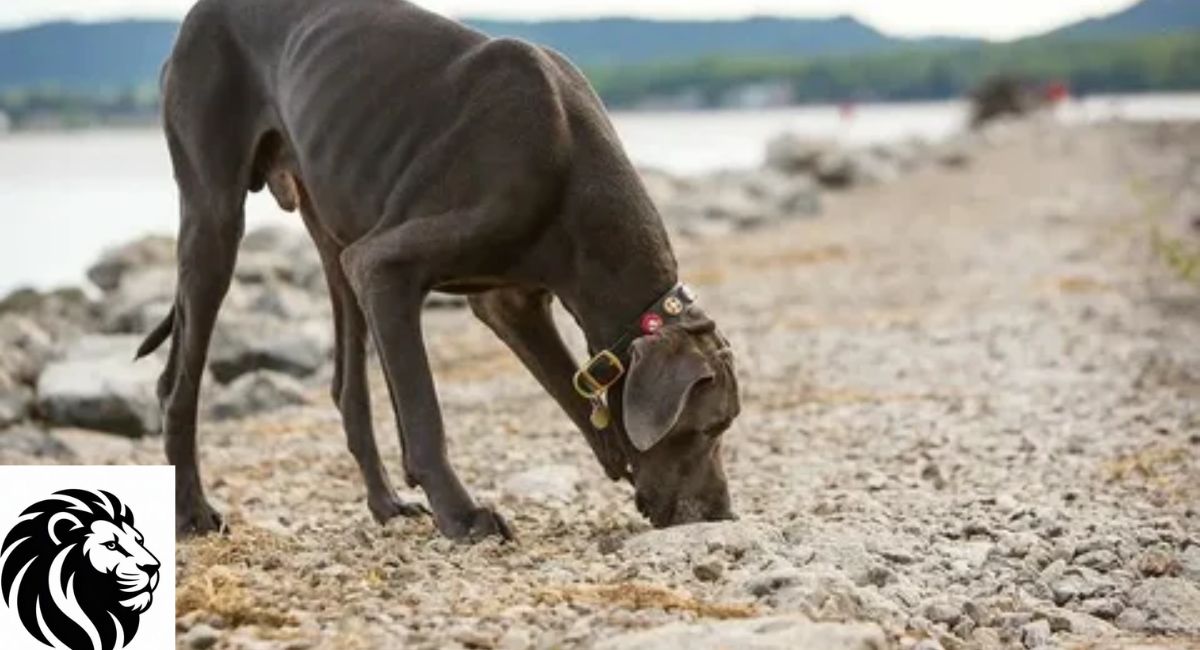
Although Scooby-Doo is officially considered a Great Dane, his appearance differs from the breed standard in several noticeable ways. His creator, Iwao Takamoto, worked closely with a real Great Dane breeder while designing the character. Instead of creating a perfect Great Dane, Takamoto intentionally broke many breed rules.
Real Great Danes are known for elegance, balance, and athletic movement. Scooby-Doo, on the other hand, has bowed legs, oversized feet, a sloping back, and a somewhat awkward posture. These unusual design choices helped create a lovable character who stood out from ordinary dogs.
Why Was Scooby-Doo Designed Differently From Real Great Danes?
Takamoto believed perfection wasn’t funny. Rather than creating a flawless dog, he wanted a character with visible imperfections and a quirky appearance. Those exaggerated traits gave Scooby-Doo his unique charm and helped him become one of the most beloved fictional Great Danes ever created.
Scooby-Doo vs. Great Dane: Key Similarities and Differences
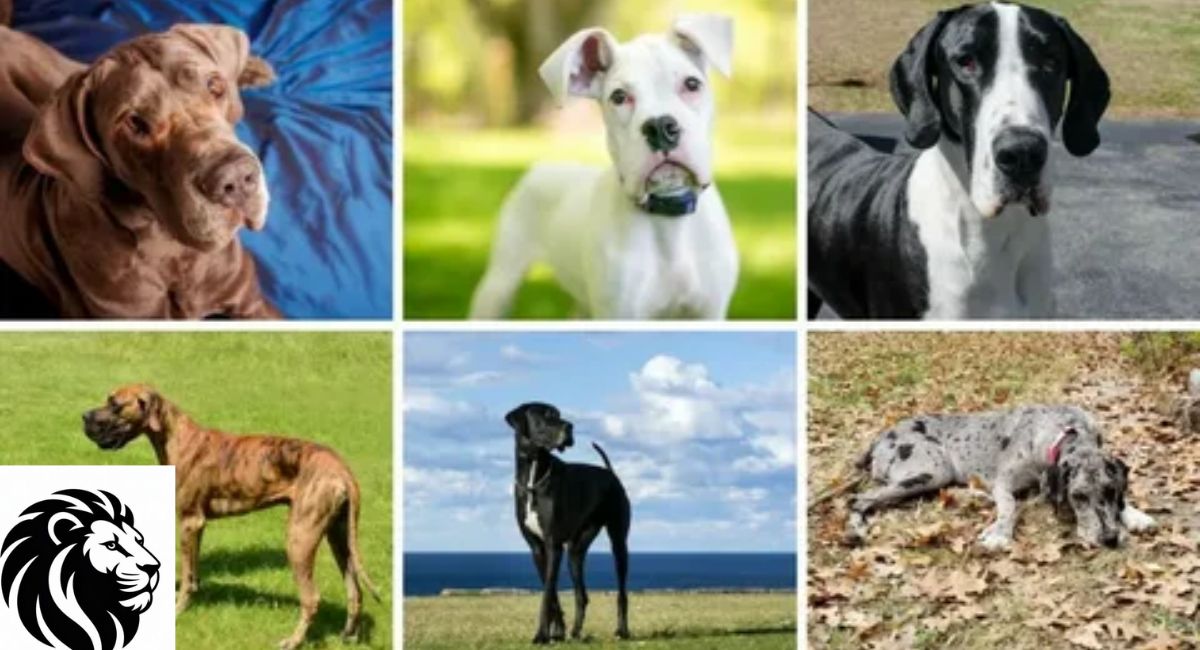
At first glance, Scooby-Doo shares several traits with a real Great Dane. Both possess impressive height, long limbs, and a commanding presence. Their friendly nature and strong attachment to humans also match many qualities found in the breed.
However, significant differences exist. Real Great Danes are generally confident and composed. Scooby-Doo is famous for his nervous personality and tendency to run away from danger. His exaggerated facial expressions, unusual body proportions, and cartoon behavior also separate him from actual dogs.
| Feature | Scooby-Doo | Real Great Dane |
| Size | Very Large | Very Large |
| Temperament | Fearful and Funny | Confident and Gentle |
| Intelligence | High | High |
| Appearance | Cartoonish | Elegant |
| Appetite | Extremely Large | Large |
| Courage | Often Scared | Naturally Brave |
Physical Characteristics of Scooby-Doo
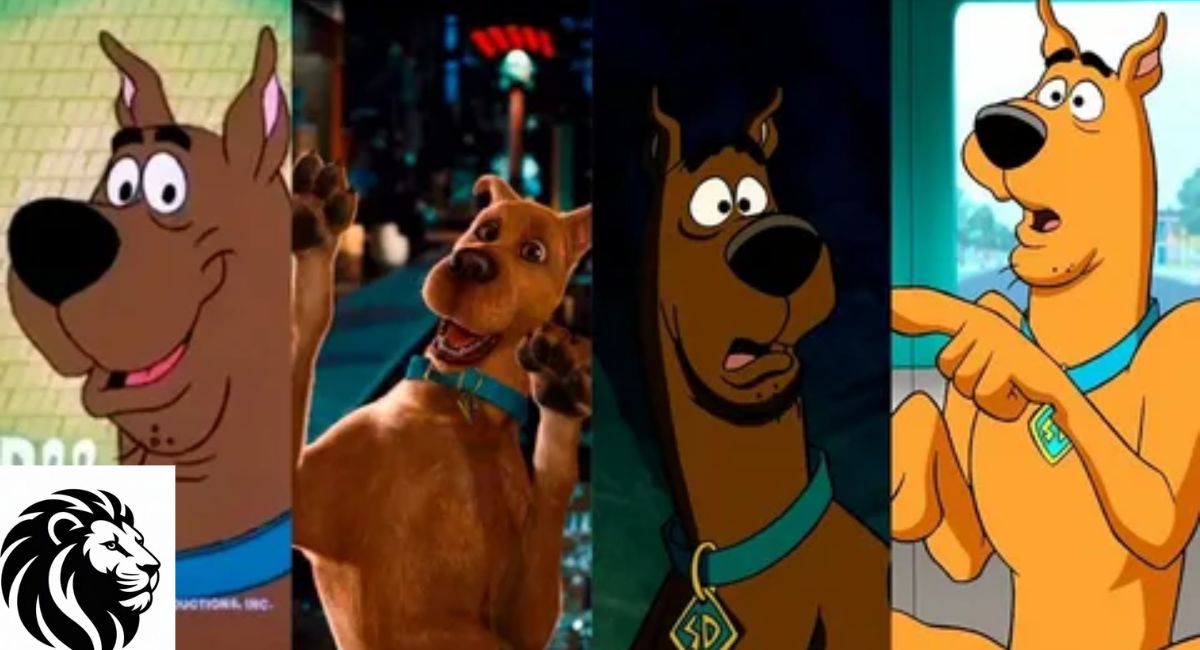
One reason people easily identify Scooby-Doo as a Great Dane is his size. He stands much taller than most dog breeds and often appears nearly as tall as some of the human characters. His large frame reflects the natural stature of the large breed dog that inspired him.
His coat color is another unique feature. Unlike official AKC breed standard colors, Scooby-Doo has a distinctive brown coat with dark spots. This combination doesn’t perfectly match recognized Great Dane coat patterns. His oversized paws, expressive eyes, and unique markings make him instantly recognizable to audiences around the world.
How Scooby-Doo’s Design Changed Through Different Series
Over the years, animators made subtle changes to Scooby-Doo’s appearance. Earlier versions featured a leaner body and sharper facial features. Modern adaptations often show a slightly softer and friendlier design while preserving the traits that fans know and love.
Personality Traits That Make Scooby-Doo Unique
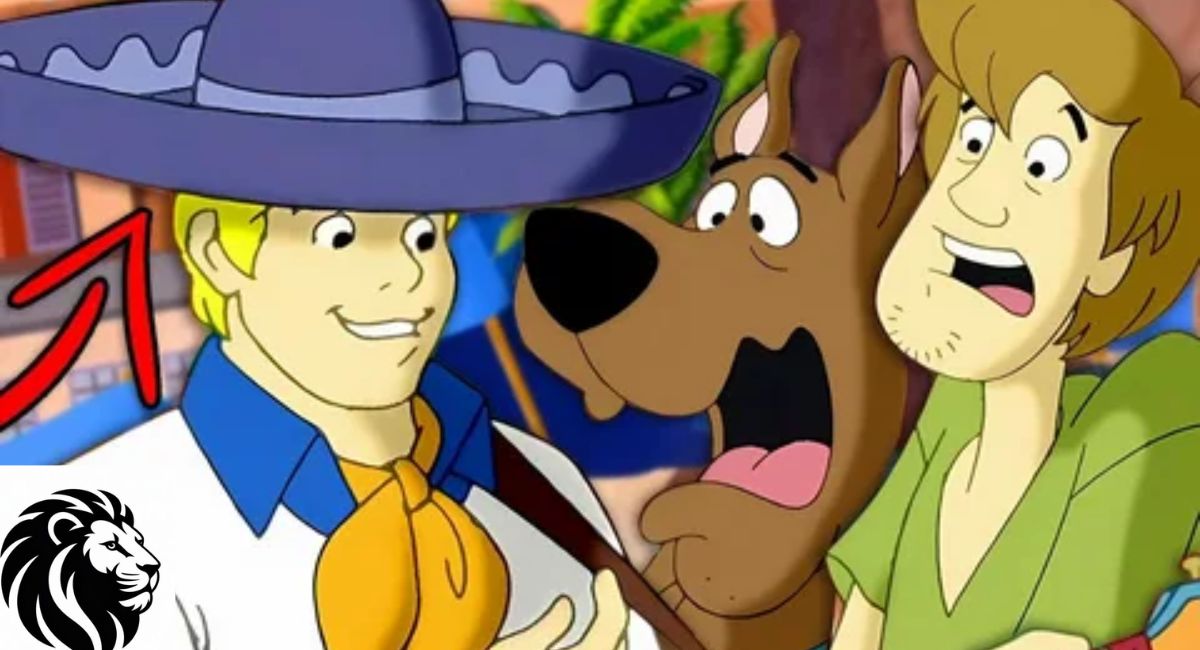
Scooby-Doo’s personality plays a huge role in his popularity. While many cartoon heroes rush into danger, Scooby often tries to avoid it. His fear of ghosts, monsters, and mysterious creatures creates many of the show’s funniest moments.
Despite his fears, Scooby consistently demonstrates loyalty and kindness. He deeply cares about his friends and frequently helps solve mysteries when it matters most. This combination of bravery and fear makes him feel surprisingly human and relatable.
Scooby-Doo’s Love for Food
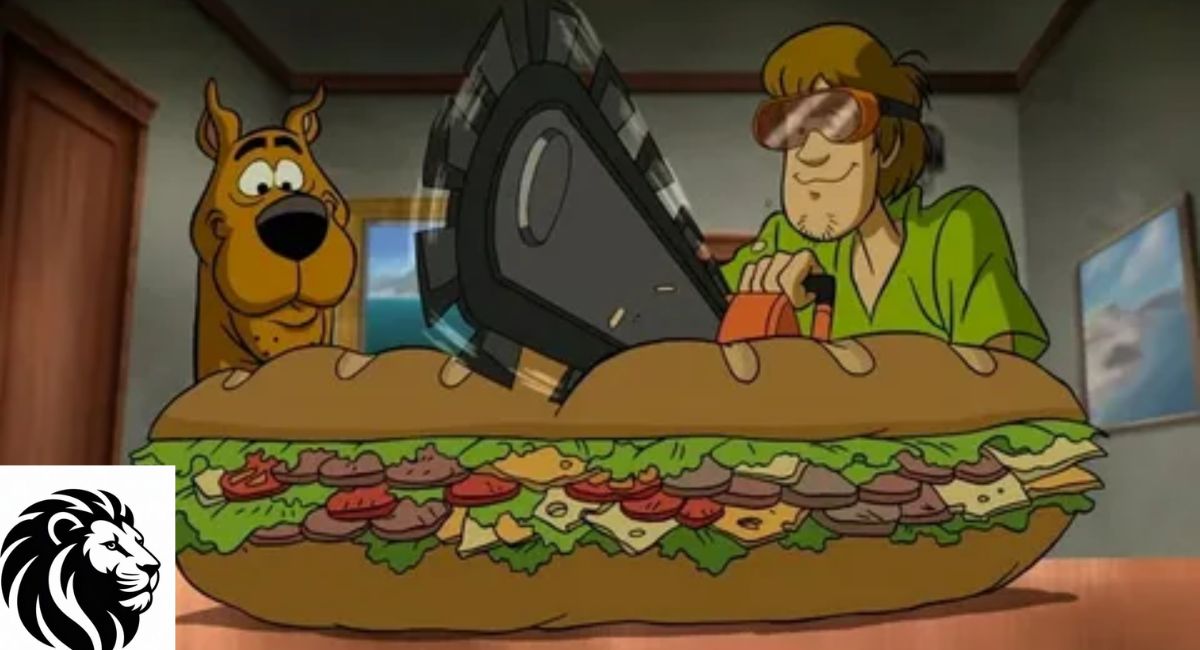
If there’s one thing Scooby-Doo loves almost as much as his friends, it’s food. His obsession with sandwiches, snacks, and Scooby Snacks has become a defining part of his character. Many episodes use food as motivation to encourage Scooby to face situations he would otherwise avoid.
How Accurate Is Scooby-Doo Compared to a Real Great Dane?
Several aspects of Scooby-Doo accurately reflect real Great Danes. The breed is known for its friendly disposition, loyalty, and close bond with family members. Great Danes often act like oversized lap dogs despite their enormous size.
However, the cartoon exaggerates certain behaviors for entertainment. Most Great Danes aren’t constantly afraid of shadows or monsters. They were historically bred as hunting and guard dogs, which means courage and confidence were important breed traits. Scooby’s fearful nature exists mainly to create comedy.
Why Great Danes Were Once Believed to Ward Off Evil Spirits
Historically, large dogs often appeared in folklore as protectors against evil forces. Because Great Danes were powerful guardians, some cultures associated them with protection from supernatural threats. Ironically, Scooby-Doo spends much of his time running away from the very ghosts and monsters his breed was once believed to confront.
Fun and Surprising Facts About Scooby-Doo
Scooby-Doo’s full name is Scoobert Doo. Although many casual viewers never hear it mentioned, this humorous name has appeared throughout the franchise. His speech pattern is another unique characteristic. He often replaces certain sounds with the letter “R,” creating phrases that fans instantly recognize.
Another interesting fact is that Scooby-Doo has remained relevant for more than fifty years. Few television characters achieve that level of longevity. His popularity continues because his adventures combine mystery, humor, friendship, and timeless storytelling.
Famous Fictional Great Danes Besides Scooby-Doo
While Scooby-Doo is undoubtedly the most famous cartoon dog, other fictional Great Danes have also gained popularity. Astro from The Jetsons and Marmaduke from the long-running comic strip are notable examples. Nevertheless, Scooby-Doo remains the most recognizable member of this canine group.
How Scooby-Doo Influenced the Popularity of Great Danes
Many people first learned about Great Danes through Scooby-Doo. The character introduced millions of viewers to the breed and helped create a positive public image. As a result, countless families became interested in learning more about these gentle giants.
The franchise also demonstrated that large dogs can be affectionate, playful, and family-oriented. While Scooby-Doo isn’t a perfectly accurate representation of the breed, he helped showcase many positive qualities associated with Great Danes and contributed to their enduring popularity.
Why Scooby-Doo Became a Cultural Icon Beyond His Breed
Scooby-Doo is not just a fictional Great Dane, he is a global entertainment symbol. Over time, people stopped asking only What Type of Dog Is Scooby-Doo? and started loving his personality, humor, and mystery-solving adventures. His charm goes far beyond his cartoon dog breed, making him one of the most recognizable animated characters in history.
What makes Scooby-Doo special is his ability to stay relevant for decades. While many shows fade away, Scooby-Doo continues to evolve with new series, movies, and generations of fans. His mix of fear, friendship, and funny moments turns him into a timeless animated dog character that represents teamwork, courage, and comedy in a simple way everyone can enjoy.
Scooby-Doo’s Role in Pop Culture
Scooby-Doo became more than a cartoon character; he became a pop culture icon. His catchphrases, mystery-solving style, and friendship with Shaggy created a unique identity that fans instantly recognize. Even people who have never watched the show still know who Scooby-Doo is, which proves his massive cultural reach.
Why Fans Still Love Scooby-Doo Today
The reason Scooby-Doo remains popular is his relatable personality. He is funny, scared, loyal, and always hungry, which makes him feel real and human-like. This emotional connection keeps audiences engaged and ensures that Scooby-Doo dog breed curiosity continues across generations.
Conclusion
So, What Type of Dog Is Scooby-Doo? The answer is clear: Scooby-Doo is a Great Dane dog inspired by one of the world’s most recognizable breeds. Yet he isn’t a perfect representation of a real Great Dane. His creator intentionally added unusual features, exaggerated behaviors, and a comical personality to make him memorable.
Those creative decisions paid off. More than fifty years after his debut, Scooby-Doo remains one of the most beloved cartoon dog breeds ever created. Whether he’s solving mysteries, searching for snacks, or running from ghosts, Scooby-Doo continues to entertain audiences while keeping the spirit of the Great Dane alive in popular culture.
FAQs
What type of dog is Scooby-Doo?
Scooby-Doo is a fictional Great Dane inspired by the real Great Dane breed, although his appearance was intentionally exaggerated for animation.
Is Scooby-Doo a purebred Great Dane?
Yes, Scooby-Doo is generally considered a Great Dane, but his physical features do not fully match official breed standards.
Why does Scooby-Doo look different from a real Great Dane?
His creator, Iwao Takamoto, gave him unusual traits like bowed legs and oversized paws to make him funnier and more memorable.
Why is Scooby-Doo always scared?
Unlike real Great Danes, Scooby-Doo was written as a fearful character to create comedy and make his adventures more entertaining.
What is Scooby-Doo’s full name?
Scooby-Doo’s full name is Scoobert Doo, a fun detail that has been revealed in several versions of the franchise.

Welcome to natureanimalhub! I’m Anam Sattar, an AI Powered SEO, and Content Writer with 4 years of experirnce.
I help websites rank higher,grow traffic, and look amazing. My goal is to make SEO and web design simple and effective for everyone.
Let’s achieve more together!