

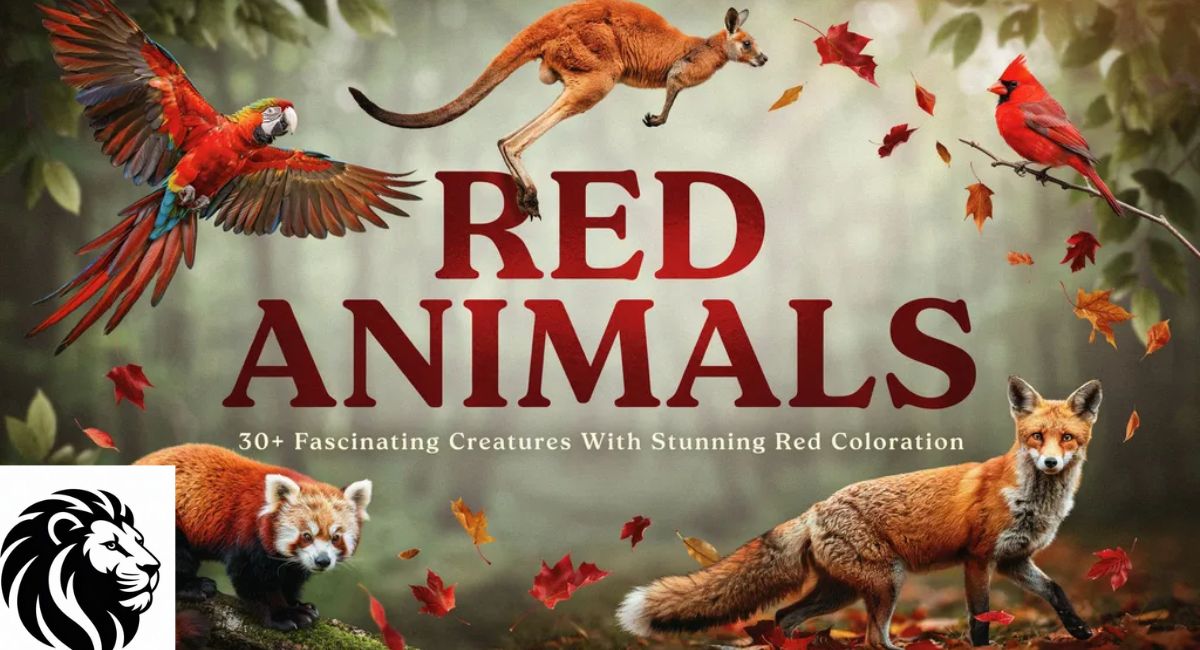
The world of Red Animals is full of wonder and beauty that instantly captures attention. These creatures display shades created by red pigmentation, pheomelanin, and natural animal coloration that help them survive in different habitats. From forests to oceans, animals with red coloration show how evolution shapes life in creative ways.
Many species also use warning coloration to protect themselves from predators, while others depend on color for mating or camouflage. The diversity of Red Animals reflects the richness of global wildlife and highlights the importance of biodiversity in maintaining healthy ecosystems across the planet.
Why Are Some Animals Red in Color?
Color plays a major role in the animal kingdom. Many species develop red shades because of red pigmentation, carotenoids, or pheomelanin. These pigments create fur, feathers, scales, and skin with brilliant tones. Through natural selection, animals have evolved colors that increase their chances of survival. Some use red hues to blend into their surroundings, while others use bright colors to attract mates.
In certain species, vivid colors act as warning signs. Scientists call this phenomenon aposematic coloration. Bright colors tell predators that the animal may be poisonous, venomous, or unpleasant to eat. This form of defensive coloration appears in many frogs, insects, and fish. Such adaptations demonstrate the incredible power of evolution and species adaptation.
| Reason for Red Color | Function |
| Pheomelanin | Produces red fur and feathers |
| Carotenoids | Creates vibrant skin and scales |
| Mate attraction | Improves reproductive success |
| Warning coloration | Discourages predators |
| Camouflage | Supports survival |
Types of Red Animals Found in Nature
The fascinating world of Red Animals includes mammals, birds, reptiles, amphibians, insects, fish, and marine creatures. Every group contains species with unique patterns and shades. Some animals possess bright crimson bodies, while others display subtle reddish markings. These creatures occupy habitats across tropical forests, oceans, wetlands, and mountains.
Scientists classify these species according to anatomy and habitat. Their coloration reflects millions of years of evolutionary adaptation. The diversity of these animals highlights the richness of species diversity and the importance of preserving ecosystems around the globe.
| Category | Famous Examples |
| Mammals | Red Panda, Red Fox |
| Birds | Scarlet Macaw, Northern Cardinal |
| Amphibians | Tomato Frog, Strawberry Poison Frog |
| Reptiles | Rainbow Boa, Fire Skink |
| Fish | Betta Fish, Chili Rasbora |
| Insects | Red Velvet Ant, Ladybug |
| Marine Invertebrates | Spanish Dancer, Red Sea Star |
Red Mammals
Mammals with reddish coats are among the most recognizable Red Animals in nature. Their fur owes its color mainly to pheomelanin, which creates shades ranging from copper to reddish brown. These species use their coloration for camouflage and communication. Some also depend on dense fur to survive harsh climates.
Many red mammals inhabit forests and mountainous regions. Their appearance has made them favorites among wildlife photographers and researchers. Despite their beauty, several species face threats from habitat loss and environmental changes. Protecting these mammals helps preserve global biodiversity.
Red Panda

The red panda ranks among the most beloved red mammals in the world. Native to the forests of the Himalayas, this species spends most of its time in trees. Its thick reddish fur provides insulation against cold temperatures. Red pandas feed mainly on bamboo, although they also eat fruits and insects. Habitat destruction has made conservation efforts increasingly important for this remarkable animal.
Red Fox
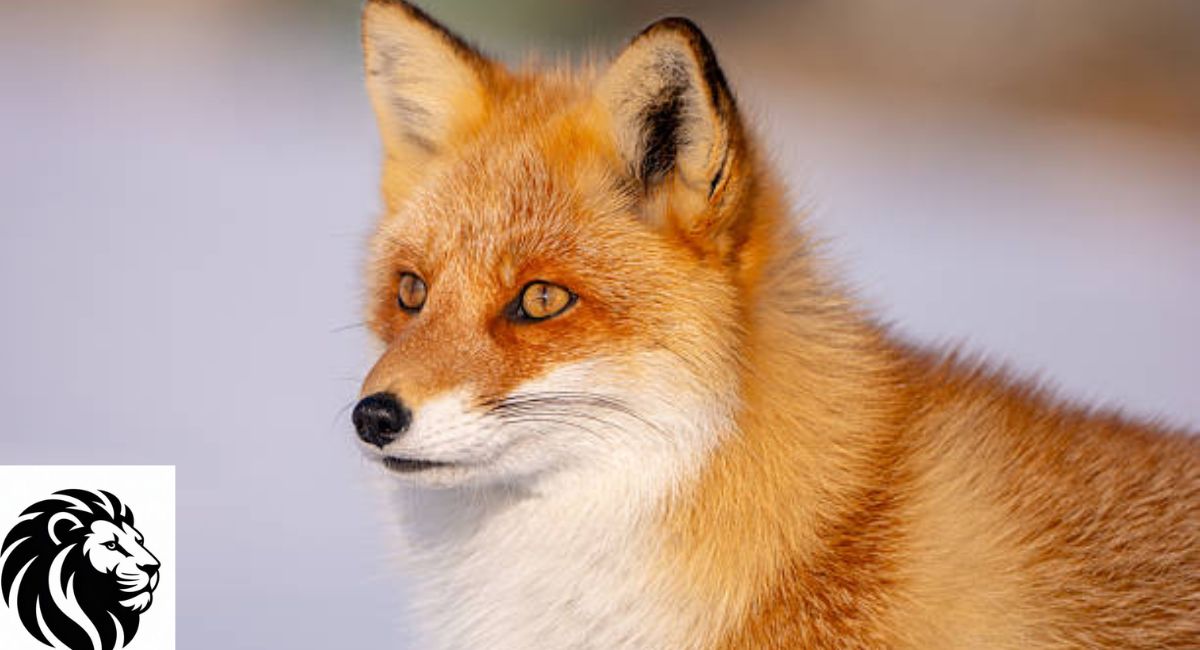
The red fox is one of the most widespread animals with red fur. It inhabits North America, Europe, Asia, and parts of Africa. Its reddish coat helps it blend into forests and grasslands. Red foxes are intelligent hunters and adapt well to different environments. Their sharp senses and flexible diet have contributed to their success across diverse habitats.
Eurasian Red Squirrel
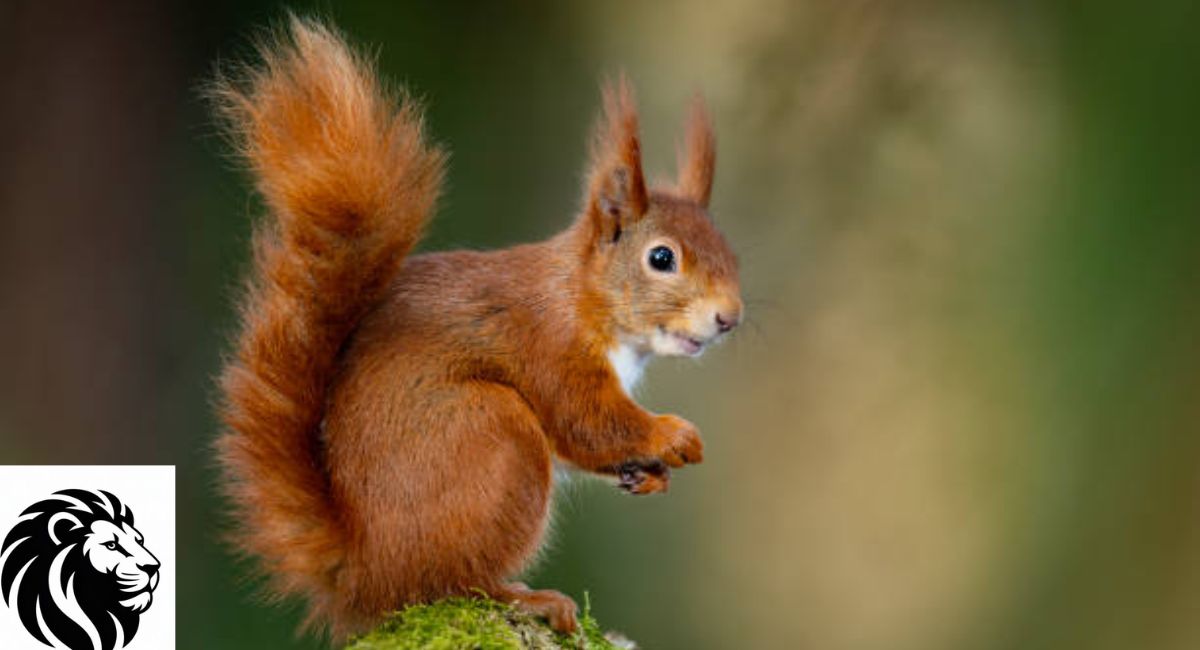
The Eurasian red squirrel adds charm to woodlands with its fluffy tail and reddish coat. This small mammal feeds on seeds, nuts, and berries. Its coloration varies from bright orange to deep chestnut. The species plays an important role in forest ecosystems by helping disperse seeds. Healthy squirrel populations contribute to ecosystem balance and plant diversity.
Red River Hog
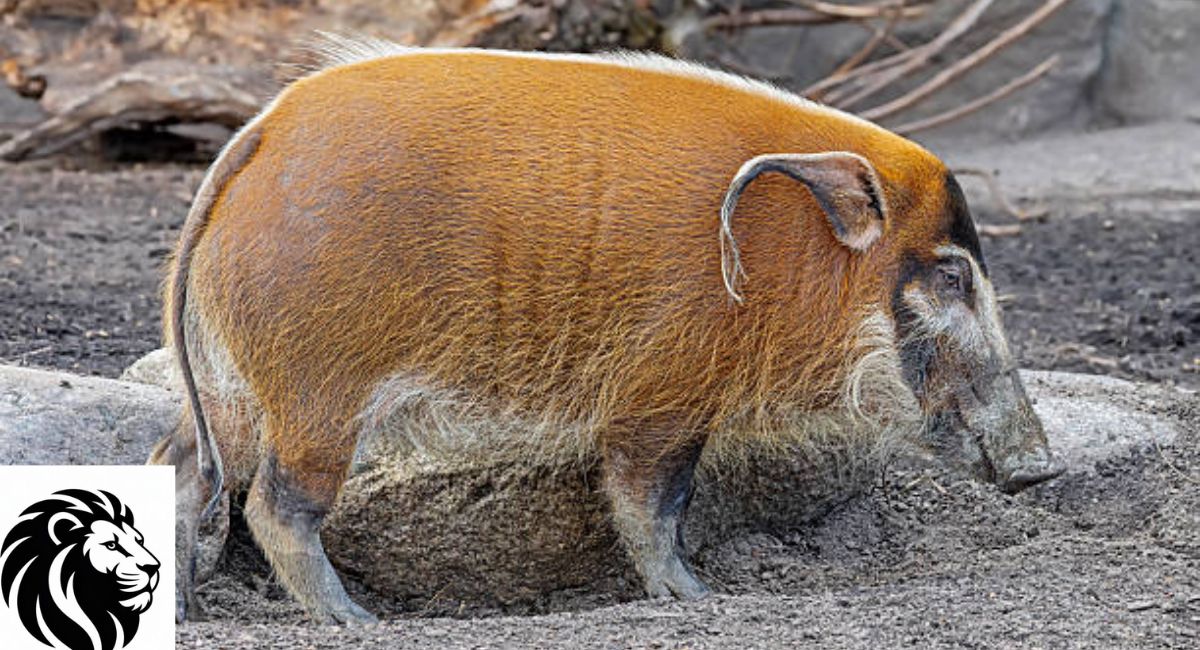
The red river hog is a colorful wild pig found in African forests. Its orange-red coat and white facial markings create a distinctive appearance. These animals live in groups and feed on fruits, roots, and small animals. Their strong snouts help them dig for food. They contribute to nutrient recycling within forest ecosystems.
Red Birds
Birds display some of the most brilliant colors found among Red Animals. Their feathers owe much of their beauty to carotenoid pigments. These colors often serve as signals during courtship and territorial disputes. Bright plumage reflects health and fitness, which increases reproductive success.
Many red birds inhabit tropical forests and grasslands. Others thrive in urban parks and gardens. Their beauty has inspired artists and birdwatchers for generations. These colorful species demonstrate how sexual selection influences appearance in the animal kingdom.
Scarlet Macaw

The scarlet macaw is one of the most recognizable parrots on Earth. Its red feathers contrast beautifully with blue and yellow wings. Native to Central and South America, this bird forms strong social bonds. Scarlet macaws feed on fruits and seeds. Their intelligence and vibrant colors make them symbols of tropical biodiversity.
Scarlet Ibis

The scarlet ibis stands out because of its dazzling crimson plumage. This wading bird inhabits wetlands and coastal regions. Its bright color comes from pigments obtained through diet. Scarlet ibises feed on crustaceans and small aquatic animals. Their colonies create breathtaking scenes across tropical landscapes.
Northern Cardinal

The northern cardinal remains one of America’s favorite backyard birds. Males display brilliant red feathers, while females possess softer shades. Cardinals communicate through songs and visual signals. Their adaptability allows them to thrive in forests, suburbs, and gardens. They symbolize beauty and resilience in North American wildlife.
Vermilion Flycatcher

The vermilion flycatcher possesses one of the brightest colors among small birds. Males display vivid scarlet plumage that attracts mates. These birds catch insects in midair with remarkable precision. They inhabit grasslands and open woodlands. Their brilliant appearance demonstrates the importance of communication through color.
Summer Tanager

The summer tanager delights birdwatchers with its rosy feathers and melodic calls. This species migrates between North and South America. It feeds heavily on insects and helps control pest populations. The bird’s vibrant appearance results from pigments and genetic traits. Its seasonal journeys illustrate the complexity of avian ecology.
Red Reptiles and Amphibians
Reptiles and amphibians include some of the most unusual Red Animals found in nature. Their colors range from bright scarlet to deep orange. In many cases, these shades serve as warning coloration that helps protect them from predators. Some species also use color to communicate and attract mates.
Scientists have discovered that many reptiles and amphibians rely on defensive coloration and species adaptation for survival. Their scales and skin patterns developed through millions of years of evolution. These creatures occupy forests, wetlands, grasslands, and tropical environments across the globe.
Strawberry Poison Frog
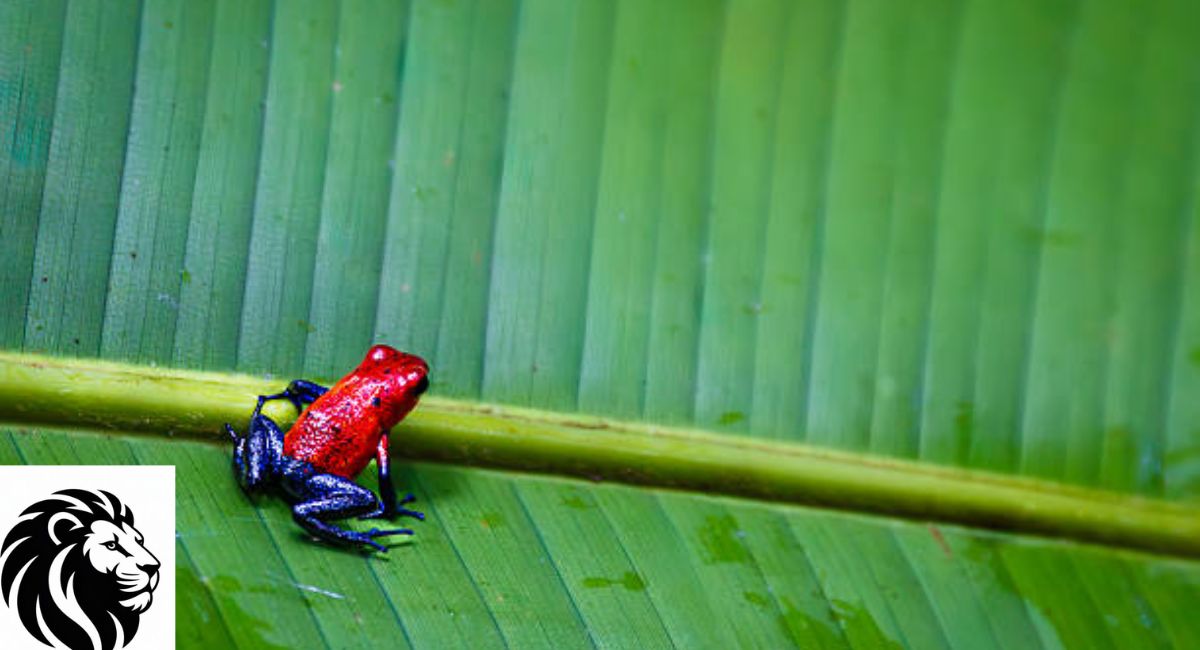
The strawberry poison frog is famous for its brilliant red skin. This tiny amphibian lives in Central American rainforests. Its color acts as aposematic coloration, warning predators about toxic skin secretions. Despite its small size, this frog plays an important role in maintaining insect populations. Scientists often study this species to understand chemical defenses in nature.
Tomato Frog
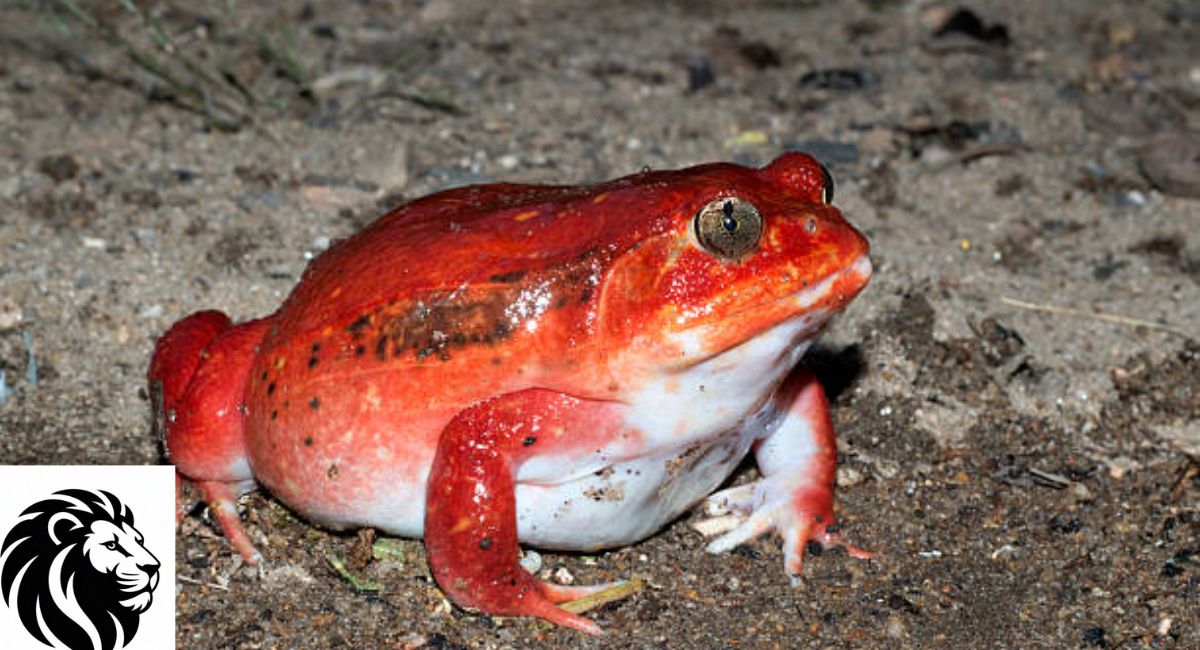
The tomato frog gets its name from its bright red appearance. Native to Madagascar, this species spends much of its life near wetlands. When threatened, it releases sticky substances that discourage predators. Its vibrant color serves as a natural warning signal. Habitat loss remains one of the biggest threats facing this fascinating amphibian.
Red Salamander
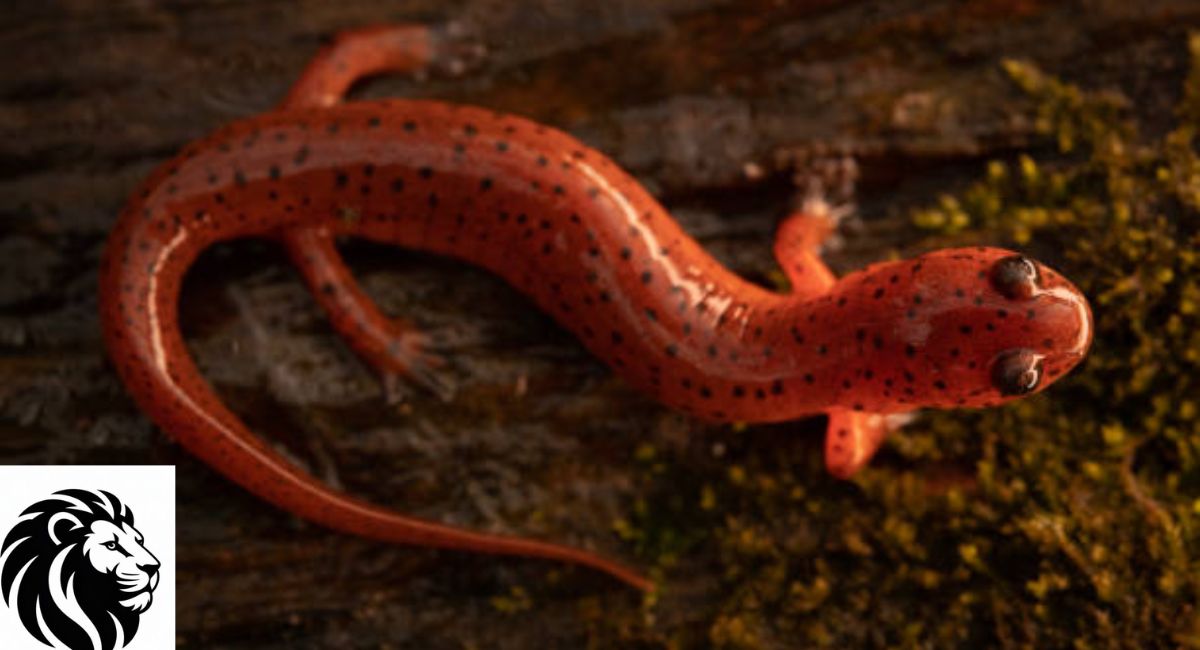
The red salamander lives in moist forests and streams throughout eastern North America. Its orange-red body contains dark spots that help identify the species. These amphibians feed mainly on worms and insects. Their presence often indicates healthy freshwater ecosystems. Because they require clean habitats, salamanders are valuable indicators of environmental quality.
Fire Skink

The fire skink is one of the most colorful reptiles in Africa. Its scales combine red, orange, and black shades. This species spends much of its time beneath leaves and loose soil. Fire skinks feed on insects and other small creatures. Their striking appearance makes them popular among reptile enthusiasts.
Rainbow Boa
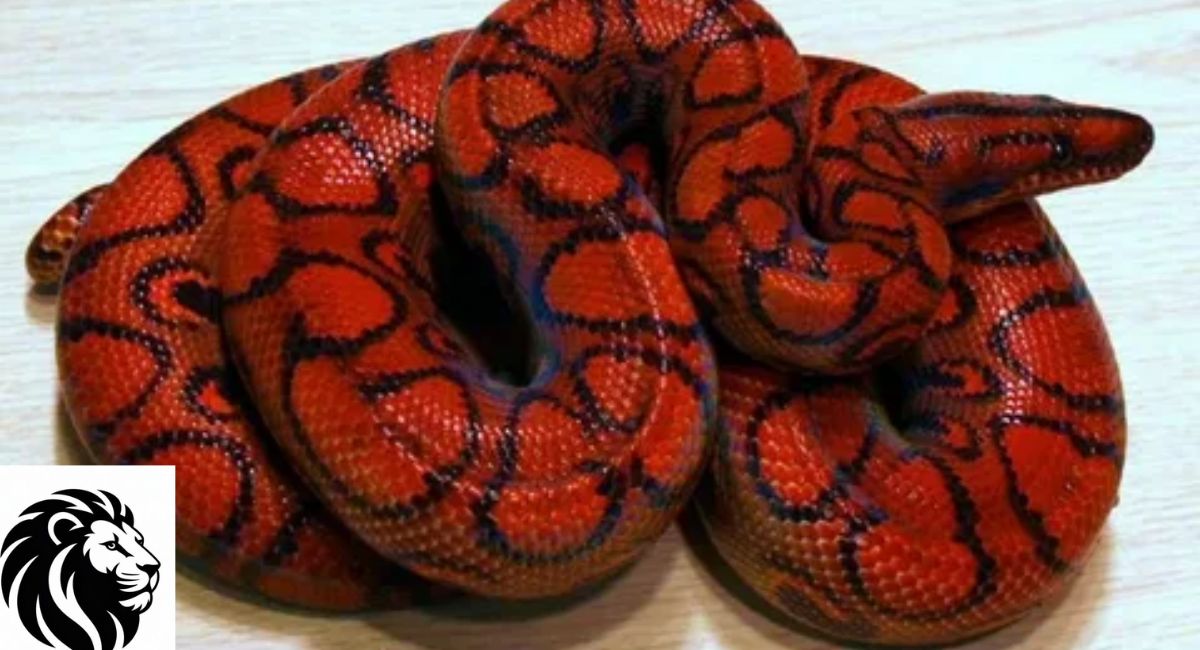
The rainbow boa displays beautiful reddish scales with an iridescent shine. Native to South America, it inhabits humid forests and swamps. These snakes hunt small mammals and birds during the night. Their coloration provides camouflage among leaves and branches. The species remains one of the most visually stunning snakes in the world.
Red Iguana
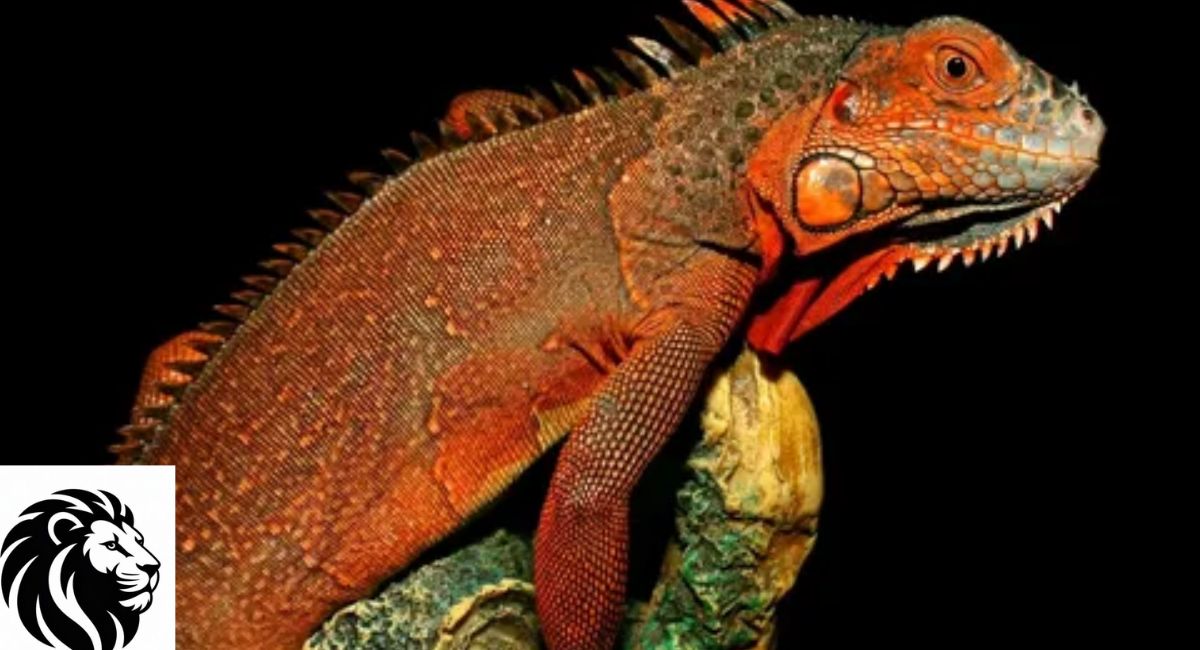
The red iguana represents a colorful variation of the green iguana. Its reddish-orange scales become more vibrant with age. These reptiles spend much of their lives in trees. They feed mainly on leaves, flowers, and fruits. Their gentle behavior has made them popular among reptile keepers.
Red Milk Snake

The red milk snake uses bright colors to imitate venomous coral snakes. This example of mimicry helps protect the species from predators. Red milk snakes are harmless and feed on rodents and small reptiles. Their colorful bands create one of the most attractive patterns among snakes. They inhabit forests, fields, and rocky habitats.
Bamboo Rat Snake
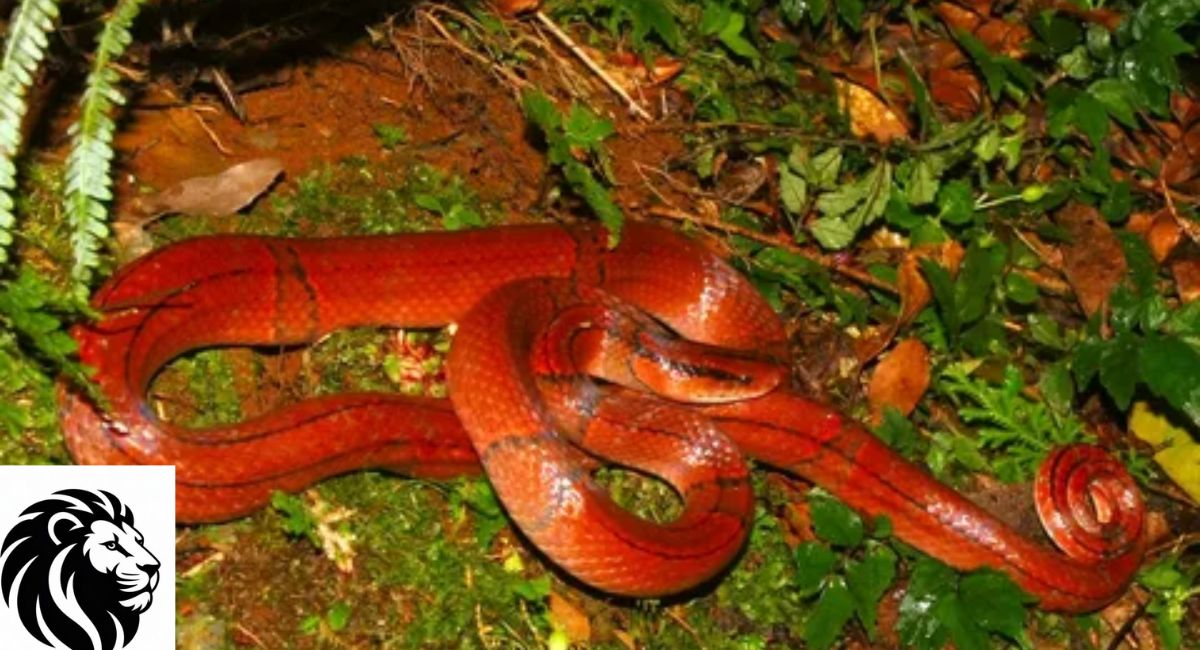
The bamboo rat snake is a slender reptile with reddish markings. It inhabits Southeast Asian forests and grasslands. These snakes help control rodent populations. Their secretive behavior makes them difficult to observe. Scientists continue studying their ecology and reproductive habits.
Spider-Man Agama
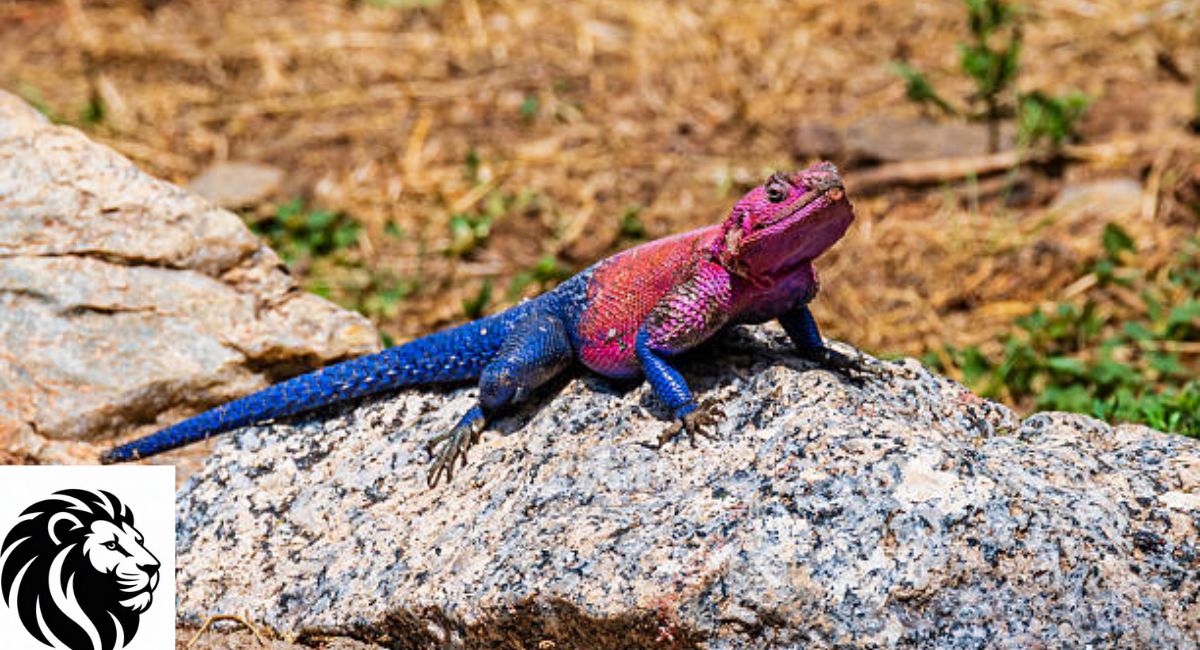
The Spider-Man agama has become famous because of its vivid red and blue coloration. Males display the brightest colors during breeding seasons. These lizards live on rocky outcrops and grasslands. Their appearance helps attract mates and establish territories. They represent an excellent example of sexual selection in reptiles.
Peninsular Rock Agama
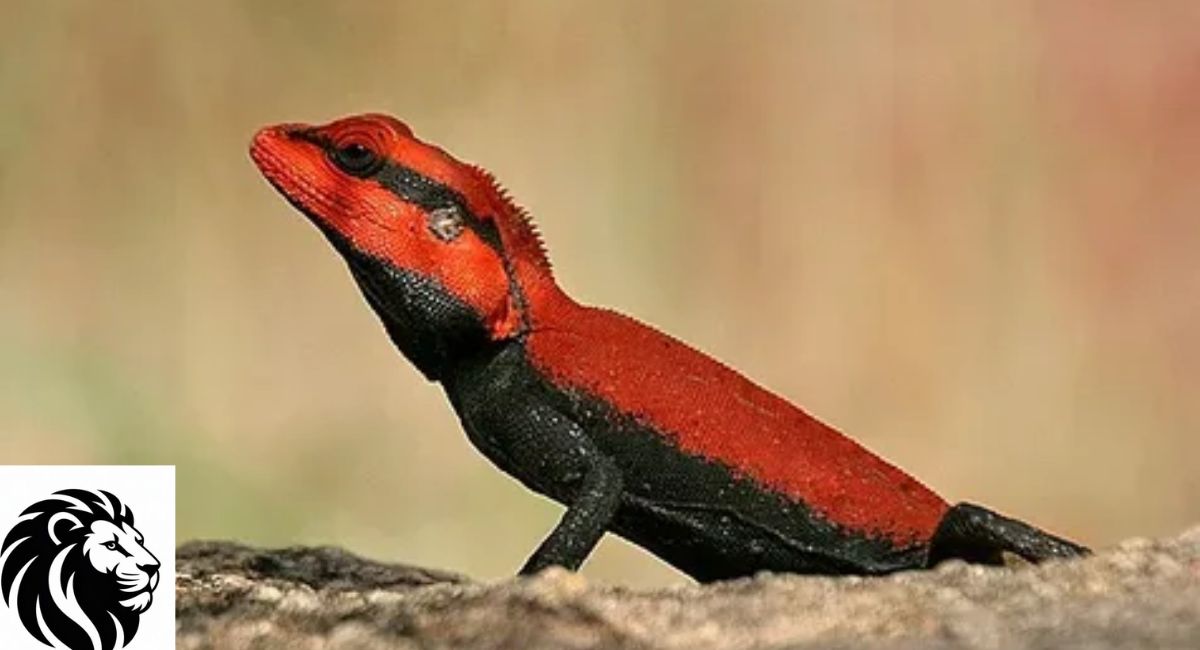
The peninsular rock agama inhabits rocky regions in South Asia. During the breeding season, males develop bright red heads and bodies. Their colors attract females and warn rival males. These agile reptiles feed mainly on insects. Their ability to adapt to urban environments has increased their distribution.
Red Fish and Marine Animals
Oceans and freshwater habitats contain numerous Red Animals with spectacular colors. Some species use red pigmentation to blend into deep waters, while others display bright colors for communication. Marine ecosystems support remarkable biodiversity that includes fish, sea stars, and unusual invertebrates.
Pigments such as astaxanthin contribute to many red shades found in aquatic species. Coral reefs and tropical waters contain some of the most colorful animals on Earth. These creatures highlight the richness of marine biodiversity and the importance of conserving aquatic ecosystems.
Betta Fish
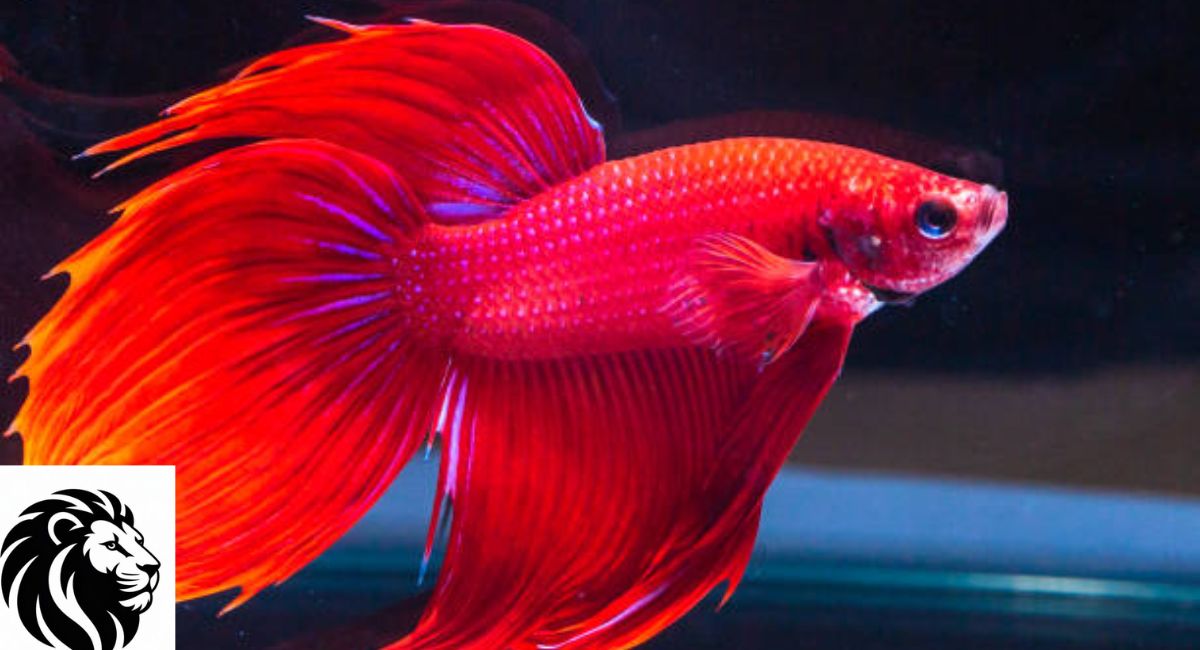
The betta fish, also called the Siamese fighting fish, is famous for its flowing fins and brilliant colors. Red varieties are especially popular among aquarium enthusiasts. Bettas display territorial behavior and often defend their space aggressively. Their beauty and personality have made them one of the most beloved freshwater fish. Proper care ensures their vibrant colors remain healthy.
Chili Rasbora
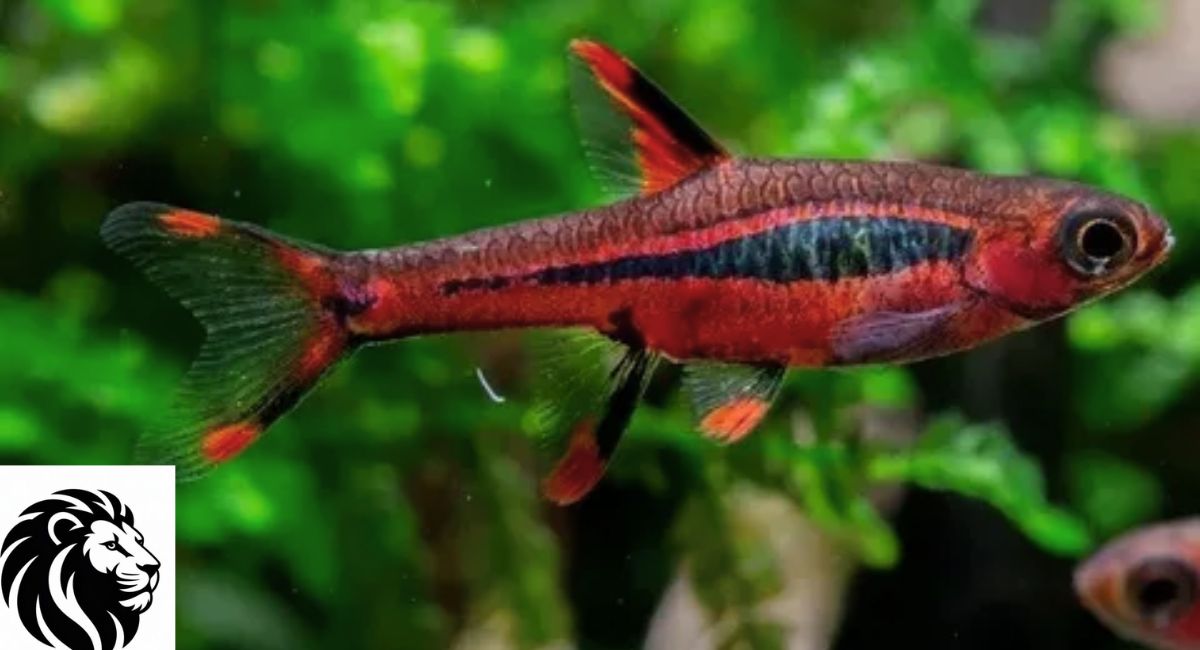
The chili rasbora is a tiny freshwater fish with striking red shades. Native to Southeast Asia, it inhabits slow-moving streams and swamps. Despite its small size, this species adds vibrant colors to aquariums. Chili rasboras prefer living in groups. Their peaceful nature makes them ideal companions for other small fish.
Discus Fish
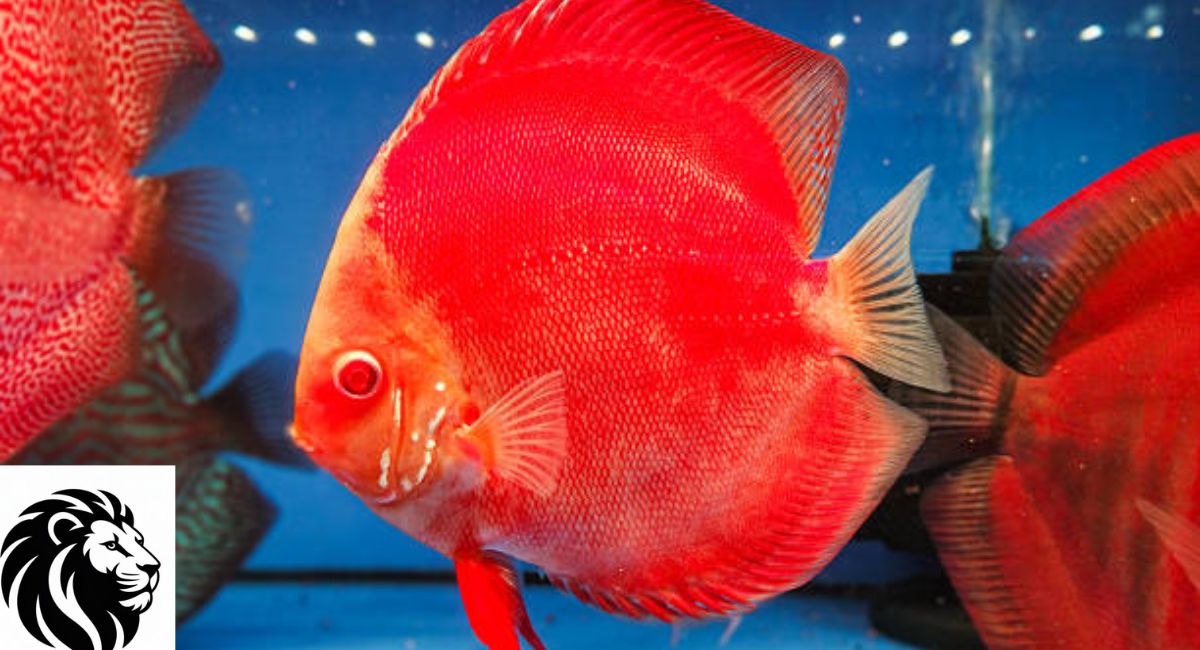
The discus fish is often called the king of aquarium fish. Its round shape and vivid colors attract hobbyists worldwide. Red varieties display intricate patterns and brilliant shades. Discus fish require warm, clean water to thrive. Their graceful swimming behavior makes them highly admired.
Kisaki Nothobranch
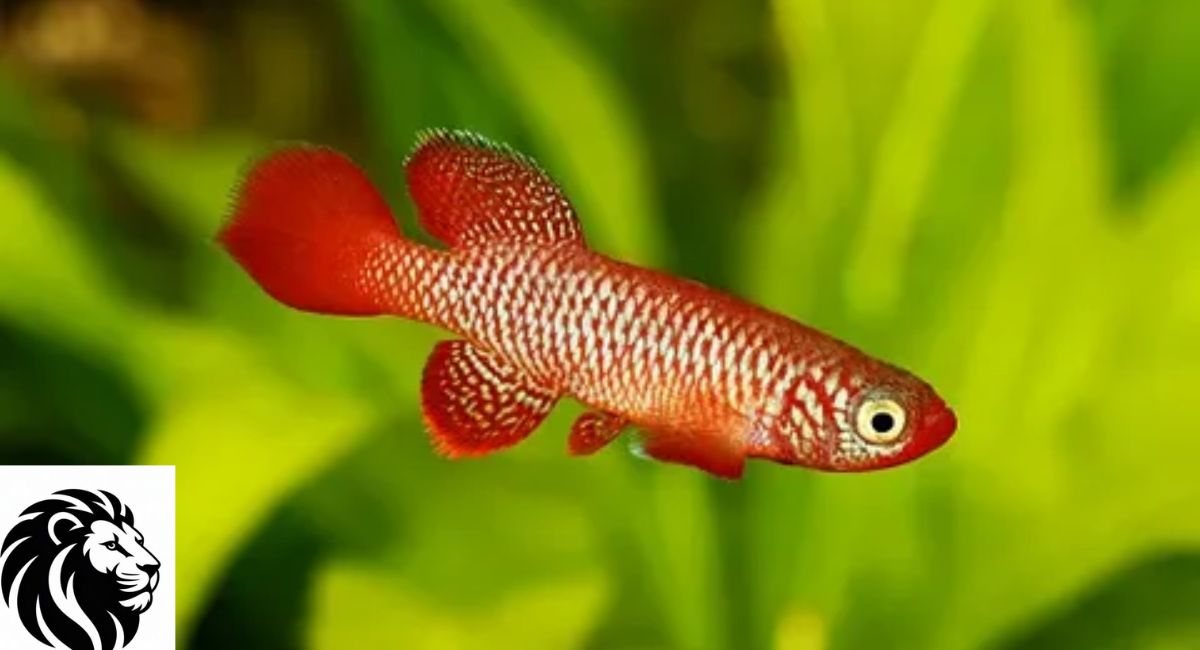
The Kisaki nothobranch is a rare fish with brilliant reddish hues. It inhabits temporary pools in Africa. This species completes its life cycle rapidly before habitats dry out. Its eggs survive dry seasons and hatch when rain returns. Such adaptations reveal the incredible resilience of aquatic life.
Spanish Dancer
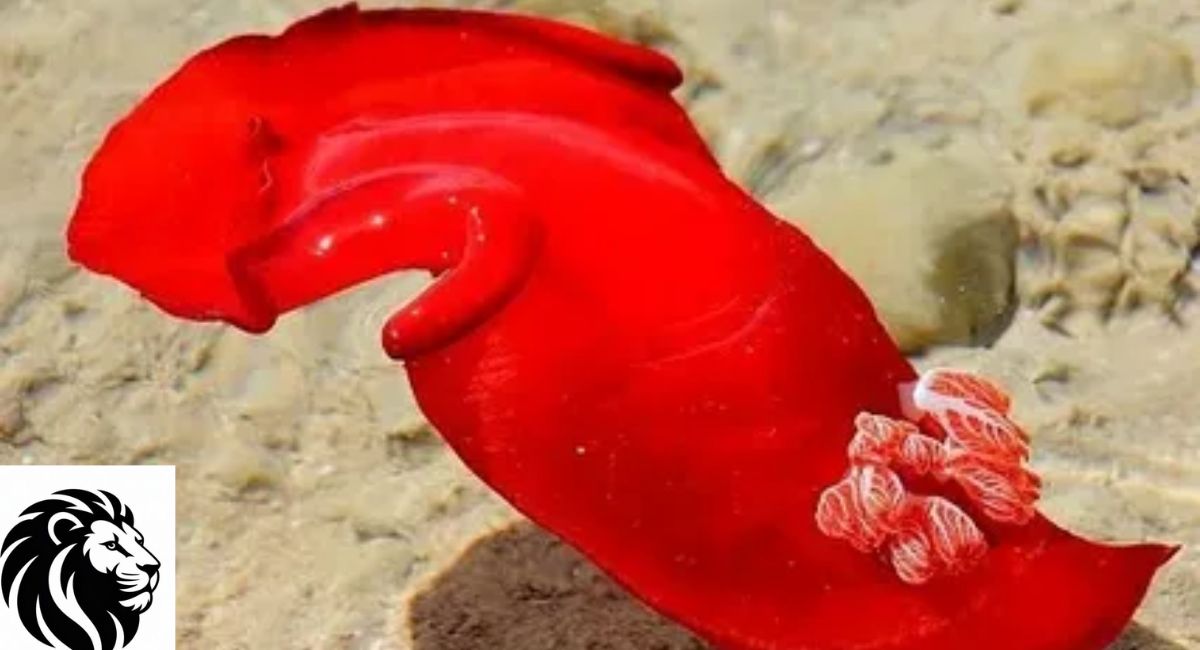
The Spanish dancer is a magnificent sea slug known for its flowing red body. When swimming, it resembles a dancer’s costume. This marine invertebrate feeds on sponges and coral organisms. Its bright colors warn predators of unpleasant chemicals. Divers often consider it one of the ocean’s most beautiful creatures.
Red Insects and Other Small Creatures
Tiny creatures contribute greatly to the diversity of Red Animals. Although they are small, many insects and invertebrates display remarkable colors and patterns. Their vivid appearance often helps them avoid predators or communicate with members of their species. These fascinating animals demonstrate how evolutionary adaptation shapes life in different environments.
Scientists have discovered that many small creatures depend on protective coloration, mimicry, and chemical defenses. Some species are harmless, while others possess venom or toxic compounds. Their incredible diversity highlights the importance of species diversity and healthy ecosystems.
Red Velvet Ant
Despite its name, the red velvet ant is actually a species of wasp. Females lack wings and possess dense, colorful hair. Their painful sting has earned them the nickname “cow killer.” Bright colors serve as warning coloration that discourages predators. These insects inhabit dry and sandy environments across North America.
Red Velvet Mite
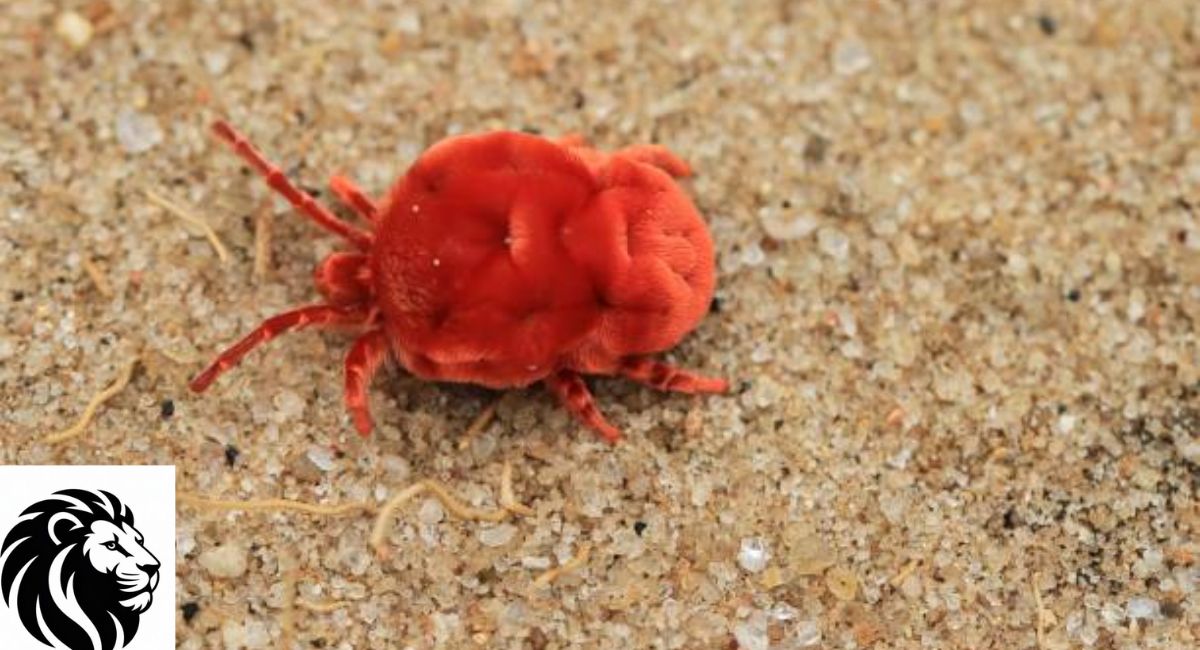
The red velvet mite appears after rainfall and attracts attention because of its bright scarlet body. These tiny creatures feed on insect eggs and small arthropods. Farmers consider them beneficial because they help control pests. Their velvety appearance makes them easy to identify. Scientists continue studying their role in soil ecosystems.
Scarlet Peacock Butterfly

The scarlet peacock butterfly dazzles with its bright wings and delicate patterns. These butterflies feed on nectar and assist with pollination. Their colorful appearance attracts mates during breeding seasons. Predators often avoid them because vivid colors suggest danger. Such characteristics illustrate the importance of mate attraction and communication.
Red Lacewing Butterfly
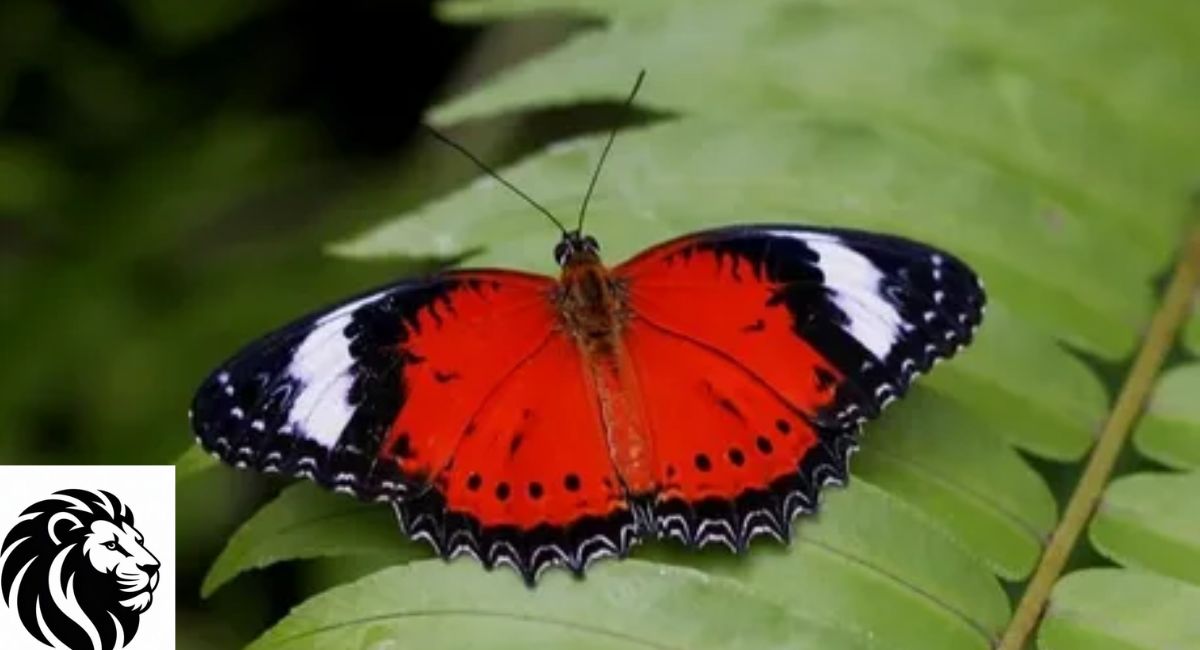
The red lacewing butterfly inhabits tropical forests and gardens. Its beautiful wings display combinations of red, black, and white. These butterflies rely on flowers for food and contribute to pollination. Their striking patterns provide camouflage when resting on plants. They remain popular among butterfly enthusiasts and photographers.
Blood-Red Glider
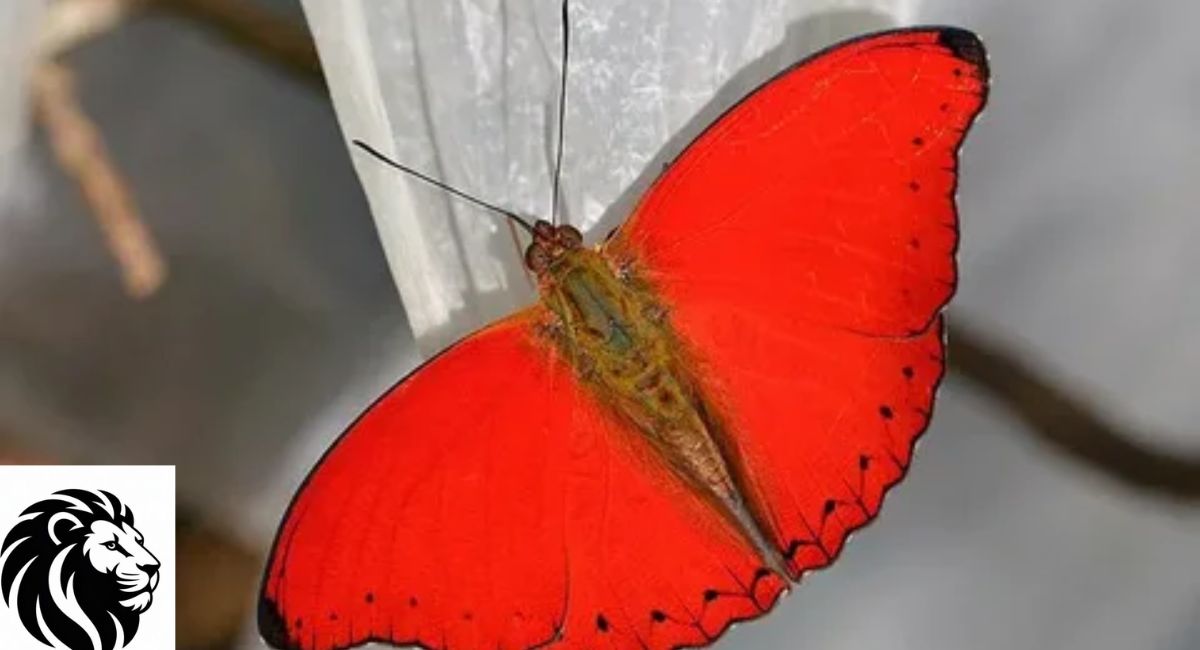
The blood-red glider is a fascinating marsupial known for its striking appearance. This nocturnal animal uses membranes between its limbs to glide between trees. Its reddish fur provides camouflage among leaves and bark. Researchers continue studying this unusual species because little information exists about its behavior. Such rare animals remind us how much remains undiscovered in nature.
Red Milkweed Beetle

The red milkweed beetle lives mainly on milkweed plants. Bright colors warn predators about toxins stored within its body. This species contributes to plant ecology by interacting with flowering vegetation. Scientists study these beetles to understand insect defenses. Their appearance represents a classic example of aposematic coloration.
Red Flat Bark Beetle
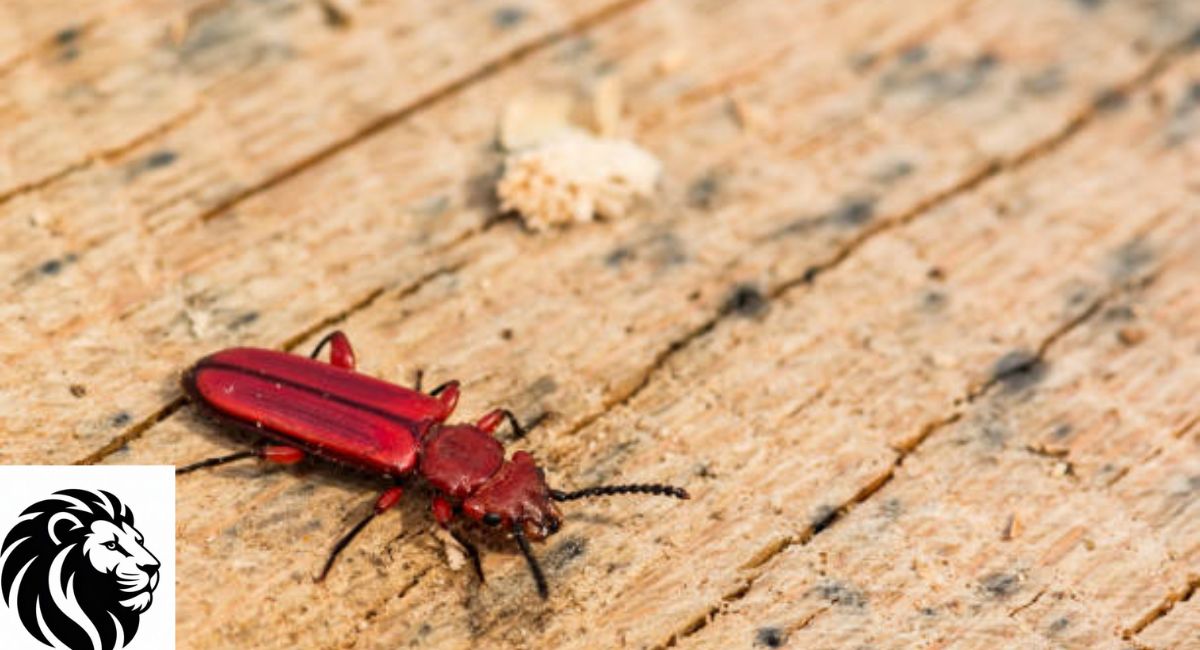
The red flat bark beetle spends most of its life beneath tree bark. It feeds on fungi and contributes to decomposition processes. These insects help recycle nutrients in forests. Their flattened bodies allow them to move through narrow spaces. Such species play a vital role in maintaining healthy ecosystems.
Red Net-Winged Beetle
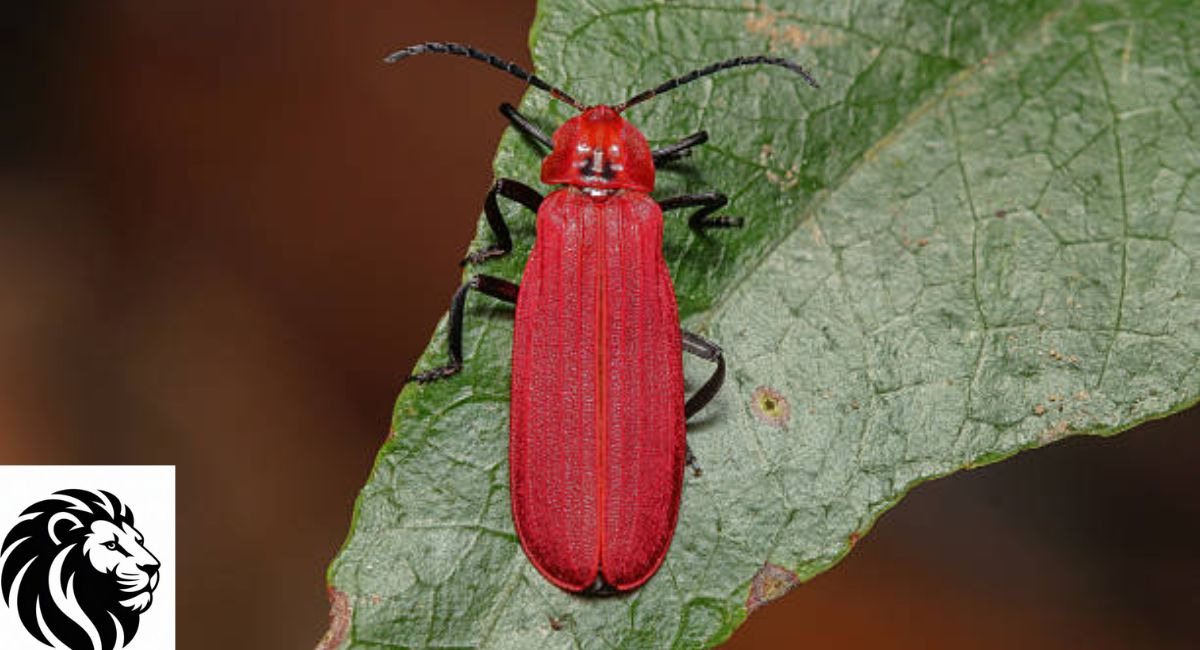
The red net-winged beetle displays bright colors and unique wing textures. Predators often avoid these insects because they associate vivid colors with unpleasant tastes. These beetles feed on nectar and plant materials. Their appearance demonstrates the effectiveness of defensive coloration. They are commonly found in forests and meadows.
Ladybug
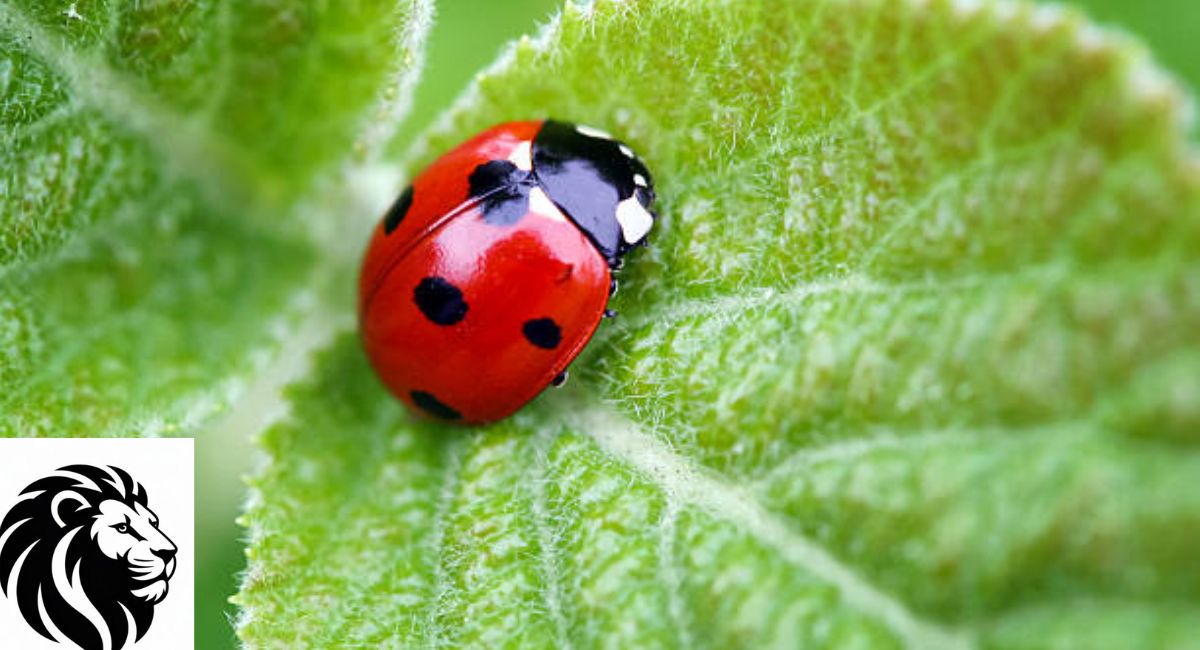
The ladybug remains one of the most familiar red insects in the world. These beetles feed on aphids and protect crops from harmful pests. Farmers value them because they provide natural pest control. Their red shells and black spots serve as warning signals. Ladybugs are considered symbols of good luck in many cultures.
American Rubyspot Damselfly

The American rubyspot damselfly possesses striking red markings on its wings. These elegant insects inhabit rivers and streams. Males defend territories and perform aerial displays to attract mates. Their presence often indicates clean freshwater habitats. Healthy damselfly populations contribute to aquatic biodiversity.
Cardinal Jumping Spider
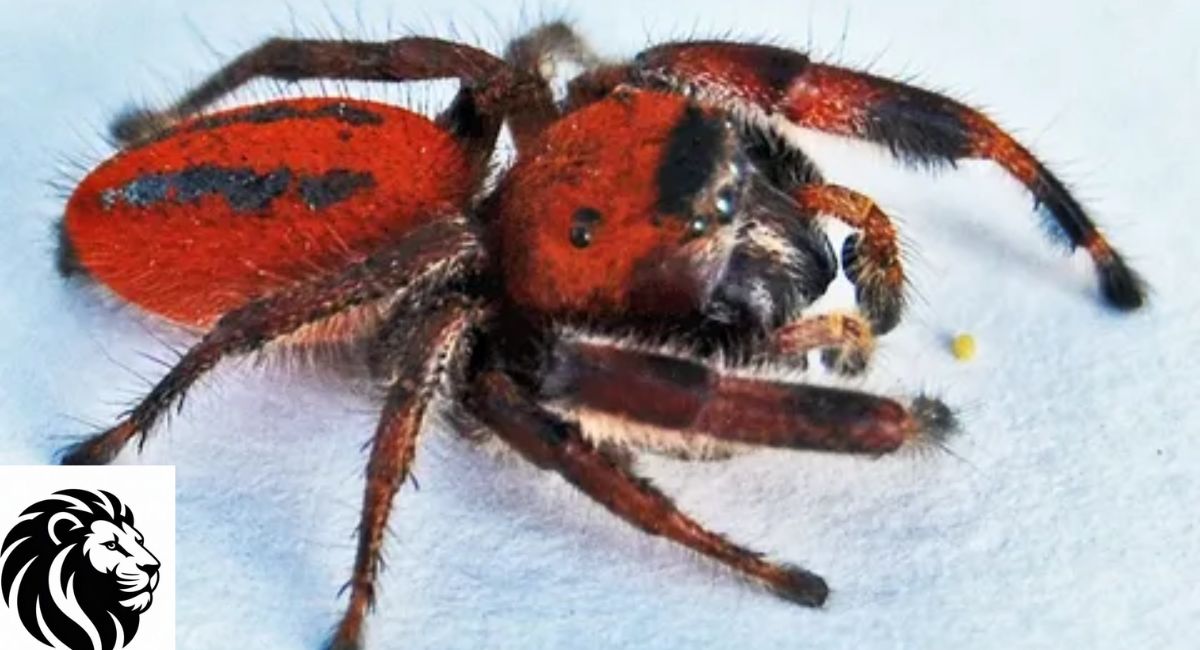
The cardinal jumping spider combines brilliant red coloration with exceptional eyesight. Unlike web-building spiders, this species actively hunts prey. Its agility and jumping ability make it an efficient predator. Bright colors may help with communication during courtship. These spiders are harmless to humans and beneficial to ecosystems.
Long-Horned Orb-Weaver
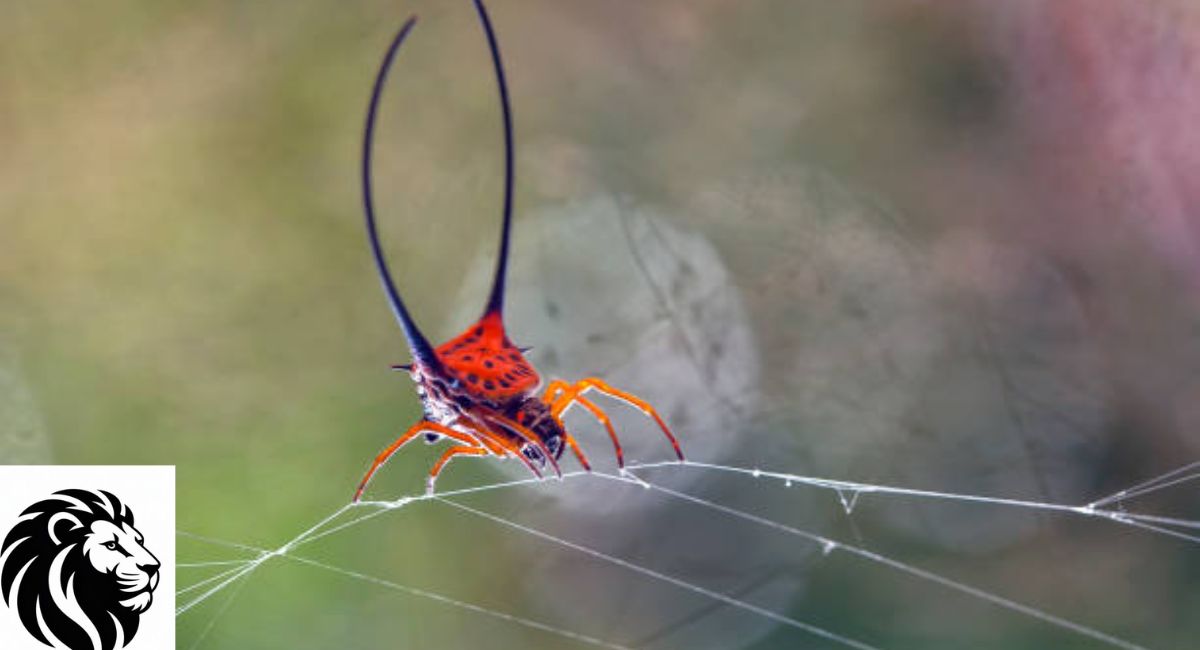
The long-horned orb-weaver creates intricate webs to capture flying insects. Its reddish body and unusual shape make it easy to recognize. These spiders contribute to natural pest control. Their webs display remarkable engineering and precision. Scientists admire their silk for its strength and flexibility.
Rare Red Animals
| Rare Red Animal | Animal Type | Native Habitat | Unique Feature | Conservation Status |
| Red Panda | Mammal | Himalayan Forests | Thick reddish fur and bushy tail | Endangered |
| Hawaiian Honeycreeper | Bird | Hawaiian Islands | Specialized beaks and bright feathers | Threatened |
| Scarlet Ibis | Bird | Wetlands and Mangroves | Brilliant crimson plumage | Least Concern |
| Blood-Red Glider | Mammal | Tropical Forests | Ability to glide between trees | Rare |
| Strawberry Poison Frog | Amphibian | Central American Rainforests | Toxic skin and vivid coloration | Vulnerable |
| Red Salamander | Amphibian | Streams and Moist Forests | Bright orange-red body with black spots | Least Concern |
| Spanish Dancer | Marine Invertebrate | Coral Reefs and Oceans | Elegant swimming movements | Least Concern |
| Mediterranean Red Sea Star | Marine Invertebrate | Rocky Coastal Waters | Ability to regenerate limbs | Stable |
| Red River Hog | Mammal | African Forests | Distinctive orange-red coat | Least Concern |
| Scarlet Macaw | Bird | Tropical Rainforests | Colorful feathers and intelligence | Least Concern |
Dangerous Red Animals
| Dangerous Red Animal | Animal Type | Defense Mechanism | Level of Danger | Why It Is Red |
| Strawberry Poison Frog | Amphibian | Toxic skin secretions | High | Warning coloration to deter predators |
| Western Red Scorpionfish | Fish | Venomous spines | High | Camouflage and predator defense |
| Dwarf Lionfish | Fish | Venomous fin spines | High | Protection and communication |
| Red Velvet Ant | Insect | Extremely painful sting | Moderate | Aposematic coloration warns predators |
| Arizona Coral Snake | Reptile | Neurotoxic venom | High | Bright colors signal danger |
| Tomato Frog | Amphibian | Sticky toxic secretions | Moderate | Defensive display against predators |
| Fire Skink | Reptile | Camouflage and escape behavior | Low | Blends with leaf litter and vegetation |
| Red Milk Snake | Reptile | Mimics venomous snakes | Low | Mimicry improves survival |
| Spanish Dancer | Marine Invertebrate | Chemical defenses | Moderate | Bright colors indicate toxicity |
| Ladybug | Insect | Unpleasant taste and odor | Low | Defensive coloration discourages predators |
Quick Facts About Rare and Dangerous Red Animals
| Category | Interesting Fact |
| Rarest Red Mammal | Red Panda |
| Most Famous Red Bird | Scarlet Macaw |
| Most Poisonous Red Animal | Strawberry Poison Frog |
| Most Venomous Red Fish | Western Red Scorpionfish |
| Most Colorful Marine Species | Spanish Dancer |
| Best Example of Aposematic Coloration | Red Velvet Ant |
| Most Beautiful Rare Red Animal | Scarlet Ibis |
| Most Unique Red Reptile | Rainbow Boa |
Conclusion
In conclusion, Red Animals show how nature uses color in smart and surprising ways. From red pigmentation to pheomelanin, these creatures use their bright shades for survival, communication, and protection. Some rely on warning coloration to scare predators, while others use color for mating or hiding in their environment. Across forests, oceans, and skies, animals with red coloration prove how powerful evolution can be in shaping life on Earth.
Overall, Red Animals remind us that biodiversity is beautiful and worth protecting for future generations.
FAQs
1. Why are Red Animals red in color?
Red Animals get their color from pigments like pheomelanin and carotenoids that develop through genetics and diet.
2. Are all Red Animals dangerous?
No, many Red Animals are harmless, but some use warning coloration to signal poison or venom.
3. What is the purpose of red coloration in animals?
It helps in camouflage, mate attraction, communication, and protection from predators.
4. Which habitats do Red Animals live in?
They live in forests, oceans, wetlands, deserts, and tropical regions worldwide.
5. What is the rarest Red Animal?
Species like the Red Panda and some Hawaiian honeycreepers are among the rarest Red Animals.

Welcome to natureanimalhub! I’m Anam Sattar, an AI Powered SEO, and Content Writer with 4 years of experirnce.
I help websites rank higher,grow traffic, and look amazing. My goal is to make SEO and web design simple and effective for everyone.
Let’s achieve more together!