

Purple Animals are some of the rarest and most fascinating creatures found in nature across forests, oceans, and skies. These rare animal colors, especially shades of violet and lavender, are created through structural coloration rather than true pigments. Scientists studying biodiversity and evolutionary adaptation explain that purple tones often help with mating signals or predator defense. From shimmering birds to glowing marine life, colorful wildlife shows how nature uses light and structure to create beauty. The study of iridescent plumage and unique pigmentation reveals why Purple Animals remain one of the most captivating wonders in the animal kingdom.
Why Are Purple Animals So Rare in Nature?
One reason Purple Animals are uncommon is that natural purple pigments rarely occur in living organisms. Many creatures appear purple because microscopic structures reflect light in unique ways. This process creates dazzling shades that shift under different lighting conditions. Such adaptations have evolved over millions of years through evolutionary adaptation and sexual selection.
Color also plays a role in survival. Bright shades may attract mates or discourage predators. Some ocean species use purple tones because the color remains highly visible underwater. Scientists studying animal camouflage and warning coloration continue to discover how these remarkable species benefit from their unusual appearance.
| Reason for Purple Color | Purpose |
| Structural coloration | Creates iridescent effects |
| Pigments | Produces permanent shades |
| Mate attraction | Helps reproduction |
| Predator deterrence | Warns potential enemies |
| Camouflage | Assists survival |
The Science Behind Purple Coloration in Animals
Color in wildlife comes from pigments or light reflection. In many species, iridescence creates brilliant shades without relying on actual purple pigments. Tiny structures on feathers, scales, or shells scatter light and produce vivid colors. This phenomenon explains why some creatures appear blue or violet from one angle and darker from another.
Researchers studying biodiversity have found that purple coloration occurs more frequently in birds and marine organisms. These species benefit from colors that aid communication and courtship. Their remarkable appearance highlights the complexity of natural evolution.
How Purple Color Helps Animals Survive
Bright colors often serve practical purposes. Male birds display vibrant plumage to attract females. In contrast, certain sea creatures use their striking colors to warn predators that they may taste unpleasant or contain toxins. This strategy improves survival rates.
Purple shades also enhance visibility in dim ocean waters. Some species blend into coral reefs while others use color to confuse enemies. These adaptations demonstrate the importance of predator deterrence and mate attraction in the animal kingdom.
Types of Purple Animals Around the World
Purple species exist on nearly every continent. They inhabit tropical rainforests, coastal waters, coral reefs, wetlands, and islands. Although mammals rarely show true purple colors, birds, fish, insects, and marine creatures display incredible diversity. These animals represent important parts of marine biodiversity and terrestrial ecosystems.
Scientists continue to discover new species with violet and lavender tones. Their findings reveal how habitats influence coloration. From hummingbirds in North America to sea slugs in the Pacific Ocean, these creatures contribute to global biodiversity and ecological balance.
| Major Group | Examples |
| Birds | Hummingbirds and starlings |
| Marine Animals | Sea stars and sea slugs |
| Amphibians | Indian Purple Frog |
| Reptiles | Eastern Indigo Snake |
| Insects | Butterflies and beetles |
| Other Species | Crabs and snails |
Purple Birds
Among all Purple Animals, birds display some of the most spectacular colors. Many species do not possess true purple pigments. Instead, special feather structures reflect light and create brilliant shades. These remarkable birds thrive in forests, grasslands, and tropical regions across the world.
Bird experts consider many purple birds examples of iridescent plumage and colorful wildlife. Their striking appearance helps attract mates and communicate with rivals. Some species even appear to change color depending on sunlight and viewing angle.
| Purple Bird | Native Region |
| Costa’s Hummingbird | North America |
| Purple Honeycreeper | South America |
| Purple Grenadier | East Africa |
| Violet-Backed Starling | Sub-Saharan Africa |
| Violet-Crowned Woodnymph | Central America |
| Purple Glossy Starling | Africa |
Costa’s Hummingbird
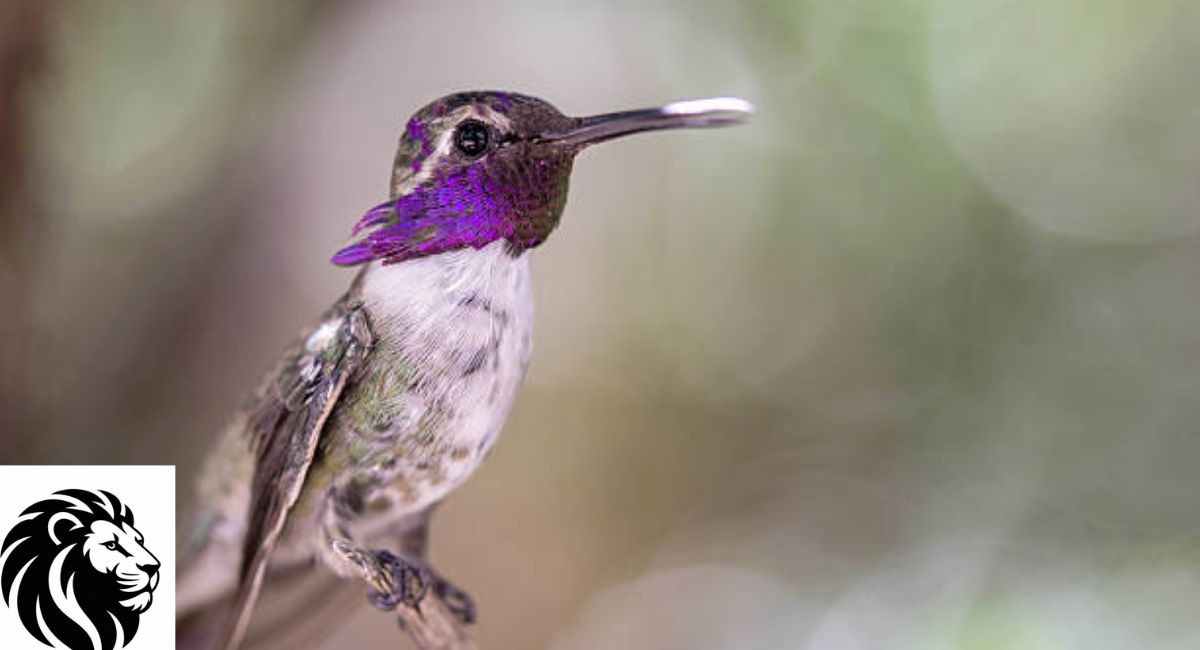
Costa’s Hummingbird lives in the deserts and dry areas of the southwestern United States and Mexico. Males display brilliant purple throat feathers that shimmer under sunlight. These tiny birds feed mainly on nectar and insects. Their colorful appearance plays an important role in courtship. Among naturally purple animals, this hummingbird remains one of the most recognizable species.
Purple Honeycreeper
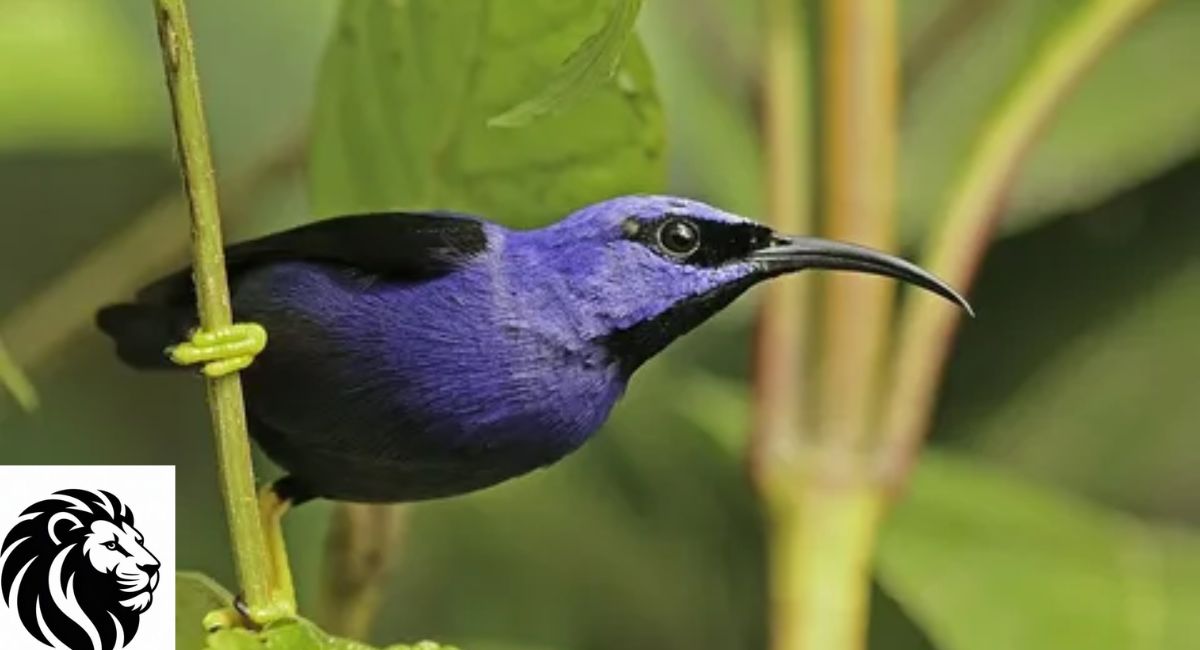
The Purple Honeycreeper inhabits tropical forests in South America. Males show deep violet-blue feathers that stand out among green vegetation. Females have more subdued colors. These birds feed on fruits, nectar, and insects throughout the year. Their vivid appearance makes them one of the most beautiful examples of violet animals in nature.
Purple Grenadier
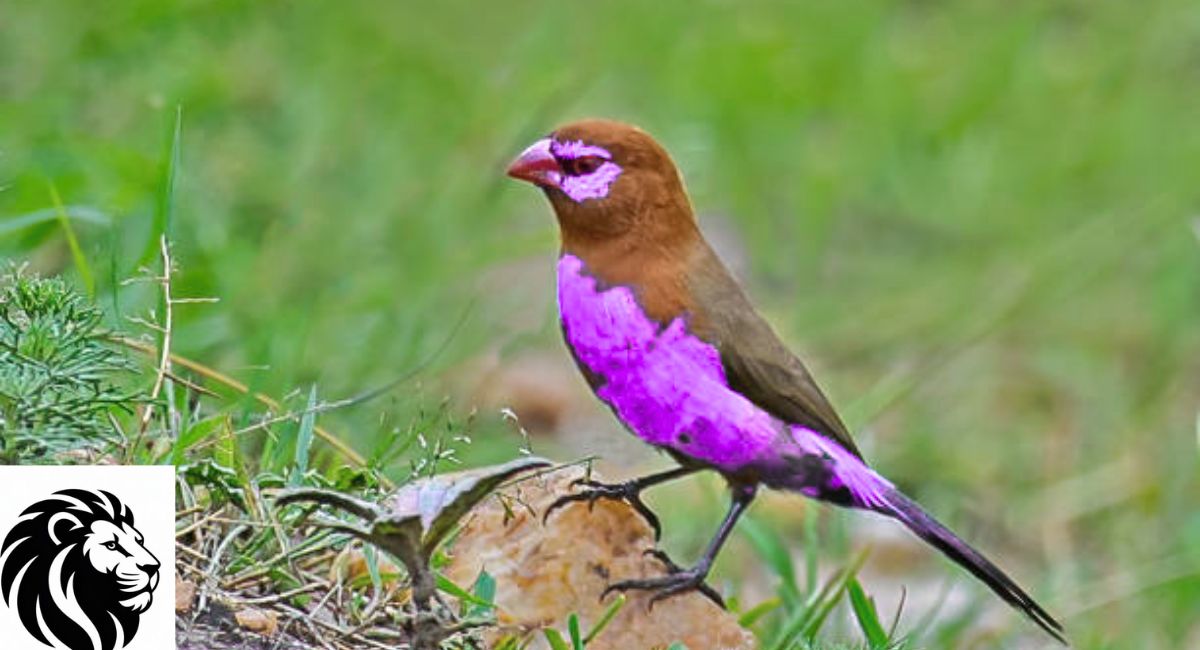
Native to eastern Africa, the Purple Grenadier is famous for its rich violet body and bright red bill. It prefers dry savannas and shrubby habitats. Seeds form the largest part of its diet. Males display their brilliant feathers during breeding season. Scientists often study this bird while researching sexual selection in colorful species.
Violet-Backed Starling

The Violet-Backed Starling lives across many African countries. Male birds possess dazzling purple upperparts and bright white underparts. Females are much less colorful. These birds feed on berries, insects, and small fruits. Their beautiful plumage has made them popular among birdwatchers and wildlife photographers interested in rare purple animals.
Violet-Crowned Woodnymph
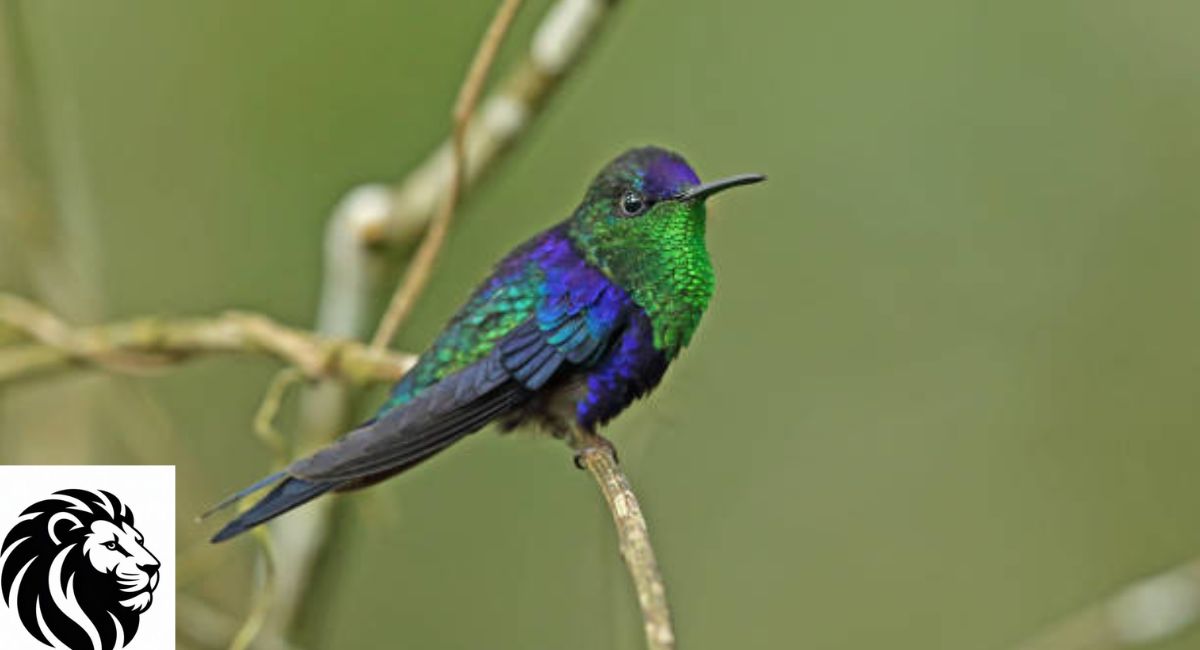
The Violet-Crowned Woodnymph belongs to the hummingbird family. It inhabits humid forests from Costa Rica to Panama. Males display brilliant violet crowns and green bodies. Their fast wingbeats allow them to hover near flowers while feeding. This species represents one of the finest examples of feather coloration found in tropical birds.
Purple Glossy Starling

The Purple Glossy Starling inhabits woodlands and savannas throughout Africa. Its glossy feathers shine with shades of violet, blue, and green. These birds often travel in groups and feed on insects and fruits. Their iridescent colors become especially noticeable during bright daylight. Researchers admire them for their exceptional structural coloration.
Purple Marine Animals
Ocean ecosystems contain more purple creatures than any other habitat. Deep waters and coral reefs support many species with vibrant shades. Scientists believe these colors help with defense, camouflage, and communication. Several marine species belong among the most fascinating purple sea creatures on Earth.
The underwater world offers incredible diversity. Sea stars, sea slugs, and sea snails display remarkable adaptations that support survival. Their striking appearance contributes to marine biodiversity and reveals how evolution shapes life beneath the waves.
| Purple Marine Animal | Habitat |
| Purple Sea Star | Rocky shores |
| Spanish Shawl Sea Slug | Pacific Ocean |
| Purple Sea Snail | Open ocean |
| Magnificent Sea Anemone | Coral reefs |
| Stubby Squid | Tropical waters |
| Purple Sea Urchin | Coastal regions |
| Blue Dragon Sea Slug | Warm oceans |
Purple Sea Star

The Purple Sea Star inhabits rocky coastlines and tidal pools. Its vibrant color helps distinguish it from other sea stars. This species feeds on mussels and small marine animals. Powerful tube feet allow it to move slowly across surfaces. It remains one of the most recognizable purple marine animals in coastal ecosystems.
Spanish Shawl Sea Slug

The Spanish Shawl Sea Slug is among the most colorful creatures found in the Pacific Ocean. Its body combines purple, orange, and red hues. This sea slug feeds on tiny hydroids growing on rocks. Bright colors warn predators about harmful chemicals inside its tissues. Marine biologists consider it a masterpiece of warning coloration.
Purple Sea Snail
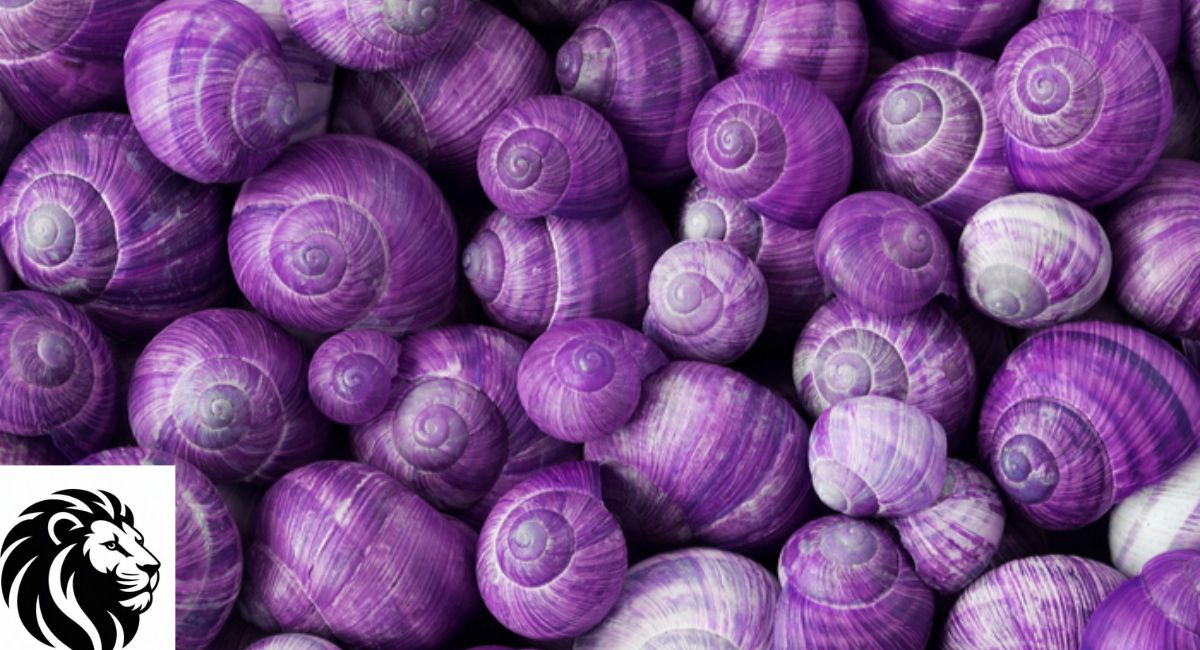
The Purple Sea Snail spends much of its life floating on the ocean surface. It creates bubbles covered in mucus to remain buoyant. This unusual species feeds on jellyfish and other drifting organisms. Its shell displays beautiful shades of violet. Such adaptations make it one of the most remarkable ocean invertebrates.
Magnificent Sea Anemone
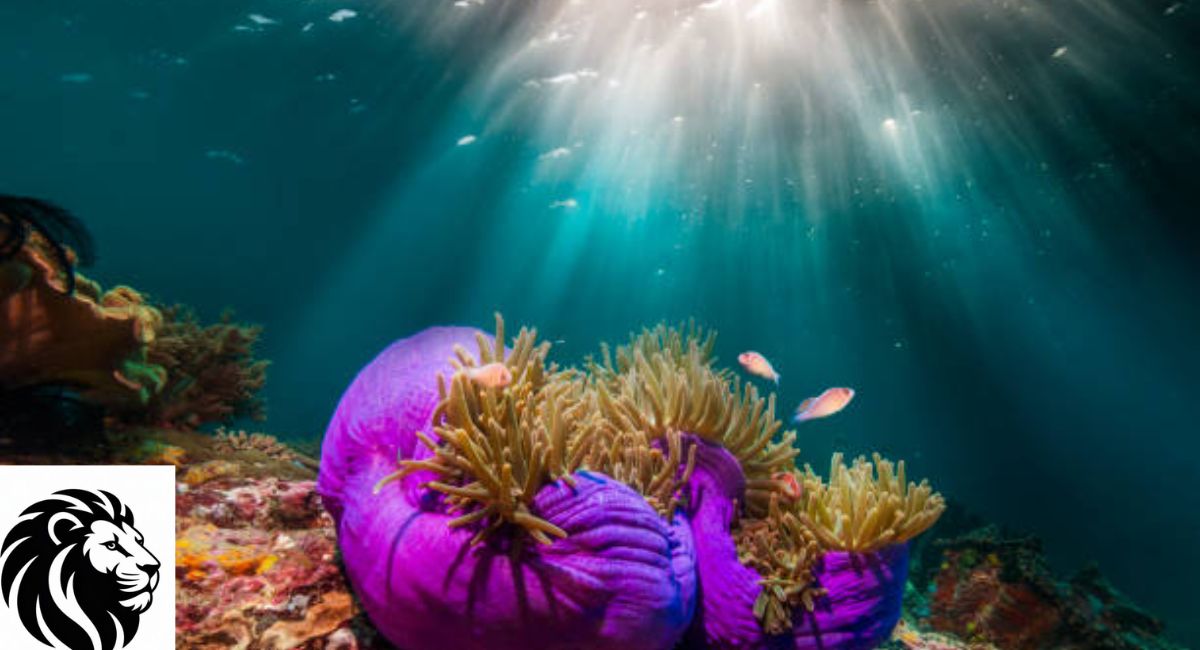
The Magnificent Sea Anemone thrives within tropical coral reefs. Tentacles surrounding its body contain stinging cells used for defense. Many clownfish species live among these tentacles without harm. Shades of purple and green make this animal particularly attractive. Its role within coral reef ecosystems supports marine biodiversity.
Stubby Squid
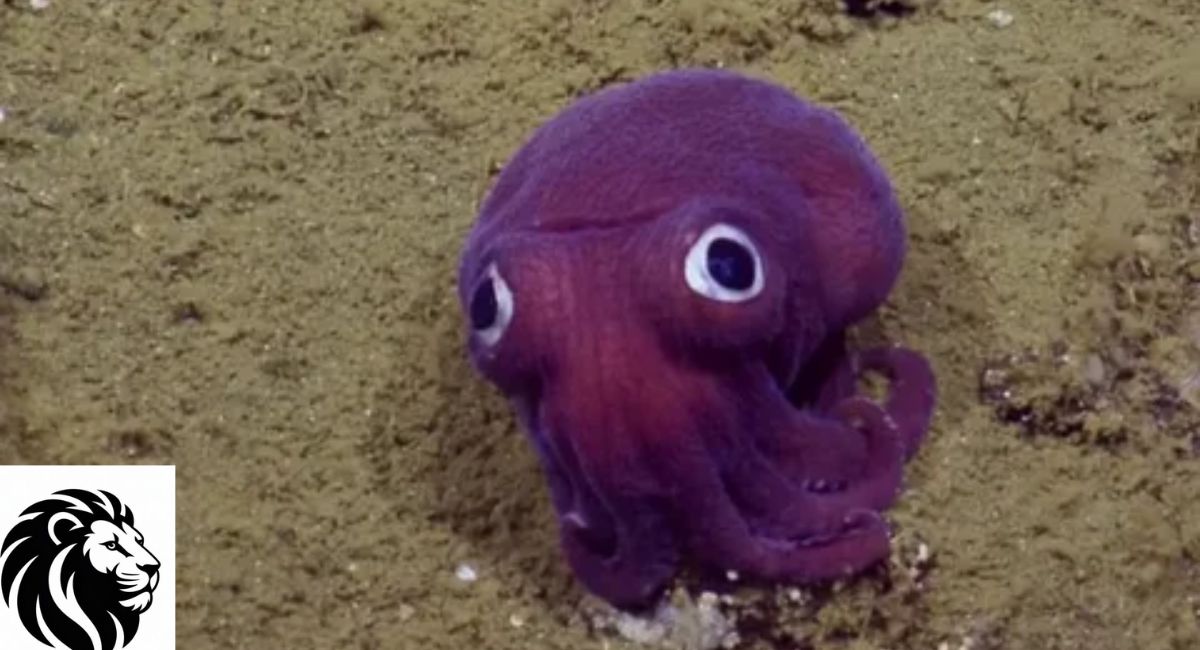
The Stubby Squid prefers shallow waters near Australia and Southeast Asia. Despite its name, this creature belongs to the cuttlefish family. It changes colors quickly to avoid predators. Purple tones appear when special pigment cells expand. These abilities demonstrate remarkable evolutionary adaptation among cephalopods.
Purple Sea Urchin
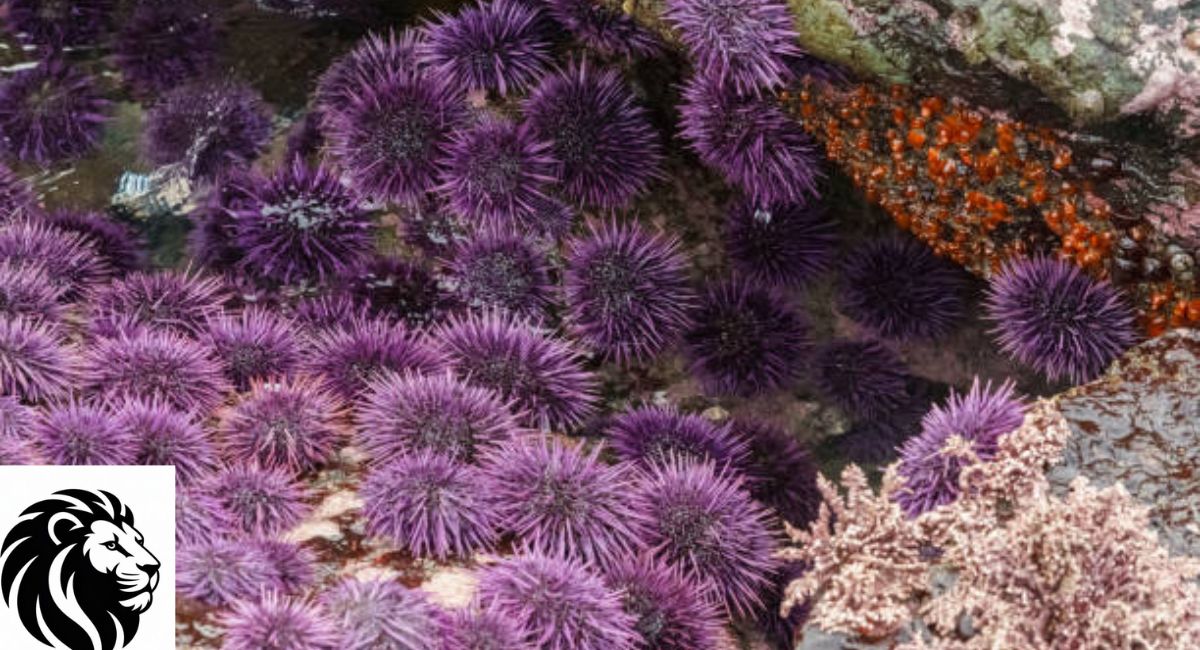
Purple Sea Urchins inhabit coastal waters throughout the Pacific Ocean. Sharp spines protect them from predators. They feed mainly on algae and seaweed. Large populations influence kelp forest ecosystems significantly. Their striking appearance makes them a well-known example of purple-colored animals.
Blue Dragon Sea Slug
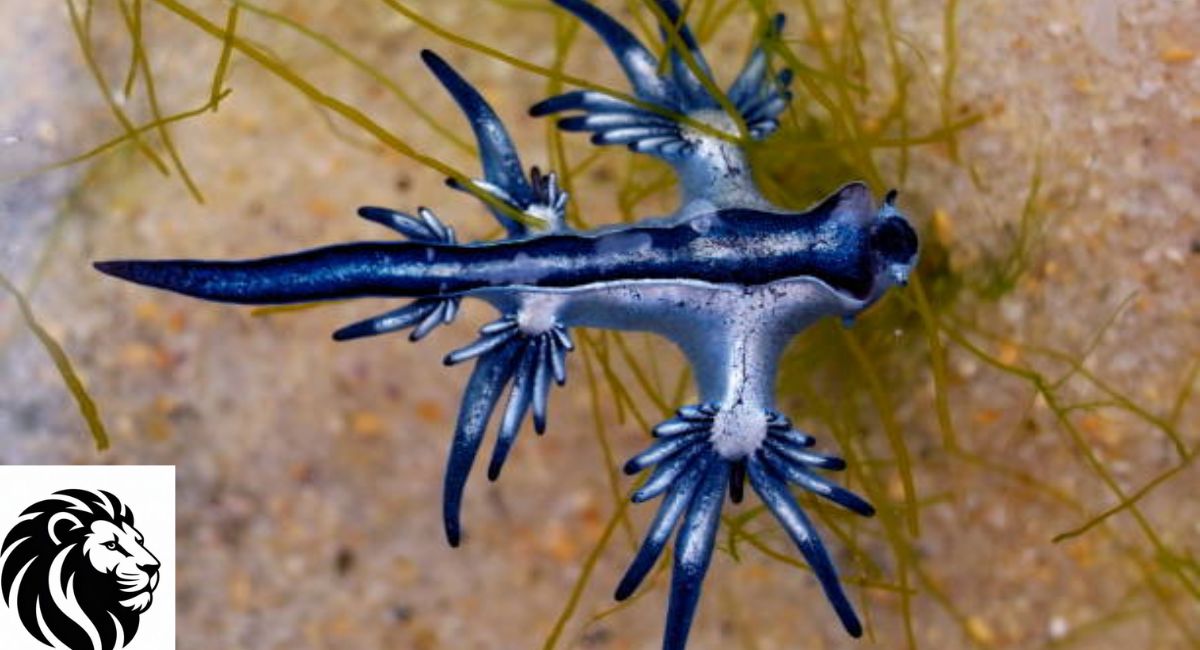
The Blue Dragon Sea Slug floats upside down at the ocean surface. Despite its small size, it consumes venomous prey such as Portuguese man o’ war. It stores toxins and uses them for protection. Shades of blue and purple create a stunning appearance. This extraordinary species fascinates scientists studying predator deterrence.
Purple Amphibians and Reptiles
Compared with birds and marine life, amphibians and reptiles rarely display violet shades. That rarity makes these species even more fascinating. Scientists studying rare animal colors and species distribution often highlight these unusual creatures because their appearance reflects millions of years of adaptation.
Many reptiles and amphibians rely on camouflage rather than bright colors. However, a few remarkable species possess dark blue or purple tones that make them stand out. These extraordinary animals provide valuable insights into evolutionary adaptation and the diversity of life on Earth.
| Purple Amphibian and Reptile | Native Region |
| Indian Purple Frog | India |
| Eastern Indigo Snake | Southeastern United States |
Indian Purple Frog
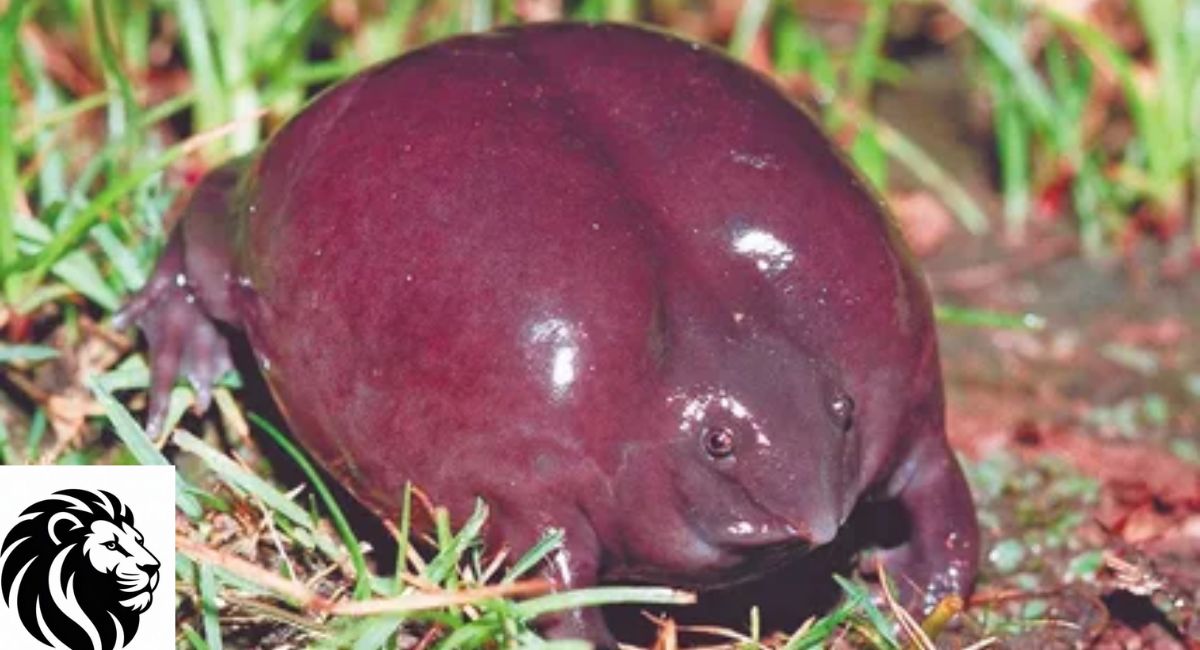
The Indian Purple Frog ranks among the strangest creatures ever discovered. This unusual amphibian spends most of its life underground in the Western Ghats of India. Its round body and pointed snout help it move through soil with ease. Unlike many frogs, it emerges mainly during the breeding season. Among all Purple Animals, this species remains one of the rarest and most mysterious.
Eastern Indigo Snake
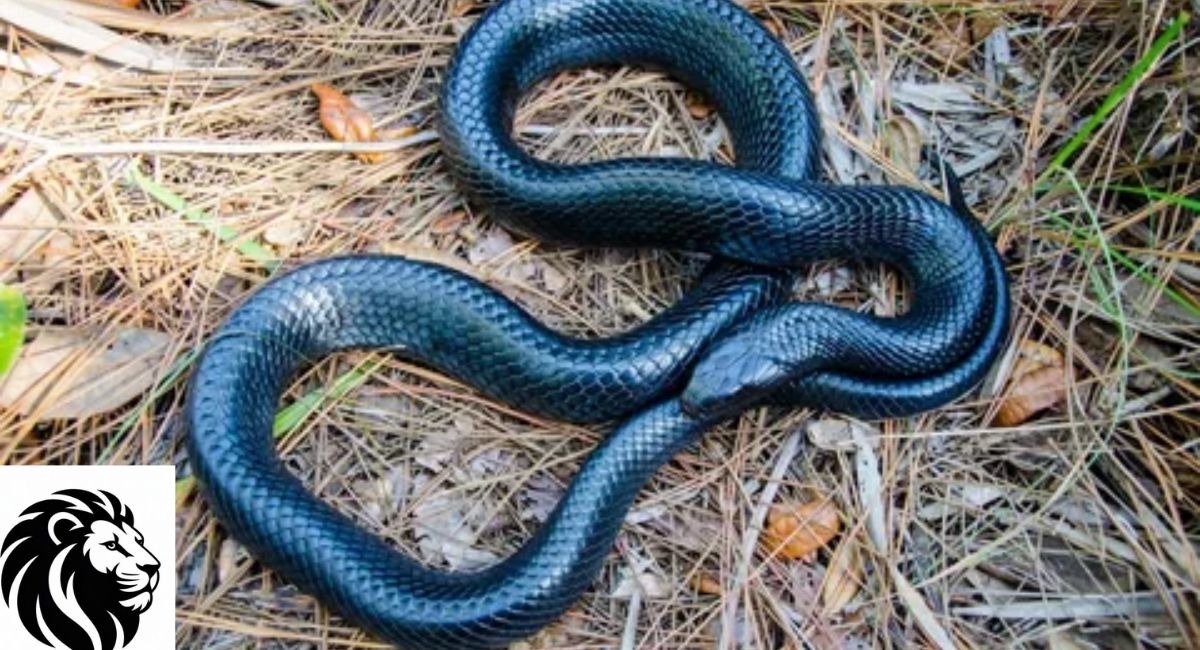
The Eastern Indigo Snake is the longest native snake in the United States. Although it appears black at first glance, sunlight reveals beautiful shades of blue and purple across its scales. This nonvenomous reptile inhabits forests, grasslands, and wetlands. It feeds on rodents, birds, and even other snakes. Conservationists consider this species an important part of North America’s biodiversity.
Purple Insects and Beetles
Insects showcase some of the most dazzling colors in nature. Many species display metallic or iridescent surfaces instead of relying on pigments alone. Their vivid appearance results from structural coloration, which creates brilliant reflections when light strikes the body at different angles.
These insects perform essential ecological functions. Butterflies help pollinate flowers while beetles recycle nutrients within ecosystems. Their unusual colors contribute to insect biodiversity and reveal the incredible variety found among the world’s smallest creatures.
| Purple Insect | Native Region |
| Purple Emperor Butterfly | Europe |
| Violet Ground Beetle | Europe |
| Purple Jewel Beetle | Australia |
| Blue Pleasing Fungus Beetle | Southeast Asia |
| Agathina Emperor Moth | Asia |
| Violet Carpenter Bee | South Asia |
Purple Emperor Butterfly
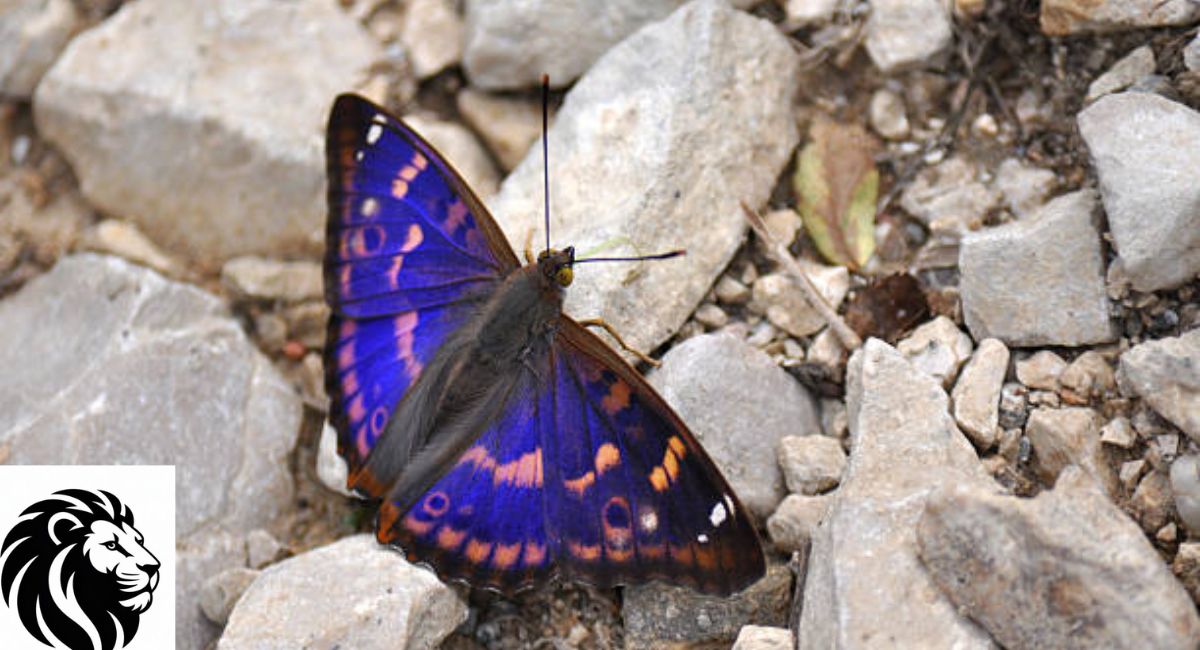
The Purple Emperor Butterfly lives in woodlands across Europe. Males display striking purple reflections on their wings when sunlight hits them from certain angles. These butterflies feed on tree sap and decaying fruit rather than flowers. Their elusive behavior makes them difficult to observe. Experts often regard them as symbols of colorful wildlife and natural beauty.
Violet Ground Beetle
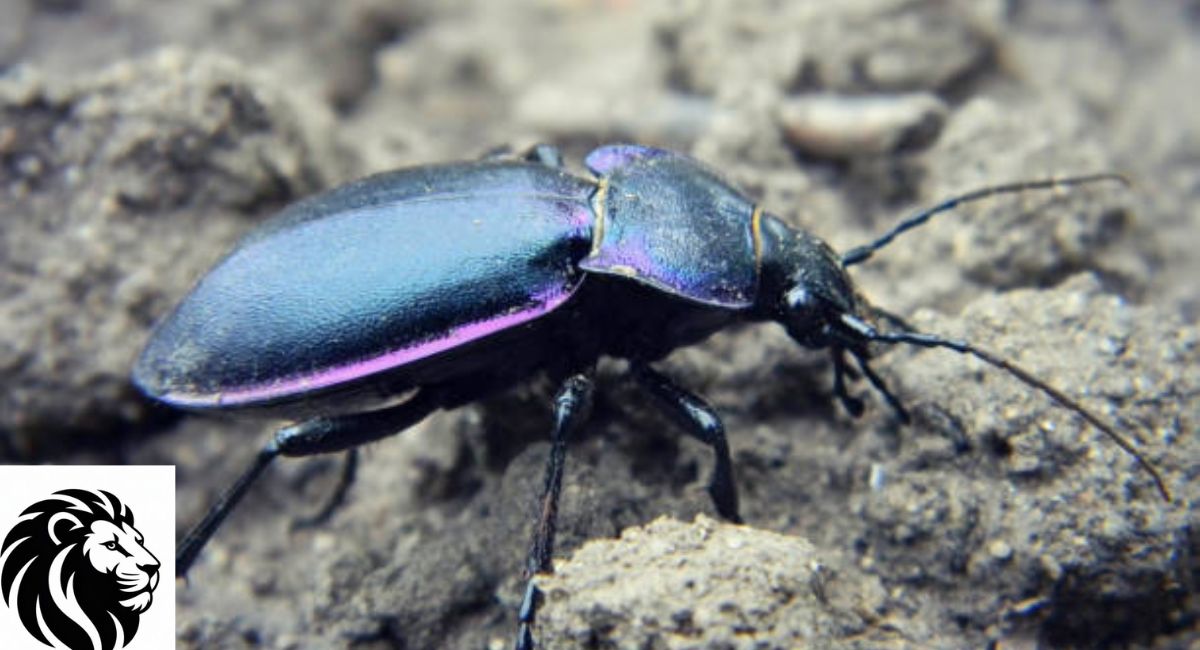
The Violet Ground Beetle inhabits forests and gardens throughout Europe. Its shiny black body features metallic purple edges around the thorax and wing covers. This nocturnal hunter feeds on slugs and insects that damage crops. As a beneficial predator, it helps maintain ecological balance. Researchers value it for its role in predator-prey relationships.
Purple Jewel Beetle

Australia is home to the spectacular Purple Jewel Beetle. Sunlight causes its body to shimmer with metallic violet tones. These beetles usually inhabit eucalyptus forests where larvae develop beneath bark. Adults feed on plant material and flowers. Their dazzling appearance demonstrates the power of iridescence in insects.
Blue Pleasing Fungus Beetle
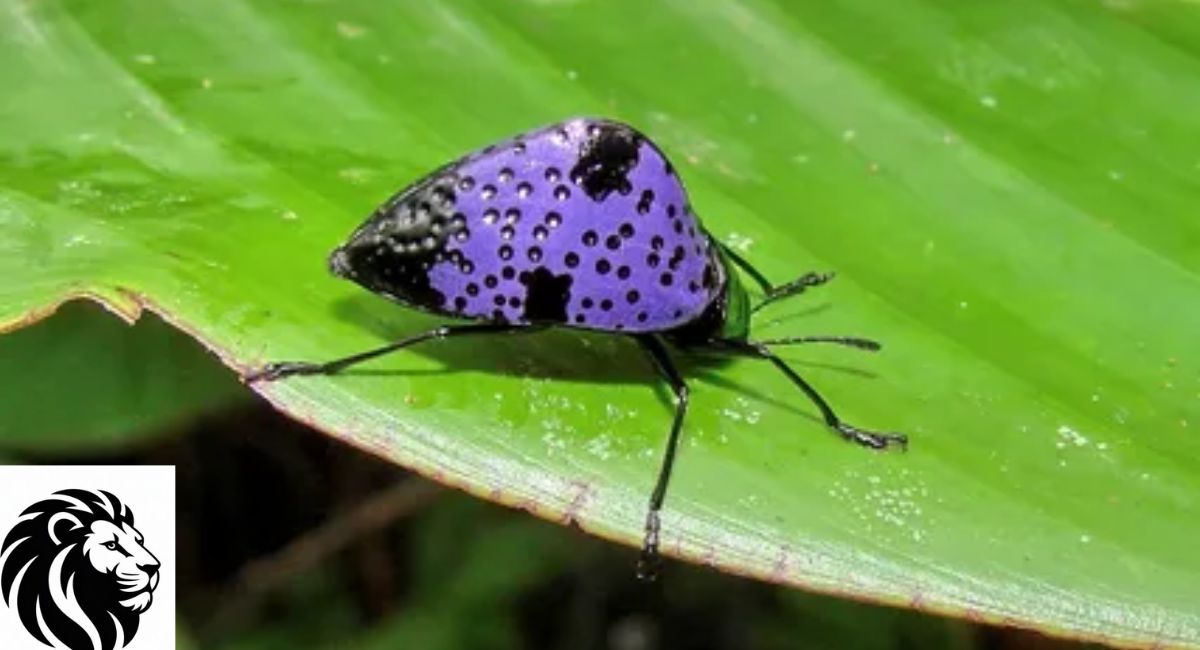
The Blue Pleasing Fungus Beetle lives in tropical forests throughout Southeast Asia. Its body displays a blend of blue and purple shades that stand out against decaying wood. These beetles feed mainly on fungi growing on fallen trees. By breaking down organic matter, they contribute to forest health. Their colors make them remarkable examples of unusual wildlife species.
Agathina Emperor Moth
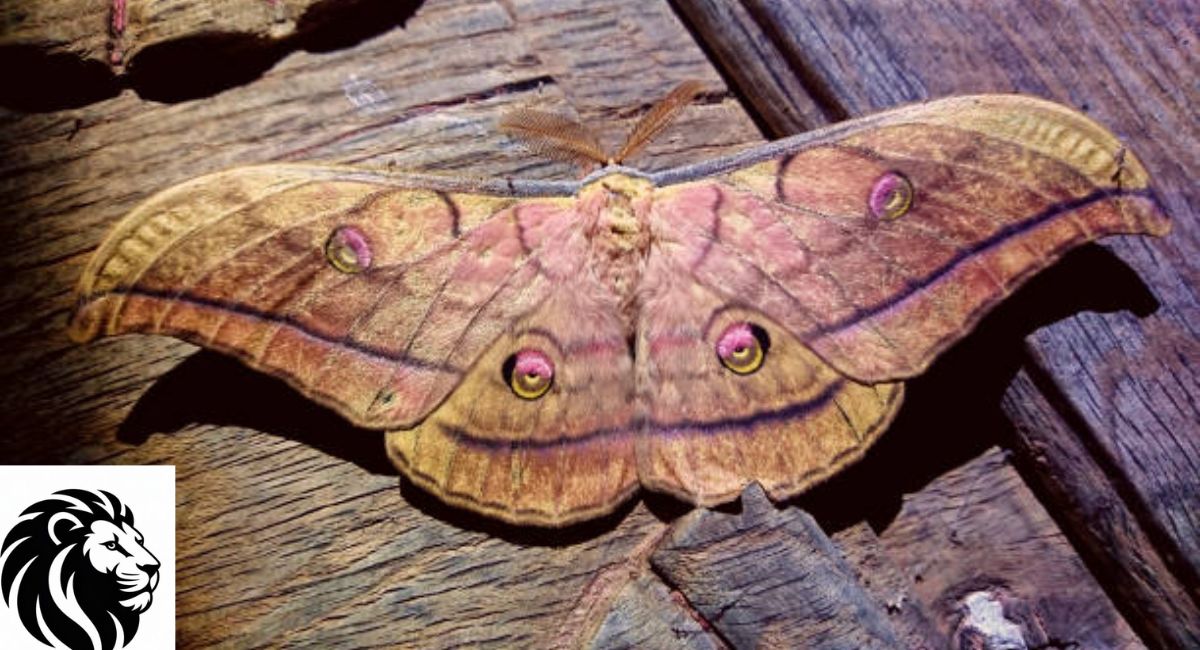
The Agathina Emperor Moth belongs to a group of giant silk moths found across Asia. Adults possess beautiful wing patterns with hints of purple and brown. Unlike many insects, adult moths do not feed and survive only long enough to reproduce. Their life cycle fascinates entomologists studying species diversity and metamorphosis.
Violet Carpenter Bee
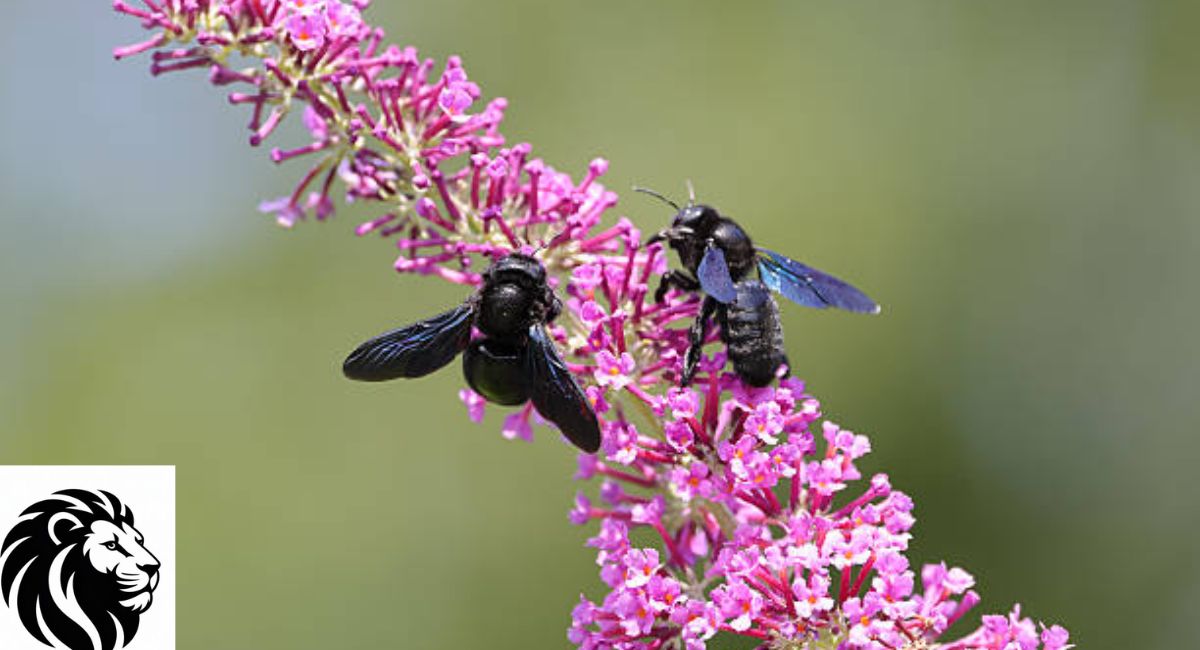
The Violet Carpenter Bee is one of the largest bees in Europe and Asia. Its dark body contrasts beautifully with shimmering purple wings. These powerful pollinators visit many flowers while searching for nectar. Females create nests inside dead wood where they lay eggs. Their contribution to pollination highlights the ecological importance of beneficial insects and ecosystem balance.
Other Amazing Purple Animals
Not all purple species belong to birds, reptiles, or insects. Many unusual invertebrates and crustaceans also display remarkable shades. Their colors result from pigments, diet, and structural adaptations. These creatures demonstrate that purple-colored animals exist in many branches of the animal kingdom.
Scientists continue discovering unique species with violet tones in oceans and coastal habitats. Such findings improve our understanding of marine ecology and reveal how different environments influence coloration. Some of these creatures appear almost too extraordinary to be real.
| Other Purple Animals | Habitat |
| Glutinous Snail | Forest floors |
| Palawan Purple Crab | Freshwater streams |
| West African Fiddler Crab | Mangroves |
| Purple Shore Crab | Rocky coasts |
| Felimare picta | Coral reefs |
Glutinous Snail
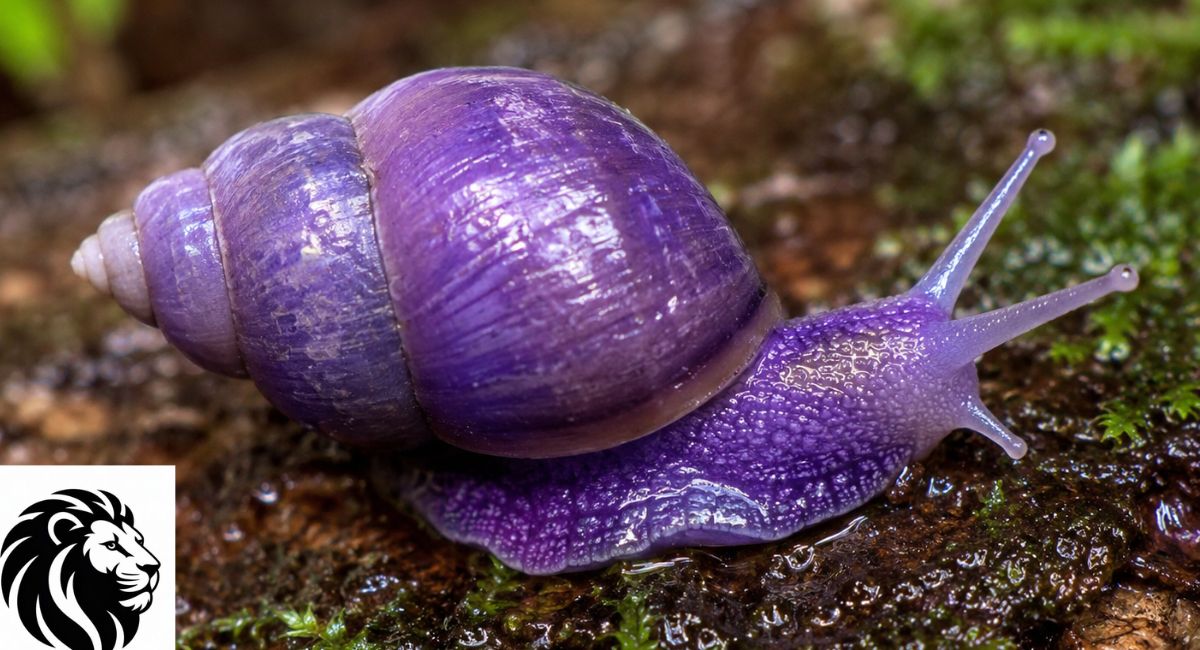
The Glutinous Snail inhabits moist woodlands and forests. Its body often displays purple or bluish hues, giving it a unique appearance. This species feeds on decaying organic material and fungi. Moist environments provide ideal conditions for survival. Among naturally purple animals, this snail remains one of the least known species.
Palawan Purple Crab

Discovered in the Philippines, the Palawan Purple Crab stunned scientists with its bright coloration. It lives in freshwater habitats surrounded by tropical forests. This species feeds on plants and organic matter found near streams. Habitat destruction threatens many freshwater crabs worldwide. Its discovery highlights the importance of protecting biodiversity hotspots.
West African Fiddler Crab

The West African Fiddler Crab inhabits mangrove ecosystems and muddy shores. Males possess one enlarged claw used to attract females and defend territories. Purple shades become visible under sunlight. These crabs play an important role in nutrient recycling. Their activities improve soil quality within coastal habitats.
Purple Shore Crab

The Purple Shore Crab lives along rocky coastlines where waves constantly crash against the shore. Strong claws help it feed on algae and small marine animals. Its shell often displays beautiful purple tones. Adaptations allow this species to survive changing tides. Such resilience demonstrates remarkable habitat adaptation.
Felimare picta

Felimare picta is a colorful sea slug found in the Atlantic Ocean and Mediterranean Sea. Its body features blue, yellow, and purple patterns. This nudibranch feeds on marine sponges and stores chemicals for defense. Bright colors warn predators to stay away. Marine scientists frequently study this species while researching aposematic coloration.
Interesting Facts About Purple Animals
Purple creatures always grab attention because they feel almost unreal in nature. Yet they exist across oceans, forests, and skies. Scientists studying rare animal colors and evolutionary adaptation often highlight these species because their colors reveal how life adjusts to environment and survival pressure.
Many of these animals rely on light, structure, and behavior rather than true pigments. This creates surprising effects that shift with sunlight or depth. That is why Purple Animals remain a strong topic in biodiversity research and wildlife education.
One fascinating fact is that no true purple mammal exists in the wild. Another is that ocean species show more violet tones due to light absorption in water. Birds also dominate the purple spectrum because feathers easily produce iridescent plumage through microscopic structures.
| Fact Type | Explanation |
| Rarest color | Purple is among the least common natural colors |
| Mammals | No naturally purple fur exists |
| Marine dominance | Most purple species live underwater |
| Light effect | Color often changes with viewing angle |
| Survival role | Used for mating or defense |
Purple Is One of the Rarest Colors in Nature
Purple is extremely rare because living organisms do not easily produce violet pigments. Instead, they depend on structural effects or combined pigments. This makes purple-colored animals special in both appearance and biology. Nature prefers greens, browns, and yellows for camouflage, while purple appears only in specific evolutionary situations.
No Known Mammals Have Natural Purple Fur
Despite imagination and myths, mammals never show true purple fur in the wild. Their pigmentation system mainly produces melanin shades like brown, black, or gray. Even when animals appear bluish, it is usually a light effect. This makes rare purple animals even more fascinating across other animal groups.
Marine Species Show More Purple Coloration
Ocean environments support many violet creatures because water filters light differently. At certain depths, red light disappears first, making blue and purple tones more visible. This explains why sea stars, slugs, and fish often show brilliant shades. Such adaptations support marine biodiversity and survival strategies.
Iridescence Creates Shifting Purple Effects
Many animals do not have permanent purple pigment. Instead, they use microscopic structures that bend light. This creates shifting colors depending on movement and angle. Birds and insects benefit most from this feature. It enhances communication and makes colorful wildlife more visually striking.
Purple Often Signals Survival Strategies
Bright purple tones are not just for beauty. In many species, they warn predators about toxicity or bad taste. In others, they attract mates during breeding seasons. This balance between attraction and defense makes purple a powerful evolutionary tool in nature.
Where Can Purple Animals Be Found?
Purple species are spread across different ecosystems worldwide. They appear in tropical rainforests, coral reefs, grasslands, and coastal regions. Each habitat influences how color develops, especially through light exposure and environmental pressure. This diversity reflects global species distribution patterns.
Regions with rich biodiversity, such as South America, Africa, and Southeast Asia, host the highest number of Purple Animals. Ocean zones like coral reefs also support many violet species due to complex ecosystems and nutrient-rich waters.
| Habitat Type | Regions |
| Tropical Rainforests | Amazon, Congo, Southeast Asia |
| Coral Reefs | Pacific, Indian Ocean |
| Coastal Areas | North America, Europe |
| Grasslands | Africa, Australia |
| Freshwater Systems | Asia, South America |
Tropical Rainforests Host Many Purple Birds and Insects
Rainforests are home to some of the most vibrant species on Earth. High humidity and dense vegetation create ideal conditions for colorful wildlife. Birds like hummingbirds and starlings use bright shades for communication. Insects also display metallic purple tones that help them blend into complex environments.
Coral Reefs Support Purple Marine Life
Coral reefs are one of the richest ecosystems for violet creatures. Sea slugs, sea stars, and fish thrive here. These environments depend heavily on balance and adaptation. Bright colors often help species survive through warning coloration or camouflage among coral structures.
Coastal Regions Provide Shelter for Crabs and Snails
Rocky shores and mangroves support many purple crustaceans and mollusks. These animals adapt to changing tides and salinity. Their shells often reflect violet shades under sunlight. Such habitats are crucial for maintaining marine biodiversity and ecological stability.
Conclusion
Purple Animals show how strange and beautiful nature can be. From glowing birds in forests to bright sea creatures in deep oceans, these rare species prove that color in wildlife is not random but linked to survival, mating, and adaptation. Through evolutionary adaptation, structural coloration, and natural selection, each animal develops its unique look. Although purple is one of the rarest shades in nature, it appears in many forms across ecosystems, making colorful wildlife truly unforgettable for nature lovers everywhere.
In the end, studying Purple Animals helps us understand biodiversity and the balance of life on Earth. These species remind us that even small changes in color can have big roles in survival. By protecting their habitats, we also protect rare beauty found in forests, oceans, and skies.
FAQs
1. What are Purple Animals in nature?
Purple Animals are rare species that show violet or purple shades through pigments or light reflection, often found in birds, insects, and marine life.
2. Why are purple animals so rare?
They are rare because natural purple pigments are uncommon, and most purple colors come from structural coloration rather than true pigments.
3. Do any mammals have purple fur?
No, there are no known mammals with natural purple fur. Their biology does not produce this type of pigmentation.
4. Where are most purple animals found?
Most Purple Animals live in tropical forests, coral reefs, and coastal regions where biodiversity and light conditions support color variation.
5. How do purple animals get their color?
They get their color from pigments, microscopic structures, or light reflection that creates iridescent plumage and violet-like effects.

Welcome to natureanimalhub! I’m Anam Sattar, an AI Powered SEO, and Content Writer with 4 years of experirnce.
I help websites rank higher,grow traffic, and look amazing. My goal is to make SEO and web design simple and effective for everyone.
Let’s achieve more together!