


Nature is full of surprises, yet few sights are as captivating as Blue Animals. These remarkable creatures stand out because true blue pigments are extremely rare in the animal kingdom. Instead, many species rely on structural coloration and light reflection in animals to create their brilliant appearance.
From colorful birds and exotic butterflies to unusual fish and reptiles, these species showcase the beauty of wildlife diversity and the wonders of evolution. Some inhabit tropical forests while others thrive in coral reefs and wetlands. Exploring these fascinating creatures also reveals the importance of marine biodiversity and evolutionary adaptation, making blue animals some of nature’s most extraordinary treasures.
Blue Mammals in Nature
Blue mammals are surprisingly scarce. Most mammals rely on brown, black, white, or reddish fur. Nevertheless, a handful of species possess bluish shades or unusual appearances that place them among the world’s most fascinating blue colored animals.
Scientists often associate these creatures with rare genetics and unique environmental conditions. Their existence highlights the importance of natural habitats, ecosystem balance, and biodiversity conservation. Even though blue mammals remain uncommon, they contribute to the remarkable tapestry of life.
Blue Whale

The Blue Whale is the largest animal ever known to exist. Despite its name, the giant appears bluish-gray under sunlight. This magnificent marine mammal inhabits oceans around the world. Its enormous size and haunting vocalizations make it one of the most extraordinary examples of marine biodiversity and ocean ecosystems.
Bryde’s Whale

Bryde’s Whale prefers warm tropical waters. Its body often displays a steel-blue appearance when viewed underwater. Researchers admire this species because of its agility and feeding habits. Healthy populations contribute significantly to aquatic ecosystems and maintain balance among marine species.
Chartreux Cat

The Chartreux Cat originates from France and possesses a soft coat with bluish-gray fur. Its copper-colored eyes create a striking contrast. Cat lovers appreciate its calm temperament and intelligence. The breed stands as a beautiful example of how genetics influence coloration in mammals.
Korat Cat
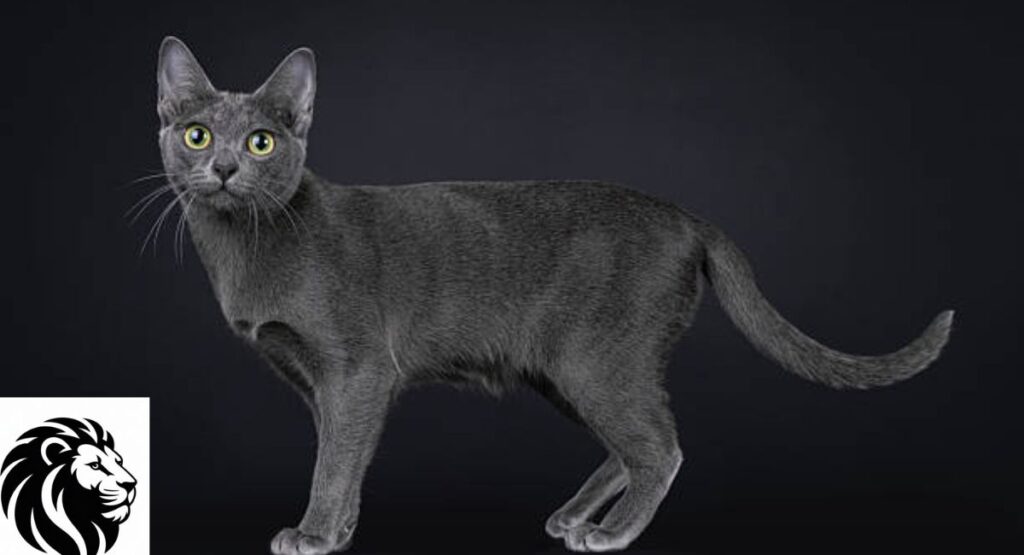
The Korat Cat comes from Thailand and features shimmering silver-blue fur. People have treasured this breed for centuries because it symbolizes prosperity and good fortune. Its unique appearance results from inherited traits that distinguish it from many domestic cats worldwide.
Russian Blue Cat

The Russian Blue Cat remains one of the most recognizable blue-coated cats. Dense fur gives it a silvery appearance that appears almost luminous. These cats are known for loyalty and gentle personalities. Their elegant appearance makes them favorites among pet enthusiasts in the United States.
Blue Birds of the World
Among all Blue Animals, birds showcase some of the most dazzling shades found in nature. Their feathers do not usually contain blue pigments. Instead, specialized microscopic structures create colors through light reflection in animals and light-scattering structures. This phenomenon explains why damaged feathers often lose their vibrant appearance.
Bird experts consider blue birds important indicators of healthy ecosystems. These species inhabit forests, grasslands, wetlands, and tropical regions. Besides their beauty, they contribute to wildlife diversity, seed dispersal, and insect control. Their presence highlights the richness of avian biodiversity and the complexity of species communication.
Azure Kingfisher

The Azure Kingfisher lives near rivers and streams throughout Australia and New Guinea. Its brilliant blue feathers contrast beautifully with its orange chest. This small hunter feeds mainly on fish and aquatic insects. Strong eyesight allows it to catch prey with remarkable accuracy.
Blue Crane

South Africa’s national bird, the Blue Crane, displays elegant bluish-gray plumage and graceful movements. These birds prefer open grasslands and wetlands. Their elaborate courtship dances play a vital role in reproduction. Conservation programs continue to protect this vulnerable species.
Blue Dacnis

The Blue Dacnis inhabits tropical forests across Central and South America. Males possess vivid turquoise feathers while females display greenish tones. Their colorful appearance attracts mates and demonstrates the role of sexual selection in shaping beautiful species.
Blue Grosbeak

The Blue Grosbeak thrives in North America and migrates seasonally. Males display rich blue plumage accented by chestnut wing bars. These songbirds feed on seeds and insects. Birdwatchers in the United States often spot them during spring and summer.
Blue Jay

The Blue Jay ranks among the most famous Blue Animals in North America. Its striking crest and intelligent behavior make it easy to recognize. Surprisingly, the bird contains no blue pigment. Instead, feather microstructures create the vibrant color through structural coloration.
Blue Reptiles
Reptiles contain some of the most striking members of the Blue Animals family. Their vivid colors often serve practical purposes. In many species, blue shades help with camouflage, territorial displays, or attracting mates. Scientists continue studying these remarkable creatures to understand the secrets behind protective coloration and evolutionary adaptation.
Unlike mammals, reptiles can display dramatic color variations. Some species even change shades depending on temperature, age, or breeding season. These fascinating traits highlight the importance of species diversity, defensive coloration, and the role of color in survival across different ecosystems.
Blue Coral Snake

The Blue Coral Snake stands out because of its dark blue body and bright red head. Native to Southeast Asia, this venomous reptile hunts other snakes with remarkable efficiency. Its striking appearance warns predators to stay away. Such warning signals illustrate the importance of mimicry in animals and survival adaptations.
Blue Iguana

The Blue Iguana ranks among the rarest reptiles on Earth. Native to the Cayman Islands, this species develops brighter colors during mating seasons. Adults can grow over five feet long. Conservation programs have helped increase their numbers, making them a success story in wildlife preservation.
Electric Blue Gecko

The Electric Blue Gecko is one of Madagascar’s most dazzling reptiles. Brilliant blue scales make it easy to recognize. Despite its small size, this gecko plays a vital role in controlling insect populations. Healthy forests remain essential for its survival.
Blue Amphibians
Amphibians contribute some of the most colorful examples among Blue Animals. Many species rely on vivid skin patterns to communicate danger to predators. Scientists refer to this phenomenon as warning coloration. These creatures showcase how beauty and defense often work together in nature.
Wetlands and rainforests provide ideal conditions for amphibians. Unfortunately, habitat loss and climate change threaten many populations. Protecting these fragile ecosystems supports ecosystem balance, biodiversity conservation, and the long-term survival of countless species.
Blue Poison Dart Frog

The Blue Poison Dart Frog lives in the rainforests of South America. Its brilliant blue skin serves as a warning to predators. Although small, this frog produces toxic substances that provide protection. Researchers study this species to better understand natural chemical defenses.
Dyeing Dart Frog
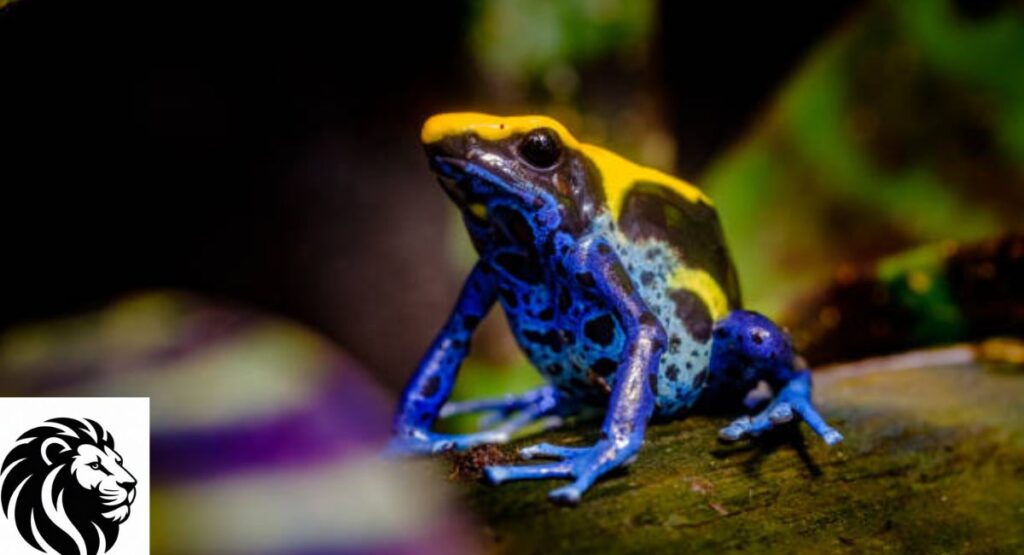
The Dyeing Dart Frog exhibits striking combinations of blue, yellow, and black patterns. Indigenous communities once used toxins from these frogs for hunting purposes. Their colorful bodies represent one of nature’s most effective examples of defensive coloration.
Blue Insects & Butterflies
Among all Blue Animals, insects and butterflies display some of the most mesmerizing shades. Their colors often arise from nanostructure coloration rather than pigments. Tiny scales and reflective surfaces bend light in fascinating ways. As a result, these creatures appear to shimmer when viewed from different angles.
These small species play a huge role in ecosystem balance and species diversity. Many act as pollinators, predators, or indicators of environmental health. Their beauty is impressive, yet their contribution to wildlife diversity is even more important.
Blue Damselfly

The Blue Damselfly thrives near ponds, lakes, and slow-moving streams. Its slender body and bright blue coloration make it easy to recognize. These insects feed on mosquitoes and other tiny pests. Their presence often indicates healthy freshwater habitats.
Blue Dasher

The Blue Dasher belongs to the dragonfly family and occurs throughout North America. Males develop powder-blue bodies as they mature. Excellent flying abilities allow them to capture insects in midair. Their predatory behavior helps maintain natural insect populations.
Blue Morpho Butterfly

The Blue Morpho Butterfly ranks among the most famous butterflies in the world. Its large wings reflect brilliant blue shades through light reflection in animals rather than pigments. Native to Central and South America, this butterfly dazzles observers whenever sunlight touches its wings.
Ulysses Butterfly

The Ulysses Butterfly is native to Australia and nearby islands. Brilliant blue wings create one of the most breathtaking sights in tropical forests. This butterfly feeds on nectar and assists with pollination. Its beauty has made it a symbol of Australian wildlife.
Blue Fish & Marine Life
The oceans contain an astonishing variety of Blue Animals. Many marine species rely on blue shades for camouflage because blue wavelengths travel efficiently underwater. Their appearance helps them avoid predators and blend into coral reef environments. This adaptation highlights the importance of marine biodiversity and aquatic ecosystems.
From colorful reef fish to unusual sea creatures, marine life demonstrates the incredible diversity found beneath the waves. These species contribute to ocean ecosystems and support food chains that sustain countless organisms across the globe.
Betta Fish

Betta Fish are famous for their vibrant colors and flowing fins. Native to Southeast Asia, these fish thrive in slow-moving waters. Males display spectacular shades during territorial encounters. Their popularity among aquarium enthusiasts has spread worldwide.
Blue Crayfish

The Blue Crayfish possesses a remarkable blue shell caused by genetic variations. Found mainly in freshwater habitats, this crustacean feeds on plants and small animals. Aquarium keepers value it for its unusual appearance and active behavior.
Blue Devil Damselfish

The Blue Devil Damselfish lives among coral reefs in the Indo-Pacific region. Its brilliant electric-blue body provides camouflage in clear waters. Although small, this fish fiercely defends its territory from intruders.
Humphead Wrasse

The Humphead Wrasse ranks among the largest reef fish on Earth. Adults develop distinctive blue-green coloration and a noticeable forehead hump. This species plays an important role in controlling harmful sea creatures that threaten coral reefs.
Rare & Unique Blue Animals
Some Blue Animals are so uncommon that many people never encounter them in the wild. Their extraordinary appearance results from genetic mutations causing blue color, structural coloration, or millions of years of adaptive evolution. Scientists study these remarkable creatures because they reveal how nature develops unusual traits.
Several rare species face serious threats from habitat fragmentation, pollution, and climate change. Protecting these creatures supports biodiversity conservation and preserves the delicate balance of ecosystems. Their existence reminds us that even the most extraordinary species remain vulnerable to environmental change.
| Rare Blue Animals | Why They Are Special |
| Spix’s Macaw | Once extinct in the wild |
| Blue Iguana | Conservation success story |
| Blue Lobster | Rare genetic mutation |
| Greater Blue-Ringed Octopus | Powerful venom |
| Carpathian Blue Slug | Unusual terrestrial mollusk |
| Ribbon Eel | Color changes with age |
| Moor Frog | Seasonal blue coloration |
Conservation
The future of many Blue Animals depends on successful conservation efforts. Habitat destruction, pollution, illegal wildlife trade, and climate change continue to threaten countless species. Scientists emphasize the importance of protecting natural habitats, maintaining ecosystem balance, and reducing biodiversity loss to safeguard these extraordinary creatures.
Around the world, governments and conservation groups work together to preserve endangered species. Protected reserves, captive breeding programs, and habitat restoration projects have already saved several blue species from extinction. These efforts demonstrate that human action can make a meaningful difference.
Major Threats Facing Blue Animals
| Threat | Impact on Species |
| Habitat Destruction | Reduces food and shelter |
| Climate Change | Alters ecosystems |
| Illegal Trade | Decreases wild populations |
| Pollution | Damages marine and terrestrial habitats |
| Invasive Species | Competes with native wildlife |
Conservation Success Stories
| Species | Conservation Achievement |
| Blue Iguana | Population recovery through breeding programs |
| Spix’s Macaw | Reintroduction into protected habitats |
| Hyacinth Macaw | Increased numbers through habitat protection |
| Blue Whale | International protection measures |
One famous conservation quote by naturalist Jacques Cousteau states:
“People protect what they love.”
This idea perfectly captures why awareness matters. Understanding these remarkable creatures encourages people to value and protect the incredible richness of life on Earth.
Conclusion
The world of Blue Animals reveals some of nature’s most astonishing wonders. From tiny butterflies and poisonous frogs to giant whales and colorful parrots, these creatures showcase the beauty of biological coloration, species diversity, and millions of years of evolution. Their dazzling appearance often hides fascinating stories of survival and adaptation.
Whether found in rainforests, coral reefs, wetlands, or mountain landscapes, blue species remind us that nature still holds countless mysteries. As scientists continue exploring marine biodiversity, wildlife diversity, and evolutionary traits, we gain a deeper appreciation for the remarkable creatures that share our planet. Protecting these animals ensures that future generations can continue to marvel at the rare beauty hidden within the natural world.
FAQs
1. Why are Blue Animals so rare in nature?
Blue is rarely produced by pigments. Most Blue Animals get their color from structural coloration and light reflection.
2. Do Blue Animals really have blue pigment?
In most cases, no. Their color comes from microscopic structures that reflect light, not real blue pigment.
3. Which is the most famous Blue Animal?
The Blue Jay and Blue Morpho butterfly are among the most well-known Blue Animals in North America.
4. Are Blue Animals found in oceans or land more?
Blue Animals are found in both, but oceans have more diversity due to light behavior underwater.
5. Are Blue Animals endangered?
Yes, many species like Spix’s Macaw and Blue Iguana are endangered due to habitat loss and human activity.

Welcome to natureanimalhub! I’m Anam Sattar, an AI Powered SEO, and Content Writer with 4 years of experirnce.
I help websites rank higher,grow traffic, and look amazing. My goal is to make SEO and web design simple and effective for everyone.
Let’s achieve more together!