

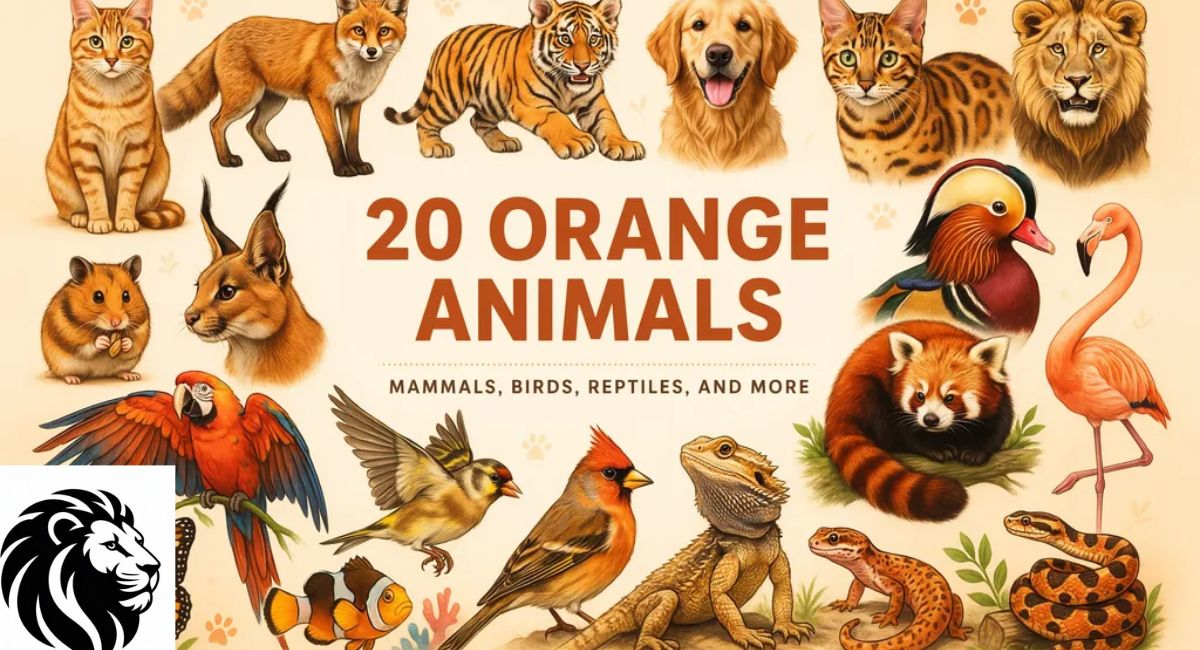
Orange Animals are some of the most eye-catching creatures in nature, living across forests, oceans, and grasslands worldwide. These bright-colored animals use their unique shades for survival, communication, and camouflage. From tigers in Asia to butterflies in North America, orange tones play a powerful role in evolution.
Many orange wildlife species depend on pigmentation and diet to develop their color. In this guide, you will explore how naturally orange animals survive, adapt, and thrive in different ecosystems while showing some of the most stunning examples of color in the animal kingdom.
Why Are Some Animals Orange?
Color serves a purpose in nature. Scientists have found that pigments called carotenoids contribute to orange shades in many species. These pigments often come from food sources. As a result, several animals with orange fur, feathers, and scales display colors that help them survive. Bright coloration can confuse predators or send warning signals that the animal may be poisonous or unpleasant to eat.
Moreover, many Orange Animals use their colors during courtship. Male birds often show off vibrant plumage to impress potential mates. Insects such as monarch butterflies rely on warning coloration to discourage predators. Meanwhile, species living in dry grasslands or autumn forests benefit from natural camouflage. These fascinating adaptations demonstrate how bright-colored animals evolved through millions of years.
The Science Behind Orange Coloration in Animals
The secret behind orange shades lies in biology. Pigments and genetics work together to create remarkable colors. Carotenoids produce yellow and orange tones while melanin adds darker patterns. Tigers, for example, combine orange fur with black stripes. This combination helps them disappear into tall grass despite their bright appearance.
Researchers also study how environmental factors affect coloration. Diet, habitat, and sunlight influence pigment development. Flamingos provide a famous example. Their feathers gain orange and pink shades because of pigments found in algae and crustaceans. Such discoveries reveal the complex relationship between genes and the environment. Consequently, naturally orange animals represent an amazing blend of science and evolution.
| Function of Orange Color | Benefit |
| Camouflage | Helps animals avoid predators |
| Warning Coloration | Signals toxicity or unpleasant taste |
| Mate Attraction | Increases reproductive success |
| Communication | Sends signals to members of the same species |
| Species Recognition | Helps identify mates and rivals |
Survival Benefits of Orange Animals
Many species depend on color for protection. Tigers blend with dry vegetation while butterflies use warning patterns to discourage birds. This process, known as aposematic coloration, helps reduce attacks from predators. Therefore, several orange wildlife species thrive because of their distinctive appearance.
In addition, mimicry plays a major role among insects. Some harmless butterflies imitate poisonous species to gain protection. This clever strategy allows them to survive without producing toxins themselves. Nature often rewards adaptation. That is why so many bright-colored animals continue to flourish in diverse habitats around the world.
Orange Colors and Courtship Displays
Color also plays a role in romance. Birds such as the Andean Cock-of-the-Rock use brilliant feathers to attract mates. During breeding season, males perform elaborate dances while displaying their vibrant plumage. Females often choose the brightest and healthiest individuals.
Likewise, several fish species rely on vivid coloration for communication. Bright patterns help identify mates and strengthen social bonds. These behaviors show that appearance matters in the animal kingdom. As a result, Orange Animals have evolved extraordinary colors that serve purposes far beyond beauty.
Orange Mammals
Some of the most recognizable Orange Animals belong to the mammal family. Their striking coats are more than just beautiful. In many cases, their colors provide camouflage and improve survival. These remarkable creatures live in forests, mountains, and grasslands across several continents. Many species also face habitat loss, which makes conservation efforts increasingly important.
Several orange-colored animals have become symbols of wildlife protection. Tigers represent strength and balance in ecosystems. Red pandas capture attention with their fluffy tails and gentle nature. Meanwhile, golden lion tamarins remind researchers that even small primates can play a major role in preserving biodiversity. These fascinating mammals show how diverse orange wildlife species can be.
Bengal Tiger

The Bengal tiger ranks among the most famous animals with orange fur. Native to India, Bangladesh, Nepal, and Bhutan, this powerful predator thrives in forests, grasslands, and mangrove swamps. Its orange coat and black stripes create excellent camouflage. Surprisingly, prey animals often struggle to detect tigers in tall grass.
Adult Bengal tigers can weigh over 500 pounds. They mainly hunt deer and wild boars. Despite their strength, these cats face serious threats from poaching and habitat destruction. Conservation programs have improved population numbers in recent years. As a result, the Bengal tiger remains one of the world’s most admired naturally orange animals.
Red Fox
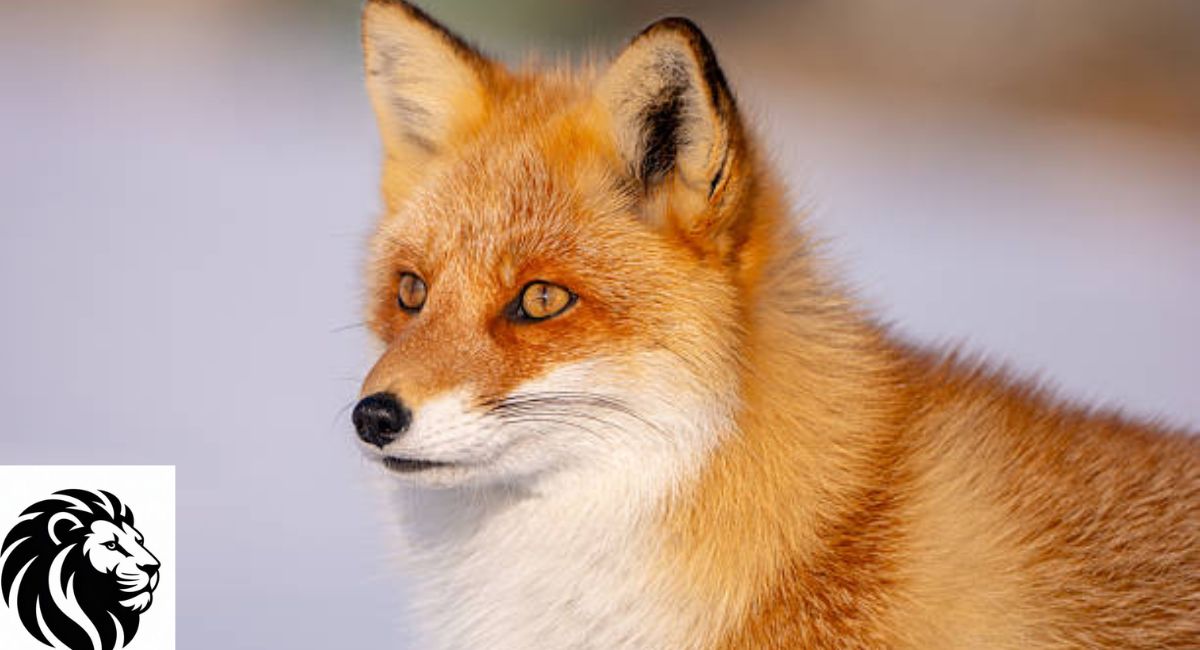
The red fox has adapted to almost every environment imaginable. It lives throughout North America, Europe, Asia, and parts of North Africa. This clever mammal uses its reddish-orange coat to blend into woodlands and open fields. Its sharp hearing and keen sense of smell make it an excellent hunter.
Unlike many predators, red foxes thrive near human settlements. They eat rodents, birds, insects, and fruits. Their adaptability explains why they are among the most widespread orange wildlife species. Farmers and wildlife enthusiasts often encounter these intelligent animals in suburban areas.
Red Panda
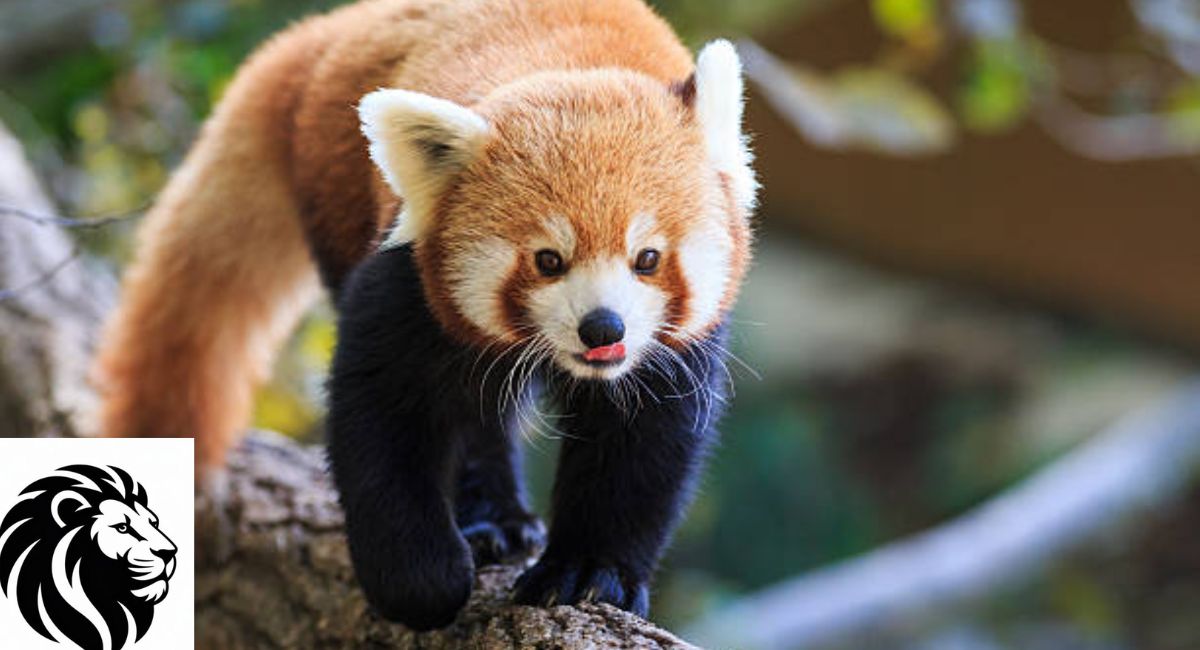
The red panda brings charm and mystery to the forests of the Himalayas. Despite its name, it shares closer ancestry with raccoons than giant pandas. Its rusty-orange fur and bushy striped tail help it stay hidden among moss-covered trees and bamboo forests.
Red pandas spend much of their lives in trees. They feed mainly on bamboo, fruits, and insects. Unfortunately, habitat fragmentation threatens their survival. Conservation organizations continue working to protect these gentle creatures. Their unique appearance makes them one of the most beloved bright-colored animals on Earth.
Golden Lion Tamarin
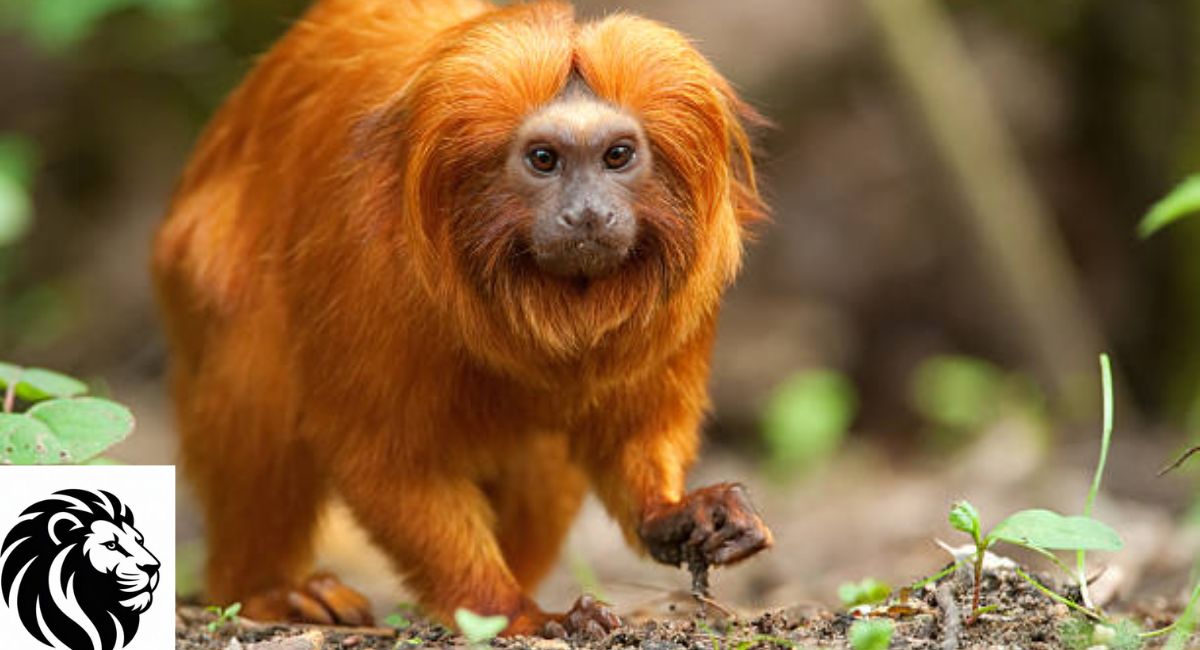
The golden lion tamarin is a tiny monkey found only in Brazil’s Atlantic Forest. Its long orange mane resembles that of a lion. This unusual feature gives the species its memorable name. Families of tamarins live together and cooperate when raising young offspring.
These primates feed on fruits, insects, and tree sap. Deforestation once pushed them close to extinction. However, breeding programs and habitat restoration projects have helped increase their numbers. Their recovery serves as a successful example of wildlife conservation.
Orange Birds
Birds display some of the brightest colors found in nature. Their feathers often serve as tools for communication and courtship. Many male birds use vibrant plumage to attract females during breeding season. Consequently, several species have evolved brilliant orange shades that stand out against green forests and blue skies.
Unlike mammals, birds obtain many pigments through their diets. This process explains why some species become brighter depending on the food they consume. Several orange-colored animals in the bird world perform elaborate dances and vocal displays. Their behavior highlights the importance of color in reproduction and social interactions.
Andean Cock-of-the-Rock
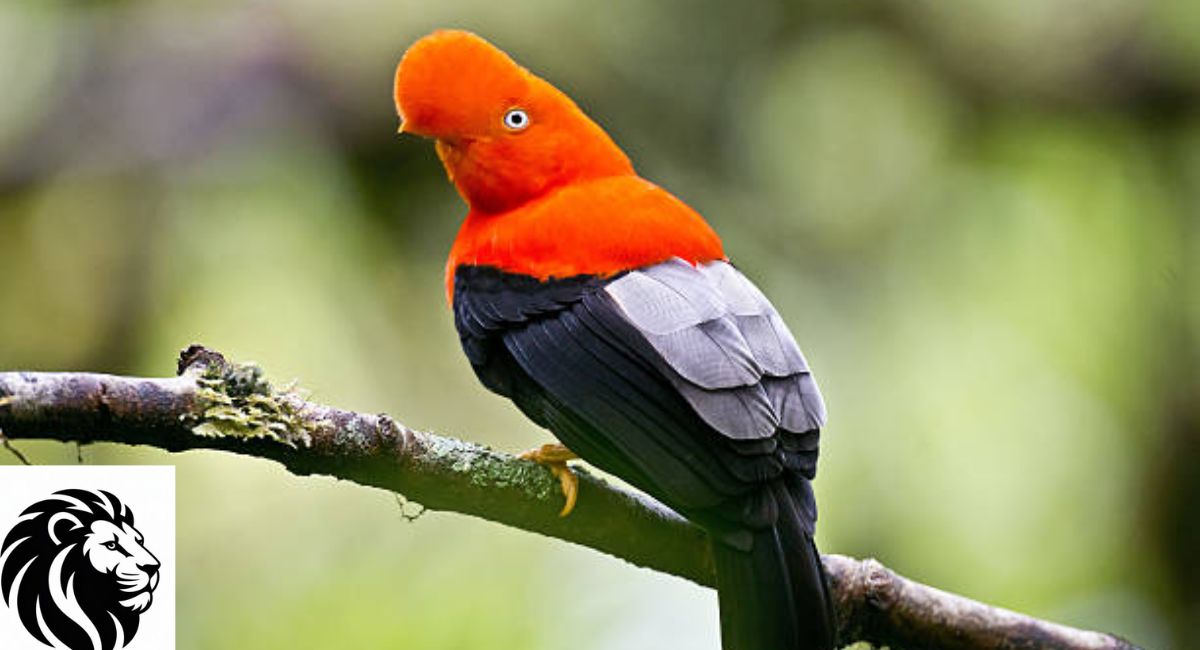
The Andean Cock-of-the-Rock inhabits cloud forests in South America. Males possess dazzling orange plumage and a distinctive fan-shaped crest. During mating season, groups of males gather in special display areas called leks. There, they compete for the attention of females.
These birds primarily feed on fruits and insects. Their bright feathers contrast beautifully with the dark forest environment. Because of their spectacular appearance, they rank among the most stunning bright-colored animals in the world.
Baltimore Oriole
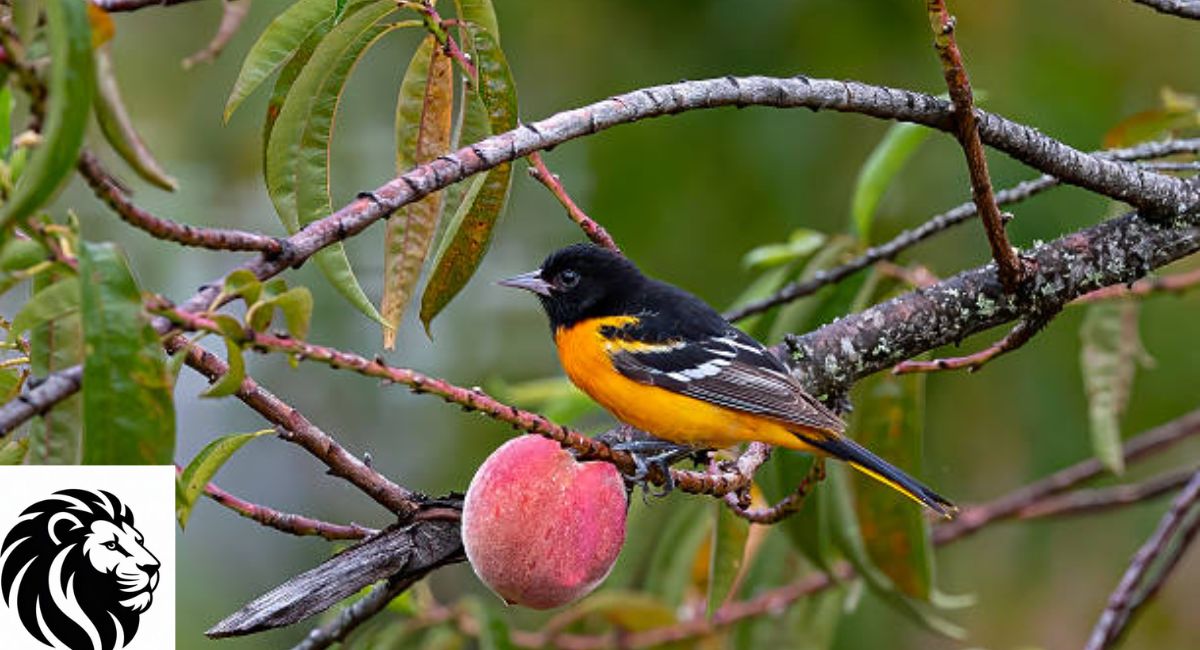
The Baltimore oriole is a favorite among birdwatchers in the United States. Its orange and black plumage makes it easy to recognize. These migratory birds breed across eastern North America and travel to Central America during winter.
Baltimore orioles prefer fruits, nectar, and insects. Garden enthusiasts often attract them by placing orange slices and nectar feeders outdoors. Their cheerful songs and vivid colors have made them one of America’s most cherished bird species.
Guianan Cock-of-the-Rock
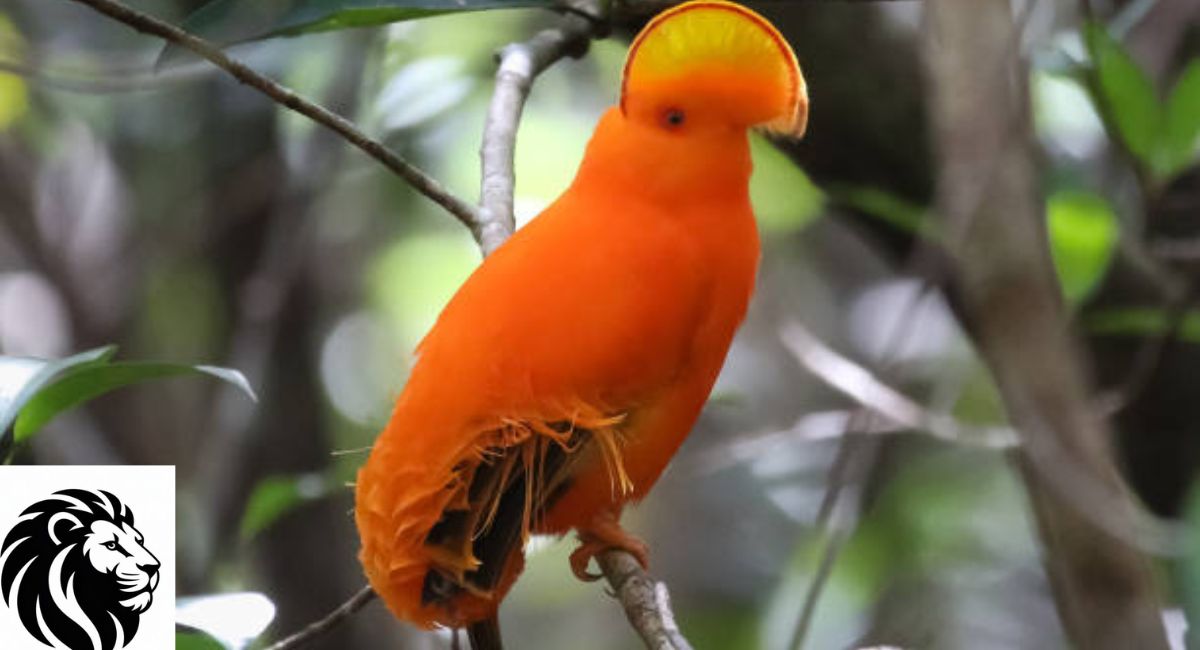
The Guianan Cock-of-the-Rock lives in tropical rainforests across northern South America. Like its Andean relative, the male displays brilliant orange feathers and a large crest. Courtship rituals involve dancing, jumping, and loud vocalizations.
These birds contribute to forest health by spreading seeds after eating fruit. Scientists consider them important members of rainforest ecosystems. Their spectacular appearance demonstrates how Orange Animals use color to attract mates and maintain ecological balance.
Orange Reptiles
Reptiles add another layer of diversity to the world of Orange Animals. Some species display bright scales that help them blend into dry landscapes. Others rely on vivid patterns to confuse predators. These cold-blooded creatures occupy deserts, forests, and oceans. Their coloration often reflects millions of years of adaptation and survival.
Many orange-colored animals in the reptile family play important roles in maintaining healthy ecosystems. Snakes control rodent populations while sea turtles contribute to marine balance. Their unique appearances attract scientists and wildlife enthusiasts alike. Although some species remain common, others face increasing threats from pollution and habitat destruction.
Corn Snake
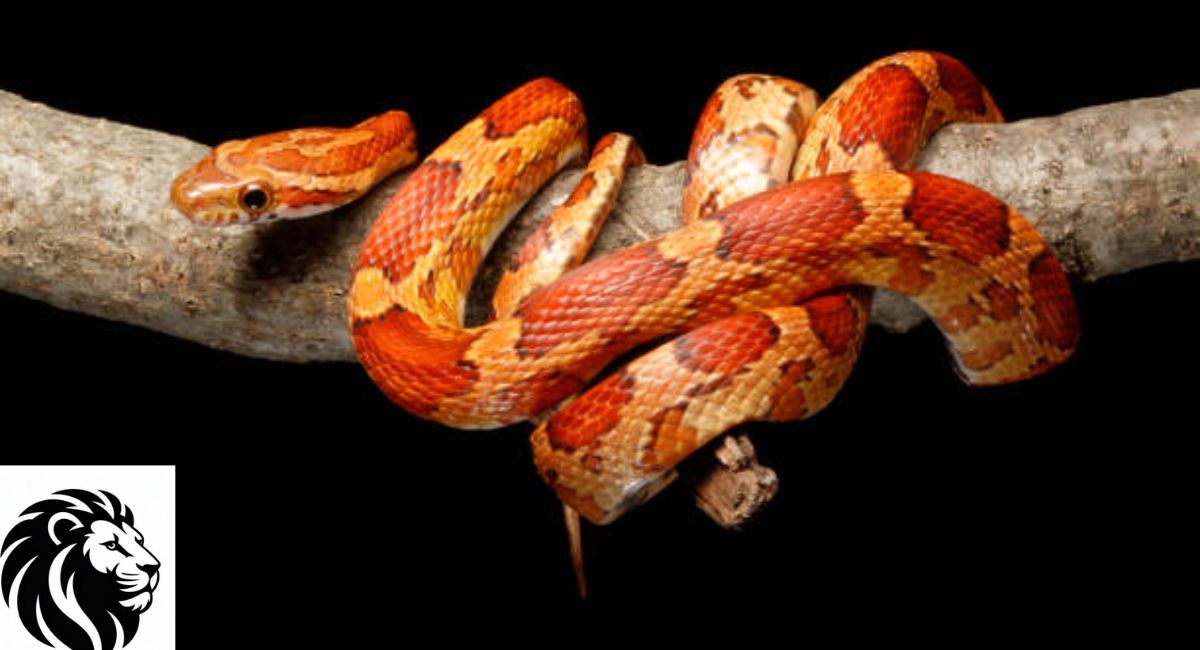
The corn snake ranks among the most popular snakes in North America. It features beautiful orange scales with reddish markings. Despite its intimidating appearance, this species is harmless to humans. Farmers appreciate corn snakes because they help reduce populations of rats and mice.
Corn snakes inhabit forests, grasslands, and abandoned buildings. They feed mainly on rodents and small birds. Their ability to climb trees and squeeze through narrow spaces makes them excellent hunters. Because of their calm temperament, many reptile lovers keep them as pets.
Loggerhead Sea Turtle
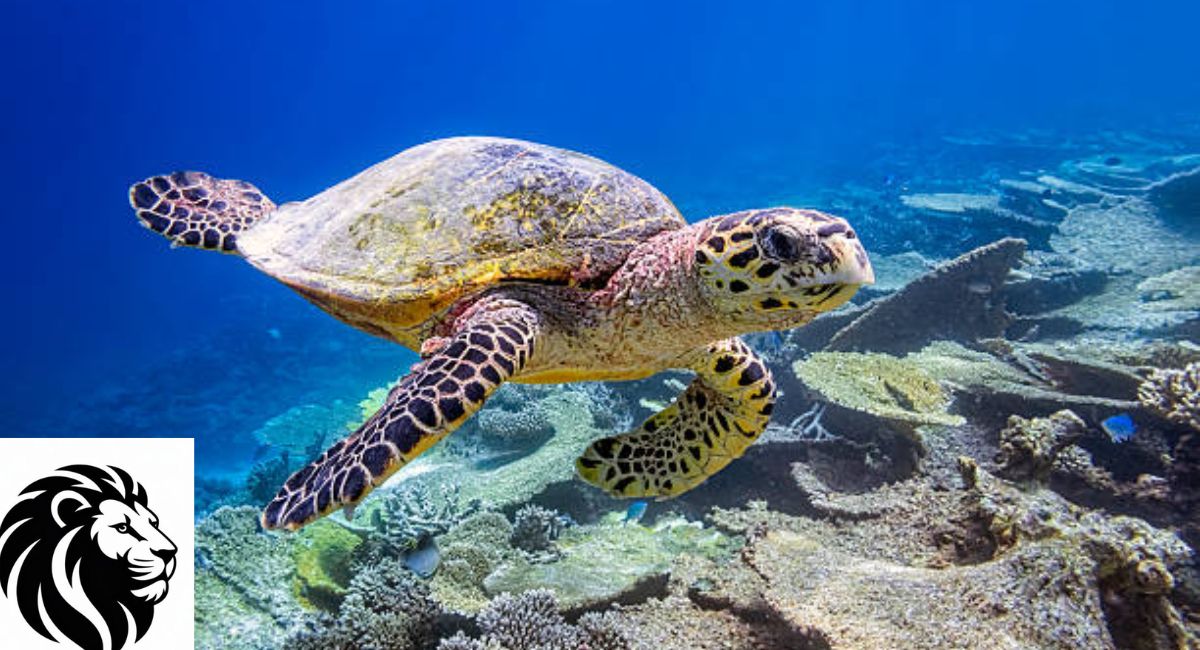
The loggerhead sea turtle is one of the largest marine reptiles. Its reddish-orange shell gives it a distinctive appearance. These turtles travel thousands of miles across oceans and return to the same beaches where they hatched. This remarkable navigation ability continues to amaze researchers.
Loggerheads consume crabs, mollusks, and jellyfish. However, plastic pollution and accidental capture in fishing nets threaten their survival. Conservation groups work tirelessly to protect nesting beaches and reduce human impact. These efforts have become essential for preserving one of the most iconic orange wildlife species.
Ocellated Spinytail
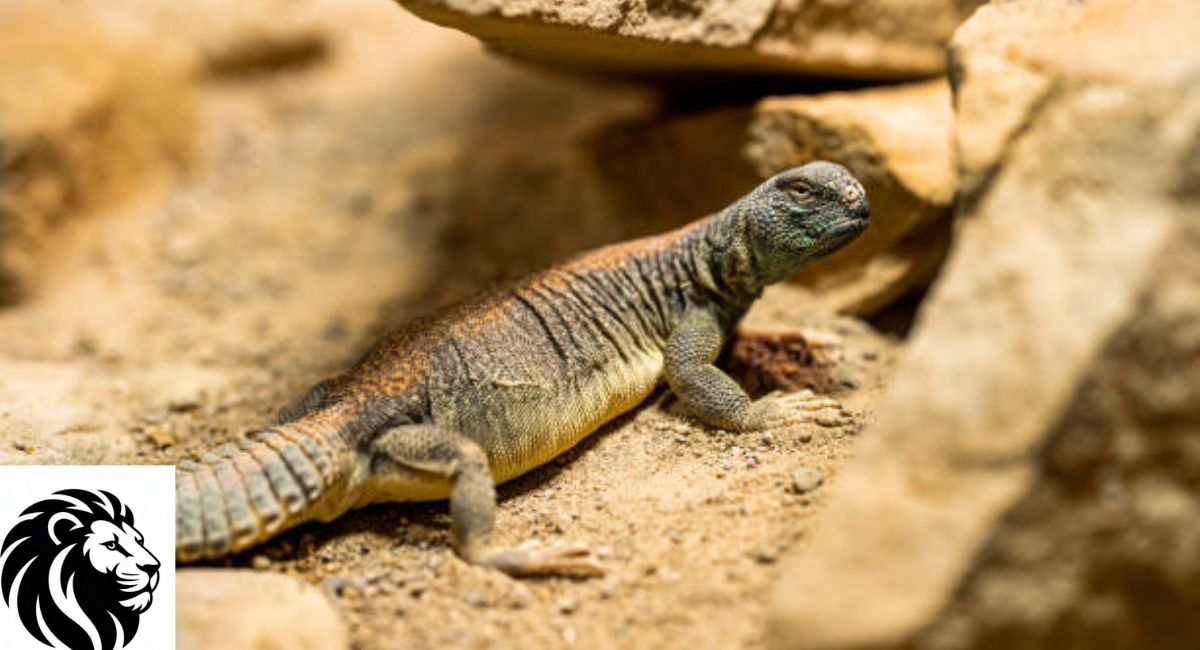
The ocellated spinytail lives in Central America and parts of Mexico. This lizard displays shades of orange mixed with darker markings. It spends much of its time basking in sunlight or hiding among rocks and trees. Its strong claws allow it to climb with ease.
These reptiles mainly eat leaves, flowers, and fruits. Their coloration provides effective camouflage in dry habitats. Although not as famous as sea turtles or snakes, they contribute significantly to the ecosystems they inhabit.
Orange Amphibians
Amphibians represent some of the most colorful creatures in nature. Their moist skin often contains warning colors that discourage predators. Many naturally orange animals in this group produce toxins that make them unpleasant or dangerous to eat. As a result, their bright appearance acts as a protective shield.
Scientists consider amphibians excellent indicators of environmental health. Their sensitive skin reacts quickly to changes in water quality and temperature. Sadly, pollution and climate change have caused declines in many populations. Protecting these remarkable species also helps preserve entire ecosystems.
Eastern Newt
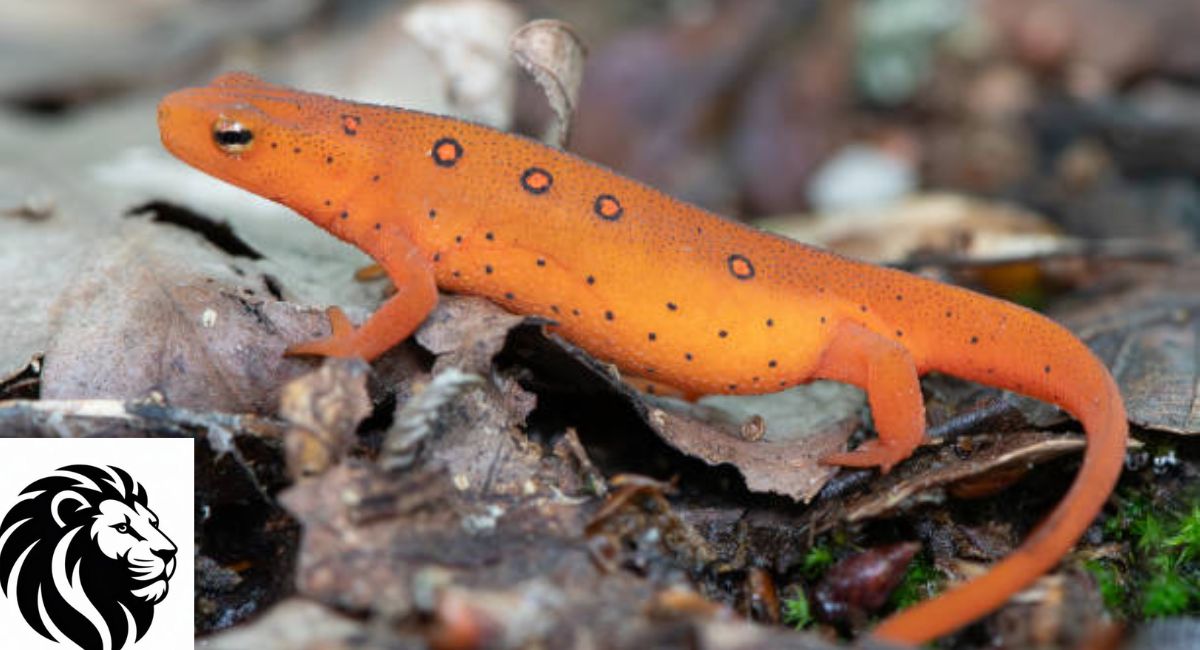
The eastern newt spends different stages of its life in both water and on land. Young individuals, known as red efts, display brilliant orange bodies with red spots. This coloration warns predators that the animal contains mild toxins.
Eastern newts feed on insects, worms, and tiny aquatic creatures. They inhabit ponds, lakes, and moist forests throughout eastern North America. Their ability to regenerate lost limbs makes them particularly interesting to scientists studying tissue repair and healing.
Orange Poison Dart Frog

The orange poison dart frog stands out among the most striking bright-colored animals. Native to tropical rainforests, this tiny amphibian uses vivid coloration to signal danger. Some species contain toxins powerful enough to deter predators immediately.
These frogs feed mainly on ants and small insects. Their bright skin colors result from compounds obtained through diet. Indigenous communities once used toxins from related species on hunting darts. Although these frogs appear delicate, they possess one of nature’s most effective defense systems.
Why Bright Colors Matter in Amphibians
Unlike mammals that depend on fur or birds that rely on feathers, amphibians use skin coloration as a warning system. Predators quickly learn to avoid species with vivid shades. Consequently, many Orange Animals have evolved bright colors that improve their chances of survival.
Researchers continue to study amphibians because their skin contains compounds with possible medical applications. Some scientists believe these substances could inspire future medicines. Nature often hides extraordinary discoveries in unexpected places. Amphibians provide a perfect example of that truth.
Orange Insects
Insects make up the largest group of Orange Animals found on Earth. Their bright colors serve many purposes. Some species use warning signals to discourage predators. Others rely on mimicry and camouflage to stay alive. These tiny creatures may seem simple, yet they perform essential tasks that keep ecosystems functioning.
Many orange-colored animals among insects help pollinate flowers and support food chains. Butterflies and beetles contribute to plant reproduction while predatory insects control pest populations. Scientists continue to discover how these colorful species influence biodiversity. Their importance extends far beyond their striking appearance.
Monarch Butterfly
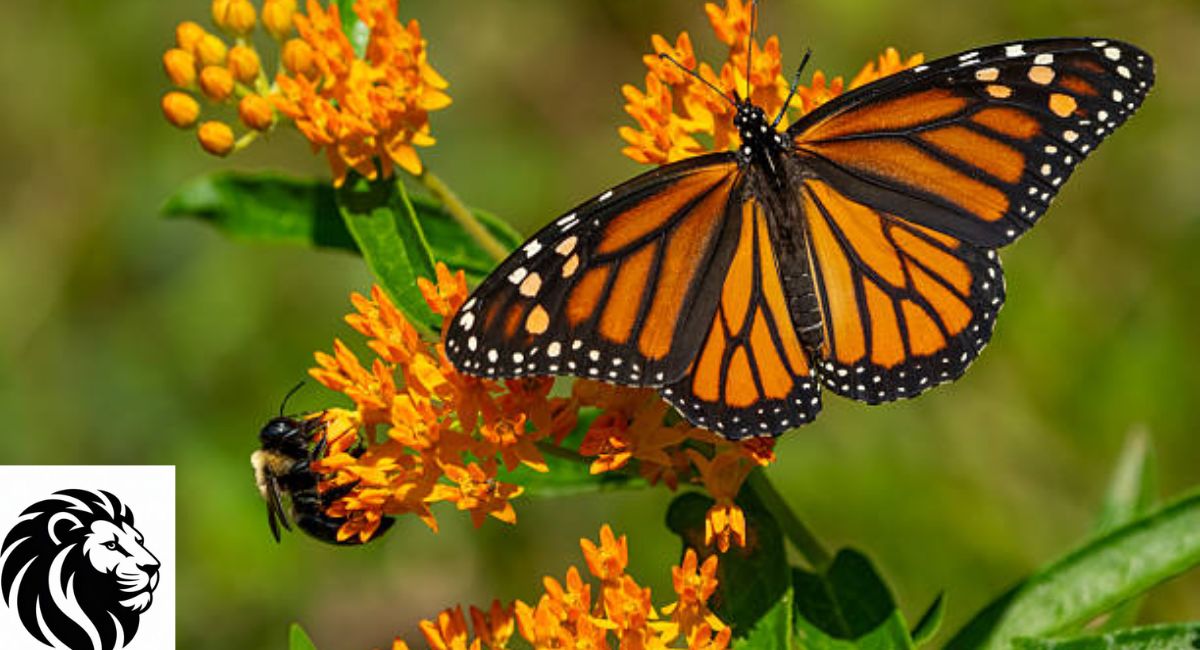
The monarch butterfly remains one of the most recognized bright-colored animals in North America. Its orange wings with black veins create a pattern that few people can mistake. Monarchs undertake one of the longest migrations in the insect world. Some individuals travel thousands of miles between Canada, the United States, and Mexico.
Milkweed plants play a critical role in their survival. Caterpillars feed exclusively on milkweed leaves, which contain toxins. These compounds remain in the butterfly’s body and make it unpleasant to predators. As a result, birds quickly learn to avoid monarch butterflies.
Gulf Fritillary Butterfly

The Gulf fritillary displays vivid orange wings decorated with black spots. It lives throughout the southern United States and tropical regions. Unlike monarchs, this butterfly prefers passionflower vines as its primary food source.
Adult butterflies feed on nectar and contribute to pollination. Their bright coloration acts as a warning signal to predators. These elegant insects add beauty to gardens and natural habitats. Wildlife enthusiasts often plant native flowers to attract them.
Milkweed Assassin Bug
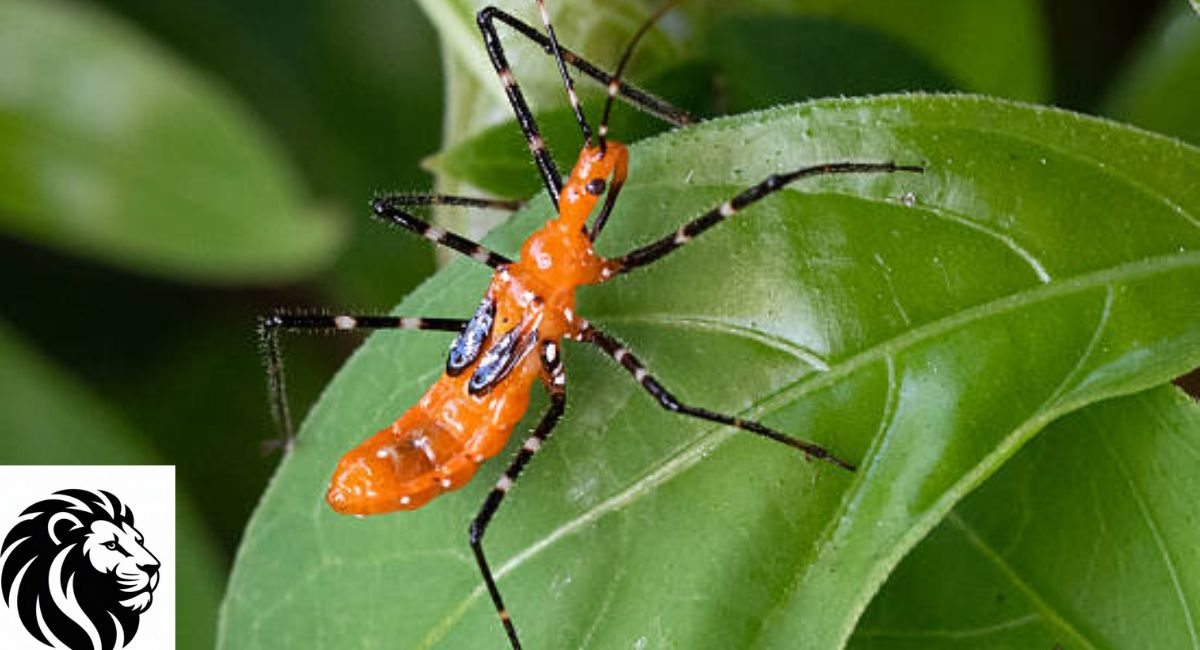
The milkweed assassin bug differs from butterflies because it is a predator. Its orange and black body warns enemies to stay away. This insect hunts caterpillars, beetles, and other small creatures with remarkable efficiency.
Unlike many insects, assassin bugs inject digestive enzymes into their prey. This process allows them to consume nutrients quickly. Although they appear intimidating, they help maintain ecological balance by controlling insect populations. Such characteristics make them valuable members of the ecosystem.
Orange Marine Animals and Fish
The oceans contain some of the most spectacular Orange Animals in nature. Coral reefs, rocky coastlines, and deep waters provide homes for species with vibrant colors. Marine biologists believe these colors assist with communication, camouflage, and species recognition. In underwater environments, bright shades can become surprisingly difficult to detect.
Several orange wildlife species living in the ocean have developed unique relationships with other organisms. Some fish rely on sea anemones for protection while octopuses use intelligence and camouflage to avoid danger. These remarkable creatures reveal how diverse marine ecosystems truly are.
Ocellaris Clownfish
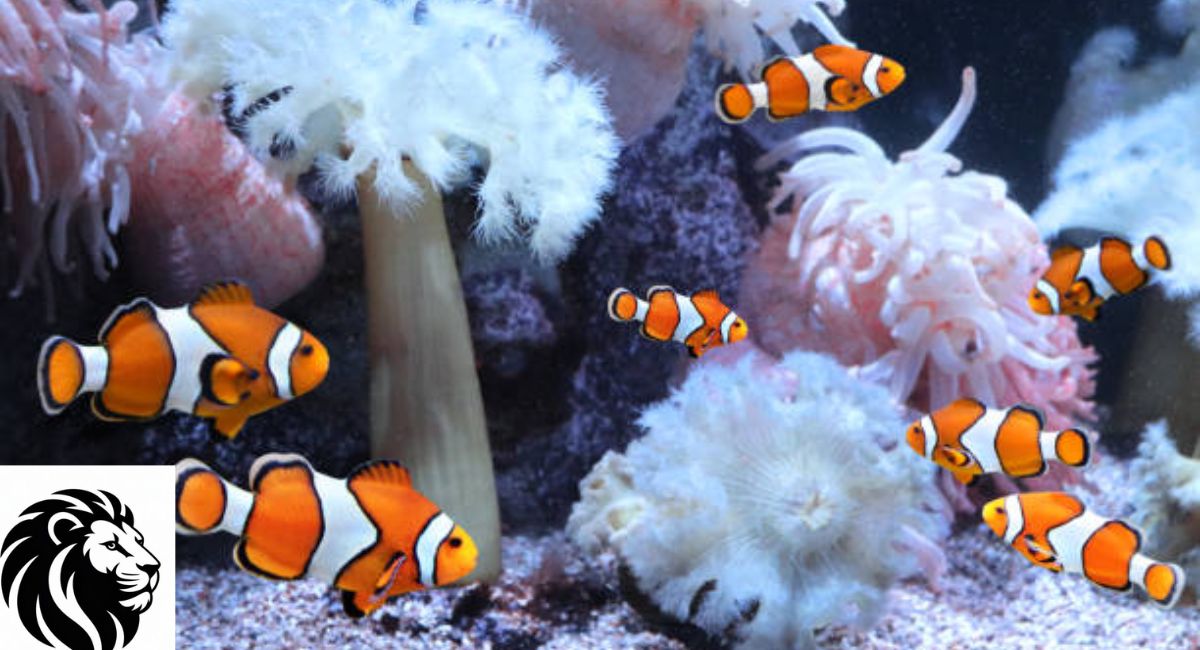
The ocellaris clownfish became famous through popular culture. However, its relationship with sea anemones makes it even more fascinating. This fish lives among the stinging tentacles of anemones without suffering harm. In return, the clownfish protects its host from parasites and predators.
Clownfish feed on algae and tiny invertebrates. Their orange bodies with white stripes provide easy identification. Coral reef destruction threatens many marine habitats. Therefore, preserving reefs remains essential for maintaining healthy populations of these beloved fish.
Common Goldfish
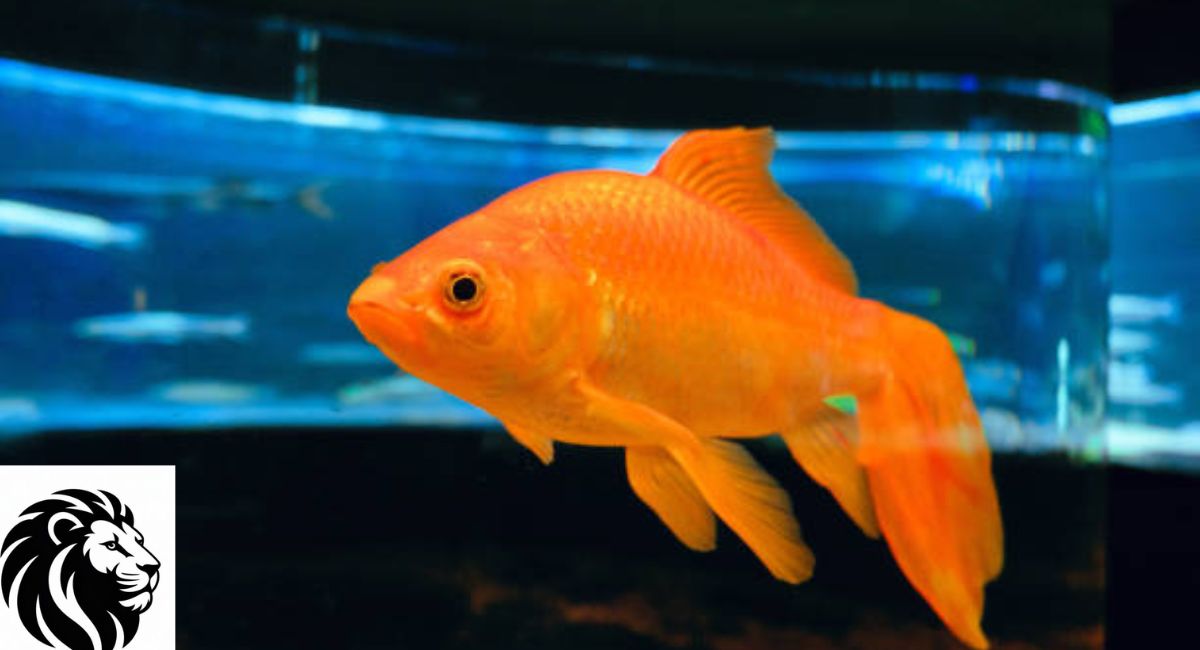
The common goldfish originated in Asia more than a thousand years ago. Through selective breeding, humans developed many varieties with different shapes and colors. Goldfish possess excellent memory and can recognize patterns and sounds.
Contrary to popular belief, goldfish do not have short memories. Studies show that they can learn routines and even respond to feeding schedules. Their adaptability explains why they remain among the world’s most popular pet fish.
Curled Octopus

The curled octopus belongs to a group known for intelligence and problem-solving abilities. Its orange coloration blends well with sandy ocean floors. When danger approaches, the octopus can alter its appearance and hide almost instantly.
These creatures feed on crabs, shellfish, and small fish. Their flexible bodies allow them to squeeze through incredibly small openings. Researchers often compare octopus intelligence to that of certain mammals. Such abilities continue to fascinate marine scientists.
| Orange Marine Animal | Habitat | Diet | Unique Feature |
| Ocellaris Clownfish | Coral reefs | Algae and plankton | Lives with sea anemones |
| Common Goldfish | Freshwater ponds | Plants and insects | Strong memory |
| Curled Octopus | Ocean floor | Crustaceans | Exceptional intelligence |
Amazing Relationships in Marine Ecosystems
Marine environments depend on cooperation. Clownfish and sea anemones provide one of the finest examples of mutualism in nature. Meanwhile, octopuses rely on camouflage and intelligence rather than speed. These survival strategies show how naturally orange animals adapt to challenging underwater conditions.
Scientists estimate that millions of marine species remain undiscovered. Every year, researchers uncover new information about ocean life. Such discoveries remind us that Earth’s seas still hold countless mysteries waiting to be explored.
Other Fascinating Orange Animals
Beyond the well-known mammals, birds, reptiles, insects, and marine life, the world of Orange Animals includes many unusual and lesser-known species. These creatures often surprise researchers because of their unique adaptations. Some live in deserts, while others hide in forests or deep soil. Their orange tones help them survive in very different environments.
Many of these orange-colored animals also play hidden but important ecological roles. Some recycle nutrients in soil while others control insect populations. Although they may not be famous, they contribute to biodiversity in powerful ways. Their presence proves that nature uses color in creative and unexpected forms across ecosystems.
Orange Baboon Tarantula
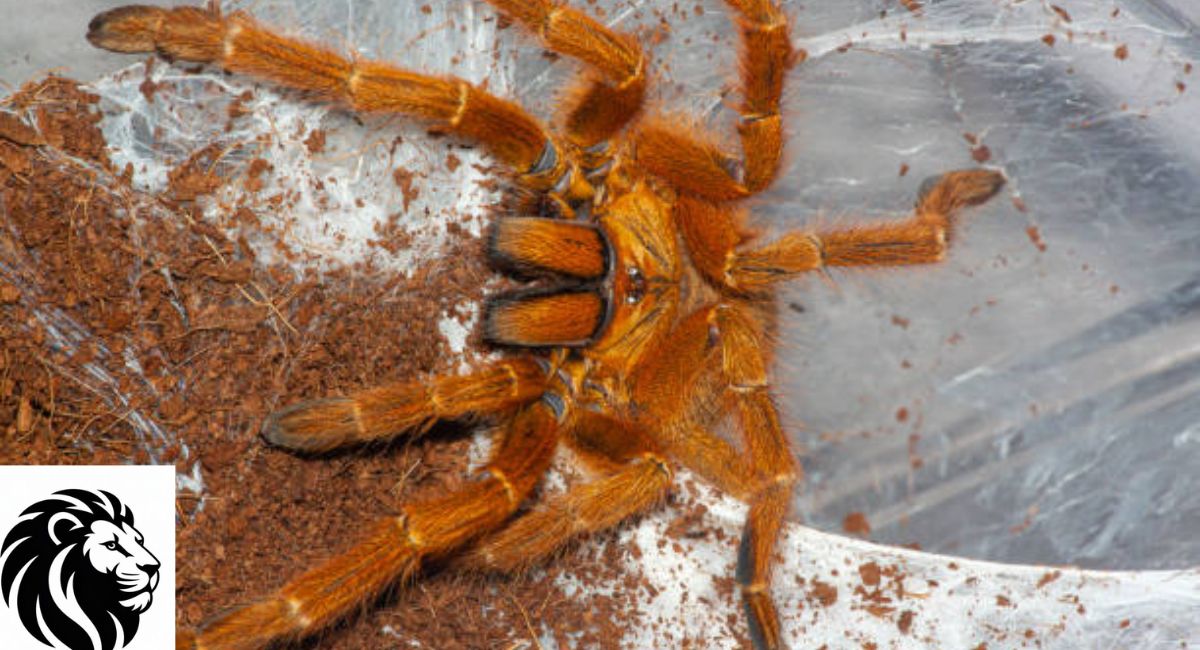
The orange baboon tarantula is a striking spider found in parts of Africa. Its legs display bright orange tones that warn predators to stay away. Despite its fearsome appearance, it usually avoids conflict and prefers to stay hidden in burrows.
This tarantula feeds on insects and small invertebrates. It uses venom to subdue prey quickly. However, its venom is not considered dangerous to humans. Scientists study these spiders to understand venom evolution and behavior patterns among arachnids.
European Red Slug

The European red slug often appears in gardens and damp forests. Its orange-red body makes it easy to spot, especially after rain. Although many gardeners consider it a pest, this slug plays a role in breaking down organic matter.
It feeds on decaying leaves, fungi, and sometimes fresh plants. Its slow movement and soft body make it vulnerable to predators. However, its coloring helps it blend with wet soil and leaf litter. This balance of visibility and survival makes it an interesting example of bright-colored animals in nature.
Sea Cucumber

Sea cucumbers live on the ocean floor and look very different from most marine animals. Some species display orange or reddish tones. They help recycle nutrients by feeding on organic debris found in sand and sediment.
These creatures play a vital role in maintaining healthy marine ecosystems. Without them, ocean floors would accumulate waste more quickly. Their unusual shape and behavior often surprise divers who encounter them underwater.
| Unique Orange Animal | Habitat | Role in Ecosystem | Special Trait |
| Orange Baboon Tarantula | African burrows | Predator of insects | Defensive behavior |
| European Red Slug | Forests and gardens | Decomposer | Moisture dependent |
| Sea Cucumber | Ocean floor | Nutrient recycler | Regenerates tissues |
Rare Orange Animals
Rare Orange Animals are some of the most fascinating creatures in the natural world. They are not often seen because they live in remote habitats or have shrinking populations. Many of these orange-colored animals face threats from deforestation, climate change, and human activity. Their bright color often makes them easier to spot, yet harder to survive in the wild.
These rare species show how evolution creates beauty for survival, not just appearance. Some use orange tones for warning signals while others rely on camouflage in specific environments. Scientists study these rare orange wildlife species to understand biodiversity loss and ecological balance better. Protecting them is important for maintaining healthy ecosystems worldwide.
| Rare Orange Animal | Habitat | Conservation Status | Main Threat |
| Tapanuli Orangutan | Indonesian rainforests | Critically Endangered | Deforestation |
| Orange-bellied Parrot | Australia | Critically Endangered | Habitat loss |
| Red Panda | Himalayan forests | Endangered | Habitat fragmentation |
| Golden Lion Tamarin | Brazil forests | Endangered | Deforestation |
| Iberian Lynx (orange tint coat) | Spain and Portugal | Vulnerable | Prey decline |
Fun Facts About Orange Animals
The world of Orange Animals is full of surprising discoveries. Scientists continue to study how color influences survival, communication, and behavior. Some species rely on orange shades for defense, while others use it for attraction or disguise. These facts reveal how complex nature truly is.
One interesting fact is that many orange species are not born with their final color. Instead, diet and environment influence their appearance over time. For example, some fish and insects become brighter as they mature. This shows how naturally orange animals adapt continuously throughout their lives.
Fascinating Insights into Orange Wildlife
One of the largest orange-colored animals is the Bengal tiger. It can weigh more than 500 pounds. On the opposite end of the spectrum, tiny insects like monarch butterflies migrate thousands of miles despite their delicate size. This contrast highlights the diversity of orange wildlife.
Some orange animals are also highly toxic. Poison dart frogs carry chemicals strong enough to deter predators instantly. Meanwhile, species like clownfish rely on symbiotic relationships instead of venom. These survival strategies show how color works alongside behavior in nature.
Conclusion
The world of Orange Animals shows how color shapes survival in nature. From forests to oceans, orange species use their appearance for defense, communication, and reproduction. Each animal plays a unique role in its ecosystem and helps maintain ecological balance.
Understanding these creatures also highlights the importance of conservation. Many orange-colored animals face threats from habitat loss and pollution. Protecting them ensures that future generations can continue to admire their beauty and ecological value. Nature’s palette is rich, and orange remains one of its most powerful colors.
FAQs
What animal is naturally orange?
Many animals are naturally orange, including tigers, foxes, clownfish, and monarch butterflies. Their color comes from pigments, diet, or genetics. These traits help them survive in different habitats around the world.
Why are some animals orange?
Animals become orange due to biological pigments like carotenoids and melanin. This coloration helps with camouflage, mating, and predator warnings. In many cases, it improves survival chances.
What is the most famous orange animal?
The Bengal tiger is often considered the most famous orange animal. Its iconic stripes and powerful presence make it one of the most recognized predators on Earth.
Are orange animals rare?
Orange animals are not extremely rare, but they are less common than brown or green species. Their bright coloration often serves specific ecological functions.
Which orange animals are found in North America?
North America is home to red foxes, Baltimore orioles, monarch butterflies, and corn snakes. These species represent different groups of orange wildlife species.

Welcome to natureanimalhub! I’m Anam Sattar, an AI Powered SEO, and Content Writer with 4 years of experirnce.
I help websites rank higher,grow traffic, and look amazing. My goal is to make SEO and web design simple and effective for everyone.
Let’s achieve more together!