
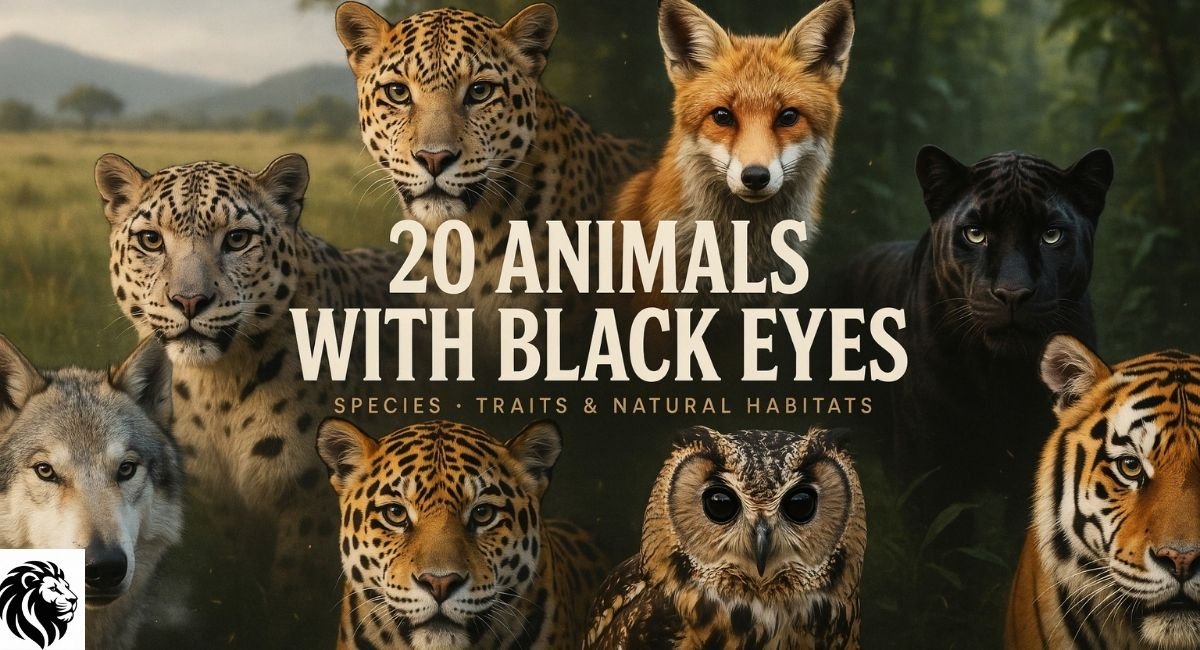
Have you ever noticed how striking some animals with black eyes can look? Their dark eyes may seem mysterious, glossy, or almost completely black, especially against lighter fur, feathers, or skin. From tiny frogs to massive marine mammals, many species display this fascinating eye color in different ways. Some have naturally dark irises, while others appear black because of large pupils or surrounding facial markings. In this guide, you’ll discover 20 remarkable species, along with their unique traits, behaviors, and natural habitats.
You’ll also learn why lighting, pigmentation, and eye structure can change an animal’s appearance. Let’s explore these captivating dark-eyed animals and uncover what makes them so special.
What Are Animals With Black Eyes?
The phrase animals with black eyes usually describes species whose eyes appear completely or predominantly black. Sometimes the dark appearance comes from a deeply pigmented iris. In other cases, a large pupil dominates the visible eye. Surrounding fur, feathers, or skin can make that effect even stronger.
Interestingly, wild species generally show less eye-color variation than humans and domestic animals. Researchers also note that the pupil itself is always dark because it is an opening that lets light reach the retina. Therefore, an eye that looks “all black” may contain several structures that simply aren’t easy to distinguish.
What Makes Animal Eyes Look Black?
A dark-looking eye can result from several visual factors working together. The iris, pupil, cornea, and pigmentation all contribute to the final appearance. A very dark iris can blend with a wide pupil, creating one smooth black shape from a distance.
Lighting matters, too. In photographs, reflections may disappear or become extremely strong depending on the camera angle. Scientific research also shows that pupil shape varies widely among vertebrates, reflecting different visual demands and habitats.
Do Animals Really Have Fully Black Eyes?
Some animals genuinely have very dark irises, while others only appear to have fully black eyes. The difference matters because “pitch black eyes” isn’t a formal biological category. It’s mainly a useful description of how the eye looks to an observer.
For example, a dark iris can blend almost seamlessly with the pupil. From several feet away, you may see one glossy black shape instead of separate structures. That visual illusion is especially noticeable in animals with large pupils.
Black Eyes vs. Dark Brown Eyes
Black and very dark brown eyes can be difficult to distinguish without good lighting. A close photograph may reveal subtle brown, amber, or reddish tones that disappear in a shadowy setting.
This is why animal eye color should never stand alone during identification. Body markings, facial shape, habitat, behavior, and geographic range provide much stronger clues when combined.
Black-Eyed Animals: Quick Comparison
The table below gives you a fast look at the 20 species covered in this guide. Their eye appearance ranges from large and prominent to small and difficult to notice. Habitat also varies dramatically, from tropical forests and wetlands to oceans, mountains, savannas, and domestic environments.
| Animal | Group | Natural Habitat | Eye Appearance | Standout Trait |
| Black-Eyed Leaf Frog | Amphibian | Moist forests | Large, dark eyes | Bright green body |
| Harbor Seal | Mammal | Coastal waters | Dark, rounded eyes | Aquatic lifestyle |
| American Crow | Bird | Forests and cities | Dark eyes | High intelligence |
| Raven | Bird | Forests and mountains | Deep dark eyes | Complex behavior |
| Orca | Marine mammal | Oceans | Small dark eyes | Black-and-white pattern |
| Red-Faced Spider Monkey | Mammal | Rainforests | Dark eyes | Reddish face |
| Black Mamba | Reptile | Savanna and woodland | Dark-looking eyes | Slender body |
| Eastern Black Rhinoceros | Mammal | Savannas and highlands | Dark eyes | Large horn |
| Black Skimmer | Bird | Coastal areas | Dark eyes | Specialized bill |
| Guinea Pig | Mammal | Domestic settings | Round dark eyes | Social nature |
| Black Grouse | Bird | Forest edges | Glossy dark eyes | Courtship displays |
| Black Salamander | Amphibian | Mountain habitats | Dark eyes | Dark coloration |
| Humboldt’s Hog-Nosed Skunk | Mammal | Grasslands and forests | Dark eyes | Upturned snout |
| Mallard | Bird | Wetlands | Dark eyes | Green-headed male |
| Black Guillemot | Bird | Rocky coasts | Dark eyes | White wing patch |
| German Yellow Jacket | Insect | Woodlands and buildings | Shiny dark eyes | Yellow-black body |
| Oriental Bay Owl | Bird | Tropical forests | Large dark eyes | Heart-shaped face |
| Meerkat | Mammal | African plains | Big dark eyes | Sentinel behavior |
| Giant Panda | Mammal | Bamboo forests | Dark eyes | Black facial patches |
| Black Moor Goldfish | Fish | Freshwater aquariums | Protruding dark eyes | Telescope-like eyes |
20 Animals With Black Eyes
1. Black-Eyed Leaf Frog
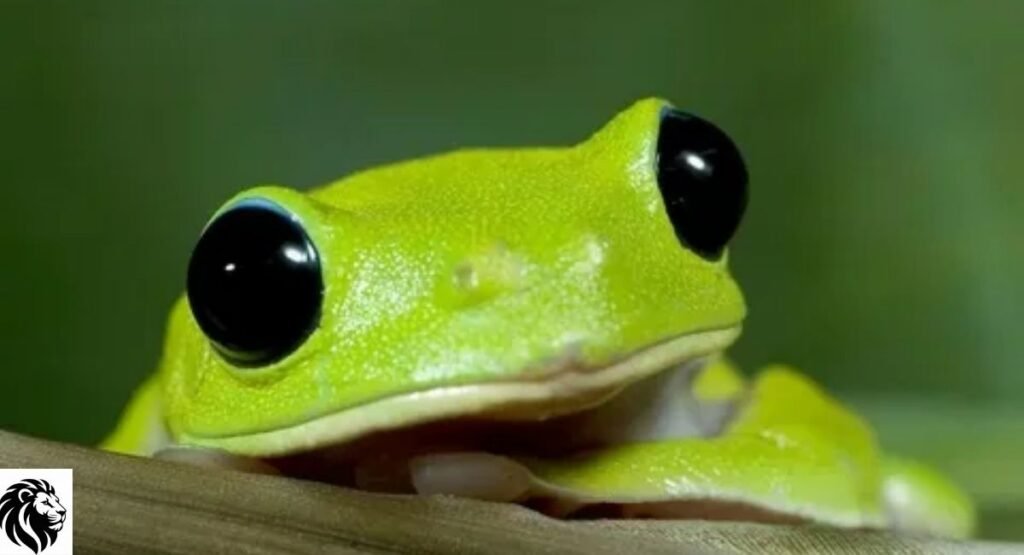
The black-eyed leaf frog, also called Morelet’s tree frog, has a vivid green body and striking dark eyes. Its natural range includes parts of Mexico and Central America, where it occupies moist lowland and montane forests. Its dark eyes create a dramatic contrast against its bright skin.
2. Harbor Seal
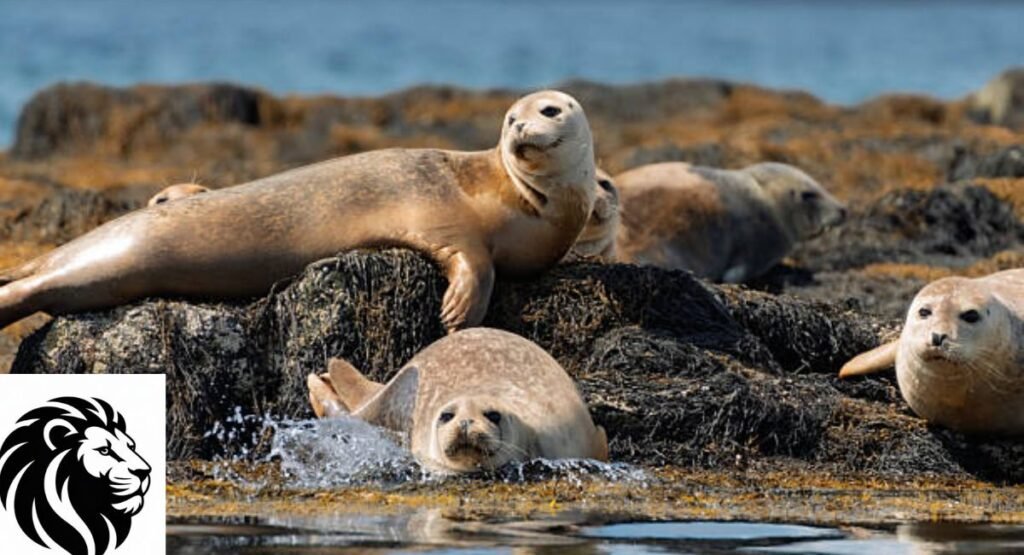
Harbor seals have rounded heads, sensitive whiskers, and dark-looking eyes that suit their marine lifestyle. They occur along many coastal regions of the Northern Hemisphere, including Alaska and other parts of North America. Their eyes perform especially well underwater compared with their vision on land.
3. American Crow
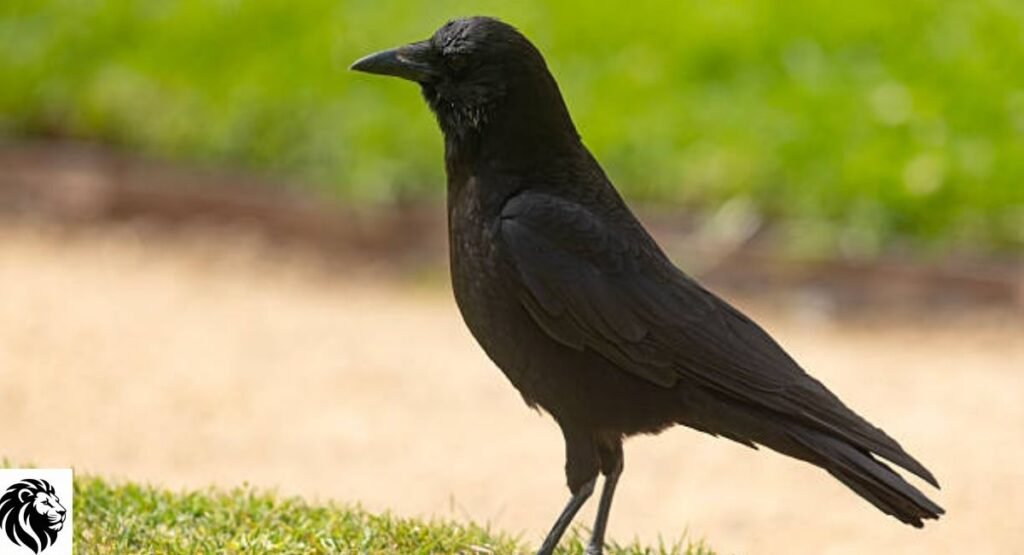
American crows are familiar across much of the United States. Their glossy black feathers and dark eyes create a nearly continuous appearance around the face. They thrive in forests, farmland, suburbs, parks, and cities, making them one of North America’s most adaptable birds.
4. Raven
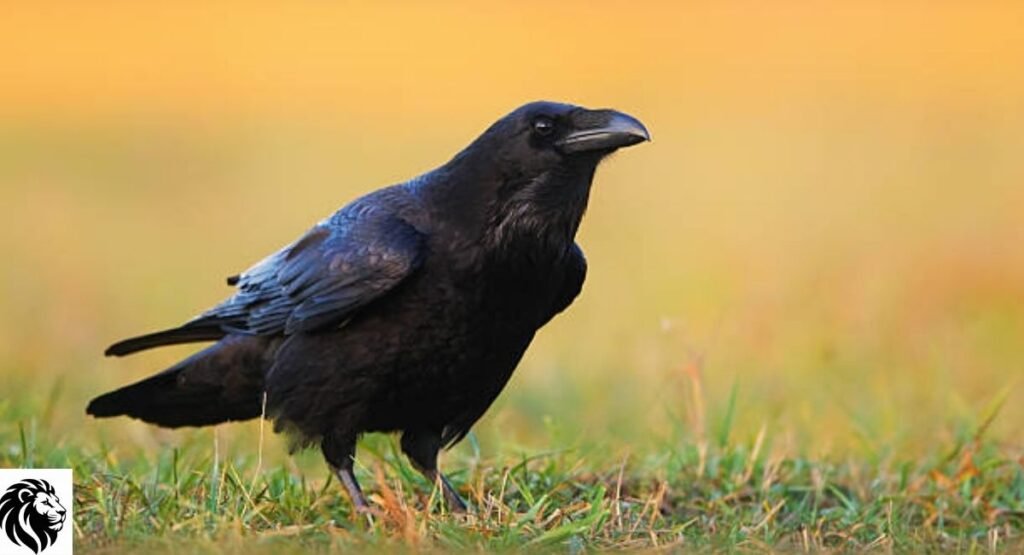
Ravens have deep-looking dark eyes that sit within glossy, sometimes iridescent plumage. Their large bills, shaggy throat feathers, and powerful wings distinguish them from smaller crows. They occupy diverse environments, including forests, mountains, deserts, and rocky coastal areas.
5. Orca
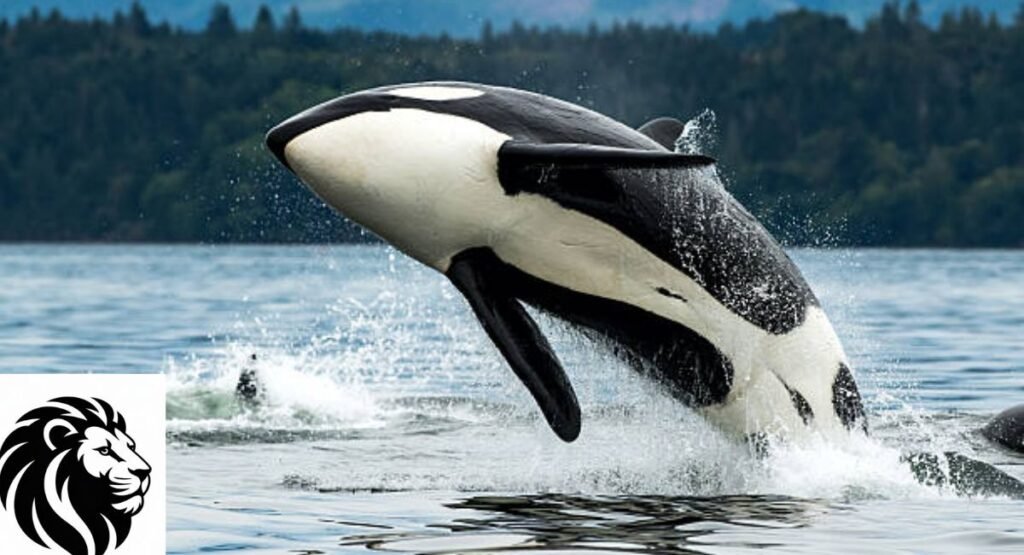
An orca’s eyes are surprisingly small compared with its enormous body. They sit near distinctive white patches on a black-and-white head. This contrast makes the eyes fascinating to observe, especially when the animal surfaces beside a boat or moves through clear water.
6. Red-Faced Spider Monkey
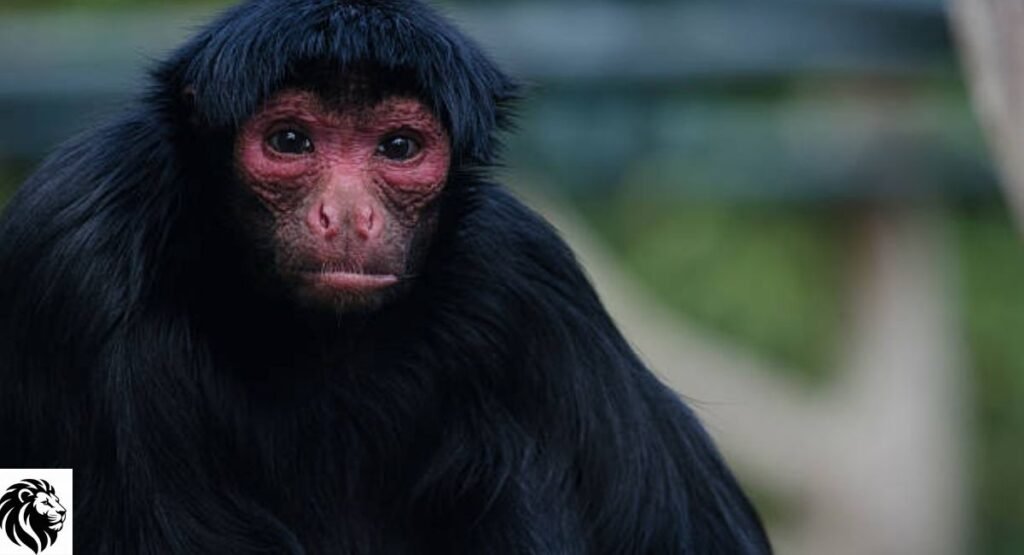
The red-faced spider monkey combines a reddish face with dark-looking eyes and unusually long limbs. Its prehensile tail acts almost like a fifth hand, helping it move through rainforest canopies. This arboreal lifestyle keeps the animal closely connected to dense tropical vegetation.
7. Black Mamba
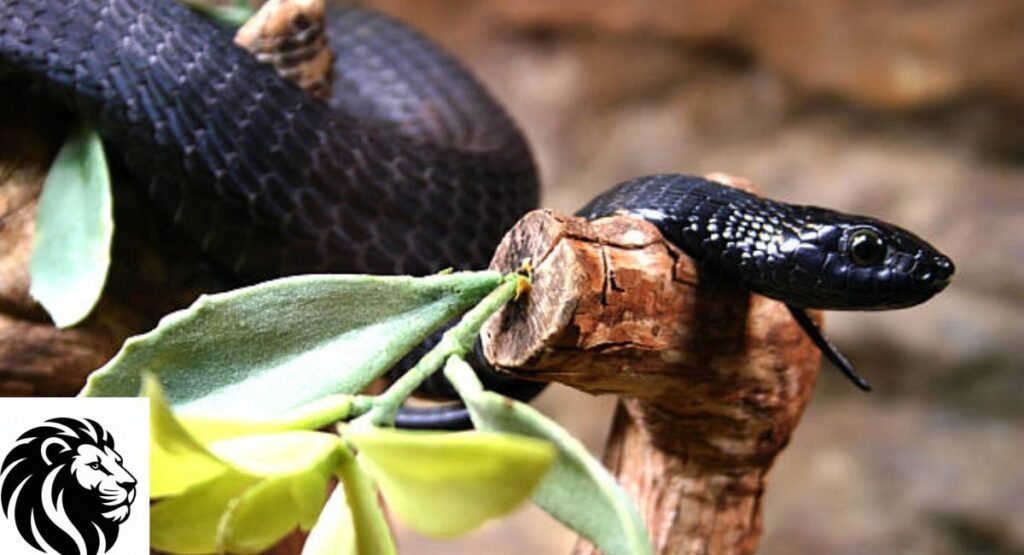
The black mamba is a slender African snake famous for its speed and reputation. Despite its common name, its body isn’t necessarily jet black. Its mouth, however, can show a striking dark interior when threatened, while its eyes generally appear dark.
8. Eastern Black Rhinoceros
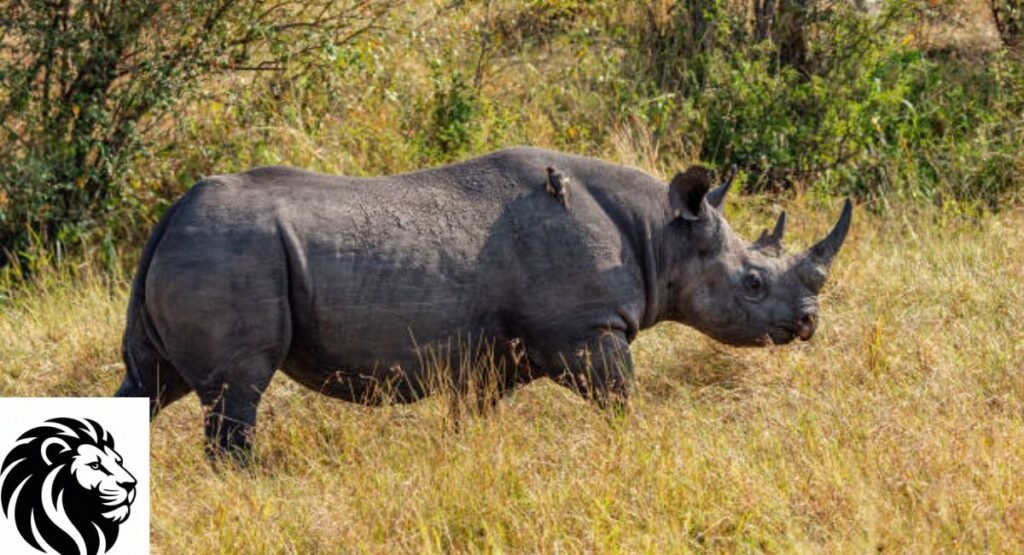
The eastern black rhinoceros has dark eyes, thick skin, and a prominent facial structure. It occupies parts of eastern and southern Africa, especially suitable savanna, shrubland, and woodland habitats. Its hooked upper lip helps it browse leaves and shoots from shrubs.
9. Black Skimmer
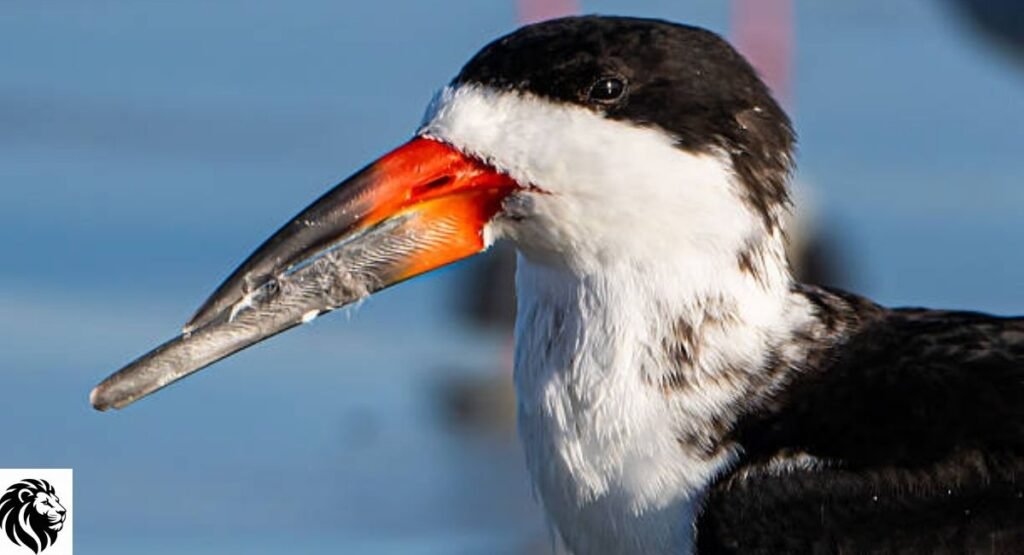
The black skimmer has dark eyes and an extraordinary bill designed for feeding at the water’s surface. Its lower mandible extends farther than the upper one. That unusual structure allows the bird to skim through shallow water while searching for prey.
10. Guinea Pig
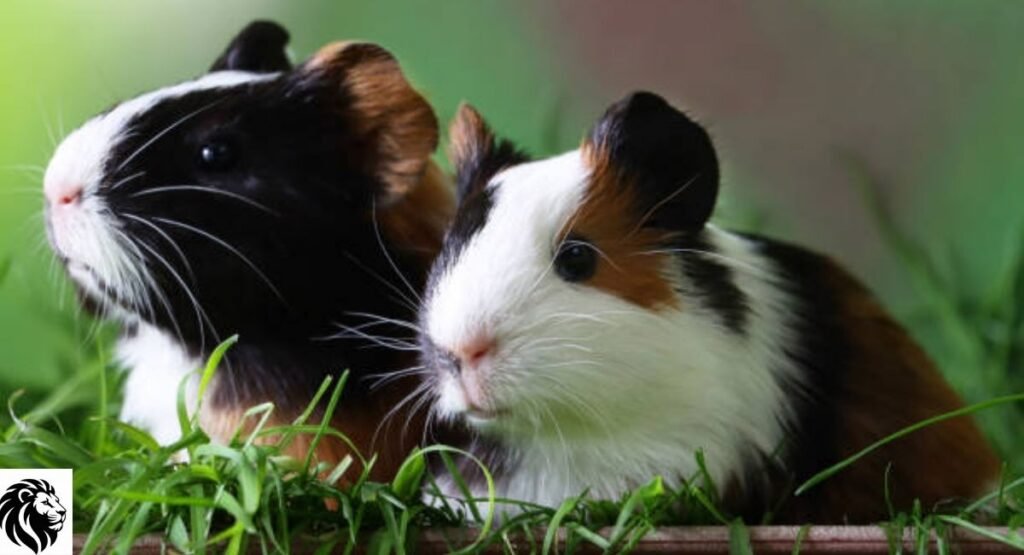
Guinea pigs often have round, dark eyes that appear almost completely black. Their compact bodies, small ears, and expressive faces make them popular companion animals. Although domesticated today, their ancestry traces to South American wild cavies.
11. Black Grouse
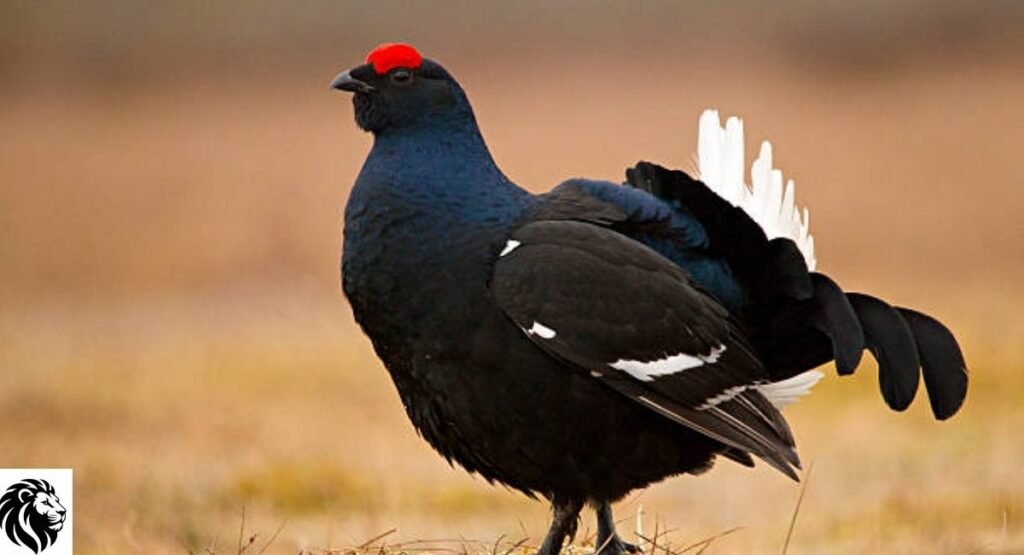
Black grouse have glossy dark eyes that complement their dramatic plumage. Males are especially striking during the breeding season, when they gather for elaborate courtship displays. Their habitats include forest edges, heathlands, moorlands, and open areas.
12. Black Salamander
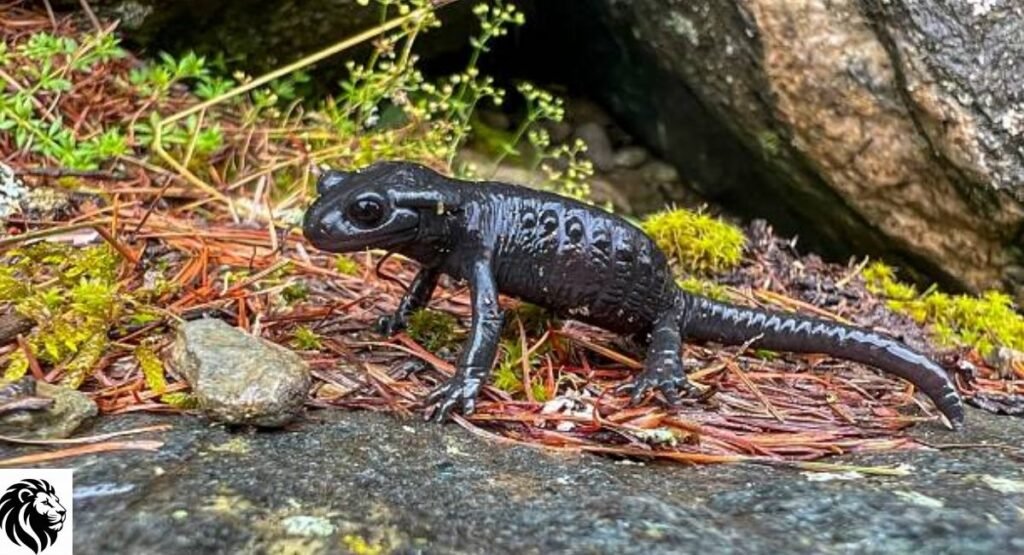
The black salamander described in this guide has a dark overall appearance that can make its eyes seem almost indistinguishable from the surrounding body. Mountain environments provide cool, moist conditions that suit many salamanders and help prevent excessive water loss.
13. Humboldt’s Hog-Nosed Skunk
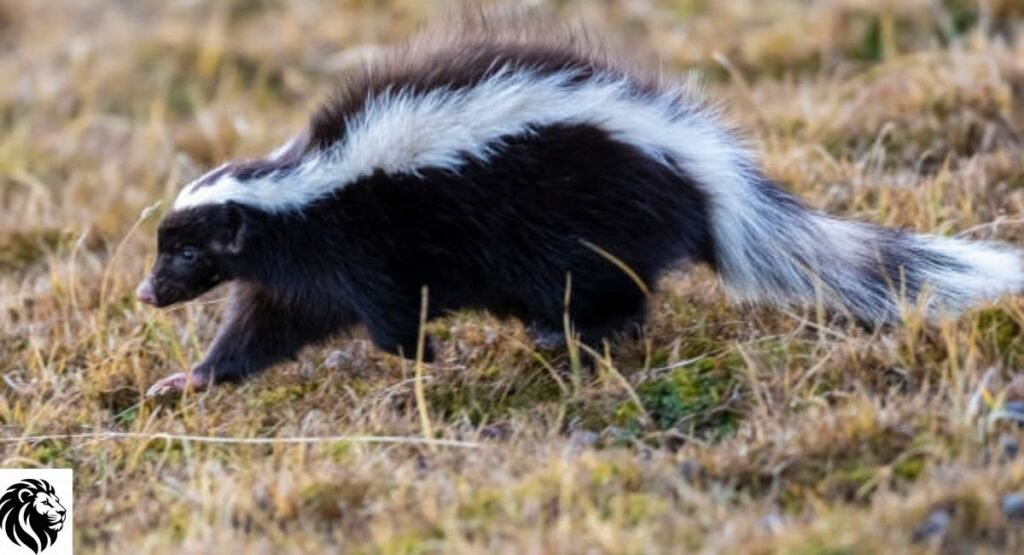
Humboldt’s hog-nosed skunk has dark eyes, an upturned snout, and contrasting white markings. It occurs in parts of southern South America, particularly in open and forested habitats. Its facial structure gives it a distinctive appearance among skunk relatives.
14. Mallard
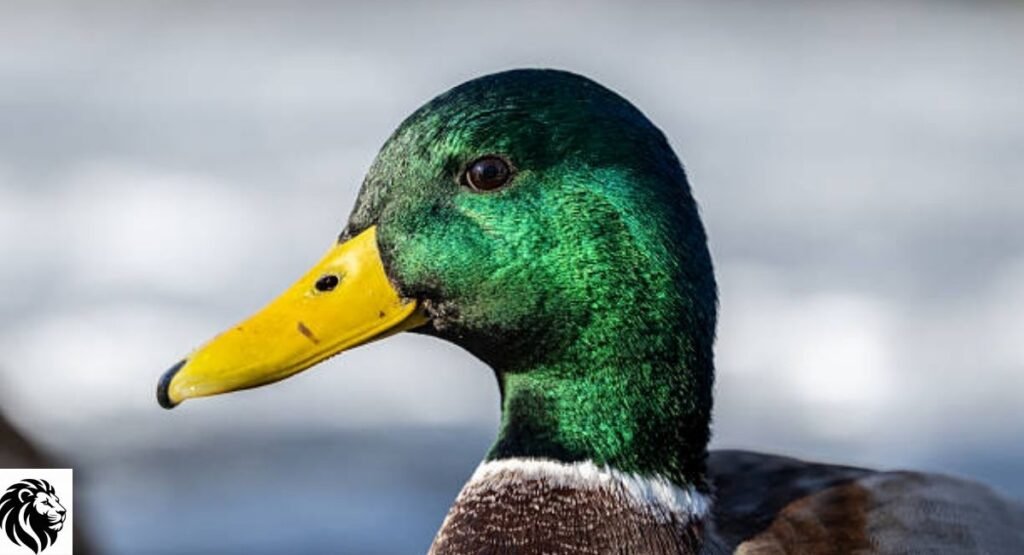
Mallards have dark eyes surrounded by distinctive plumage. Adult males are especially recognizable because of their glossy green heads and yellow bills. Females have more subdued brown coloration that provides useful camouflage around nests and vegetation.
15. Black Guillemot
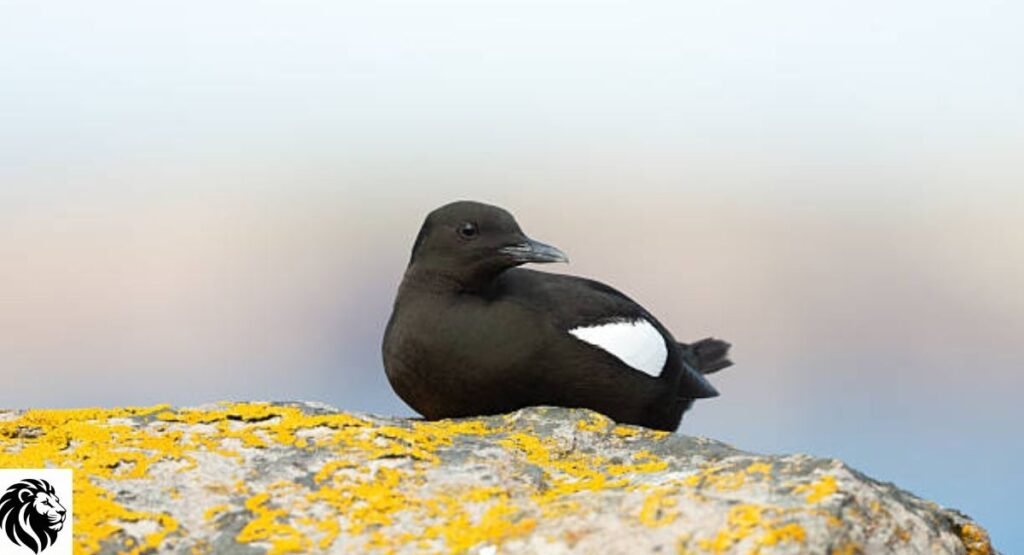
Black guillemots have dark eyes, black plumage, and bright white wing patches. They live around northern coastal waters and spend much of their time associated with rocky shorelines. Their compact bodies are well suited to swimming and underwater foraging.
16. German Yellow Jacket
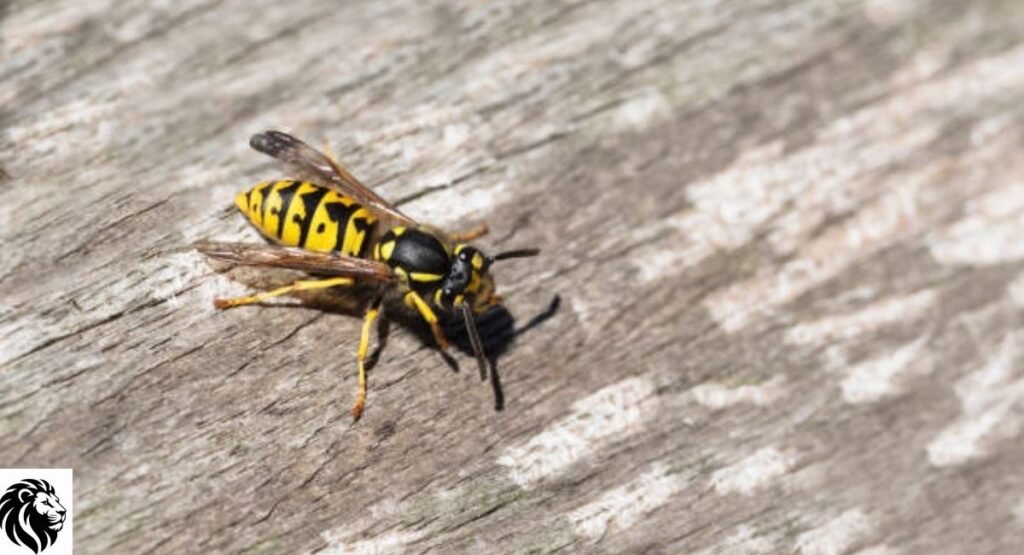
German yellow jackets have shiny dark eyes set against a sharply contrasting yellow-and-black body. These social wasps can build nests in protected locations, including wall cavities and other human-associated spaces. Their striking appearance often makes them easy to recognize.
17. Oriental Bay Owl
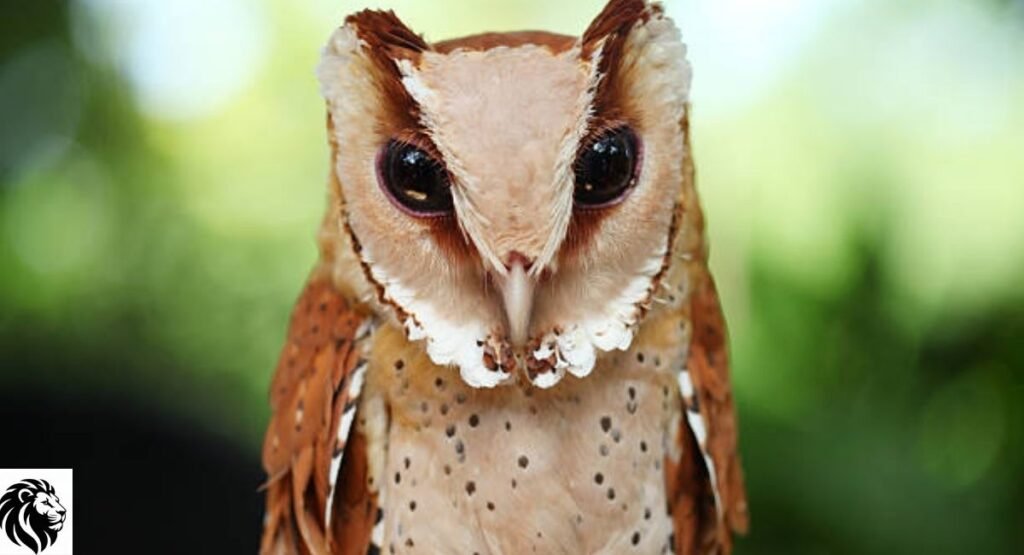
The Oriental bay owl has large, dark-looking eyes and a distinctive heart-shaped facial outline. It occurs in tropical forest environments across parts of Asia. Its nocturnal lifestyle makes visual and auditory senses especially important during nighttime activity.
18. Meerkat
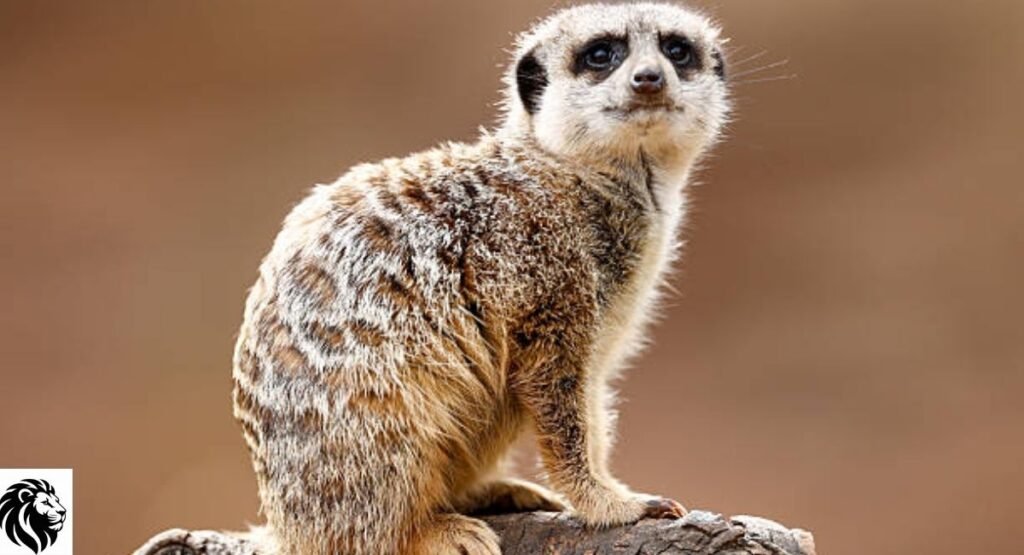
Meerkats have large-looking dark eyes surrounded by characteristic facial markings. Their slender bodies and long tails suit life across dry African landscapes. They live socially and spend considerable time watching their surroundings for predators.
19. Giant Panda
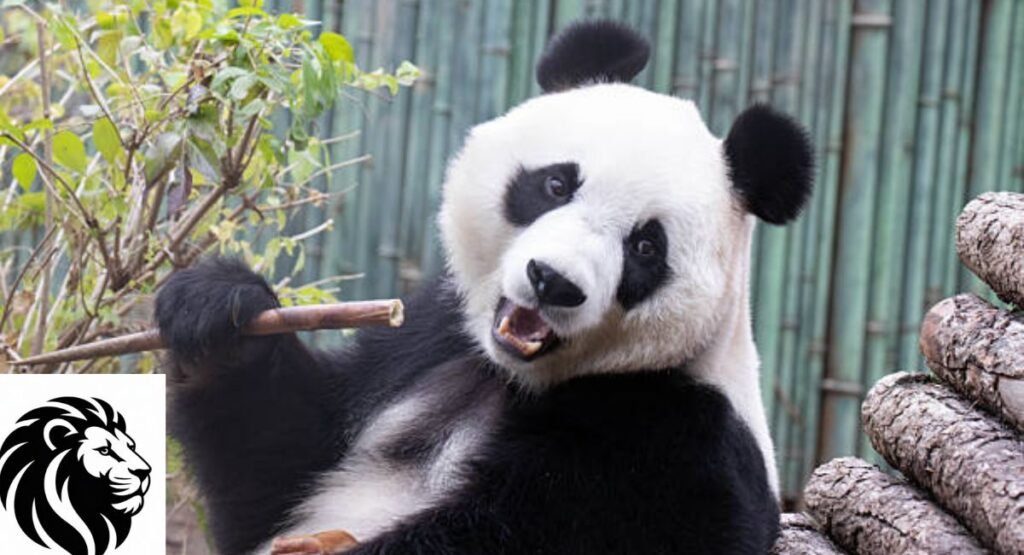
Giant pandas have dark eyes surrounded by iconic black patches. These markings can make their eyes appear larger and darker than they actually are. Their famous black-and-white coat is one of the most recognizable patterns in the animal kingdom.
20. Black Moor Goldfish
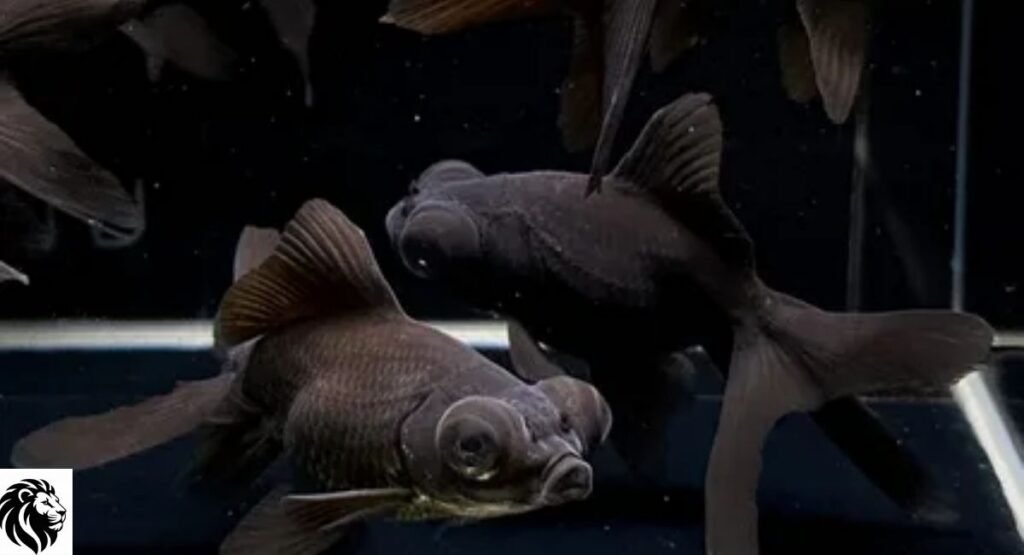
Black moor goldfish are ornamental freshwater fish known for their rounded bodies and prominent telescope-like eyes. Their eyes protrude noticeably from the head, giving them an unusual appearance. Selective breeding has shaped many of the exaggerated traits seen in these fish.
Animals With Big Black Eyes
Some species stand out because their dark eyes appear unusually large compared with the rest of the face. Animals with big black eyes include the harbor seal, guinea pig, meerkat, giant panda, and red-faced spider monkey. Their eye size and surrounding facial patterns create different visual effects.
Among birds, the Oriental bay owl and several other nocturnal species have especially prominent eyes. Large eyes can support vision in dim conditions, although eye size alone doesn’t prove superior night vision. A species’ entire visual system matters.
Mammals With Big Black Eyes
Harbor seals, guinea pigs, meerkats, giant pandas, and red-faced spider monkeys all have dark-looking eyes that attract attention. Yet their lifestyles couldn’t be more different. One swims through coastal water, another lives with humans, while others occupy forests and African grasslands.
Why Their Eyes Look So Large
Facial proportions strongly influence how large an eye appears. A small face can make a moderate-sized eye look enormous. Dark surrounding markings can amplify the illusion, which explains the memorable appearance of pandas and meerkats.
Birds With Large Dark Eyes
Owls are especially famous for prominent eyes because their faces are adapted for collecting and directing light. The Oriental bay owl fits this pattern with its large dark-looking eyes and nocturnal habits. Ravens, crows, and black skimmers also have dark eyes, although their visual ecology differs.
Dark Eyes Don’t Always Mean Night Vision
Eye color isn’t a simple indicator of nocturnal ability. Iris pigmentation and pupil structure serve different roles. In birds, the iris itself controls how much light reaches the retina, rather like an adjustable aperture in a camera.
Amphibians With Prominent Black Eyes
The black-eyed leaf frog and black salamander provide two very different examples. One has conspicuous, bulging eyes against bright green skin. The other blends its dark eyes into a darker body, showing how animal coloration can change the overall visual effect.
A Moist World Shapes Their Biology
Amphibians depend heavily on moisture because their skin participates in gas exchange and water balance. Their habitats often include damp forests, streams, leaf litter, or shaded mountain environments. Losing suitable moisture can quickly become a serious survival challenge.
Animals With All Black Eyes
The phrase animals with all black eyes usually describes an eye that looks uniformly dark from normal viewing distance. However, that appearance doesn’t necessarily mean every visible anatomical structure has identical pigmentation. The pupil itself is naturally dark, while the iris may be very dark too.
Photography can make the effect even stronger. A close image taken in shade may hide subtle iris tones, while another image can reveal reflections and texture. Therefore, “all black” works best as a visual description rather than a precise scientific label.
Animals That Appear to Have Fully Black Eyes
Species with dark irises can appear to have fully black eyes when the pupil and iris blend together. This effect becomes particularly noticeable when the eye has little visible contrast between its central and surrounding regions.
Are All-Black Eyes Actually Completely Black?
Usually, you shouldn’t assume that. The visible eye contains several structures, and lighting can hide subtle differences. A seemingly uniform black surface may contain a dark iris surrounding an even darker pupil, with a thin reflective layer over the front.
Animals With Black Eyes and White Pupils
Searches for animals with black eyes and white pupils often describe an unusual photographic effect rather than a standard biological eye type. A bright reflection can appear inside a dark pupil, especially when a flash or strong light source hits the eye directly.
Why Some Eyes Can Look Black With a Light Center
The apparent white center may come from reflected light rather than a white pupil. The cornea creates reflections, while the internal eye can also produce eyeshine in species with reflective retinal structures. These effects can change dramatically with viewing angle.
Species With Contrasting Eye Features
Dark eyes can also sit beside white eye rings, patches, or facial markings. That contrast changes how the entire face looks. When identifying wildlife, compare the eye with the animal’s body pattern rather than treating one bright reflection as a permanent feature.
Animals With Black Eyes and Striped Tails
The phrase animals with black eyes and striped tails combines two separate identification clues. Eye appearance can narrow your search, while tail pattern, body shape, and habitat can narrow it further. This approach works much better than relying on a single trait.
Black Eyes Combined With Striped or Contrasting Tails
Striped tails, banded tails, and contrasting tail tips can be useful visual markers. They may also vary with age, season, sex, or individual condition. Therefore, treat them as supporting evidence rather than an absolute identification rule.
How Eye Color and Tail Patterns Help Identify Animals
Look at the entire animal. Facial markings, tail pattern, body coloration, size, shape, and habitat form a stronger identification profile together. This method resembles solving a puzzle because each physical clue adds another piece.
Animals With Black Eyes Around Their Face
Some animals appear to have black eyes because dark markings surround the actual eye. Giant pandas provide the clearest example. Their black facial patches frame the eyes and create a dramatic contrast with their white fur.
Animals With Dark Eyes and Facial Markings
Meerkats, giant pandas, Oriental bay owls, and red-faced spider monkeys all show strong facial contrast. In each case, surrounding coloration changes how the eyes appear. This is why black eye markings can matter almost as much as the eye itself.
Black Eye Patches vs. Black Eyes
A black eye patch isn’t the same thing as a black iris. The patch consists of surrounding fur, feathers, or skin. The eye underneath can have its own pigmentation and structure. Panda faces demonstrate this distinction beautifully.
Animals With Pure Black or Pitch-Black Eyes
“Pure black eyes” and “pitch-black eyes” are useful descriptive phrases, but they aren’t formal biological categories. They generally refer to eyes that appear uniformly dark without an obvious boundary between the iris and pupil.
What Does “Pitch Black Eyes” Really Mean?
A pitch-black eye may result from a dark iris, a large pupil, limited visible reflection, or a combination of these factors. Camera exposure can intensify the effect. Consequently, the same animal may look slightly different in two photographs.
Why Black Eyes Look So Striking
Dark eyes become especially noticeable beside light fur, bright feathers, or colorful skin. Large pupils can strengthen that contrast. Glossy surfaces add another visual layer, while surrounding facial markings can frame the eye like natural artwork.
Black-Eyed Animals by Habitat
Habitat adds important context to an animal’s appearance and behavior. A marine mammal faces different visual challenges from a desert-dwelling mammal. Likewise, a nocturnal forest species needs different sensory adaptations from a daytime wetland bird.
The 20 species in this guide occupy remarkably different environments. Their habitats include tropical forests, wetlands, coastlines, savannas, mountains, oceans, freshwater systems, and human-managed spaces. That diversity shows why dark eyes aren’t tied to one ecological niche.
Forest and Rainforest Animals
The black-eyed leaf frog, red-faced spider monkey, raven, Oriental bay owl, and giant panda all connect with forest environments. However, their lifestyles differ sharply. Some climb or fly through vegetation, while others remain closer to the ground.
Life Among Trees
Forest habitats provide cover, food, nesting areas, and hunting opportunities. Dense vegetation can also create shifting light conditions. Species living there may therefore rely on keen vision, camouflage, hearing, or other senses to navigate their surroundings.
Wetland and Coastal Animals
Harbor seals, mallards, black skimmers, and black guillemots depend on aquatic or coastal environments. Their bodies differ greatly, yet each species has adaptations that support feeding, movement, or survival near water.
Life Beside Water
Water creates unique optical challenges because light behaves differently underwater. Harbor seals, for example, have better underwater vision than on land. Their eyes also receive protection from a nictitating membrane during swimming.
Grassland, Savanna and Open-Habitat Animals
Meerkats, eastern black rhinoceroses, Humboldt’s hog-nosed skunks, and black mambas inhabit open or semi-open landscapes. Their body structures and behaviors reflect different survival strategies, from vigilant social living to browsing and active hunting.
Survival Without Dense Cover
Open habitats can expose animals to predators and extreme weather. Meerkats use social vigilance, while rhinoceroses rely on size and powerful defensive structures. Snakes and skunks use different combinations of camouflage, speed, chemical defense, or shelter.
Freshwater and Domestic Environments
Guinea pigs and black moor goldfish represent environments shaped strongly by humans. Guinea pigs live mainly as companion animals, while black moors are selectively bred ornamental fish. Their dark eyes therefore occur within very different relationships with people.
Domestication Changes the Story
Selective breeding can exaggerate traits that might rarely appear in wild populations. The black moor’s telescope-like eyes provide a striking example. Its appearance reflects generations of human-directed breeding rather than adaptation to a natural wilderness niche.
How to Identify an Animal With Black Eyes
Identifying an animal from eye color alone can lead you down the wrong path. Instead, treat the eyes as one clue among many. Animal eye color becomes much more useful when combined with body markings, facial structure, habitat, behavior, and geographic range.
For example, a dark-eyed bird with a white wing patch and coastal habitat points toward a very different possibility than a dark-eyed mammal with fur and a long tail. Good identification works through combinations, not isolated features.
Look at the Eyes
Start with size, shape, color, position, and surrounding markings. Notice whether the eye looks glossy, protruding, rounded, slit-like, or almost hidden by facial coloration. Reflections can also change its apparent appearance.
Check the Face and Body
Next, examine fur, feathers, scales, stripes, spots, facial masks, ears, tails, bills, horns, and body proportions. These features often provide stronger identification clues than eye color itself.
Consider the Habitat
Location can eliminate many possibilities quickly. Ask whether the animal appeared in a forest, ocean, wetland, grassland, mountain region, desert, city, farm, or domestic setting. Geographic range can then narrow the possibilities further.
Compare Multiple Features
A reliable identification combines several observations. Compare eye appearance with body markings, behavior, size, habitat, and location. If you’re unsure, use several photographs and a reputable field guide rather than trusting one unusual feature.
Interesting Facts About Animals With Black Eyes
Dark-looking eyes occur across a surprising range of animal groups. Some species have large pupils, some have dark irises, and others gain their dramatic appearance from surrounding facial markings. In certain animals, the eye seems almost painted onto the face.
Another fascinating detail involves nighttime vision. Some nocturnal animals possess a tapetum lucidum, a reflective layer behind the retina that can intensify available light and produce eyeshine. However, eyeshine color varies with anatomy and isn’t a reliable species identifier by itself.
Are Animals With Black Eyes Rare?
Having dark-looking eyes doesn’t automatically make an animal rare. Common species such as crows and mallards can have dark eyes, while some threatened species may also show similar coloration. Eye appearance and conservation status represent two completely different biological questions.
What matters for conservation is population size, habitat condition, reproduction, threats, and geographic distribution. Habitat loss, hunting, pollution, climate pressure, and human-wildlife conflict can affect species regardless of whether their eyes are black, brown, yellow, or another shade.
Conclusion
The animal kingdom offers no shortage of remarkable eyes. From a bright green leaf frog and watchful meerkat to a coastal harbor seal and iconic giant panda, dark eyes appear in species with wildly different bodies and lifestyles. Their appearance may come from pigmentation, pupil size, facial markings, or a blend of several factors.
Most importantly, don’t judge an animal by its eyes alone. Black-eyed animals become far more fascinating when you consider their habitats, behavior, anatomy, and survival strategies. Once you start looking at those details together, even a seemingly simple black eye becomes a small window into the remarkable biology of wildlife.
FAQs
What animals have black eyes?
Many species have eyes that appear black or very dark. Examples include harbor seals, American crows, ravens, guinea pigs, meerkats, giant pandas, black moors, and black-eyed leaf frogs.
What animals have big black eyes?
Meerkats, harbor seals, guinea pigs, giant pandas, and some frogs have especially noticeable dark eyes. Their facial proportions and surrounding markings can make the eyes appear even larger.
Do animals have completely black eyes?
Some animals have very dark irises that blend with their pupils. However, an eye that looks completely black doesn’t necessarily contain only black structures.
Why do some animals have pitch-black eyes?
Dark pigmentation, pupil size, lighting, reflections, and surrounding coloration can all influence the appearance. A camera can also make an animal’s eyes look darker than they appear naturally.
Are black-eyed animals rare?
No. Dark-looking eyes occur in many common and uncommon species. Eye color itself doesn’t determine whether an animal is rare, threatened, or widespread.

Welcome to natureanimalhub! I’m Anam Sattar, an AI Powered SEO, and Content Writer with 4 years of experirnce.
I help websites rank higher,grow traffic, and look amazing. My goal is to make SEO and web design simple and effective for everyone.
Let’s achieve more together!
1 thought on “20 Animals With Black Eyes: Species, Traits & Natural Habitats”