

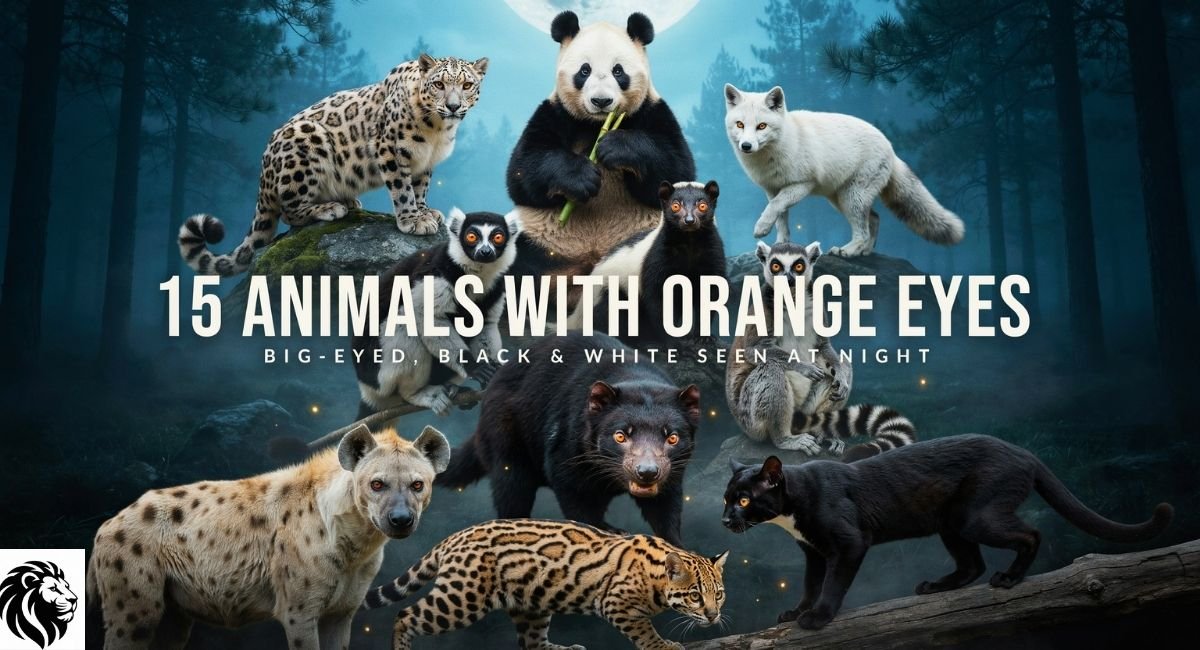
Some animals have eyes so striking that they seem almost unreal. Animals with orange eyes can display warm shades ranging from amber and copper to golden-orange, creating a fascinating contrast with their fur, feathers, or scales. Some species naturally have these eye colors, while others only appear orange when light reflects from specialized structures inside the eye. This effect becomes especially noticeable after sunset, when a flashlight or camera flash can reveal bright eye shine.
From wild cats and owls to geckos and crocodilians, these creatures show remarkable low-light vision and unique adaptations. In this guide, you’ll discover 15 fascinating species, learn why some have big orange eyes, and understand the difference between true orange irises and nighttime reflections.
What Causes Orange Eyes in Animals?
An animal’s eye color comes from several interacting biological factors. Pigments within the iris influence its visible shade, while genetics control how those pigments develop. However, orange-looking eyes can also result from reflected light rather than pigmentation.
That distinction becomes crucial when identifying wildlife. A photograph taken with a flash may transform an ordinary-looking eye into a glowing orange spot. The animal hasn’t suddenly changed color. Instead, light has interacted with specialized structures inside its eye.
Why Some Animals Have Orange or Amber Eyes
Iris pigmentation gives the eye its basic visible color. Melanin plays an important role in determining how much light gets absorbed or scattered. Genetics then influence pigment production, distribution, and other microscopic structures that create the final appearance.
Why Animal Eyes Glow Orange at Night
Many nocturnal mammals have a reflective structure called the tapetum lucidum behind the retina. It sends some incoming light back through the retina, improving vision in dim conditions. That reflection can produce the eerie orange, yellow, green, or blue eye shine you notice at night.
A flashlight or camera flash makes this effect obvious. The beam enters the eye and reaches reflective tissue before returning toward the observer. The resulting glow depends on species, viewing angle, eye structure, and even the animal’s age.
Are Orange Eyes Rare in Animals?
True orange irises are less straightforward to classify than they first appear. Some species have amber or golden eyes that look orange under warm lighting. Others show orange eyeshine despite having a different natural iris color.
That is why photographs can sometimes mislead you. True orange eyes and reflected orange light are two different things. The National Park Service explains that red foxes have bright amber eyes and a tapetum lucidum that produces noticeable eyeshine.
15 Animals With Orange Eyes at a Glance
Ye heading “animals with orange eyes” focus keyword ko naturally target karti hai aur table ke content ke liye clear bhi hai.
| # | Animal | Scientific Name | Eye Appearance | Mainly Active |
| 1 | Pallas’s Cat | Otocolobus manul | Amber to golden | Crepuscular |
| 2 | Eurasian Eagle-Owl | Bubo bubo | Bright orange | Nocturnal |
| 3 | Great Horned Owl | Bubo virginianus | Yellow to orange-yellow | Nocturnal |
| 4 | Red Fox | Vulpes vulpes | Amber to orange | Crepuscular & nocturnal |
| 5 | Bengal Cat | Felis catus | Golden, amber, or copper | Mostly crepuscular |
| 6 | Serval | Leptailurus serval | Golden to amber | Crepuscular & nocturnal |
| 7 | Caracal | Caracal caracal | Golden to amber | Mostly nocturnal |
| 8 | Fishing Cat | Prionailurus viverrinus | Golden to amber | Nocturnal |
| 9 | Ocelot | Leopardus pardalis | Amber to golden | Nocturnal |
| 10 | Geoffroy’s Cat | Leopardus geoffroyi | Golden to amber | Mostly nocturnal |
| 11 | Asian Golden Cat | Catopuma temminckii | Golden to amber | Crepuscular & nocturnal |
| 12 | Leopard Gecko | Eublepharis macularius | Golden to amber | Nocturnal |
| 13 | Tokay Gecko | Gekko gecko | Orange to reddish | Nocturnal |
| 14 | Nile Crocodile | Crocodylus niloticus | Yellowish to golden | Mostly nocturnal |
| 15 | American Alligator | Alligator mississippiensis | Yellowish with nighttime eyeshine | Mostly nocturnal |
15 Animals With Orange Eyes
The animals below represent a fascinating mix of species. Some have naturally warm-colored eyes, while others can produce orange-looking reflections. Where the distinction matters, it is explained clearly rather than treating every glowing eye as true orange pigmentation.
1. Pallas’s Cat
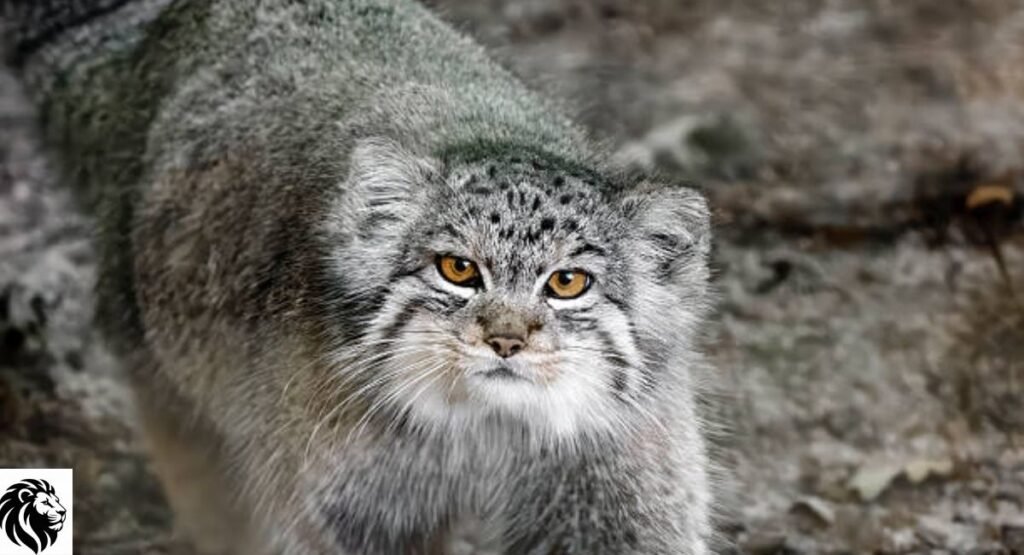
Pallas’s cat has a rounded face, dense fur, and unusually expressive eyes. Its eyes can appear golden or amber under certain conditions. This small wild cat lives across Central Asia, where its stocky body and thick coat help it withstand harsh temperatures.
2. Eurasian Eagle-Owl
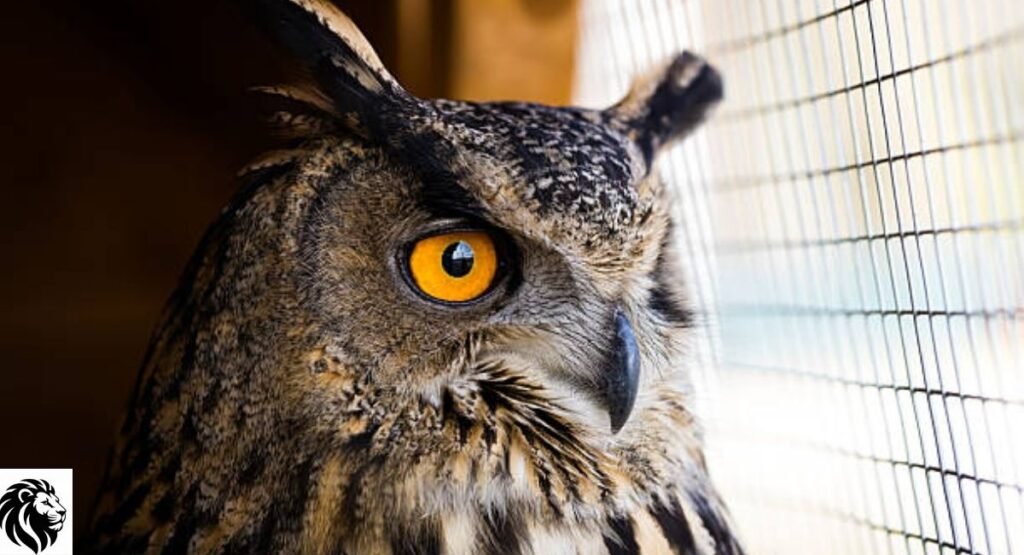
The Eurasian eagle-owl is famous for its striking orange eyes. This enormous owl hunts mainly during low-light hours, using powerful vision and hearing to locate prey. Its bold eye color creates a dramatic contrast with its facial feathers, making it one of the most recognizable orange-eyed birds.
3. Great Horned Owl
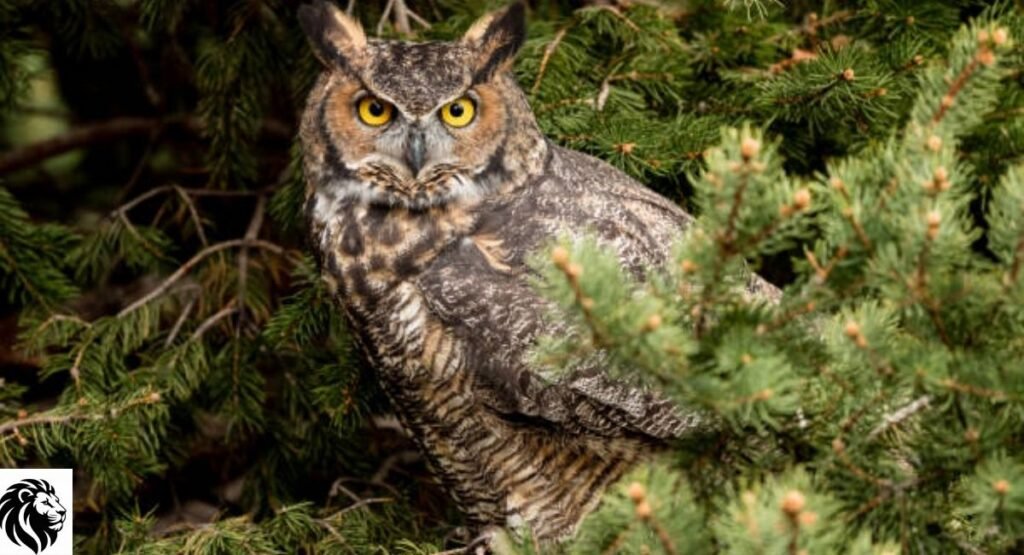
The great horned owl actually has bright yellow eyes rather than true orange irises. However, warm lighting can make them appear yellow-orange in photographs. This widespread North American owl is strongly nocturnal and has exceptionally large eyes adapted for hunting in dim conditions.
4. Red Fox
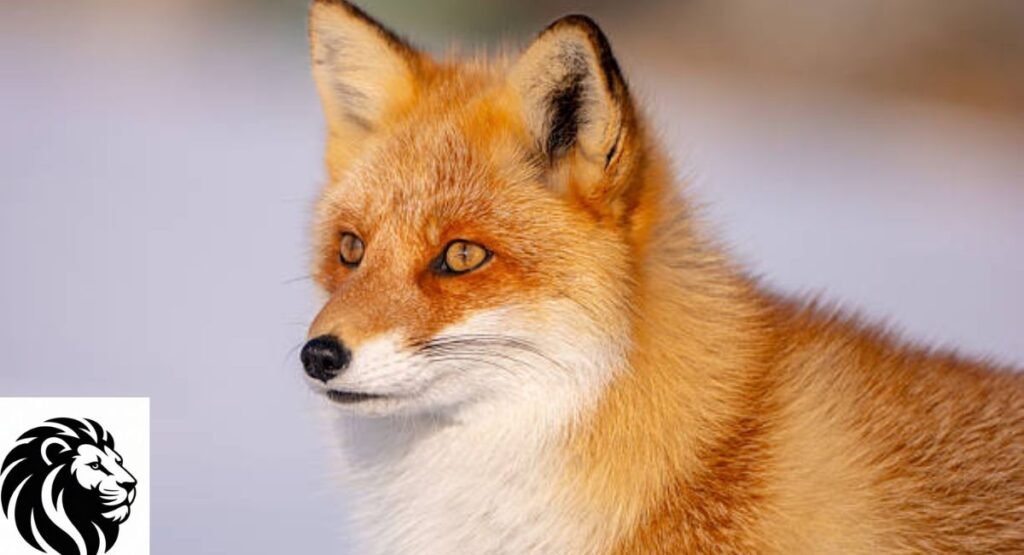
The red fox has bright amber eyes that can look distinctly orange. Its vertical pupils help regulate incoming light, while its tapetum lucidum improves low-light vision. At night, a flashlight can produce vivid orange or yellow eyeshine, making this familiar North American predator easy to notice.
5. Bengal Cat
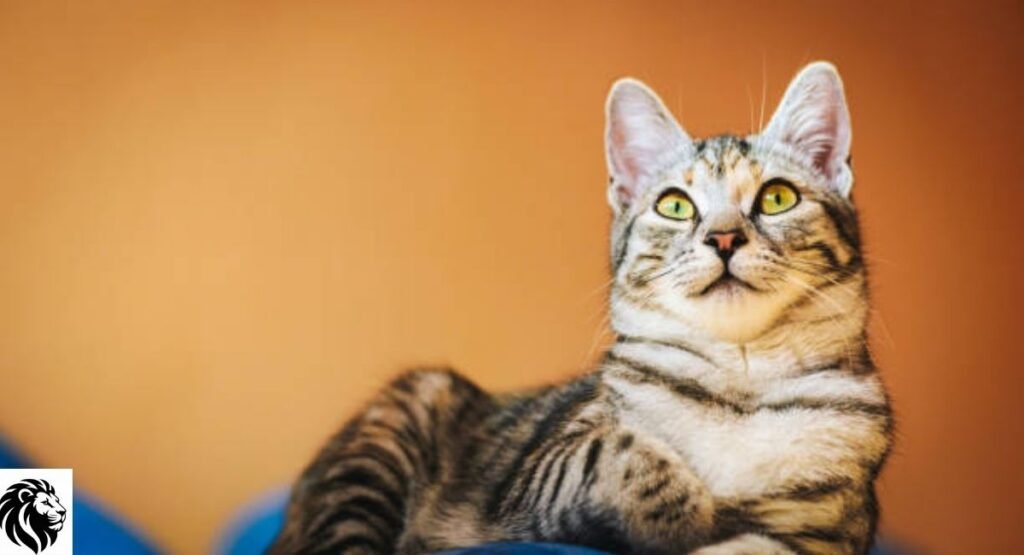
Bengal cats can have warm golden, amber, or copper-toned eyes depending on the individual. Their spotted or marbled coats make those colors especially eye-catching. Because Bengal cats are domestic animals, eye color varies considerably, so not every Bengal will have an orange-looking gaze.
6. Serval
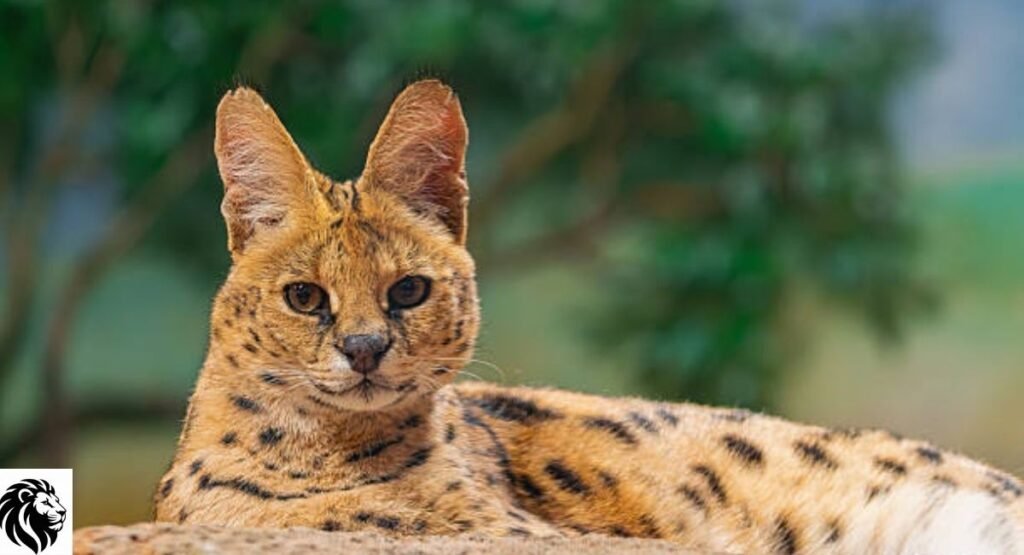
The serval is an African wild cat with long legs, oversized ears, and large expressive eyes. Its eyes commonly appear golden or amber rather than pure orange. Those large eyes suit a predator that often hunts during low-light periods across African grasslands and wetlands.
7. Caracal
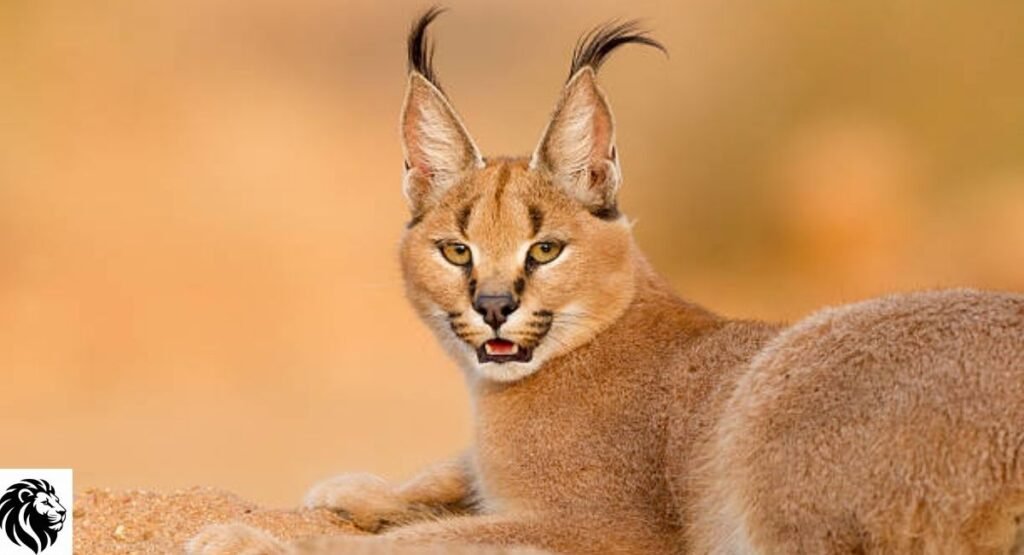
The caracal has a sleek face, distinctive black ear tufts, and warm golden eyes. Depending on lighting, those eyes may look amber or orange. This agile wild cat occurs across parts of Africa, the Middle East, and Central Asia, where it hunts birds and small mammals.
8. Fishing Cat
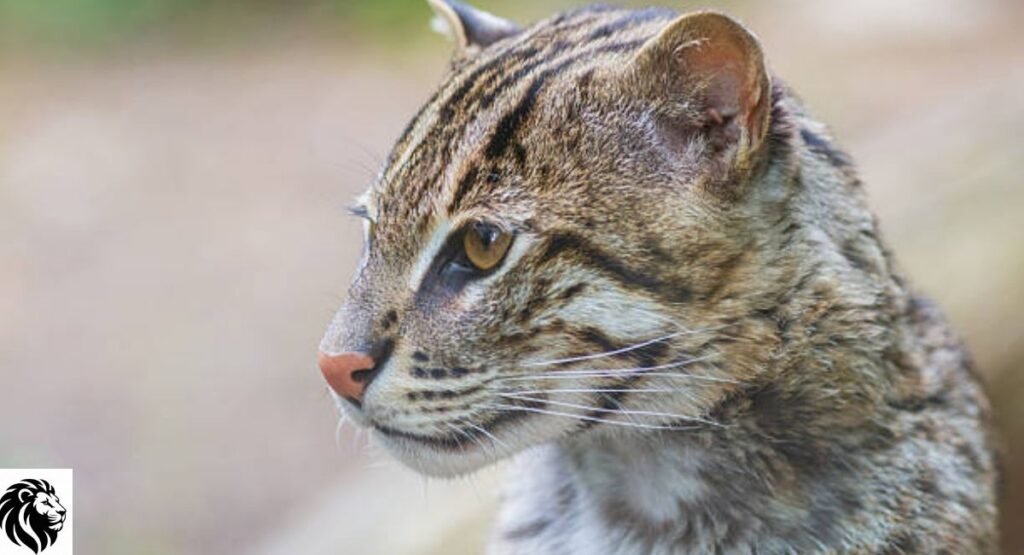
The fishing cat has a broad face, strong body, and eyes suited to its wetland lifestyle. Its eyes can appear golden or amber under natural light. Found across parts of South and Southeast Asia, this unusual feline often hunts near streams, marshes, ponds, and other water-rich habitats.
9. Ocelot
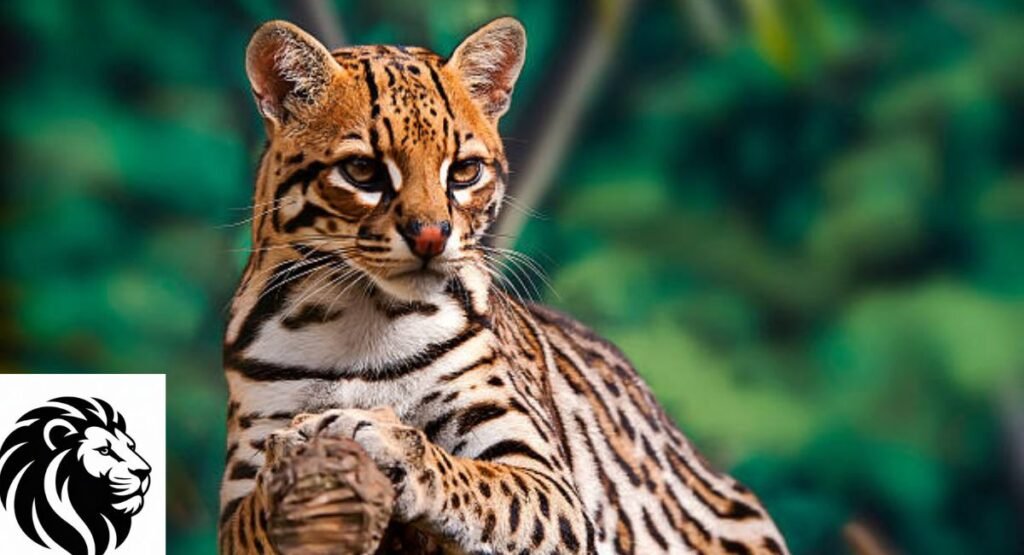
The ocelot is a beautifully patterned wild cat with large eyes that can look golden, amber, or brown. Its eyes may appear more orange under warm illumination. This mostly nocturnal predator lives across parts of the Americas and uses dense vegetation for cover while hunting.
10. Geoffroy’s Cat
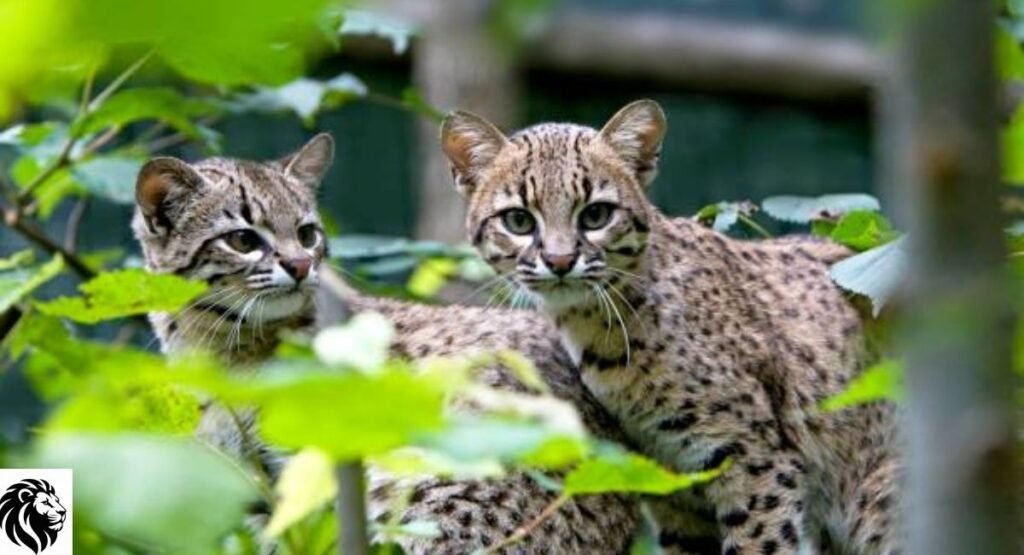
Geoffroy’s cat is a small spotted feline native to southern South America. Its eyes generally show golden or amber tones that can look orange from certain angles. The species adapts to forests, shrublands, grasslands, and other habitats, showing remarkable flexibility for such a small predator.
11. Asian Golden Cat
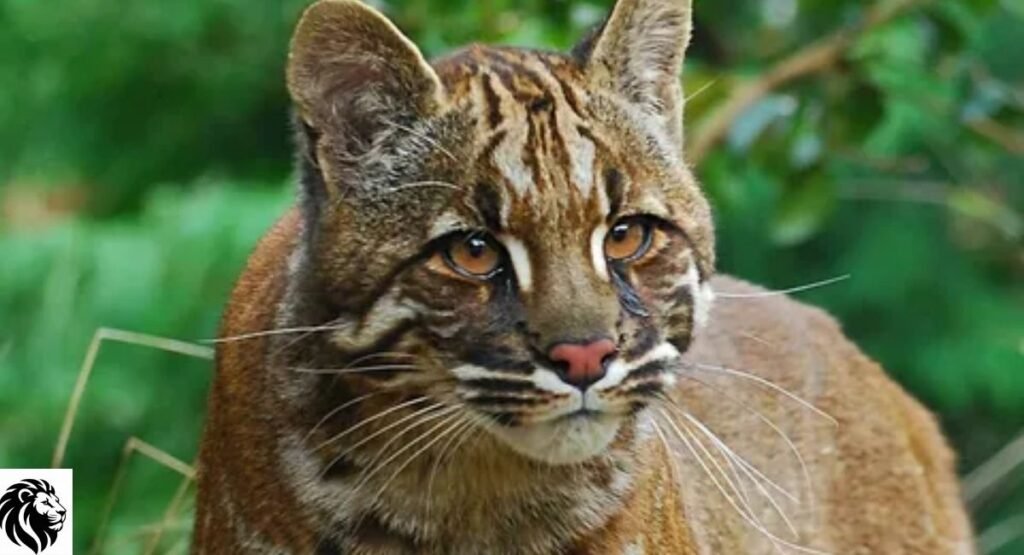
The Asian golden cat has a variable coat that can range from golden-brown to grayish or richly patterned forms. Its eyes may show warm golden or amber shades. This elusive forest cat lives across parts of South and Southeast Asia and remains difficult to observe in the wild.
12. Leopard Gecko
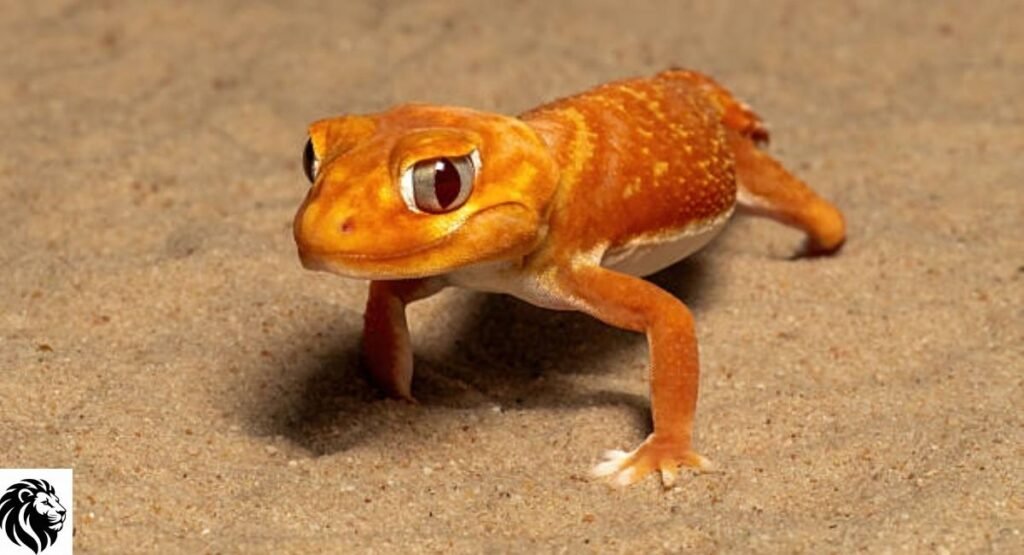
The leopard gecko has large, prominent eyes with unusual pupils and varied coloration. Some individuals can show golden, amber, or orange-brown tones. This popular reptile becomes active around dusk and night, when its large eyes help it navigate and hunt under limited light.
13. Tokay Gecko
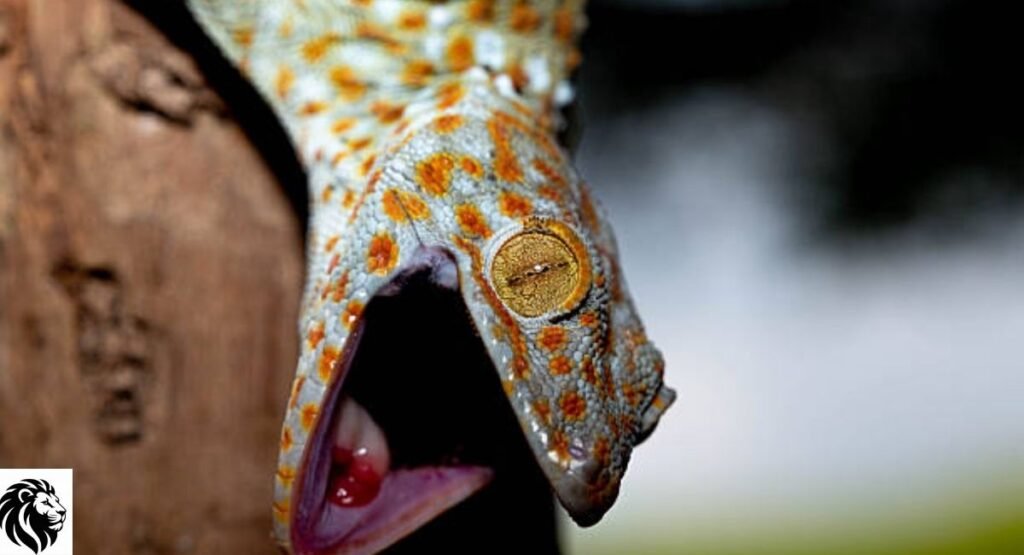
The tokay gecko has a bold appearance, with a bluish-gray body covered in orange or reddish spots. Its eyes can show orange, reddish, or golden tones depending on the individual and lighting. This nocturnal gecko relies heavily on vision while moving across trees, walls, and rocky surfaces.
14. Nile Crocodile
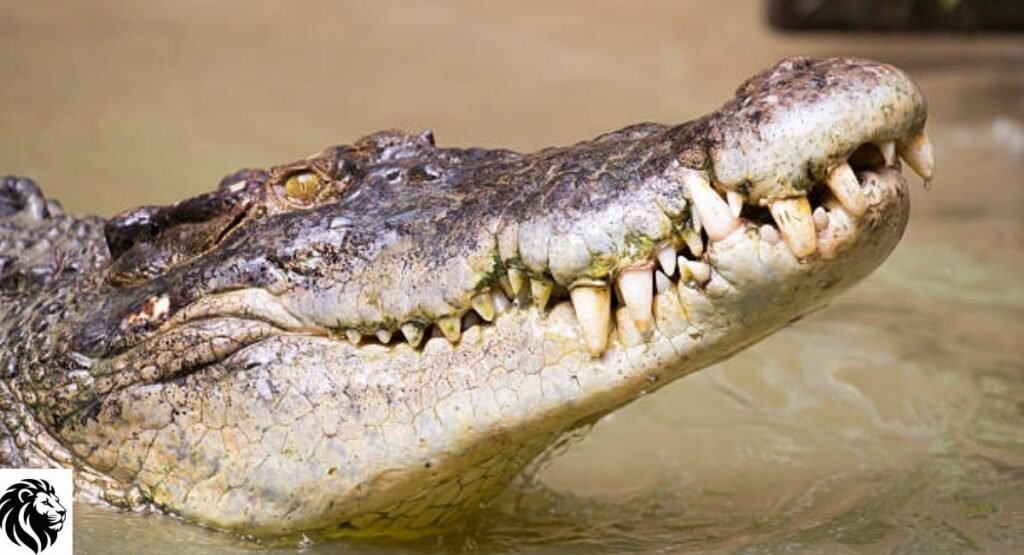
The Nile crocodile has eyes positioned high on its head, allowing it to observe surroundings while remaining mostly submerged. Its eyes can produce strong golden or orange-looking reflections at night. This large African reptile uses its aquatic habitat strategically while waiting for prey to approach.
15. American Alligator
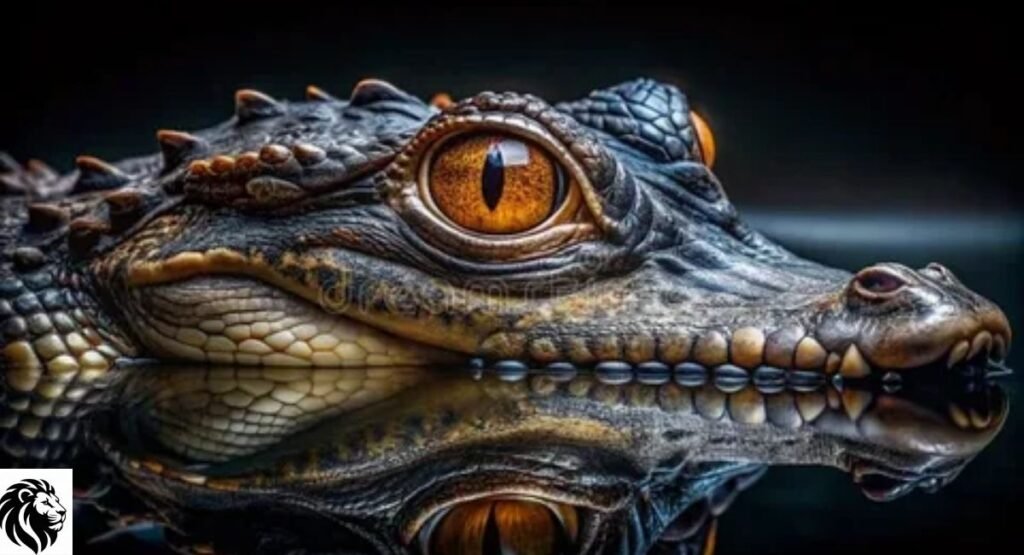
The American alligator is one of the best-known reptiles in the southeastern United States. Its natural eye color is not simply bright orange, but nighttime reflections can create a striking orange or reddish glow. A flashlight can therefore reveal several glowing eyes across a dark pond.
Animals With Big Orange Eyes
Large eyes can make an animal look almost cartoonish. Yet that appearance often serves a serious biological purpose. Bigger eyes can help certain species collect more available light, especially when they remain active after sunset.
Which Animals Have the Biggest Orange Eyes?
Owls, cats, and geckos are among the most visually impressive examples. Big orange eyes are especially noticeable when an animal has a small head or dark facial markings. However, eye size should be judged relative to body size rather than by appearance alone.
Why Do Some Animals Have Big Eyes?
Large eyes can collect more light and support vision when illumination is scarce. Nocturnal predators benefit from this adaptation when tracking prey after sunset. Owls provide an excellent example because their huge, forward-facing eyes support precise vision during nighttime hunting.
Animals With Orange Eyes at Night
Night changes the entire visual experience. A fox crossing a road may seem ordinary until headlights reveal two glowing eyes. That orange flash isn’t necessarily the animal’s natural iris color. Often, you’re seeing reflected light from specialized eye anatomy.
Why Do Animal Eyes Glow in Darkness?
The tapetum lucidum acts somewhat like a biological mirror. It reflects incoming light back through the retina, giving photoreceptors another opportunity to use it. This adaptation can improve low-light vision while producing the familiar eyeshine seen in many nocturnal animals.
Orange Eye Shine vs True Orange Eyes
A crucial distinction exists between an animal with naturally orange irises and one producing orange eyeshine. Orange eye shine depends on reflected light, while iris color comes from the eye’s pigmentation and structure. A photograph alone may not reveal which effect you’re seeing.
Black and White Animals With Orange Eyes
Black-and-white coats create a powerful visual contrast. When warm-colored eyes appear against those patterns, the face can look unusually vivid. Still, the eye color may range from amber to copper, and photographs can exaggerate the orange effect.
Black-and-White Cats
Black-and-white domestic cats can have amber, copper, or orange-looking eyes. Their dark patches often make warm eyes seem brighter than they really are. This is a simple example of visual contrast, where surrounding colors influence how strongly you perceive the eye’s shade.
Other Black-and-White Animals
Other animals may appear black and white because of their natural markings, facial patterns, or photography conditions. Their eyes can reflect orange, yellow, or green depending on the species. Lighting conditions can dramatically alter the final appearance, especially in nighttime photographs.
Orange, Amber, Copper, or Golden Eyes: What’s the Difference?
These labels describe closely related warm colors rather than rigid scientific categories. An eye can look amber in sunlight and orange beneath artificial lighting. Therefore, color descriptions should remain flexible when identifying wildlife from photographs.
| Eye Color | Typical Appearance | How It Can Look |
| Orange | Strong warm orange | Bright and vivid |
| Amber | Yellow-orange | Honey-like |
| Copper | Deep reddish-orange | Metallic or rich |
| Golden | Yellow-gold | Bright and reflective |
| Reddish-orange | Red mixed with orange | Often stronger in photographs |
Can an Animal’s Eye Color Change?
Eye appearance isn’t always fixed from birth to old age. Some animals experience changes as they mature, while lighting can temporarily alter the shade you perceive. Sudden changes, however, can have a different meaning and shouldn’t automatically be treated as normal variation.
Changes With Age
Young animals can have eyes that differ from adults. Pigment development may change how the iris appears as an animal matures. In other cases, the underlying color remains similar while the surrounding facial features change, making the eyes seem more prominent.
Changes With Lighting
Sunlight, shade, flash, and darkness can make the same eyes look dramatically different. A camera flash is particularly deceptive because it can trigger strong eyes reflect light effects. Viewing angle also influences how much reflected light reaches the observer.
Changes Caused by Health Problems
A sudden change in eye color, cloudiness, swelling, or an unusual pupil can signal a health problem. Natural variation usually develops gradually. If you observe a wild or captive animal with an obvious abnormal eye, avoid handling it and contact a qualified wildlife professional when appropriate.
Why Are Orange Eyes Useful to Animals?
Eye color itself isn’t always an adaptation with a direct survival function. Instead, the anatomy behind vision often matters more. Low-light vision, pupil shape, retinal structure, and reflective tissue can give animals advantages in their particular environments.
Predators may benefit from improved vision while hunting at dusk. Prey species can also need excellent night vision to detect danger. In this sense, the real story behind warm-colored eyes is often much deeper than appearance alone.
Orange-Eyed Animals vs Red-Eyed Animals
Orange and red eyes can look surprisingly similar in photographs. Yet they may arise from different pigmentation or reflection patterns. That’s why wildlife identification should consider the whole animal rather than relying on one dramatic facial feature.
| Feature | Orange Eyes | Red Eyes |
| Main appearance | Orange, amber, copper | Red or pinkish |
| Common cause | Pigmentation/reflection | Pigmentation or reflection |
| Common in | Several mammals, reptiles, birds | Certain genetic variations and nocturnal reflections |
| Night appearance | May glow orange | May glow red |
How to Identify an Animal With Orange Eyes
Eye color provides a useful clue, but it rarely identifies a species by itself. You can improve accuracy by examining the animal’s body shape, habitat, behavior, markings, and geographic location.
Look at the Whole Animal
Start with the complete animal rather than zooming directly into its eyes. Check its coat, feathers, scales, ears, tail, body size, and facial markings. Animal identification becomes far easier when several physical clues point toward the same species.
Check the Eyes in Different Lighting
Compare photographs taken in daylight with those captured after dark. If the eye changes dramatically under a flash, you’re probably seeing reflected eyeshine rather than a completely different iris color. Natural daylight usually gives you a better idea of true eye pigmentation.
Use Habitat and Behavior
Location can narrow your choices quickly. A nighttime animal in Florida won’t necessarily be the same species as one photographed in Arizona or Alaska. Consider whether the animal is nocturnal, aquatic, arboreal, or associated with forests, wetlands, deserts, or grasslands.
Conclusion
The world of animals with orange eyes is more complicated than it first appears. Some species have naturally warm amber or orange irises, while others seem orange because their eyes reflect light in darkness. That difference makes wildlife photography especially fascinating.
From the Eurasian eagle-owl and red fox to the leopard gecko and American alligator, these animals show how varied eye anatomy can be. So next time you spot glowing eyes at night, look beyond the color. The real story may be hiding inside the animal’s remarkable visual system.
FAQs
What animal has naturally orange eyes?
The Eurasian eagle-owl is one of the clearest examples of an animal known for striking orange eyes. Some other species have amber or golden eyes that can appear orange under particular lighting.
What animal has big orange eyes?
Several owls, cats, and geckos have conspicuously large eyes with warm golden, amber, or orange-looking tones. Owls are especially notable because their eyes are enormous relative to their heads.
Why do some animals have orange eyes at night?
Orange eyes at night can result from reflected light inside the eye. A structure called the tapetum lucidum can create bright eyeshine when headlights, flashlights, or camera flashes illuminate the animal.
What black-and-white animal has orange eyes?
Some black-and-white domestic cats can have amber, copper, or orange-looking eyes. The strong contrast between their coat and eyes makes the warm color appear even more vivid.
Do orange eyes mean an animal is nocturnal?
No. Orange eye color doesn’t automatically indicate nocturnal behavior. Some animals have naturally warm-colored irises, while others only show orange eyeshine when light reaches their eyes after dark.

Welcome to natureanimalhub! I’m Anam Sattar, an AI Powered SEO, and Content Writer with 4 years of experirnce.
I help websites rank higher,grow traffic, and look amazing. My goal is to make SEO and web design simple and effective for everyone.
Let’s achieve more together!
1 thought on “15 Animals With Orange Eyes: Big-Eyed, Black & White Seen at Night”