

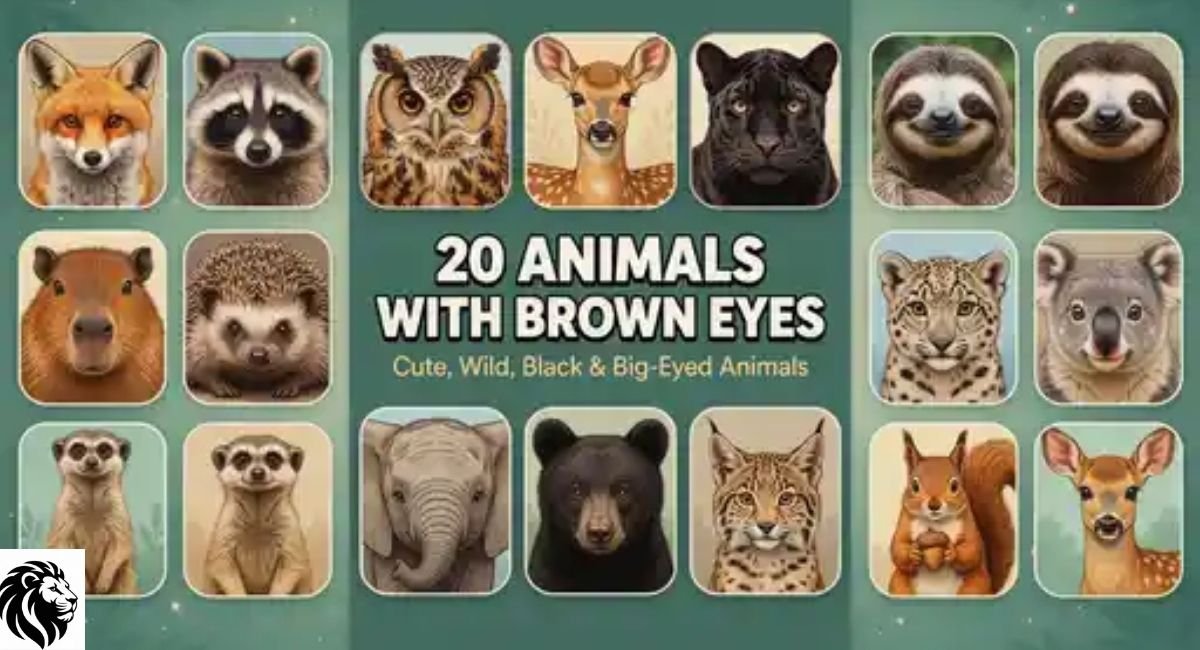
Have you ever noticed how warm and expressive an animal’s eyes can look? Animals With Brown Eyes are found everywhere, from friendly dogs and horses to wild deer, foxes, bears, and wolves. Brown eyes can appear in many shades, including chocolate, chestnut, honey, and deep brown. Sunlight can make these colors look even warmer and more striking. But there’s more to brown eyes than beauty. Their appearance comes from eye pigmentation, genetics, and the structure of the iris.
Some animals also have specialized animal vision that helps them see in dim conditions. In this guide, you’ll discover fascinating examples of brown-eyed animals, their unique adaptations, and why their eyes can look different under sunlight.
15 Animals With Brown Eyes
These fifteen examples show just how varied brown eyes can look. Some appear warm and golden, while others seem almost black. The difference often becomes easier to notice under natural daylight.
| Animal | Typical eye appearance | Notable visual feature |
| Deer | Dark brown | Wide field of view |
| Horse | Dark brown | Large eyes and broad vision |
| Dog | Brown to dark brown | Strong low-light adaptation |
| Cat | Brown, amber, or copper | Excellent dim-light vision |
| Cow | Dark brown | Wide peripheral awareness |
| Goat | Brown | Horizontal pupils |
| Rabbit | Brown | Large, prominent eyes |
| Fox | Brown to amber-brown | Low-light adaptations |
| Wolf | Brown or golden-brown | Strong distance awareness |
| Bear | Dark brown | Sensitive vision |
| Elephant | Dark brown | Protective eyelashes |
| Gorilla | Dark brown | Forward-facing eyes |
| Tiger | Golden-brown to amber | Excellent visual sensitivity |
| Squirrel | Dark brown | Alert, prominent eyes |
| Raccoon | Dark brown | Night-active visual system |
1. Deer
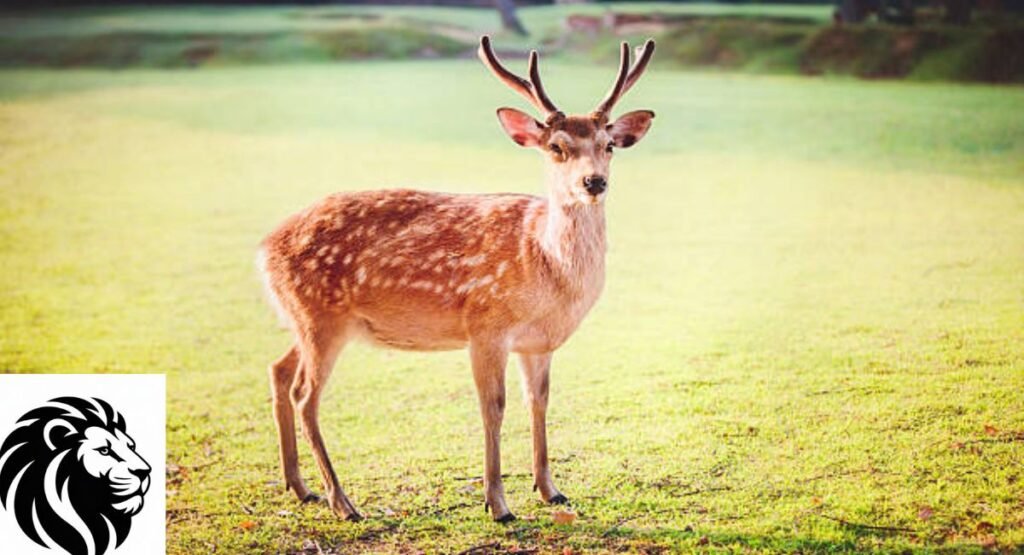
Deer have expressive eyes that usually appear deep brown or nearly black from a distance. Their eyes sit toward the sides of the head, giving them a broad visual field. This arrangement helps them notice movement around them while feeding in forests, fields, and woodland edges.
2. Horse
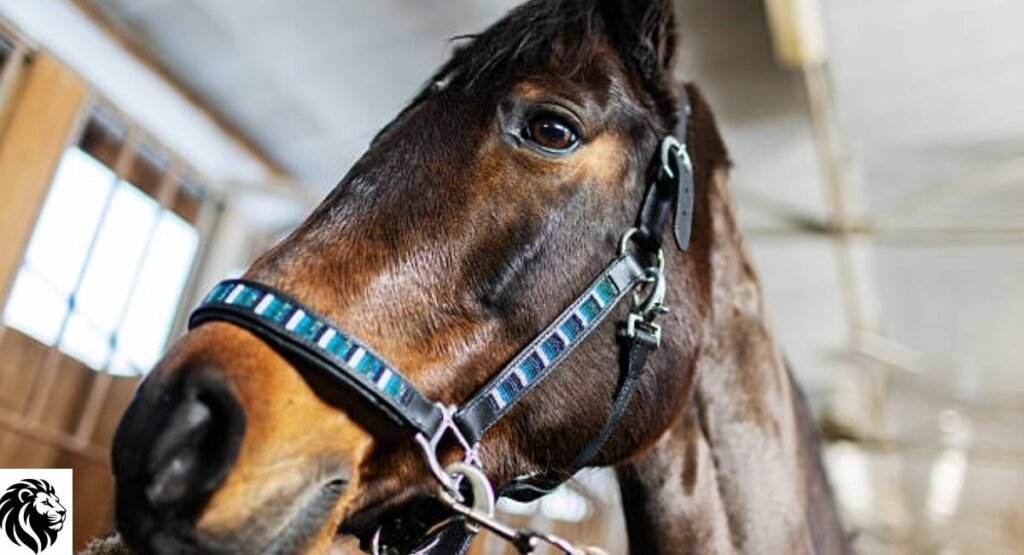
A horse usually has a dark brown iris that can look almost black in shade. Its enormous eyes are among the largest of terrestrial mammals. Horses also possess a tapetum lucidum, which helps their vision under dim conditions.
3. Dog

Dogs commonly have brown eyes, although the exact shade varies by breed and genetics. Some have soft hazel-brown eyes, while others show rich chocolate tones. Their eyes also contain a reflective layer that can produce colorful eye shine when illuminated at night.
4. Cat
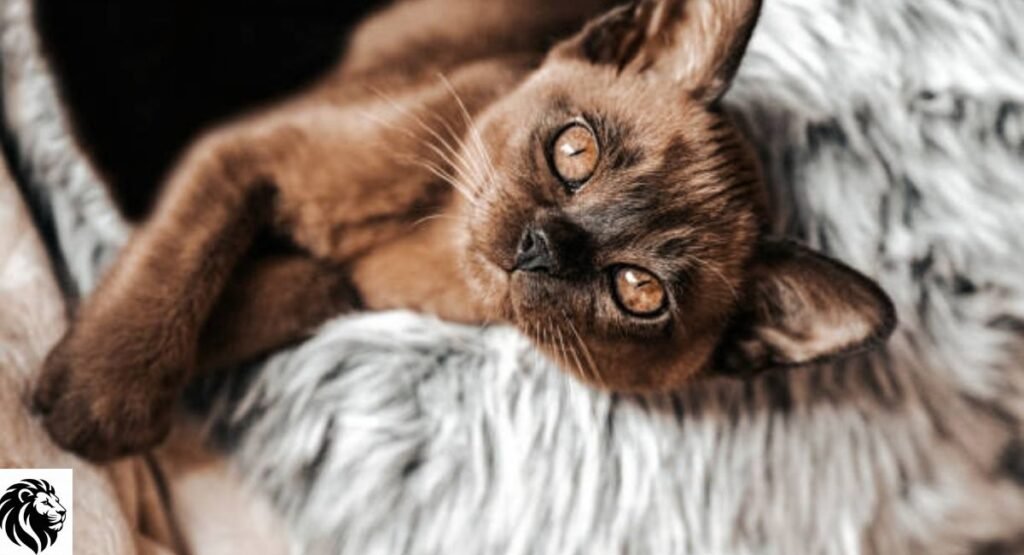
Cats can have brown-looking eyes, although amber and copper shades are often more common descriptions. Their dark pupils make the surrounding iris especially striking. Because cats have a reflective tapetum lucidum, their eyes can shine brightly when headlights or flashlights hit them.
5. Cow
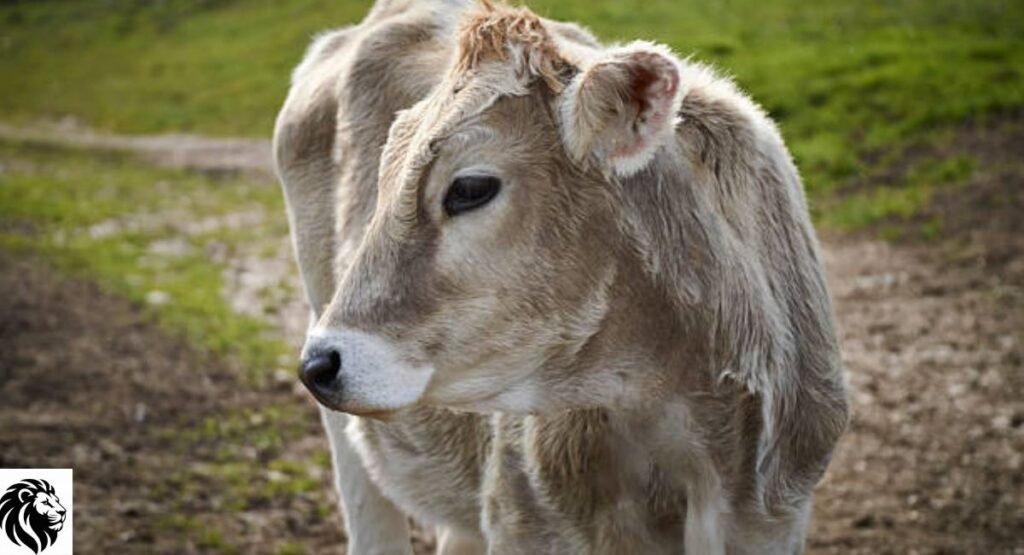
Cows commonly have dark brown eyes that contrast beautifully with their coats. Their eyes also have adaptations suited to grazing and outdoor life. Like several other hoofed mammals, cattle possess a reflective tapetum that supports vision when light levels fall.
6. Goat
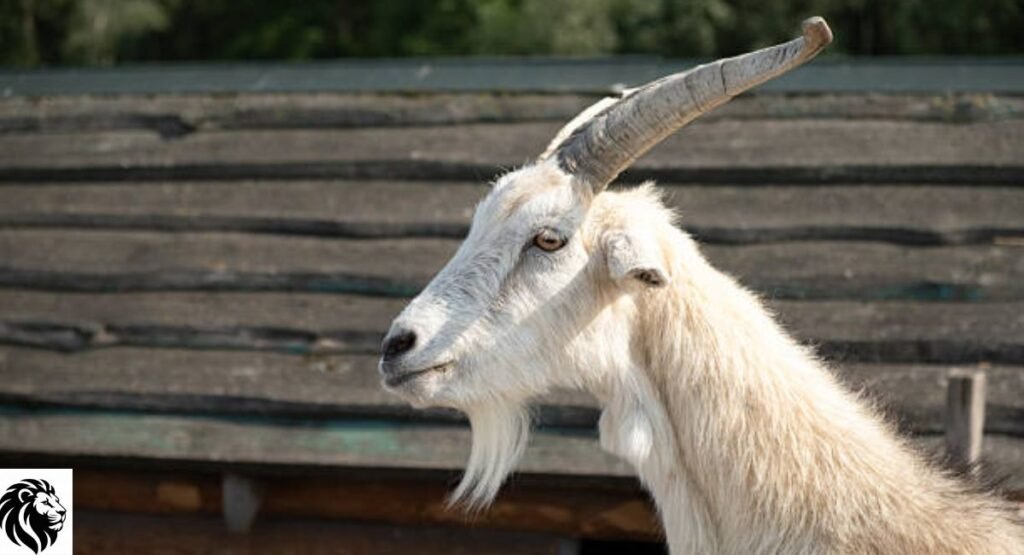
Goats often have brown eyes paired with unusual horizontal pupils. That pupil shape gives them a broad view across the ground around them. Such vision can help grazing animals monitor their surroundings while eating. Their eyes can therefore look both gentle and remarkably distinctive.
7. Rabbit
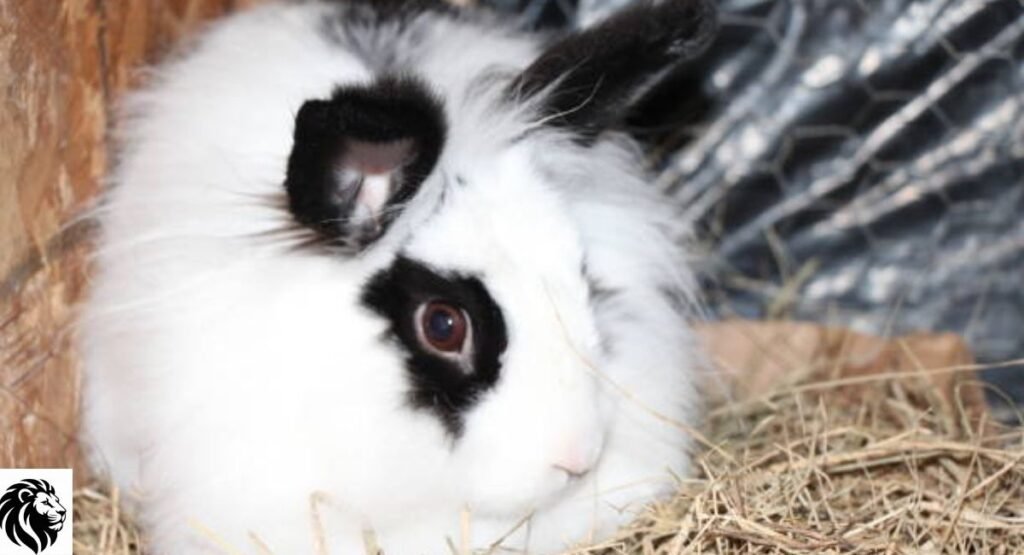
Rabbits can have warm brown eyes that look especially large because of their facial proportions. Their prominent eyes provide a wide field of awareness. Brown-eyed rabbits can appear particularly cute because the iris contrasts softly with white, gray, brown, or patterned fur.
8. Fox
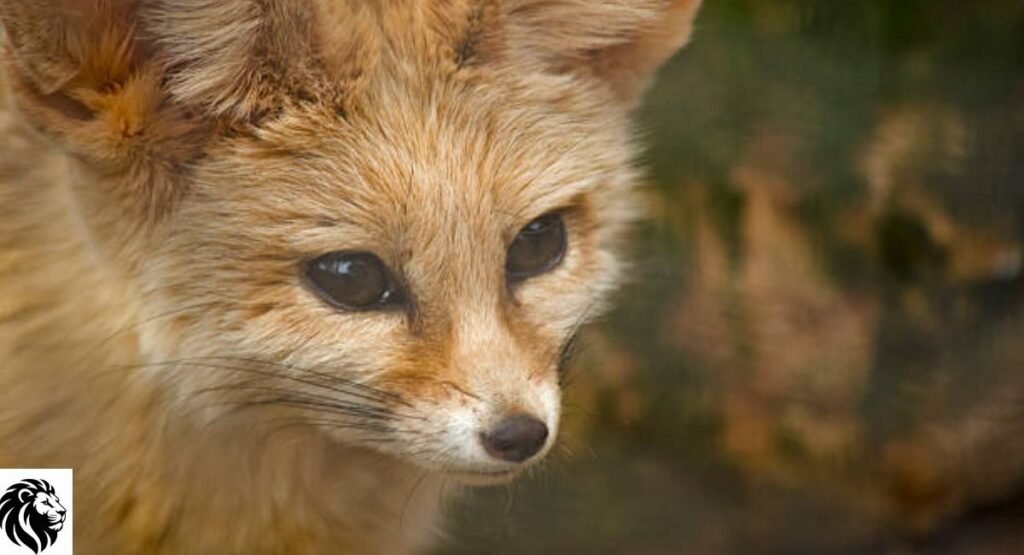
Foxes may show brown, amber-brown, or darker-looking eyes depending on the species and lighting. The red fox is especially well adapted to changing light conditions. Its visual system supports activity during dusk and nighttime, when detecting movement becomes especially important.
9. Wolf
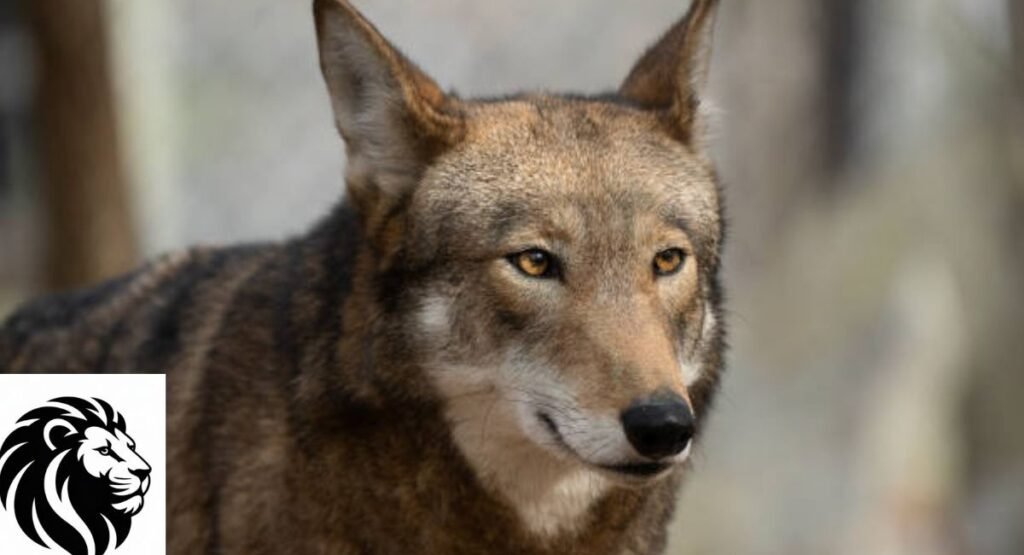
Wolves can display brown or golden-brown looking eyes, although eye appearance varies with the individual and lighting. Their forward-facing eyes support depth perception and help them judge distance. In the wild, strong visual awareness works alongside hearing and smell.
10. Bear
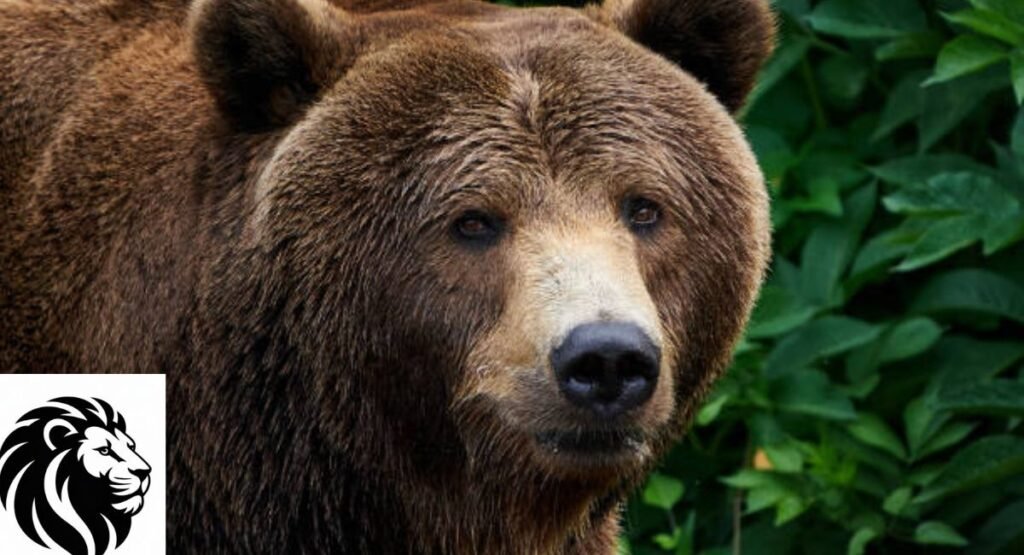
Bears generally have dark eyes that can reveal brown tones in good light. Their eyes may appear almost black when viewed from far away. Bears rely on several senses, including vision, while moving through forests, mountains, rivers, and open habitats.
11. Elephant
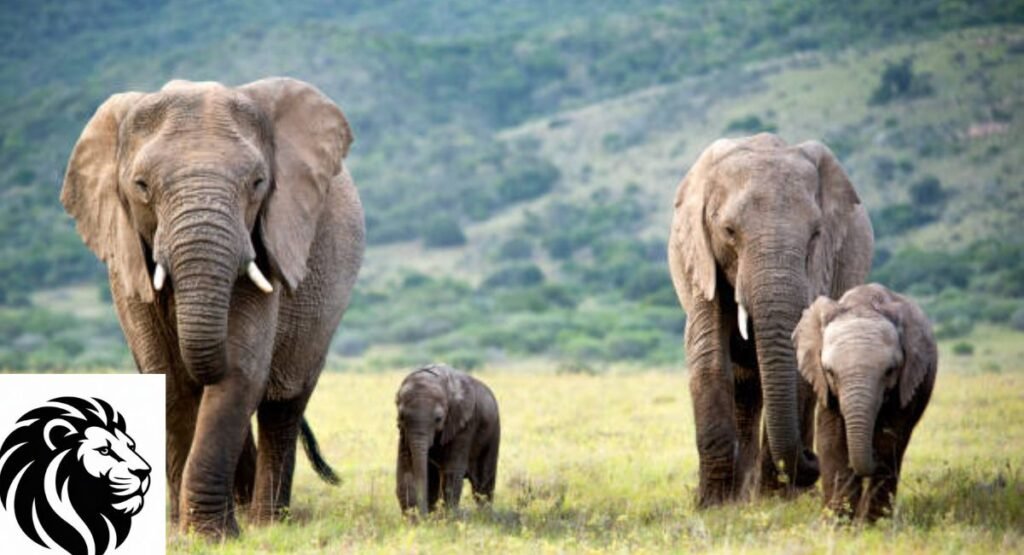
Elephant eyes look surprisingly small beside their enormous heads. Their irises commonly appear dark brown. Long eyelashes help protect the eyes from dust, debris, and intense environmental conditions. Their visual system works with their excellent hearing, smell, and tactile sensitivity.
12. Gorilla
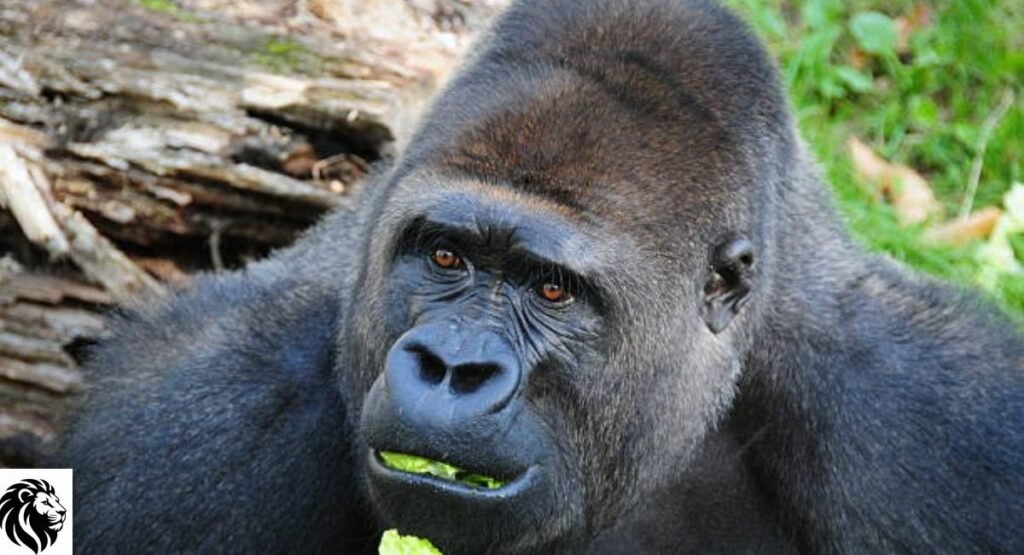
Gorillas typically have very dark brown eyes that can look black against their facial features. Their forward-facing eyes support depth perception. This matters when navigating dense vegetation, climbing, handling food, and interacting closely with members of their social group.
13. Tiger
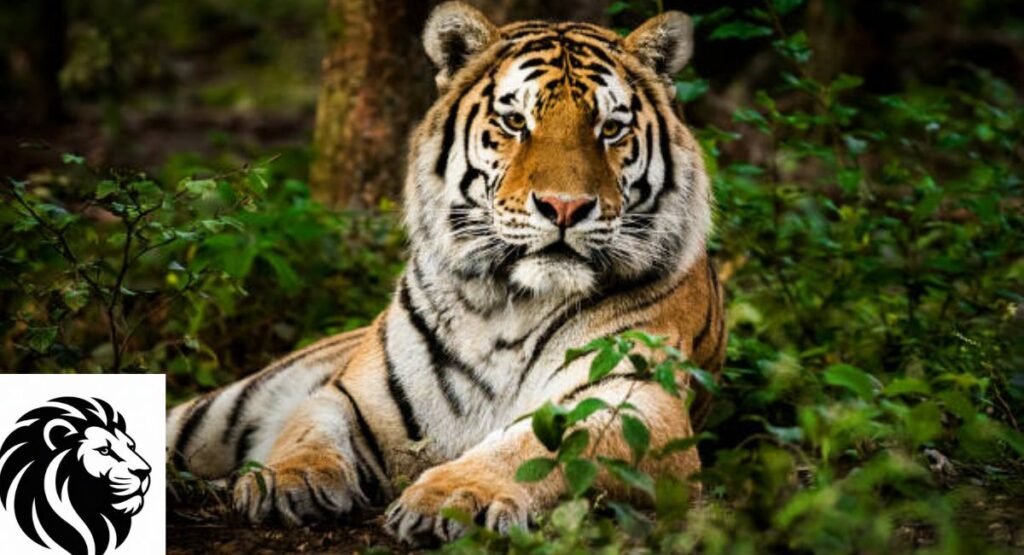
Tiger eyes are often described as golden, amber, or yellowish-brown rather than simple chocolate brown. Lighting can strongly affect their appearance. Their eyes also contain a reflective structure that helps them function effectively during periods of low light.
14. Squirrel
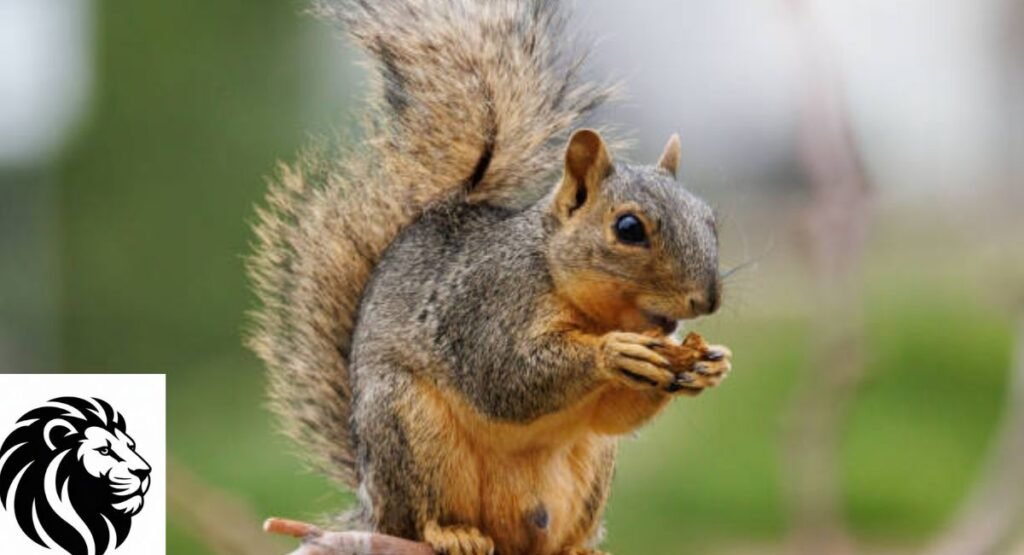
Squirrels usually have dark brown eyes that look large compared with their small faces. Their alert expression suits their fast-moving lifestyle. They constantly scan their surroundings while climbing trees, searching for food, crossing open ground, or watching for predators.
15. Raccoon
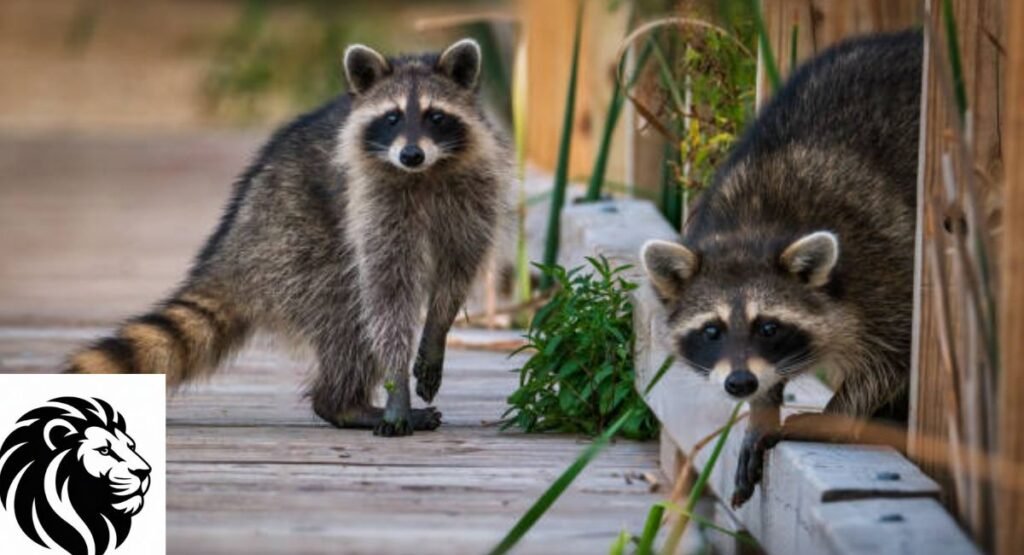
Raccoons have dark eyes that commonly appear brown or almost black. Their nighttime lifestyle makes visual sensitivity particularly useful. A reflective layer behind the retina contributes to their characteristic eyeshine when a flashlight or camera light catches them after dark.
Cute Animals With Brown Eyes
Some animals seem especially adorable because of their eye size, facial shape, and gentle expressions. Cute animals such as rabbits, puppies, kittens, and squirrels often have prominent eyes that create a youthful appearance. Brown irises can add warmth to that expression.
Small and Adorable Animals With Brown Eyes
Small mammals often have eyes that look oversized compared with their faces. Rabbits and squirrels are good examples. Puppies and kittens can look even more expressive because their developing facial proportions emphasize the eyes. However, cuteness comes from several features rather than eye color alone.
Cute Animals With Big Brown Eyes
Big eyes naturally attract human attention because they create strong facial contrast. A rabbit with large brown eyes can therefore look especially gentle. Puppies, kittens, deer, and squirrels produce a similar effect. Their eye-to-face ratio often matters more than the exact shade of brown.
Wild Animals With Brown Eyes
Wildlife offers some of the most fascinating examples of dark and brown-looking irises. Deer, foxes, wolves, bears, raccoons, and many other mammals use highly specialized eyes for their environments. Their vision must work alongside other senses to support survival.
Forest Animals With Brown Eyes
Forest habitats create constantly changing light, from bright gaps in the canopy to deep shade. Deer, squirrels, foxes, raccoons, and bears navigate these conditions with specialized visual systems. Many also have reflective structures that improve sensitivity when daylight fades.
Large Wild Animals With Brown Eyes
Large mammals can have surprisingly dark eyes despite their enormous bodies. Elephants, bears, gorillas, and deer demonstrate this contrast particularly well. Their eyes don’t need to match body size because visual performance depends on anatomy, neural processing, and habitat rather than overall body mass.
Black Animals With Brown Eyes
Dark fur can make brown irises appear brighter by creating strong contrast around the face. However, extremely dark eyes may also look completely black from a distance. Photography makes this effect even stronger when pupils expand in dim conditions.
Black Cats With Brown Eyes
Black cats can show warm brown, amber, copper, or golden-looking eyes. Their dark coats provide a dramatic backdrop that makes subtle iris tones easier to notice. Still, true brown should not automatically be confused with amber or copper because feline eye colors vary considerably.
Black Dogs With Brown Eyes
Many black-coated dogs have brown eyes ranging from soft hazel to deep chocolate. Their eye color depends on inherited pigmentation rather than coat color alone. In bright sunlight, the iris may reveal warmer tones that remain difficult to see indoors.
Black Wild Animals With Brown Eyes
Some dark-coated wild mammals can have eyes that appear brown under strong natural light. The distinction matters because an iris may look black when its pigmentation is extremely dense. Shadows, pupil size, and camera exposure can also change the apparent color.
Animals With Big Brown Eyes
Large eyes can make an animal look unusually expressive. Yet eye size has biological purposes beyond appearance. It can relate to light gathering, habitat, pupil structure, and visual demands. Big brown eyes therefore combine striking appearance with useful adaptations.
Animals With Naturally Large Eyes
Horses have remarkably large eyes, while rabbits and deer also have prominent eyes relative to their faces. These structures serve different purposes across species. A large eye doesn’t automatically mean sharper vision. Instead, its value depends on the entire visual system.
Why Do Some Animals Have Big Brown Eyes?
Some animals benefit from eyes that gather substantial amounts of light. Others gain advantages from broad visual fields or specialized retinal structures. No single explanation fits every species. Evolution shapes eye size according to habitat, behavior, predators, food sources, and daily activity patterns.
Animals With Dark Brown Eyes
Dark brown eyes contain enough pigmentation to appear chocolate, espresso, or almost black. In many mammals, brown or darkly pigmented irises are widespread. Researchers also note that wild animals often show less individual eye-color variation than domesticated species.
Mammals With Dark Brown Eyes
Deer, horses, cattle, elephants, gorillas, squirrels, and many dogs can display deep brown eyes. Their irises may absorb substantial amounts of incoming light because of pigmentation. As a result, the visible iris can look much darker than lighter brown or amber eyes.
Animals With Nearly Black-Brown Eyes
Very dark brown eyes can be difficult to separate from the pupil without close inspection. Strong pigmentation reduces the visible contrast between iris and pupil. Dim lighting makes the effect stronger because pupils expand and occupy more of the visible eye.
Animals With Light Brown Eyes
Light brown eyes can contain warm shades resembling honey, caramel, chestnut, or toasted amber. Sunlight often reveals these undertones. Still, a lighter appearance doesn’t necessarily indicate a different biological eye system. It can simply reflect pigmentation and viewing conditions.
Animals With Golden or Light Brown Eyes
Some animals have eyes that shift visually between brown and golden shades. Tigers and certain domestic animals provide familiar examples. The boundary between light brown eyes and amber can be subjective, especially when photographs use warm lighting or strong exposure.
Light Brown Eyes vs. Dark Brown Eyes
The main visible difference comes from pigmentation and how much light reaches or reflects from the iris. Dark brown eyes absorb more light and appear richer. Light brown eyes reveal more warm tones. Sunlight can make either shade appear more luminous.
| Eye appearance | Common visual description | Effect of strong light |
| Dark brown | Chocolate or espresso | Warm highlights may appear |
| Medium brown | Chestnut or walnut | Iris details become clearer |
| Light brown | Honey or caramel | Golden tones become stronger |
| Amber-brown | Golden or coppery | Can appear especially bright |
Animals With Brown Eyes in the Sun
Sunlight can transform the appearance of an animal’s eyes without changing their actual pigmentation. Bright conditions constrict the pupil. That exposes more of the iris, making its natural brown tones easier to see.
Why Brown Eyes Look Different in Sunlight
When bright light enters the eye, the iris muscles reduce pupil size. More of the colored iris becomes visible around the smaller pupil. Reflections from the cornea can also create bright highlights. Consequently, dark brown eyes may suddenly look honey-colored or golden.
Brown Eyes in Bright vs. Soft Light
Direct sunlight produces stronger highlights and sharper contrasts. Soft daylight creates gentler reflections and usually shows more subtle tones. Indoor lighting can make the same eyes appear considerably darker. This explains why photographs of one animal can show several apparently different eye colors.
Why Do So Many Animals Have Brown Eyes?
Brown pigmentation is widespread among mammals because melanin strongly influences iris coloration. In mammals, darkly pigmented irises are common. Researchers also emphasize that the evolutionary history and function of animal eye coloration remain more complex than simply assigning colors to species.
Brown can also blend naturally with many animal faces. In addition, strong pigmentation may reduce the amount of stray light within the eye. Still, scientists don’t consider brown eye color a universal adaptation with one single purpose across every animal.
What Determines an Animal’s Eye Color?
Genetics play a major role in determining iris pigmentation. Melanin concentration, distribution, iris structure, species, age, and inherited traits can all influence appearance. The iris itself controls pupil size, changing how much light enters the eye.
Eye color also isn’t always as straightforward as a simple label suggests. A brown iris may contain subtle amber or golden tones. Meanwhile, reflective tissue behind the retina can create colorful eyeshine that looks unrelated to the iris itself.
Do Animals With Brown Eyes See Better?
Brown eyes don’t automatically give an animal better vision. Visual ability depends on the retina, photoreceptors, pupil shape, eye placement, brain processing, and adaptations for different light levels. Therefore, eye color alone tells you very little about visual sharpness.
For example, many nocturnal mammals have a tapetum lucidum that reflects light back toward photoreceptors. This gives incoming light another opportunity to stimulate the retina. However, the same adaptation can reduce visual acuity because reflected light can slightly interfere with image sharpness.
Brown Eyes vs. Blue, Green, and Amber Eyes in Animals
Animal eye colors span a surprisingly broad spectrum. Brown generally reflects stronger iris pigmentation, while blue can result from much lower visible melanin and light scattering. Amber and green appearances involve different combinations of pigmentation and optical effects.
| Eye color | General appearance | What affects the appearance |
| Brown | Warm to deep chocolate | Higher iris pigmentation |
| Blue | Pale to deep blue | Low visible pigmentation and light scattering |
| Green | Green to yellow-green | Pigmentation and optical effects |
| Amber | Gold to copper | Pigmentation and reflected light |
| Dark brown | Chocolate to nearly black | Dense pigmentation |
These categories aren’t always perfectly separated. An animal photographed under sunlight may appear amber even when its eyes look brown indoors. Camera exposure, reflections, pupil size, and surrounding fur can all alter perceived color.
Conclusion
Brown eyes are one of the most common and beautiful features found across the animal world. From gentle deer and playful dogs to powerful tigers and huge elephants, many species have warm brown, dark brown, or golden-looking eyes. Their appearance can change in sunlight, shade, or photographs. Genetics and eye pigmentation also play an important role in creating these different shades.
However, eye color doesn’t tell the whole story about animal vision. Pupil shape, retinal structure, habitat, and light sensitivity also matter. Whether you love cute pets or wild creatures, animals with brown eyes offer a fascinating look at nature’s incredible variety and the clever adaptations that help animals survive.
FAQs
What animals have brown eyes?
Dogs, cats, deer, horses, cows, goats, foxes, bears, and many other animals can have brown eyes.
What animals have big brown eyes?
Rabbits, deer, horses, and some dogs are known for their naturally large, expressive brown eyes.
What is the cutest animal with brown eyes?
Many people consider rabbits, puppies, kittens, and deer especially cute because of their soft features and brown eyes.
Can wild animals have dark brown eyes?
Yes. Many wild species, including bears, wolves, tigers, gorillas, and foxes, can have dark brown eyes.
Why do brown eyes look lighter in the sun?
Bright sunlight can reveal lighter pigments in the iris, making brown eyes appear golden, amber, or honey-colored.

Welcome to natureanimalhub! I’m Anam Sattar, an AI Powered SEO, and Content Writer with 4 years of experirnce.
I help websites rank higher,grow traffic, and look amazing. My goal is to make SEO and web design simple and effective for everyone.
Let’s achieve more together!
1 thought on “20 Animals With Brown Eyes: Cute, Wild, Black & Big-Eyed Animals in the Sun”