

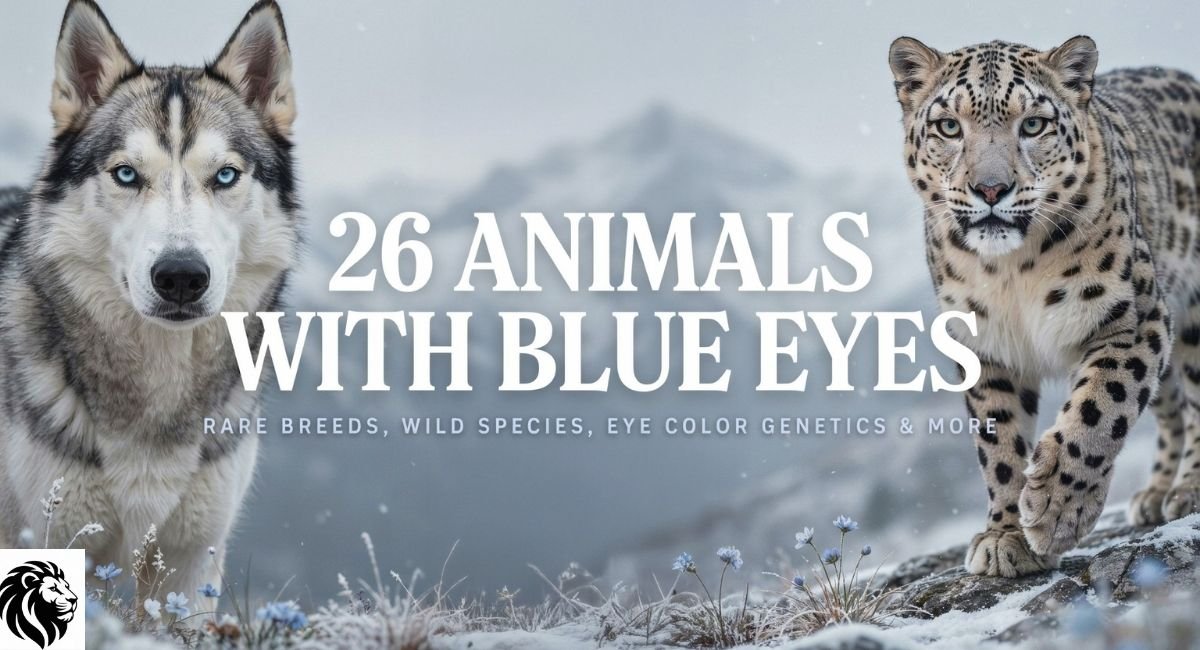
Blue eyes can give an animal an almost magical appearance, but the science behind them is even more fascinating. Animals With Blue Eyes can be found among domestic pets, wild mammals, birds, reptiles, and other unusual species. Their striking gaze may result from low melanin, inherited traits, developmental changes, or the way light scatters through the iris. Some animals keep blue eyes throughout life, while others have them only when young before their eye color changes.
You may also find animals with one blue eye and one brown eye, a condition known as heterochromia. In this guide, you’ll discover remarkable species, eye color genetics, rare breeds, and the biology behind their unusual blue irises.
What Causes Blue Eyes in Animals?
Blue eye color doesn’t come from a simple blue pigment. In many animals, the iris contains relatively little melanin. Light then interacts with the iris structure and scatters in a way that makes the eye appear blue, much like atmospheric light creates the color of a clear sky.
However, nature doesn’t follow one blueprint. Eye color genetics differ between species, breeds, and even individuals. Coat-color genes, developmental changes, inherited variants, and unusual mutations can all influence pigmentation. That makes blue eyes a fascinating example of how several biological routes can produce a similar visual result.
The Role of Melanin and Eye Pigmentation
Melanin acts like a natural tint inside the eye. When an iris contains more pigment, it usually appears brown, amber, or another darker shade. With less pigment, light can penetrate and scatter through the iris, producing a blue or gray-blue appearance rather than a true blue pigment.
Interestingly, fur color doesn’t always predict eye color. A dark-coated Husky can have brilliant blue eyes, while a pale animal may have darker eyes. What matters is the distribution and amount of iris pigmentation, along with the genetic instructions controlling pigment-producing cells.
Genetics, Recessive Traits, and Mutations
Genetics provides the real plot twist. Some blue eyes arise through recessive inheritance, while others involve dominant or incompletely dominant variants. In dogs, merle and piebald patterns can influence eye pigmentation. Siberian Huskies have a different pathway involving a duplication near the ALX4 gene on chromosome 18.
A mutation doesn’t automatically mean something is wrong. It simply describes a change in DNA. Depending on the gene and its effect, that change may alter coat color, eye pigmentation, development, or several traits at once. That’s why two blue-eyed species can have completely different genetic stories.
Do Blue Eyes Affect an Animal’s Vision?
Blue eyes don’t automatically mean poor eyesight. Eye color and visual ability are separate traits, although certain pigmentation disorders can sometimes occur alongside other eye or hearing conditions. A healthy blue-eyed animal can see normally and live an active life.
Light sensitivity can vary for other reasons. Animals with reduced ocular pigmentation may allow more light to reach deeper eye structures. Still, you shouldn’t assume every blue-eyed animal is unusually sensitive to sunlight. The underlying anatomy and genetics matter far more than color alone.
26 Animals With Blue Eyes
The animal kingdom offers an astonishing range of blue-looking eyes. Some examples are familiar household companions, while others are so unusual that you may never encounter one outside photographs or specialist collections.
The examples below also reveal an important lesson: blue-eyed animals don’t share one universal cause. In some, blue eyes remain permanent. In others, the color fades as pigment develops during growth.
1. Siberian Husky
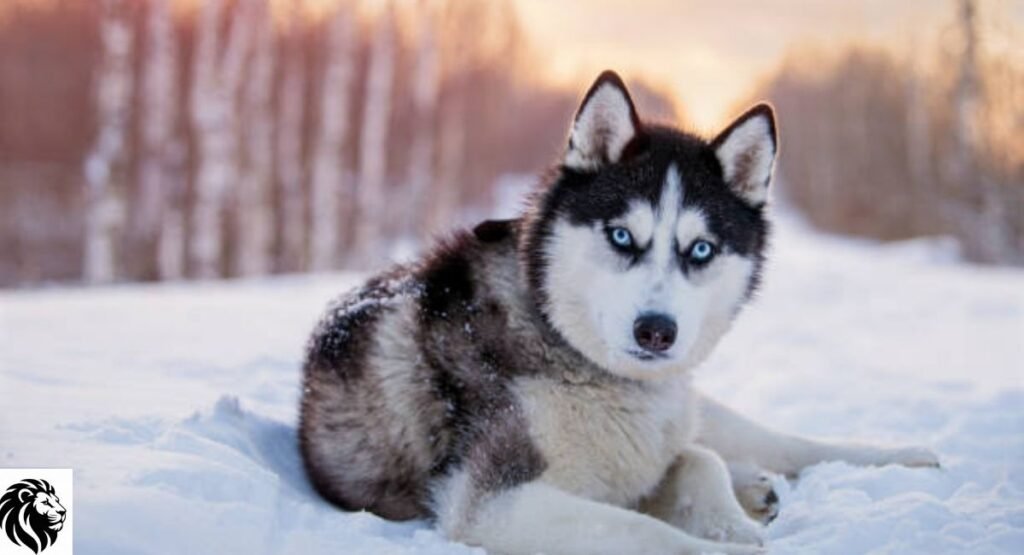
Few dogs are more famous for brilliant blue eyes than the Siberian Husky. These athletic sled dogs can have two blue eyes, one blue and one brown eye, or partially blue irises. Research has linked their blue-eye trait strongly with a 98.6-kilobase DNA duplication near ALX4, a gene involved in eye development.
The mechanism is especially interesting because it differs from the pathways behind blue eyes in many other dogs. The variant appears to affect pigment development rather than creating blue pigment. Not every Husky carrying the associated variant has blue eyes, which shows how several genes can interact to shape appearance.
2. White Tiger
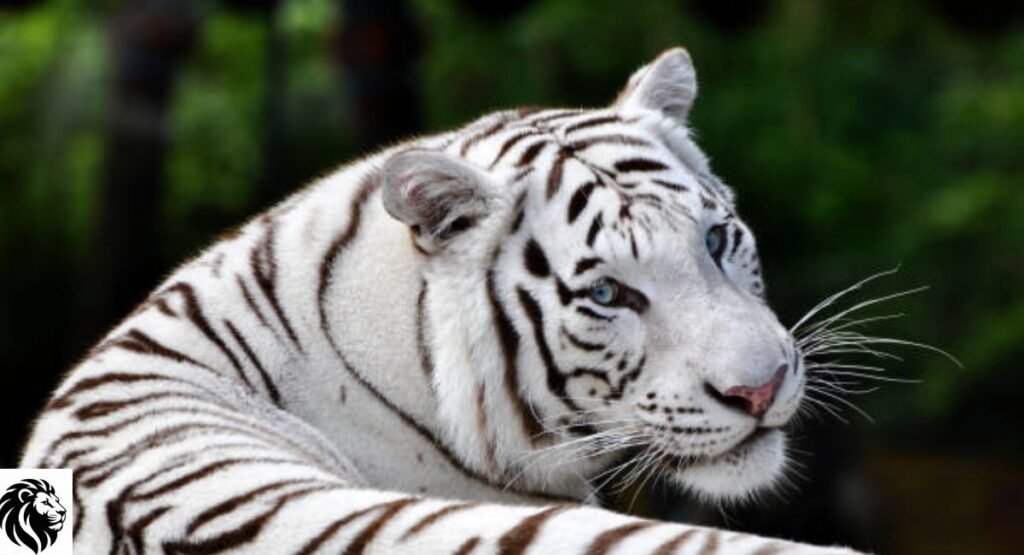
A white tiger looks dramatic enough without blue eyes. Add those pale blue irises and the animal becomes even more striking. White tigers carry a recessive color variant that produces their unusually pale coat, and the same pigmentation biology can accompany their characteristic blue eyes.
These animals aren’t a separate tiger species. Instead, they’re a color variant of the Bengal tiger and have historically been maintained through selective breeding. Their unusual appearance is therefore a genetic curiosity rather than evidence of a special “blue-eyed tiger” lineage.
3. Blue-Eyed Black Lemur
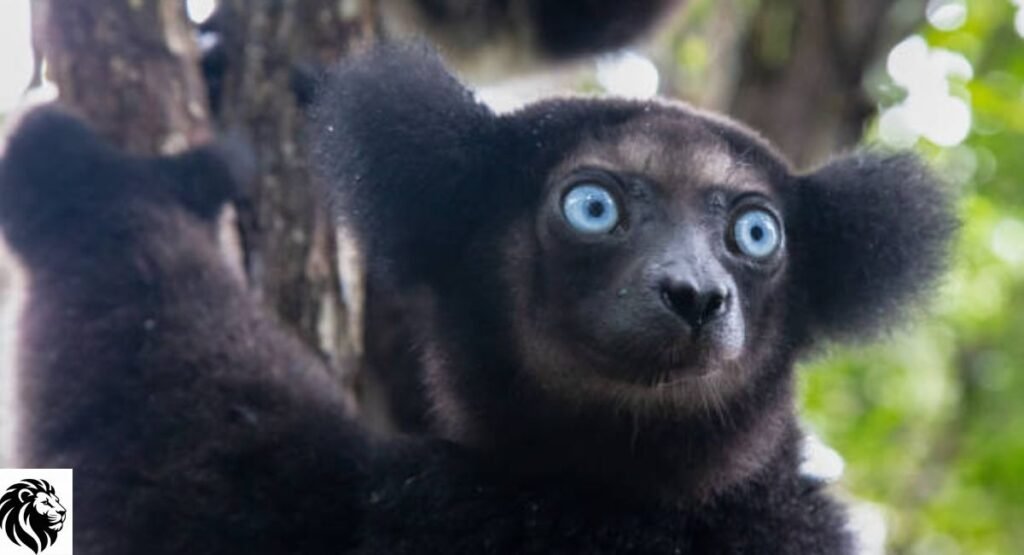
The blue-eyed black lemur is one of the most unusual primates associated with this eye color. Unlike many lemurs, which commonly have darker eyes, this species can display vivid blue irises that contrast sharply with its dark facial features.
Its unusual eye color has been associated with genetic pigmentation differences, including reports involving Waardenburg syndrome. The species lives in Madagascar, where habitat loss has made conservation especially important. Its eyes aren’t merely beautiful; they belong to a primate with a distinctive evolutionary and conservation story.
4. Siamese Cat
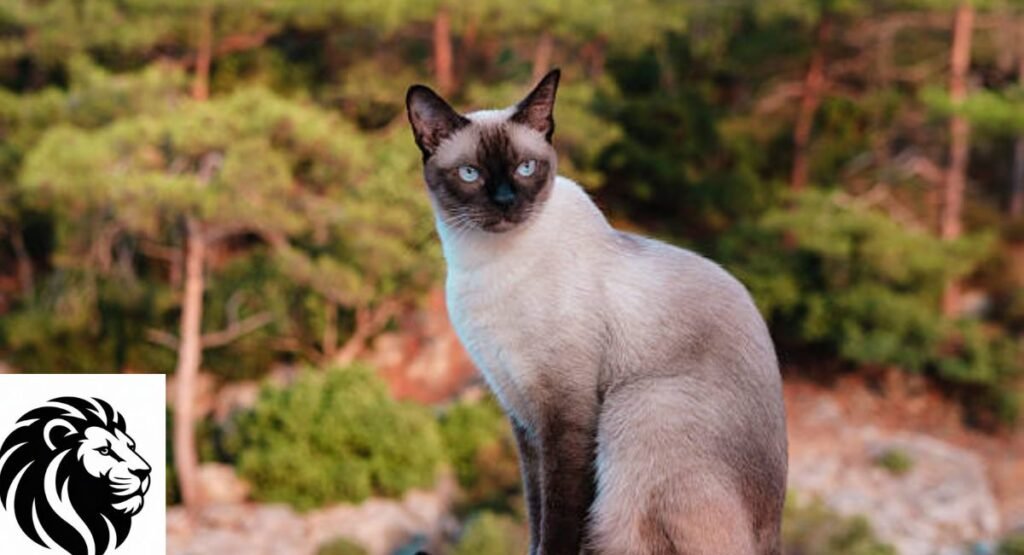
Siamese cats are almost instantly recognizable because of their elegant color-point coats and intense blue eyes. Their eye color comes from the same temperature-sensitive pigmentation system that produces darker fur on the cooler parts of the body, such as the ears, face, legs, and tail.
This unusual biology gives Siamese cats their famous appearance. Their eyes remain blue because the pigmentation pathway behaves differently in the iris. As a result, you get a striking contrast between a darker facial mask and luminous blue eyes.
5. Australian Shepherd
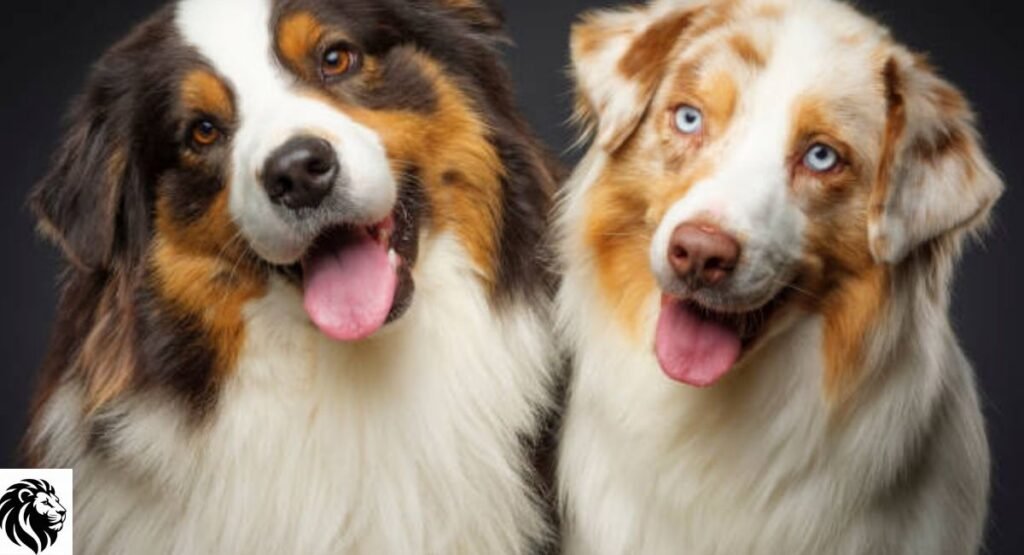
Australian Shepherds can have solid blue eyes, brown eyes, or combinations of both. Their merle coat pattern can influence the distribution of pigment around the eyes, producing partial or complete blue coloration.
The connection is genetic rather than cosmetic. Merle affects pigment distribution in several tissues, so its influence can extend beyond the coat. Responsible breeding matters here because particular merle combinations can be associated with serious health concerns, including hearing and vision problems.
6. Arctic Fox
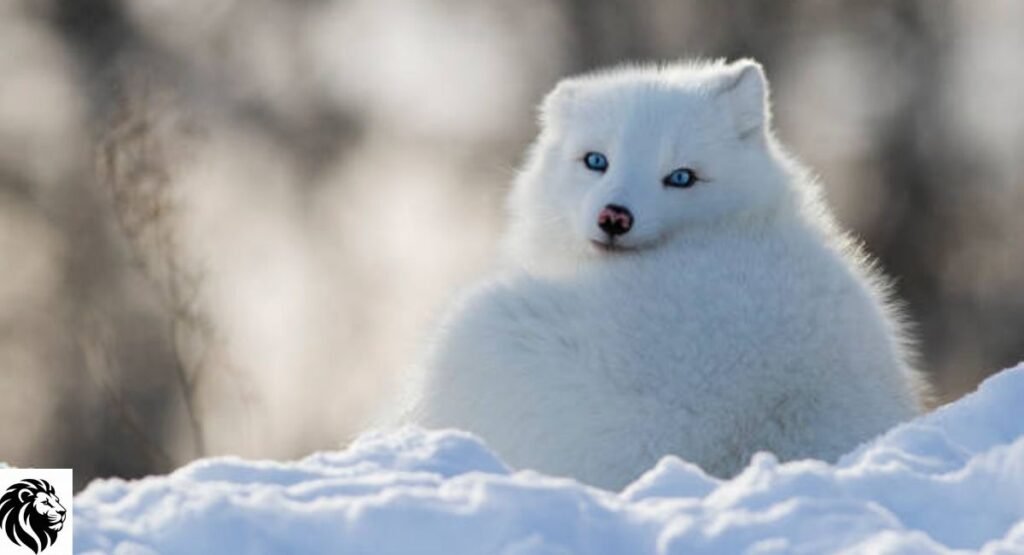
The Arctic fox lives in one of Earth’s harshest environments, where its thick seasonal coat provides remarkable camouflage. Its eyes, however, don’t always follow the pale theme. Individuals can show different eye colors, and blue eyes may occur because of genetic variation or particular breeding histories.
That distinction matters. Blue isn’t the standard eye color for every Arctic fox. Many naturally show darker golden, yellow, or brownish eyes. So when you see a blue-eyed Arctic fox, you’re looking at an unusual individual rather than a defining feature of the species.
7. Alaskan Klee Kai
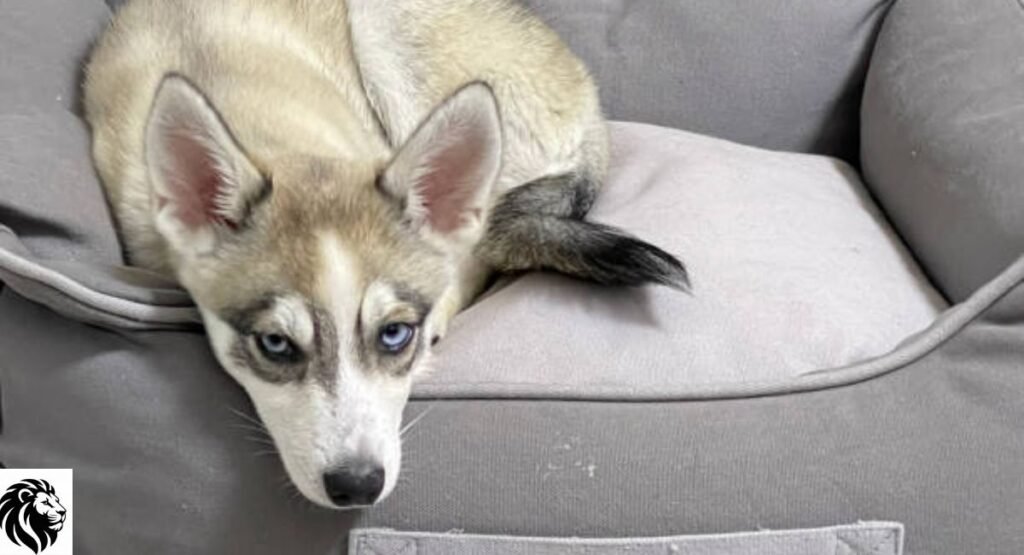
The Alaskan Klee Kai looks like a miniature northern sled dog, yet its compact body makes it quite different from the larger Husky. Blue eyes can occur in the breed, along with brown or hazel eyes and heterochromia.
Its eye-color diversity makes this breed particularly interesting genetically. Because the Klee Kai developed partly from northern spitz-type dogs, including Siberian Husky ancestry, some individuals can carry genetic factors associated with blue eyes. One blue eye and one brown eye can create an especially memorable expression.
8. Blue-Eyed Leucistic Ball Python
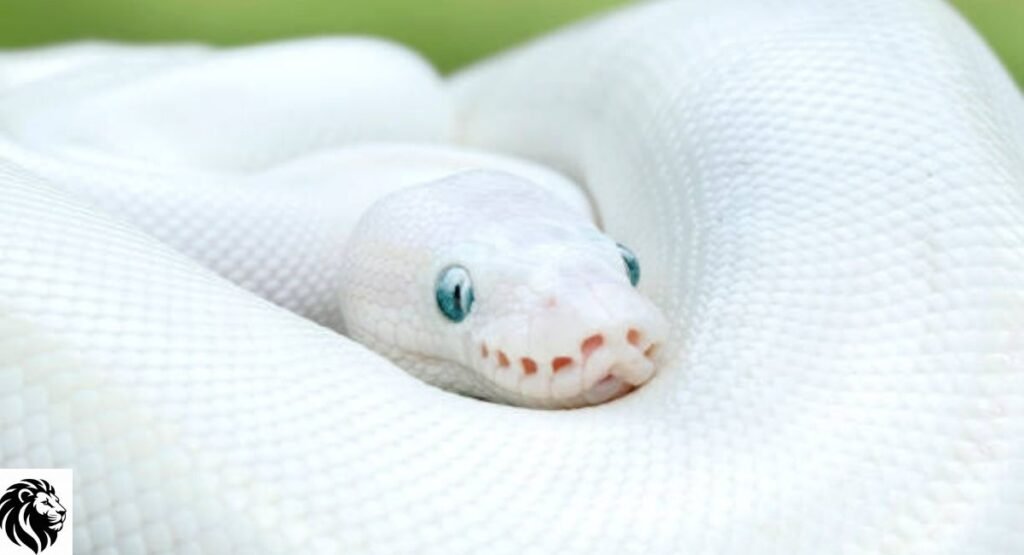
The Blue-Eyed Lucy, commonly shortened to BEL, is one of the most spectacular ball python morphs. Its scales appear almost entirely white, while its eyes often display a soft icy-blue color. That combination gives the snake an almost porcelain appearance.
The morph results from carefully combined inherited traits affecting pigmentation. Unlike ordinary white coloration, leucism involves a major reduction of visible pigment while not necessarily eliminating pigment cells entirely. Breeders can combine particular ball python morphs to produce this unusual phenotype.
9. Piebald Camel
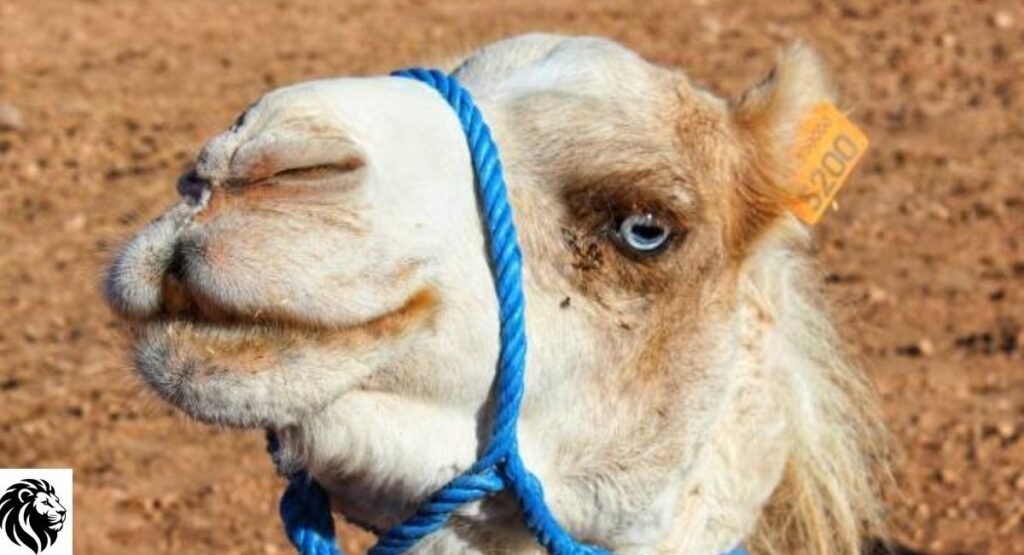
Piebald camels can display large white patches across otherwise darker bodies. When pigmentation becomes especially reduced around the head, the eyes may appear lighter, including blue in some individuals.
Some piebald camels can also show heterochromia, producing one blue eye and one brown eye. This creates an extraordinary contrast in an already unusual animal. The example also shows why coat patterns and eye pigmentation sometimes travel together through shared developmental pathways.
10. Blue-Eyed Anglehead Lizard
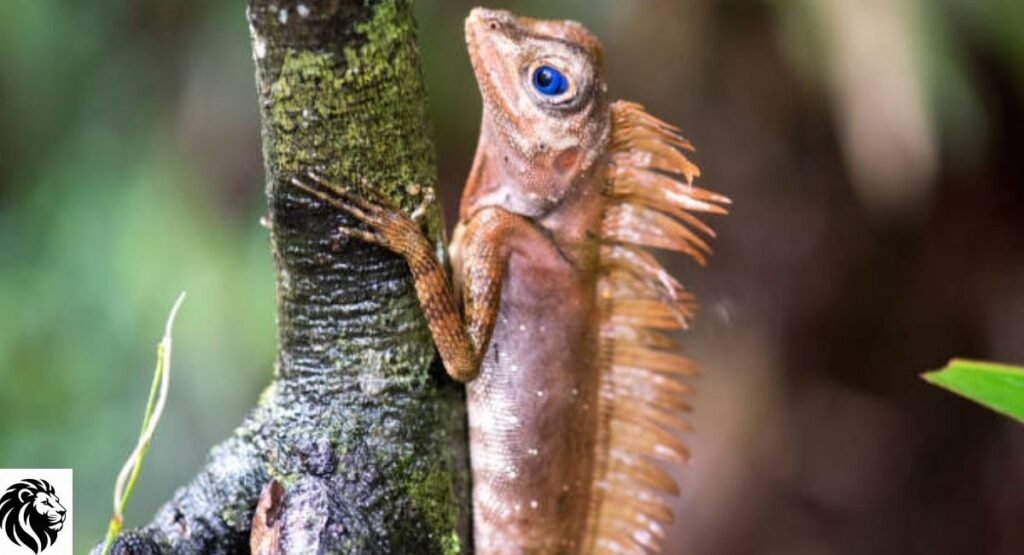
The blue-eyed anglehead lizard offers an unusual twist because the vivid blue eye coloration is particularly associated with males. Females generally show a different, darker eye appearance.
That sex difference makes the species useful when discussing biological variation. Instead of every member of the species carrying identical coloration, males and females can display distinct traits. The brilliant blue iris therefore becomes part of the animal’s broader pattern of sexual dimorphism.
11. Wild Horses
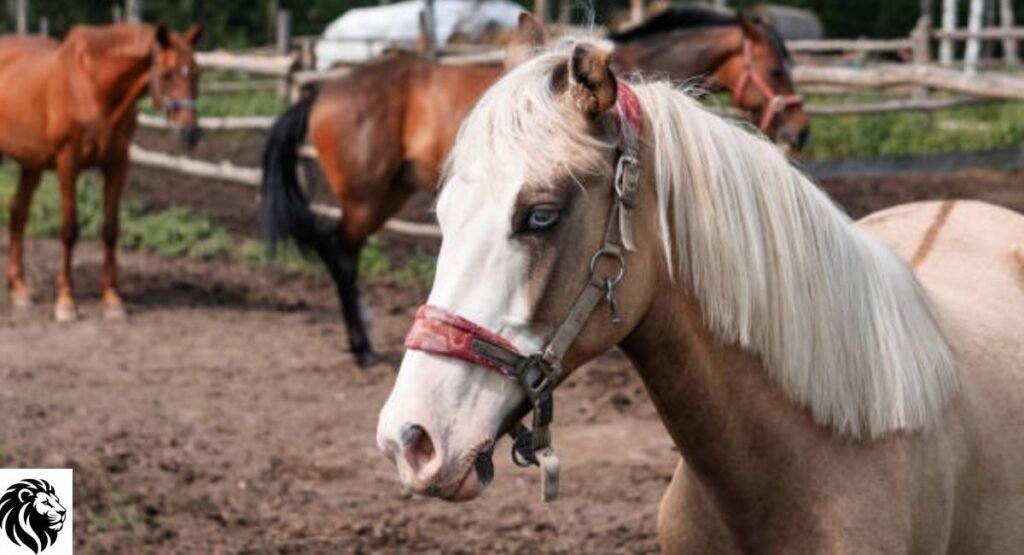
Blue-eyed horses can occur in several breeds and color patterns. Horses with extensive white markings or certain diluted pigmentation patterns are more likely to show blue eyes than uniformly dark-colored horses.
The American Paint Horse, for example, can display blue eyes in association with particular white spotting patterns. A horse’s eye color can therefore reflect its broader pigmentation genetics. Some horses also develop one blue eye and one brown eye, creating natural heterochromia.
12. Blue-Eyed Larval Crab
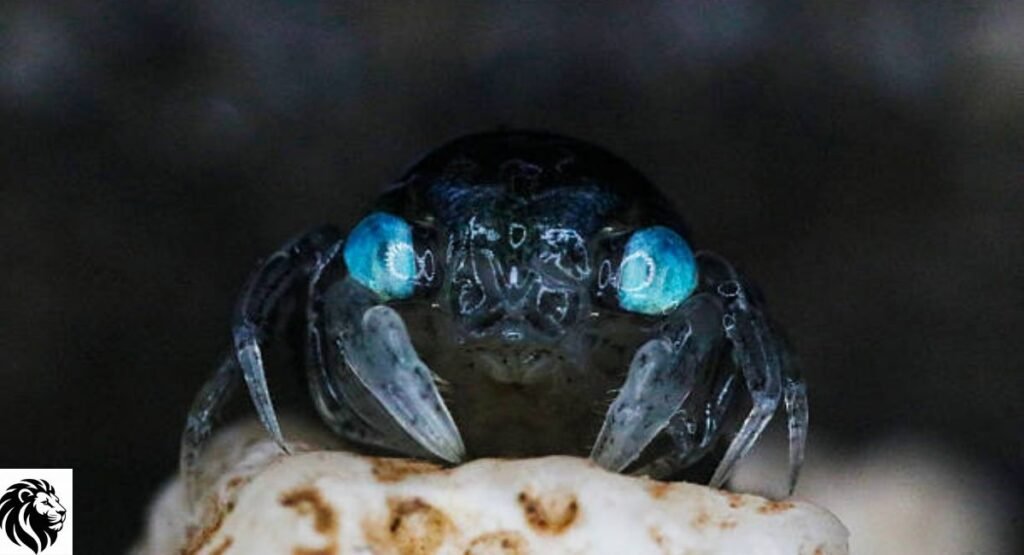
A blue-eyed larval crab looks almost like a tiny aquatic jewel. During its early developmental stage, the animal can show remarkably blue or turquoise-looking eyes before undergoing the transformations associated with later growth.
This example is especially useful because it isn’t simply about a permanent adult trait. Larval animals can look dramatically different from their mature forms. Their bodies, shells, appendages, and pigmentation may all change as they progress through successive developmental stages.
13. Northern Gannet
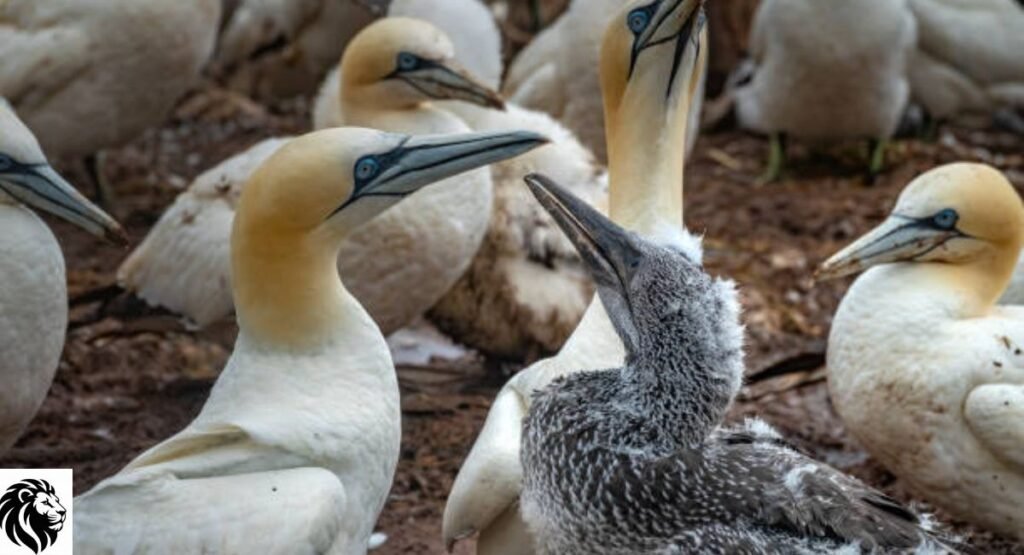
The northern gannet is a spectacular seabird with pale blue to blue-gray eyes. Adults can show an especially icy appearance around the eye, while younger birds may display darker or duller shades as their features develop.
Its eye appearance also illustrates why researchers must separate normal coloration from disease-related changes. Illness can alter pigmentation or tissue appearance in birds. Therefore, an unusual eye photograph doesn’t automatically represent a new genetic color morph.
14. Yellow-Rumped Cacique
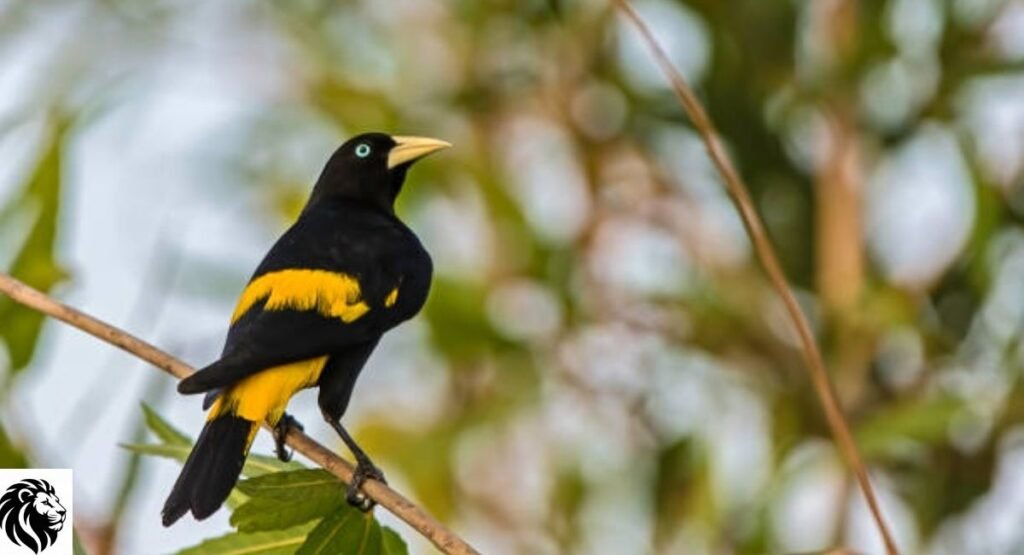
The yellow-rumped cacique provides one of the best lessons in this entire list. Its iris is dark, yet bright sky-blue skin forms a ring around the eye. From a distance, that surrounding color can make the bird appear to have completely blue eyes.
Look closer and the difference becomes obvious. The blue area is periocular skin, not a blue iris. This distinction matters when identifying animals because photographs often blur the boundary between the eye itself and the colorful tissue surrounding it.
15. African Bush Viper
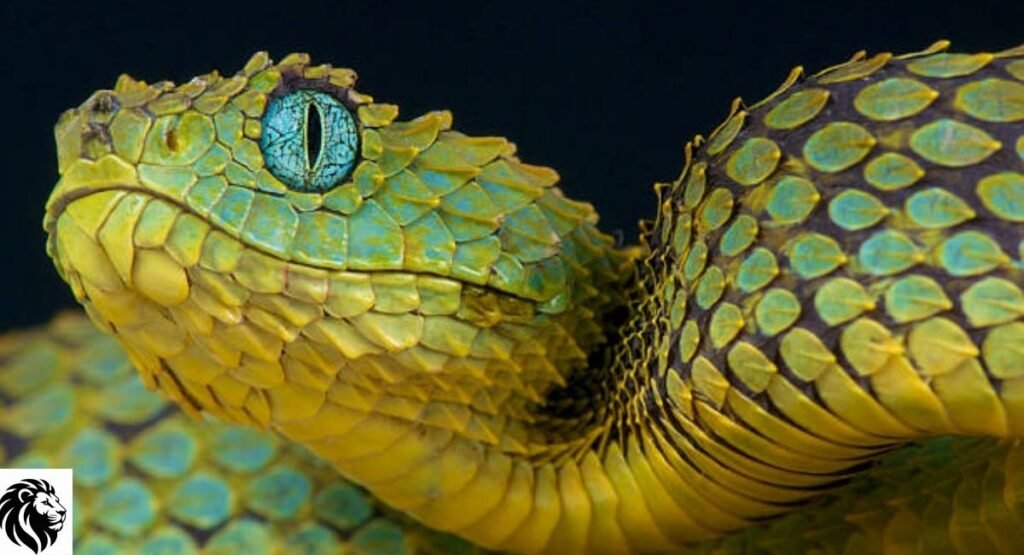
The African bush viper is already famous for its dramatic scales, which can appear green, yellow, orange, or other vivid shades. Some individuals can also display striking blue eyes that range from pale blue to intense cyan.
These color combinations make the species look almost painted. Yet the colors serve as biological traits rather than decoration. The bush viper’s unusual appearance varies among individuals, which makes careful identification more useful than relying on one stereotypical image.
16. Turkish Angora
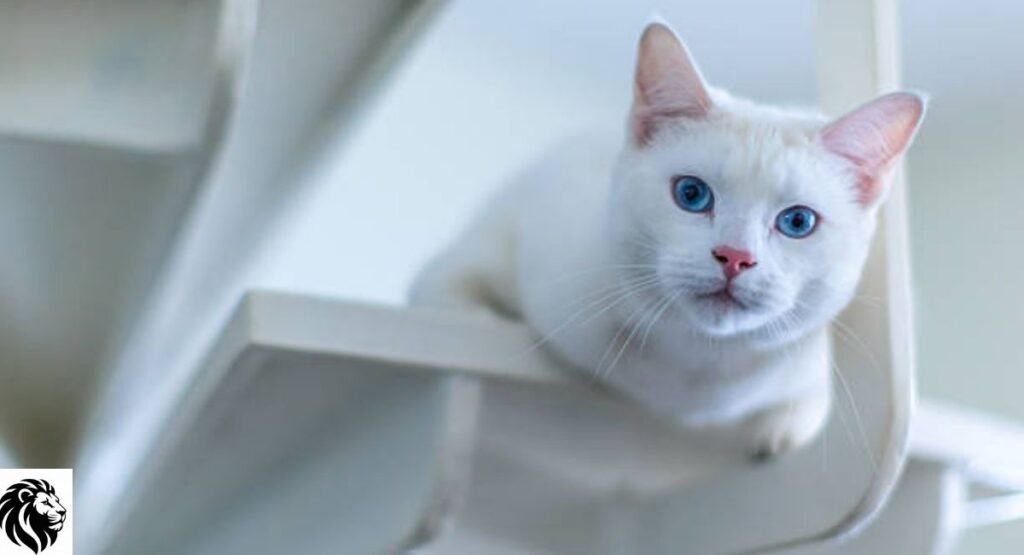
The Turkish Angora is an elegant cat breed known especially for its silky coat and graceful build. White individuals can have striking blue eyes, and some may show different-colored eyes.
The genetics behind white coats and blue eyes can overlap with hearing differences in cats. This relationship is important because pigmentation genes can influence tissues beyond the fur and iris. Still, a blue-eyed Turkish Angora isn’t automatically deaf, so appearance alone can’t establish hearing ability.
17. Blue-Eyed Hermit Crab
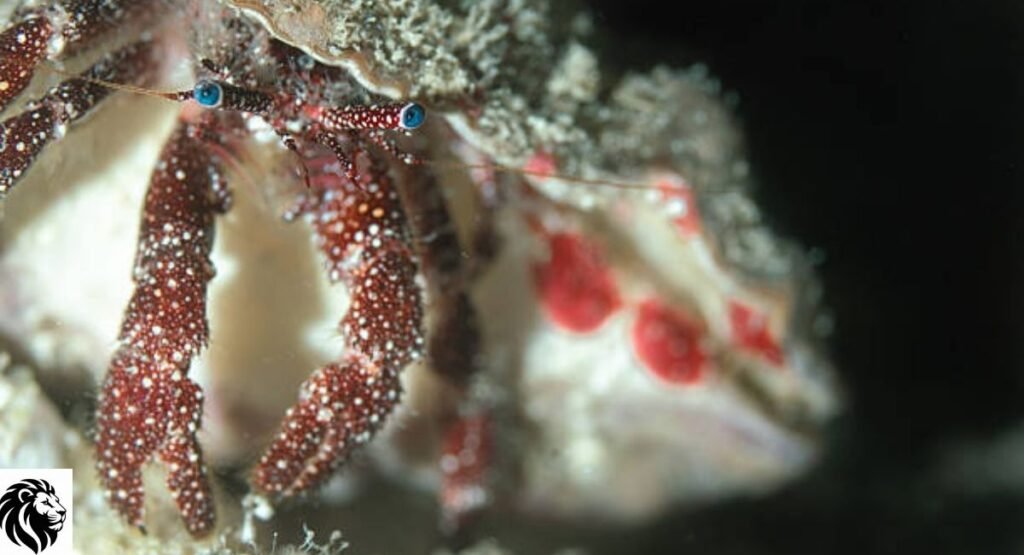
Some hermit crabs possess vivid blue eyes that stand out against their contrasting bodies. Certain blue-eyed forms can show pinkish or reddish body colors, making the eye color even more conspicuous.
Hermit crabs are particularly fascinating because their visible appearance includes both the animal’s own body and the shell it occupies. When you identify one, focus on its eyes, claws, antennae, and body structure rather than judging the entire creature by its borrowed shell.
18. Blue-Eyed Shag
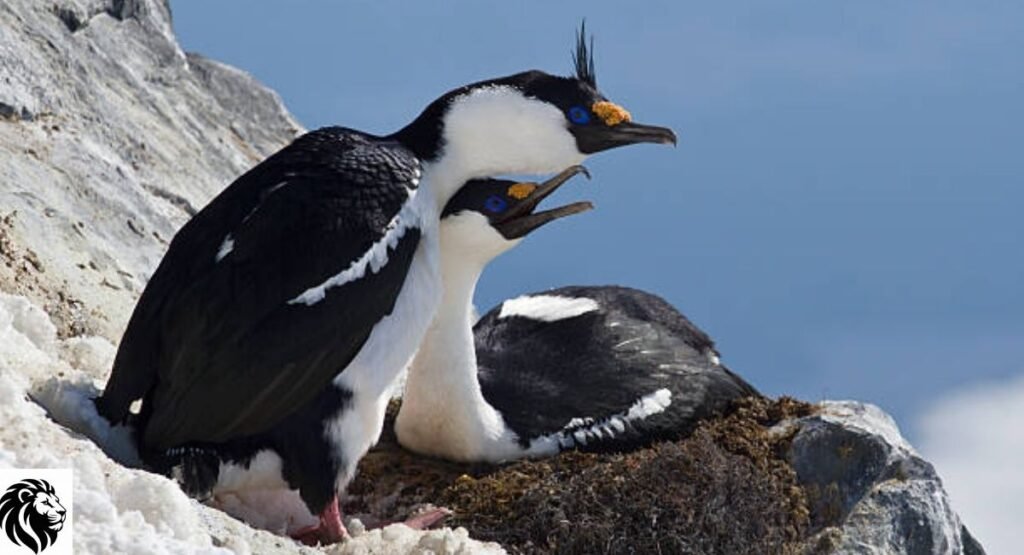
The blue-eyed shag, also known as an imperial cormorant in some classifications, creates another optical illusion. Its iris is dark, while colorful skin forms a blue, purple, or reddish ring around the eye.
That facial ring can look like part of the eyeball in photographs. In reality, it belongs to the surrounding tissue. This makes the species a perfect reminder that blue eye rings and genuinely blue irises are two different biological features.
19. Blue-Eyed White Tree Frog
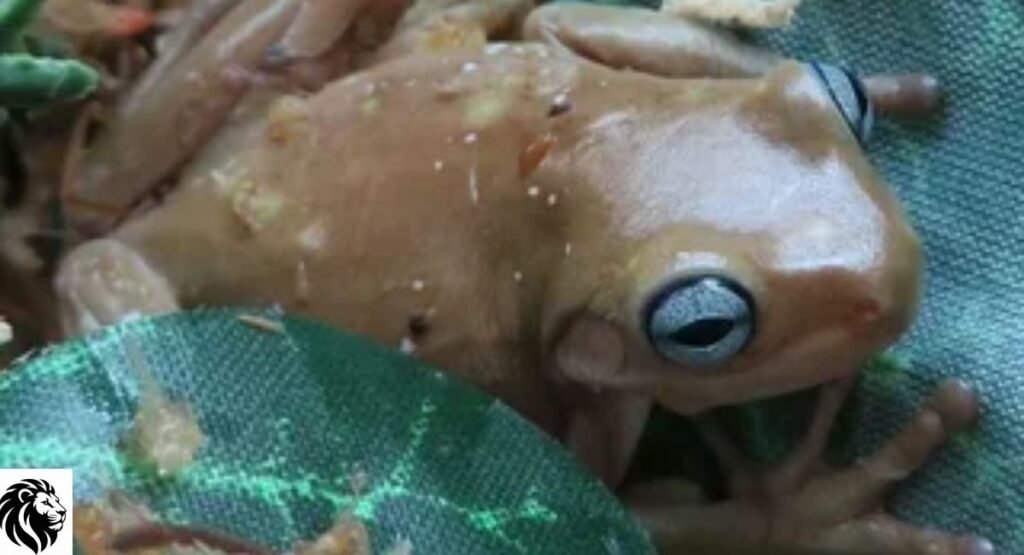
The blue-eyed white tree frog is an unusual color morph of the familiar white or Australian green tree frog group. Instead of the more typical golden or yellowish eyes, this morph displays a striking blue appearance.
Its unusual coloration is especially popular among amphibian enthusiasts. Captive-bred morphs can display traits that aren’t commonly seen in wild populations. Therefore, when discussing unusual frog colors, it’s useful to distinguish naturally occurring variation from traits established through selective breeding.
20. Rabbits
Rabbit eye color can vary considerably among breeds and color varieties. Some rabbits have blue or bluish-gray eyes, while others show brown, ruby, or other shades associated with their pigmentation patterns.
Rabbit eye color has a more complicated biological basis than simply “more melanin equals darker eyes.” The size, distribution, and optical properties of pigment particles influence how light travels through the eye. As young rabbits mature, pigmentation can also become more pronounced, changing their apparent eye color.
21. Mountain Lion
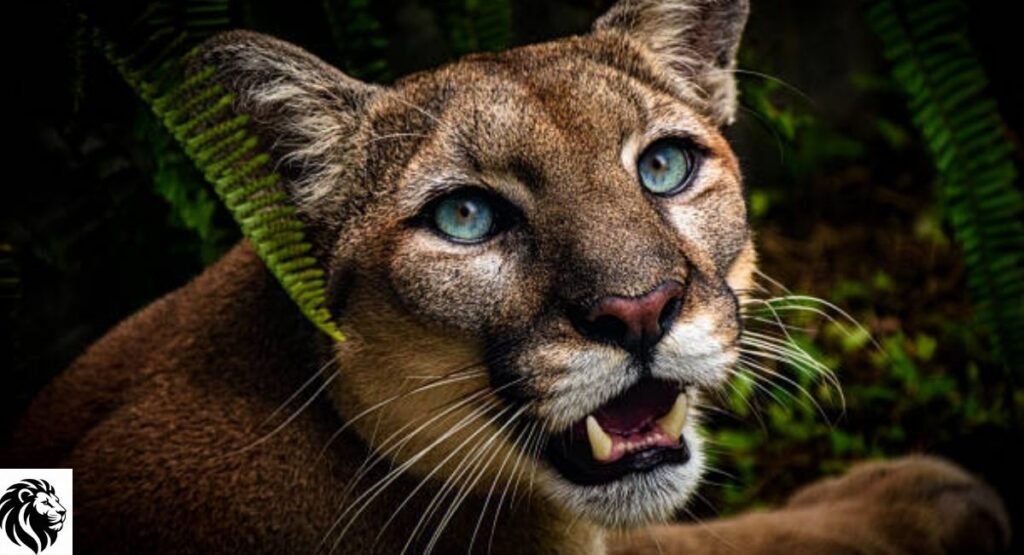
Mountain lion cubs can begin life with blue-looking eyes, giving them an unexpectedly soft expression. As they mature, their eyes usually develop stronger pigmentation and shift toward golden, amber, or brown shades.
This is a classic example of juvenile eye color rather than a permanent blue-eyed trait. Development changes the amount and distribution of pigment in the iris. So, if you photograph a young cougar, its eyes may look completely different from those of an adult.
22. Leopard
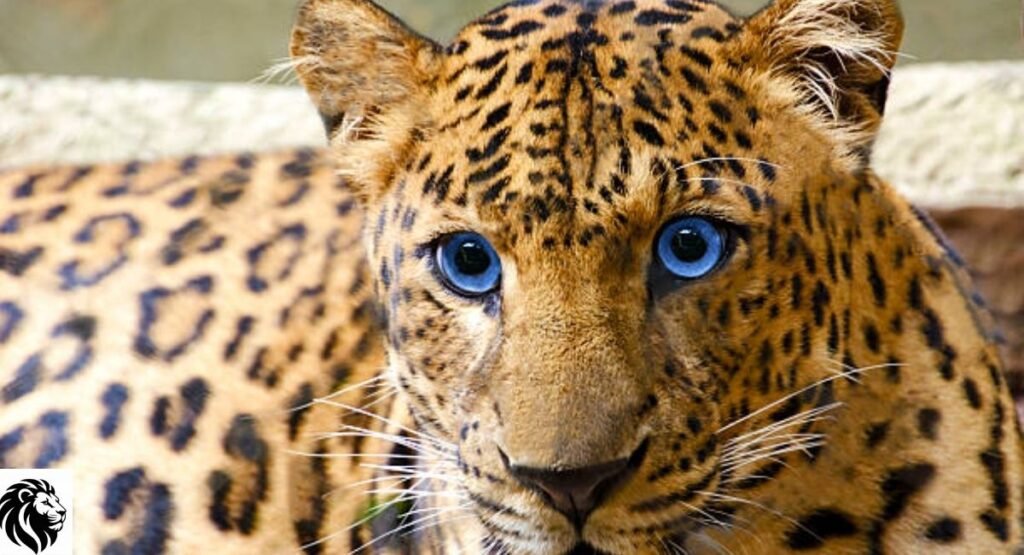
Snow leopard cubs can have blue, gray, or blue-gray-looking eyes early in life. Their eye color develops as they mature, making juvenile photographs quite different from images of adults.
This temporary coloration shouldn’t be confused with a permanently blue iris. Young mammals often undergo major changes in pigmentation after birth. Snow leopards also have distinctive pale coats and facial markings that make their early eye color especially noticeable.
23. Dalmatian
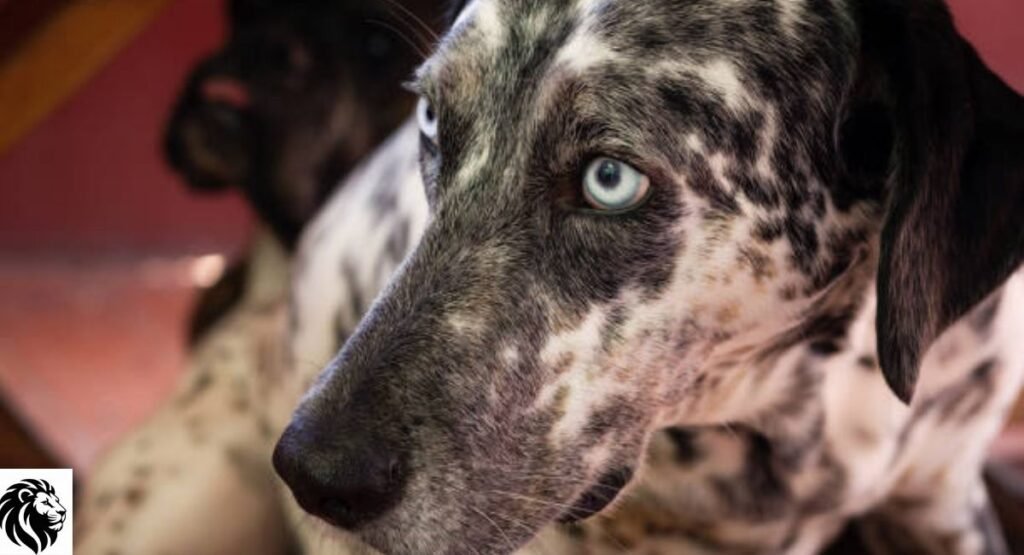
Dalmatians are famous for their spotted coats, but their pigmentation genetics can influence more than the spots. Certain white-spotting patterns can contribute to blue eyes or partial pigmentation differences around the eyes.
Blue eyes aren’t a defining trait of every Dalmatian. However, the breed demonstrates how piebald genetics and eye pigmentation can intersect. The same broader biological pathways affecting pigment placement may influence tissues around the eyes and ears.
24. Weimaraner
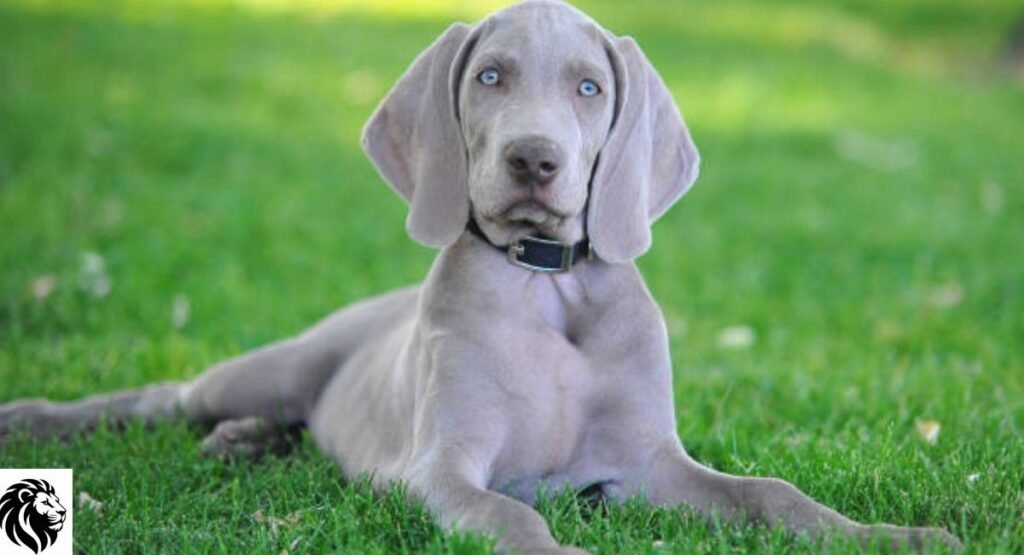
Weimaraner puppies can begin life with bright blue-looking eyes. As they grow, their eyes usually develop more pigmentation and shift toward gray, amber, or darker shades.
That puppy stage can be misleading if you judge the adult breed from photographs alone. The Weimaraner’s famous silvery coat remains relatively consistent, while its eyes undergo a noticeable developmental transition. In other words, the puppy’s gaze can change as its pigment matures.
25. Blue-Eyed Cuscus
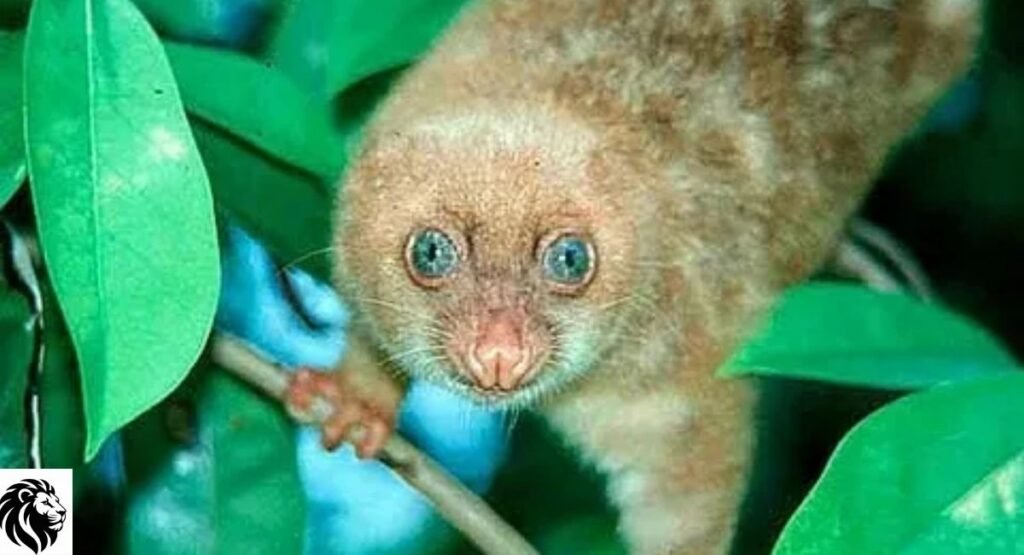
The blue-eyed cuscus is an especially intriguing marsupial associated with the Indonesian islands of Ternate and Tidore. Its pale marbled coat and unusual blue eyes give it an appearance unlike many other tree-dwelling mammals.
Cuscuses belong to the possum family and are adapted to life in forested environments. Their restricted island distribution makes them especially interesting from a biogeographic perspective. A small geographic range can produce unusual traits that remain rare outside a particular population.
26. Blue-Eyed Macaw
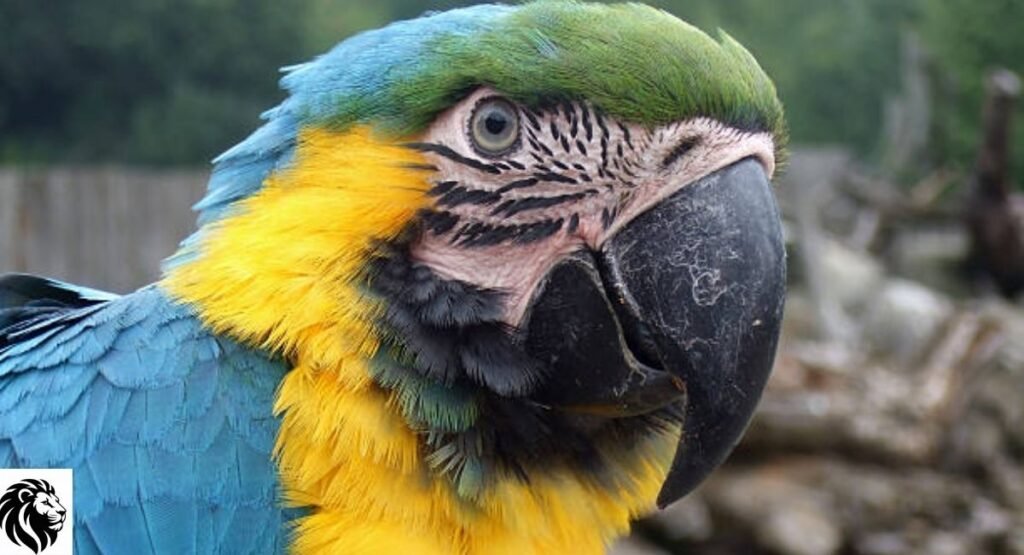
“Blue-eyed macaw” needs a factual caution before publication. It isn’t a standard species name for a recognized macaw with a confirmed naturally blue iris. For example, the blue-headed macaw has a pale or whitish iris rather than a simple blue iris, with surrounding facial features that can affect its appearance.
Therefore, this section shouldn’t claim that a specific macaw species naturally has blue irises unless a reliable taxonomic or ornithological source confirms it. The safest approach is to replace this entry with a verified blue-eyed species before publication, preserving the article’s promise of 26 genuine examples.
Blue Eyes vs. Blue Eye Rings in Animals
Not every animal that looks blue-eyed actually has a blue iris. In some birds, bright skin surrounds a dark pupil and iris. Photographs can make these structures blend together, especially when sunlight reflects from moist eye surfaces or colorful facial tissue.
Understanding the difference improves identification accuracy. The iris controls how much light enters the eye, while surrounding skin has a separate structure and function. Once you know where the iris ends, many supposed blue eyes become much easier to interpret.
Animals With True Blue Irises
Siberian Huskies, Siamese cats, and Blue-Eyed Lucy ball pythons provide clear examples of animals whose irises themselves can appear blue. Their eye color results from differences in pigmentation and optical structure rather than a blue-colored ring surrounding the eye.
The shade can vary with lighting, age, genetics, and individual anatomy. One animal may show icy blue eyes, while another has a softer gray-blue tone. Both can still represent the same broad phenomenon of reduced iris pigmentation.
Animals With Blue Skin Around the Eyes
Yellow-rumped caciques and blue-eyed shags demonstrate the other side of the story. Their surrounding facial tissue can look blue, while the actual iris remains dark.
This distinction isn’t merely academic. It prevents inaccurate species descriptions and helps readers understand animal anatomy. When you examine a photograph, look for the dark pupil first, then identify the iris immediately around it before judging the color of surrounding skin.
Why Do Some Animals Have Blue Eyes at Birth?
Baby animals often begin life with less developed pigmentation. As pigment-producing cells mature, the iris can gradually become darker. This explains why a young mammal may have blue-gray eyes that later become amber, brown, or another adult color.
However, development doesn’t always erase blue eyes. Some breeds and species retain their blue coloration into adulthood. The difference comes down to the animal’s genetics and how pigment develops in its iris during growth.
Puppies and Kittens With Blue Eyes
Puppies and kittens provide some of the easiest examples of changing eye color. Young Weimaraners can start with blue eyes, while some other dogs develop darker shades as they mature. Siamese cats are different because their blue eyes remain a characteristic feature.
Siberian Huskies can also retain vivid blue eyes into adulthood. Their breed-specific genetics provide a useful contrast with puppies whose blue eyes simply reflect an immature stage of pigmentation.
Wild Animals Whose Eyes Change Color
Wild animals can undergo similar developmental shifts. Mountain lion cubs can have blue eyes before developing the golden-brown shades typical of adults. Snow leopard cubs can also show blue or grayish eyes during early development.
These changes are easy to overlook because wildlife photographs often capture animals at different ages. A juvenile and adult of the same species can therefore appear to have surprisingly different eye colors.
Can Animals Have One Blue Eye and One Brown Eye?
Yes. This condition is called heterochromia, and it occurs when the two eyes differ in color or when different areas within one iris contain different amounts of pigment.
Complete heterochromia gives an animal two noticeably different eyes. Partial or sectoral heterochromia affects only part of an iris. Genetics, pigmentation patterns, developmental differences, and certain mutations can all contribute to these unusual combinations.
Heterochromia in Dogs and Cats
Siberian Huskies are among the best-known examples of heterochromia. An individual may have one blue eye and one brown eye, or an iris that contains both colors. Alaskan Klee Kai can show similar variation.
Turkish Angora cats can also have differently colored eyes, particularly individuals with white coats. Again, heterochromia doesn’t automatically indicate disease. In many animals, it simply reflects how pigment developed in each iris.
Heterochromia in Camels and Other Animals
Piebald camels can occasionally show one blue eye and one brown eye. Their extensive white markings and unusual pigmentation patterns make the contrast particularly dramatic.
This phenomenon demonstrates how eye color can vary within one individual. Each iris develops its own pigmentation pattern, so a genetic trait doesn’t always affect both eyes identically. Nature sometimes colors outside the lines.
Are Blue-Eyed Animals Rare?
Calling every blue-eyed species “rare” would be misleading. Blue eyes are relatively familiar in some domestic breeds, including Siberian Huskies and Siamese cats. In contrast, a permanently blue iris can be unusual among many wild mammals.
The better question is how common is the trait within a particular species or population? A trait can be ordinary within one breed yet exceptionally unusual in another. That distinction keeps animal descriptions accurate instead of turning every unusual photograph into a rarity claim.
Common Blue-Eyed Pets
Siberian Huskies, Siamese cats, and some Australian Shepherds are among the most familiar blue-eyed companion animals. Their appearance has become well established through breed history and inherited pigmentation traits.
Even here, variation exists. Not every Australian Shepherd has blue eyes, and Huskies can have brown or mixed-color eyes. Breed descriptions should therefore describe possibilities rather than suggest that every individual looks identical.
Rare Blue-Eyed Wild Animals
Wild examples can be much harder to encounter. The blue-eyed black lemur and blue-eyed cuscus are particularly distinctive because their unusual appearance occurs within species that aren’t commonly seen by most Americans.
Some reptiles, birds, and marine life add even more variety. Their blue-looking eyes may come from permanent pigmentation, temporary developmental stages, or surrounding tissue. That’s why accurate identification matters more than a dramatic photograph.
Conclusion
The world of animals with blue eyes is far more complicated than a collection of pretty photographs. Blue-looking eyes can reflect reduced melanin, inherited pigmentation patterns, developmental changes, or unusual genetic variants. Some animals keep their blue eyes for life, while others lose the color as their irises mature.
From the familiar Siberian Husky to the extraordinary blue-eyed cuscus, each example tells a different biological story. The next time you see an animal with brilliant blue eyes, look a little closer. That striking color may reveal a fascinating interaction between genes, pigment, development, and light.
FAQs
What animals naturally have blue eyes?
Siberian Huskies, Siamese cats, some Australian Shepherds, certain white cats, and several unusual wild or captive animal forms can show genuinely blue irises. The exact cause varies greatly between species.
Why do some animals have blue eyes?
Most blue-looking irises involve reduced pigmentation combined with the way light interacts with the iris. Genetics determines how much pigment develops and where it appears.
Are blue-eyed animals rare?
It depends on the species. Blue eyes are common in some domestic breeds but can be unusual among wild animals. Rarity should always be judged within a specific population.
Can an animal’s blue eyes change color?
Yes. Some young animals develop darker pigmentation as they mature. Mountain lions and Weimaraners are good examples of animals whose juvenile eye color can differ from adulthood.
Can animals have one blue eye and one brown eye?
Yes. Heterochromia can produce two differently colored eyes or multiple colors within one iris. Siberian Huskies are one of the most familiar examples.

Welcome to natureanimalhub! I’m Anam Sattar, an AI Powered SEO, and Content Writer with 4 years of experirnce.
I help websites rank higher,grow traffic, and look amazing. My goal is to make SEO and web design simple and effective for everyone.
Let’s achieve more together!
1 thought on “26 Animals With Blue Eyes: Rare Breeds, Wild Species, Eye Color Genetics & More”