

The ocean is full of fascinating creatures that can make you smile at first sight. From tiny seahorses to playful otters, cute sea animals come in remarkable shapes, colors, and sizes. Some have round faces and big eyes, while others look charming because of their unusual movements or bright patterns. As you explore the underwater world, you’ll discover adorable mammals, colorful fish, gentle reptiles, and strange-looking deep-sea creatures.
Many of these animals have unique adaptations that help them survive harsh ocean habitats. In this guide, we’ll explore 25 adorable ocean creatures and learn what makes each one special, fascinating, and memorable beneath the waves.
25 Cute Sea Animals
The ocean contains an astonishing range of body shapes, colors, and behaviors. Some creatures look adorable at first glance. Others become appealing once you understand their unusual habits. The following species combine visual charm with fascinating biology.
Rather than judging cuteness alone, this guide looks at what makes each animal interesting. Their habitats matter too. A tiny reef fish faces very different challenges from an animal living thousands of feet below the surface.
1. Sea Otter
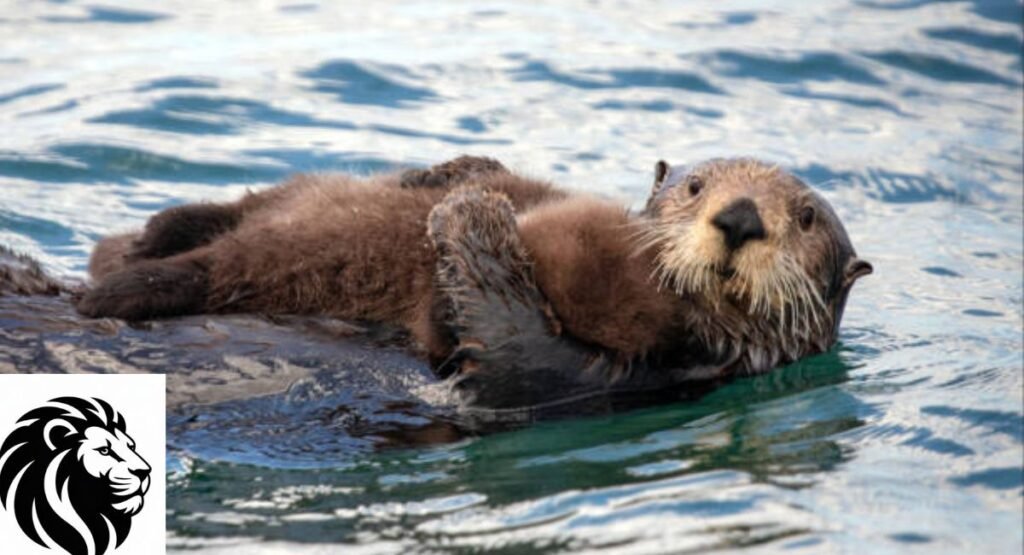
Few adorable ocean creatures have a personality quite like the sea otter. Its fluffy coat, expressive face, and habit of floating on its back make it instantly recognizable. Unlike most marine mammals, sea otters don’t rely on blubber for warmth. Their exceptionally dense fur traps insulating air.
Even more impressive, sea otters use rocks as tools. They can place a favorite stone on their chest and crack open shellfish against it. Their diet includes crabs, sea urchins, mollusks, and other marine prey. They also play an important role in kelp ecosystems by controlling sea urchin populations.
2. Sea Bunny
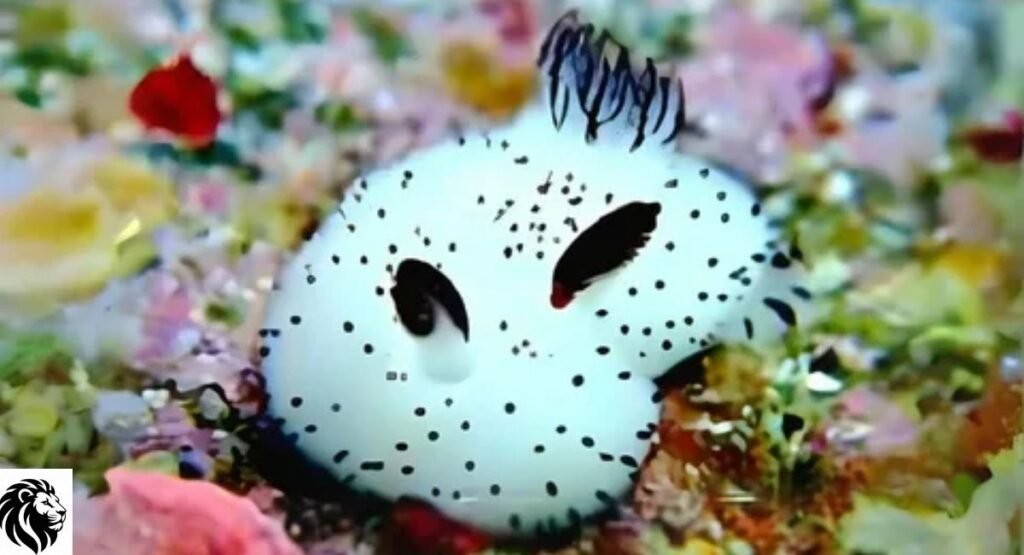
Don’t let the name fool you. A sea bunny isn’t a rabbit swimming underwater. It’s a tiny nudibranch called Jorunna parva. Its rounded body, dark markings, and rabbit-like sensory structures give it an unusually charming appearance.
Those little “ears” are actually rhinophores. They help the animal sense chemical signals in the water. Sea bunnies live in parts of the Indo-Pacific and remain remarkably small. Their strange appearance shows how marine species can evolve forms that seem almost cartoonish.
3. Dumbo Octopus
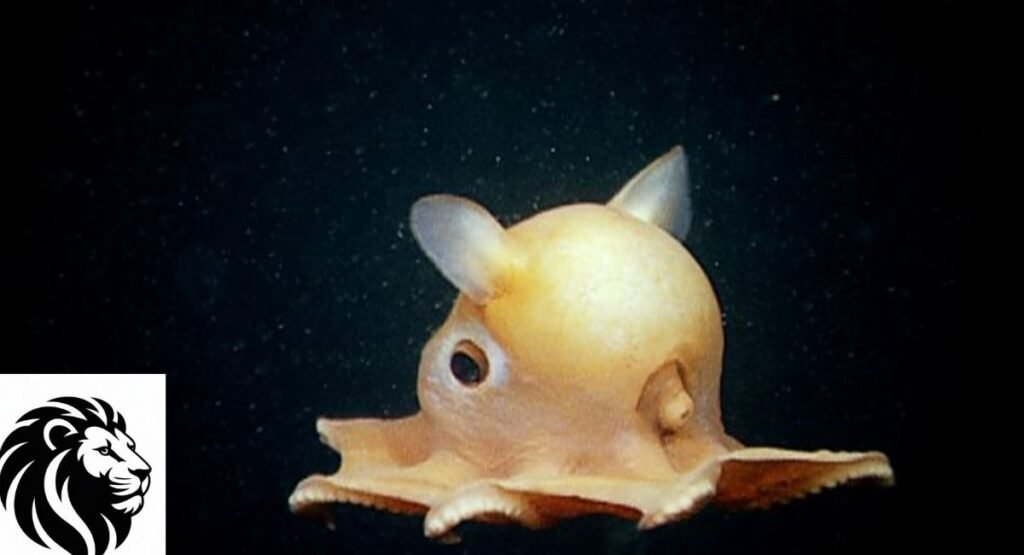
Imagine an octopus gently flapping two enormous ears through the darkness. That’s the Dumbo octopus. Its name comes from the large fin structures above its eyes, which resemble elephant ears. These fins help it move through the deep ocean.
These deep-sea creatures live far below the surface where sunlight disappears. Some Dumbo octopuses have been observed thousands of feet underwater. Unlike many shallow-water octopuses, they rely heavily on their fins rather than jet propulsion. That graceful movement makes them look more like underwater dancers than predators.
4. Pufferfish
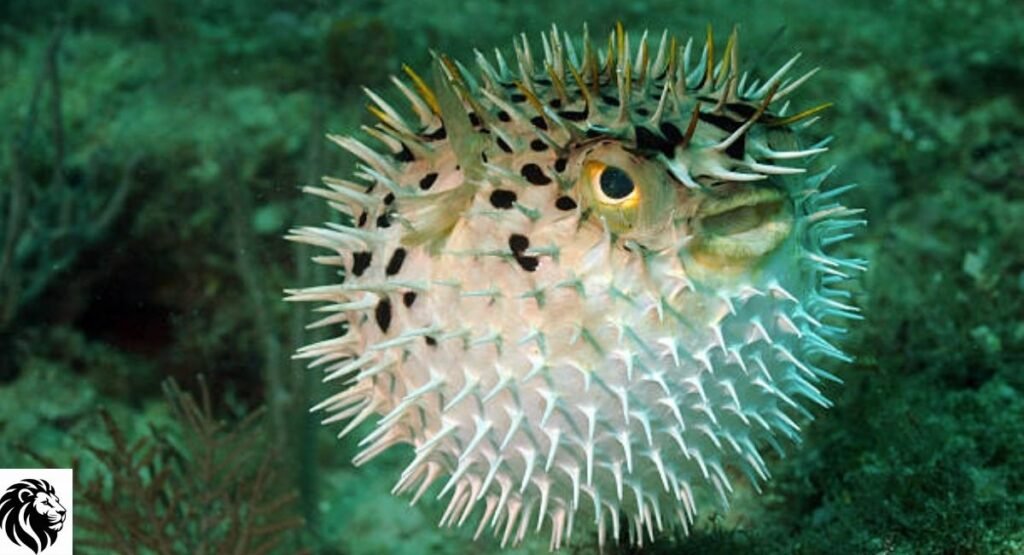
Pufferfish have a remarkable talent for turning themselves into round, spiky-looking packages. When threatened, they can rapidly expand their bodies by taking in water. This makes them harder for predators to swallow.
Their large eyes and tiny mouths also give them an expressive appearance. However, looks can be misleading. Several pufferfish species contain potent toxins. So while their appearance may seem adorable, these aquatic animals deserve plenty of respect in the wild.
5. Beluga Whale
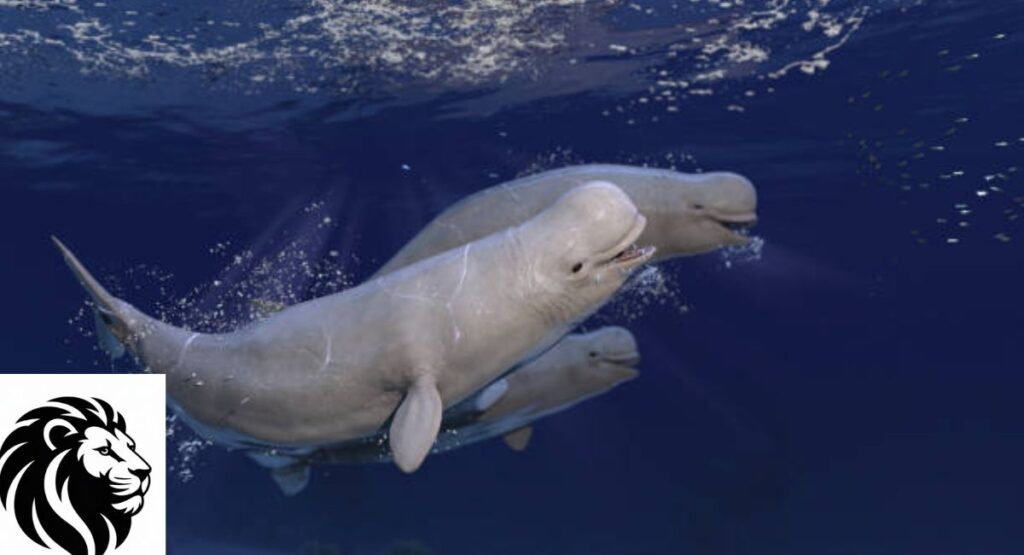
Beluga whales look almost as if someone designed them with a permanent smile. Their rounded forehead, white body, and flexible neck give them a distinctive appearance. They also produce an impressive range of sounds, which earned them the nickname “canaries of the sea.”
These social whales live throughout Arctic and sub-Arctic waters. In Alaska, they occur in coastal bays and inlets. A thick layer of blubber helps protect them from freezing temperatures. Their lack of a dorsal fin also helps them move beneath ice-covered waters.
6. Pygmy Seahorse
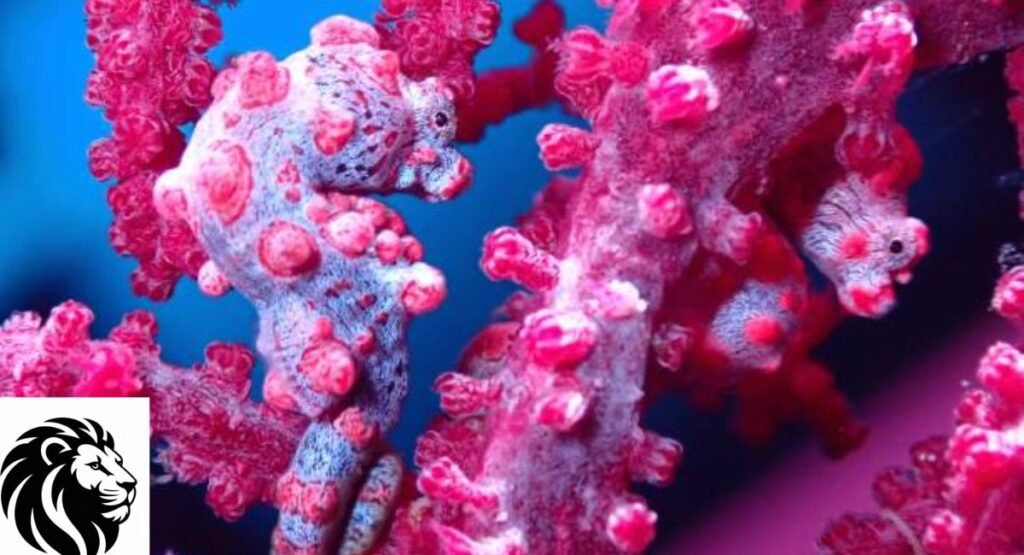
Size can make an animal surprisingly charming. Pygmy seahorses are tiny fish that can blend remarkably well with their surroundings. Their bodies often match the color and texture of the coral or sea fans where they live.
That camouflage does more than make them difficult to spot. It helps hide them from predators. Their curled tails can also grip branches securely. Like other seahorses, they have an unusual reproductive system in which males carry developing young.
7. Leaf Sheep Sea Slug
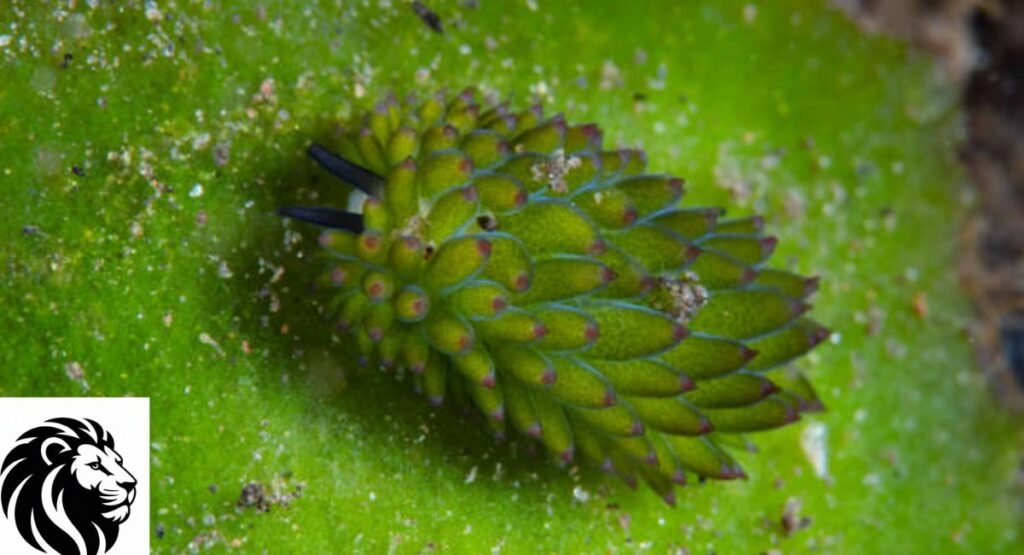
At first glance, the leaf sheep looks like a miniature green creature from a fantasy story. Costasiella kuroshimae is actually a sea slug. Its tiny body carries leaf-like structures called cerata that create its distinctive appearance.
This species feeds on algae and can retain some of the algae’s photosynthetic components. That ability is called kleptoplasty. It gives certain sea slugs a remarkable biological trick. Suddenly, this tiny underwater animal becomes much more fascinating than its cute appearance suggests.
8. Sea Turtle
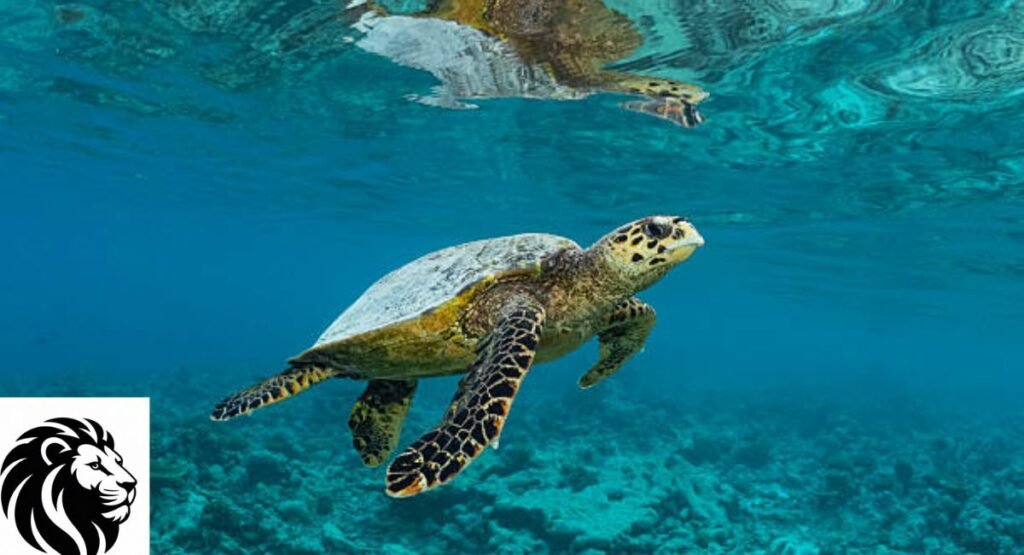
Few sights are more charming than a young sea turtle paddling toward the ocean. Their streamlined shells, broad flippers, and steady swimming style make them instantly recognizable. Sea turtles are reptiles that breathe air despite spending most of their lives in marine habitats.
Green and hawksbill turtles are two well-known examples. Their diets and ecological roles differ, yet both depend on healthy coastal and ocean habitats. Their survival can be affected by pollution, habitat loss, fishing activity, and other human pressures.
9. Shortnose Boxfish
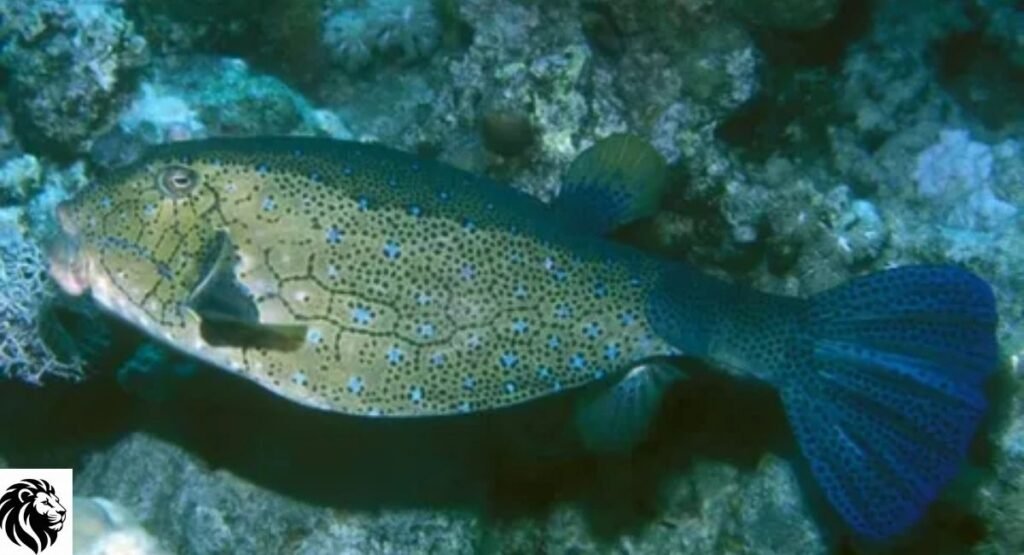
The shortnose boxfish looks like it escaped from an animated movie. Its body has a compact, box-like shape with a tiny mouth and distinctive markings. Instead of bending its entire body like many fish, it relies on specialized fin movements for precise control.
This unusual design helps it maneuver around coral structures. Boxfish also possess defenses that make them more complicated than their cheerful appearance suggests. Their rigid bodies provide protection while their specialized swimming lets them navigate tight reef spaces.
10. Harp Seal
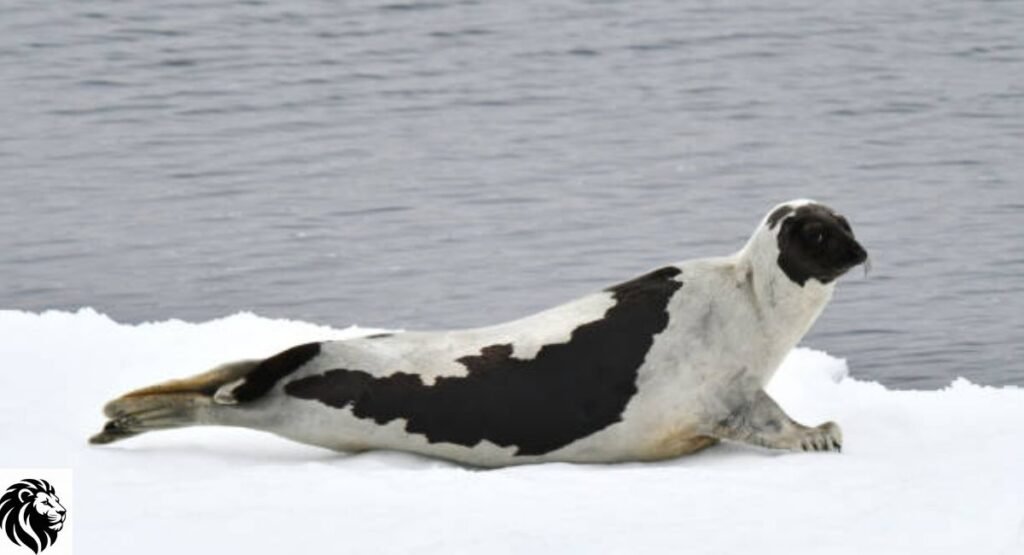
Baby harp seals have one of the most recognizable appearances in the marine world. Their fluffy white coats and dark eyes create a distinctly youthful look. As they grow, however, their coats change and their adult appearance becomes quite different.
Harp seals live in cold northern waters and depend on thick layers of body fat for insulation. Their life cycle is closely connected with sea ice. That relationship makes changes in polar conditions especially important for their survival.
11. Sea Lion
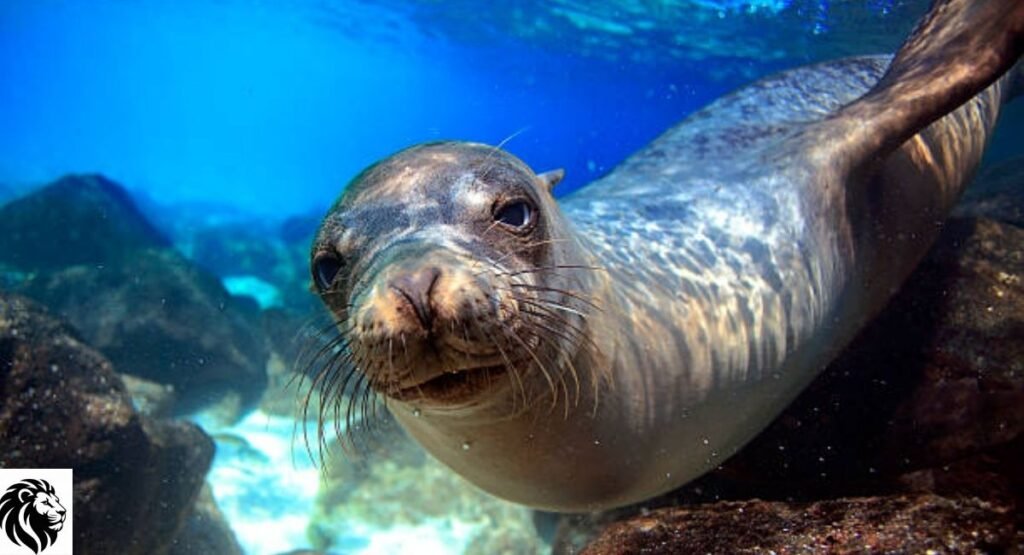
Sea lions have expressive faces and energetic personalities. They can twist their bodies through the water with impressive agility. On land, they can also move using all four flippers, which separates them from true seals.
These marine mammals often live in social groups and communicate through loud calls. Their external ear flaps provide another easy way to distinguish them from earless seals. California sea lions are familiar sights along parts of the U.S. West Coast.
12. Clownfish
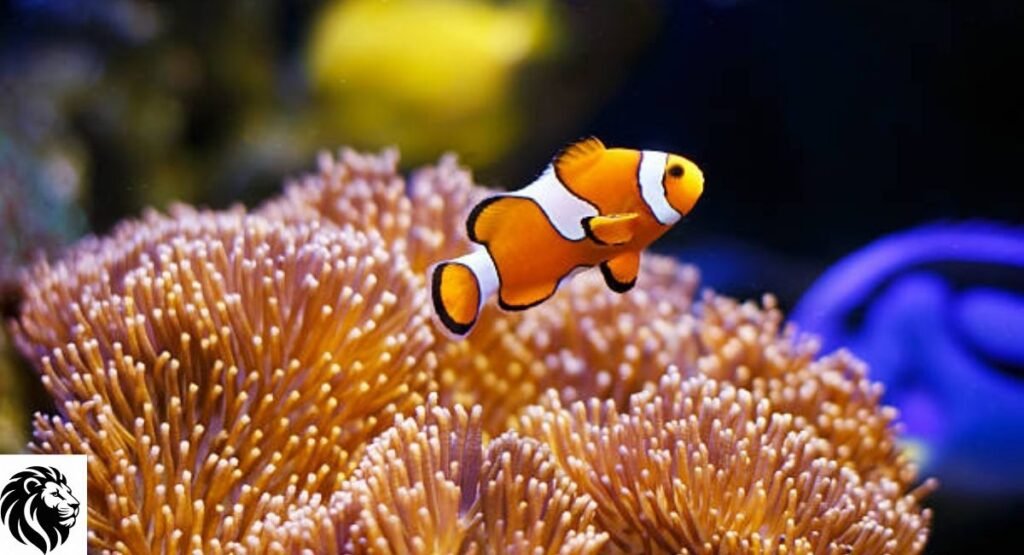
Bright orange, white, and black markings make clownfish easy to recognize. Yet their colors aren’t their only interesting feature. These small reef fish form a close relationship with sea anemones.
The anemone provides shelter while the clownfish can help defend the shared space and remove food scraps. A protective mucus layer helps the fish avoid the anemone’s stinging cells. This partnership is one of the ocean’s best-known examples of mutualism.
13. Mandarin Fish
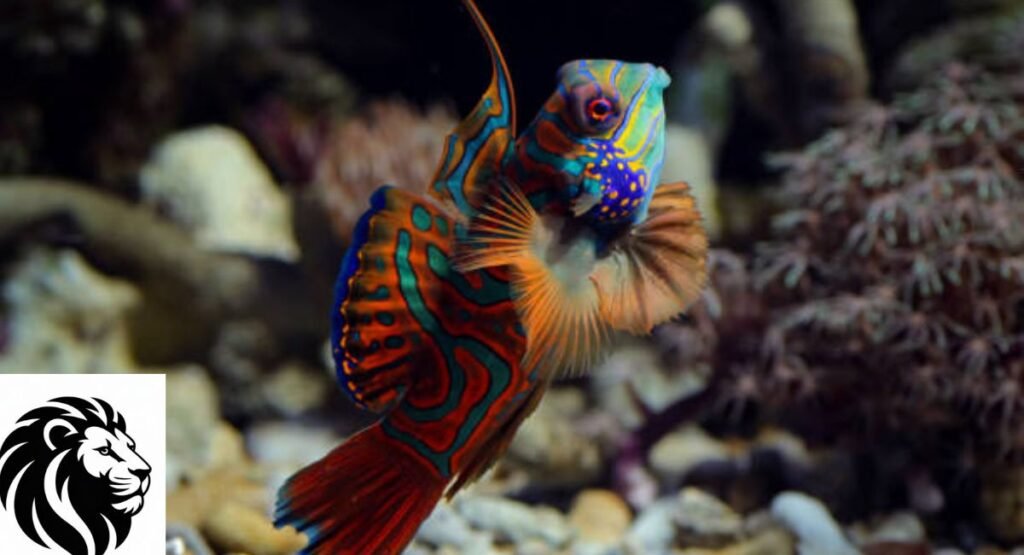
The mandarin fish looks like someone painted tiny waves across its body. Blue, orange, green, and other vivid tones create intricate patterns that stand out against coral reefs.
This small fish spends much of its time near the seafloor searching for tiny prey. Its striking appearance makes it popular among marine enthusiasts. Yet its beauty also reflects the incredible visual diversity found within tropical marine life.
14. Flamboyant Cuttlefish
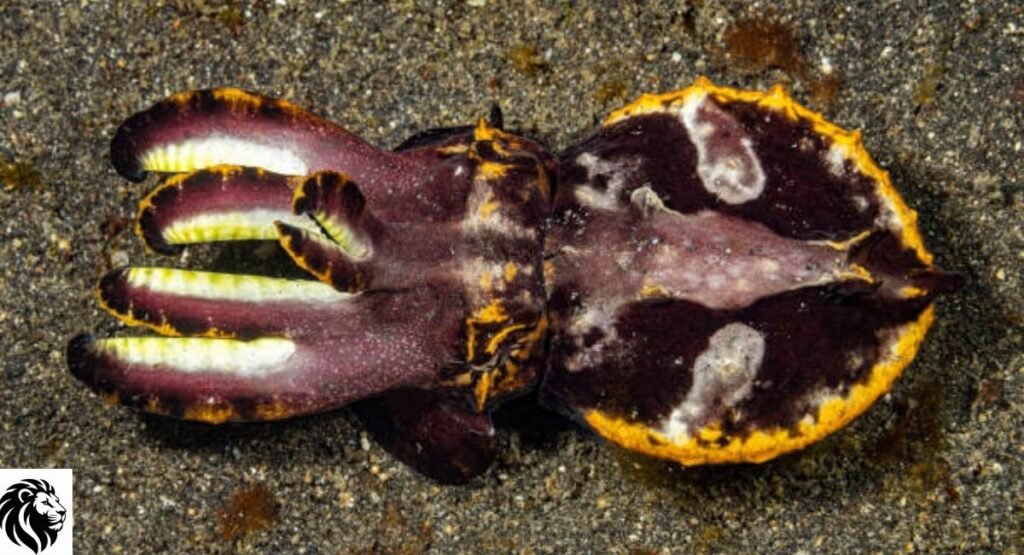
The flamboyant cuttlefish doesn’t need bright lighting to steal the show. It can display bold patterns and colors across its body while moving along the seafloor. Those dramatic changes can communicate information or warn potential predators.
Despite its flashy appearance, this animal remains a predator. Its tentacles help capture prey, while its unusual body design supports controlled movement. This tiny cephalopod proves that marine biodiversity can be both beautiful and biologically complex.
15. Blue Dragon Sea Slug
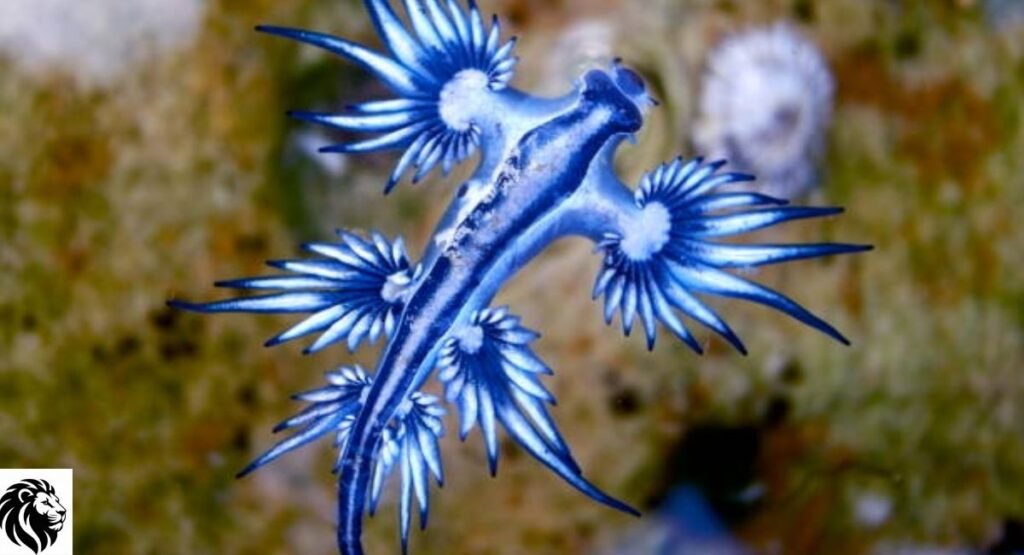
The blue dragon looks delicate, but its lifestyle tells another story. This small sea slug floats near the ocean surface with its body exposed to open water. Its blue coloration creates a striking silhouette against the sea.
Even stranger, it can feed on venomous organisms and retain defensive structures from some prey. Those stolen weapons can later help protect it. In other words, this beautiful creature turns its meals into part of its defense system.
16. Ribbon Eel
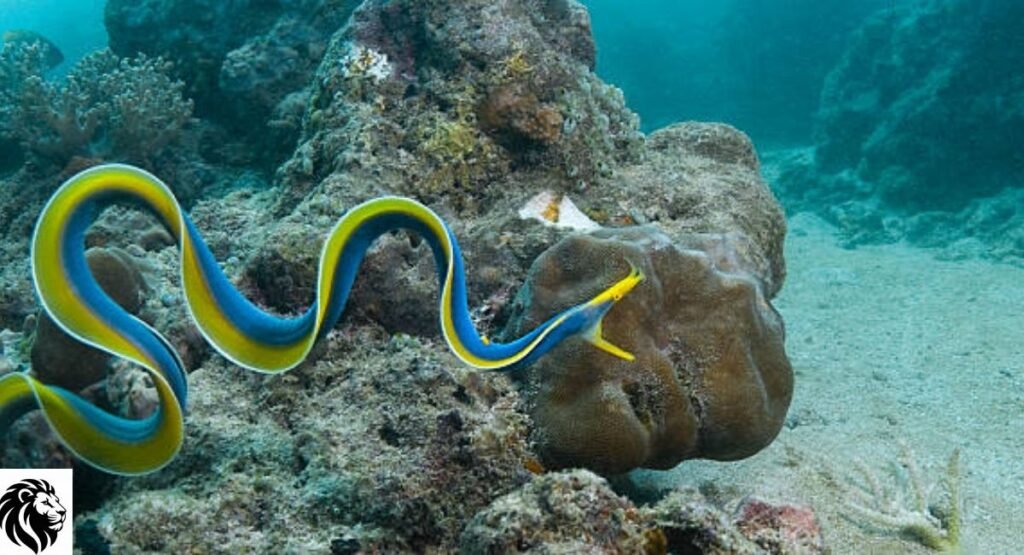
The ribbon eel has a long, slender body and vivid coloration. Its habit of opening and closing its mouth can make it look intimidating. In reality, that movement helps it breathe while it remains near its hiding place.
Young ribbon eels often have different coloration from adults. They live around reefs and rocky structures where they can retreat quickly. Their unusual appearance makes them a favorite among divers and underwater photographers.
17. Porcupinefish
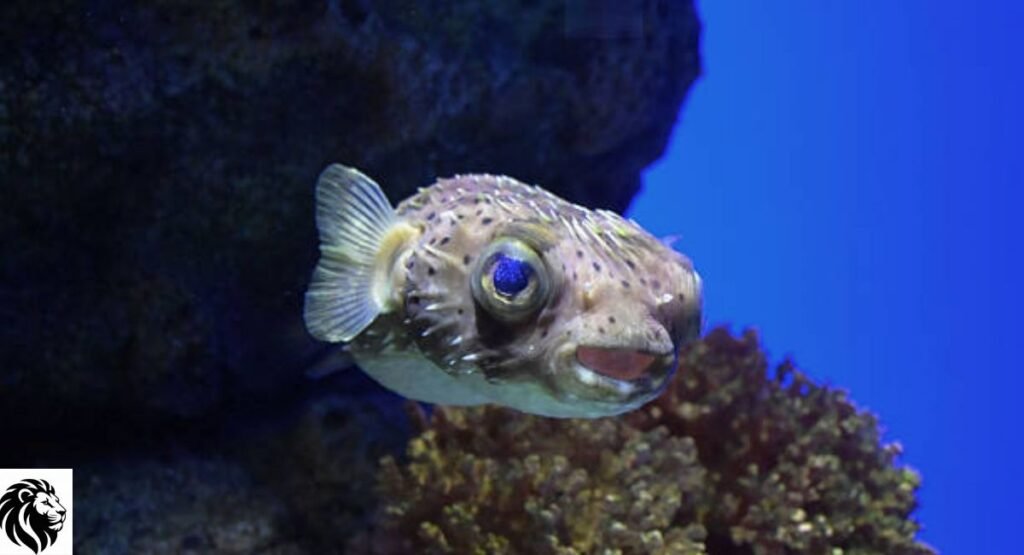
Porcupinefish combine a rounded body with an impressive defensive system. When threatened, some species can inflate their bodies and make their spines stand out more clearly.
That transformation can turn a seemingly harmless fish into a difficult meal. Porcupinefish belong to the broader pufferfish group, but their prominent spines give them a distinctive appearance. Their large eyes and compact shape also make them visually appealing.
18. Baby Octopus
A baby octopus can look almost comically small compared with its adult relatives. Yet even at a young age, octopuses possess impressive abilities. They can use camouflage, manipulate objects, and respond quickly to changes around them.
Survival is difficult for young octopuses because their small bodies make them vulnerable to predators. They must find food while avoiding larger animals. Their intelligence gives them an advantage, making these fascinating sea life encounters especially rewarding.
19. Dugong
The dugong has a gentle appearance that matches its peaceful diet. This marine mammal feeds mainly on seagrasses in shallow coastal areas. Its rounded body and broad tail give it a distinctive silhouette.
Dugongs belong to the sirenian group alongside manatees. Unlike most marine mammals, sirenians are entirely herbivorous. They can therefore influence coastal ecosystems through their feeding habits. Healthy seagrass meadows remain essential to their survival.
20. Manta Ray
Manta rays seem to fly underwater. Their enormous pectoral fins move in smooth waves as they glide through the ocean. Their wide mouths allow them to filter tiny organisms from the water while swimming.
Despite their impressive size, mantas aren’t the same as stingrays. Manta rays lack the venomous tail spine associated with stingrays. Their graceful movement and curious behavior make encounters with these ocean creatures unforgettable.
21. Garden Eel
A colony of garden eels can look like a field of underwater flowers. Each eel lives inside a sandy burrow and extends part of its body into the current to feed.
When danger approaches, the eels quickly retreat underground. They rarely abandon their burrows completely. This strategy gives them access to passing food while keeping a secure hiding place nearby.
22. Hermit Crab
Hermit crabs have a clever solution to a major problem. Their soft abdomen needs protection, so they use empty shells as portable armor. As they grow, they must find larger shells.
Shell selection can become surprisingly competitive. A suitable shell offers both protection and room to grow. These small scavengers also help recycle organic material within coastal ecosystems, making them useful members of marine communities.
23. Sea Angel
The sea angel sounds gentle, and its appearance certainly supports that impression. This tiny swimming sea slug has a transparent body and wing-like structures that help it glide through cold water.
However, its diet reveals a more predatory side. Sea angels hunt other small swimming sea snails called sea butterflies. Their delicate appearance therefore hides an active hunter. Nature doesn’t always match appearances with behavior.
24. Cookiecutter Shark
The cookiecutter shark may not look conventionally cute, yet its unusual biology earns it a place among fascinating ocean animals. This small shark has a dark body and a distinctive underside that helps identify it.
Its name comes from the round wounds it leaves after taking plugs of tissue from larger animals. It spends much of its life in deep water and performs vertical movements through the ocean. Its strange feeding strategy is a remarkable example of adaptation.
25. Flapjack Octopus
The flapjack octopus has a rounded body, large eyes, and a remarkably compact appearance. Its shape gives it a softer look than many people expect from an octopus.
This animal lives in deep water where sunlight barely reaches. Its fins and webbed arms help it move through the dark environment. Like other deep-sea octopuses, it remains difficult to study because humans cannot easily reach its natural habitat.
Cute Sea Animals at a Glance
| Animal | Type | Where It Lives | What Makes It Appealing |
| Sea Otter | Marine mammal | Coastal waters | Fluffy fur |
| Sea Bunny | Sea slug | Indo-Pacific | Rabbit-like appearance |
| Dumbo Octopus | Cephalopod | Deep ocean | Ear-like fins |
| Pufferfish | Fish | Tropical and subtropical waters | Round body |
| Beluga Whale | Marine mammal | Arctic waters | Rounded forehead |
| Pygmy Seahorse | Fish | Coral reefs | Tiny size |
| Leaf Sheep | Sea slug | Tropical reefs | Sheep-like shape |
| Clownfish | Fish | Coral reefs | Bright colors |
| Dugong | Marine mammal | Shallow coastal waters | Gentle appearance |
| Sea Angel | Sea slug | Cold marine waters | Wing-like body |
Why Do Some Ocean Creatures Look So Cute?
Human brains often respond strongly to rounded faces, large eyes, small mouths, and compact bodies. These traits can resemble features seen in young animals. That may explain why certain cute marine animals attract attention so quickly.
However, appearance isn’t the whole story. Color, movement, behavior, and unusual body structures can also influence how we perceive a species. A floating sea otter feels playful. A tiny pygmy seahorse seems delicate. A Dumbo octopus looks almost whimsical.
Large Eyes and Rounded Faces
Large eyes and rounded facial structures can create a youthful appearance. Beluga whales offer a perfect example. Their rounded melons and expressive faces make them instantly recognizable.
Tiny Bodies and Compact Features
Small size can make an animal seem even more appealing. Pygmy seahorses and tiny sea slugs demonstrate how miniature proportions can attract attention while hiding complex survival strategies.
Bright Colors and Unusual Patterns
Color can transform an ordinary-looking animal into a visual spectacle. Mandarin fish, clownfish, ribbon eels, and flamboyant cuttlefish all use striking patterns that make them stand out.
Playful or Gentle Behavior
Behavior can change our perception of an animal. Sea otters floating together or sea lions moving energetically through the water can appear playful, curious, and almost expressive.
Fluffy, Soft, or Baby-Like Features
Soft fur and juvenile features often trigger strong emotional responses. Sea otters and harp seal pups are especially memorable because their physical appearance resembles traits people commonly associate with young animals.
Rare and Unusual Marine Creatures Worth Discovering
Some ocean species feel rare simply because humans seldom see them. Deep water, extreme pressure, darkness, and remote habitats make observation difficult. A creature can therefore remain poorly known without necessarily having an extremely small population.
Tiny nudibranchs, deep-water octopuses, unusual sea slugs, and specialized reef fish all demonstrate this hidden diversity. The deeper scientists explore, the more unexpected marine species they encounter. NOAA expeditions have documented Dumbo octopuses at depths where ordinary diving isn’t possible.
Where Can You Find These Adorable Ocean Creatures?
The habitat of an animal often explains its appearance and behavior. Coral reefs reward camouflage and maneuverability. Polar waters demand insulation. Deep oceans require adaptations for darkness, pressure, and scarce food.
Understanding these environments makes ocean wildlife even more interesting. You aren’t simply looking at a cute face. You’re seeing the result of countless generations adapting to a particular underwater world.
Coral Reefs
Warm reefs support colorful fish, pygmy seahorses, ribbon eels, boxfish, and many other species. Their complex structures provide food, shelter, and hiding places.
Shallow Coastal Waters
Sea otters, dugongs, sea turtles, and several seal and sea lion species use coastal habitats. These areas often provide abundant food and access to resting or breeding sites.
Polar Oceans
Beluga whales and harp seals thrive in cold northern environments. Their bodies have specialized features that help them conserve heat and survive around seasonal sea ice.
Open Ocean
Some animals spend much of their lives away from the seafloor. Blue dragons and manta rays demonstrate how open-water species can develop very different feeding and survival strategies.
Deep-Sea Habitats
Dumbo octopuses, flapjack octopuses, and cookiecutter sharks inhabit deeper environments. Darkness, immense pressure, and limited sunlight create conditions that would challenge most shallow-water animals.
How Cute Marine Animals Survive in the Ocean
Looking cute doesn’t make survival easy. Every species faces predators, food shortages, changing temperatures, and competition. Their bodies and behaviors provide solutions to those problems.
Camouflage can make a pygmy seahorse nearly disappear. Spines can discourage predators. Thick fur protects sea otters from cold water. Deep-sea octopuses use specialized fins to move efficiently. These marine adaptations reveal the practical side of nature’s creativity.
Camouflage and mimicry allow some species to blend into coral, sand, plants, or open water. Defensive behaviors provide another layer of protection. Inflation, spines, toxins, and chemical defenses can turn a vulnerable-looking animal into a difficult target.
Feeding adaptations matter just as much. Manta rays filter tiny organisms from seawater. Dugongs graze on seagrass. Sea otters use tools to open hard prey. These strategies show how each species fits into its own ecological niche.
Fascinating Facts About Marine Life
The most interesting marine animals often hide their best secrets beneath their appearance. A sea otter has extraordinarily dense fur. A Dumbo octopus uses fins for deep-water movement. A beluga can produce a wide range of sounds.
Marine mammals also demonstrate remarkable diversity. NOAA groups them into cetaceans, pinnipeds, sirenians, and marine fissipeds. These groups include whales, dolphins, seals, sea lions, dugongs, manatees, sea otters, and polar bears.
| Interesting Trait | Example | Why It Matters |
| Tool use | Sea otter | Helps open hard prey |
| Extreme depth | Dumbo octopus | Allows life in deep water |
| Vocal communication | Beluga whale | Supports social interaction |
| Camouflage | Pygmy seahorse | Helps avoid detection |
| Filter feeding | Manta ray | Captures tiny ocean organisms |
| Herbivory | Dugong | Connects animals with seagrass ecosystems |
How to Help Protect Cute Marine Animals
Admiring cute sea animals also means protecting the places where they live. Healthy reefs, kelp forests, seagrass meadows, beaches, and deep-ocean ecosystems all support different forms of life. When these habitats suffer, the animals depending on them face new challenges.
For travelers, responsible wildlife watching matters. Keep a safe distance from wild animals. Never chase, touch, feed, or attempt to interact with marine wildlife. NOAA also advises visitors to observe seals and sea lions from a safe distance because close contact can harm both animals and people.
Reducing plastic waste can also help. Choosing sustainable seafood and supporting responsible marine tourism can make a difference. Most importantly, remember that wild animals don’t need human attention to be fascinating. Sometimes the best encounter is simply watching from afar.
Conclusion
The ocean is full of creatures that challenge our expectations. Sea otters use tools, Dumbo octopuses glide through the deep, and tiny sea slugs can look like miniature fantasy animals. Each species has evolved traits suited to its own demanding environment.
These cute sea animals are more than pretty faces. They represent the extraordinary variety of marine life and the intricate connections within ocean ecosystems. Whether you love fluffy mammals, colorful fish, tiny sea slugs, or strange deep-sea creatures, the underwater world always has another surprise waiting.
FAQs
What are the cutest sea animals?
Sea otters, sea bunnies, pygmy seahorses, sea lions, beluga whales, and pufferfish are popular choices. However, cuteness depends on appearance, behavior, and personal preference.
What is the rarest cute sea animal?
There isn’t one universally accepted “rarest” species on this list. Some deep-sea animals seem rare because humans rarely encounter them in their natural habitats.
What are some cute deep-sea animals?
Dumbo octopuses and flapjack octopuses are excellent examples. Both have unusual body shapes and live in deep ocean environments where sunlight is extremely limited.
What is the smallest animal on this list?
Pygmy seahorses and several tiny sea slugs are among the smallest animals featured. Their miniature bodies also help them remain hidden within complex reef habitats.
Are cute sea animals dangerous?
Some can be. Pufferfish may contain powerful toxins, while other species have spines or defensive chemicals. A charming appearance doesn’t tell you whether an animal is safe to touch.

Welcome to natureanimalhub! I’m Anam Sattar, an AI Powered SEO, and Content Writer with 4 years of experirnce.
I help websites rank higher,grow traffic, and look amazing. My goal is to make SEO and web design simple and effective for everyone.
Let’s achieve more together!