


Nature is full of animals wearing striking color combinations, but black and yellow animals are especially hard to miss. You’ll find these bold patterns on buzzing bees, colorful frogs, unusual birds, sleek snakes, and even furry mammals. Sometimes, warning coloration tells predators to stay away. In other cases, black-and-yellow stripes help harmless species imitate dangerous ones. These colors can also support camouflage, communication, or species recognition.
From familiar bumblebees to remarkable sea kraits, each animal has a different story behind its appearance. In this guide, you’ll discover 20 fascinating species, learn why they developed these patterns, and see how their colors help them survive in very different habitats.
Why Are Some Animals Black and Yellow?
Black and yellow coloration often acts like nature’s warning sign. Bright yellow can stand out sharply against darker surroundings. When paired with black, it creates strong visual contrast that predators can notice quickly. This pattern appears especially often among insects and other animals with defensive traits. Researchers call this warning display aposematism.
However, color doesn’t always advertise danger. Some harmless species copy the appearance of defended animals through Batesian mimicry. Others use contrasting markings for camouflage or communication. The same color combination can therefore serve different purposes in different habitats. Think of it as nature using one visual language with several meanings.
What Do Black and Yellow Colors Mean in Nature?
For many animals, black-and-yellow markings tell predators to think twice. A bird that once experienced a painful sting may later avoid a similar pattern. This learned avoidance gives defended insects an advantage. Still, warning coloration isn’t a guarantee that every black-and-yellow animal can hurt you.
Bumblebees provide a familiar example. Their bold markings can signal defensive ability, while harmless hoverflies sometimes imitate bee-like patterns. This fascinating visual deception lets a harmless insect gain some protection without carrying the same weaponry.
How Do Animals Get Their Yellow and Black Patterns?
Animals create these colors through different biological structures and pigments. Melanin produces many dark brown and black tones, while yellow shades can come from pigments, structural effects, feathers, scales, or specialized skin tissues. The exact mechanism differs greatly between insects, birds, reptiles, amphibians, and mammals.
In insects, colored scales or body tissues can create sharp bands. Birds often display colors through feathers and microscopic structures. Mammals rely mainly on pigments within their hair. Consequently, two animals may look similar while producing their colors through completely different biological processes.
20 Black and Yellow Animals Found in Nature
The natural world contains many species with striking dark-and-yellow designs. Some have classic stripes, while others feature yellow markings, bands, spots, bellies, heads, or golden patches. The 20 animals below represent insects, arachnids, birds, reptiles, amphibians, and mammals from several continents.
Their appearances also tell different stories. A bee’s colors can discourage predators. A sea krait’s bands contrast sharply with its marine body. A marmot’s yellowish belly has a very different evolutionary background. That variety makes these animals especially interesting to compare.
1. Bumblebee
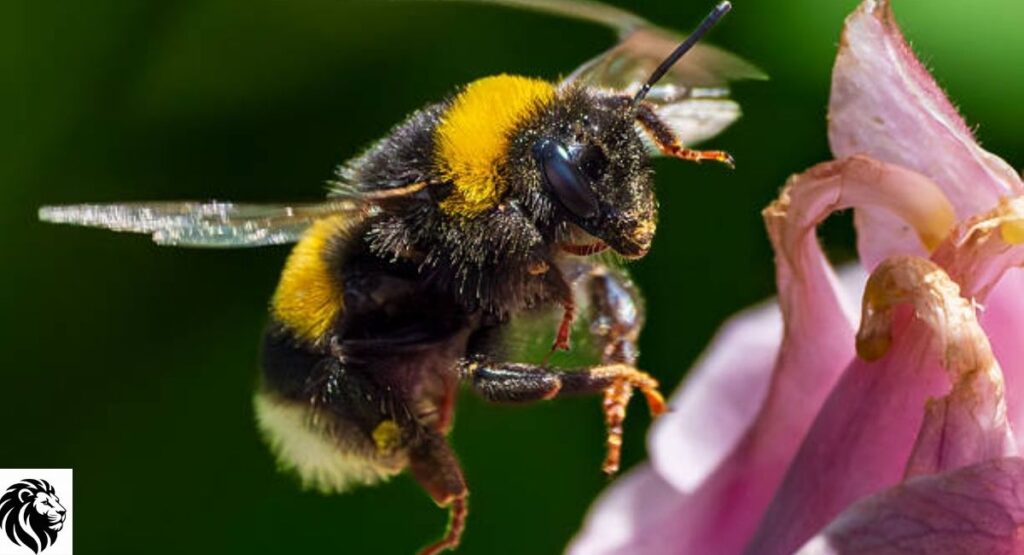
Bumblebees are among the most recognizable black-and-yellow insects in North America. Their rounded bodies carry dense hairs that trap pollen as they visit flowers. Unlike honeybees, bumblebees look noticeably fuzzy and robust. Their colors can also function as warning signals because they possess a painful sting.
2. Yellowjacket
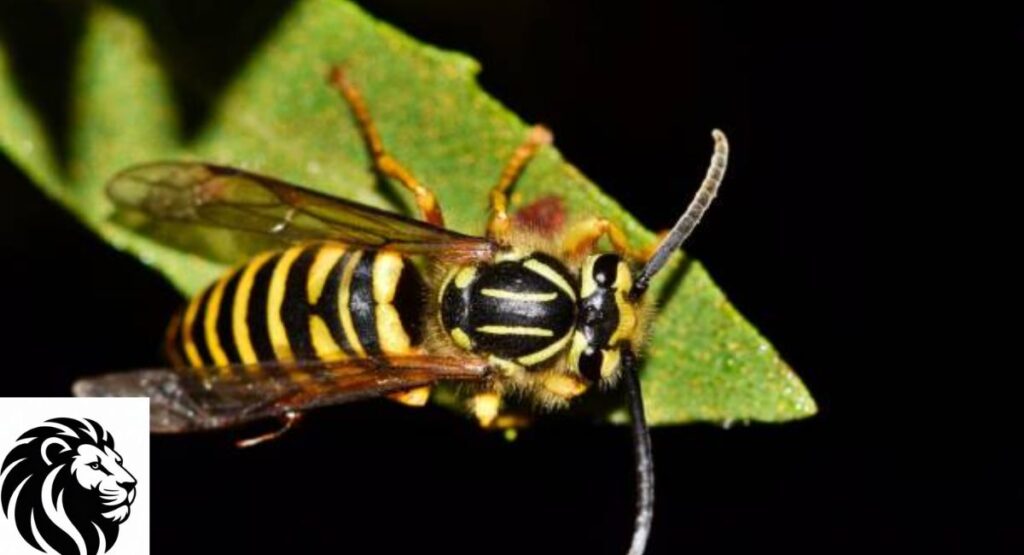
Yellowjackets have smooth, slender bodies marked with vivid yellow and black bands. These social wasps live in colonies and hunt many insects, making them useful predators of pests. Unlike bees, they don’t have hairy bodies for carrying pollen. Their defensive behavior can increase around nests and tempting human food.
3. Black-and-Yellow Garden Spider
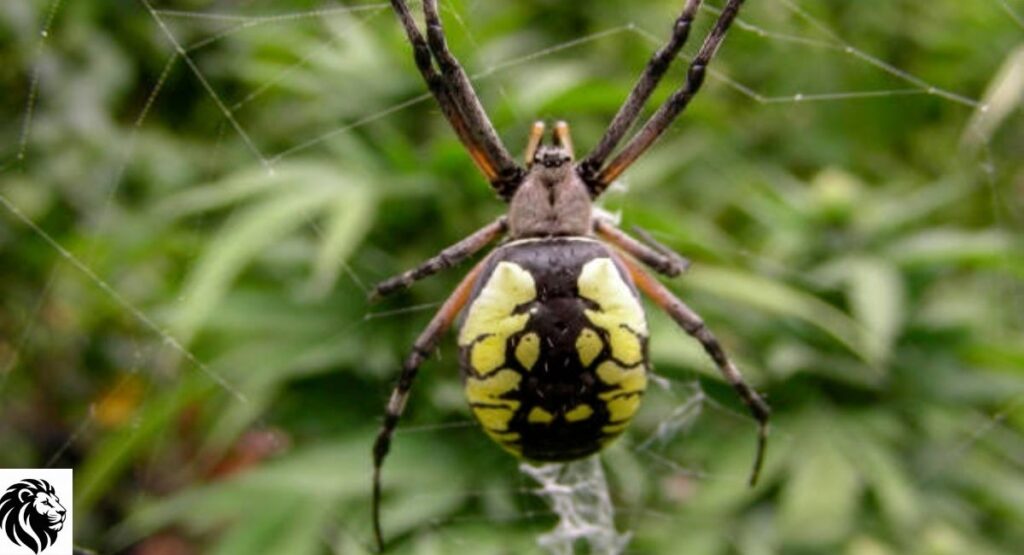
The black-and-yellow garden spider, Argiope aurantia, builds large circular webs among vegetation. Females have a dark abdomen decorated with symmetrical yellow patches. Their webs often contain a conspicuous zigzag structure called a stabilimentum. The spider’s venom immobilizes prey but generally poses little danger to humans.
4. Black-and-Yellow Mud Dauber
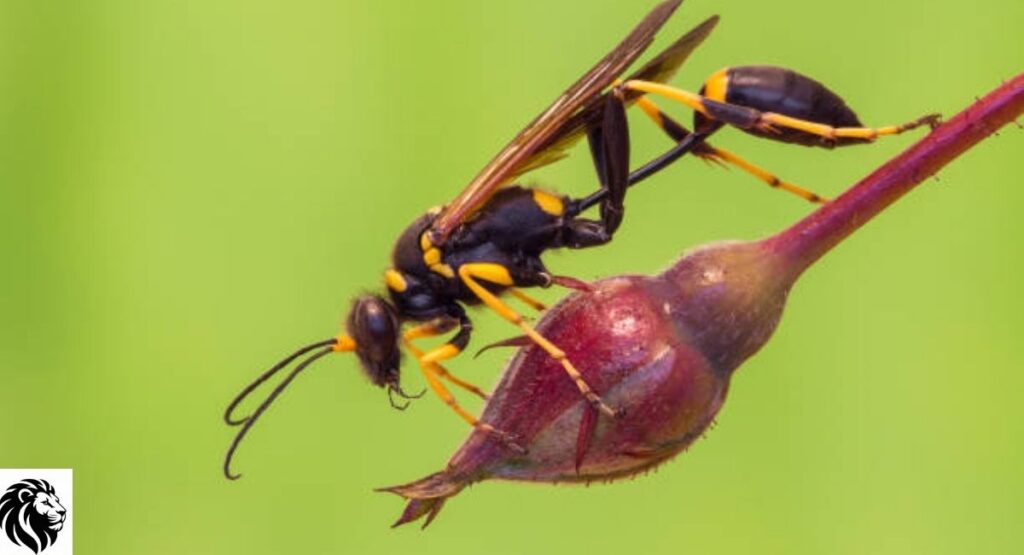
Black-and-yellow mud daubers are slender wasps with a narrow waist and contrasting markings. These solitary hunters build mud nests rather than large social colonies. A female captures spiders, paralyzes them, and places them inside nest chambers as food for her developing young. That behavior makes this wasp an unusual predator among garden insects.
5. Cinnabar Moth
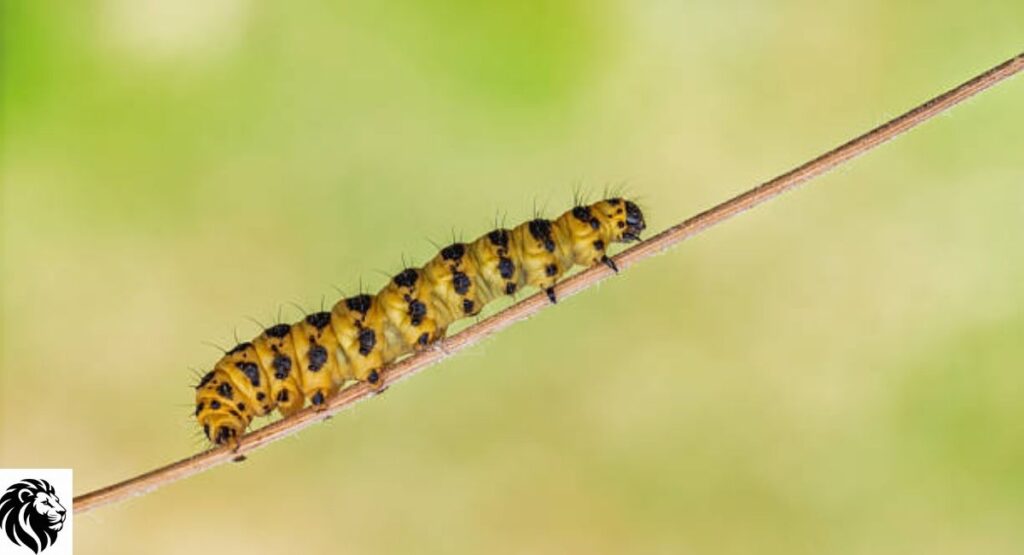
The cinnabar moth is better known for its black wings and vivid red markings than true yellow-and-black coloration. However, its caterpillars can show striking yellow-and-black patterns. They commonly feed on ragwort plants, which contain defensive chemicals. Their conspicuous appearance can therefore advertise an unpleasant meal to predators.
6. Black-and-Yellow Tortoise Beetle
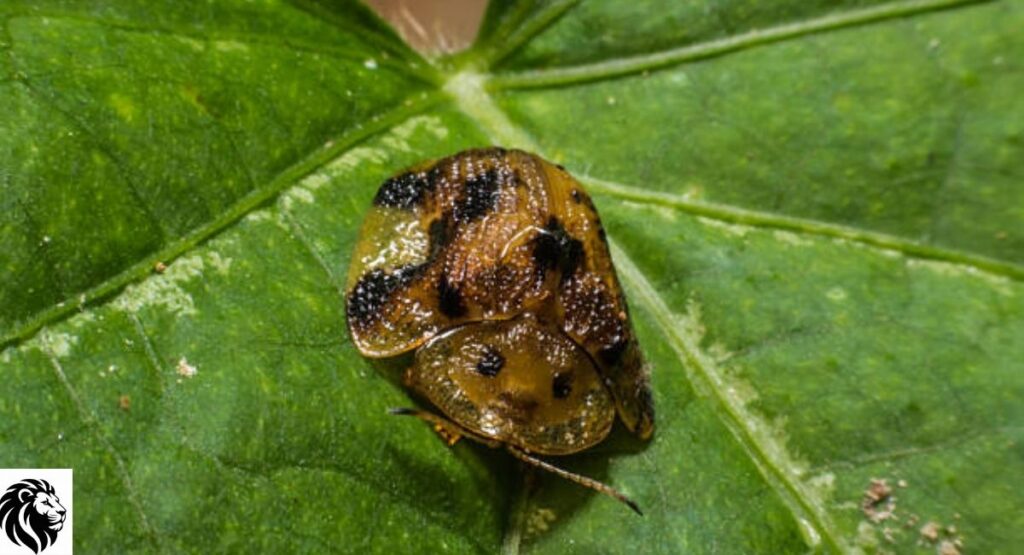
Black-and-yellow tortoise beetles have rounded bodies that can resemble tiny living shields. Their contrasting colors make them particularly eye-catching on leaves. These beetles generally feed on plant material, while their broad body shape helps protect vulnerable areas. Like many beetles, their larvae and adults can have noticeably different appearances.
7. Yellow-and-Black Longhorn Beetle
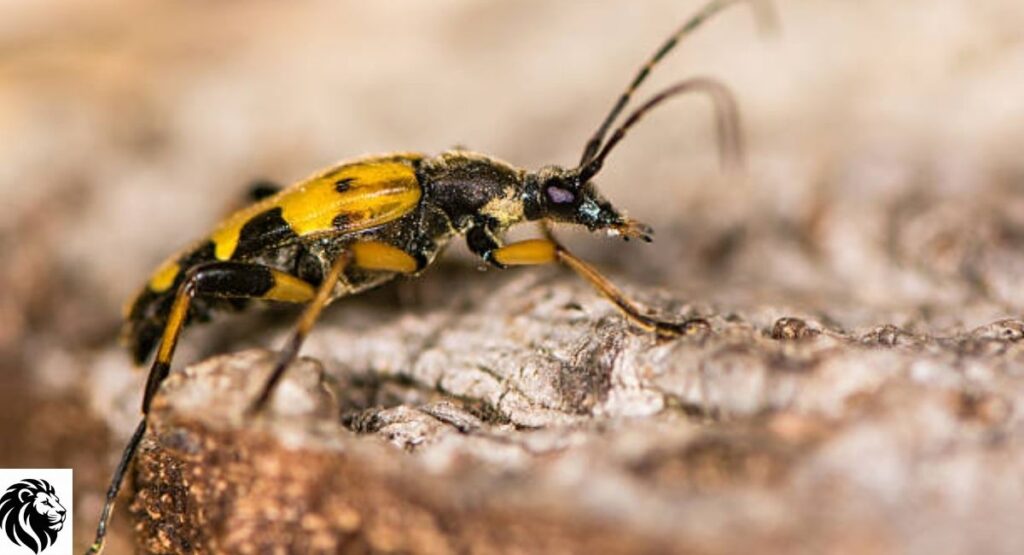
Longhorn beetles earn their name from their remarkably extended antennae. Some species display strong yellow-and-black bands that resemble warning patterns seen in wasps. Adults may feed on flowers, leaves, or plant juices, while their larvae often develop within wood or stems. This makes them important participants in forest nutrient cycles.
8. Black-and-Yellow Broadbill
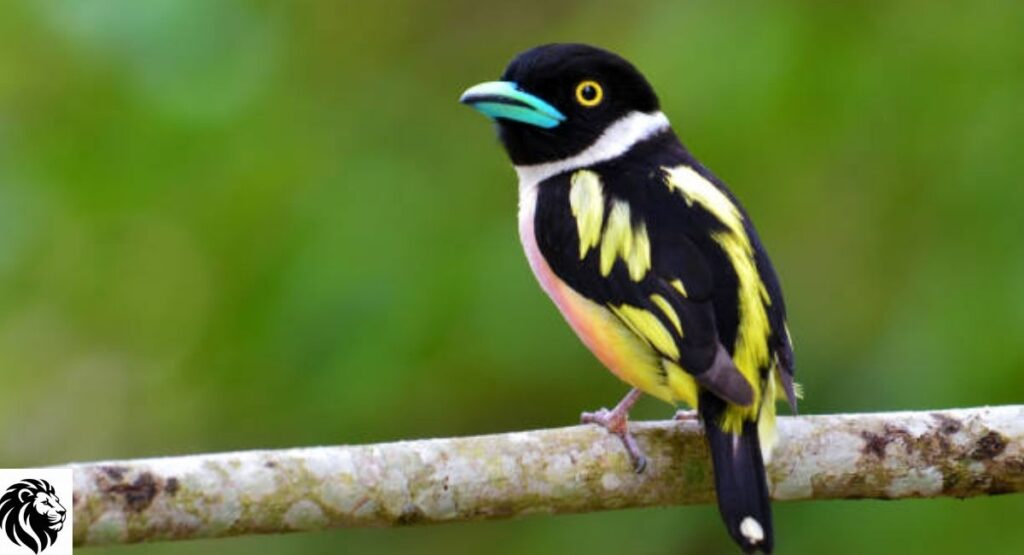
The black-and-yellow broadbill is a small forest bird associated with Southeast Asia. Its bright yellow body contrasts with darker areas around the head and upper body. A compact bill suits its insect-eating lifestyle. Dense tropical vegetation provides both feeding opportunities and cover for this colorful bird.
9. Black-and-Yellow Tanager
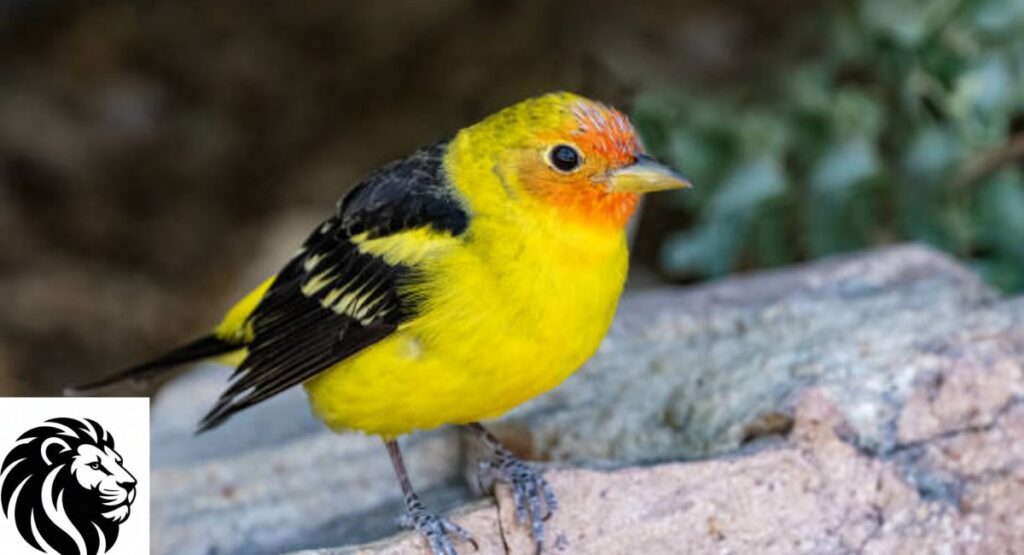
Black-and-yellow tanagers combine brilliant yellow plumage with darker markings that stand out against green vegetation. These tropical birds can feed on fruits, insects, and other small food items depending on species and habitat. Their bright appearance makes them memorable, especially when sunlight filters through a forest canopy.
10. Yellow-headed Caracara
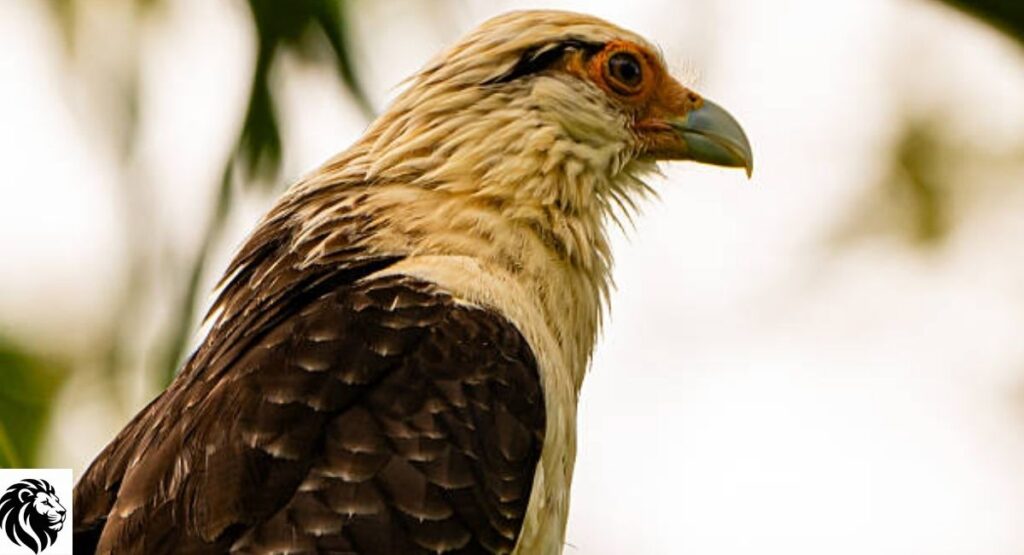
The yellow-headed caracara has a yellowish head and neck contrasted by darker wings. This adaptable bird is an opportunistic feeder rather than a specialist hunter. It may search open landscapes for carrion, insects, small animals, or other available food. Human-altered environments can sometimes create additional feeding opportunities.
11. Black-and-Yellow Racer
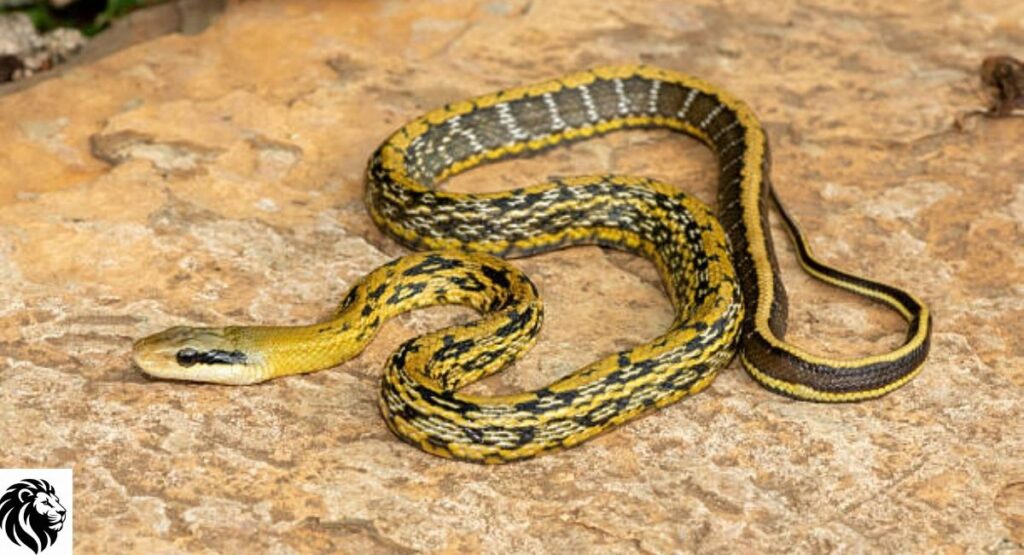
The name “black-and-yellow racer” can refer to different snakes depending on the region. These slender snakes typically show dark bodies with yellow or golden markings. Many racers are quick-moving hunters that search vegetation and the ground for small prey. Because common names overlap, geographic location matters when identifying one accurately.
12. Yellow-banded Poison Frog
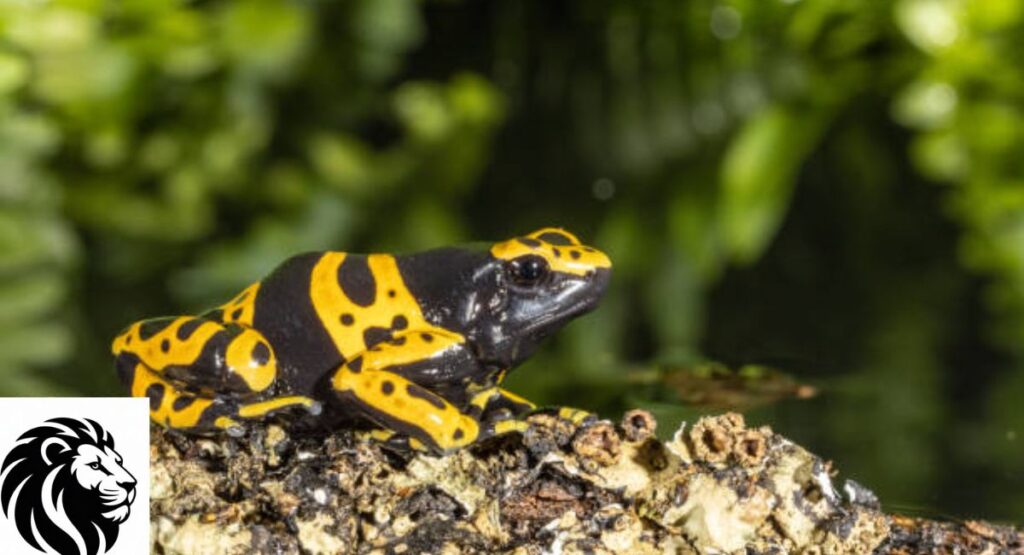
The yellow-banded poison frog, Dendrobates leucomelas, has one of the most dramatic patterns in this collection. Its yellow-and-black bands act as a powerful visual warning. Wild frogs can obtain defensive chemicals through their specialized diet, particularly prey such as ants. In captivity, those toxins may be greatly reduced or absent.
13. Yellow-and-Black Dart Frog
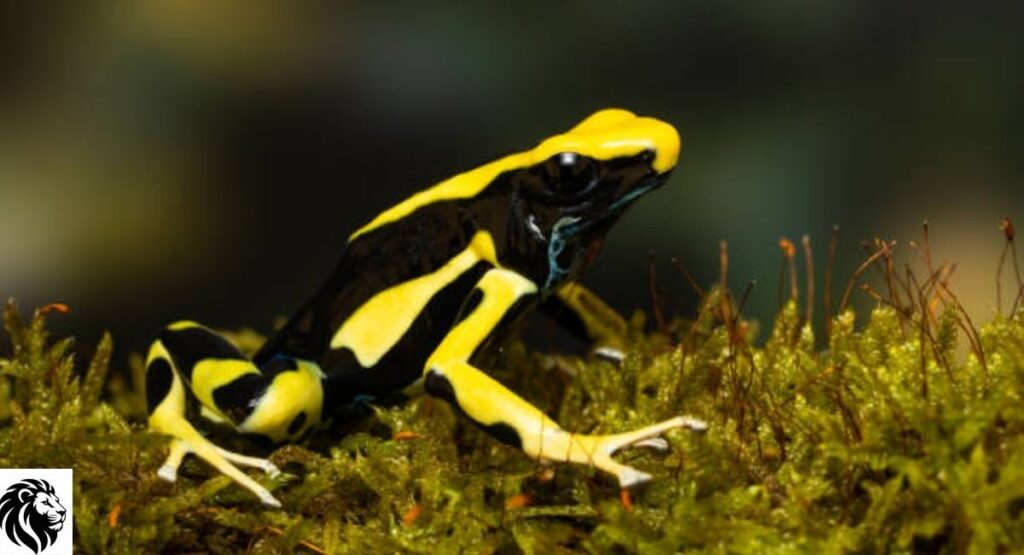
Yellow-and-black dart frogs demonstrate how toxic amphibians can use conspicuous colors to discourage predators. Their rainforest lives place them among leaf litter, vegetation, fallen wood, and damp ground. Dietary chemistry plays an important role in the defenses of many poison frogs, showing how food can influence an animal’s biology.
14. Yellow-banded Sea Krait
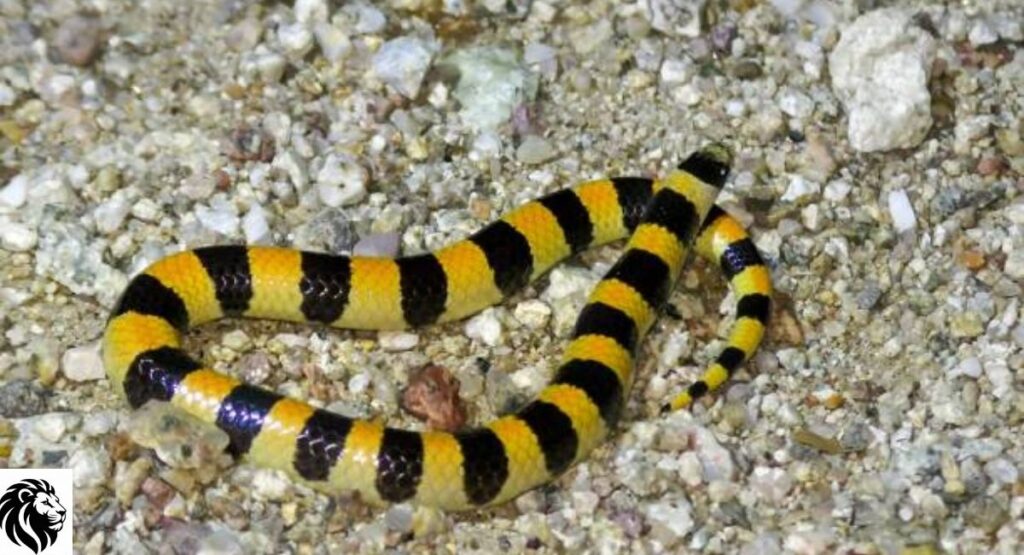
The yellow-banded sea krait has a long body decorated with alternating dark and yellow bands. Its paddle-shaped tail provides efficient movement through seawater. This marine reptile possesses potent venom for subduing prey. Despite its aquatic lifestyle, it can also visit land, where it may rest or carry out important parts of its life cycle.
15. Yellow-bellied Sea Snake
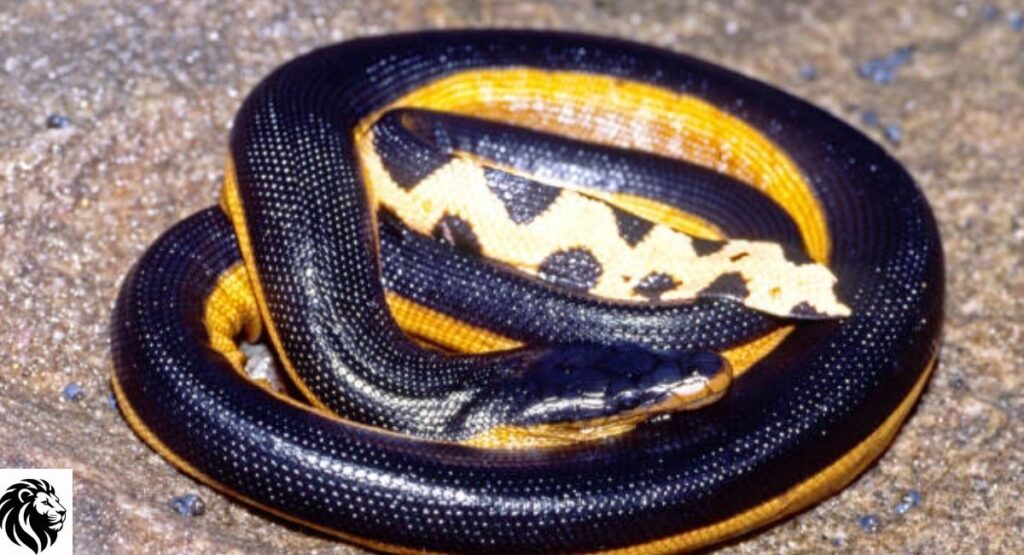
The yellow-bellied sea snake has a dark upper surface paired with a bright yellow underside. Its body is flattened from side to side, which helps it move efficiently through water. A flattened tail works like a paddle. Unlike many land snakes, this species spends most of its existence in marine environments.
16. Yellow-footed Rock-wallaby
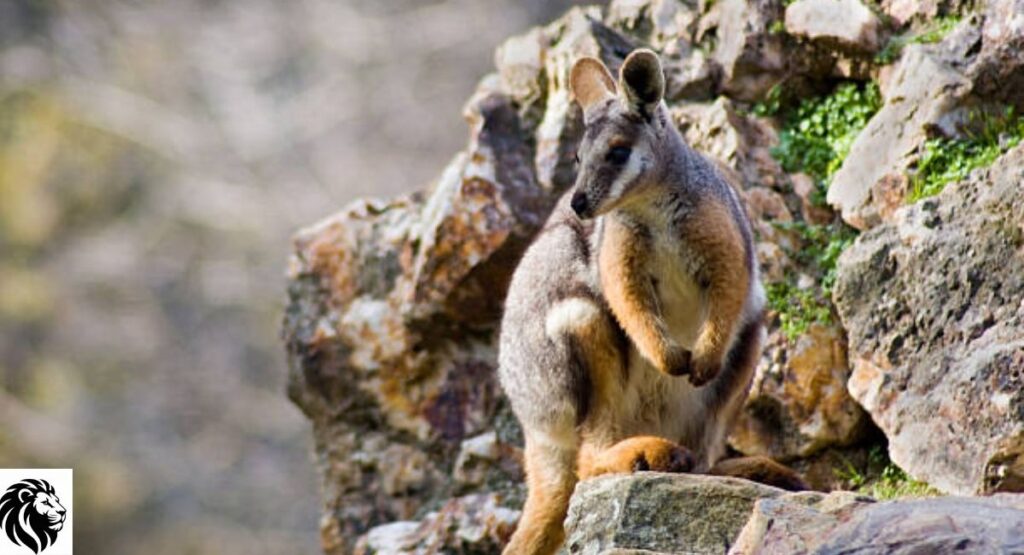
The yellow-footed rock-wallaby has a grayish body with rich yellow-to-orange limbs and feet. A dark stripe runs along its back, adding another striking contrast. It lives around rocky outcrops, cliffs, gorges, and steep slopes in Australia. Its powerful feet and agility help it navigate terrain that would challenge many mammals.
These wallabies also use rocky shelters to escape extreme summer heat. They often emerge after dark to feed on grasses, forbs, and other vegetation. Colonies can contain many individuals, while their isolated rocky habitats create natural pockets across their range.
17. Malayan Sun Bear
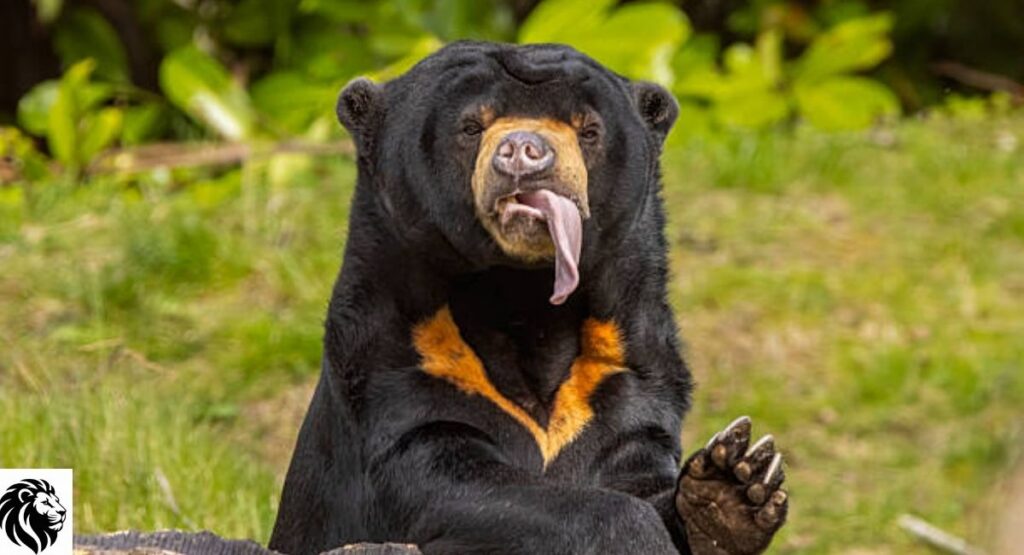
The Malayan sun bear has dark fur with a distinctive golden or yellowish chest patch. Its unusually long tongue helps it reach honey, termites, and other food hidden inside narrow spaces. This small bear spends much of its life in forests, where habitat loss and fragmentation can affect access to food and shelter.
18. Golden Lion Tamarin
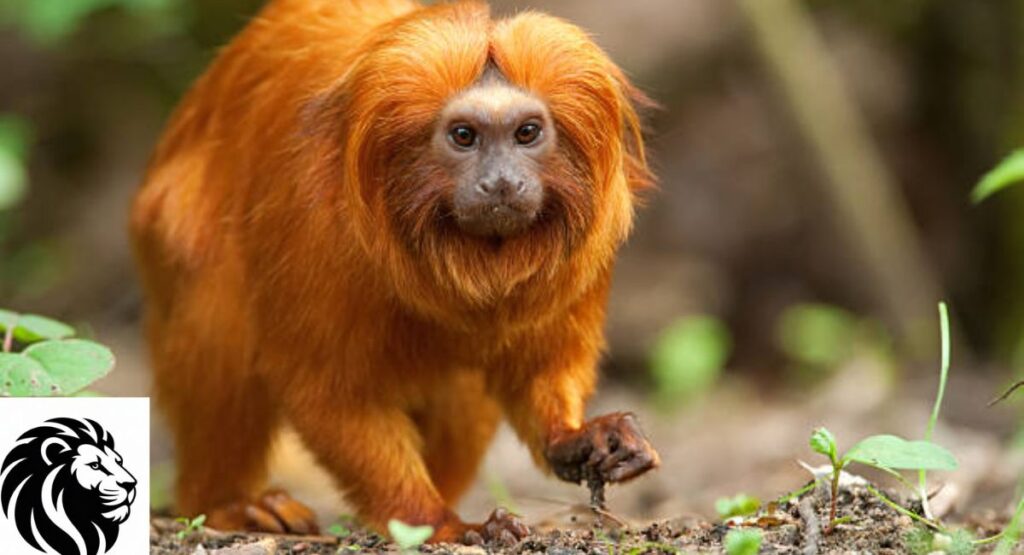
The golden lion tamarin has a brilliant golden mane surrounding a darker face. This tiny primate lives in Brazil’s Atlantic Forest and often moves through the canopy in family groups. Its small size doesn’t make it insignificant. By eating fruits and dispersing seeds, it contributes to the health of its forest ecosystem.
19. Yellow-throated Marten
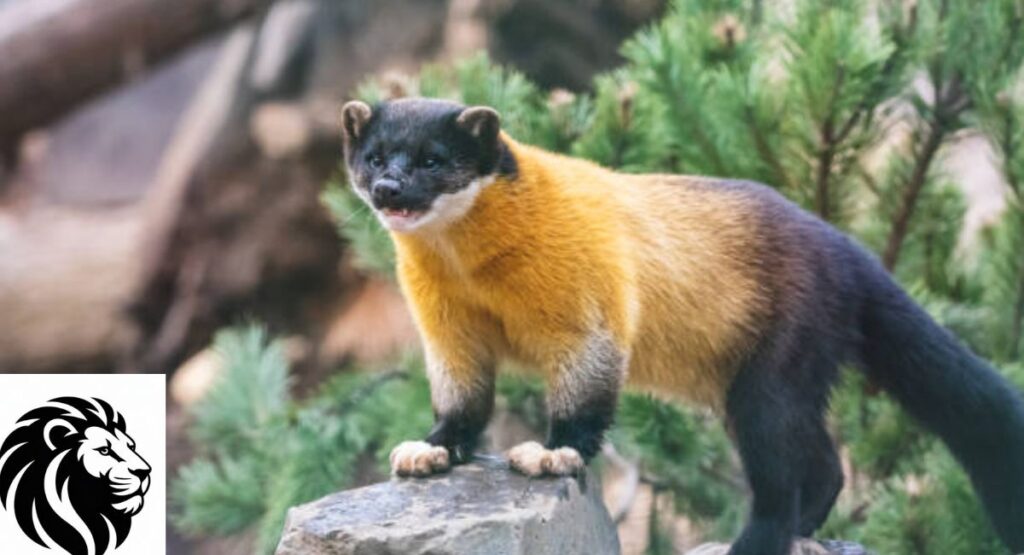
The yellow-throated marten has a dark head and back with golden-yellow coloration across its throat, chest, and lower body. It is an agile climber with a remarkably varied diet. Fruit, nectar, insects, rodents, reptiles, birds, and other small animals can all become food. It occurs across parts of Asia.
20. Yellow-bellied Marmot
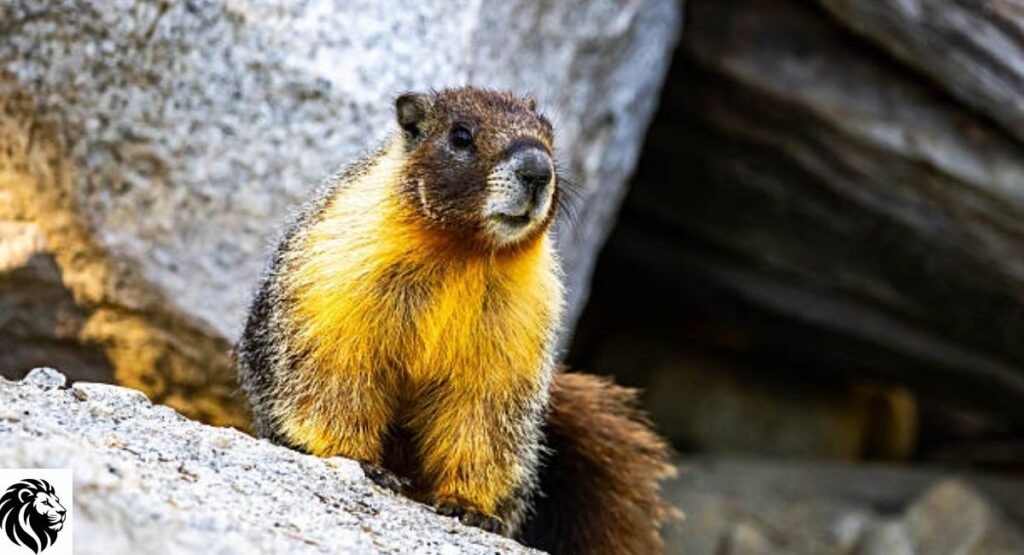
The yellow-bellied marmot has a brownish body with a noticeably yellowish belly. These stocky rodents live around mountain meadows, rocky slopes, and alpine landscapes. Burrows provide shelter from predators and severe weather. During winter, they enter prolonged hibernation, dramatically reducing their activity until warmer conditions return.
Animals That Are Yellow and Black: Quick Comparison
The 20 species above show how varied yellow and black animals can be. Some belong to the same broad color-mimicry system, while others simply share similar pigmentation. The table below makes their major visual differences easier to scan.
| Animal | Group | Main black-and-yellow feature |
| Bumblebee | Insect | Yellow bands on a black body |
| Yellowjacket | Insect | Bright yellow abdominal bands |
| Black-and-Yellow Garden Spider | Spider | Yellow abdomen with dark markings |
| Black-and-Yellow Mud Dauber | Insect | Yellow spots and bands |
| Cinnabar Moth | Insect | Dark wings and contrasting markings |
| Black-and-Yellow Tortoise Beetle | Insect | Yellow-and-black shell |
| Yellow-and-Black Longhorn Beetle | Insect | Banded body and long antennae |
| Black-and-Yellow Broadbill | Bird | Yellow body and black head |
| Black-and-Yellow Tanager | Bird | Yellow plumage with dark markings |
| Yellow-headed Caracara | Bird | Yellow head and darker wings |
| Black-and-Yellow Racer | Reptile | Dark body with yellow markings |
| Yellow-banded Poison Frog | Amphibian | Bright yellow-and-black bands |
| Yellow-and-Black Dart Frog | Amphibian | Contrasting dark and yellow pattern |
| Yellow-banded Sea Krait | Reptile | Black-and-yellow body bands |
| Yellow-bellied Sea Snake | Reptile | Bright yellow underside |
| Yellow-footed Rock-wallaby | Mammal | Yellowish feet with dark fur |
| Malayan Sun Bear | Mammal | Golden chest patch |
| Golden Lion Tamarin | Mammal | Golden mane and dark face |
| Yellow-throated Marten | Mammal | Yellow throat and dark body |
| Yellow-bellied Marmot | Mammal | Yellowish belly |
What Is the Animal With Yellow and Black Stripes?
There isn’t one single animal that owns the description yellow and black stripes. Bumblebees and yellowjackets are perhaps the most familiar examples in North America. Several frogs and sea kraits also display dramatic bands, proving that similar visual patterns can evolve in very different animal groups.
The important distinction is that stripes don’t always mean the same thing. In one species, they may warn predators about venom or toxins. In another, they may mimic a dangerous animal. Elsewhere, they may simply result from inherited pigmentation without serving as an obvious warning.
Bumblebees and Yellowjackets
Bumblebees have rounded, hairy bodies, while yellowjackets have smooth, slimmer bodies. Bumblebees collect pollen on their bodies and visit flowers frequently. Yellowjackets instead prey on insects and may seek sugary foods around people. Their similar black-and-yellow stripes can make identification confusing from a distance.
Yellow-banded Sea Kraits and Poison Frogs
Sea kraits and poison frogs show how similar patterns can arise in completely different environments. One is a venomous marine reptile equipped for swimming. The other is a tiny rainforest amphibian whose wild chemical defenses can be linked to diet. Their shared colors don’t mean they share the same lifestyle.
Are Black and Yellow Animals Dangerous?
Some black and yellow animals can sting, bite, or contain defensive toxins. Others are harmless and rely on appearance alone. That’s why color should never be treated as a complete identification guide. A bright pattern may signal genuine danger, mimic danger, or have another biological purpose entirely.
Understanding the difference between venom and poison also helps. A venomous animal actively delivers a toxin through a bite, sting, spine, or similar structure. A poisonous animal generally harms another organism when its toxins are eaten, touched, or otherwise absorbed.
Venomous and Poisonous Animals
Venom and poison are not interchangeable terms. Yellowjackets deliver venom through their stingers. Sea kraits use venom to subdue prey. Poison frogs, by contrast, can carry defensive chemicals in their skin. These distinctions explain why two colorful animals can pose very different types of risk.
Harmless Animals With Warning Colors
Nature also creates convincing impostors. Some harmless flies resemble bees or wasps even though they lack a comparable sting. This is called Batesian mimicry. The resemblance can discourage predators that have learned to avoid genuine stinging insects.
That trick works like a fake security badge. The harmless animal doesn’t possess the original weapon. It simply resembles something predators already fear. Therefore, you shouldn’t identify an animal’s danger level from color alone.
Where Do Black and Yellow Animals Live?
The habitat range of these animals is remarkably broad. Some live beside houses in the United States. Others inhabit tropical rainforests, Australian cliffs, Asian forests, or open mountain meadows. Their colors developed alongside different lifestyles, climates, food sources, and predator communities.
For example, the yellow garden spider commonly builds webs in sunny vegetation across much of the United States and nearby regions. The yellow-footed rock-wallaby, meanwhile, occupies rocky landscapes in Australia. Habitat can therefore provide a valuable clue when identifying an unfamiliar animal.
Gardens, Meadows, and Grasslands
Gardens and meadows provide flowers, insects, shelter, and sunlight for many smaller species. Bumblebees visit blooms for pollen and nectar. Yellowjackets hunt insects and seek sugary foods. Garden spiders place webs among plants where flying prey passes through. Yellow-bellied marmots occupy a much larger landscape of mountain meadows and rocky slopes.
Tropical Forests and Wetlands
Tropical forests support an extraordinary mixture of forest wildlife. Poison frogs depend on humid ground environments. Colorful birds search through foliage for insects and fruit. Forest mammals move through dense vegetation or climb trees. High humidity, abundant food, and layered vegetation create countless ecological niches.
The yellow-banded poison frog illustrates this connection especially well. It occurs in tropical rainforest regions of northern South America, where damp vegetation and leaf litter provide suitable living conditions.
Oceans, Coastlines, and Rocky Habitats
Marine species require very different adaptations. Sea kraits and sea snakes have streamlined bodies and flattened tails that improve swimming. Rock-wallabies need something entirely different: strong feet, balance, and agility for cliffs and boulder fields. Their environments shape their bodies from head to toe.
The yellow-footed rock-wallaby is particularly suited to steep terrain. It lives among rocky outcrops, cliffs, gorges, and boulder piles and uses these structures as refuges from heat.
Why Do Animals Evolve Black and Yellow Colors?
Evolution doesn’t design colors with a single universal purpose. Instead, coloration can become useful when it improves survival or reproduction. Predators may learn to avoid a pattern. Prey may fail to notice an animal. Mates may recognize members of their own species. Over many generations, useful traits can become more common.
Similar patterns can also evolve independently. This process, known as convergent evolution, explains why unrelated animals sometimes look surprisingly alike. Bees, wasps, frogs, and snakes don’t share a recent ancestor with a black-and-yellow body plan. Their environments created different evolutionary pressures that sometimes produced similar visual solutions.
Warning Colors and Predator Avoidance
Warning colors work best when predators can recognize and remember them. A bright pattern can advertise a sting, unpleasant taste, venom, or toxin before an attack happens. Bees provide a classic example. Predators can learn that certain color combinations are better avoided.
The advantage is simple. If a predator backs away instead of attacking, the colorful animal avoids injury. In that sense, a conspicuous appearance can become a form of protection rather than a liability.
Camouflage and Mimicry
Camouflage and mimicry take the story in another direction. Some animals use patterns that break up their outline or match their surroundings. Others imitate a different species. A harmless insect that resembles a stinging wasp gains protection through deception rather than actual weaponry.
This makes animal coloration more complicated than a simple “bright equals dangerous” rule. The same yellow-and-black palette can function as a warning in one species and a disguise in another.
Conclusion
Black and yellow animals show just how creative evolution can be. A similar color combination can appear on a buzzing bee, a delicate spider, a rainforest frog, a marine snake, or a mountain-dwelling mammal. Yet each species uses its colors within a completely different ecological story.
So, the next time you notice bright yellow beside deep black, take a closer look. It might be a warning, a disguise, or simply a remarkable natural pattern. Either way, these animals remind us that wildlife often has more going on beneath the surface than first meets the eye.
FAQs
What is the most common black-and-yellow animal?
Bumblebees and yellowjackets are among the most familiar examples in the United States. Their bold bands make them easy to recognize around gardens, flowers, parks, and outdoor food.
What animal has yellow and black stripes?
Several animals have this pattern. Bumblebees, yellowjackets, yellow-banded sea kraits, and certain poison frogs all show strong yellow-and-black bands.
Are all black-and-yellow animals poisonous?
No. Most aren’t poisonous. Some are venomous or chemically defended, while many others are harmless and simply share similar coloration.
Why do animals have yellow and black colors?
Animals can develop these colors for warning signals, mimicry, camouflage, communication, or ordinary pigmentation. The purpose varies from one species to another.
Can black-and-yellow animals be found in the United States?
Yes. Bumblebees, yellowjackets, black-and-yellow garden spiders, and yellow-bellied marmots occur in parts of the United States. The garden spider is particularly widespread across the continental country.

Welcome to natureanimalhub! I’m Anam Sattar, an AI Powered SEO, and Content Writer with 4 years of experirnce.
I help websites rank higher,grow traffic, and look amazing. My goal is to make SEO and web design simple and effective for everyone.
Let’s achieve more together!