

Americans throw away millions of tons of clothing every single year. Fast fashion makes it easy to buy cheap clothes and toss them out after just a few wears. This creates a massive problem for local landfills across the country. It also harms the global environment. Denim is one of the most durable fabrics sitting in your closet right now. Throwing it away is a huge waste of valuable resources. You can easily turn those old jeans into something entirely new and exciting. This creative process is called upcycling. It saves you money and protects the planet at the same time. You can give worn out clothes a second chance at life with minimal effort. This guide will show you exactly how to do it. You do not need professional tailoring skills to get started today. You just need a little creativity and some basic household supplies. Upcycling is a fun weekend activity that yields fantastic wearable results. It allows you to build a completely custom wardrobe.
Why Sustainable Fashion Matters Today
The fashion industry is a major source of global pollution. Producing a single pair of brand new jeans requires thousands of gallons of water. Factories also use harsh chemical agents to dye the cotton fabric blue. These dangerous chemicals often leak into local water systems and harm wildlife. Buying new denim constantly supports this incredibly wasteful cycle. Sustainable fashion offers a much better way forward for consumers. It focuses heavily on reducing waste and maximizing the lifespan of clothes we already own. Upcycling takes this green concept a step further. You are not just wearing old clothes over again. You are actively redesigning them into fresh new styles. This directly cuts down on your personal carbon footprint. It also keeps heavy textiles out of American landfills. Many people in the USA are now turning to local thrift stores to find DIY materials. This modern shift helps the environment and strongly promotes individuality. Nobody else in the world will have the exact same jacket or bag as you. Sustainable style is all about making conscious consumer choices without sacrificing your personal aesthetic.
Basic Tools You Need for Denim DIY
You must gather the right tools before you cut into that thick fabric. Denim is much heavier than basic cotton t-shirts or thin silk blouses. Standard craft scissors will struggle to make a clean cut through denim. You need a dedicated pair of sharp fabric shears. These shears will slice through thick jean seams without tearing or ruining the material. You also need heavy duty sewing needles for any machine or hand stitching. Look for specialty needles specifically labeled for denim or heavy canvas. A standard flimsy needle will snap quickly under the heavy pressure. Get some heavy duty thread to match your fabric color. Polyester thread is usually much stronger than pure cotton thread for this specific purpose. You will also want straight pins to hold your fabric pieces together while you work. A soft measuring tape is essential for getting the absolute perfect fit. Fabric chalk lets you mark your cutting lines clearly on dark fabric. It washes right out when you finish your project. You can also use strong fabric glue if you want to avoid sewing altogether. Just keep in mind that glue might not hold up as well in a harsh washing machine. Grab some coarse sandpaper if you want to add distressed vintage details to your finished projects.
Transform Old Jeans into Trendy Shorts
This is the absolute most popular way to upcycle old denim at home. Almost everyone has a favorite pair of jeans with frayed hems or blown out ripped knees. You can rescue the top half by making custom cut-off shorts for the summer. Start by putting the jeans on and looking in a full length mirror. Use your fabric chalk to mark exactly where you want the shorts to end. Always mark the line about one inch lower than your ideal final length. You need this extra fabric because the raw edges will fray and curl upward after washing. Take the jeans off and lay them completely flat on a hard table. Smooth out all the fabric wrinkles with your hands. Cut straight across one leg using your sharp fabric shears. Fold that newly cut leg over the uncut leg to use as a physical guide. This simple trick guarantees both sides will be exactly the same length. You can leave the edges raw for a highly casual summer look. Throw them in the washing machine right away to speed up the natural fraying process. You can also roll the hem up and stitch it in place for a more polished preppy finish. Use your rough sandpaper to rub the pockets and edges if you want a trendy distressed vibe.
Create a Stylish Denim Tote Bag
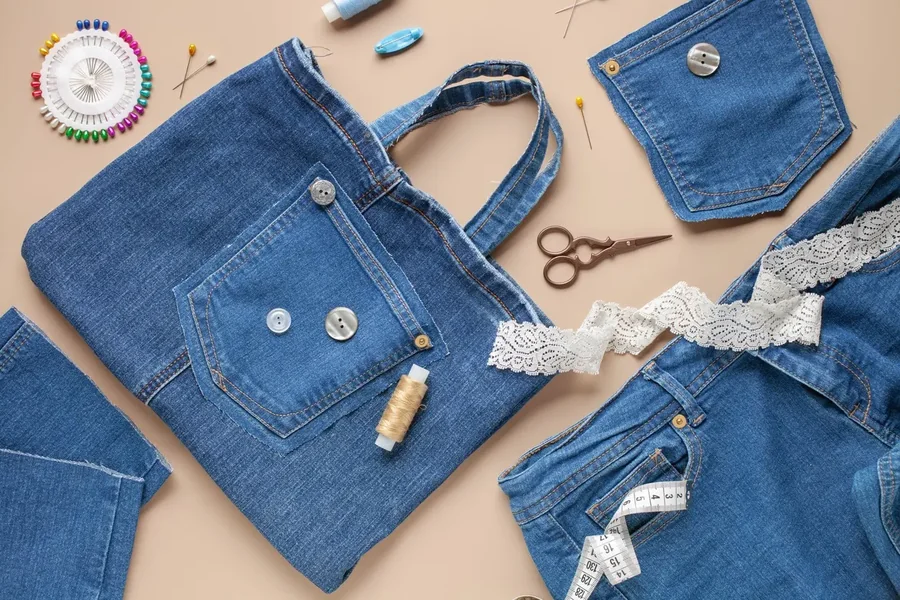
Tote bags are incredibly useful for grocery shopping or carrying heavy library books. Denim is the absolute perfect material for a heavy duty daily bag. Find an old baggy pair of jeans for this specific project. Cut both pant legs off right below the back pockets. Turn the top waist section of the jeans completely inside out. Sew a straight secure line across the bottom cut edge. This single seam closes the bottom of your new tote bag. Use a sewing machine for this step if you have access to one. You can also hand sew it using a tight backstitch if you do not have a machine. Turn the fabric right side out again. The waist of the old jeans is now the top opening of your bag. You can use the leftover pant legs to make sturdy carrying straps. Cut two long strips of fabric from the discarded legs. Fold the raw edges inward and stitch them down so they do not fray over time. Attach these straps securely to the inside of the original waistband. You can leave the front zipper and button fully functional for extra charm. The original pants pockets remain on the outside of your new tote bag. These pockets are absolutely perfect for holding your phone or keys while you run errands.
Craft a Unique Denim Patchwork Jacket
Patchwork is a massive style trend in modern American streetwear. You can easily create a high fashion designer look using scraps from your other projects. Start with a plain denim jacket that needs a serious visual upgrade. Gather all your leftover denim pieces in various different shades of blue. Cut these loose scraps into uniform squares or random geometric shapes. Pin them carefully onto the large back panel of your jacket. Play around with the arrangement until you absolutely love the design layout. You can mix light wash and dark wash denim for a very cool visual contrast. Sew the patches onto the jacket one by one. You can use a sewing machine with a zigzag stitch to secure the raw edges. You can also embroider the edges by hand using thick brightly colored embroidery floss. This specific technique adds a beautiful handmade touch to the garment. Add extra patches to the elbows or front chest pockets for extra visual flair. You can even mix in scraps of plaid flannel or floral cotton fabric for a mixed media effect. This project takes patience but the final result is a completely custom piece of wearable art.
Turn Denim Scraps into Home Decor
You should never throw away the tiny scraps left over from your main fashion projects. You can turn very small pieces of denim into amazing items for your home. Denim drink coasters are very easy to make in just a few minutes. Cut thin strips of denim and apply fabric glue to one flat side. Roll the glued strip tightly into a flat circle. Keep adding glued strips until the coaster is large enough for your favorite coffee mug. Let the liquid glue dry completely before using them on your tables. You can also sew simple throw pillow covers using old jean legs. Cut large squares from the widest part of the leftover pant legs. Sew them together to form a rugged decorative pillowcase. Denim pillows look fantastic in a casual living room or a teenager bedroom. You can even braid long thin strips of denim together to make a durable dog toy. Knot the ends of the thick braid tightly so your pet cannot tear it apart easily. Woven denim placemats are another really great option for your dining room table. The thick fabric perfectly protects your wood surfaces from hot dinner plates. These small home projects ensure absolutely zero waste goes into the trash.
Final Thought
Upcycling old denims offers endless possibilities for your own creative expression. You can easily build a completely unique wardrobe while actively helping the planet. Every single project you complete keeps heavy textile waste out of local landfills. Start with simple beginner projects like cut-off shorts before moving on to complex patchwork jackets. Do not worry about making small mistakes along the way. Minor imperfections just add wonderful character to your handmade items. Sustainable style is all about making the absolute most of what you already have. Grab your fabric scissors and start transforming your forgotten clothes today.
Frequently Asked Questions
What is the best type of denim for upcycling? Rigid cotton denim is always the easiest fabric to work with. It holds its shape extremely well and sews beautifully without stretching out of place. Stretch denim can be tricky because it puckers easily under a moving needle. You should avoid upcycling very thin stretch jeans for heavy duty projects like tote bags or backpacks.
Do I absolutely need a sewing machine? You do not need a machine for many basic DIY projects. You can simply fray edges or use strong fabric glue for simple clothing crafts. Hand sewing works perfectly fine for adding patches or fixing broken hems. A sewing machine just speeds up the process significantly for larger items like bags and heavy jackets.
How do I stop raw edges from fraying too much? You can run a basic straight stitch about half an inch above the raw edge. The fabric will only fray up to that stitched line and then stop completely. You can also apply a thin layer of clear fabric glue directly along the edge to lock the loose threads in place.
Can I dye my upcycled denim projects? Yes you certainly can dye them at home. Denim takes liquid or powder fabric dye exceptionally well. You can use standard household bleach to lighten the fabric before applying a bright new color. Always wash and dry your upcycled items thoroughly before starting the chemical dyeing process.
How should I wash my handmade denim items? You should always wash handmade items inside out on a very gentle machine cycle. Use cold water to prevent unexpected shrinking and color fading. Hang your upcycled denim on a line to dry instead of using a hot electric dryer. This method helps preserve your custom stitching and keeps the fabric looking fresh for years.

Welcome to natureanimalhub! I’m Anam Sattar, an AI Powered SEO, and Content Writer with 4 years of experirnce.
I help websites rank higher,grow traffic, and look amazing. My goal is to make SEO and web design simple and effective for everyone.
Let’s achieve more together!