

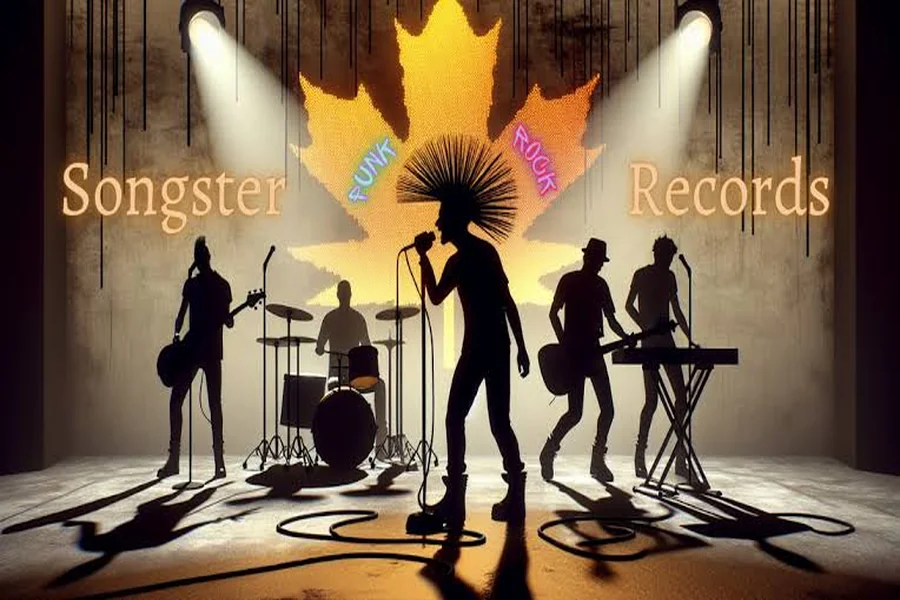
Music acts as a profound force driving social change across the United States. We see rhythm and rebellion intertwined throughout our entire history. Songs provide a crucial voice for the voiceless while serving as a rallying cry for the passionate. American citizens use melodies to challenge authority and push societal boundaries. You can look at modern culture and immediately notice how distinct soundtracks define specific decades. The deep connection between rhythm and rebellion shows how music shapes society from the ground up. Generations rely on these beats to express anger and demand equality. We witness artists writing lyrics that capture the exact mood of the nation. This artistic expression goes far beyond simple entertainment. It builds communities and fuels political revolutions. American youth often find their identity hidden within the chords of a protest song. The undeniable power of sound brings diverse groups together for a common cause. We will examine exactly how various genres transformed the American landscape and changed public opinion forever. The rhythm of the nation continues to evolve as new voices take the microphone to demand a better future. People everywhere turn up the volume when they want their political demands heard by the ruling class. This unique relationship between sound and society defines the American experience.
The Beat of Social Change in America
Every major social movement in America features a dedicated soundtrack. The fight for justice always requires an anthem to keep spirits high. Workers striking for fair wages in the early twentieth century sang together to maintain solidarity. These early collective voices proved that rhythm and rebellion go hand in hand. The power of a shared chorus gives people the courage to stand against immense oppression. African American communities developed blues and jazz to express the deep pain of segregation. These musical forms laid the groundwork for future generations to speak out against injustice. The raw emotion found in these genres communicated truths that politicians refused to acknowledge. Music provided a safe space for marginalized groups to share their lived experiences with the wider world. White audiences eventually embraced these sounds and began to understand the struggles embedded in the lyrics. This cultural exchange slowly broke down racial barriers across the country. The integration of music venues often preceded the integration of schools and public spaces. A simple melody possesses the unique ability to bypass prejudice and touch the human heart directly. People who might never speak to one another found themselves dancing to the exact same beat. This shared experience creates empathy and fosters genuine societal progress. Music remains one of the most effective tools for dismantling systemic hatred and building lasting unity.
Folk Music and Civil Rights Battles
The turbulent years of the civil rights movement brought folk music to the absolute forefront of American culture. Acoustic guitars and powerful vocals became the weapons of choice for activists marching across the South. Artists wrote songs that perfectly captured the urgent need for equality. Their acoustic anthems echoed through the streets during massive protests and peaceful sit-ins. The lyrics asked hard questions about morality and American values. These folk singers understood that rhythm and rebellion could force the government to pay attention. Young college students memorized these protest songs and carried them to rallies in Washington. The music provided a sense of shared purpose during incredibly dangerous times. Civil rights leaders knew that singing could unify a crowd and prevent panic when facing police brutality. Spirituals and traditional hymns were adapted to fit the immediate struggles of the day. The entire nation watched as brave individuals sang while being dragged off to jail. This undeniable courage broadcast on evening news programs changed the hearts of viewers everywhere. Folk music stripped away the complex political arguments and focused purely on basic human rights. The simplicity of a single voice backed by a guitar made the message impossible to ignore. These historical tracks remain completely relevant today as new activists sing them during modern protests. The acoustic revolution proved that you do not need loud amplifiers to make a massive societal impact.
Rock and Roll as a Cultural Weapon
Rock and roll exploded onto the scene and terrified conservative parents across the United States. The heavy drum beats and distorted guitars signaled a massive shift in American youth culture. Teenagers used this aggressive sound to separate themselves from the strict expectations of previous generations. The Vietnam War drafted young men to fight overseas while rock music fueled the anti-war movement at home. Bands performed at massive festivals to protest government policies and demand immediate peace. The sheer volume of this music forced society to listen to the frustrations of the youth. Rhythm and rebellion reached incredible new heights as artists smashed instruments and defied traditional censorship. Politicians tried to ban rock concerts because they feared the unifying power of these energetic gatherings. The counterculture movement completely rejected traditional American ideals of conformity and blind obedience. Musicians urged their fans to question authority and think independently about the world around them. This rebellious spirit seeped into fashion and everyday language. Rock stars became political icons who mobilized millions of voters with a single controversial interview. The loud guitars drowned out the political establishment and gave power back to the citizens. Rock music proved that artistic expression could successfully halt a deeply unpopular war. The genre permanently changed how Americans interact with their government and demand accountability.
Hip Hop Giving Voice to the Streets
The streets of New York birthed a genre that would eventually dominate the entire globe. Hip hop emerged as a direct response to urban poverty and systemic neglect in American cities. Young artists lacked traditional instruments so they used turntables and their own voices to create complex beats. This raw innovation proves exactly how music shapes society when resources are scarce. Rappers became the unofficial journalists of their neighborhoods by reporting on issues the mainstream media completely ignored. They documented police brutality and gang violence with unfiltered honesty. The lyrical rebellion found in early hip hop forced white America to confront the harsh realities of systemic racism. Politicians demonized the genre while millions of suburban kids memorized every single word. This cross-cultural appeal built unexpected bridges between deeply divided communities. The aggressive rhythm and rebellion of rap music gave tremendous power to the voiceless minorities. Artists used their massive platforms to launch voter registration drives and fund community programs. Hip hop culture influences everything from high fashion to presidential campaigns in the modern era. The genre demands absolute respect and refuses to be silenced by critics. Rap lyrics continue to spark national conversations about criminal justice reform and economic equality. The beat of the streets now drives the heartbeat of mainstream American culture.
Pop Anthems Uniting Generations Today
Modern pop music continues the grand tradition of pairing catchy melodies with powerful social messages. Today we see massive stadium tours acting as safe havens for marginalized groups seeking acceptance. Pop stars use their immense wealth and influence to advocate for human rights and climate change action. Social media platforms allow these modern anthems to spread globally in a matter of minutes. A single viral video can launch a nationwide protest movement backed by a trending pop song. This digital integration takes rhythm and rebellion to an entirely new level of effectiveness. Fans mobilize online to support the causes championed by their favorite vocalists. The barrier between artist and activist is practically nonexistent in the current music industry. Artists face intense pressure from their fanbases to speak out against injustice loudly and clearly. Silence is no longer an acceptable option for anyone holding a microphone. Pop anthems provide the necessary energy for modern student walkouts across the country. The glossy production of a hit single can easily hide a deeply subversive political message. Young people consume these songs daily and internalize the calls for a better world. Music remains the ultimate unifying force in a society that often feels deeply fractured. The catchy hooks ensure that the political message gets stuck in the minds of millions.
Final Thought
The undeniable link between rhythm and rebellion will always remain a cornerstone of American culture. We have explored exactly how music shapes society through decades of struggle and triumph. Every generation finds a unique sound to express their specific frustrations and political desires. The transition from acoustic folk guitars to digital hip hop beats shows the incredible adaptability of protest art. Music bypasses our logical defenses and strikes directly at our emotional core. This allows artists to change minds far more effectively than any political speech ever could. The American experience is permanently tied to the songs that soundtracked our greatest civil rights victories. Future social movements will undoubtedly produce new anthems to guide us forward. As long as injustice exists we will always have brave musicians ready to sing out against it.
FAQs About Rhythm and Rebellion: How Music Shapes Society
How does music shape society historically? Music shapes society by providing a unified voice for marginalized communities. It brings awareness to crucial social issues and creates empathy among diverse groups of people.
Why is rhythm and rebellion so closely linked? Rhythm gives momentum to social movements while rebellion provides the necessary passion. Together they create an unstoppable cultural force that challenges outdated political systems and demands progress.
Can a single song really change American culture? Yes a single song can completely change public opinion. Protest anthems often capture the exact mood of the nation and inspire citizens to take immediate political action.
What music genre has the biggest social impact? Every genre has significantly impacted society at different times. Folk rock and hip hop all played massive roles in driving social change during their respective historical peaks.
How do modern artists use rhythm and rebellion today? Modern artists use their music and social media platforms to advocate for political causes. They write pop anthems that unite digital audiences and encourage young people to vote for systemic change.

Welcome to natureanimalhub! I’m Anam Sattar, an AI Powered SEO, and Content Writer with 4 years of experirnce.
I help websites rank higher,grow traffic, and look amazing. My goal is to make SEO and web design simple and effective for everyone.
Let’s achieve more together!