

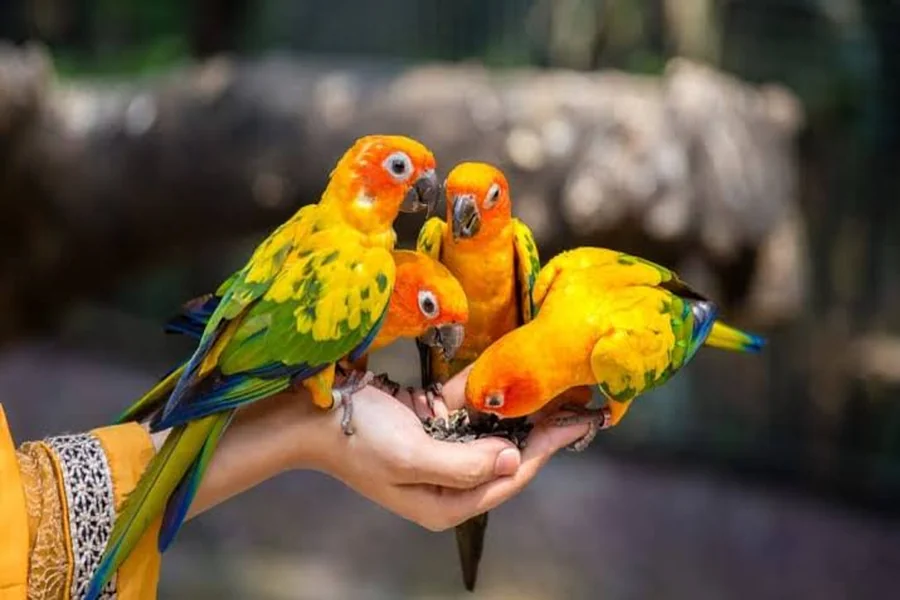
Puerto Rico is home to a diverse collection of animals living across forests, mountains, wetlands, coastal areas, caves, rivers, and surrounding waters. The island’s tropical climate and variety of habitats support many species, including birds, reptiles, amphibians, mammals, insects, and marine animals. Some species are found across much of the island, while others have more limited ranges. Puerto Rico’s forests are especially important for wildlife because they provide food, shelter, nesting areas, and protection from weather. Coastal ecosystems also support numerous marine creatures and seabirds. The combination of terrestrial and aquatic environments makes Puerto Rico an interesting place to study island biodiversity.
Native Birds of Puerto Rico
Birds are among the most recognizable animals in Puerto Rico, and the island has many species adapted to its tropical environments. The Puerto Rican parrot is one of the best-known native birds and is closely associated with the island’s forests. Other birds include the Puerto Rican tody, a tiny colorful bird that feeds on insects and other small prey, and the Puerto Rican woodpecker, which uses its strong bill to search for food in trees. Puerto Rico also has hummingbirds, herons, doves, hawks, and many migratory birds. Forests, wetlands, agricultural areas, and coastal habitats provide different resources for these species. Protecting native bird habitats is important because some island bird populations face pressures from habitat loss and other environmental changes.
Reptiles and Amphibians in Puerto Rico
Puerto Rico has many fascinating reptiles and amphibians, including several species found nowhere else in the world. Anolis lizards are common and can often be seen climbing trees, walls, fences, and vegetation. The Puerto Rican crested anole is one example of the island’s diverse lizard life. Puerto Rico is also famous for its coquí frogs, small amphibians that are strongly associated with the island’s natural environment and are known for their distinctive nighttime calls. Several native geckos and other reptiles also inhabit forests and rocky areas. These animals play important ecological roles by feeding on insects and other small organisms while also serving as prey for larger animals.
Mammals and Other Land Animals
Puerto Rico has fewer native land mammals than many larger continental regions, but several interesting species are still part of its wildlife. The small Indian mongoose was introduced to the island and is now widespread, while bats represent an important group of native mammals. Several bat species live in forests and caves, where they feed on insects, fruits, nectar, or other food depending on the species. Puerto Rico’s native bat populations contribute to ecosystems through insect control and, for some species, pollination and seed dispersal. Small rodents and other introduced mammals can also be found in different environments. Because island ecosystems are often sensitive to changes in species populations, understanding the difference between native and introduced animals is important when studying Puerto Rican wildlife.
Marine Animals Around Puerto Rico
The waters surrounding Puerto Rico support a wide variety of marine animals and provide important habitats for fish, sea turtles, dolphins, whales, rays, sharks, and numerous invertebrates. Coral reefs, seagrass beds, mangroves, and deeper offshore waters each support different communities of marine life. Green sea turtles and hawksbill sea turtles can be found in Caribbean waters, while dolphins may be seen in offshore areas. Manatees also occur in Puerto Rico’s coastal waters and are protected animals that depend on suitable aquatic habitats. Reef fish, crabs, lobsters, octopuses, and many other marine organisms contribute to the health and productivity of coastal ecosystems. Protecting clean water, reefs, beaches, and seagrass habitats is essential for maintaining this marine diversity.
Protecting Puerto Rico’s Wildlife
Wildlife conservation is important in Puerto Rico because island species can be particularly vulnerable to habitat changes, introduced species, storms, pollution, and other environmental pressures. Protected forests, wildlife refuges, marine areas, and conservation programs provide important support for native species. The Puerto Rican parrot is a notable example of a species that has received extensive conservation attention. Protecting forests helps birds, reptiles, amphibians, bats, and countless smaller organisms find food and shelter. Coastal conservation is equally important for sea turtles, marine mammals, reef organisms, and seabirds. Responsible tourism can also contribute by encouraging visitors to observe wildlife from a safe distance, avoid disturbing habitats, and respect local conservation guidelines.
Final Thought
Puerto Rico animals reflect the remarkable biodiversity of a tropical Caribbean island with forests, mountains, wetlands, caves, beaches, reefs, and surrounding ocean habitats. From the famous coquí frog and Puerto Rican parrot to native bats, colorful lizards, sea turtles, dolphins, and countless smaller creatures, wildlife can be found throughout the island and its waters. Some species are unique to Puerto Rico, making habitat protection especially important. Learning about these animals provides a better understanding of the island’s natural heritage and the importance of conserving the ecosystems that support them.
FAQs
What animals are native to Puerto Rico?
Native animals include the Puerto Rican parrot, coquí frogs, Puerto Rican tody, several bat species, native lizards, sea turtles, and many marine and bird species.
What is Puerto Rico’s most famous animal?
The coquí frog is one of the most recognizable animals associated with Puerto Rico, while the Puerto Rican parrot is another highly significant native species.
Are there monkeys in Puerto Rico?
Monkeys are not native to Puerto Rico, although some non-native animal species have been introduced to the island.
What reptiles live in Puerto Rico?
Puerto Rico has numerous reptiles, including anoles, geckos, iguanas, and several other lizard species.
What marine animals live around Puerto Rico?
Marine wildlife includes sea turtles, dolphins, manatees, sharks, rays, reef fish, crabs, lobsters, and many other ocean species.
Why is Puerto Rico’s wildlife unique?
Puerto Rico is an island with diverse habitats and several endemic species, meaning some animals evolved there and are naturally found only in Puerto Rico or nearby areas.

Welcome to natureanimalhub! I’m Anam Sattar, an AI Powered SEO, and Content Writer with 4 years of experirnce.
I help websites rank higher,grow traffic, and look amazing. My goal is to make SEO and web design simple and effective for everyone.
Let’s achieve more together!