

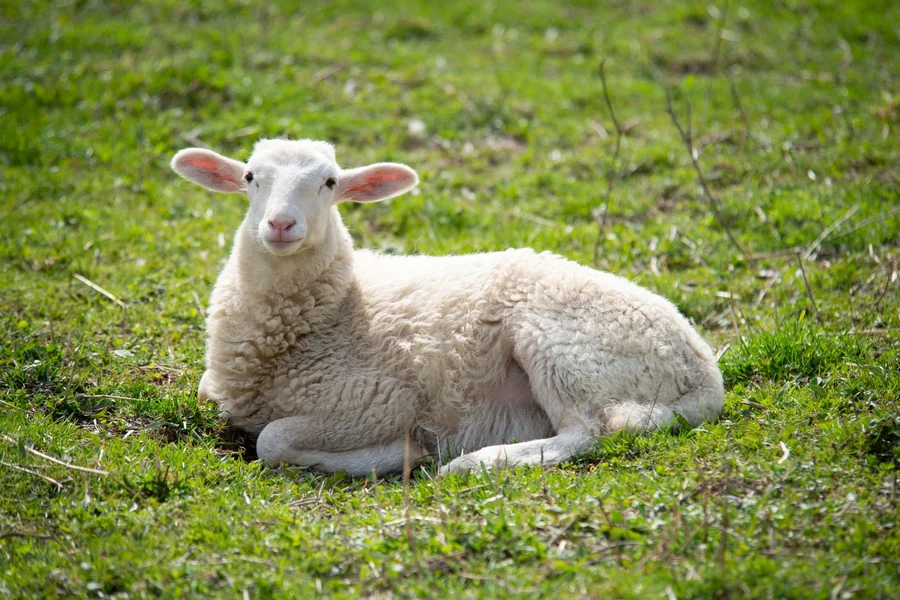
Understanding Sheep and Their Natural Traits
Sheep are domesticated hoofed mammals that have lived alongside humans for thousands of years. They are known for their woolly coats, gentle behavior, and strong social instincts. Sheep usually live in groups and tend to follow one another, which helps them remain together when moving between feeding areas. They are herbivores and spend much of their day grazing on grasses, plants, and other vegetation. Different sheep breeds can vary considerably in size, body shape, wool type, and coloring. Some are raised mainly for wool, while others are valued for meat or milk. Their ability to adapt to different environments has helped sheep become an important domestic animal in many parts of the world.
Sheep Habitat and Daily Behavior
Domestic sheep can live in a wide range of environments, including grassy fields, hills, valleys, farms, and open countryside. They generally prefer areas where suitable vegetation is available for grazing. Sheep are social animals and often feel more comfortable when living with other sheep. Their daily routine commonly includes grazing, resting, drinking water, and moving between different parts of their pasture. They use their strong sense of smell, hearing, and vision to remain aware of their surroundings. Although domestic sheep are generally calm, they can become nervous when exposed to unfamiliar situations or sudden movements. Their group-oriented behavior also makes proper handling and a suitable living environment important for their well-being.
What Do Sheep Eat?
Sheep mainly eat grasses, leaves, herbs, and other plant material. As ruminants, they have a specialized digestive system that allows them to process fibrous vegetation that many animals cannot digest efficiently. During grazing, sheep consume plant material before later bringing partially digested food back up and chewing it again, a process called rumination. Their diet can vary depending on the season, pasture quality, climate, and farming system. Farmers may provide hay, grass, grains, minerals, and other appropriate feed when natural pasture does not provide enough nutrition. Fresh water is also essential. A balanced diet supports healthy growth, strong body condition, and good production of wool, meat, or milk depending on the animal and breed.
Common Sheep Breeds Around the World
There are hundreds of sheep breeds, each developed for particular environmental conditions and production purposes. Merino sheep are especially well known for their fine wool, while Suffolk sheep are commonly associated with meat production. Dorper sheep are valued for their adaptability and relatively easy-care coats, and Rambouillet sheep are also recognized for their wool. Other breeds have been developed for milk production, hardiness, or their ability to thrive in specific climates. Some sheep have thick, curly wool, while others have hair rather than traditional wool. Breed characteristics can influence size, growth rate, wool quality, reproductive traits, and resistance to environmental conditions. This diversity makes sheep suitable for many different farming systems around the world.
Why Sheep Are Important to People and Nature
Sheep have played an important role in agriculture and human communities for generations. Their wool has been used to make clothing, blankets, carpets, and other textiles, while sheep meat is an important food source in many regions. Some breeds are also raised for milk, which can be used to produce products such as cheese and yogurt. In farming landscapes, sheep can help manage vegetation by grazing on grasses and other plants. Their manure can also contribute nutrients to agricultural soils when managed appropriately. Beyond their economic value, sheep have cultural and historical importance in many societies. Their long relationship with humans demonstrates how domesticated animals have influenced food systems, clothing, farming traditions, and rural life.
Final Thought
Sheep are familiar farm animals with a fascinating combination of social behavior, specialized digestion, and useful natural characteristics. Their ability to graze efficiently and adapt to different environments has helped them become one of the world’s most widely raised livestock animals. From wool-producing breeds to meat and dairy varieties, different sheep serve different purposes. Understanding their diet, behavior, habitat, and care requirements provides a better appreciation of these gentle animals and their long-standing relationship with people.
FAQs
What do sheep mainly eat?
Sheep mainly eat grasses, herbs, leaves, and other vegetation, with their diet sometimes supplemented with hay, grains, minerals, and other suitable feed.
Where do sheep usually live?
Domestic sheep commonly live on farms, grasslands, hills, valleys, and other areas where they have access to suitable grazing vegetation and shelter.
Are sheep social animals?
Yes, sheep are highly social animals and generally prefer staying in groups with other sheep.
What are sheep raised for?
Sheep are commonly raised for wool, meat, and milk, depending on the breed and farming system.
How many sheep breeds are there?
There are hundreds of recognized sheep breeds worldwide, with different breeds developed for wool, meat, milk, hardiness, or other characteristics.
Why do sheep chew their food twice?
Sheep are ruminants that regurgitate partially digested food and chew it again during rumination, helping them break down fibrous plant material more effectively.

Welcome to natureanimalhub! I’m Anam Sattar, an AI Powered SEO, and Content Writer with 4 years of experirnce.
I help websites rank higher,grow traffic, and look amazing. My goal is to make SEO and web design simple and effective for everyone.
Let’s achieve more together!
2 thoughts on “Sheep: Facts, Habits, Breeds, and Life in Nature”