

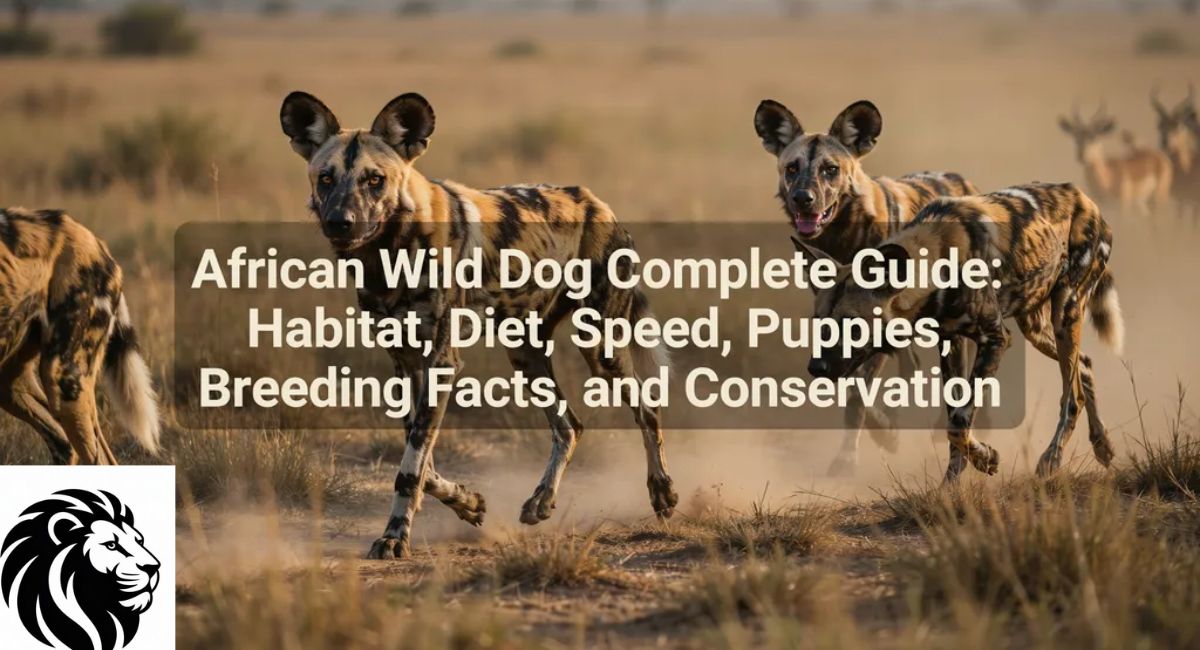
The African Wild Dog is one of the most fascinating predators found in sub-Saharan Africa. Also known as the painted dog or painted wolf, this remarkable species is famous for its colorful coat, strong family bonds, and incredible teamwork. Unlike many carnivores, the African Wild Dog relies on cooperation and endurance to catch prey, making it one of the most successful cooperative hunters in the animal kingdom.
However, habitat loss, disease, and human conflict have pushed these animals toward extinction. With only around 1,400 mature individuals left, understanding the behavior, ecology, and conservation of Lycaon pictus has become more important than ever.
African Wild Dog Overview
| Quick Facts About African Wild Dogs | Details |
| Scientific Name | Lycaon pictus |
| Common Names | African Wild Dog, Painted Dog, Painted Wolf |
| Conservation Status | Endangered |
| Weight | 40–79 pounds |
| Length | 39–60 inches |
| Top Speed | 41 mph (66 km/h) |
| Average Pack Size | 6–20 members |
| Habitat | Grasslands, savannas, forests, and shrublands |
| Lifespan | 10–12 years |
| Population | Around 1,400 mature individuals |
The African Wild Dog is the largest wild canine species in Africa and the second-largest canid in the world after wolves. Its striking coat pattern looks like a patchwork painting. No two animals have identical markings. These patterns help pack members recognize each other from long distances. Their large rounded ears improve hearing and help release heat in Africa’s warm climate.
What truly sets the African Wild Dog apart is its social lifestyle. These animals live in tightly connected packs where cooperation means survival. Unlike many other predators, solitary living is extremely uncommon. Members care for injured companions and share food with pups. Their strong bonds have earned them a reputation as some of the most cooperative hunters in the animal kingdom.
Scientific Classification of the African Wild Dog
| Classification | Information |
| Kingdom | Animalia |
| Phylum | Chordata |
| Class | Mammalia |
| Order | Carnivora |
| Family | Canidae |
| Genus | Lycaon |
| Species | Lycaon pictus |
Unique Physical Features
The African Wild Dog has several characteristics that distinguish it from wolves and domestic dogs. Its body is lean and athletic. Long legs provide stamina during extended chases. Most individuals possess only four toes on their front feet, which differs from many other canids. Their white-tipped tails act almost like flags, helping pack members maintain visual contact during hunts.
Researchers also admire their incredible hunting efficiency. Studies show that pursuit predators like painted wolves achieve a success rate between 60 and 90 percent. This performance often exceeds that of lions and hyenas. Their secret lies in cooperation rather than brute strength. Each member plays a role, creating one of nature’s most effective hunting teams.
Key Facts About African Wild Dogs
| Feature | Description |
| Alternate Names | Painted Dog, Painted Wolf |
| Distribution | Sub-Saharan Africa |
| Social Structure | Cooperative packs |
| Hunting Style | Daytime hunters and endurance chasers |
| Main Enemies | Lions and hyenas |
| Distinguishing Trait | Unique coat patterns |
| Conservation Status | Endangered |
African Wild Dog Habitat

The African Wild Dog once roamed across most of sub-Saharan Africa. Historical records show that these remarkable predators occupied a wide range of landscapes. They lived in open plains, dry woodlands, shrublands, and even areas near deserts. Some explorers reportedly observed them near the slopes of Mount Kilimanjaro. Although their distribution has shrunk over time, they still survive in scattered populations across eastern and southern Africa.
Where Do African Wild Dogs Live?
Today, populations of the African Wild Dog exist mainly in countries such as Botswana, Zimbabwe, Tanzania, Zambia, Mozambique, Kenya, and South Africa. Protected reserves provide safe areas where packs can hunt and raise pups. One notable stronghold is Mana Pools National Park in Zimbabwe, which supports an important population of these endangered carnivores.
| Major African Wild Dog Habitats | Characteristics |
| Grasslands | Ideal for long pursuits |
| Savannas | Rich in prey species |
| Shrublands | Provide shelter and denning sites |
| Open Forests | Support seasonal movements |
| Semi-Desert Regions | Occupied when prey is available |
Why Open Habitats Matter
Unlike ambush predators, the African Wild Dog relies on endurance rather than surprise. Packs silently approach prey before beginning a prolonged chase. Open landscapes allow them to maintain visual contact with each other and coordinate their movements. Their exceptional stamina makes them among the most efficient cooperative hunters in the world.
Distribution of African Wild Dogs
| Region | Current Presence |
| Southern Africa | Strong |
| Eastern Africa | Moderate |
| Central Africa | Limited |
| Western Africa | Rare |
| Lowland Rainforests | Mostly Absent |
| Extreme Deserts | Mostly Absent |
Habitat Adaptations of Painted Wolves
The African Wild Dog possesses several traits that help it survive in diverse environments. Large rounded ears improve hearing and release excess heat. Their lean bodies reduce energy consumption during long-distance travel. Strong pack cooperation allows them to exploit prey resources across vast territories. These adaptations have enabled Lycaon pictus to become one of Africa’s most fascinating predators.
African Wild Dog Behavior and Social Structure
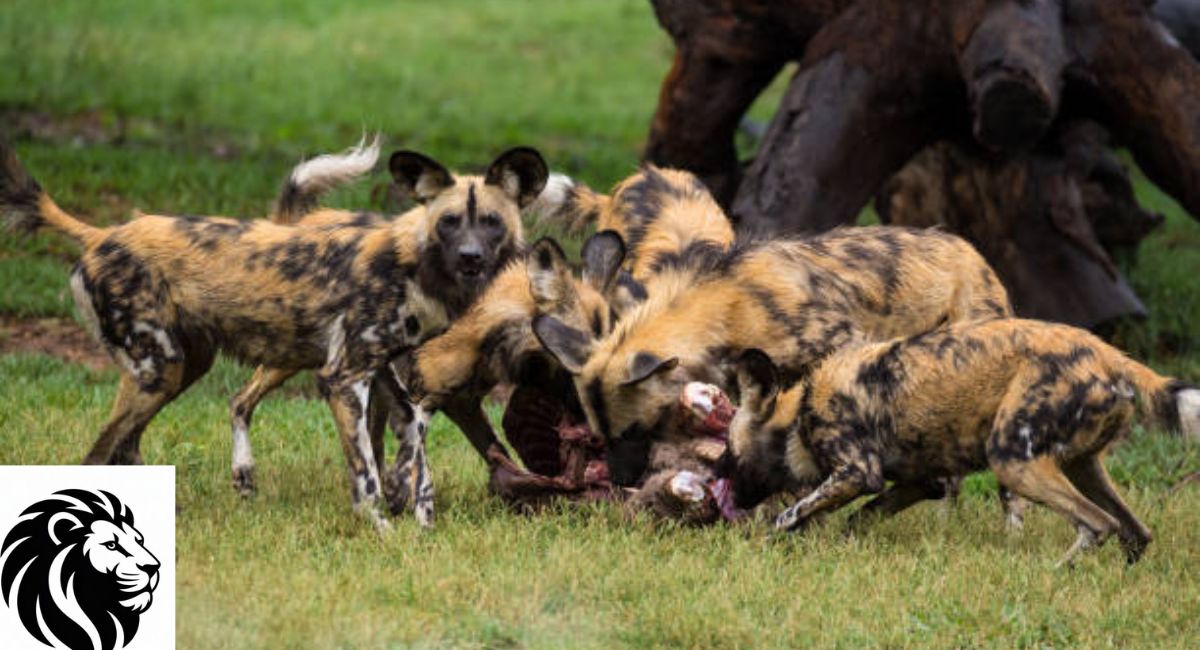
One glance at a pack reveals why the African Wild Dog stands apart from many carnivores. These animals live in highly organized family groups where cooperation shapes almost every aspect of life. Solitary behavior is extremely rare. Instead, pack members depend on one another for hunting, pup care, and protection. Their close relationships have made them one of the most social mammals in Africa.
Pack Structure and Cooperation
The social life of the African Wild Dog revolves around cooperation. Adults share responsibilities and work together with extraordinary efficiency. Young pups receive food from older members through regurgitation, ensuring that every animal gets nourishment. Injured or weak individuals also receive support from the group. Few carnivores show this level of social care.
Communication within packs involves sounds, body language, and physical contact. Members greet one another with wagging tails and high-pitched calls. Their unique visual recognition abilities help individuals identify companions from considerable distances. Every coat pattern is different, which makes recognition easier during hunts and daily movements.
| Social Characteristics | Description |
| Pack Size | 6–20 members |
| Breeding Pair | Dominant male and female |
| Hunting Style | Cooperative |
| Pup Care | Shared among the pack |
| Social Bonds | Extremely strong |
| Solitary Living | Rare |
The Fascinating Sneeze Vote
Researchers discovered one of the most unusual behaviors in the African Wild Dog. Before hunts, pack members sometimes gather and engage in what scientists call sneeze voting. The number of sneezes helps determine whether the group will leave and begin searching for prey. When dominant individuals initiate the process, fewer votes are needed to trigger action.
This behavior highlights the complexity of their social system. It also demonstrates that decision-making within packs involves more than simple instinct. Their communication methods reveal a sophisticated society built on cooperation and mutual support. Such traits contribute greatly to their outstanding reputation as successful social predators.
Behavioral Traits of African Wild Dogs
| Trait | Importance |
| Pack dynamics | Improve survival |
| Cooperative breeding | Protect pups |
| Group decision making | Coordinates activities |
| Sneeze voting | Signals hunting readiness |
| Food sharing | Supports weak members |
| Visual recognition | Maintains pack cohesion |
Why Their Social Bonds Are Unique
Many wildlife experts consider the African Wild Dog one of nature’s finest examples of teamwork. Their family-oriented lifestyle differs greatly from the behavior of lions, leopards, or hyenas. Success depends not on individual power but on collective effort. This cooperation has allowed painted dogs to become among the most efficient predators on Earth.
Strong social ties also create vulnerability. When disease, road accidents, or poaching remove several members, entire packs may collapse. For that reason, understanding their behavior is essential for developing effective conservation strategies and ensuring that future generations can continue to witness these remarkable animals in the wild.
What Do African Wild Dogs Eat?
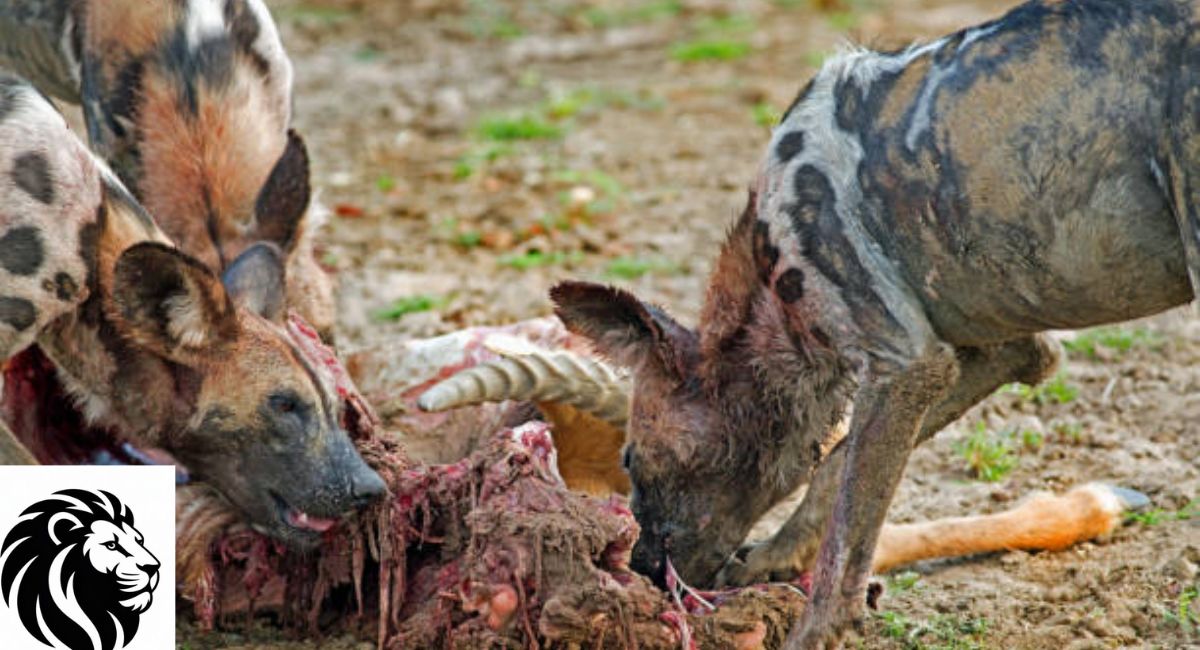
Few predators rival the hunting efficiency of the African Wild Dog. These remarkable carnivores are opportunistic feeders that consume a variety of mammals. Their diet changes depending on prey availability and local ecosystems. Unlike scavengers that rely heavily on carcasses, painted wolves prefer fresh kills. Their success comes from teamwork, stamina, and careful coordination rather than sheer strength.
Most packs target medium-sized animals because these prey species provide enough food while remaining manageable during long pursuits. Impalas, gazelles, wildebeest calves, reedbucks, and small antelopes often appear on the menu. In some regions, researchers have even documented unusual behavior involving baboon hunting, which seems especially common among packs in Zimbabwe’s Mana Pools ecosystem. Such specialized feeding habits demonstrate the adaptability of Lycaon pictus.
Hunting Strategy and Feeding Behavior
Unlike lions that rely on ambush, the African Wild Dog hunts during daylight hours. Alongside cheetahs, they are among Africa’s few major diurnal carnivores. Packs begin by quietly approaching prey. Once the chase starts, they maintain pressure until exhaustion slows the victim. This method has produced one of the highest hunting success rates among large predators.
Cooperation extends beyond capturing prey. Adults feed pups and weaker pack members by regurgitating partially digested food. Injured animals also receive support from companions. Such behavior highlights the extraordinary social bonds that define painted wolves. Food sharing strengthens pack unity and increases survival for young animals.
| Common Prey of African Wild Dogs | Examples |
| Medium Antelopes | Impalas, gazelles |
| Young Ungulates | Wildebeest calves |
| Small Mammals | Hares and rodents |
| Larger Species | Warthogs and reedbucks |
| Unusual Prey | Baboons in some regions |
Why They Are Such Effective Hunters
The African Wild Dog depends on endurance rather than brute force. Packs communicate constantly while pursuing prey. Individuals take turns leading the chase, conserving energy and maintaining speed. Their exceptional coordination allows them to capture animals that might escape solitary predators.
Researchers estimate that painted wolves achieve a hunting efficiency of 60 to 90 percent. This figure often exceeds that of lions and spotted hyenas. Such consistency explains why many scientists consider them among nature’s most successful pursuit predators. Their feeding strategy reflects millions of years of evolution shaped by cooperation and stamina.
Diet Facts of African Wild Dogs
| Characteristic | Information |
| Main Hunting Time | Daytime |
| Preferred Prey | Medium-sized mammals |
| Hunting Style | Cooperative pursuit |
| Success Rate | 60–90% |
| Feeding Behavior | Food sharing within packs |
| Scavenging | Occasional |
How Fast Can African Wild Dogs Run?
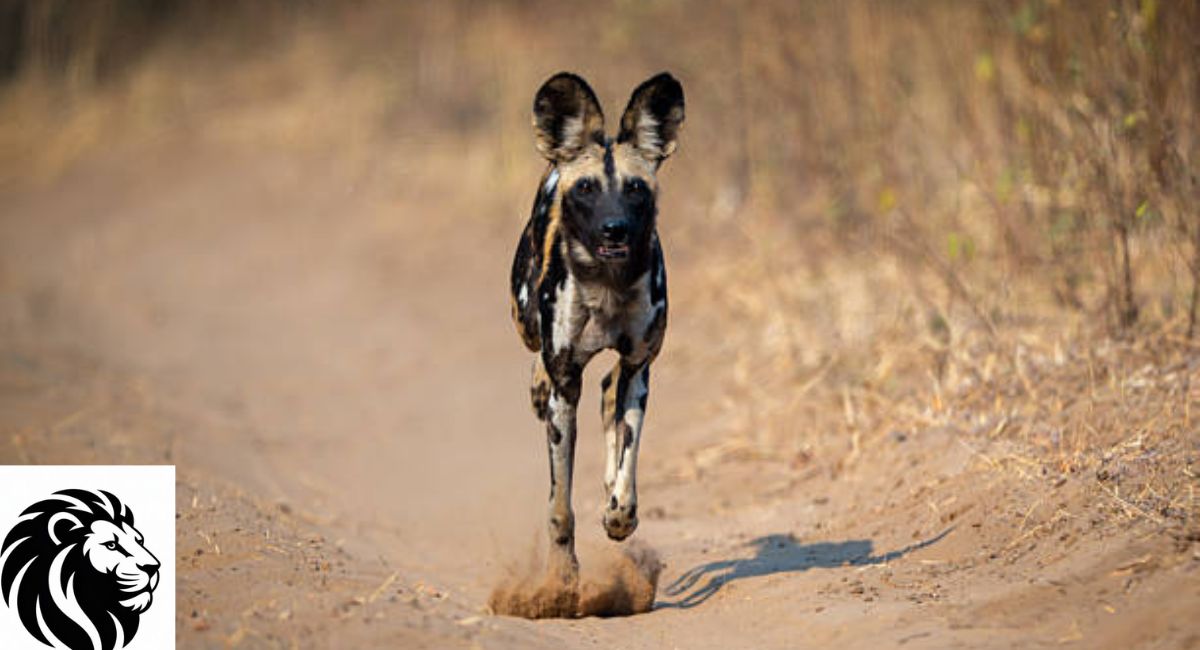
Speed and endurance make the African Wild Dog one of Africa’s most formidable predators. These animals can reach speeds of approximately 41 miles per hour or 66 kilometers per hour. While cheetahs are faster in short bursts, painted wolves excel at sustained movement. Their strength lies not in explosive acceleration but in remarkable stamina.
Most chases last between ten and sixty minutes. During these pursuits, packs may cover distances approaching two kilometers or more. Instead of exhausting themselves immediately, members alternate positions and maintain constant pressure on prey. This strategy allows them to outlast animals that initially appear faster.
Speed Compared With Other Predators
Many carnivores rely on sudden attacks. The African Wild Dog, however, specializes in endurance running. Their lean bodies, long legs, and efficient teamwork create a hunting machine built for prolonged pursuits. This adaptation explains why they consistently outperform several larger predators.
Lions depend on short sprints and ambush tactics. Hyenas possess excellent stamina but usually cannot match the hunting efficiency of painted wolves. Cheetahs remain the fastest land animals, although they tire quickly. In contrast, wild dogs combine respectable speed with extraordinary endurance, creating a balance few species can equal.
| Predator | Top Speed | Hunting Style |
| Cheetah | 70 mph | Short bursts |
| African Wild Dog | 41 mph | Long pursuits |
| Lion | 50 mph | Ambush |
| Spotted Hyena | 37 mph | Endurance and scavenging |
| Leopard | 36 mph | Ambush |
Why Endurance Matters More Than Speed
The African Wild Dog evolved to become an elite endurance hunter. Their cardiovascular system supports prolonged activity, allowing them to maintain high speeds over considerable distances. Large lungs and efficient muscles help them conserve energy during extended pursuits.
Success depends on teamwork rather than individual ability. Pack members coordinate movements with astonishing precision. This collective effort transforms moderate speed into overwhelming efficiency. Few predators can match the combination of stamina, communication, and cooperation displayed by these extraordinary cooperative hunters.
Running Facts of Painted Wolves
| Feature | Details |
| Maximum Speed | 41 mph (66 km/h) |
| Average Chase Duration | 10–60 minutes |
| Average Distance Covered | Around 2 km |
| Hunting Method | Endurance pursuit |
| Main Advantage | Teamwork and stamina |
| Hunting Success Rate | Up to 90% |
A Masterpiece of Evolution
Nature designed the African Wild Dog for persistence. Every part of its body contributes to endurance. Long legs increase stride length. A lightweight frame improves efficiency. Strong social bonds ensure that pack members work together seamlessly. These adaptations have made painted wolves one of the most successful predators in Africa.
Their ability to sustain speed over long distances represents one of the greatest examples of evolutionary specialization among mammals. While faster animals may win short races, few can match the determination and teamwork that define the African wild dog.
African Wild Dog Puppies
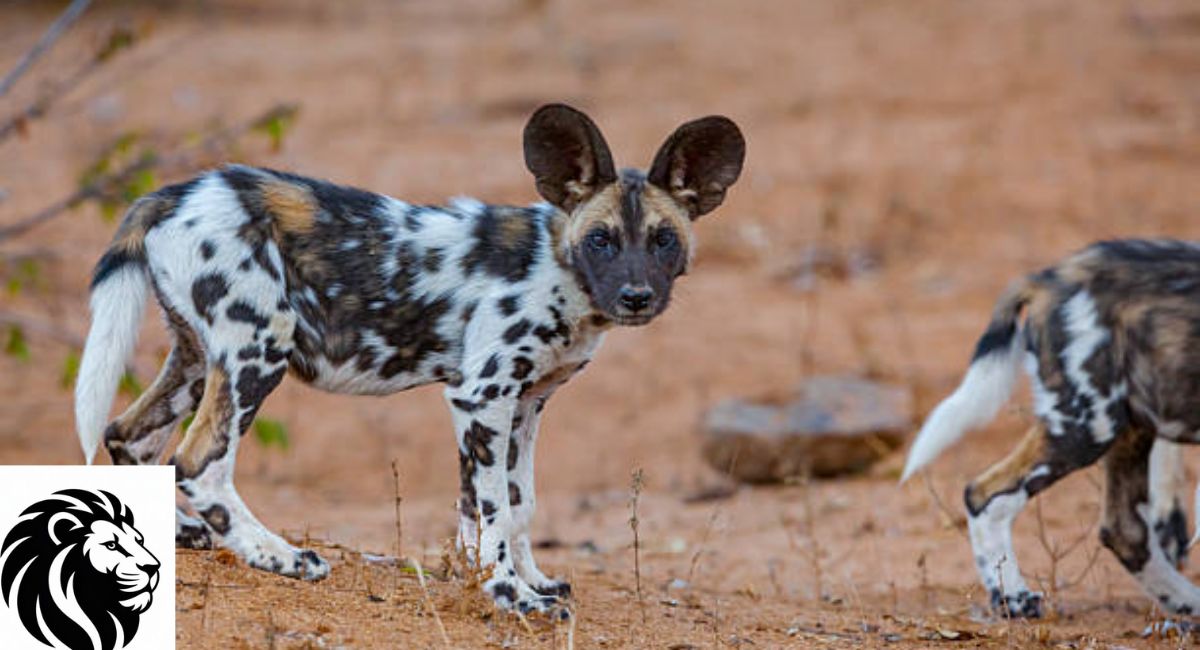
One of the most fascinating aspects of the African Wild Dog is its remarkable approach to raising young. These pups grow up in one of the most cooperative societies found in the animal kingdom. Unlike many predators, every member of the pack contributes to their care. This strong family structure greatly improves survival and strengthens the entire group.
A female usually gives birth inside a hidden den during the breeding season. Dens are often abandoned aardvark burrows or naturally sheltered sites. The average litter contains around ten pups, although some females may produce as many as sixteen. This number represents one of the largest litter sizes among wild canids. Such high reproductive output helps offset losses caused by disease, predators, and habitat fragmentation.
Early Development and Pack Care
Newborn pups are blind and completely dependent on their mother. During the first few weeks, older pack members take turns guarding the den and bringing food. Adults regurgitate meat for the youngsters once they become old enough to consume solid food. This nurturing behavior demonstrates why painted wolves are considered among the most social cooperative breeders in nature.
As the pups mature, they gradually join hunting trips and learn important survival skills. Older siblings often act like babysitters, protecting the young and teaching them social behaviors. Through observation and experience, juvenile wild dogs master the teamwork that makes their species so successful.
| African Wild Dog Puppy Facts | Information |
| Average Litter Size | 10 pups |
| Largest Litters | Up to 16 pups |
| Birth Location | Underground dens |
| Main Caregivers | Entire pack |
| Food Source | Regurgitated meat |
| Time Spent in Den | Around 10 weeks |
Why Pups Face Many Challenges
Although the African Wild Dog produces large litters, survival remains difficult. Lions, hyenas, disease outbreaks, and food shortages can dramatically reduce pup numbers. Road accidents and human activities also threaten young animals. In some areas, infectious diseases such as rabies and canine distemper have wiped out entire packs.
Despite these challenges, the species has evolved a remarkable support system. Few carnivores show such dedication to raising offspring. Their social bonds ensure that pups receive constant attention and protection. This family-centered lifestyle plays a vital role in maintaining wild dog populations.
Growth Stages of African Wild Dog Puppies
| Age | Development Stage |
| Birth to 3 Weeks | Blind and dependent |
| 4 to 8 Weeks | Begin eating meat |
| 2 to 3 Months | Leave the den |
| 6 Months | Start learning to hunt |
| 12 Months | Become active pack members |
Reproduction and Breeding Facts
The African Wild Dog follows a breeding system unlike that of most carnivores. Typically, only the dominant male and female reproduce. This pair forms the core of the pack and produces offspring that the entire group helps raise. Such a structure reduces competition and promotes cooperation among relatives.
Breeding usually occurs once each year. After mating, the female undergoes a gestation period lasting around seventy days. She then gives birth in a secure den where the pups remain protected during their earliest weeks. Because wild dogs invest heavily in family care, reproductive success depends on strong social relationships rather than individual dominance alone.
Unique Breeding Behavior
One reason the African Wild Dog stands out among canids is its extraordinary level of parental cooperation. Non-breeding adults sacrifice time and energy to help raise pups. This strategy increases the chances that young animals will survive to adulthood. Scientists consider this behavior one of the best examples of cooperative breeding among mammals.
The dominant female usually produces larger litters than wolves or domestic dogs. Such productivity allows populations to recover when conditions are favorable. However, habitat loss and disease continue to limit reproductive success in many regions.
| Reproductive Characteristics | Details |
| Breeding Frequency | Once yearly |
| Gestation Period | About 70 days |
| Average Litter Size | 10 pups |
| Largest Litters | 16 pups |
| Main Breeding Pair | Dominant male and female |
| Pup Care | Shared by the pack |
Can African Wild Dogs Breed With Domestic Dogs?
Although they belong to the same family, the African Wild Dog cannot successfully breed with domestic dogs. Scientists classify painted wolves in the genus Lycaon, whereas domestic dogs belong to the genus Canis. Significant genetic differences prevent hybridization. Their chromosomes and evolutionary histories differ too greatly for viable offspring to develop.
This distinction also explains why painted wolves should never be confused with feral dogs. Despite their name, they are unique wild carnivores with their own biological identity. Millions of years of evolution have shaped their appearance, behavior, and social systems.
Can African Wild Dogs Breed With Wolves?
People sometimes wonder whether wolves and painted dogs can interbreed. The answer is no. Wolves belong to the genus Canis, while Lycaon pictus occupies its own separate branch of the canine family tree. Genetic incompatibility prevents successful reproduction between the two species.
Modern DNA studies reveal that African wild dogs diverged from wolf ancestors long ago. Over time, they developed specialized traits that distinguish them from all other living canids. Their four-toed feet, unique dentition, and cooperative lifestyle represent evolutionary adaptations not found in wolves.
Remarkable Reproductive Facts
| Fact | Description |
| Scientific Name | Lycaon pictus |
| Social System | Pack-based |
| Reproductive Strategy | Cooperative breeding |
| Largest Canid Litter | Up to 16 pups |
| Hybridization With Dogs | Impossible |
| Hybridization With Wolves | Impossible |
A Family Built on Teamwork
Perhaps the greatest strength of the African Wild Dog lies not in speed or power but in cooperation. Every stage of reproduction reflects teamwork. From den protection to feeding pups, the entire pack contributes to raising the next generation. This extraordinary level of social support remains one of the reasons scientists consider painted wolves among the most remarkable mammals on Earth.
African Wild Dog vs Hyena
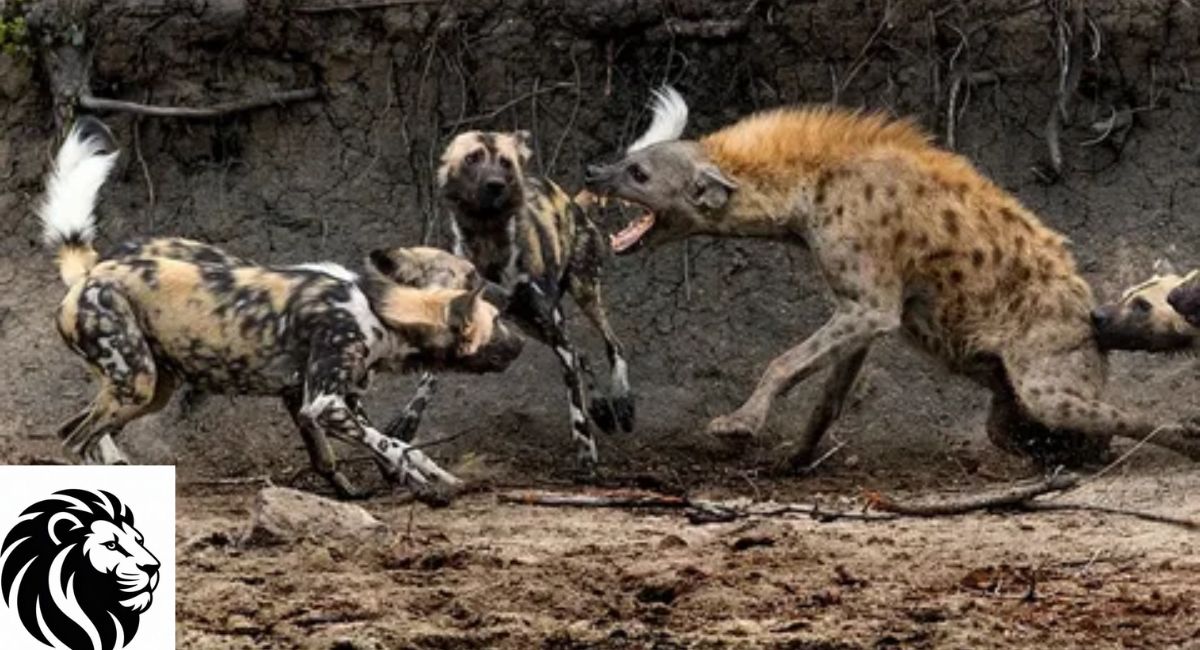
At first glance, the African Wild Dog and the spotted hyena seem similar because both live in groups and hunt across the African savanna. However, these predators belong to very different families. Wild dogs are members of the canine family, while hyenas are more closely related to cats. Their appearance, hunting methods, and social structures differ in several important ways.
Competition between these animals is intense. Hyenas often steal food from painted wolves because they possess stronger jaws and larger bodies. Lions and hyenas are among the most dangerous enemies of the African Wild Dog. In regions with large lion populations, wild dog numbers usually decline because lions frequently kill adults and pups.
Hunting Style and Social Differences
The African Wild Dog relies on speed, endurance, and cooperation. Packs work together with incredible precision and achieve a hunting success rate that often reaches 90 percent. Hyenas also hunt successfully, although they spend more time scavenging and competing with other predators. Their powerful bite force allows them to crush bones that most carnivores cannot consume.
Social behavior also differs greatly. Painted wolves display remarkable generosity toward injured members and young pups. Food sharing is common within packs. Hyena clans are highly organized too, although competition among individuals tends to be stronger. Female hyenas dominate their social groups, while wild dog packs usually revolve around a dominant breeding pair.
| Comparison | African Wild Dog | Spotted Hyena |
| Family | Canidae | Hyaenidae |
| Top Speed | 41 mph | 37 mph |
| Hunting Style | Cooperative pursuit | Hunting and scavenging |
| Bite Force | Moderate | Extremely powerful |
| Social Structure | Pack-based | Clan-based |
| Main Strength | Endurance | Jaw power |
Who Wins in a Fight?
An individual hyena usually outweighs an African Wild Dog and possesses a stronger bite. In one-on-one encounters, the hyena often holds the advantage. However, painted wolves rarely travel alone. Their greatest weapon is teamwork. A coordinated pack can defend itself effectively, although most wild dogs avoid unnecessary confrontations because injuries can threaten the survival of the entire group.
Key Differences Between Wild Dogs and Hyenas
| Feature | African Wild Dog | Hyena |
| Coat Pattern | Unique patches | Spotted fur |
| Hunting Success | 60–90% | Around 25–40% |
| Family Bonds | Extremely strong | Strong but competitive |
| Main Enemy | Lions and hyenas | Lions |
| Diet | Fresh prey | Hunting and scavenging |
Can African Wild Dogs Be Domesticated?
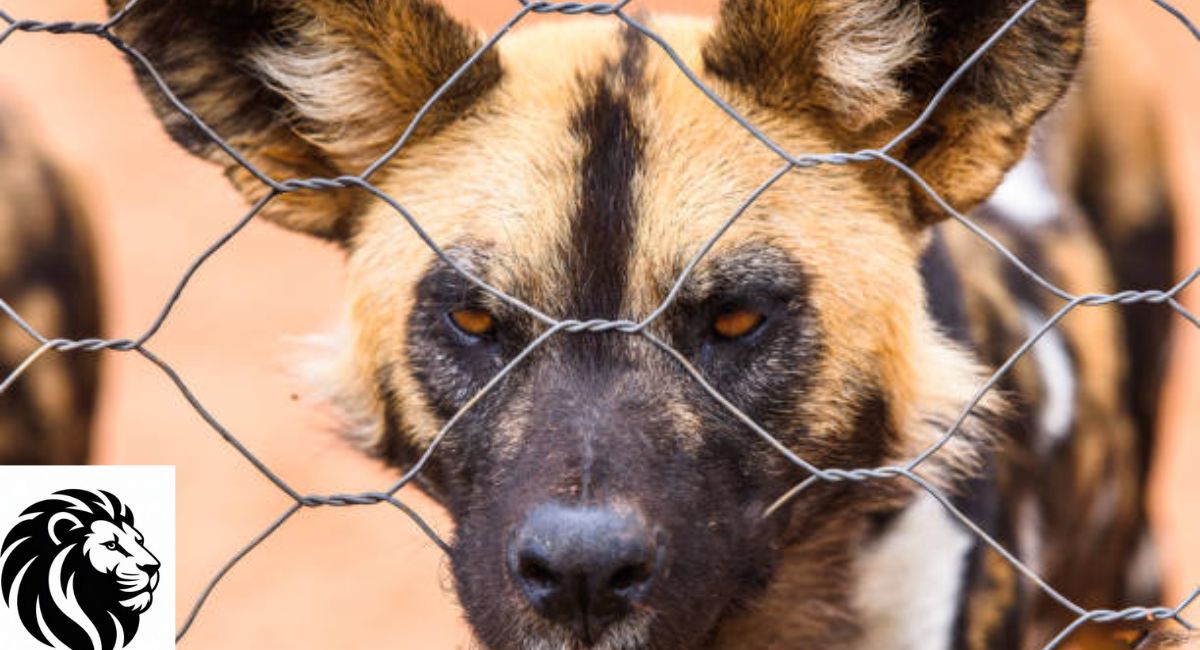
Despite their name, the African Wild Dog is not a domesticated species. These animals evolved over thousands of years to survive in vast natural landscapes. Their instincts, social behavior, and biological needs differ greatly from those of household dogs. While they rarely attack humans without reason, they remain wild carnivores that require large territories and complex social interactions.
Many people mistakenly assume that painted wolves could become exotic pets. In reality, keeping one as a companion would be extremely difficult and often illegal. These animals depend on pack life and cooperative hunting. Separation from their social groups creates stress and abnormal behavior. Their physical abilities and natural instincts make them unsuitable for captivity outside specialized conservation facilities.
Why African Wild Dogs Cannot Become Pets
Unlike domestic dogs that have undergone thousands of years of selective breeding, the African Wild Dog retains its original wild characteristics. Their communication methods, hunting strategies, and reproductive systems evolved for life in the African wilderness. They require enormous ranges and strong social connections to thrive.
Another challenge involves disease transmission. Domestic dogs can spread rabies and canine distemper, both of which pose serious threats to painted wolf populations. Mixing wild dogs with pets increases health risks and undermines conservation efforts. For these reasons, wildlife experts strongly discourage attempts to domesticate them.
| Characteristic | African Wild Dog | Domestic Dog |
| Domesticated | No | Yes |
| Social Needs | Large packs | Human families |
| Hunting Behavior | Natural predators | Variable |
| Territory Size | Very large | Small |
| Suitable as Pets | No | Yes |
Are African Wild Dogs Dangerous?
The African Wild Dog generally avoids humans and prefers to focus on natural prey. Documented attacks on people are extremely rare. Their reputation as dangerous animals often stems from misunderstandings and historical conflicts with livestock farmers. In truth, habitat destruction and disease pose far greater threats to wild dogs than humans face from them.
Conservation organizations emphasize that these animals belong in protected ecosystems rather than private homes. Their future depends on preserving habitats and reducing conflicts with people. Appreciating painted wolves as wild animals rather than pets represents an important step toward ensuring their survival.
Why Domestication Is Impossible
| Factor | Explanation |
| Evolutionary History | Wild species |
| Pack Dependency | Requires social groups |
| Hunting Instinct | Extremely strong |
| Legal Restrictions | Protected in many regions |
| Disease Risks | Vulnerable to infections |
| Conservation Importance | Better protected in the wild |
Wild, Not Tame
The beauty of the African Wild Dog lies in its untamed nature. These remarkable animals have perfected the art of cooperation and survival over millions of years. Trying to transform them into pets would ignore the very qualities that make them unique. Their place is in Africa’s grasslands and savannas, where they continue to play a vital role in maintaining healthy ecosystems.
African Wild Dog vs Other Predators
The African Wild Dog shares its environment with some of the world’s most famous predators. Lions, leopards, cheetahs, hyenas, and even crocodiles compete for food and territory. Yet painted wolves have developed a unique strategy for survival. Rather than relying on strength alone, they depend on teamwork, communication, and remarkable endurance.
Among African carnivores, few species can match their efficiency. Studies show that cooperative hunters such as painted wolves achieve higher success rates than many larger predators. Their ability to work together gives them a significant advantage when pursuing prey over long distances. However, their smaller size often places them at a disadvantage during direct confrontations.
African Wild Dog vs Lion
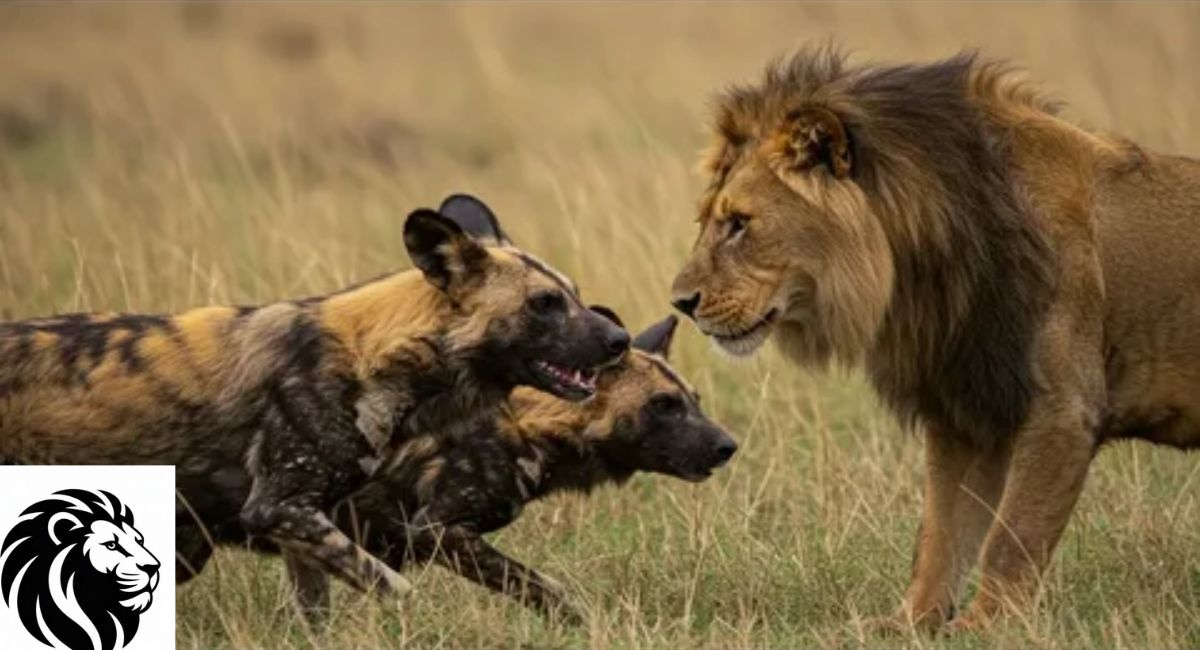
Lions are larger and far stronger than the African Wild Dog. A single lion can overpower an individual wild dog with ease. Lions frequently kill wild dogs and destroy their pups, making them one of the greatest natural threats to the species.
Despite this imbalance, painted wolves outperform lions in terms of hunting success rate. Lions rely on ambush and short bursts of speed. Wild dogs use endurance and cooperation. As a result, painted wolves capture prey more consistently than Africa’s largest cats.
African Wild Dog vs Cheetah
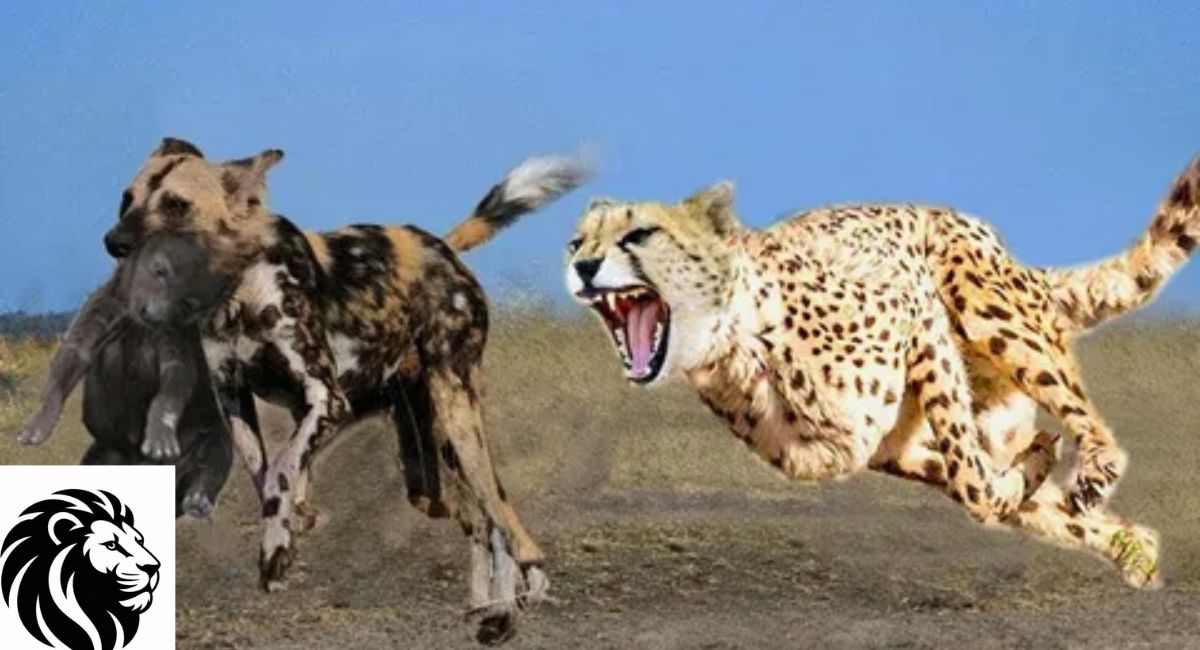
Cheetahs are the fastest land animals, capable of reaching incredible speeds during short sprints. However, they tire quickly. The African Wild Dog sacrifices top speed for stamina. Packs can maintain high speeds for extended periods, allowing them to exhaust prey.
Both species hunt during daylight hours, which is uncommon among African predators. Competition occasionally occurs, although wild dogs generally dominate because of their numerical advantage and superior teamwork.
African Wild Dog vs Leopard
Leopards prefer solitary hunting and depend heavily on stealth. They excel at climbing trees and ambushing prey. In contrast, the African Wild Dog thrives through cooperation and open pursuit.
Leopards rarely challenge entire packs. Instead, they avoid direct encounters whenever possible. Their different hunting styles reduce competition and allow both species to occupy similar habitats.
Predator Comparison Table
| Predator | Main Strength | Hunting Style | Threat to Wild Dogs |
| Lion | Power | Ambush | Very High |
| Cheetah | Speed | Daytime pursuit | Low |
| Leopard | Stealth | Solitary ambush | Moderate |
| Hyena | Bite force | Hunting and scavenging | High |
| African Wild Dog | Teamwork | Endurance pursuit | — |
Why Teamwork Gives Them an Advantage
The greatest weapon of the African Wild Dog is cooperation. Every member contributes to hunting and raising pups. This social structure transforms average-sized carnivores into one of Africa’s most effective predator groups.
Scientists often describe painted wolves as nature’s ultimate team players. Their success demonstrates that coordination and communication can be more valuable than brute strength. Few species illustrate this principle better than Lycaon pictus.
Amazing African Wild Dog Facts
The African Wild Dog possesses some of the most unusual characteristics found among mammals. Every animal has a unique coat pattern. No two painted wolves look exactly alike. These markings act almost like fingerprints and help individuals recognize each other from distances of up to 330 feet.
Another fascinating behavior involves their famous sneeze voting system. Before beginning a hunt, pack members gather and communicate through sneezes. Researchers discovered that the number of sneezes influences whether the group decides to move. This unusual form of group decision making highlights the complexity of their social lives.
Incredible Facts About Painted Wolves
Unlike most predators, the African Wild Dog rarely lives alone. Packs care for injured companions and feed young pups through regurgitation. Such generosity is rare among carnivores and demonstrates the extraordinary bonds that exist within these animals.
Wild dogs also possess one of the highest hunting efficiency rates in the world. Their success rate can reach 90 percent, surpassing lions and hyenas. Combined with their ability to travel long distances, this makes them among the most remarkable predators on Earth.
| Amazing Facts | Details |
| Scientific Name | Lycaon pictus |
| Other Names | Painted dog and painted wolf |
| Top Speed | 41 mph |
| Hunting Success | Up to 90% |
| Largest Litters | Up to 16 pups |
| Decision Making | Sneeze voting |
| Coat Patterns | Unique for every individual |
| Main Hunting Time | Daytime |
Unique Behaviors Found Only in Some Populations
Researchers studying wild dogs in Zimbabwe’s Mana Pools National Park have documented unusual baboon hunting behavior. This feeding preference appears to be unique compared with other populations. Scientists continue to investigate why these packs developed such specialized habits.
Modern research involving GPS collars and den monitoring has also revealed surprising differences in movement patterns and den site selection. These discoveries show that the African Wild Dog still holds many mysteries waiting to be explored.
Did You Know?
| Question | Answer |
| Largest canid in Africa? | Yes |
| Second-largest canid worldwide? | Yes |
| Can they breed with domestic dogs? | No |
| Are they endangered? | Yes |
| Do they hunt during the day? | Yes |
| Do all coat patterns differ? | Yes |
Conclusion
The African Wild Dog is one of Africa’s most remarkable predators. From its powerful teamwork and impressive speed to its unique social behavior, this endangered species plays an important role in maintaining healthy ecosystems. Learning about its habitat, diet, breeding habits, and relationships with other predators helps us appreciate why painted wolves are truly special.
Although the future of the African Wild Dog remains uncertain, conservation efforts are giving this species new hope. Protecting habitats, reducing human conflict, and supporting wildlife programs can help ensure these fascinating animals survive for generations to come. Every effort counts when it comes to preserving one of nature’s greatest team players.
FAQs
1. What do African Wild Dogs eat?
African Wild Dogs mainly feed on antelopes, impalas, gazelles, and other medium-sized mammals. They hunt cooperatively and have one of the highest hunting success rates among predators.
2. How fast can African Wild Dogs run?
African Wild Dogs can reach speeds of up to 41 mph (66 km/h). Their real strength is endurance, which allows them to chase prey over long distances.
3. Why are African Wild Dogs endangered?
Habitat fragmentation, disease, road accidents, poaching, and conflicts with livestock owners have caused major population declines.
4. Can African Wild Dogs be kept as pets?
No, African Wild Dogs are wild animals that cannot be domesticated. They depend on pack life and require large natural habitats to survive.
5. How many African Wild Dogs are left in the wild?
Scientists estimate that only around 1,400 mature African Wild Dogs remain, making them one of Africa’s most endangered carnivores.

Welcome to natureanimalhub! I’m Anam Sattar, an AI Powered SEO, and Content Writer with 4 years of experirnce.
I help websites rank higher,grow traffic, and look amazing. My goal is to make SEO and web design simple and effective for everyone.
Let’s achieve more together!