

The animal kingdom contains countless fascinating creatures. However, Animals That Start With W stand out because they include massive ocean giants, colorful birds, rare reptiles, and intelligent mammals living across the planet. From the icy Arctic home of the walrus to the tropical waters where whale sharks swim peacefully, these animals display incredible survival skills and unique behaviors.
Many wildlife lovers search for wild animals, marine animals, forest animals, and North American wildlife to learn more about these extraordinary species. This complete guide explores twenty amazing W animals with interesting facts, habitats, diets, and conservation details explained in simple English. You will also discover surprising adaptations that make these animals truly unforgettable in the natural world.
Mammals That Start With W
Mammals are warm-blooded animals with fur or hair. Many Animals That Start With W in this category are large, intelligent, and highly adaptable. Some live in icy regions while others survive in dense forests and grasslands.
These mammals also play an important role in nature. They help maintain ecosystems, spread seeds, and support food chains. Sadly, several W mammals now face habitat destruction and illegal hunting.
Walrus
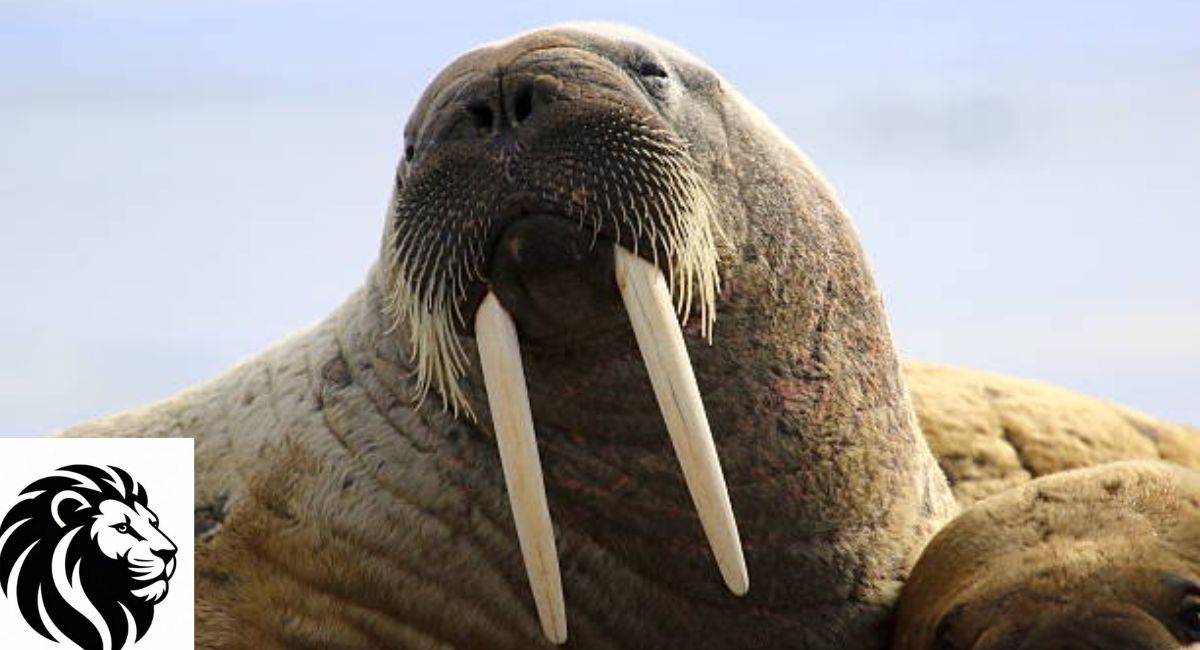
The walrus is one of the most recognizable Arctic animals on Earth. It has long tusks, thick skin, and huge flippers that help it swim through freezing waters. Walruses usually rest together in massive groups called herds. Their loud sounds can echo across icy coastlines.
This giant marine mammal mainly eats clams, shellfish, and small sea creatures. Surprisingly, walruses can hold their breath underwater for several minutes while searching for food. Their tusks help them climb onto slippery ice and protect themselves from predators like polar bears.
White-Tailed Deer
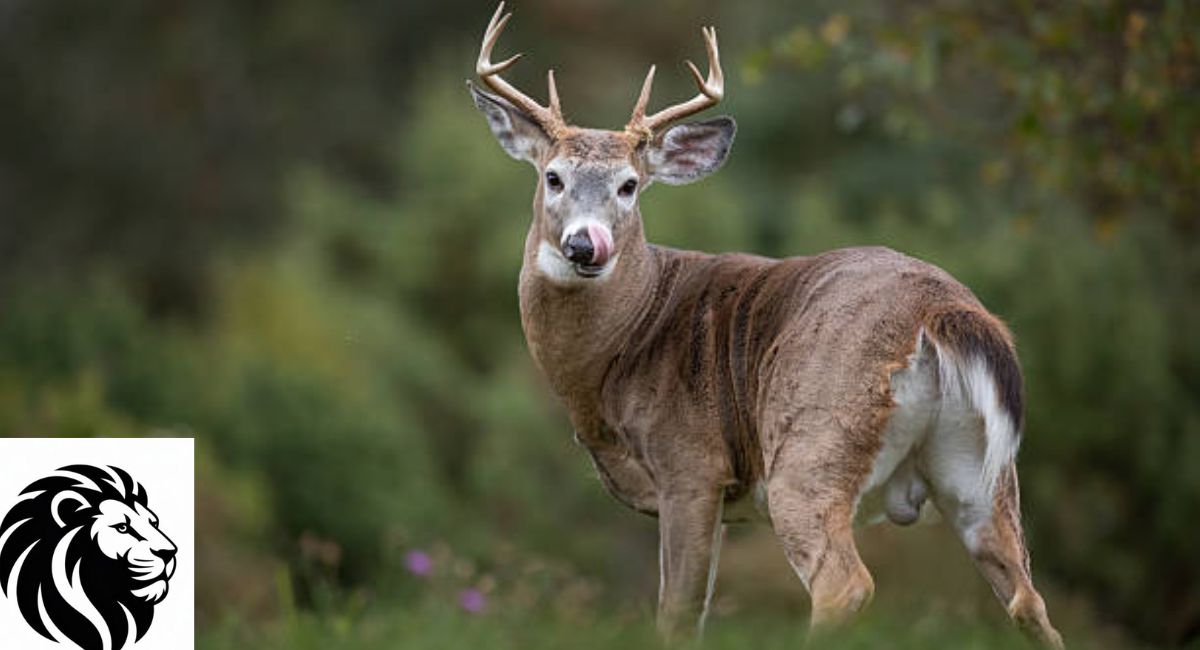
The white-tailed deer is one of the most common North American wildlife species. It gets its name from the bright white underside of its tail. When frightened, the deer lifts its tail like a warning signal before running away quickly.
These graceful mammals eat leaves, grass, fruits, and nuts. They adapt well to forests, farms, and even suburban areas across the United States. During winter, their coats become thicker to protect them from freezing temperatures.
Waterbuck

The waterbuck is a large African antelope with shaggy fur and curved horns. It prefers areas near rivers and lakes because water provides protection from predators. Unlike many antelope species, waterbucks can survive in marshy habitats comfortably.
Their oily fur releases a strong scent that helps repel predators and water. These herbivores mainly feed on grass during early mornings and evenings. Male waterbucks defend territories fiercely during mating season.
West Indian Manatee

The West Indian manatee is often called a sea cow because of its slow movements and peaceful nature. This large marine mammal lives in warm coastal waters, rivers, and lagoons. Manatees spend most of their day eating underwater plants.
Despite their massive size, manatees are gentle creatures. Unfortunately, many suffer injuries from boats and polluted waterways. Conservation groups now work hard to protect these calm animals and restore safer habitats.
Western Lowland Gorilla

The western lowland gorilla is the smallest gorilla subspecies yet still incredibly strong. These intelligent primates live in African rainforests where they spend hours searching for fruit, leaves, and insects. They communicate through gestures, sounds, and facial expressions.
Family groups are led by dominant males called silverbacks. Sadly, habitat destruction and illegal hunting threaten their survival. Scientists consider them critically endangered today.
White Rhinoceros

The white rhinoceros is among the largest land mammals alive today. It has a wide mouth designed perfectly for grazing grass across African savannas. Despite their enormous size, white rhinos can run surprisingly fast when threatened.
Poaching remains the biggest danger to these animals because criminals illegally hunt them for their horns. Wildlife reserves now use strict protection programs to prevent extinction and support rhino populations.
White-Handed Gibbon

The white-handed gibbon is a small ape famous for swinging gracefully between trees. This movement style, called brachiation, allows gibbons to travel quickly through forest canopies without touching the ground.
These primates form strong family bonds and use loud songs to communicate across forests. Sadly, deforestation continues shrinking their natural habitats each year.
Birds That Start With W
Birds beginning with W include elegant swans, colorful ducks, and powerful ocean travelers. Many of these species migrate across continents and survive in harsh climates using incredible instincts.
Several Animals That Start With W in the bird category are known for their beauty, wingspan, and unique calls. Some also play a major role in balancing aquatic ecosystems.
White Stork

The white stork is a tall migratory bird with long legs and wide wings. It travels thousands of miles between Europe and Africa every year. Many cultures consider storks symbols of luck and family.
White storks mainly feed on frogs, insects, fish, and small reptiles. They often build massive nests on rooftops, chimneys, and tall trees near wetlands.
Wood Stork
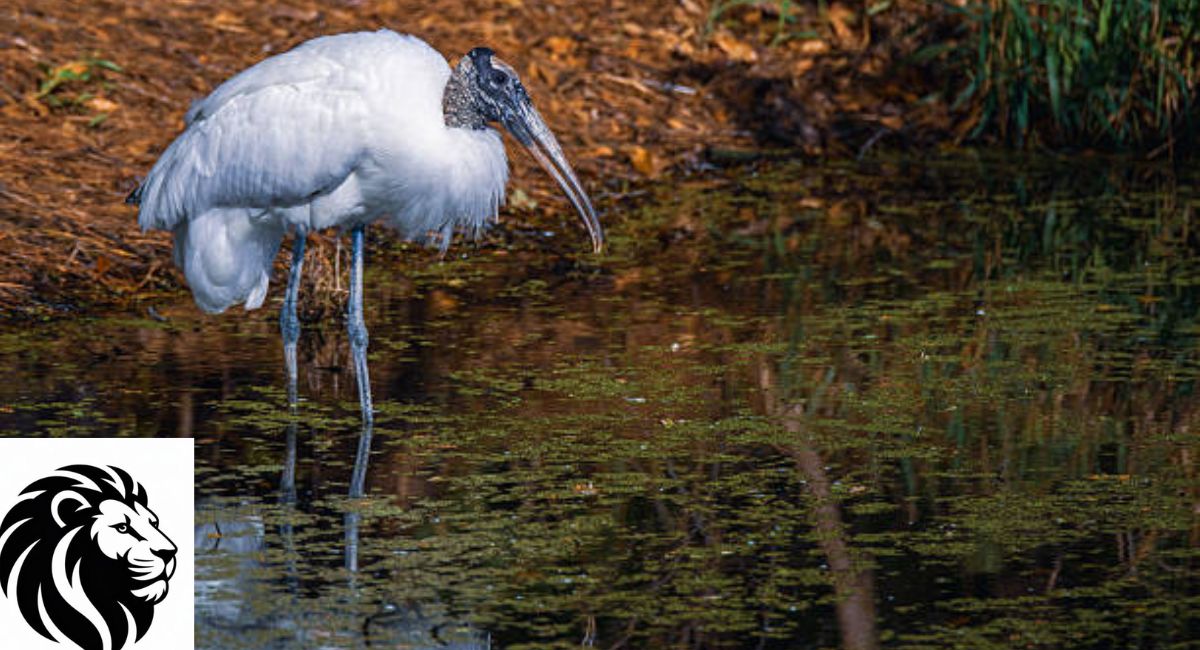
The wood stork is a large wading bird found in wetlands and swamps. It has a bald head and a heavy bill designed for catching fish in shallow waters. Unlike many birds, wood storks hunt mainly through touch instead of sight.
These birds play an important role in wetland ecosystems. However, habitat loss has reduced their population in several regions of the United States.
Whooper Swan
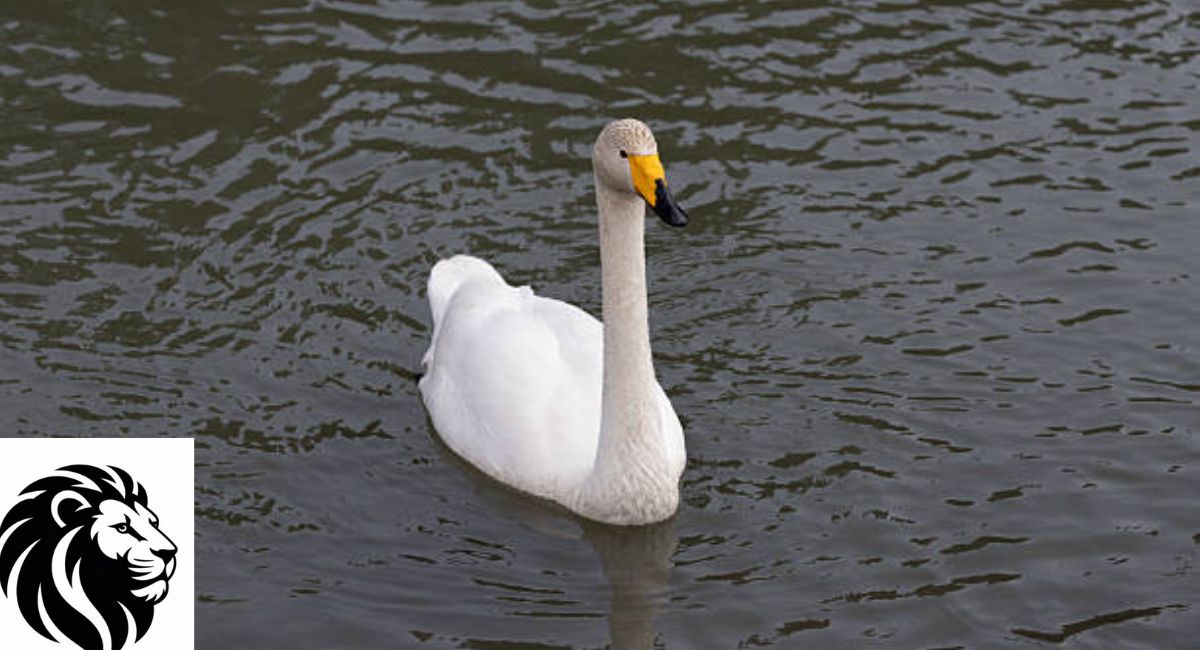
The whooper swan is a majestic bird known for its loud trumpet-like calls. Its bright white feathers and long neck make it easy to recognize on lakes and rivers.
These swans migrate long distances during winter and often travel in family groups. Their powerful wings help them fly across freezing northern regions.
Wandering Albatross

The wandering albatross has the largest wingspan of any living bird. Some individuals stretch over eleven feet wide. This incredible seabird spends most of its life flying above oceans without landing.
Strong ocean winds help the albatross glide effortlessly for hours. It mainly feeds on squid and fish near the water’s surface.
Western Screech Owl

The western screech owl is a small nocturnal predator found in forests and woodlands. Its feather colors blend perfectly with tree bark which makes camouflage extremely effective.
At night, this owl hunts insects, rodents, and small birds silently. Its haunting calls often echo through quiet forests after sunset.
Wood Duck

The wood duck is one of the most colorful ducks in North America. Males display shiny green heads, red eyes, and patterned feathers that almost look painted by hand.
Unlike many ducks, wood ducks nest inside hollow trees near water. Their ducklings jump fearlessly from tree cavities shortly after hatching.
Reptiles & Amphibians That Start With W
Reptiles and amphibians beginning with W include turtles and frogs with fascinating survival abilities. Some can survive freezing temperatures while others spend decades living near streams and ponds.
These Animals That Start With W also help ecosystems by controlling insects and supporting aquatic food chains. Many species now face habitat loss because of pollution and urban development.
Western Pond Turtle
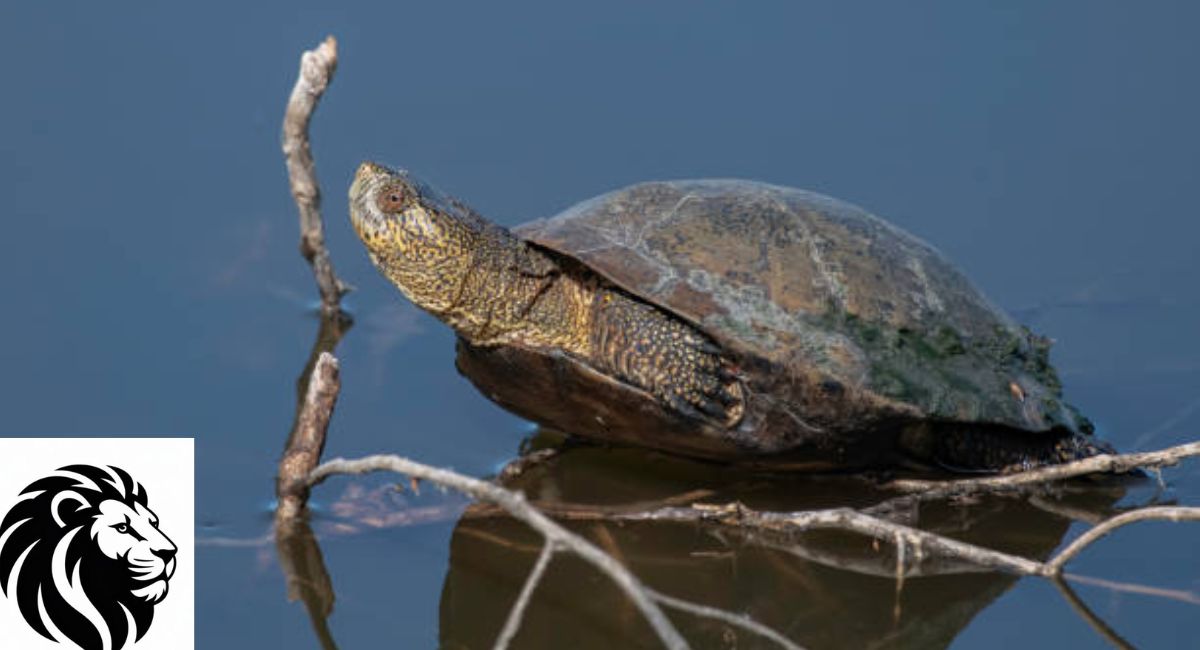
The western pond turtle is a freshwater reptile native to western North America. It spends much of its time basking on rocks and logs under the sun.
These turtles eat insects, small fish, and aquatic plants. Sadly, wetland destruction and invasive species continue reducing their numbers in the wild.
Wood Turtle
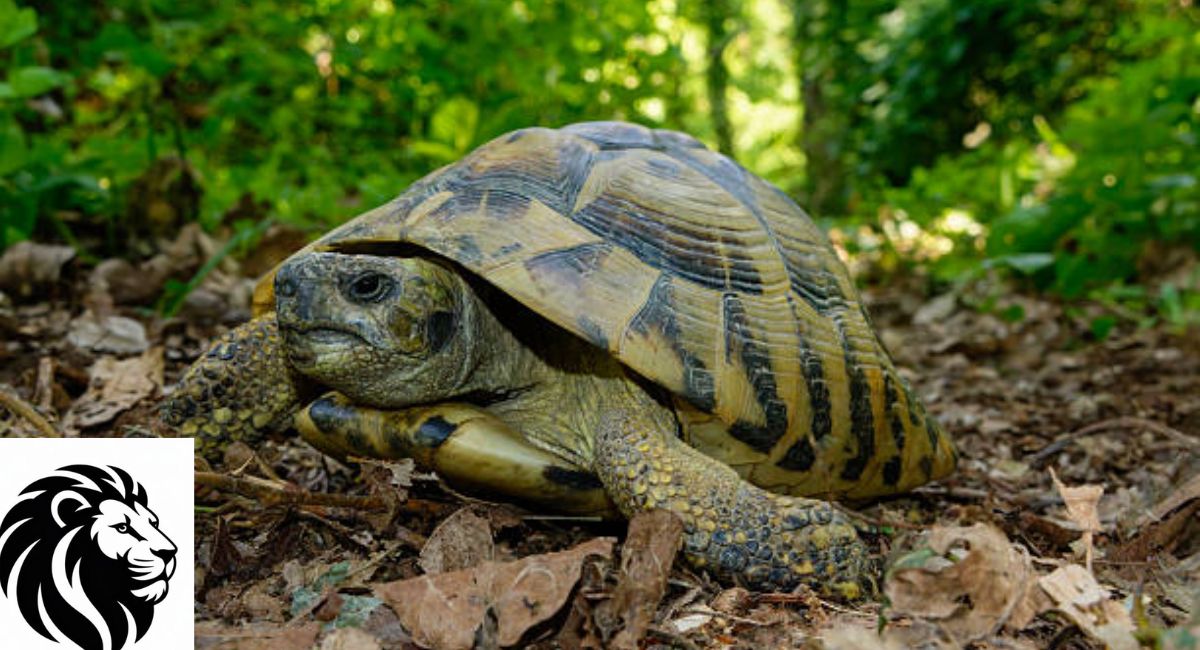
The wood turtle is famous for its intelligence compared to many reptiles. Researchers observed these turtles using clever movements to attract worms from soil surfaces.
Wood turtles live near rivers and forest streams. Their beautifully patterned shells make them attractive targets for illegal pet traders.
Wood Frog
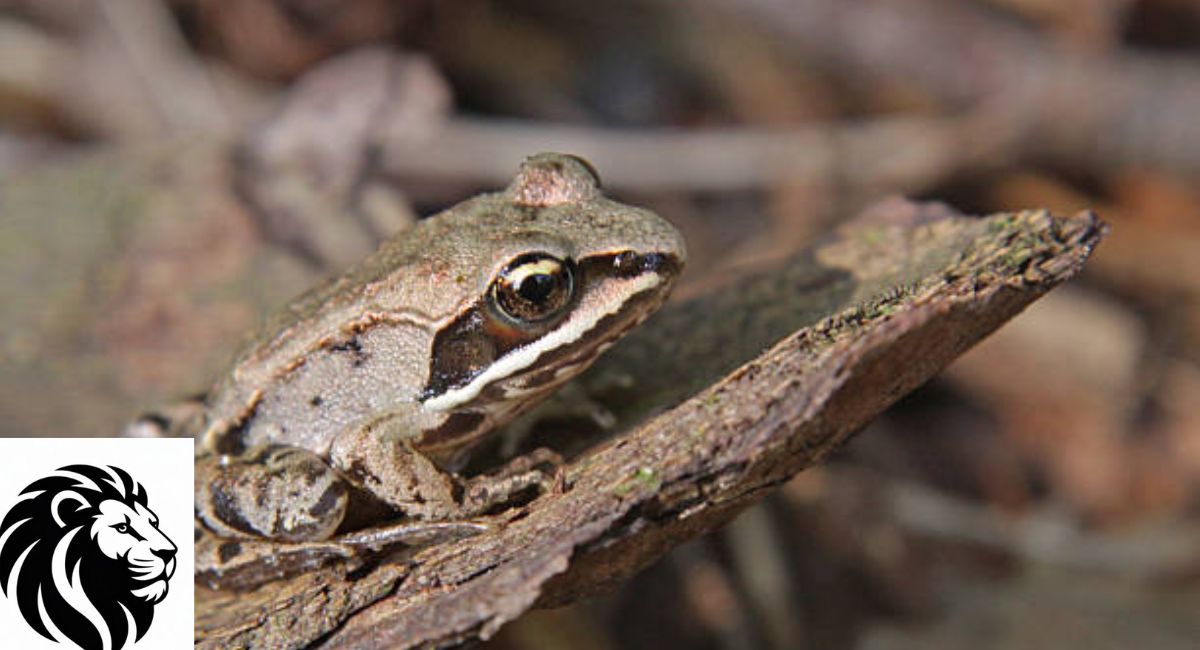
The wood frog has one of the strangest survival abilities in nature. During winter, its body partially freezes while its organs remain protected by natural chemicals.
When spring arrives, the frog thaws and becomes active again. This amazing adaptation allows wood frogs to survive in cold northern climates.
Fish & Marine Animals That Start With W
Oceans contain some of the most unusual Animals That Start With W. From giant sharks to hidden reef predators, marine species show incredible diversity and adaptation.
Many marine W animals also help maintain healthy ocean ecosystems. Coral reefs, coastal waters, and deep oceans all depend on balanced marine life.
Wolf Eel
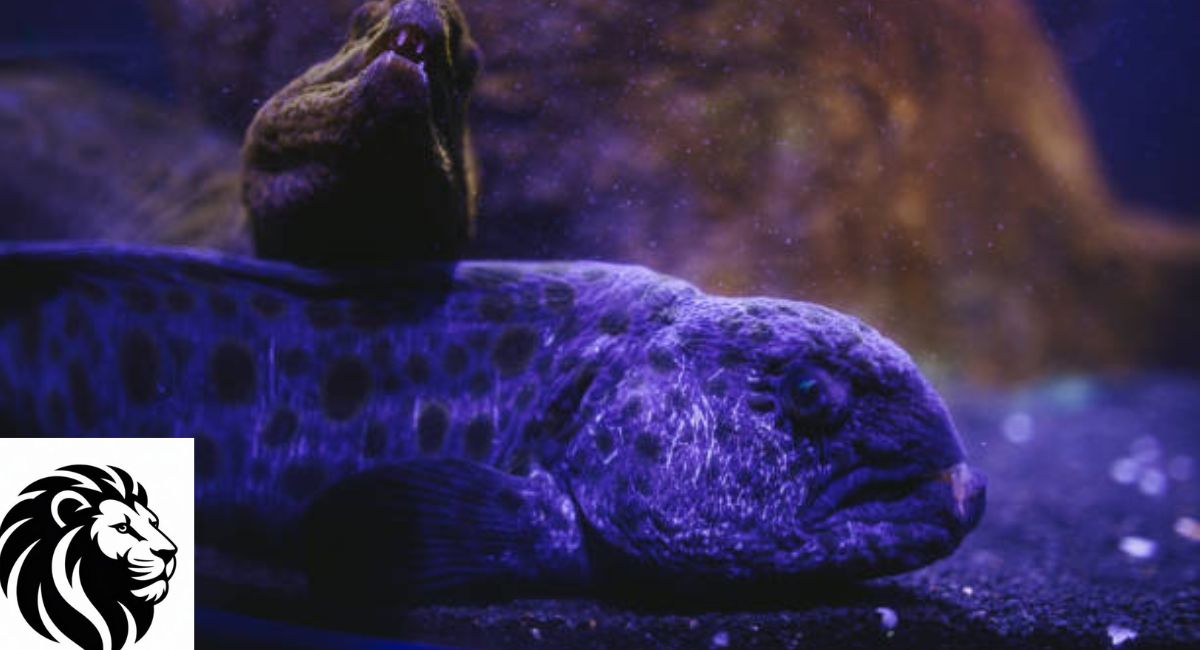
The wolf eel looks frightening because of its sharp teeth and long body. However, it usually behaves shyly around humans and prefers hiding inside rocky underwater caves.
These predators feed mainly on crabs, sea urchins, and shellfish. Some wolf eels even form lifelong breeding pairs.
Whale Shark

The whale shark is the largest fish species on Earth. Despite its enormous size, this giant shark feeds mainly on tiny plankton and small fish.
Whale sharks move slowly through warm tropical oceans while filtering water for food. Divers often admire their peaceful behavior and beautiful spotted patterns.
Wobbegong
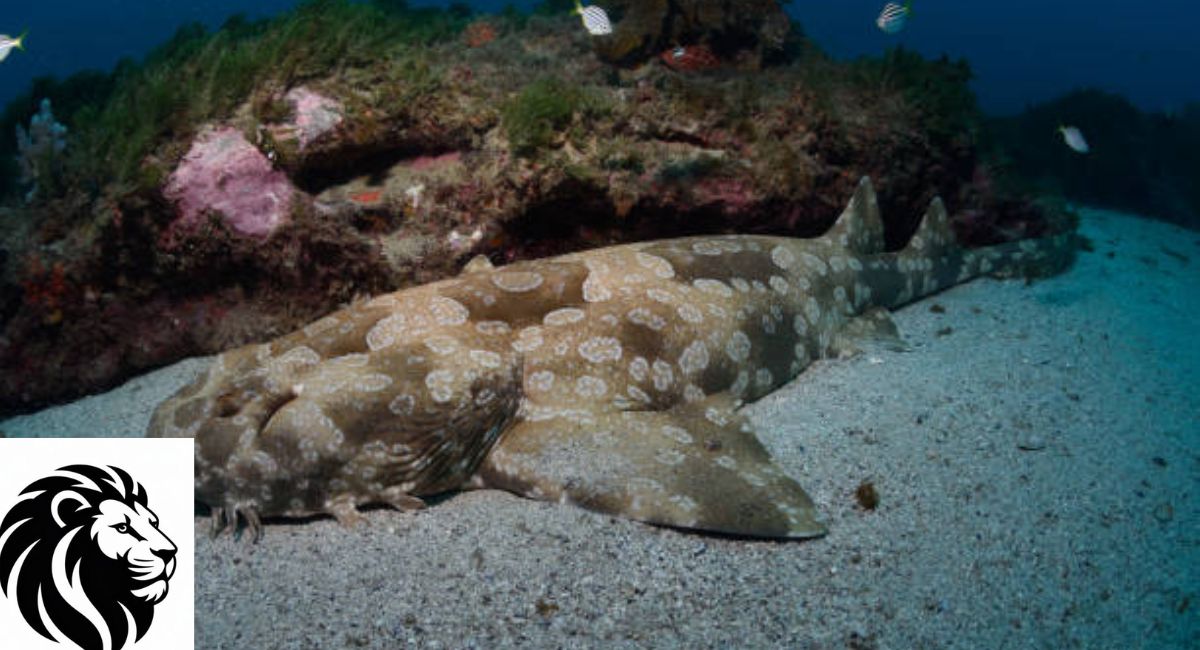
The wobbegong is a carpet shark famous for excellent camouflage. Its body patterns help it blend perfectly with ocean floors and coral reefs.
Instead of chasing prey, the wobbegong waits patiently before ambushing nearby fish. This hunting strategy saves energy and increases success rates.
Wrasse
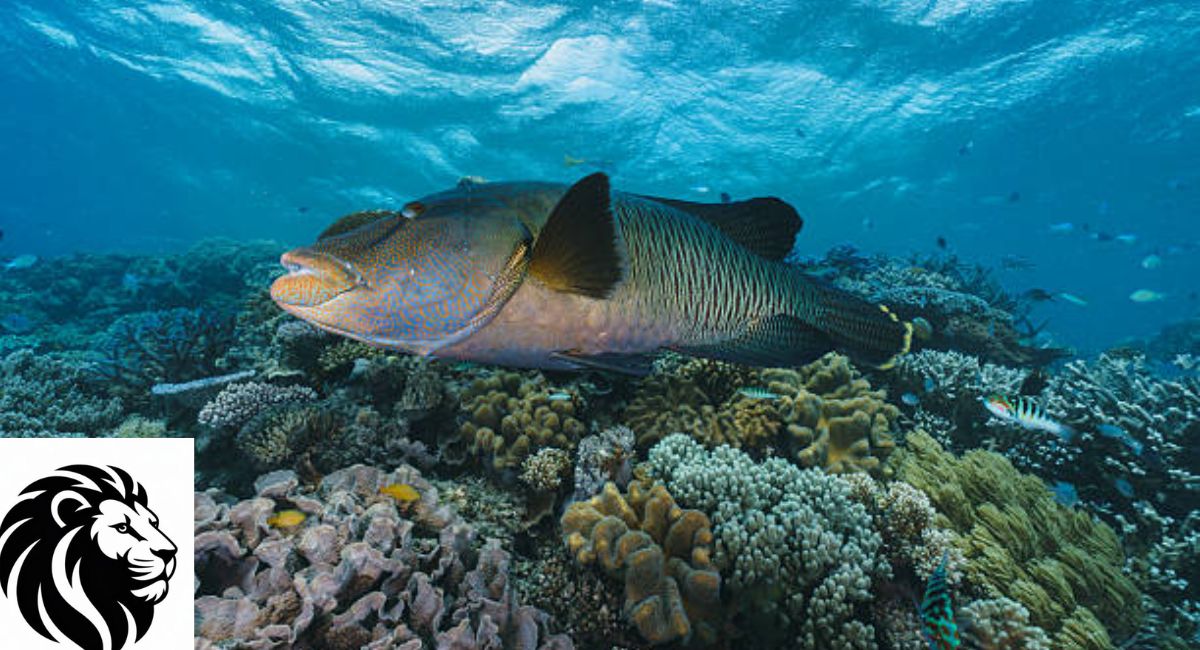
Wrasse fish are colorful reef dwellers found in tropical oceans worldwide. Many wrasse species act as cleaner fish by removing parasites from larger marine animals.
Their bright colors and active behavior make coral reefs look alive and vibrant. Some wrasse species can even change gender during their lifetime.
Dangerous Animals That Start With W
Some Animals That Start With W may look calm or harmless, yet they can become extremely dangerous when threatened. These animals use sharp teeth, powerful strength, venom, or aggressive behavior to defend themselves in the wild.
| Animal | Why It Is Dangerous |
|---|---|
| Wolf | Hunts in packs and has strong biting power |
| Wolverine | Extremely aggressive and fearless |
| Whale Shark | Massive size can accidentally injure humans |
| Wild Boar | Sharp tusks and sudden attacks |
| White Rhinoceros | Powerful charge and heavy body weight |
| Wolf Eel | Sharp teeth and painful bite |
| Wobbegong Shark | Ambush predator with strong jaws |
| Walrus | Huge tusks and aggressive behavior when threatened |
| Water Moccasin | Venomous snake with dangerous bite |
| Western Diamondback Rattlesnake | Highly venomous snake found in North America |
Animals That Start With W in Spanish
Many animals that start with W keep their original names in Spanish because the letter W is uncommon in the Spanish language. However, some animals also have translated Spanish names used in books, schools, and wildlife guides across Spanish-speaking countries.
| English Name | Spanish Name |
|---|---|
| Walrus | Morsa |
| Whale Shark | Tiburón Ballena |
| Wolf | Lobo |
| Woodpecker | Pájaro Carpintero |
| White Rhinoceros | Rinoceronte Blanco |
| Wood Frog | Rana de Madera |
| Whale | Ballena |
| Wombat | Wombat |
| Wild Boar | Jabalí |
| Western Gorilla | Gorila Occidental |
Fun Facts About Animals That Start With W
Many Animals That Start With W have extraordinary abilities and surprising behaviors. The wandering albatross owns the largest wingspan among birds while the whale shark is the biggest fish in the world. Wood frogs can freeze during winter and still survive months later.
Walruses use tusks like climbing tools on icy surfaces. Wood ducks jump from trees shortly after birth without serious injuries. Meanwhile, wrasse fish help clean parasites from sharks and sea turtles. Nature truly works like a giant living puzzle filled with astonishing adaptations.
| Animal | Unique Fact |
| Walrus | Uses tusks to climb ice |
| Whale Shark | Largest fish species |
| Wood Frog | Can survive freezing |
| Wandering Albatross | Largest bird wingspan |
| Wrasse | Cleans parasites from other fish |
Conclusion
The world of Animals That Start With W is filled with amazing creatures that survive in forests, oceans, rivers, and icy regions. From the giant whale shark to the clever wood frog, every animal has unique traits that make nature more fascinating and diverse. Learning about these species also helps us understand the importance of protecting wildlife and natural habitats.
Many of these animals now face dangers like pollution, climate change, and habitat loss. However, conservation efforts continue helping endangered species survive for future generations. Exploring these incredible W animals reminds us how beautiful and connected the natural world truly is.
FAQs
What is the most famous animal that starts with W?
The walrus and whale shark are among the most famous Animals That Start With W because of their huge size and unique appearance.
Which W animal is the largest?
The whale shark is the largest fish in the world and can grow over 40 feet long in warm ocean waters.
Are there endangered animals that start with W?
Yes, animals like the western lowland gorilla and white rhinoceros are endangered due to habitat loss and illegal hunting.
Which W animal can survive freezing temperatures?
The wood frog can partially freeze during winter and become active again when temperatures rise in spring.
Where do most animals that start with W live?
These animals live in many habitats including forests, oceans, wetlands, grasslands, and Arctic regions around the world.

Welcome to natureanimalhub! I’m Anam Sattar, an AI Powered SEO, and Content Writer with 4 years of experirnce.
I help websites rank higher,grow traffic, and look amazing. My goal is to make SEO and web design simple and effective for everyone.
Let’s achieve more together!
2 thoughts on “20 Animals That Start With W (Complete Guide to Mammals, Birds, Fish & More)”