
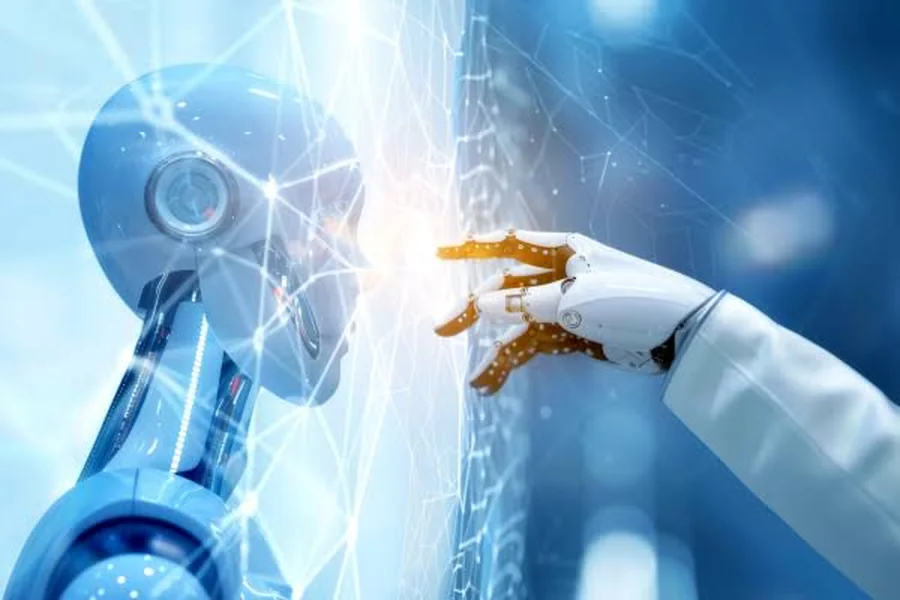
Artificial intelligence is changing how people work, communicate, learn, and solve everyday problems. Artificial Intelligence Trends highlight the technologies and developments influencing businesses, industries, and modern lifestyles. From generative AI and intelligent automation to advanced machine learning and personalized digital services, these innovations are creating new opportunities across the world. Companies are adopting AI-powered tools to improve productivity, understand customer behavior, and make better decisions. Individuals are also using intelligent applications for writing, research, learning, and creative activities. However, rapid development brings important questions about privacy, accuracy, employment, and responsible use. Understanding these changes helps people recognize useful applications and prepare for a future where intelligent technology plays an increasingly important role.
1. Generative AI Is Transforming Content Creation
Generative artificial intelligence has become one of the most noticeable developments in modern technology. These systems can produce written content, images, videos, audio, and computer code based on user instructions. Businesses use generative tools to prepare marketing materials, create product descriptions, develop ideas, and support customer communication. Students and professionals can also use them for brainstorming, summarizing information, and improving productivity. However, generated content should not automatically be treated as accurate or original. Users need to check facts, respect copyright requirements, and apply their own judgment. As these tools improve, combining AI assistance with human creativity and careful editing will remain important.
2. AI Automation Is Improving Business Productivity
Businesses are increasingly using artificial intelligence to reduce repetitive work and improve daily operations. AI-powered systems can organize information, process documents, answer common customer questions, analyze sales patterns, and support administrative tasks. Automated workflows allow employees to spend more time on activities that require communication, creativity, and decision-making. Small businesses can also benefit from accessible AI tools without building complicated systems from the beginning. However, automation should be introduced with clear goals and proper supervision. Companies must review results, protect sensitive information, and ensure that important decisions receive human attention. Successful implementation depends on choosing practical tools that solve genuine business problems.
3. Personalized AI Experiences Are Becoming More Common
Personalization is becoming an important part of digital services, and artificial intelligence makes it possible to deliver more relevant experiences. Streaming platforms recommend content based on viewing habits, online stores suggest products according to customer interests, and learning applications can adjust activities to individual progress. AI-powered assistants can also provide responses based on specific questions and preferences. These features can save time and make digital platforms easier to use. However, personalization often depends on collecting and analyzing user information, which creates privacy concerns. Businesses should explain how customer data is used and provide suitable privacy controls. Responsible personalization should improve convenience without compromising user trust.
4. Artificial Intelligence in Healthcare and Education
Healthcare and education are two areas where AI has significant potential to support professionals and improve access to information. In healthcare, intelligent systems can assist with medical image analysis, research, administrative processes, and identifying patterns in health data. They are not replacements for qualified medical professionals, but they may help support clinical work when properly validated. In education, AI tools can explain difficult subjects, provide practice exercises, and help teachers organize learning materials. Personalized learning systems may also identify areas where students need additional support. Accuracy, fairness, privacy, and human supervision remain essential in both fields because mistakes can have serious consequences.
5. AI Security, Ethics, and Responsible Development
As artificial intelligence becomes more powerful, responsible development is receiving greater attention. AI systems can create convincing misinformation, reproduce existing biases, and expose sensitive information if they are poorly designed or managed. Cybercriminals may also misuse certain tools to create deceptive messages or support fraudulent activities. Developers and organizations therefore need security testing, transparent policies, careful data management, and appropriate human oversight. Users should also verify important AI-generated information instead of accepting every response without question. Ethical AI development involves considering how technology affects different communities, protecting individual rights, and making systems more accountable. Building public trust is essential for long-term adoption.
6. AI in Business News and the Digital World
Artificial intelligence is influencing digital publishing, online marketing, customer engagement, and the way people access information. News organizations and digital publications use AI-supported tools for research assistance, content organization, translation, and audience analysis. However, editorial review remains important to maintain accuracy and credibility. Businesses can also use intelligent analytics to understand market changes and improve communication with customers. Readers interested in digital developments and online topics can visit Themeasuremagazine for additional content. As AI becomes more common across online platforms, understanding how information is created and verified will help audiences make better decisions and recognize the difference between useful innovation and misleading content.
7. Final Thought
Artificial intelligence is developing rapidly and creating new possibilities across business, healthcare, education, communication, and entertainment. Generative AI, automation, personalized services, and intelligent analytics are already changing how people complete everyday tasks. At the same time, privacy, accuracy, security, and ethical responsibility must remain central to technological progress. Businesses should adopt AI solutions based on real needs rather than following trends without a clear purpose. Individuals can prepare by improving their digital skills and learning how to use intelligent tools responsibly. The future of artificial intelligence will depend not only on more powerful systems but also on how effectively people guide, manage, and benefit from these technologies.
FAQs
- What are artificial intelligence trends?
Artificial intelligence trends are new developments, applications, and technologies influencing how AI systems are designed, used, and integrated into everyday activities.
2. What are the most popular AI trends today?
Popular developments include generative AI, intelligent automation, personalized recommendations, machine learning, AI-powered assistants, and advanced data analysis.
3. How is artificial intelligence helping businesses?
AI helps businesses automate repetitive tasks, analyze customer information, improve customer service, support marketing activities, and increase operational efficiency.
4. Can artificial intelligence replace human workers?
AI may automate certain tasks and change job responsibilities, but human creativity, communication, critical thinking, and professional judgment remain important.
5. How is AI changing education?
AI supports education through personalized learning tools, automated feedback, interactive explanations, language assistance, and resources that help teachers prepare lessons.
6. Is artificial intelligence safe to use?
AI can be useful when used responsibly, but users should verify important information, protect personal data, and avoid sharing sensitive details with untrusted platforms.
7. What is the future of artificial intelligence?
The future may include more capable AI assistants, improved automation, advanced robotics, personalized digital services, and wider integration across different industries.

Welcome to natureanimalhub! I’m Anam Sattar, an AI Powered SEO, and Content Writer with 4 years of experirnce.
I help websites rank higher,grow traffic, and look amazing. My goal is to make SEO and web design simple and effective for everyone.
Let’s achieve more together!