

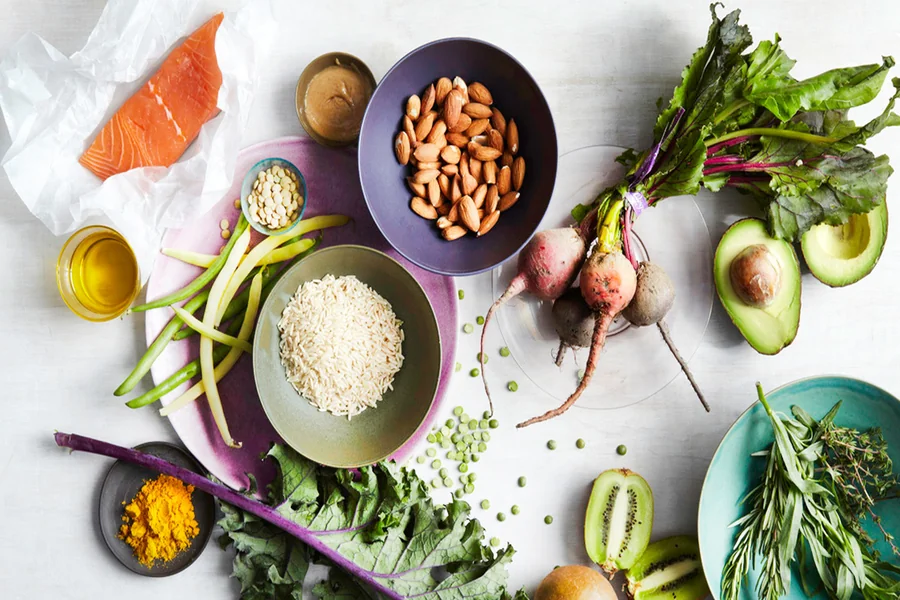
Best Foods For Healthy Living can provide the foundation for a balanced diet and support overall well-being. Eating well does not mean following complicated meal plans or avoiding every food you enjoy. Instead, it involves choosing a variety of nutritious foods that provide essential vitamins, minerals, protein, fiber, healthy fats, and other nutrients.
A healthy eating pattern can look different from one person to another. Personal preferences, culture, budget, lifestyle, and dietary needs all influence food choices. Still, some general food groups consistently provide valuable nutrients and can make up the foundation of everyday meals.
The goal is to build simple habits that are realistic and enjoyable. Adding more vegetables to meals, choosing whole grains, eating a variety of fruits, and selecting nutritious protein sources are practical steps that can improve the overall quality of a diet.
Fill Your Plate With Colorful Vegetables
Vegetables are among the most useful foods to include regularly because they provide a wide range of vitamins, minerals, fiber, and naturally occurring plant compounds. Eating different colors can also help increase variety because different vegetables contain different combinations of nutrients.
Leafy greens such as spinach, kale, and other greens can be included in salads, soups, curries, omelets, and cooked dishes. Carrots, tomatoes, peppers, broccoli, cauliflower, and other vegetables can add flavor, texture, and nutrients to everyday meals.
You do not have to prepare complicated vegetable dishes. Simple roasted, steamed, boiled, or lightly cooked vegetables can work well alongside grains and protein.
A useful approach is to add vegetables to meals you already enjoy. Vegetables can be mixed into rice dishes, pasta, sandwiches, soups, wraps, and breakfast meals. This makes increasing vegetable intake feel like a natural adjustment rather than a major dietary change.
Enjoy A Variety Of Fresh Fruits
Fruits provide natural sweetness along with fiber, vitamins, minerals, and other beneficial nutrients. Including different fruits throughout the week can add variety to meals and snacks.
Apples, bananas, oranges, berries, mangoes, pears, watermelon, and other seasonal choices can all fit into a balanced diet. Choosing fruit based on availability and season can also make healthy eating more affordable.
Fruit can be eaten on its own or combined with other nutritious foods. For example, berries can be added to oatmeal, bananas can accompany breakfast, and chopped fruit can be combined with plain yogurt.
Whole fruit is generally preferable to relying heavily on fruit juice because whole fruit retains its natural fiber. Even when drinking juice, portion awareness is useful because it can be easier to consume large amounts of sugar and calories quickly.
Instead of treating fruit as an occasional health food, make it a regular part of your meals and snacks.
Choose Whole Grains And Fiber-Rich Foods
Whole grains are another important part of a nutritious eating pattern. Oats, brown rice, barley, whole-wheat bread, quinoa, and other whole-grain foods can provide carbohydrates, fiber, vitamins, and minerals.
Fiber is especially useful because it contributes to digestive health and can help meals feel more satisfying. Many plant foods, including vegetables, fruits, beans, lentils, nuts, and seeds, also provide fiber.
If your diet currently contains mostly refined grains, you can make gradual changes. Try oatmeal instead of a highly sweetened breakfast cereal, brown rice in place of refined rice for some meals, or whole-grain bread for sandwiches.
Beans and lentils are also excellent choices. They can be used in soups, curries, salads, stews, and other dishes while providing fiber and plant-based protein.
The important point is not to rely on one specific grain. Eating different whole and minimally processed carbohydrate sources can provide greater dietary variety.
Include Nutritious Sources Of Protein
Protein plays an important role in maintaining and repairing tissues and supporting many functions in the body. There are numerous ways to include protein in a balanced diet.
Fish, eggs, poultry, yogurt, milk, beans, lentils, chickpeas, tofu, nuts, and seeds can all contribute protein. The best choices depend on individual dietary preferences, cultural eating habits, and nutritional needs.
Fish can be especially useful because many types provide protein along with beneficial fats. Eggs are another convenient option and can be prepared in many different ways.
For people who prefer plant-based meals, beans, lentils, chickpeas, tofu, nuts, and seeds can provide useful amounts of protein. Combining different plant foods throughout the day can also add variety to meals.
Rather than depending heavily on one protein source, rotate between several options. This can make meals more interesting and help create a more varied diet.
Add Healthy Fats In Appropriate Amounts
Fat is an essential nutrient and should not automatically be viewed as something to avoid. The type of fat matters, and foods containing unsaturated fats can be valuable parts of a balanced eating pattern.
Nuts, seeds, avocados, olives, and certain vegetable oils are examples of foods that can provide unsaturated fats. Fatty fish such as salmon, sardines, and mackerel can also provide beneficial fats along with protein.
Portion size remains important because fats are energy-dense. A small serving of nuts or seeds can add nutrition and flavor without requiring a large amount.
At the same time, it is sensible to limit frequent consumption of foods high in trans fats and excessive saturated fats. Many heavily processed and deep-fried foods can contain significant amounts of less desirable fats.
Instead of removing fat entirely, focus on choosing nutritious sources more often.
Build Balanced Meals And Healthy Snacks
Knowing which foods are nutritious is only part of healthy eating. Learning how to combine them into balanced meals can make everyday choices easier.
A simple meal can include a source of whole-grain or other nutritious carbohydrate, plenty of vegetables, a suitable protein source, and a small amount of healthy fat. For example, brown rice with vegetables, lentils, and a serving of fish can provide a variety of nutrients in one meal.
Breakfast could include oatmeal with fruit and nuts. Lunch might feature a whole-grain sandwich with vegetables and a protein source. Dinner could include vegetables, beans or fish, and a suitable grain.
Snacks can also contribute to overall nutrition. Fresh fruit, unsalted nuts, plain yogurt, vegetables with hummus, or other minimally processed options can be useful alternatives to heavily processed snacks.
Planning a few meals ahead can make these choices easier. Keeping nutritious foods available at home reduces the chance of relying on less balanced convenience foods when hunger strikes.
Final Thought
The Best Foods For Healthy Living are not limited to a single ingredient or trendy superfood. A healthy eating pattern comes from combining a wide variety of vegetables, fruits, whole grains, fiber-rich foods, nutritious proteins, and healthy fats.
The most important factor is consistency. You do not need to make every meal perfect or completely remove foods you enjoy. Instead, focus on making nutritious choices more often and creating habits that fit comfortably into your daily routine.
Healthy eating should also be enjoyable. Trying new vegetables, seasonal fruits, different grains, and a variety of protein sources can make meals more interesting while helping you build a balanced approach to nutrition.
FAQs
What are the best foods for healthy living?
Vegetables, fruits, whole grains, beans, lentils, nuts, seeds, fish, eggs, and other nutritious protein sources can all contribute to a balanced and healthy eating pattern.
Should I eat vegetables every day?
Including vegetables every day is a useful way to obtain fiber, vitamins, minerals, and other nutrients. Eating different types and colors can also increase dietary variety.
Are fruits good for a healthy lifestyle?
Yes. Whole fruits provide fiber, vitamins, minerals, and naturally occurring plant compounds, making them a nutritious option for meals and snacks.
Which grains are healthiest?
Whole grains such as oats, brown rice, barley, quinoa, and whole-wheat products can provide fiber and other nutrients and can be included as part of a balanced diet.
What are good sources of protein?
Fish, eggs, poultry, yogurt, beans, lentils, chickpeas, tofu, nuts, and seeds are examples of nutritious protein sources.
Are healthy fats necessary?
Yes. Dietary fat is an essential nutrient. Foods containing unsaturated fats, such as nuts, seeds, avocados, certain vegetable oils, and some fish, can fit into a balanced diet.
What are healthy snack options?
Fresh fruit, vegetables, unsalted nuts, plain yogurt, seeds, and other minimally processed foods can make nutritious snack choices.
Do I need to avoid unhealthy foods completely?
No. A sustainable eating pattern does not require completely eliminating every less nutritious food. Moderation and overall dietary balance are more practical approaches for many people.

Welcome to natureanimalhub! I’m Anam Sattar, an AI Powered SEO, and Content Writer with 4 years of experirnce.
I help websites rank higher,grow traffic, and look amazing. My goal is to make SEO and web design simple and effective for everyone.
Let’s achieve more together!