

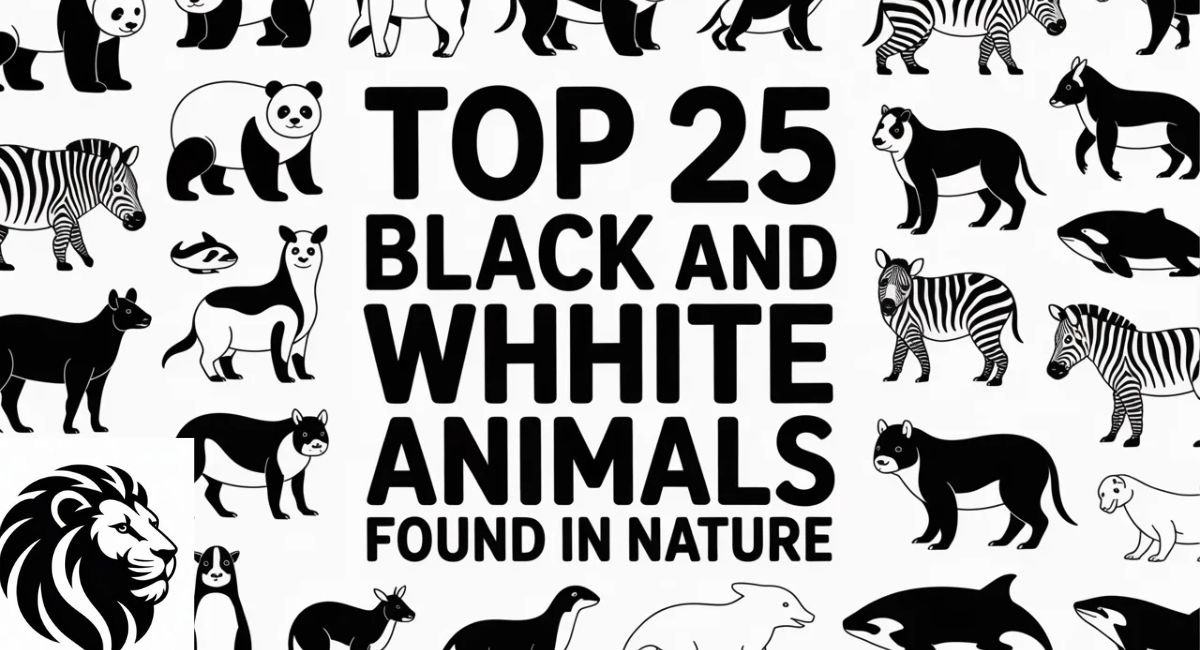
Nature never fails to surprise us with its incredible color combinations. Among the most fascinating creatures on Earth are Black and White Animals because their bold patterns instantly capture attention. From giant pandas relaxing in bamboo forests to zebras racing across African plains, these animals use their unique markings for survival, camouflage, and communication.
Many scientists believe these contrasting shades help confuse predators and regulate body temperature in harsh environments. Some species even rely on animal camouflage, striped animals, wildlife patterns, and rare animals to thrive in forests, oceans, and snowy landscapes. In this guide, you’ll discover fascinating facts, survival secrets, and the most stunning black-and-white creatures found in nature today.
Why Do Some Animals Have Black and White Colors?
The world of Black and White Animals reveals how clever nature can be. Strong color contrast often helps species survive dangerous situations. Zebras confuse lions with moving stripes. Skunks warn predators before spraying foul-smelling liquid. Penguins disappear underwater because their colors trick both predators and prey. These patterns may look simple to humans though they carry powerful biological advantages.
Temperature control also plays a huge role in animal coloration. Black absorbs heat quickly while white reflects sunlight. Animals living in extreme climates benefit from this natural balance. Scientists studying animal camouflage discovered that contrasting colors improve survival rates in forests, oceans, and snowy habitats. In some species, these markings even help family members recognize one another from far away.
How Nature Uses Contrast for Survival
Nature uses contrast like an artist painting survival strategies across living bodies. Some creatures rely on disruptive coloration. This pattern breaks their outline and confuses predators. Zebras remain the perfect example because lions struggle to focus on one animal inside a running herd. Meanwhile, killer whales use countershading to vanish into dark ocean waters.
Mimicry also appears among several black and white wildlife species. Certain butterflies imitate toxic insects to avoid being eaten. Honey badgers display bold coloring that warns enemies about their aggressive behavior. These visual signals reduce attacks before danger even begins. Nature rarely wastes energy and these colors prove that perfectly.
25 Black and White Animals
Giant Panda

The giant panda remains one of the most beloved Black and White Animals on Earth. Native to China’s mountain forests, this peaceful bear spends most of its day eating bamboo. Scientists still debate why pandas evolved their famous markings. Many experts believe the white fur helps them blend into snowy landscapes while black patches disappear into shaded forests. Their dark eye markings also make facial communication easier among pandas living in isolated habitats.
Zebra

Few creatures symbolize the wild better than the zebra. Its striped coat works like moving camouflage across African savannas. Lions often struggle to identify one zebra while the herd runs together. Every zebra carries a completely unique stripe pattern much like a human fingerprint. Researchers studying striped black and white animals discovered that stripes may also help reduce insect bites from flies.
Killer Whale (Orca)

The killer whale dominates oceans with intelligence and teamwork. Orcas belong to the dolphin family despite their terrifying reputation. Their black backs blend into deep water when viewed from above. Their white undersides disappear against sunlight from below. This camouflage technique allows them to approach prey silently. Orcas communicate using complex sounds and often hunt cooperatively within family pods.
Skunk

Skunks may appear cute though predators know better than to attack them. Their sharp black-and-white coloration acts as a warning sign in nature. Before spraying their foul-smelling defense liquid, skunks usually stomp their feet as a final threat display. These nocturnal mammals help ecosystems by eating insects, rodents, and harmful pests around forests and farms.
Adelie Penguin

Adelie penguins survive one of the harshest climates on Earth. These energetic birds thrive in Antarctica where freezing winds dominate the landscape. Their dark backs absorb warmth from sunlight while their white bellies hide them underwater from predators. Adelie penguins can travel long distances across ice searching for food. They also build pebble nests during breeding season.
Dalmatian

The Dalmatian stands among the most recognizable dog breeds worldwide. Famous for its black spots, this energetic breed once traveled alongside horse-drawn carriages. Puppies are born completely white and develop spots as they grow older. Dalmatians require regular exercise because of their strong athletic nature. Their spotted coat remains one of the most famous examples of black and white animal patterns.
Malayan Tapir
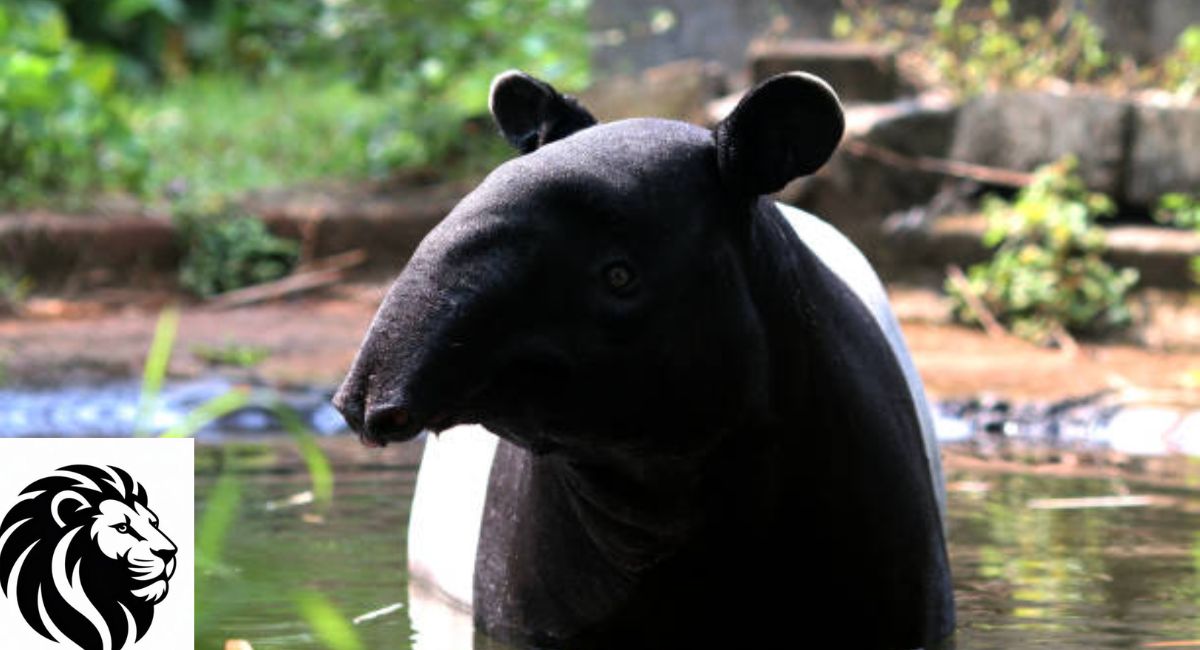
The Malayan tapir looks almost unreal because of its unusual saddle-shaped coloring. This rare mammal lives in Southeast Asian rainforests where thick vegetation surrounds rivers and muddy ground. Its contrasting colors break up body shape during nighttime. Predators struggle to identify the tapir among shadows and moonlight. Sadly, habitat destruction continues threatening this fascinating species.
Ring-Tailed Lemur
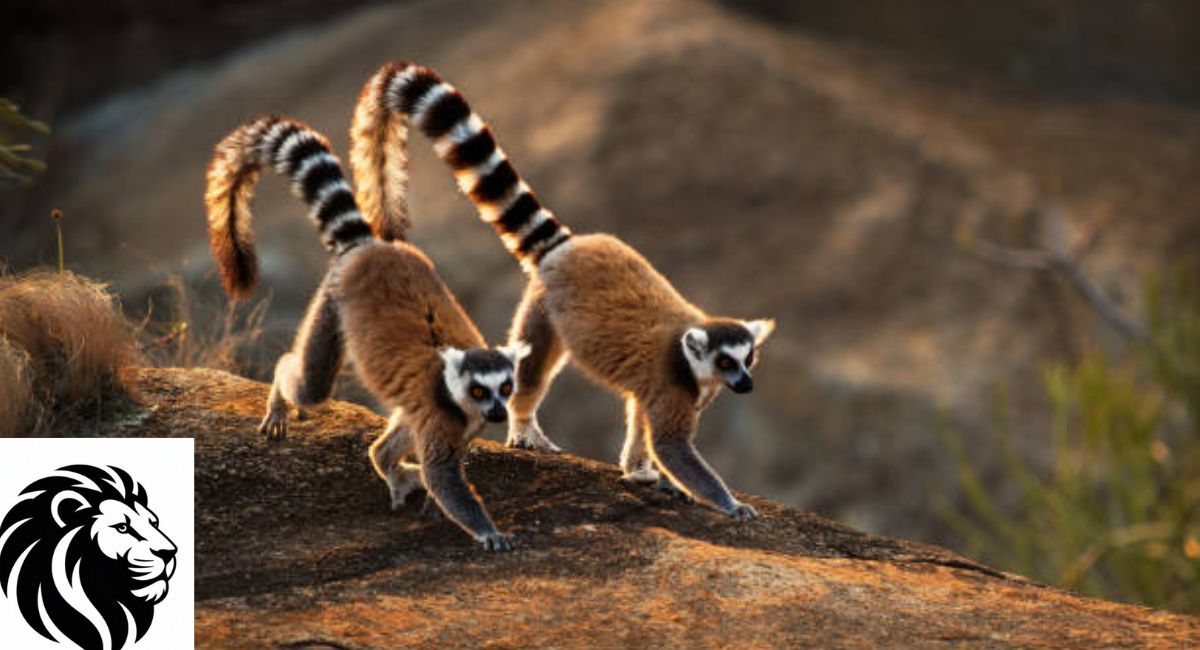
Ring-tailed lemurs use their bold tails for communication and balance. Native to Madagascar, these social primates spend time grooming and sunbathing together. Their tails contain alternating black-and-white rings visible from long distances through forests. Lemurs rely heavily on scent communication and group bonding. Unfortunately, deforestation has pushed many lemur species toward endangerment.
Honey Badger

The honey badger earned global fame because of its fearless attitude. This tough mammal attacks snakes, raids beehives, and confronts predators much larger than itself. Its thick skin protects against bites and stings. The silver-white stripe across its body warns enemies not to attack. Among black and white mammals, few display greater toughness or survival instincts.
Bald Eagle

The bald eagle represents strength and freedom across the United States. This massive bird of prey carries dark feathers with a bright white head and tail. Bald eagles build enormous nests near lakes and rivers where fish remain plentiful. Their eyesight exceeds human vision several times over. Conservation programs helped restore eagle populations after dangerous declines during the twentieth century.
Black-and-White Colobus Monkey

The black-and-white colobus monkey moves gracefully through African treetops. Its long white fur and flowing tail create a dramatic appearance in dense forests. These monkeys rarely descend to the ground because they feel safer among branches. Colobus monkeys possess specialized stomachs that digest leaves efficiently. Their elegant appearance makes them one of Africa’s most visually striking primates.
Osprey

The osprey thrives near coastlines, rivers, and lakes across multiple continents. This fish-eating bird dives feet-first into water with remarkable precision. Its white underside and darker upper feathers create effective camouflage during flight. Ospreys build massive stick nests reused for many years. Their recovery after pesticide bans became a successful conservation story in North America.
European Badger

European badgers spend much of their lives underground inside large tunnel systems called setts. Their black-and-white facial stripes make them instantly recognizable. Badgers live in family groups and emerge mainly during nighttime. They eat insects, roots, fruits, and small animals. These hardworking mammals play an important role in maintaining healthy forest ecosystems.
California Kingsnake

The California kingsnake fascinates reptile lovers because of its smooth striped body. This non-venomous snake hunts rodents, birds, and even other snakes. Kingsnakes resist venom from certain dangerous species including rattlesnakes. Their black-and-white bands create confusion for predators and prey alike. Many reptile enthusiasts admire them for their calm temperament and striking appearance.
Dall’s Porpoise

Dall’s porpoises race through cold northern oceans at incredible speeds. Their black bodies with white side patches create dramatic contrast against dark waters. These marine mammals often ride waves created by boats. Scientists studying marine black and white animals admire their agility and social behavior. Dall’s porpoises usually travel in energetic groups searching for fish and squid.
Black-and-White Ruffed Lemur

This endangered lemur species lives deep inside Madagascar’s rainforests. Black-and-white ruffed lemurs communicate using loud calls that echo across trees. Their thick fur protects them during cooler weather. These lemurs help forests greatly because they spread seeds while feeding on fruit. Habitat loss remains the biggest danger threatening their survival today.
Common Murre

Common murres resemble penguins though they can fly surprisingly well. These seabirds nest on crowded rocky cliffs beside cold oceans. Their dark backs and white undersides help camouflage them while diving underwater. Murres chase fish using wings like underwater paddles. During breeding season, thousands gather together in noisy coastal colonies.
White Tiger

White tigers captivate people because of their rare pale coats and dark stripes. Unlike albino animals, white tigers still produce some pigment. This genetic condition appears naturally though it remains extremely uncommon in the wild. Most white tigers today live in captivity. Conservationists focus more attention on protecting natural tiger habitats than breeding unusual color forms.
Downy Woodpecker

The downy woodpecker remains one of North America’s smallest woodpecker species. Its black-and-white feathers create excellent camouflage against tree bark. These birds peck wood searching for insects hiding beneath the surface. Their drumming sounds also establish territory during breeding season. Backyard birdwatchers often spot them visiting feeders throughout winter.
Dutch Rabbit

Dutch rabbits charm owners with their soft fur and gentle personalities. Their facial markings create a clean division between black and white colors. These rabbits became popular pets because they adapt well to human care. Dutch rabbits enjoy social interaction and require safe spaces for exercise. Their striking appearance keeps them among the world’s most recognizable rabbit breeds.
Razorbill Bird

Razorbills inhabit rocky Atlantic coastlines where rough waves crash endlessly below cliffs. Their thick black beaks help them catch slippery fish underwater. Razorbills swim powerfully using their wings beneath the surface. During breeding season, these birds gather in dense colonies for protection. Their black-and-white plumage resembles formal tuxedos beside the sea.
Argentine Black and White Tegu

The Argentine black and white tegu ranks among the most intelligent reptiles in the world. Tegus recognize owners and sometimes respond to routines. Their bodies display intricate black-and-white scales creating beautiful patterns. These large lizards eat fruits, eggs, insects, and small animals. In some regions, escaped tegus have become invasive species affecting local wildlife.
Giant Leopard Moth

The giant leopard moth looks delicate though its bold spots create a memorable appearance. White wings covered with dark rings help confuse predators during flight. These moths mostly appear at night around lights and gardens. Their caterpillars possess thick black hairs for protection. Among black and white insects, few species appear more artistic or dramatic.
Paper Kite Butterfly

The paper kite butterfly glides slowly through tropical gardens with elegant movement. Its pale wings contain dark veins resembling stained glass artwork. These butterflies feed on poisonous plants during their caterpillar stage. As adults, they remain toxic to predators. Birds quickly learn avoiding them after unpleasant experiences.
Bald-Faced Hornet

The bald-faced hornet may look small though it defends nests aggressively. Its black body with white facial markings warns intruders to stay away. These insects build large paper nests hanging from trees and buildings. Bald-faced hornets help ecosystems by controlling harmful insects. However, disturbing their nests often triggers painful stings from entire colonies.
Rare Black and White Animals
Several rare black and white animals remain difficult to find because shrinking habitats threaten their survival. The Malayan tapir struggles against rainforest destruction while black-and-white ruffed lemurs face illegal hunting and deforestation. White tigers rarely appear naturally in the wild. Scientists estimate only a tiny fraction of tiger births produce this unusual coloring. Marine species like Dall’s porpoise also face challenges from pollution and fishing nets.
Wildlife conservation programs now focus heavily on habitat restoration. National parks, protected forests, and breeding programs help preserve endangered species worldwide. Climate change continues altering migration routes and food availability for many animals. Protecting biodiversity matters because every species supports ecosystem balance. Losing one animal can create ripple effects across entire environments.
| Rare Species | Main Threat | Conservation Status |
| Malayan Tapir | Deforestation | Endangered |
| White Tiger | Habitat loss | Rare genetic variant |
| Ruffed Lemur | Illegal hunting | Critically endangered |
| Dall’s Porpoise | Fishing nets | Vulnerable |
How Black and White Patterns Help Animals Survive
Nature designed black and white animal patterns with remarkable precision. Some animals use disruptive coloration that confuses predators by breaking body outlines into visual fragments. Zebras create moving illusions while running together. Penguins use countershading underwater. Skunks and hornets display warning colors telling enemies to stay away. These strategies increase survival without requiring physical combat.
Genetics also influence these fascinating markings. Scientists discovered specialized pigment cells control stripe placement, fur color, and feather patterns. Even identical species rarely share the same markings exactly. Zebras carry unique stripe arrangements while killer whales display slightly different patches near their eyes. Evolution shaped these features over millions of years through natural selection.
The Hidden Science Behind Animal Patterns
Researchers studying animal coloration found environmental pressure strongly affects appearance. Animals living in snowy areas often develop lighter shades while forest species evolve darker markings for shadows. Some insects mimic dangerous species despite lacking venom themselves. This survival trick reduces attacks from predators that recognize warning colors instinctively.
Modern technology allows scientists to study patterns using thermal cameras and genetic mapping. Researchers now understand that coloration influences temperature control, communication, and even disease resistance. Nature continues revealing deeper secrets hidden beneath these beautiful black-and-white designs.
Fun Facts About Black and White Animals
The animal kingdom hides countless surprising facts. Zebras cannot sleep peacefully unless another zebra watches for predators nearby. Giant pandas spend nearly half their day chewing bamboo because it contains little nutrition. Orcas possess unique vocal dialects passed through generations much like human language traditions. Honey badgers sometimes cooperate with birds to locate hidden beehives.
Scientists discovered some penguins propose mates using pebbles during courtship. Dalmatian puppies enter the world without spots. Paper kite butterflies taste terrible to predators because of toxins absorbed during development. Many Black and White Animals also inspire fashion, sports mascots, and cultural symbols throughout human history.
“In every walk with nature one receives far more than he seeks.” John Muir
Conclusion
The world of Black and White Animals is full of beauty, mystery, and smart survival tricks. From zebras and pandas to orcas and penguins, these creatures use their unique colors for camouflage, protection, and communication. Their striking patterns make them some of the most fascinating animals in nature.
Many of these amazing species also face threats from habitat loss and climate change. Protecting wildlife and natural habitats can help future generations continue enjoying these rare and wonderful animals for years to come.
FAQs
What is the most famous black and white animal?
The giant panda is considered the most famous among Black and White Animals because of its unique markings and adorable appearance.
Why do zebras have black and white stripes?
Zebra stripes help confuse predators and may also protect them from insect bites in hot grasslands.
Are black and white animals rare in nature?
Some species are common while others, like the Malayan tapir and white tiger, are considered rare due to habitat loss and low populations.
Which black and white animal is the most dangerous?
The killer whale, also called the orca, is one of the most powerful predators in the ocean despite its beautiful coloration.
How do black and white patterns help animals survive?
These patterns help with camouflage, warning signals, temperature control, and communication in different environments.

Welcome to natureanimalhub! I’m Anam Sattar, an AI Powered SEO, and Content Writer with 4 years of experirnce.
I help websites rank higher,grow traffic, and look amazing. My goal is to make SEO and web design simple and effective for everyone.
Let’s achieve more together!