

Introduction
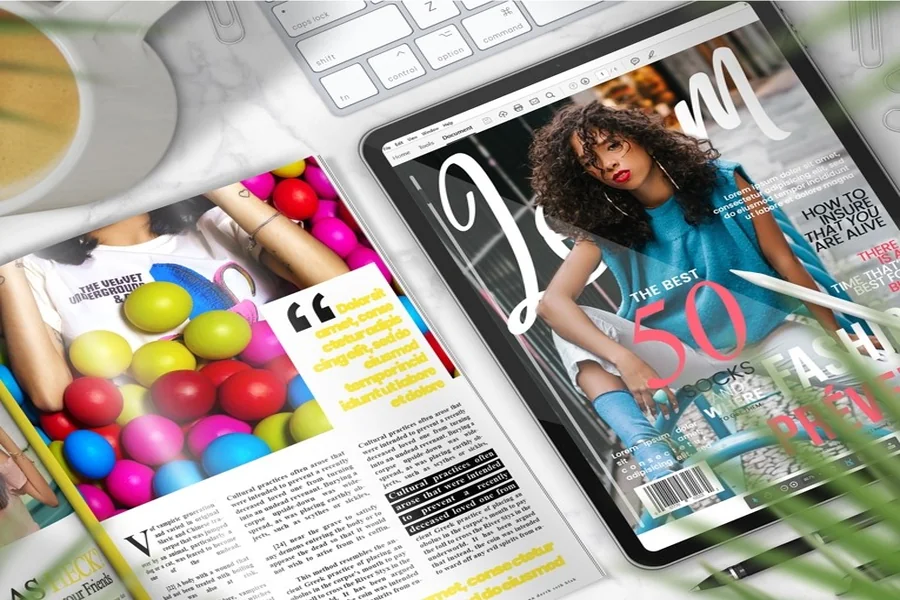
The future of online magazine publishing will be shaped by changing reader expectations, artificial intelligence, digital subscriptions, and new ways of delivering stories. Online magazines are no longer simply digital copies of printed publications. They increasingly combine articles, photography, videos, interactive features, newsletters, and personalized reading experiences. Publishers must also adapt to changing search engine behavior and growing competition from social media creators and AI-powered platforms. According to the Reuters Institute’s 2026 industry research, publishers are increasingly focused on audience relationships, distinctive content, and new distribution strategies. These changes create challenges, but they also offer opportunities for magazines that understand their readers and invest in meaningful digital experiences. <Cite refs={[“turn900930search3″,”turn900930search5”]} />
1. Artificial Intelligence Will Transform Magazine Production
Artificial intelligence is expected to play a growing role in online magazine publishing, particularly in research assistance, transcription, translation, content organization, image workflows, and audience analysis. These tools can help editorial teams complete repetitive tasks more efficiently and spend more time on reporting, interviews, editing, and creative planning. AI may also help publishers recommend relevant articles based on readers’ interests. However, automation cannot replace the need for accurate information, original perspectives, and responsible editorial judgment. Publishers must verify AI-generated material, protect confidential information, respect copyright, and disclose AI use when appropriate. The strongest approach combines technological efficiency with human expertise, ensuring that speed does not come at the expense of trust or quality. <Cite refs={[“turn900930search0″,”turn900930search6”]} />
2. Digital Subscriptions and New Revenue Models
Digital subscriptions will remain an important opportunity for magazines seeking sustainable income. Instead of relying entirely on advertising, publishers can offer premium articles, special digital editions, members-only newsletters, downloadable guides, and exclusive editorial features. Flexible pricing may help different readers find a suitable option, while bundled subscriptions can combine magazines with other valuable content. However, readers need a clear reason to pay when so much information is freely available online. Original reporting, specialist knowledge, trusted recommendations, and a strong editorial identity can provide that value. Publishers should test their offers, monitor subscription cancellations, and communicate benefits clearly. Research from the Association of Online Publishers also identifies subscriptions and video as major potential revenue opportunities. <Cite refs={[“turn900930search2″,”turn900930search1”]} />
3. Multimedia Storytelling Will Become More Important
Online magazines can use multimedia to tell stories in ways that printed pages cannot easily reproduce. Short videos, audio interviews, photo galleries, animated explainers, and interactive graphics can make complex subjects more engaging and accessible. A travel magazine might combine written destination guides with video tours, while a fashion publication could feature behind-the-scenes footage and interviews with designers. Yet multimedia should strengthen the story rather than serve as decoration. Publishers must consider loading speed, mobile usability, accessibility, captions, and the preferences of their audience. Short-form video and creator-led formats may also help magazines reach younger readers across social platforms. A balanced strategy connects these formats to original articles and encourages audiences to return to the publication’s own channels. <Cite refs={[“turn900930search3″,”turn900930search7”]} />
4. Audience Relationships and Personalization
The future belongs to magazines that understand their readers and develop direct relationships with them. Newsletters, reader surveys, membership programs, community discussions, and carefully designed recommendation systems can help publishers deliver more relevant content. Personalization may allow readers to follow specific topics, receive tailored article collections, or choose how frequently they receive updates. However, publishers should use personal data responsibly and explain how information is collected and used. They should also avoid creating overly narrow reading experiences that repeatedly show users the same viewpoints. Direct relationships matter because dependence on search engines and social platforms can make traffic unpredictable. A recognizable editorial voice, useful newsletters, and a welcoming reader community can help magazines build loyalty beyond individual visits. <Cite refs={[“turn900930search4″,”turn900930search5”]} />
5. Search, Discoverability, and the Role of Trust
Search engines and AI-powered answer tools are changing how people find information, creating uncertainty for publishers that depend heavily on website traffic. Some readers may receive summaries without visiting the original article, while others may use AI tools to identify sources worth reading. Magazines can respond by publishing original reporting, expert interviews, distinctive analysis, useful visual content, and well-supported articles that offer value beyond generic summaries. Clear headlines, organized page structures, accurate metadata, and sensible internal links remain useful for search visibility. Publishers should also diversify their distribution through newsletters, social video, partnerships, and direct visits. Trust is essential: transparent sourcing, fact-checking, corrections, and recognizable editorial standards give readers stronger reasons to seek out the original publication. <Cite refs={[“turn900930search3″,”turn900930search9”]} />
Final Thought
The future of online magazine publishing will not depend on technology alone. Successful publishers will combine AI-assisted workflows with human creativity, compelling multimedia, reader-focused subscription models, and strong editorial standards. They will also need to adapt as search behavior changes and competition for attention increases. Magazines that build direct relationships with readers, publish distinctive work, and deliver a reliable experience across devices will be better positioned to respond to these shifts. Publishers can also explore editorial and lifestyle resources such as Fabsmagazine for additional inspiration when planning digital content. The most effective strategy is to experiment thoughtfully, measure results, and keep the audience’s needs at the center of every decision.
FAQs
1. What is the future of online magazine publishing?
Online magazine publishing is likely to become more interactive, personalized, and multimedia-focused. AI tools, digital subscriptions, newsletters, and direct reader relationships will help shape how publications create, distribute, and monetize content.
2. How will AI affect online magazines?
AI can support research, transcription, translation, content organization, and personalization. Human editors will still be essential for verifying facts, maintaining editorial standards, protecting sources, and ensuring that published work provides genuine value.
3. Will digital magazines replace print magazines?
Digital editions will continue to grow in importance, but print magazines may remain attractive to readers who value physical design, collectible issues, and a screen-free reading experience. Many publishers may continue using both formats.
4. How can online magazines make money in the future?
Publishers can combine subscriptions, advertising, sponsored content, affiliate revenue, memberships, digital products, events, and content licensing. The most suitable mix depends on the publication’s audience and editorial focus.
5. Why is original content important for online magazines?
Original reporting, expert interviews, distinctive photography, and thoughtful analysis give readers something beyond generic information. These features can help a publication earn trust, strengthen its identity, and encourage direct visits.
6. How can small online magazines compete with large publishers?
Small magazines can focus on a specific niche, develop strong community connections, publish original stories, build email lists, and use cost-effective digital tools. A clear identity and loyal audience can be more valuable than trying to cover every topic.
7. What should magazine publishers prioritize now?
Publishers should prioritize high-quality content, mobile-friendly design, audience relationships, reliable analytics, diversified revenue, and responsible AI use. Testing new formats while protecting editorial credibility can support sustainable growth.

Welcome to natureanimalhub! I’m Anam Sattar, an AI Powered SEO, and Content Writer with 4 years of experirnce.
I help websites rank higher,grow traffic, and look amazing. My goal is to make SEO and web design simple and effective for everyone.
Let’s achieve more together!