

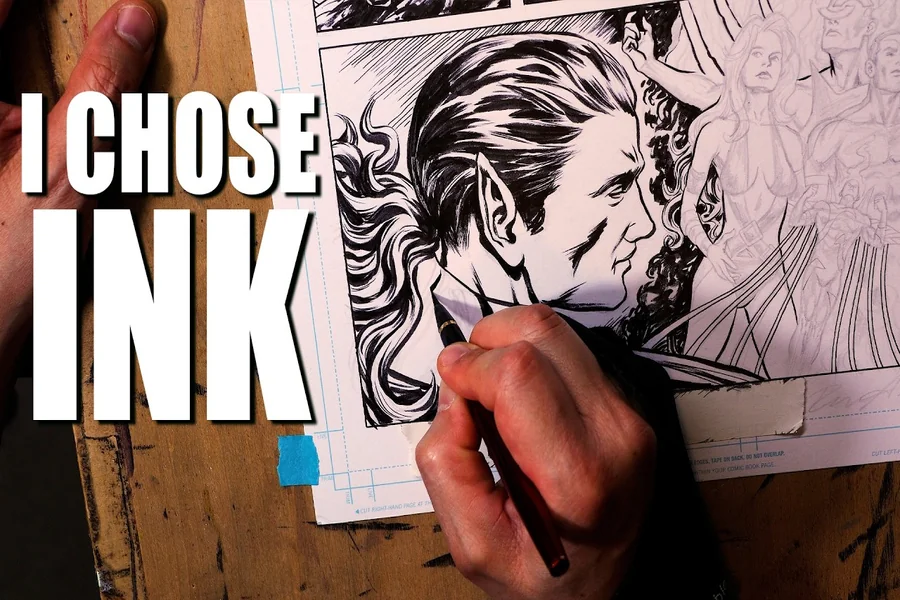
The American entertainment landscape has witnessed a massive shift over the last decade. At the heart of this transformation is a renewed appreciation for graphic storytelling across all demographics. Fans and critics alike recognize this powerful cultural movement as Ink and Imagination: The Comic Book Renaissance. This resurgence breathes fresh life into classic characters while simultaneously introducing groundbreaking original concepts to hungry audiences. Readers across the United States flock to local comic shops and digital platforms daily to consume these dynamic stories. The medium no longer exists strictly for children or niche hobbyists hiding in basements. It has blossomed into a deeply respected literary and visual art form that dictates global pop culture trends. Hollywood blockbusters rely heavily on these printed pages for inspiration and source material. Television networks engage in fierce bidding wars for the rights to adapt gritty independent graphic novels. The current era represents a perfect storm of incredible artistic talent and widespread cultural acceptance.
The Evolution From Golden Age Origins
To fully appreciate the current boom we must look back at the origins of the American comic industry. The Golden Age introduced iconic heroes who served as powerful symbols of hope during difficult historical periods. Companies like National Allied Publications created foundational templates that defined the superhero genre for generations of readers. The Silver Age subsequently brought bold science fiction elements into the mix and introduced flawed but highly relatable characters. The Bronze Age later tackled real-world social issues and proved that illustrated stories could handle incredibly mature themes. Today we find ourselves living through an entirely new and exciting epoch. The modern renaissance successfully combines the absolute best elements of all previous generations. Creators utilize highly advanced printing technologies and boundless creativity to craft visually stunning masterpieces. The narrative complexity found in modern books easily rivals traditional prose literature. Modern readers demand emotional depth and real consequence in their fictional universes. Publishers have eagerly responded by elevating their editorial standards across the board. The result is a thriving industry that commands respect from traditional literary critics and casual fans alike.
How Independent Publishers Changed Everything
Legacy publishers continue to dominate a large portion of market share but they face fierce competition from independent companies. Brands like Image Comics and Dark Horse fundamentally shifted the balance of power by offering highly lucrative creator-owned contracts. This progressive business model allows writers and artists to retain full legal control over their original intellectual properties. Such creative freedom sparks unprecedented innovation within the printed medium. Creators gladly take massive creative risks without fearing strict corporate editorial interference. They craft vast science fiction epics and terrifying horror narratives that would never fit into a traditional sanitized superhero universe. American readers embraced this massive variety with incredible and sustained enthusiasm. Series like The Walking Dead definitively proved that indie comics could become massive cultural phenomena overnight. This unparalleled success encouraged a brand new generation of storytellers to bypass corporate constraints entirely. The independent scene serves as the beating heart of Ink and Imagination: The Comic Book Renaissance. It constantly pushes boundaries and forces established publishers to continually elevate their own creative output.
Hollywood Blockbusters and Mainstream Crossovers
The financial synergy between comic books and Hollywood studios is truly undeniable today. Major American film studios treat graphic novels as ready-made storyboards for their next billion-dollar theatrical franchises. The Marvel Cinematic Universe fundamentally changed how global audiences consume serialized cinema. Viewers now expect highly interconnected storytelling every time they visit the big screen. This massive cinematic success drives unprecedented foot traffic back to the original source material. Moviegoers leave crowded theaters and immediately purchase trade paperbacks to learn more about their favorite cinematic characters. Streaming platforms also recognize the immense financial value of these properties. Shows like The Boys and Invincible completely dominate streaming charts and drive endless social media discussions. This aggressive crossover effect creates a highly profitable feedback loop for everyone involved. Hollywood money funds better marketing for the struggling publishing industry. The publishing industry in turn provides an endless well of creative ideas for desperate filmmakers. This symbiotic relationship solidifies the comic medium as the premier incubator for American pop culture.
Digital Reading Platforms Shaping New Audiences
Technology has completely revolutionized how passionate fans access their favorite weekly titles. Digital reading platforms successfully eliminated geographical barriers for consumers living far away from physical comic shops. Services like Marvel Unlimited and Amazon digital storefronts offer massive historical libraries for a simple monthly subscription fee. This easy accessibility welcomes new readers who might otherwise feel intimidated by decades of complex character continuity. The rapid rise of smartphones and tablets created the perfect backlit canvas for digital media consumption. Webcomics have also surged in massive popularity across the United States recently. Platforms designed specifically for vertical mobile scrolling attract millions of daily active users. These digital-first stories often transition smoothly into highly successful physical print runs. The digital revolution certainly does not destroy the traditional physical market. Instead it acts as a massive promotional funnel that introduces casual readers to the wider world of graphic storytelling. Digital availability ensures that the medium reaches every possible American demographic.
Representation and Diversity in Modern Storytelling
The modern era of comic books features a much wider and richer array of voices and perspectives. The publishing industry historically catered to a very specific demographic but that unfortunate reality has shifted dramatically. Today the colorful pages accurately reflect the rich diversity of the American public. Readers find unique heroes of various cultural backgrounds taking center stage in flagship flagship titles. Characters like Miles Morales and Kamala Khan have become massive pop culture icons for a new generation of enthusiastic fans. This necessary inclusion extends far beyond the fictional characters to the creative teams themselves. Writers and artists from historically marginalized communities now helm major creative projects and win prestigious industry awards. They bring deeply authentic lived experiences to their compelling narratives. This refreshing authenticity resonates deeply with audiences who previously felt completely ignored by the medium. A wider net of creators leads directly to much more interesting and varied stories. The renaissance thrives precisely because it wholeheartedly embraces different viewpoints and challenges outdated stereotypes.
The Financial Boom of Modern Collecting
The casual hobby of collecting comic books has matured into a highly sophisticated alternative financial market. Vintage issues routinely sell for millions of dollars at high-end American auction houses. However the modern market also generates incredible speculative excitement among newer fans. Collectors aggressively hunt for first appearances and rare variant covers with fierce dedication. Professional grading companies have standardized the specific way physical condition is evaluated and scored. This strict standardization brings much-needed investor confidence to the somewhat volatile hobby. Buyers slab their pristine issues in protective plastic cases to permanently preserve their financial value. Social media platforms fuel this massive collector frenzy by constantly highlighting market trends and hot weekly books. While some financial critics worry about artificial price bubbles the core of the hobby remains rooted in genuine passion. Collectors simply love owning a tangible piece of Ink and Imagination: The Comic Book Renaissance. The undisputed thrill of finding a rare gem in a local comic shop continues to drive heavy foot traffic to small businesses across the country.
Educational Impacts of Graphic Novels
The general perception of graphic novels in the American education system has transformed completely over the past decade. Teachers and local librarians once quickly dismissed these books as mindless literary junk food. Now these dedicated educators enthusiastically embrace them as vital tools for promoting childhood literacy. Visual storytelling significantly helps struggling young readers comprehend complex narratives and build strong vocabulary skills. Graphic novels absolutely dominate Scholastic book fairs in elementary and middle schools nationwide. Young readers devour these accessible books and develop a lifelong passion for daily reading. This widespread educational acceptance practically guarantees a bright financial future for the publishing industry. Today’s young readers will inevitably become tomorrow’s adult collectors and professional creators. Publishers recognize this massive potential and consequently dedicate significant resources to their young adult literary imprints. The successful educational integration of these books proves that the medium possesses true literary merit. It remains a defining and positive characteristic of the current cultural renaissance.
Frequently Asked Questions
What exactly is Ink and Imagination: The Comic Book Renaissance? This phrase refers to the modern resurgence and mainstream cultural acceptance of comic books and graphic novels. It highlights the current era where incredible art and complex storytelling dominate both the publishing world and the American entertainment industry.
Why are independent publishers so important to this movement? Independent publishers offer creator-owned contracts that allow writers and artists to retain full control over their work. This massive creative freedom leads to highly original stories that push the boundaries of the medium beyond traditional superhero tropes.
How do Hollywood movies affect comic book sales in the USA? Major blockbuster films and hit streaming shows drive incredible awareness for comic properties. Fans often seek out the original graphic novels after watching an adaptation which significantly boosts physical and digital sales across the country.
Are digital comic platforms replacing physical comic shops? Digital platforms actually complement physical retail stores rather than replacing them entirely. Digital apps make it incredibly easy for new readers to discover series and these fans often transition to buying physical copies for their personal collections.
Why are graphic novels becoming so popular in American schools? Educators realize that the combination of text and sequential art helps students improve reading comprehension. Graphic novels keep young readers engaged and serve as an excellent gateway to broader literary interests.
Final Thought
The incredible journey from disposable pulp entertainment to respected literary art is a phenomenal American success story. Ink and Imagination: The Comic Book Renaissance proves that sequential art remains one of the most dynamic storytelling mediums available today. Creators continue to shatter expectations by delivering narratives that evoke deep emotion and provoke intense critical thought. The synergy between passionate independent creators and massive Hollywood adaptations ensures that these properties will remain culturally relevant for decades. As digital accessibility improves and diverse voices continue to shape the industry the future of graphic storytelling looks brighter than ever before. Whether you are a seasoned collector hunting for rare variants or a new reader discovering graphic novels for the first time the current landscape offers something extraordinary for everyone. The comic book industry has truly transcended its humble beginnings to claim its rightful place at the absolute pinnacle of global entertainment.

Welcome to natureanimalhub! I’m Anam Sattar, an AI Powered SEO, and Content Writer with 4 years of experirnce.
I help websites rank higher,grow traffic, and look amazing. My goal is to make SEO and web design simple and effective for everyone.
Let’s achieve more together!