

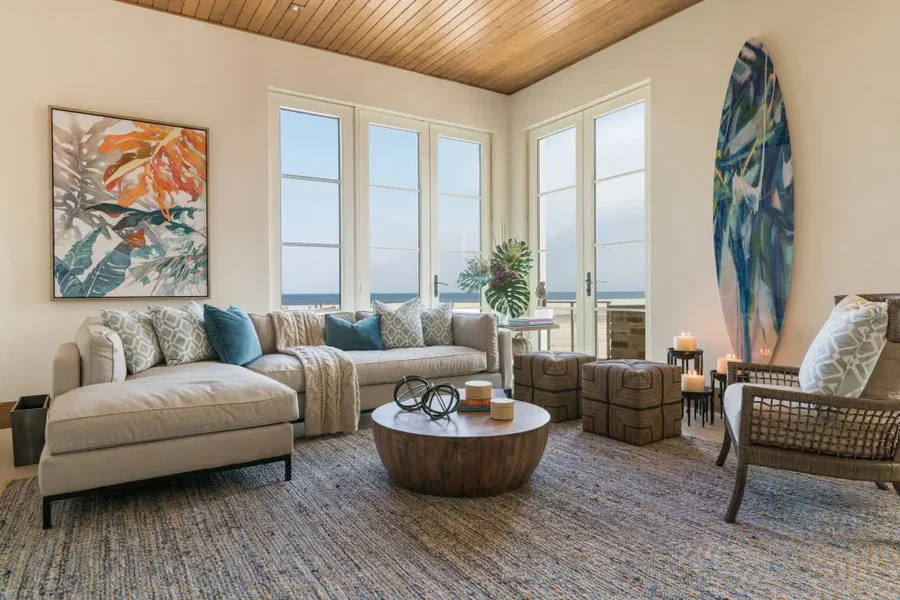
Your home is more than just a physical shelter; it is a personal sanctuary, a reflection of your personality, and a canvas for your life. Over time, however, even the most carefully curated rooms can begin to feel stagnant, cluttered, or simply out of sync with your current lifestyle. If you find yourself uninspired by your surroundings, it is time for a transformation. Welcome to Revamp Your Realm: The Ultimate Guide to Modernizing Living Spaces, where we will walk you through the essential steps to breathe new life into your home. Updating your environment does not necessarily require a massive budget or a professional contractor. With intentional choices, strategic styling, and a focus on functionality, you can completely shift the energy of your rooms. Whether you live in a compact city apartment or a sprawling suburban house, the principles of modern design can be adapted to suit your specific needs. By focusing on clean lines, purposeful organization, and an atmosphere that promotes well-being, you can elevate your everyday experience. Let us dive into the core strategies that will help you transition your current house into a highly functional, visually stunning modern haven.
Understanding the Modern Aesthetic
The term “modern” in interior design is often misunderstood. Many people mistakenly equate it with cold, sterile environments devoid of personality or warmth. In reality, the modern aesthetic is deeply rooted in the philosophy that form should always follow function. Originating from the design movements of the early to mid-twentieth century, this style prioritizes clean lines, uncluttered spaces, and a seamless flow between different areas of the home. To bring this look into your own space, start by evaluating the architectural features of your rooms. Emphasize natural light by removing heavy drapery and opting for sheer treatments or bare windows where privacy allows. Expose structural elements if possible, and choose furniture with sleek, unadorned profiles rather than ornate, heavy carving. Texture plays a crucial role in preventing a modern room from feeling clinical. Since the color palettes tend to be more subdued, visual interest is achieved by mixing materials. Imagine pairing a smooth leather sofa with a chunky knit throw, or contrasting a sleek glass coffee table with a deeply textured woolen rug. Natural materials like warm woods, polished concrete, and natural stone bring an organic grounding element to the space. Ultimately, mastering this aesthetic is about intentionality. Every item in the room should serve a purpose, whether that purpose is strictly functional or purely joyful. By stripping away the excess, you allow the true beauty of your carefully selected pieces to take center stage.
Decluttering as a Foundation for Change
Before you purchase a single new item of furniture or open a can of paint, you must address the foundation of your space. It is impossible to successfully modernize a room that is overwhelmed by clutter. Visual clutter translates directly to mental clutter, increasing stress and making even the most beautifully designed room feel chaotic. The first step in any successful home update is a ruthless and honest decluttering process. Begin by emptying the space as much as physically possible. Assess every single item, from the art on the walls to the magazines on the coffee table. Ask yourself if the item is useful, beautiful, or deeply sentimental. If it does not fit into one of these categories, it is time to let it go through donation, recycling, or disposal. Once you have pared down your belongings, you must implement intelligent storage solutions to maintain the newly created sense of space. Modern design heavily favors closed storage. Instead of open shelving displaying a chaotic mix of books and knick-knacks, opt for sleek cabinets with push-to-open doors that hide the mess. Use stylish baskets or modular storage boxes inside closets to keep smaller items organized and out of sight. Keep flat surfaces, such as kitchen counters, dining tables, and sideboards, as clear as possible. A single statement piece, like a sculptural vase or a healthy houseplant, is far more impactful than a collection of small, disconnected items. Remember that negative space—the empty areas around your furniture and objects—is just as important as the objects themselves. It gives the room room to breathe and allows the eye to rest.
Lighting and Color Palette Strategies
Lighting is arguably the most powerful tool in your design arsenal, yet it is frequently the most overlooked. A single overhead light fixture is rarely enough to adequately illuminate a space, and it often casts harsh, unflattering shadows. Modern spaces rely on a layered approach to lighting, which includes ambient, task, and accent lighting. Ambient lighting provides the overall illumination for the room, often achieved through recessed ceiling lights or flush mounts. Task lighting is highly focused and functional, such as a reading lamp next to a comfortable chair or under-cabinet lighting in the kitchen. Accent lighting is used to highlight architectural features or artwork, drawing the eye and adding drama to the space. Swapping out outdated fixtures for contemporary designs in matte black, brushed brass, or polished chrome can instantly update a room. Your color palette works hand-in-hand with your lighting to set the mood. The modern aesthetic typically leans heavily on a neutral foundation. Crisp whites, soft grays, and warm taupes provide a clean backdrop that makes a room feel larger and more open. However, a neutral base does not mean your home has to be devoid of color. The key is to apply color purposefully. The 60-30-10 rule is a standard interior design guideline that works exceptionally well here: 60% of the room should be your dominant neutral color, 30% a secondary color (perhaps slightly darker or richer), and 10% an accent color. You can inject this 10% through throw pillows, artwork, or a statement piece of furniture. Deep jewel tones like emerald green and sapphire blue, or earthy shades like terracotta and mustard, work beautifully against a neutral modern background.
Integrating Smart Home Technology
Modernizing your living space goes beyond mere aesthetics; it is also about upgrading how your home functions. We are living in an era where technology can seamlessly blend into our environments, making our daily routines more efficient, comfortable, and secure. Integrating smart home technology is a hallmark of a truly contemporary lifestyle. Start with the basics, such as a smart thermostat. These devices learn your schedule and temperature preferences, automatically adjusting the climate to save energy while ensuring you are always comfortable. They can be controlled remotely via your smartphone, meaning you can warm up the house before you even pull into the driveway. Smart lighting is another highly impactful upgrade. With Wi-Fi-enabled bulbs and switches, you can control the brightness and color temperature of your lights using voice commands or an app. You can set routines that slowly brighten the lights in the morning to gently wake you up, or dim them in the evening to signal to your brain that it is time to wind down. Beyond climate and lighting, consider automated window treatments that open and close based on the position of the sun, helping to regulate indoor temperatures and protect your furniture from UV damage. Smart speakers hidden discreetly on bookshelves can provide whole-home audio, while sleek smart locks and video doorbells enhance security without compromising the exterior design of your home. The goal is to choose technology that solves problems quietly in the background.
Sustainable and Multifunctional Furniture
As our awareness of environmental impact grows, modern design has strongly embraced sustainability. Modernizing your space today means making mindful choices about the materials and manufacturing processes behind the items you bring into your home. Fast furniture, which is cheaply made and designed to be discarded after a few years, is falling out of favor. Instead, the focus is shifting toward high-quality, durable pieces made from sustainable resources. Look for furniture crafted from reclaimed wood, fast-growing bamboo, or recycled metals and plastics. Investing in vintage or gently used mid-century pieces is another excellent way to be eco-friendly while adding incredible character and history to your rooms. In addition to sustainability, modern living often requires flexibility, particularly as many homes now double as workspaces. Multifunctional furniture is the perfect solution for maximizing utility without sacrificing style. A sleek lift-top coffee table can serve as a makeshift desk during the day and a dining spot in the evening. A high-quality sleeper sofa allows your living room to instantly transform into a guest bedroom when needed. Modular shelving systems can be customized and reconfigured as your storage needs change over time. By selecting pieces that serve more than one purpose, you reduce the total amount of furniture required, thereby maintaining that crucial sense of open, uncluttered space that defines the modern aesthetic.
FAQs
What is the most cost-effective way to modernize a room? The most cost-effective method is to declutter, thoroughly clean, and apply a fresh coat of neutral paint to the walls.
How do I mix modern furniture with older architectural features? You can blend them by keeping the color palette consistent and allowing the contrast between the ornate architecture and the sleek modern furniture to act as a design feature.
Do I need to replace all my flooring to achieve a modern look? No, you do not need to replace all flooring; adding a large, contemporary area rug can completely change the visual impact of an outdated floor.
What role do plants play in modern interior design? Plants soften clean lines, improve indoor air quality, and bring an essential element of organic life and vibrant color into neutral spaces.
Can a small apartment truly look like a modern, open-concept home? Yes, using light colors, utilizing mirrors to reflect light, and choosing furniture with exposed legs can make a small apartment feel spacious and modern.
Final Thought
Transforming your home into a contemporary haven is a deeply rewarding endeavor that significantly enhances your daily quality of life. By understanding the core principles of the aesthetic, prioritizing a clutter-free environment, and making strategic choices regarding lighting, technology, and sustainable furnishings, you can create a space that is both beautiful and highly functional. Remember that true modern design is not about rigid perfection; it is about creating an adaptable, comfortable environment that supports and reflects your evolving lifestyle. Take your time, make intentional decisions, and enjoy the process of reshaping your surroundings.

Welcome to natureanimalhub! I’m Anam Sattar, an AI Powered SEO, and Content Writer with 4 years of experirnce.
I help websites rank higher,grow traffic, and look amazing. My goal is to make SEO and web design simple and effective for everyone.
Let’s achieve more together!