

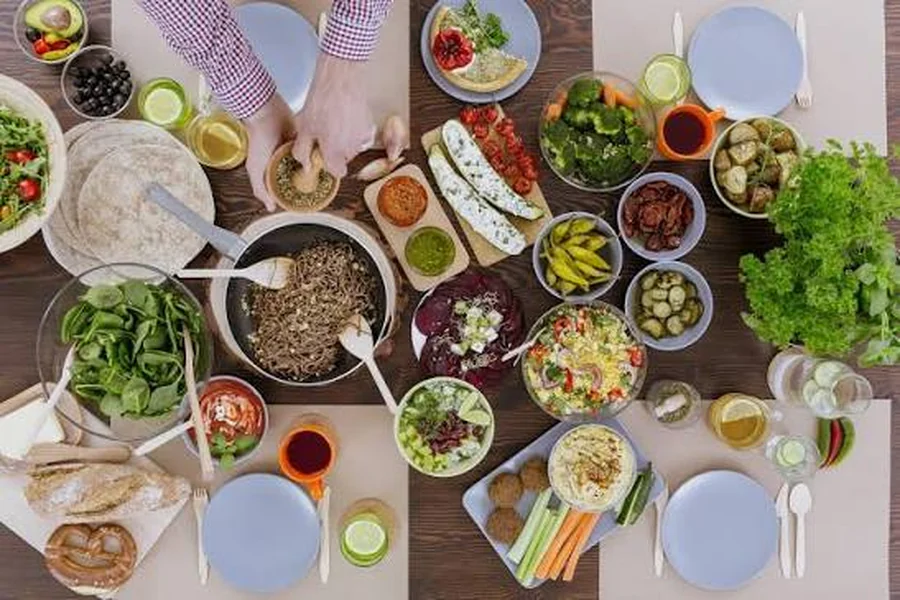
Simple Tips For Healthy Eating can make a meaningful difference in everyday life without requiring an expensive diet or complicated meal plan. Healthy eating is not about completely avoiding favorite foods or following strict rules. Instead, it is about creating balanced meals, choosing nutritious ingredients more often, and developing habits that can be maintained over time.
A healthy diet generally includes a variety of vegetables, fruits, whole grains, legumes, nuts, and suitable sources of protein. The World Health Organization emphasizes four basic principles of a healthy diet: adequacy, balance, moderation, and diversity.
Making better food choices does not have to happen all at once. Small changes, such as adding more vegetables to lunch, replacing sugary drinks with water, or choosing whole grains more often, can gradually improve eating habits. The key is to focus on consistency rather than perfection.
Build Meals Around Nutritious Foods
One of the easiest ways to improve your diet is to make nutritious foods the foundation of your meals. Vegetables and fruits provide important vitamins, minerals, fiber, and other beneficial nutrients. Whole grains, beans, lentils, nuts, seeds, eggs, fish, poultry, and other protein sources can also contribute to a varied diet.
Try to include several food groups in your main meals rather than relying heavily on one type of food. For example, a simple lunch could contain brown rice or another whole grain, vegetables, lentils or beans, and a suitable protein source.
Variety matters because different foods provide different nutrients. Eating the same meals every day may make it harder to obtain a broad range of nutrients. A diverse diet can also make meals more interesting and enjoyable.
The WHO recommends that people over age 10 aim for at least 400 grams of fruits and vegetables each day.
Choose Whole And Minimally Processed Foods
Another practical habit is to choose whole or minimally processed foods more often. Fresh vegetables, fruits, beans, lentils, whole grains, nuts, and seeds can all fit into a balanced eating pattern.
Highly processed foods are not automatically forbidden, but many processed products can contain high amounts of free sugars, sodium, unhealthy fats, or calories. Eating them frequently can make it more difficult to maintain a balanced diet.
When shopping, compare food labels and look at ingredients and nutrition information. Choose products with less added sugar, sodium, and unhealthy fats when suitable alternatives are available.
You can also make simple changes at home. Instead of relying on packaged snacks every day, keep fresh fruit, unsalted nuts, yogurt, or cut vegetables available for quick options.
These small changes can make healthy choices more convenient, especially when you are busy or hungry between meals.
Eat More Fruits, Vegetables, And Fiber
Adding more plant-based foods is one of the simplest ways to improve everyday meals. Fruits and vegetables can provide fiber and a wide range of vitamins and minerals, while legumes and whole grains are useful sources of dietary fiber.
Try adding vegetables to foods you already enjoy. You can mix vegetables into rice dishes, soups, omelets, pasta, sandwiches, or curries. Fruit can be added to breakfast, eaten as a snack, or served as a simple dessert.
Fiber is also important for a balanced diet. Whole grains such as oats, brown rice, whole-wheat products, and other less-refined grains can help increase fiber intake. Beans, lentils, chickpeas, fruits, vegetables, nuts, and seeds are additional sources.
According to WHO guidance, adults and children over age 10 should aim for at least 25 grams of naturally occurring dietary fiber each day.
Rather than suddenly changing everything you eat, add one extra serving of vegetables or fruit to a meal and gradually build from there.
Cut Back On Excess Sugar, Salt, And Unhealthy Fats
Healthy eating is not only about what you add to your diet. It is also about reducing foods and ingredients that are best consumed in moderation.
Sugary drinks, sweets, desserts, and other foods high in free sugars can add significant amounts of sugar to the diet. Choosing water more often and eating fresh fruit instead of sugary snacks can be simple ways to reduce intake.
Salt is another ingredient worth watching. Many packaged foods, sauces, processed meats, and ready-made meals can contain considerable amounts of sodium. Using herbs, spices, garlic, ginger, lemon, or other flavorings can help make food enjoyable while reducing reliance on salt.
The type of fat also matters. WHO recommends favoring unsaturated fats, which can be found in foods such as fish, nuts, seeds, avocado, and certain vegetable oils, while limiting saturated and industrial trans fats.
Cooking methods can help too. Steaming, boiling, baking, and grilling can be useful alternatives to frequent deep-frying.
Practice Balanced Portions And Mindful Eating
Even nutritious foods can contribute to an unbalanced diet when portions are consistently much larger than your body’s needs. Portion awareness can therefore be a useful part of healthy eating.
Instead of measuring every ingredient, start by paying attention to hunger and fullness. Eat slowly, avoid rushing through meals, and give yourself time to recognize when you have had enough.
Eating without constant distractions can also make it easier to notice how much you are consuming. When possible, sit down for meals rather than eating quickly while working, driving, or using a phone.
You do not need to eliminate treats completely. A sustainable approach allows room for foods you enjoy while keeping nutritious foods as the regular foundation of your diet.
Healthy eating should fit your lifestyle, culture, preferences, budget, and available foods. The exact ideal diet can vary between individuals, while the basic principles of variety, balance, moderation, and adequacy remain broadly useful.
Stay Hydrated And Plan Ahead
Drinking enough fluids is another important part of daily nutrition. Water is generally a simple choice for hydration, and replacing sugary beverages with water can also reduce free sugar intake.
Planning meals ahead can make healthy choices easier. Before going grocery shopping, make a basic list of vegetables, fruits, whole grains, protein sources, and healthy snacks. Having useful ingredients at home reduces the temptation to rely entirely on fast food or packaged convenience meals.
You can also prepare some foods in advance. Washing vegetables, cooking beans or grains, preparing simple protein sources, or portioning snacks can save time during busy days.
A little planning does not mean every meal needs to be carefully calculated. Even preparing two or three basic meals ahead of time can make a noticeable difference in your routine.
If you have a medical condition, food allergy, nutritional deficiency, or specific dietary requirement, personalized advice from a qualified healthcare or nutrition professional may be appropriate.
Final Thought
Simple Tips For Healthy Eating are mostly about building realistic habits rather than following a perfect diet. Eating a variety of nutritious foods, increasing fruits and vegetables, choosing whole grains and fiber-rich foods, limiting excess sugar and salt, and selecting healthier fats can create a strong foundation for everyday nutrition.
The most effective changes are often the ones you can maintain. You do not need to transform your entire diet overnight. Start with one or two practical improvements and gradually build better habits.
Healthy eating should also be enjoyable. By choosing foods you like, trying different ingredients, planning ahead, and allowing occasional treats, you can create an eating pattern that supports your needs while remaining practical for everyday life.
FAQs
What are some simple tips for healthy eating?
Eat a variety of foods, include plenty of vegetables and fruits, choose whole grains and legumes, select suitable protein sources, drink water, and limit foods high in excess sugar, salt, and unhealthy fats.
How can I start eating healthier?
Start with small changes such as adding vegetables to one meal each day, replacing sugary drinks with water, choosing whole grains, and keeping nutritious snacks available at home.
How many fruits and vegetables should I eat daily?
WHO recommends that people over age 10 aim for at least 400 grams of fruits and vegetables per day.
Is healthy eating expensive?
Healthy eating does not necessarily have to be expensive. Seasonal vegetables, fruits, beans, lentils, whole grains, eggs, and other locally available foods can provide nutritious and affordable options.
Should I completely avoid sugar?
Most people do not need to completely eliminate sugar, but limiting free sugars is recommended. WHO advises keeping free sugar intake below 10% of total daily energy intake, with additional benefits from reducing it further.
Is drinking water important for a healthy diet?
Yes. Adequate hydration supports normal body functions, and water is generally a simple choice for hydration. Replacing sugary beverages with water can also help reduce free sugar intake.
Can I eat snacks while following a healthy diet?
Yes. Nutritious snacks such as fresh fruit, vegetables, unsalted nuts, or other suitable foods can fit into a balanced eating pattern. Portion size and overall dietary balance are important.
Do I need to follow a strict diet to eat healthy?
No. Healthy eating does not require a rigid diet. A varied and balanced pattern that fits your personal needs, preferences, culture, and lifestyle is generally more practical to maintain.

Welcome to natureanimalhub! I’m Anam Sattar, an AI Powered SEO, and Content Writer with 4 years of experirnce.
I help websites rank higher,grow traffic, and look amazing. My goal is to make SEO and web design simple and effective for everyone.
Let’s achieve more together!