
What Are Small Animals?
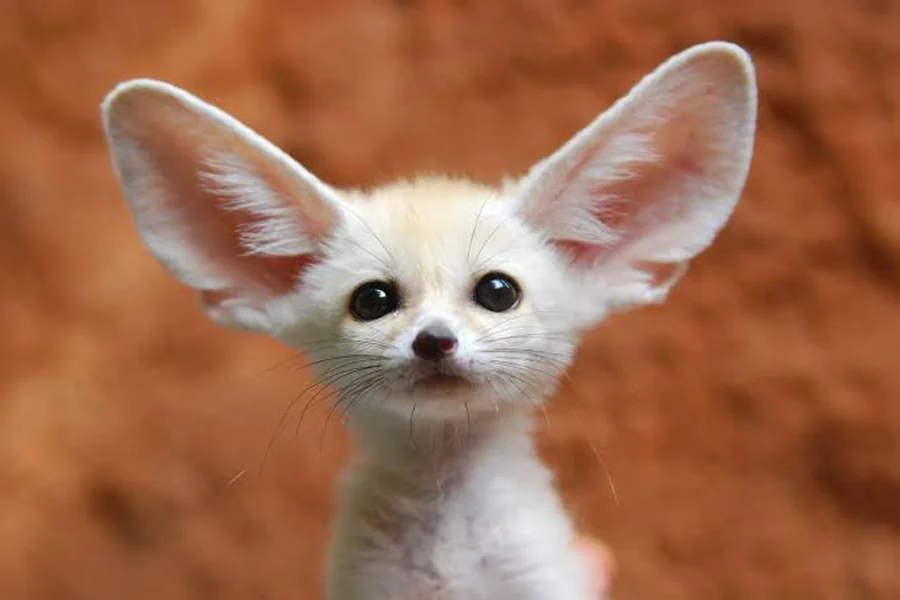
Small animals include a wide range of species that are relatively tiny in body size compared with larger mammals, birds, reptiles, and other creatures. They can be found almost everywhere, from forests and grasslands to gardens, wetlands, deserts, and human homes. Mice, rabbits, squirrels, hedgehogs, frogs, lizards, insects, and many small birds are examples of animals commonly considered small. Their size can provide important advantages, such as allowing them to hide in narrow spaces, move through dense vegetation, and use limited food resources. Despite their small bodies, many species have impressive survival abilities and play important roles in natural ecosystems.
Common Types of Small Animals
There are many different types of small animals, and they vary greatly in appearance, behavior, and lifestyle. Small mammals include mice, hamsters, rabbits, squirrels, and shrews, while small reptiles include geckos, skinks, and some snakes. Frogs and salamanders represent smaller amphibians, and countless insects and other invertebrates are also tiny compared with most animals. Small birds such as wrens, finches, and chickadees are often recognized for their lightweight bodies and active behavior. Some small animals are commonly kept as pets, while others live entirely in the wild. This incredible variety shows that being small does not limit an animal to one particular habitat or way of life.
Where Small Animals Live
Small animals can survive in almost every major type of habitat because different species have developed specialized adaptations. Some live beneath leaves, inside tree cavities, or among rocks, while others make nests, burrows, or shelters underground. Forests provide food and cover for squirrels, insects, frogs, and many small birds. Grasslands support rabbits, mice, and numerous insects, while wetlands are home to small amphibians and aquatic creatures. Some species have adapted to deserts and can survive with limited water, while others live close to people in gardens, parks, farms, and urban areas. Their ability to use small spaces for shelter can help them avoid predators and changing weather conditions.
What Do Small Animals Eat?
The diets of small animals vary widely depending on their species and habitat. Some are herbivores that feed on grass, leaves, seeds, fruits, or vegetables, while others eat insects, worms, small animals, or carrion. Many birds rely on seeds and insects, while small mammals may eat a mixture of plants, grains, fruits, and other available foods. Some reptiles and amphibians depend heavily on insects and other small prey. Insects themselves can feed on plants, nectar, fungi, decaying material, or other organisms. Because small animals occupy many different positions in food webs, they can act as both predators and prey. Their feeding habits also help move nutrients through ecosystems and influence plant and insect populations.
Adaptations That Help Small Animals Survive
Small animals often rely on speed, camouflage, hiding abilities, sharp senses, and specialized body features to survive. Their small size can allow them to disappear into cracks, holes, vegetation, or underground shelters when predators approach. Some species have colors and patterns that blend into their surroundings, making them difficult to detect. Others depend on quick movements or the ability to climb, jump, swim, or fly away from danger. Many small animals are active at night, which can help them avoid certain predators and extreme daytime temperatures. Some also have excellent hearing, smell, or vision that helps them locate food and recognize potential threats. These adaptations demonstrate how even tiny creatures can successfully survive in challenging environments.
Why Small Animals Matter in Nature
Small animals play essential roles in healthy ecosystems even though they may be easy to overlook. Insects help pollinate plants and break down organic material, while small mammals can spread seeds and influence vegetation. Frogs and other amphibians can help control insect populations, and small birds may consume large numbers of insects while also dispersing seeds. At the same time, small animals provide an important food source for larger predators such as foxes, snakes, owls, and larger mammals. Removing or reducing small-animal populations can therefore affect many other species within an ecosystem. Protecting habitats, reducing unnecessary pollution, and maintaining natural vegetation can help support the many small creatures that contribute to ecological balance.
Final Thought
Small animals may have tiny bodies, but their importance in nature is much greater than their size suggests. They occupy diverse habitats, perform many ecological roles, and have developed fascinating adaptations for finding food and avoiding danger. From insects and frogs to rabbits and small birds, these creatures contribute to food webs, plant reproduction, nutrient cycling, and biodiversity. Paying attention to small animals can provide a better understanding of how connected natural ecosystems really are and why every species has a role to play.
FAQs
What are examples of small animals?
Examples include mice, rabbits, squirrels, hedgehogs, frogs, geckos, small birds, insects, and many other tiny creatures.
Where do small animals live?
Small animals can live in forests, grasslands, wetlands, deserts, gardens, farms, urban areas, and many other environments.
What do small animals eat?
Their diets vary by species and may include plants, seeds, fruits, insects, worms, nectar, fungi, or other small animals.
How do small animals protect themselves?
Many use camouflage, hiding places, speed, sharp senses, burrowing, climbing, flying, or nocturnal activity to avoid predators.
Why are small animals important?
Small animals contribute to pollination, seed dispersal, nutrient cycling, insect control, and food webs that support larger animals.
Can small animals be kept as pets?
Some small animals can be kept as pets, but their care requirements differ greatly depending on the species and should be researched before ownership.

Welcome to natureanimalhub! I’m Anam Sattar, an AI Powered SEO, and Content Writer with 4 years of experirnce.
I help websites rank higher,grow traffic, and look amazing. My goal is to make SEO and web design simple and effective for everyone.
Let’s achieve more together!
1 thought on “Small Animals: Types, Habitats, Diet, and Unique Traits”