
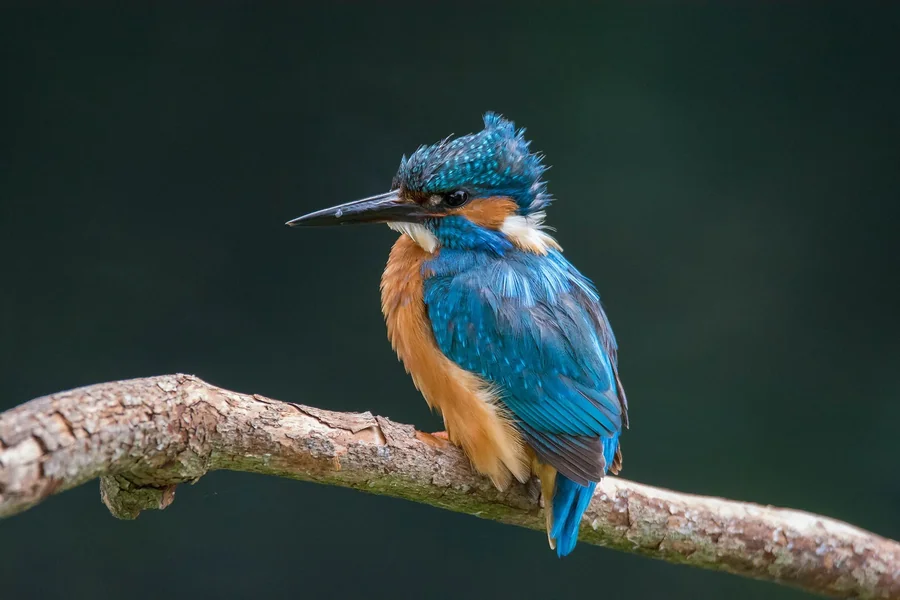
Wildlife photography is a wonderful way to explore the natural world and appreciate the beauty of animals. From birds resting on tree branches to squirrels searching for food, everyday encounters with wildlife can create memorable photographs. You do not necessarily need professional equipment to get started. Patience, observation, and a few basic photography techniques can help you capture impressive images of animals in their natural environments.
Whether you enjoy photographing pets, backyard birds, or wildlife during outdoor adventures, learning how to take and prepare better pictures can make your collection more engaging.
Understand Animal Behavior Before Taking Pictures
One of the most valuable wildlife photography skills is learning to observe animals before attempting to photograph them. Different species have different habits, activity patterns, and responses to their surroundings.
Birds may become more active during certain times of the day, while squirrels and rabbits often appear near places where food and shelter are available. Watching from a comfortable distance can help you anticipate movement and prepare your camera before an interesting moment occurs.
Avoid chasing animals or making sudden movements to get a better photograph. Disturbing wildlife can cause unnecessary stress and interfere with natural behavior. Instead, remain quiet, move slowly, and allow animals to become comfortable with your presence.
Respecting wildlife should always come before getting the perfect shot. Never approach nests, touch wild animals, or encourage them to move into unsafe positions for a photograph.
Make the Most of Natural Light
Lighting has a major influence on the appearance of animal photographs. Bright midday sunlight can create harsh shadows, while softer morning and late-afternoon light often produces more balanced results.
When photographing animals outdoors, pay attention to where the light comes from. Front lighting can reveal details such as feather patterns, fur texture, and facial expressions. Side lighting can add depth and emphasize texture, making an animal stand out from its surroundings.
Backlighting can also create beautiful effects, especially when sunlight passes through feathers, leaves, or fine fur. However, it may require careful exposure adjustments to prevent the animal from appearing too dark.
Cloudy days can be excellent for wildlife photography because the clouds diffuse sunlight and reduce harsh contrast. This is particularly useful when photographing animals with light-colored fur or reflective surfaces.
Focus on the Eyes and Capture Natural Moments
A photograph often becomes more expressive when the animal’s eyes are sharp and clearly visible. When possible, place the focus point over the nearest eye and make sure the face is not hidden by branches or other objects.
Animal movement can make focusing challenging. Birds may suddenly take flight, dogs may run toward the camera, and small mammals rarely remain still for long. Using a faster shutter speed can help freeze movement and preserve important details.
You do not need to photograph every animal in a dramatic pose. Natural moments, such as a bird feeding its young or a cat stretching in the sunlight, can communicate personality and behavior more effectively than staged images.
Try taking several photographs while observing the animal. Small changes in posture, direction, and expression can make a significant difference in the final result.
Choose the Right Composition
Composition determines how the subject appears within the frame. A simple technique is the rule of thirds, which involves placing the main subject slightly away from the center rather than positioning it directly in the middle.
Leaving empty space in front of a moving animal can make the photograph feel more natural. It gives the viewer a sense of direction and creates room for the animal to move within the scene.
Backgrounds deserve just as much attention as the subject. Bright objects, distracting branches, and busy patterns can draw attention away from the animal. Changing your position slightly may help you find a cleaner background without disturbing the wildlife.
You can also experiment with different perspectives. Photographing a small animal from its eye level often creates a more personal connection than taking the picture from above.
Edit Your Animal Photos Carefully
Editing can help bring out details that were difficult to capture in the original photograph. Simple adjustments to brightness, contrast, sharpness, and color balance can improve an image without making it look artificial.
Start with small changes. Increasing contrast slightly may help an animal stand out, while adjusting shadows can reveal details in darker areas. Cropping can remove distractions around the edges and create a stronger composition.
Avoid excessive saturation or aggressive filters that change the animal’s natural appearance. Wildlife photographs are most informative when their colors and details remain reasonably faithful to reality.
It is also useful to keep an original copy of every photograph. This allows you to experiment with different editing styles without permanently changing the source image.
Prepare Images for Websites and Social Media
Once your photographs are ready, you may want to share them on a wildlife blog, educational website, or social media account. Before uploading, consider the image dimensions, file format, and overall file size.
Large images can take longer to load, particularly for visitors using mobile connections. Compressing image files can reduce their size and help improve the browsing experience while preserving an acceptable level of visual quality.
For graphics, collages, and other PNG files used alongside your photographs, an online PNG compressor can help reduce file sizes before publication. This is useful when preparing illustrated animal guides, educational graphics, or website visuals.
Choose the format according to the image’s purpose. JPEG is commonly suitable for photographs, while PNG can be helpful for graphics that require transparency or crisp edges. After compression, review the final image to ensure that important details remain visible.
Build a Meaningful Wildlife Photography Collection
A collection becomes more interesting when photographs tell a story rather than simply displaying individual animals. You might document birds visiting your garden, observe seasonal changes in local wildlife, or create a series showing different animal behaviors.
Adding accurate captions and identifying species when you are confident about them can also make photographs more educational. If you are uncertain about an animal’s identity, consult a reliable wildlife reference instead of guessing.
Most importantly, remember that good wildlife photography develops through practice. Every outdoor observation offers an opportunity to understand animal behavior, experiment with light, and improve your technique.
Final Thoughts
Capturing beautiful animal photographs is about much more than owning an expensive camera. Patience, respect for wildlife, thoughtful composition, and careful editing all contribute to stronger images.
By observing animals responsibly, making use of natural light, and preparing photographs for online sharing, you can create a collection that celebrates the natural world. Whether you photograph familiar pets or encounter wildlife during outdoor adventures, each picture can help tell a story about the remarkable animals around us.

Welcome to natureanimalhub! I’m Anam Sattar, an AI Powered SEO, and Content Writer with 4 years of experirnce.
I help websites rank higher,grow traffic, and look amazing. My goal is to make SEO and web design simple and effective for everyone.
Let’s achieve more together!