


Brown Animals are some of the most common yet fascinating creatures found in nature. Their earthy shades help them blend easily into forests, deserts, grasslands, and even oceans. This natural coloring works like a hidden shield, protecting them from predators while also helping them hunt prey quietly. Many wildlife species use brown tones as a survival strategy in changing environments.
From giant bears in cold forests to camouflaged insects in dry lands, these animals show how powerful adaptation can be. Their survival depends on natural camouflage, animal adaptation, and habitat balance. In this guide, you will explore amazing Brown Animals and learn how they thrive across different ecosystems.
What Makes Animals Brown?
Most animals get their brown color from a pigment called melanin. This pigment affects fur, feathers, scales, and skin. Animals living in dry lands or wooded areas often develop brown shades because the color matches trees, soil, and rocks. That natural disguise increases survival chances in the wild.
Scientists also discovered that brown coloring helps animals regulate heat. Darker shades absorb warmth during cold nights. Lighter brown tones reflect sunlight in hot deserts. This clever adaptation makes Brown Animals successful in many habitats across the world.
| Feature | Benefit for Brown Animals |
| Camouflage | Hides from predators |
| Heat control | Keeps body temperature balanced |
| Hunting advantage | Helps predators stay unseen |
| Seasonal blending | Matches changing environments |
Quick List of Brown Animals
| Brown Animal | Habitat | Animal Type | Unique Feature |
| Brown Bear | Forests & Mountains | Mammal | Powerful claws and thick fur |
| Bactrian Camel | Deserts | Mammal | Stores fat in two humps |
| American Bison | Grasslands | Mammal | Massive muscular body |
| Cougar | Mountains & Forests | Mammal | Silent stalking hunter |
| Orangutan | Rainforests | Mammal | Highly intelligent primate |
| Red Kangaroo | Deserts & Plains | Mammal | Incredible jumping ability |
| White-Tailed Deer | Forests & Grasslands | Mammal | Fast runner with sharp senses |
| Brown Thrasher | Forests | Bird | Excellent sound mimic |
| Golden Eagle | Mountains | Bird | Extremely sharp eyesight |
| Bald Eagle | Rivers & Lakes | Bird | Strong fish hunter |
| Cedar Waxwing | Woodlands | Bird | Smooth and elegant feathers |
| Eastern Brown Snake | Grasslands | Reptile | Highly venomous snake |
| Brown Water Snake | Wetlands | Reptile | Skilled swimmer |
| Western Banded Gecko | Deserts | Reptile | Nighttime hunter |
| Brown Mantella | Rainforests | Amphibian | Toxic skin defense |
| Brown Trout | Rivers & Lakes | Fish | Popular freshwater fish |
| Brown Tang | Coral Reefs | Fish | Eats harmful algae |
| Broad Stingray | Ocean Floors | Fish | Camouflages under sand |
| Texas Brown Tarantula | Deserts | Invertebrate | Lives in underground burrows |
| Brown Hairstreak Butterfly | Forests | Insect | Wings resemble dead leaves |
Forest Brown Animals
Forests contain some of the most fascinating Brown Animals on Earth. Thick trees, muddy soil, and fallen leaves create the perfect background for brown-colored creatures. Animals living here depend heavily on camouflage because predators and prey constantly watch each other.
Many forest animals also use their color for warmth and communication. Brown fur absorbs sunlight in cool woodland mornings. Feathers and markings also help animals recognize family members or attract mates during breeding seasons.
Brown Bear

The brown bear is one of the strongest animals in North America. It lives in forests, mountains, and cold wilderness regions. Its thick brown fur protects it during freezing winters and heavy snowstorms. These giant mammals can weigh over 1,000 pounds.
Brown bears eat berries, fish, insects, and small mammals. They are skilled hunters but also excellent scavengers. During winter, they enter hibernation and survive on stored body fat. Their sharp claws help them dig, climb, and catch prey with surprising speed.
Orangutan

Orangutans spend most of their lives high in rainforest trees. Their reddish-brown hair helps them blend with bark and dried leaves. These intelligent primates build sleeping nests from branches every evening before resting.
Scientists consider orangutans among the smartest animals on Earth. They use sticks as tools and solve simple problems. Sadly, rainforest destruction threatens their survival. Many conservation groups now work hard to protect these peaceful creatures.
Brown Thrasher

The brown thrasher is a clever bird famous for copying sounds. It can imitate songs from other birds and even certain noises from humans. Its brown feathers make it nearly invisible among branches and dry leaves.
This bird searches for insects by scratching the ground with its legs. Brown thrashers build nests inside bushes where predators struggle to spot them. Their camouflage works like a natural shield in dense forests.
Brown Hairstreak Butterfly

The brown hairstreak butterfly may look plain at first glance. However, its wings contain detailed patterns that resemble dead leaves. This remarkable camouflage protects it from birds and reptiles.
These butterflies spend much of their time near oak trees. Their caterpillars feed on leaves before transforming into adults. When resting with folded wings, they almost vanish into their surroundings.
Desert Brown Animals
Deserts challenge animals with scorching heat and limited water. Yet many Brown Animals thrive in these harsh landscapes. Their sandy colors help them avoid predators and blend into dry environments filled with rocks and dust.
Desert creatures also developed special survival skills. Some stay underground during daytime heat while others store fat or water for emergencies. Nature turned these animals into true survival experts.
Bactrian Camel
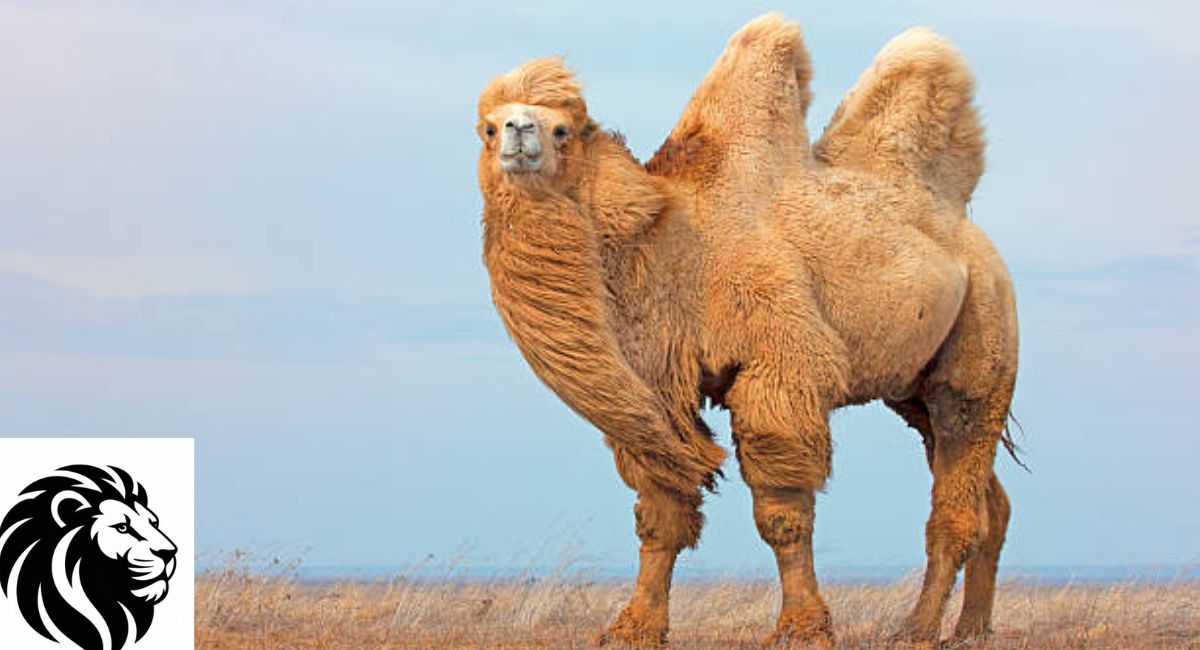
The Bactrian camel survives in some of the harshest deserts on Earth. Unlike regular camels, it has two humps filled with stored fat. These reserves provide energy when food becomes scarce.
Its thick brown coat protects the body from both burning heat and freezing desert nights. Camels can survive days without drinking water. Their long eyelashes even shield their eyes from blowing sandstorms.
Red Kangaroo
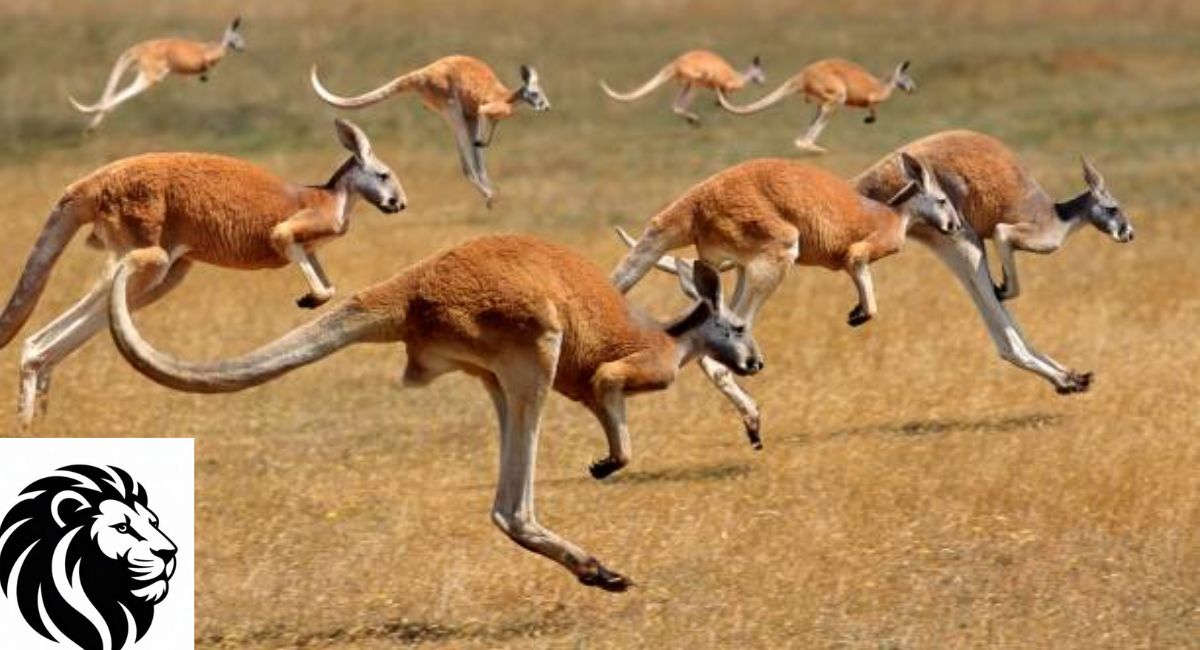
The red kangaroo dominates the dry regions of Australia. Its reddish-brown fur reflects sunlight and reduces heat stress. These powerful jumpers travel long distances while searching for food and water.
Red kangaroos conserve energy through hopping. Scientists discovered hopping uses less energy than running across deserts. Males sometimes fight by kicking rivals with powerful legs during mating season.
Western Banded Gecko

This small gecko becomes active mostly at night. Its brown skin helps it blend perfectly with desert rocks and sand. Predators often miss it completely even from close range.
The western banded gecko can detach its tail when threatened. The moving tail distracts predators while the gecko escapes. Later, the tail slowly regrows over time.
Texas Brown Tarantula

The Texas brown tarantula may appear frightening but it rarely harms humans. This large spider spends most of its life inside underground burrows. Its dark brown body blends naturally with desert soil.
These spiders hunt insects and small animals at night. Female tarantulas live much longer than males. Some females survive for over twenty years in the wild.
Mountain and Grassland Brown Animals
Mountains and grasslands contain wide open spaces where survival depends on speed and awareness. Brown shades help animals vanish into tall grass, rocky hills, and dirt-covered slopes. Many predators use camouflage before launching sudden attacks.
These environments also experience changing weather. Thick fur and seasonal coats protect animals from harsh winters and intense summer heat.
American Bison

The American bison once roamed North America in massive herds. Its thick brown fur protects the animal from cold winds and snowstorms. Adult males can weigh nearly 2,000 pounds.
Bison shape grassland ecosystems through grazing. Their movement spreads seeds and improves soil health. After nearly disappearing in the 1800s, conservation programs helped restore wild populations.
Cougar

The cougar is a silent predator also called the mountain lion. Its smooth brown coat blends perfectly with rocks and dry vegetation. Cougars stalk prey quietly before attacking with explosive speed.
These cats mainly hunt deer but also eat smaller animals. Cougars can leap long distances in a single jump. Despite their strength, they usually avoid humans.
White-Tailed Deer
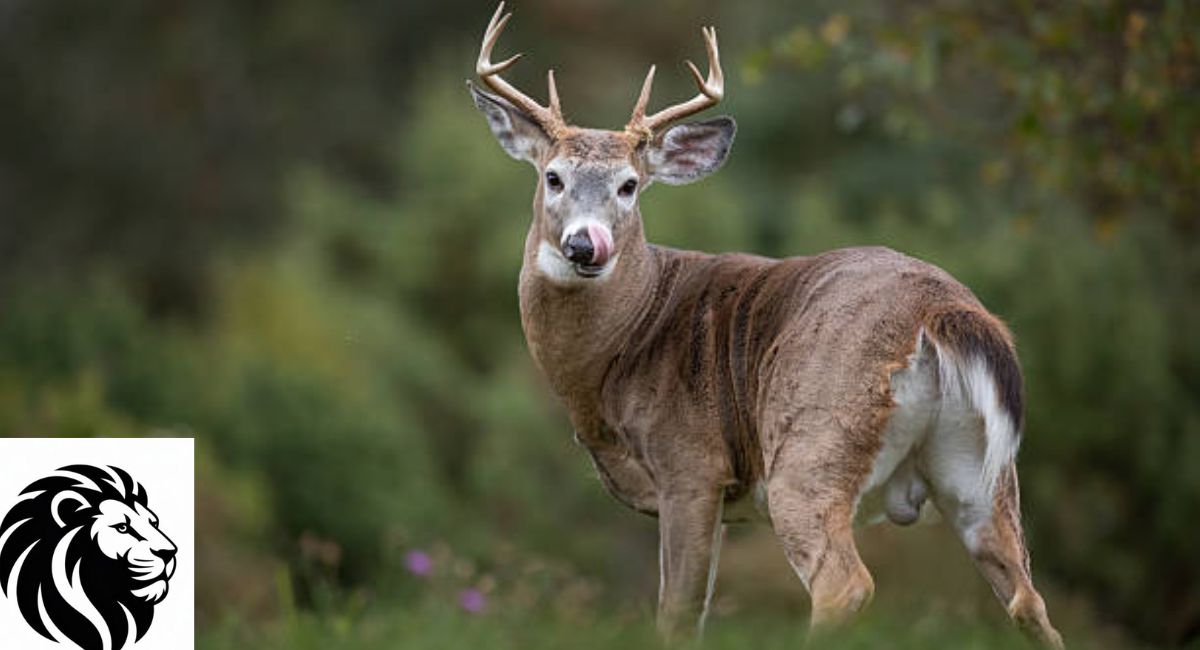
White-tailed deer live across forests, fields, and grasslands in the United States. Their brown coats change slightly with the seasons. Summer fur appears lighter while winter coats become thicker and darker.
These graceful animals use sharp hearing and smell to detect danger. When startled, they raise their white tails as warning signals before running away quickly.
Brown Birds of the Sky
Birds with brown feathers often survive better because they avoid unwanted attention. Brightly colored birds attract predators more easily while brown birds disappear into branches and dry landscapes.
Many birds also develop strong flying and hunting abilities. Their feathers provide warmth, camouflage, and protection from changing weather conditions.
Golden Eagle

The golden eagle is one of the most powerful birds of prey in North America. Its dark brown feathers allow it to blend into rocky mountains and cliffs. This massive bird hunts rabbits, foxes, and other small mammals.
Golden eagles possess extraordinary eyesight. They can spot movement from several miles away. Their sharp talons grip prey with crushing force during attacks.
Bald Eagle

Young bald eagles actually have mostly brown feathers before developing white heads as adults. This coloring helps juvenile birds remain hidden during their early years.
Bald eagles mainly feed on fish caught from rivers and lakes. They build huge nests high in trees near water sources. Some nests become enormous after many years of use.
Cedar Waxwing

The cedar waxwing is a sleek bird with soft brown coloring and elegant feathers. It often travels in flocks while searching for berries and fruits.
This bird sometimes becomes intoxicated after eating fermented berries. Despite its calm appearance, the cedar waxwing is an excellent flyer capable of quick turns in the air.
Brown Reptiles and Amphibians
Reptiles and amphibians often rely on camouflage more than mammals or birds. Brown scales and skin help them avoid predators and ambush prey successfully.
Many reptiles also use warmth from sunlight to control body temperature. Their brown shades help absorb heat during cooler mornings.
Eastern Brown Snake

The eastern brown snake is one of the world’s most venomous snakes. It lives mainly in Australia and hunts rodents, frogs, and reptiles.
Its brown scales provide excellent camouflage in dry grasslands and farmland. Although dangerous, the snake usually avoids confrontation with humans unless threatened.
Brown Water Snake

The brown water snake spends much of its life near rivers, ponds, and wetlands. Its dark body blends perfectly with muddy water and tree branches.
This snake is nonvenomous and feeds mostly on fish and frogs. Many people confuse it with dangerous water snakes because of its similar appearance.
Brown Mantella

The brown mantella is a tiny frog found in rainforest regions. Despite its small size, it contains toxic chemicals that protect it from predators.
Its skin displays earthy brown shades mixed with brighter colors. Scientists study these frogs because their toxins may help create future medicines.
Brown Ocean and Freshwater Animals
Rivers, lakes, and oceans contain countless hidden Brown Animals. Many aquatic creatures depend on camouflage because predators can approach from every direction underwater.
Brown shades help fish and marine animals disappear near rocks, coral reefs, mud, and sandy ocean floors. This natural disguise improves hunting and survival.
Brown Trout

The brown trout is one of the most popular freshwater fish in North America. It lives in cool rivers and streams with clean water.
Brown trout feed on insects, smaller fish, and crustaceans. Their spotted brown bodies make them difficult for predators and fishermen to detect underwater.
Brown Tang

The brown tang is a tropical fish often found around coral reefs. It feeds mostly on algae growing on rocks and coral surfaces.
This fish helps maintain healthy reef ecosystems by preventing algae overgrowth. Its brown body blends smoothly with reef shadows and underwater vegetation.
Broad Stingray

The broad stingray hides beneath sand on the ocean floor. Its flat brown body makes it nearly invisible to predators and prey.
Stingrays use venomous tails for defense. They usually remain calm unless stepped on or threatened. Many species glide gracefully through water like flying carpets.
Incredible Adaptations of Brown Animals
Nature equipped Brown Animals with remarkable survival abilities. Camouflage remains their greatest advantage. Predators struggle to spot them while prey animals stay hidden from danger.
Many brown creatures also developed specialized behaviors. Bears hibernate during winter. Camels conserve water. Snakes absorb heat from sunlight. These adaptations allow animals to survive in environments that seem impossible for life.
| Adaptation | Animal Example |
| Camouflage | Cougar |
| Water storage | Camel |
| Hibernation | Brown Bear |
| Heat absorption | Snakes |
| Burrowing | Tarantula |
Fun Facts About Brown Animals
Some brown animals hold incredible records in nature. The Kodiak bear ranks among the world’s largest land predators. Golden eagles can dive at breathtaking speeds during hunts.
Brown animals also appear in myths and folklore. Native American stories often describe bears as symbols of strength and wisdom. In many cultures, owls and wolves represent mystery and intelligence.
A fascinating study from the National Wildlife Federation explains how camouflage improves survival rates in wild habitats.
Threats Facing Brown Animals Worldwide
Habitat destruction remains the biggest threat to wildlife. Forests disappear because of logging while deserts and grasslands shrink from urban growth. Pollution also damages rivers and oceans where aquatic species live.
Climate change creates additional problems. Rising temperatures affect migration, breeding, and food availability. Some animals struggle to adapt quickly enough to survive these environmental changes.
Why Brown Animals Matter in Nature
Every animal plays a role in keeping ecosystems balanced. Predators control prey populations while herbivores spread seeds and improve soil health. Even insects and spiders help manage pests naturally.
Protecting wildlife also protects humans. Healthy ecosystems provide clean water, fertile soil, and balanced food chains. When species disappear, nature becomes weaker and less stable over time.
Conclusion
Brown Animals show us how nature uses simple colors for powerful survival. From forests to deserts and deep oceans, these creatures use natural camouflage to hide, hunt, and stay safe. Every species plays an important role in keeping ecosystems balanced and healthy.
In the end, learning about wildlife species and their animal adaptation helps us understand nature better. These amazing animals prove that even the simplest brown color can be a smart survival tool in every habitat.
FAQs
1. Why are many animals brown?
Many animals are brown because it helps them use natural camouflage and stay hidden from predators in forests, deserts, and grasslands.
2. What is the benefit of brown color in animals?
The brown color helps animals survive by blending into soil, trees, rocks, and dry leaves in their environment.
3. Where do brown animals usually live?
Brown animals are found in forests, deserts, mountains, rivers, and oceans all around the world.
4. Are all brown animals safe?
No, some brown animals like snakes and spiders can be dangerous, while many others are harmless.
5. How do brown animals survive in the wild?
They survive through camouflage, hunting skills, and adapting their behavior to different environments.

Welcome to natureanimalhub! I’m Anam Sattar, an AI Powered SEO, and Content Writer with 4 years of experirnce.
I help websites rank higher,grow traffic, and look amazing. My goal is to make SEO and web design simple and effective for everyone.
Let’s achieve more together!