

Nature becomes far more fascinating when bright colors appear in the wild. Yellow Animals are among the rarest and most beautiful creatures found in forests, oceans, and tropical rainforests. Some species use their glowing yellow shades for survival while others rely on them to attract mates or scare predators away. From poisonous frogs to colorful reef fish, these animals show how amazing evolution can be.
Scientists often study warning coloration, camouflage coloration, bright yellow wildlife, tropical wildlife, and marine biodiversity to understand why these creatures evolved such vibrant colors. Whether flying through forests or swimming across coral reefs, yellow animals continue to capture attention with their unique appearance and incredible survival abilities.
20 Yellow Animals List
| No. | Yellow Animal | Habitat | Special Feature |
| 1 | Golden Poison Dart Frog | Colombian Rainforests | Extremely poisonous skin |
| 2 | American Goldfinch | North American Forests | Bright yellow breeding feathers |
| 3 | Eyelash Viper | Central American Rainforests | Venomous snake with eyelash scales |
| 4 | Banana Slug | Pacific Coast Forests | Giant yellow forest slug |
| 5 | Gold Lace Nudibranch | Hawaiian Ocean Reefs | Golden lace-like body patterns |
| 6 | Eurasian Golden Oriole | European and Asian Forests | Sweet singing bird |
| 7 | Orange-Barred Sulphur Butterfly | Tropical Gardens and Forests | Fast-flying yellow butterfly |
| 8 | Misumena Vatia Crab Spider | Flower Fields and Gardens | Changes color for camouflage |
| 9 | 22-Spot Ladybird | European Grasslands | Tiny yellow beetle with black spots |
| 10 | Yellow Tang | Pacific Coral Reefs | Bright reef-cleaning fish |
| 11 | Fire Salamander | Wet Forests | Toxic yellow warning markings |
| 12 | Yellow Boxfish | Coral Reefs | Cube-shaped yellow fish |
| 13 | Golden Conure | Brazilian Rainforests | Rare golden parrot |
| 14 | Lemonpeel Angelfish | Indo-Pacific Reefs | Electric yellow marine fish |
| 15 | Yellow Longnose Butterflyfish | Coral Reef Ecosystems | Long snout for feeding |
| 16 | Western Tanager | North American Woodlands | Yellow bird with red head |
| 17 | Yellow-Banded Poison Dart Frog | South American Rainforests | Bright warning stripes |
| 18 | Southern Yellowjacket | Forests and Urban Areas | Aggressive stinging insect |
| 19 | Banana Nudibranch | Warm Ocean Waters | Bright toxic sea slug |
| 20 | Taveta Golden Weaver | African Wetlands | Skilled nest-building bird |
Top 20 Yellow Animals
Many bright yellow wildlife species live in different ecosystems. Some fly through forests while others swim deep in the ocean. Their colors make them stand out in nature.
These animals also play important roles in their habitats. Some help pollinate flowers while others control insects or clean coral reefs. Their beauty and survival skills make them truly amazing.
Golden Poison Dart Frog
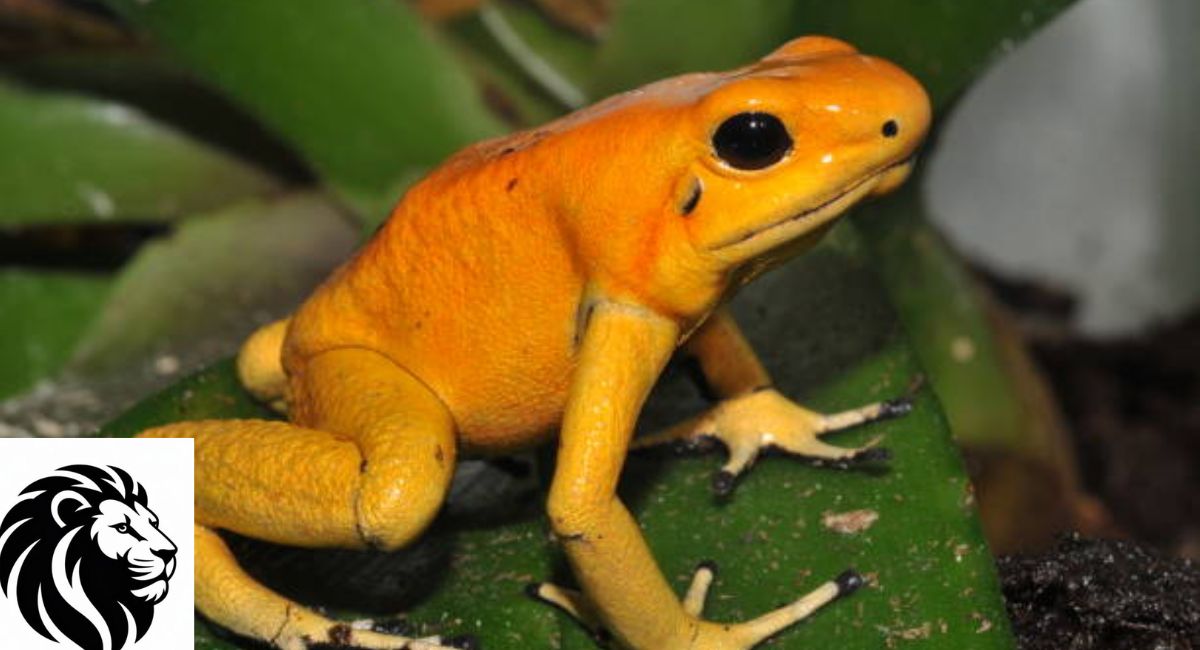
The Golden Poison Dart Frog is one of the most dangerous Yellow Animals in the world. It lives in the rainforests of Colombia. Its bright yellow skin warns predators to stay away because the frog carries powerful toxins.
This frog may look small and harmless, but its poison is deadly. Scientists study this frog while researching poisonous amphibians and natural defense systems. The frog gets its toxins from insects it eats in the wild.
American Goldfinch
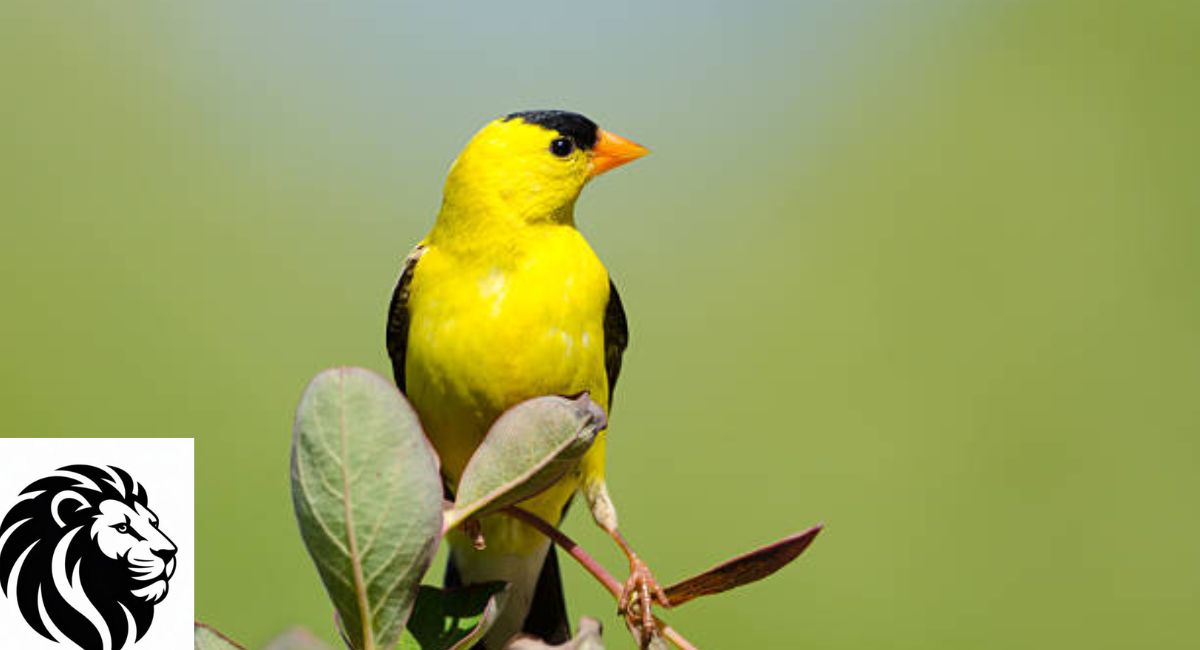
The American Goldfinch is a small bird found across North America. Male birds turn bright yellow during summer to attract females. Their black wings create a beautiful contrast against golden feathers.
These birds love seeds and often visit backyard feeders. Bird lovers enjoy watching them fly in smooth wave-like patterns. Their cheerful appearance makes them one of America’s favorite yellow birds.
Eyelash Viper
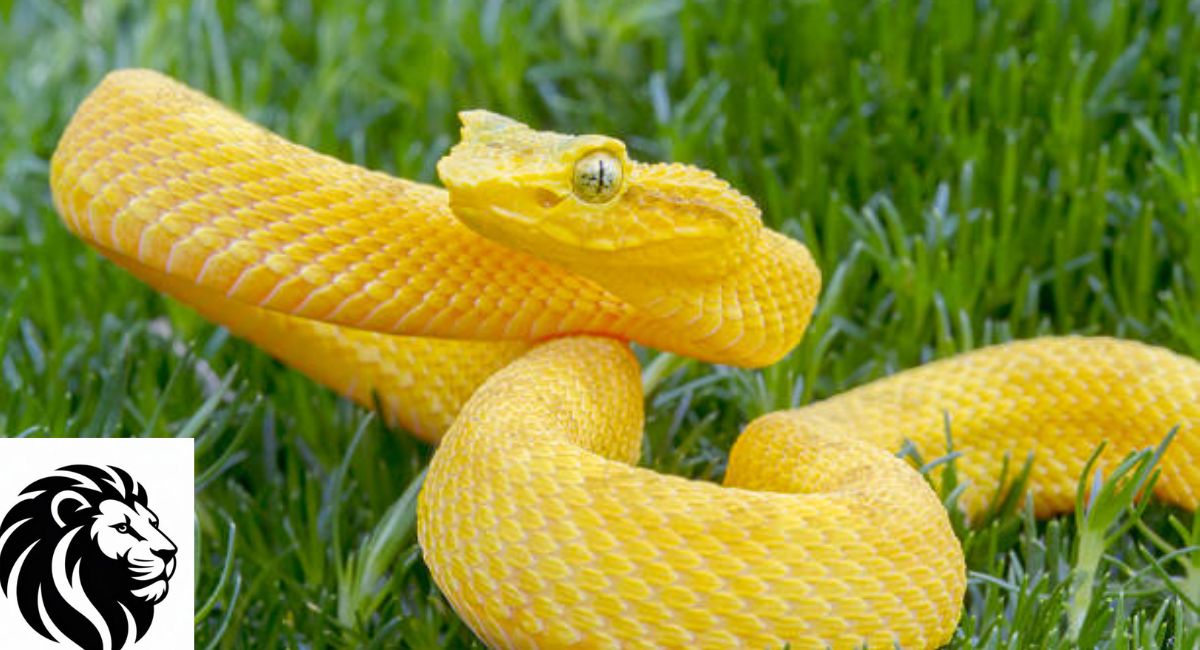
The Eyelash Viper is a venomous snake found in Central and South American rainforests. It gets its name from scales above the eyes that look like eyelashes.
This snake hides among leaves and flowers while waiting for prey. Its venom helps it catch birds, frogs, and rodents. Scientists often study this species when researching venomous yellow reptiles and rainforest predators.
Banana Slug

The Banana Slug lives in wet forests along the Pacific Coast. Its long yellow body looks similar to a banana, which explains its funny name.
This slug helps forests by breaking down dead plants and leaves. Its slime protects it from predators and helps movement. Banana Slugs are important for healthy forest ecosystems.
Gold Lace Nudibranch

The Gold Lace Nudibranch is a beautiful sea slug found near Hawaii. Its glowing yellow lines make it look like golden lace floating underwater.
This marine animal feeds on tiny ocean organisms hidden in coral reefs. Scientists admire this species because of its unique appearance and role in marine biodiversity.
Eurasian Golden Oriole
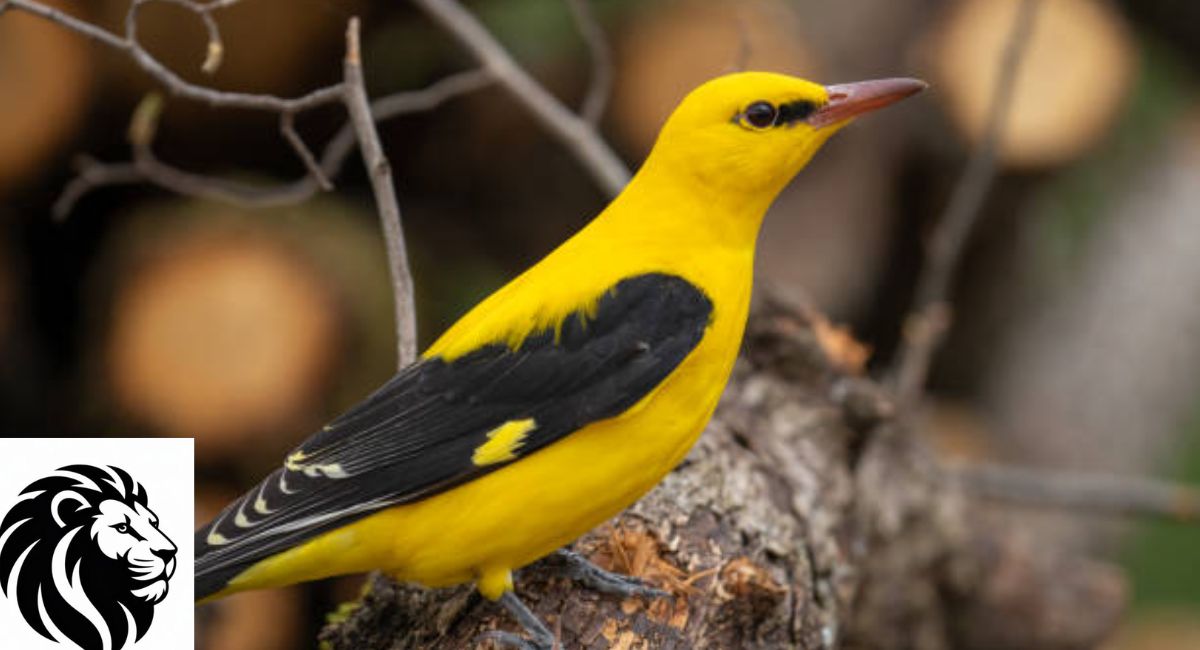
The Eurasian Golden Oriole is a bright yellow bird found in Europe and Asia. Males have golden feathers with black wings while females have softer colors.
These birds spend most of their time high in trees searching for fruit and insects. Their sweet songs echo through forests during spring and summer.
Orange-Barred Sulphur Butterfly

The Orange-Barred Sulphur Butterfly flies through tropical gardens and forests. Its yellow wings help it stand out among flowers.
This butterfly drinks nectar from plants like clover and milkweed. It also helps pollinate flowers, making it important for healthy ecosystems.
Misumena Vatia Crab Spider
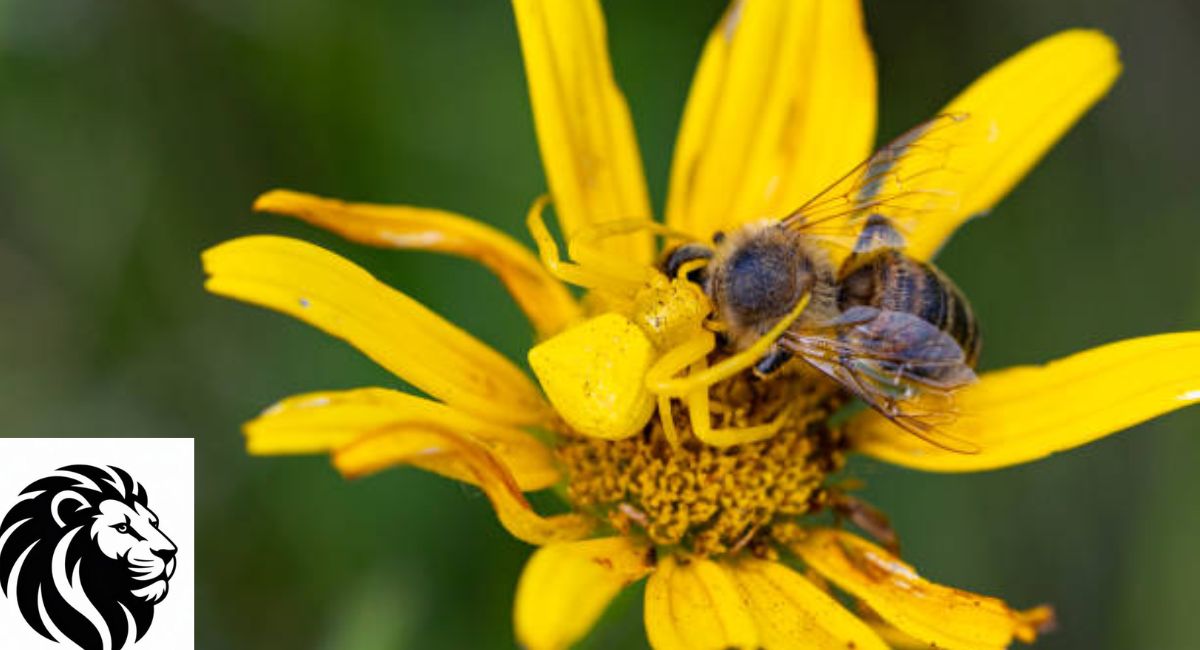
The Misumena Vatia Crab Spider can slowly change color to match flowers. It often turns yellow while hiding on golden flowers waiting for insects.
Unlike many spiders, it does not spin webs to hunt prey. Instead, it attacks insects quickly using powerful venom.
22-Spot Ladybird

The 22-Spot Ladybird is a tiny yellow beetle covered with black dots. It is commonly found in Europe.
Unlike regular ladybugs, this species mainly eats mildew instead of insects. Its bright colors help protect it from predators.
Yellow Tang

The Yellow Tang is a bright yellow fish found in Pacific coral reefs. It helps reefs stay healthy by eating algae.
This fish is popular in aquariums because of its glowing appearance. However, overcollection can threaten wild populations.
Fire Salamander
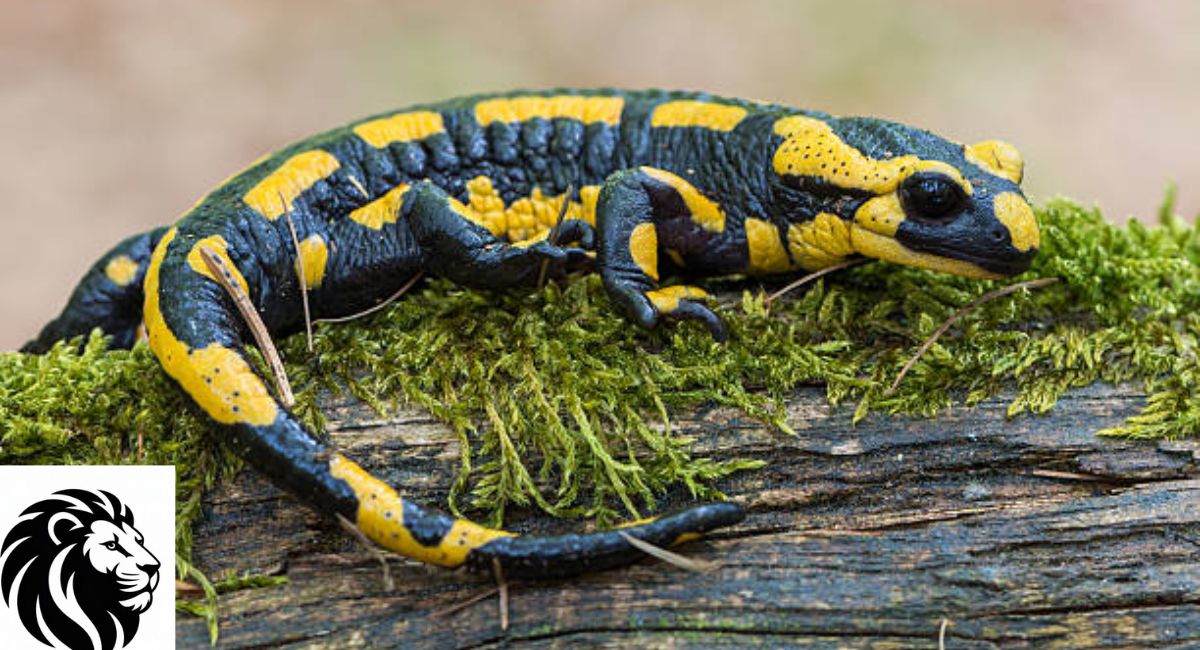
The Fire Salamander has black skin with yellow markings. These colors warn predators about toxic chemicals in its body.
It prefers cool wet forests and usually comes out during rainy weather. This amphibian is one of Europe’s most famous salamanders.
Yellow Boxfish

The Yellow Boxfish has a strange cube-shaped body covered in bright yellow colors and black spots.
Young boxfish look almost cartoon-like. They can release toxins into the water when threatened by predators.
Golden Conure
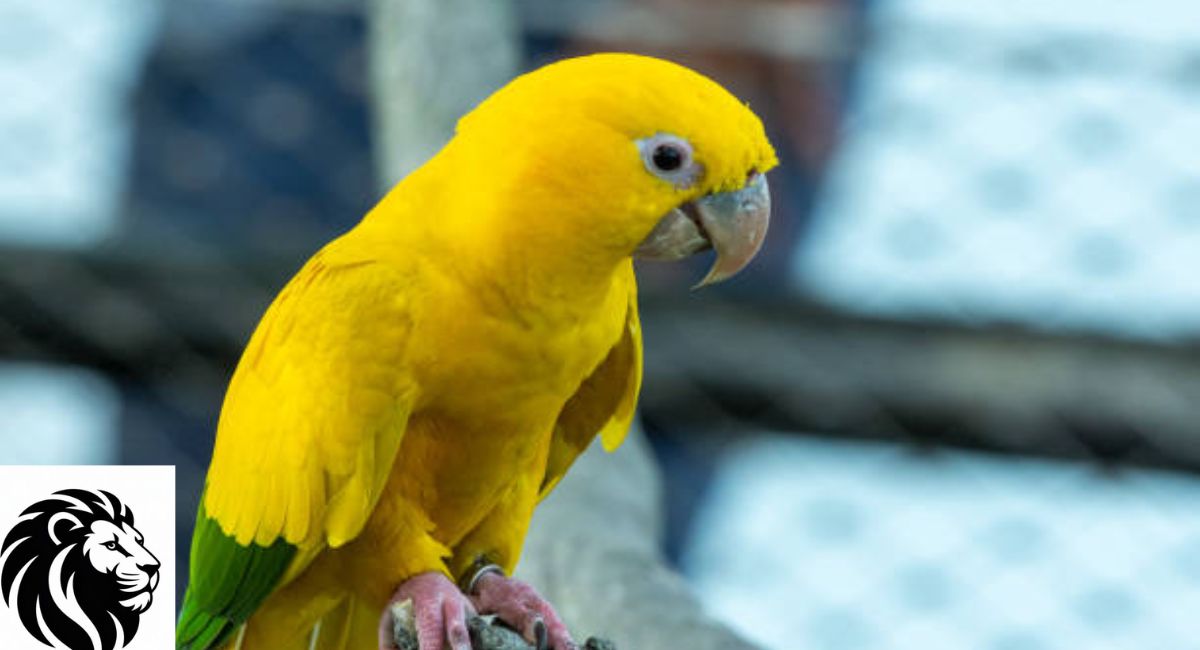
The Golden Conure is a rare yellow parrot found in Brazil’s rainforests. Its feathers glow brightly in sunlight.
These birds are social and live in groups. Sadly, habitat destruction threatens their survival.
Lemonpeel Angelfish

The Lemonpeel Angelfish lives in coral reefs across the Indo-Pacific region. Its bright yellow body makes it easy to recognize.
This fish spends much of its time searching for algae and tiny marine creatures. It is also popular among aquarium owners.
Yellow Longnose Butterflyfish
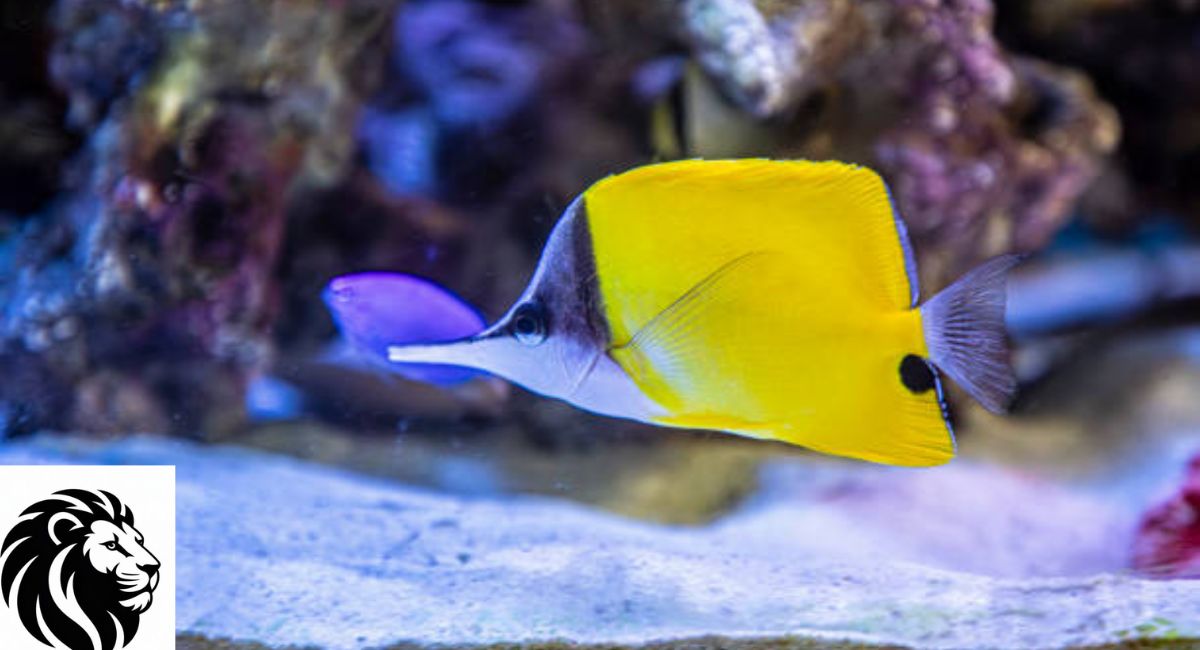
The Yellow Longnose Butterflyfish has a long narrow snout that helps it find food inside coral reefs.
This fish often swims in pairs and feeds on tiny sea creatures. Its bright yellow color helps it blend into coral environments.
Western Tanager
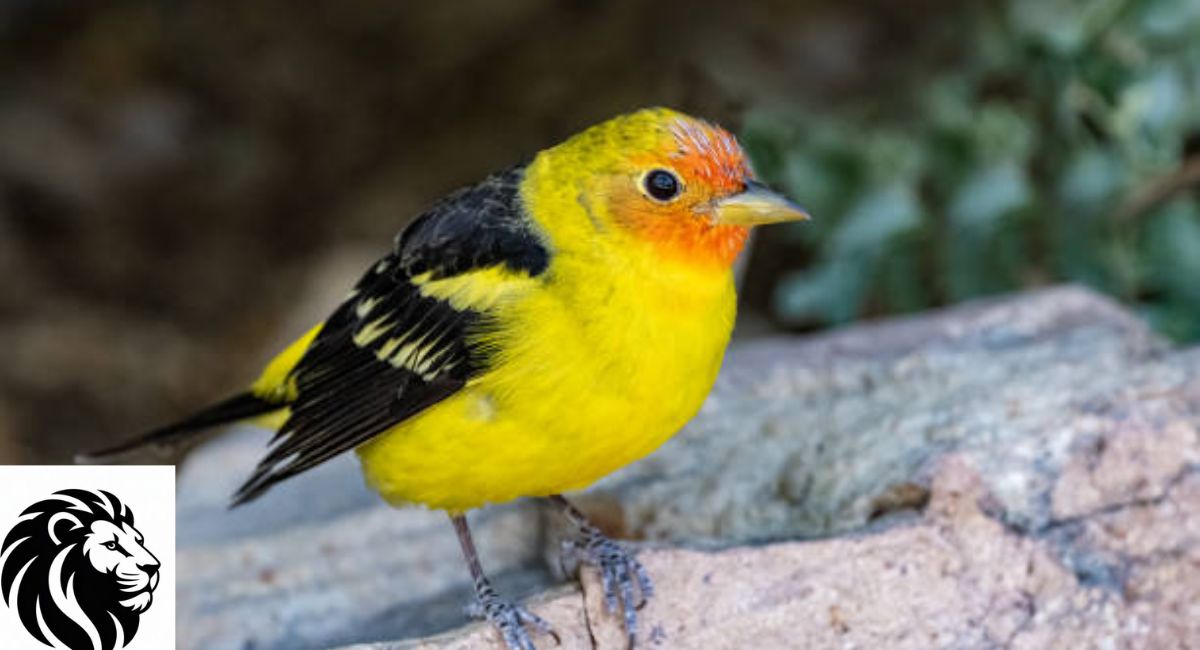
The Western Tanager is a colorful bird found in North American forests. Males have yellow bodies with red heads.
These birds migrate long distances every year. They eat insects, berries, and fruits depending on the season.
Yellow-Banded Poison Dart Frog
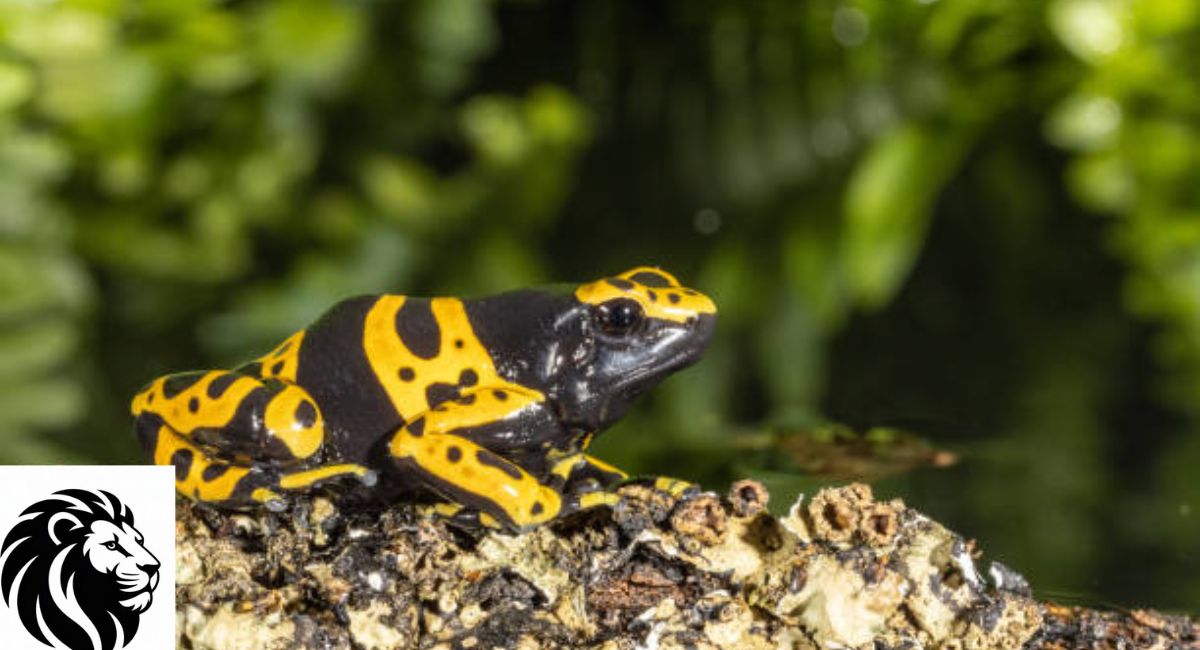
The Yellow-Banded Poison Dart Frog has black skin with bright yellow stripes. These patterns warn predators about dangerous toxins.
This frog lives in tropical rainforests where moisture keeps its skin healthy. Scientists study it while researching toxic animal colors.
Southern Yellowjacket
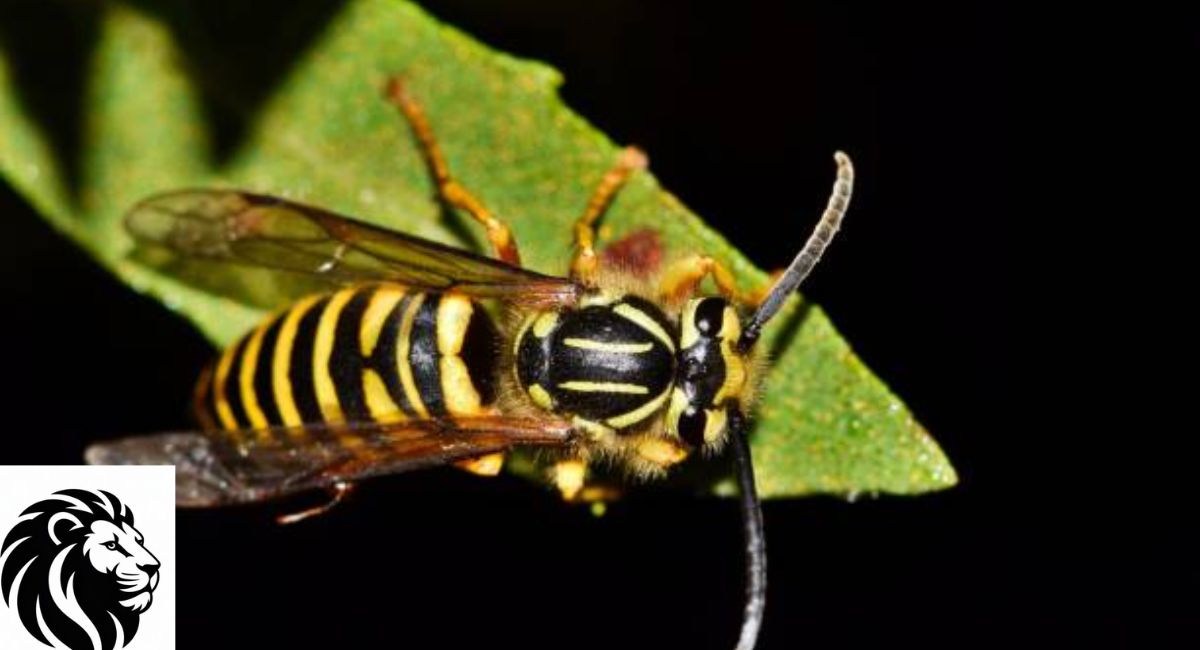
The Southern Yellowjacket is a stinging insect known for aggressive behavior. Its yellow and black body warns predators about painful stings.
These insects live in large colonies and protect nests fiercely. Even though they scare people, they help control harmful insects.
Banana Nudibranch
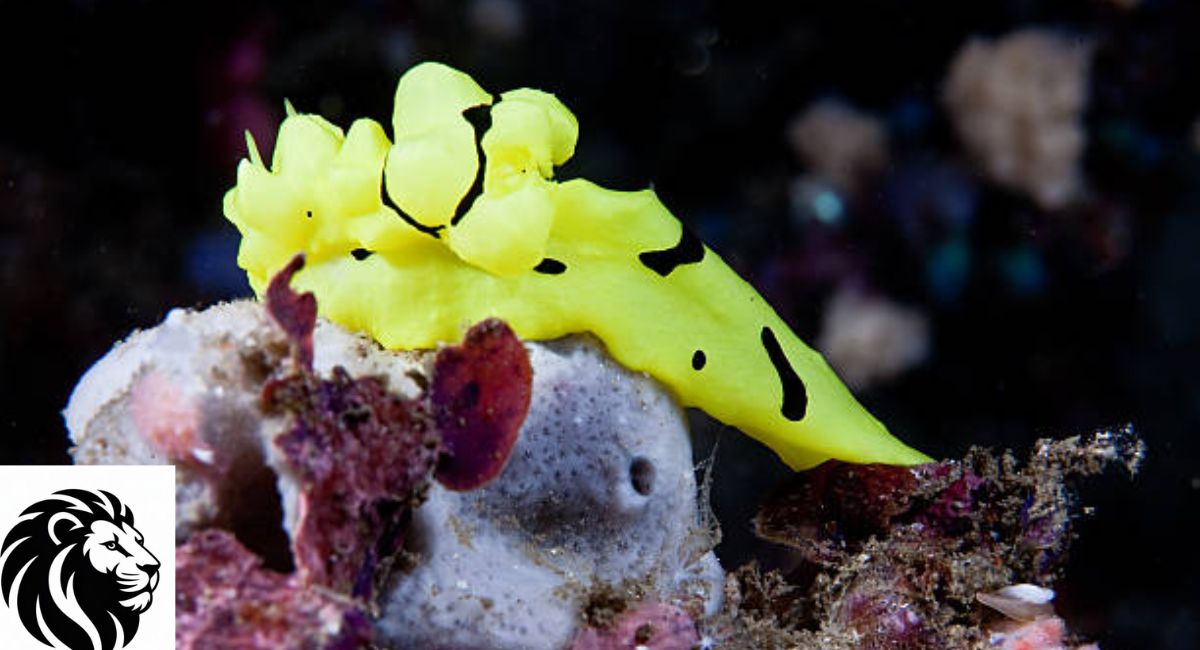
The Banana Nudibranch is another colorful sea slug found in warm ocean waters. Its bright yellow body helps warn predators about toxic chemicals.
Divers often admire these sea creatures because of their unusual shapes and colors.
Taveta Golden Weaver

The Taveta Golden Weaver is a small African bird with bright yellow feathers. Males build detailed hanging nests from grass.
These birds live near wetlands and grasslands. Their nest-building skills are impressive for such tiny creatures.
Why Are Some Animals Yellow?
Many Yellow Animals use bright colors for survival. Some animals warn predators that they are poisonous or venomous. Others use yellow colors to attract mates during breeding season.
Scientists believe pigments called carotenoids help create yellow colors in feathers, scales, and skin. Animals often get these pigments from food.
Warning Colors in Nature
Bright yellow often acts like a warning sign in nature. Frogs, insects, and snakes use these colors to scare predators away.
This process is called aposematic coloration. Predators learn to avoid brightly colored creatures because they may be toxic or dangerous.
Camouflage and Attraction
Some animals use yellow colors for camouflage instead of warning signals. Crab spiders blend into flowers while reef fish hide among coral reefs.
Birds also use bright yellow feathers to attract mates. Stronger colors often show good health and strong genetics.
| Animal | Main Purpose of Yellow Color |
| Poison Dart Frog | Warning predators |
| Goldfinch | Attracting mates |
| Crab Spider | Camouflage |
| Yellow Tang | Reef blending |
Most Dangerous Yellow Animals
Some of the deadliest creatures on Earth are also very colorful. Bright colors help predators remember dangerous encounters.
These dangerous Yellow Animals include venomous snakes, poisonous frogs, and aggressive insects.
Venomous and Poisonous Creatures
The Golden Poison Dart Frog carries enough toxins to kill several humans. The Eyelash Viper injects venom that damages tissue and causes severe pain.
Southern Yellowjackets can sting multiple times and attack in groups when protecting nests.
Dangerous Ocean Species
Some marine creatures also use bright colors for protection. Certain nudibranchs store toxic chemicals inside their bodies.
Predators quickly learn to avoid these glowing sea slugs because eating them can be harmful.
| Yellow Animal | Type of Danger | Habitat | Dangerous Feature | Interesting Fact |
| Golden Poison Dart Frog | Poisonous | Colombian Rainforests | Toxic skin alkaloids | One frog can kill several humans |
| Eyelash Viper | Venomous | Tropical Rainforests | Hemotoxic venom | Uses camouflage to ambush prey |
| Southern Yellowjacket | Aggressive stings | Forests and urban areas | Multiple painful stings | Attacks in groups near nests |
| Fire Salamander | Toxic secretions | European Forests | Poisonous skin chemicals | Bright colors warn predators |
| Yellow-Banded Poison Dart Frog | Poisonous | South American Rainforests | Toxic skin defense | Bright stripes signal danger |
| Yellow Boxfish | Toxic defense | Coral Reefs | Releases toxins in water | Can poison nearby fish |
| Banana Nudibranch | Chemical defense | Warm Ocean Waters | Toxic body chemicals | Predators avoid its bright color |
| Gold Lace Nudibranch | Toxic compounds | Hawaiian Reefs | Chemical protection | Stores toxins from prey |
| Misumena Vatia Crab Spider | Venomous bite | Flower Fields and Gardens | Venom for hunting insects | Ambushes prey without webs |
| Orange-Barred Sulphur Butterfly Caterpillar | Mild chemical defense | Tropical Forests | Bitter defensive chemicals | Helps scare away predators |
Yellow Animals in Different Ecosystems
Yellow wildlife lives in forests, oceans, wetlands, and tropical jungles. Each habitat shapes how animals survive and behave.
Different ecosystems also influence body color, feeding habits, and defense systems.
Rainforest Yellow Animals
Rainforests contain frogs, snakes, butterflies, and parrots with glowing yellow colors. Dense forests make bright signals easier to notice.
Heavy rainfall and warm temperatures help these species survive year-round.
Ocean and Forest Species
Coral reefs support many colorful fish and sea slugs. Forests contain yellow birds, salamanders, and insects.
These ecosystems provide food, shelter, and protection for wildlife.
Conservation and Threats
Many Yellow Animals face serious dangers because of pollution, climate change, and habitat destruction.
Deforestation destroys rainforest habitats while coral bleaching damages ocean ecosystems.
Habitat Loss
When forests disappear, animals lose shelter and food sources. Reef destruction also threatens fish and marine creatures.
Many species struggle to survive in changing environments.
Conservation Efforts
Wildlife groups now protect forests, coral reefs, and endangered species. National parks and breeding programs also help preserve biodiversity.
Public awareness is important for protecting colorful wildlife.
Fun Facts About Yellow Animals
Many yellow creatures have strange and surprising abilities. Some can change color while others produce toxins or regenerate body parts.
Scientists continue discovering amazing facts about these animals every year.
Amazing Adaptations
Banana Slugs can regrow lost tentacles. Crab spiders slowly change color to match flowers.
Butterflies taste with their feet while nudibranchs absorb toxins from prey.
Incredible Wildlife Records
The Golden Poison Dart Frog is one of the most poisonous animals alive. Banana Slugs can grow nearly ten inches long.
Yellowjackets build colonies with thousands of insects.
| Animal | Interesting Fact |
| Banana Slug | Can regrow tentacles |
| Yellow Tang | Cleans coral reefs |
| Crab Spider | Changes color slowly |
| Golden Oriole | Migrates long distances |
Conclusion
The world of Yellow Animals is full of beauty, danger, and fascinating survival skills. Some species use bright colors to scare predators while others rely on camouflage or attraction.
From tropical frogs to glowing reef fish, these animals show how creative nature can be. Protecting forests, oceans, and rainforests will help future generations continue enjoying these colorful creatures.
FAQs
Why are some animals yellow?
Many animals use yellow colors for camouflage, warning signals, or attracting mates during breeding season.
What is the most poisonous yellow animal?
The Golden Poison Dart Frog is considered one of the most poisonous animals in the world because of its toxic skin.
Are all yellow animals dangerous?
No, many yellow animals are harmless. Some only use bright colors to blend into flowers or attract partners.
Where are most yellow animals found?
Many Yellow Animals live in tropical rainforests, coral reefs, wetlands, and forest ecosystems.
Why do marine animals have bright yellow colors?
Ocean species often use yellow shades for reef camouflage, communication, or warning predators about toxic chemicals.

Welcome to natureanimalhub! I’m Anam Sattar, an AI Powered SEO, and Content Writer with 4 years of experirnce.
I help websites rank higher,grow traffic, and look amazing. My goal is to make SEO and web design simple and effective for everyone.
Let’s achieve more together!