


The world is full of wonder, yet Rare Animals stand out as nature’s most mysterious treasures. These unique creatures often live in isolated regions and survive in very small populations. Many fall under endangered wildlife, making them crucial for global biodiversity conservation. Scientists study these species to understand fragile ecosystems and protect species at risk from extinction.
From dense rainforests to deep oceans, every habitat holds hidden life forms struggling to survive. Learning about them helps us appreciate the balance of nature and the urgent need for protection before more incredible species disappear forever from our planet.
What Is the Most Rare Animal on Earth?
Determining the rarest animal on Earth is not always easy. Scientists examine population size, habitat range, breeding success, and geographical isolation. Species with fewer than a hundred individuals often face an increased risk of extinction. Many of these animals occupy unique ecosystems and play important roles in maintaining ecological balance.
Among all known species, the Vaquita stands out as the rarest marine mammal. Several other creatures also have critically low populations. Their survival depends on habitat protection and effective wildlife conservation efforts. These extraordinary species represent some of the rarest forms of life remaining on our planet.
Vaquita

The Vaquita is widely recognized as the rarest animal on Earth. This tiny porpoise lives only in the northern Gulf of California in Mexico. Scientists believe fewer than ten individuals remain in the wild. Illegal fishing nets continue to threaten the survival of this critically endangered species.
Hainan Gibbon

The Hainan Gibbon is considered the rarest ape on Earth. It survives only on Hainan Island in China. Experts estimate that around thirty individuals remain in the wild. Habitat destruction has dramatically reduced its population over the last century.
Javan Rhinoceros

The Javan Rhinoceros is one of the rarest large mammals alive today. Nearly the entire population lives inside Indonesia’s Ujung Kulon National Park. Fewer than seventy individuals are believed to exist. This limited distribution makes the species highly vulnerable to disease and natural disasters.
Red Wolf

The Red Wolf is one of North America’s rarest predators. Once common throughout the southeastern United States, the species nearly disappeared because of hunting and habitat loss. Today, only a small number survive in the wild. Captive breeding programs have played a crucial role in preventing extinction.
Gobi Bear

The Gobi Bear is among the rarest bears on Earth. It inhabits the harsh deserts of Mongolia and survives in one of the world’s most extreme environments. Scientists estimate that only around fifty individuals remain. Water shortages and habitat degradation threaten the species.
Top 20 Most Rare Animals on Earth
The world contains many incredible creatures with alarmingly small populations. Some inhabit remote forests, while others survive in isolated oceans and deserts. These animals represent the extraordinary diversity of life on Earth. Unfortunately, many face severe threats from climate change, habitat destruction, and illegal hunting.
Protecting these threatened species requires international cooperation and long-term conservation efforts. Scientists use modern technology to track populations and understand breeding patterns. Their work helps ensure that these remarkable creatures remain part of our planet’s natural heritage.
Amur Leopard

The Amur Leopard is one of the rarest big cats in the world. It lives in eastern Russia and parts of northeastern China. Thick fur helps it survive freezing winters. Habitat loss and poaching have caused its population to decline significantly.
Conservation programs have helped increase the number of Amur Leopards in recent years. Protected reserves provide safer environments for breeding. Researchers monitor these elusive cats using camera traps. Their recovery gives hope for the future of endangered wildlife.
Saola

Often called the Asian Unicorn, the Saola is one of the most mysterious mammals on Earth. Scientists discovered it only in 1992. It inhabits the forests of Vietnam and Laos. Very few people have ever seen this species in the wild.
Habitat fragmentation poses a major threat to its survival. Conservationists are working to establish protected areas. Scientists continue searching for populations in remote forests. The Saola remains one of the most fascinating species at risk in Southeast Asia.
Tapanuli Orangutan

The Tapanuli Orangutan is the rarest great ape species in the world. It lives only in a small region of Sumatra, Indonesia. Fewer than one thousand individuals remain. Deforestation continues to threaten its habitat.
These intelligent primates play an important role in seed dispersal within tropical forests. Their survival contributes to healthy ecosystems. Conservation organizations are working to reduce habitat destruction. Protecting the species also helps preserve one of Earth’s richest environments.
Wild Bactrian Camel
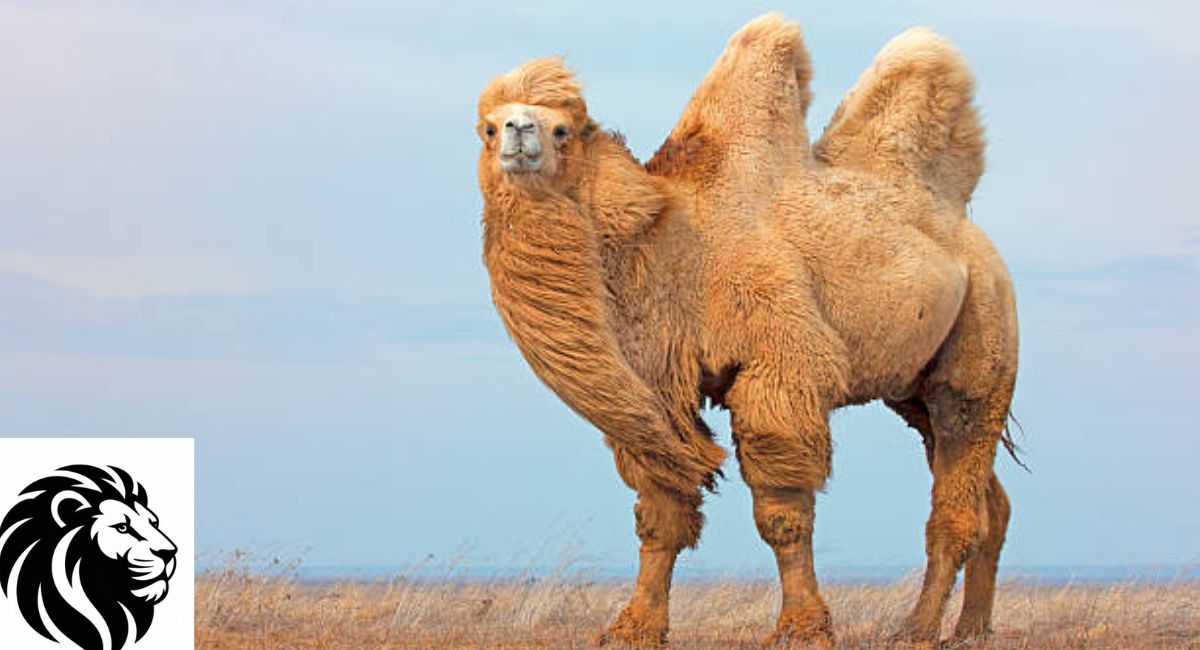
The Wild Bactrian Camel is one of the rarest mammals found in Asia. It survives in the deserts of China and Mongolia. Unlike domestic camels, this species has adapted to drinking salty water. Scientists estimate that only around one thousand individuals remain in the wild.
Extreme temperatures and habitat loss continue to threaten this remarkable animal. Conservation programs have helped establish protected areas. Researchers also study its genetic diversity to support long-term survival. The Wild Bactrian Camel represents one of the oldest surviving camel species on Earth.
Kakapo

The Kakapo is a unique flightless parrot native to New Zealand. It is famous for its owl-like face and friendly personality. This nocturnal bird can live for several decades. Intensive conservation efforts have helped increase its population.
Predators introduced by humans nearly drove the Kakapo to extinction. Wildlife experts moved the birds to predator-free islands. Careful breeding programs continue to improve their numbers. Today, the Kakapo stands as one of the greatest success stories in wildlife conservation.
Philippine Eagle

The Philippine Eagle is among the largest and rarest birds of prey in the world. It inhabits the tropical forests of the Philippines. Its powerful beak and sharp eyesight make it an excellent hunter. However, deforestation has reduced much of its natural habitat.
Conservation groups work closely with local communities to protect nesting sites. Captive breeding programs also support population growth. The Philippine Eagle symbolizes national pride and environmental awareness. Saving this species helps preserve valuable forest ecosystems.
California Condor

The California Condor is North America’s largest flying bird. During the twentieth century, the species nearly vanished completely. Habitat destruction and lead poisoning caused severe population declines. At one point, only a few individuals remained alive.
Scientists launched one of the most successful species recovery programs in history. Captive breeding efforts helped increase the population. Today, condors once again soar across parts of the United States. Their recovery demonstrates the power of dedicated conservation.
White-Winged Flufftail

The White-Winged Flufftail is one of the world’s rarest birds. It inhabits wetlands in Ethiopia and South Africa. Because of its secretive behavior, people rarely observe it in the wild. Experts estimate that fewer than one hundred individuals survive.
Wetland destruction remains the greatest danger to this species. Conservation organizations focus on preserving important habitats. Monitoring programs provide valuable information about breeding populations. Protecting wetlands benefits many other forms of wildlife as well.
Purple Frog
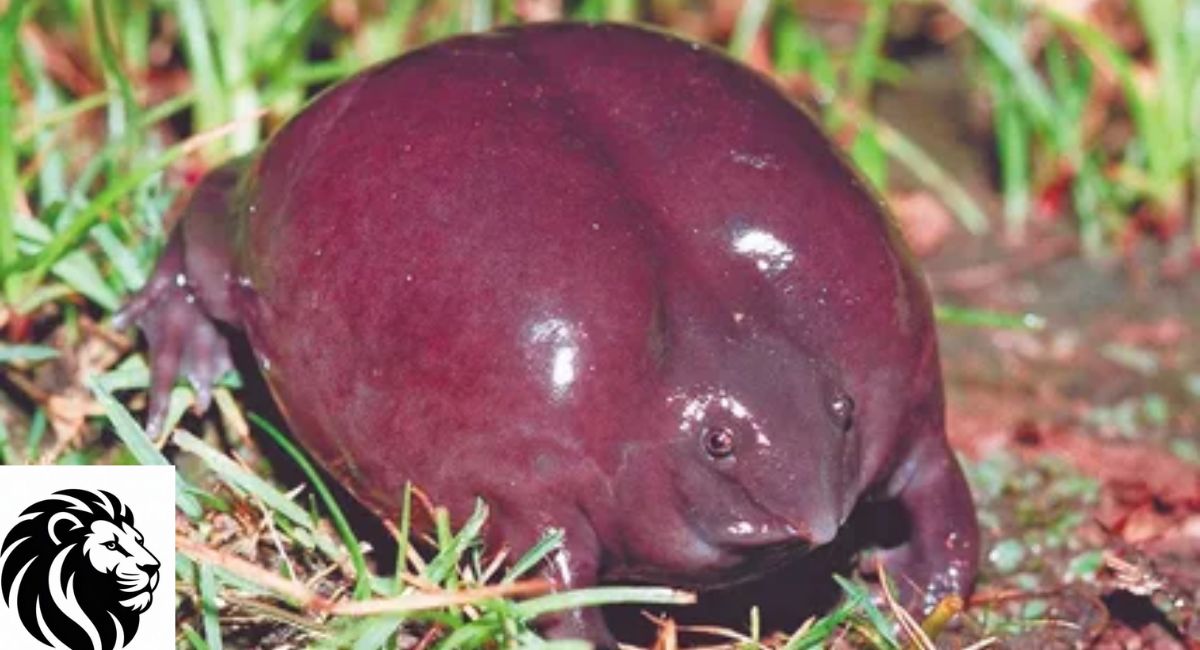
The Purple Frog is one of the strangest amphibians on Earth. It spends most of its life underground and appears above the surface only during the breeding season. This unusual species is found mainly in India. Its bloated body and pointed snout make it easy to recognize.
Habitat loss threatens the Purple Frog’s survival. Scientists consider it a living evolutionary treasure because of its ancient lineage. Preserving forests helps maintain suitable breeding areas. This fascinating creature demonstrates the extraordinary diversity found in nature.
Northern Darwin’s Frog

The Northern Darwin’s Frog is a tiny amphibian native to South America. Male frogs display an unusual behavior by carrying developing young inside their vocal sacs. This remarkable adaptation makes the species truly unique. Unfortunately, disease and habitat destruction have reduced populations.
Researchers continue studying the causes behind its decline. Conservation programs aim to restore healthy habitats. Protecting freshwater ecosystems benefits many amphibian species. The Northern Darwin’s Frog represents one of the most unusual examples of parental care in the animal kingdom.
Philippine Crocodile

The Philippine Crocodile is one of the rarest reptiles in the world. It inhabits freshwater wetlands and rivers throughout the Philippines. Human activities and habitat destruction have severely reduced its numbers. Despite its fearsome appearance, attacks on humans are extremely rare.
Conservation organizations work to educate local communities about the species. Protected breeding areas have helped increase populations. Scientists closely monitor individuals in the wild. These efforts offer hope for the future of this endangered reptile.
Maui Dolphin

The Maui Dolphin is one of the smallest and rarest dolphins on Earth. It lives off the coast of New Zealand. Accidental entanglement in fishing nets remains the biggest threat to its survival. Only a small population remains in the wild.
Government restrictions have reduced some of these dangers. Marine protected areas provide safer habitats for breeding. Researchers use photo identification techniques to track individuals. Continued conservation efforts are critical for preserving this beautiful marine mammal.
Mediterranean Monk Seal

The Mediterranean Monk Seal is one of the rarest seals in the world. It inhabits secluded caves and coastlines around the Mediterranean Sea. Hunting and coastal development once pushed the species close to extinction. Today, several hundred individuals remain.
Conservation measures have improved breeding success. Protected marine reserves support population recovery. Scientists continue monitoring important habitats. The species serves as an important indicator of ocean health.
Cute Rare Animals You Should Know About
Some rare creatures are not only fascinating but also incredibly adorable. Their unique appearances and charming behaviors have captured the hearts of wildlife lovers around the world. Many of these animals have small populations and face serious threats. Protecting them helps maintain healthy ecosystems and preserves Earth’s incredible biodiversity.
Several of these animals are found in isolated regions where habitat destruction and climate change have become major concerns. Scientists continue developing conservation strategies to safeguard these remarkable species. Their survival depends on public awareness and continued support for biodiversity conservation.
Red Panda

The Red Panda is one of the cutest animals found in Asia. Its reddish fur and fluffy tail make it resemble a living teddy bear. These gentle creatures spend most of their lives in trees. Bamboo forms an important part of their diet.
Despite their popularity, Red Pandas face serious threats from habitat loss. Forest destruction has fragmented their populations. Conservation programs help protect their mountain habitats. The species remains one of the most beloved examples of endangered wildlife.
Ili Pika

The Ili Pika is a tiny mammal found in the mountains of China. Its round ears and smiling face have earned it the nickname “magic rabbit.” Scientists discovered this species in the 1980s. Very few people have ever seen one in the wild.
Climate change threatens its fragile mountain habitat. Rising temperatures force these animals to move to higher elevations. Researchers continue monitoring their populations. The Ili Pika remains one of the world’s most mysterious and charming mammals.
Pygmy Three-Toed Sloth

The Pygmy Three-Toed Sloth lives on a small island off the coast of Panama. It moves slowly and spends most of its life hanging upside down in trees. This species is smaller than other sloths and has adapted to island life.
Habitat destruction has caused severe population declines. Scientists believe only a small number remain. Conservation efforts focus on preserving mangrove forests. Protecting these habitats supports the long-term survival of this unique animal.
Greater Bamboo Lemur

The Greater Bamboo Lemur is one of Madagascar’s rarest primates. It feeds mainly on giant bamboo, which makes its diet highly specialized. These fascinating animals live in small family groups inside tropical forests. Their expressive eyes and playful behavior make them especially appealing.
Deforestation has greatly reduced suitable habitats for the species. Scientists estimate that only a small population remains in the wild. Conservation projects focus on protecting Madagascar’s forests. Preserving these habitats helps many other rare species survive.
Numbat

The Numbat is a unique marsupial found in Australia. It has a long tongue that allows it to feed on thousands of termites every day. Its striped body gives it a distinctive appearance. Unlike many marsupials, the Numbat is active during daylight hours.
Introduced predators such as foxes have contributed to population decline. Wildlife reserves now provide safer environments for breeding. Conservation programs have helped stabilize numbers. The Numbat remains one of Australia’s most remarkable examples of wildlife preservation.
Mountain Pygmy Possum

The Mountain Pygmy Possum is a tiny marsupial native to Australia’s alpine regions. It spends much of the year hibernating beneath snow-covered rocks. This rare animal depends on a limited food supply and very specific environmental conditions. Climate change threatens its delicate habitat.
Scientists continue developing innovative conservation strategies. Artificial tunnels have helped the possums move safely between habitats. These efforts have improved breeding success. The species highlights the importance of protecting mountain ecosystems.
Rare Exotic Animals From Around the World
Every continent contains extraordinary creatures that many people have never heard about. These unusual animals often inhabit isolated regions and possess remarkable adaptations. Some have survived for millions of years, while others face severe threats because of human activities. Their existence highlights the incredible richness of Earth’s ecosystems.
Scientists consider many of these animals important indicators of environmental health. Their survival reflects the condition of forests, rivers, and grasslands. Protecting these species contributes to ecosystem balance and supports countless other forms of life. Conservation efforts continue to play a vital role in safeguarding these treasures.
African Wild Dog

The African Wild Dog is one of Africa’s most effective predators. It lives in highly organized packs that cooperate during hunts. Unlike many carnivores, these animals share food with injured or weaker members of the group. Their social behavior is among the most advanced in the animal kingdom.
Habitat fragmentation has reduced their range significantly. Human conflict also threatens their survival. Protected reserves provide safe spaces for breeding populations. Conservationists continue working to ensure the future of this remarkable predator.
Mountain Gorilla

The Mountain Gorilla is one of the world’s most famous primates. These gentle giants inhabit forests in central Africa. They live in family groups led by dominant silverback males. Despite their strength, they are peaceful and highly intelligent animals.
Conservation efforts have produced encouraging results. Ecotourism has generated funding for habitat protection. Veterinary teams monitor the health of wild gorillas. Today, their population is slowly increasing, providing hope for one of the world’s most iconic threatened species.
Black Rhino
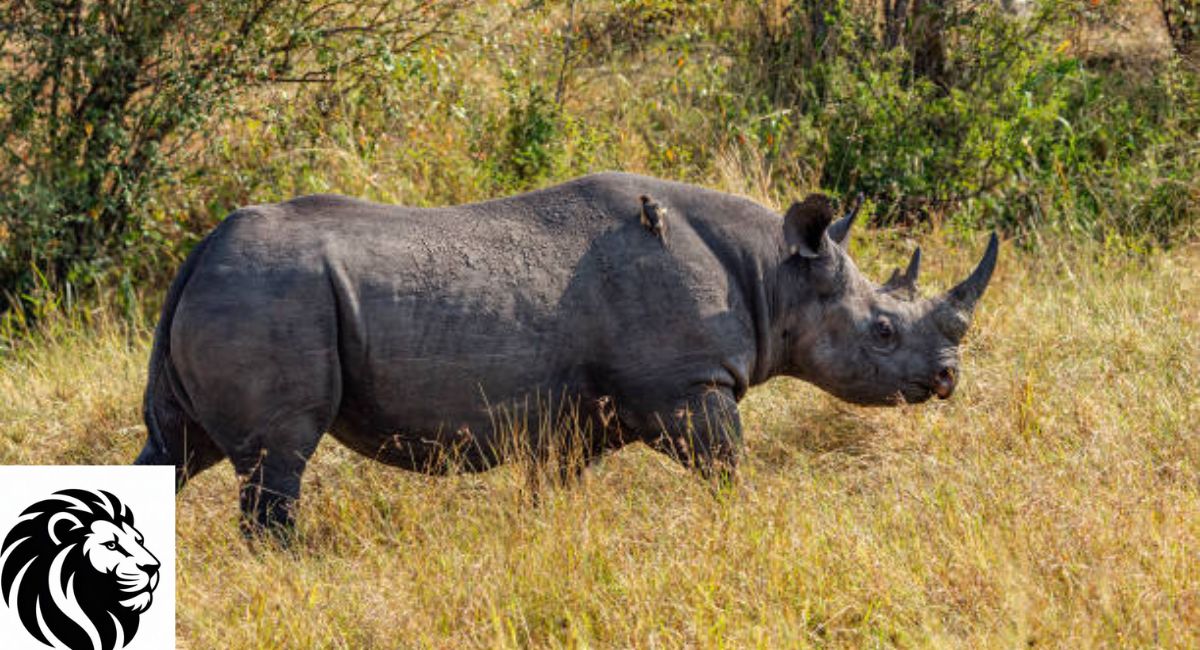
The Black Rhino is one of Africa’s most endangered mammals. Its hooked upper lip allows it to feed on shrubs and bushes. Poaching for rhino horns caused dramatic population declines during the twentieth century. Strict protection measures have helped stabilize numbers.
Wildlife authorities continue combating illegal trade networks. Protected reserves offer safe habitats for breeding populations. Modern tracking technologies assist conservation efforts. The Black Rhino remains a symbol of global wildlife conservation.
Pangolin

Pangolins are among the most unusual mammals on Earth. Their bodies are covered with protective scales made of keratin. When threatened, they curl into a tight ball to defend themselves. These nocturnal creatures feed mainly on ants and termites.
Unfortunately, Pangolins are heavily targeted by illegal wildlife traffickers. Demand for their scales and meat has placed immense pressure on populations. Conservation organizations work tirelessly to stop illegal trade. Protecting Pangolins is essential for preserving biodiversity.
Malayan Tiger

The Malayan Tiger is one of the rarest tiger subspecies. It inhabits tropical forests in Southeast Asia. This powerful predator helps regulate prey populations and maintain healthy ecosystems. Fewer individuals remain today because of habitat destruction and poaching.
National parks provide important refuges for the species. Camera traps allow scientists to monitor populations. Conservation awareness programs involve local communities in protection efforts. The Malayan Tiger represents one of Asia’s most endangered big cats.
Golden Lion Tamarin
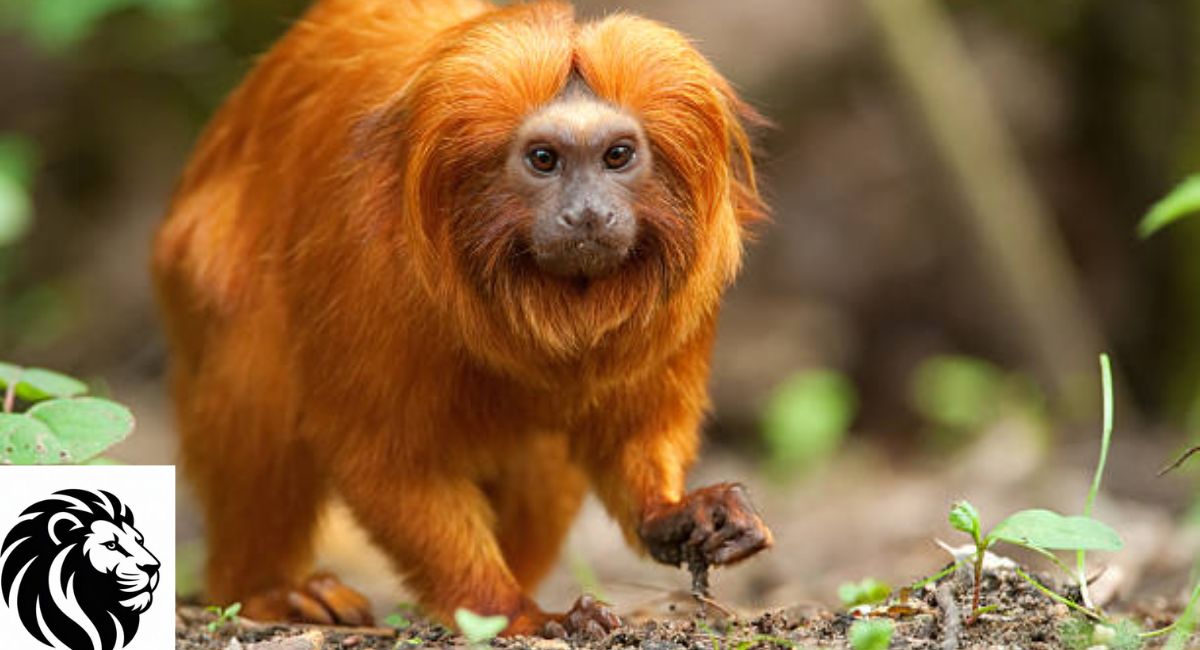
The Golden Lion Tamarin is a small monkey with bright orange fur. Native to Brazil, it spends most of its life in trees. Its striking appearance has made it one of the most recognizable primates in South America. These animals play an important role in seed dispersal.
Habitat destruction once brought the species close to extinction. Breeding and reintroduction programs have improved numbers. Protected forests continue supporting population recovery. The Golden Lion Tamarin demonstrates how successful conservation can restore endangered species.
Chacoan Peccary

The Chacoan Peccary was once believed to be extinct. Scientists later rediscovered this unusual mammal in South America. It resembles a wild pig and inhabits dry forests and grasslands. Thick skin helps protect it from thorny vegetation.
Agricultural expansion threatens much of its habitat. Conservation programs focus on preserving native ecosystems. Researchers continue studying its behavior and population trends. This rediscovered species represents one of nature’s most fascinating surprises.
Northern Hairy-Nosed Wombat

The Northern Hairy-Nosed Wombat is one of the world’s rarest marsupials. It spends most of its life underground inside extensive burrow systems. These nocturnal animals feed primarily on grasses. Their slow reproduction contributes to their vulnerability.
Australian conservation programs have helped increase population numbers. Fenced reserves protect them from predators. Scientists monitor breeding success carefully. Continued efforts remain essential for securing the future of this extraordinary species.
Rare Animals of the Amazon Rainforest
The Amazon rainforest is often called the lungs of the Earth. It contains millions of plant and animal species, many of which are found nowhere else. Dense forests, winding rivers, and humid conditions create perfect habitats for some of the world’s most extraordinary wildlife. Scientists still discover new species in this region every year.
However, deforestation and climate change threaten this natural wonder. Illegal logging and agricultural expansion continue destroying valuable ecosystems. Protecting the Amazon is essential for maintaining biodiversity hotspots and preserving countless species. Conservation efforts in this region affect the health of the entire planet.
Amazon River Dolphin
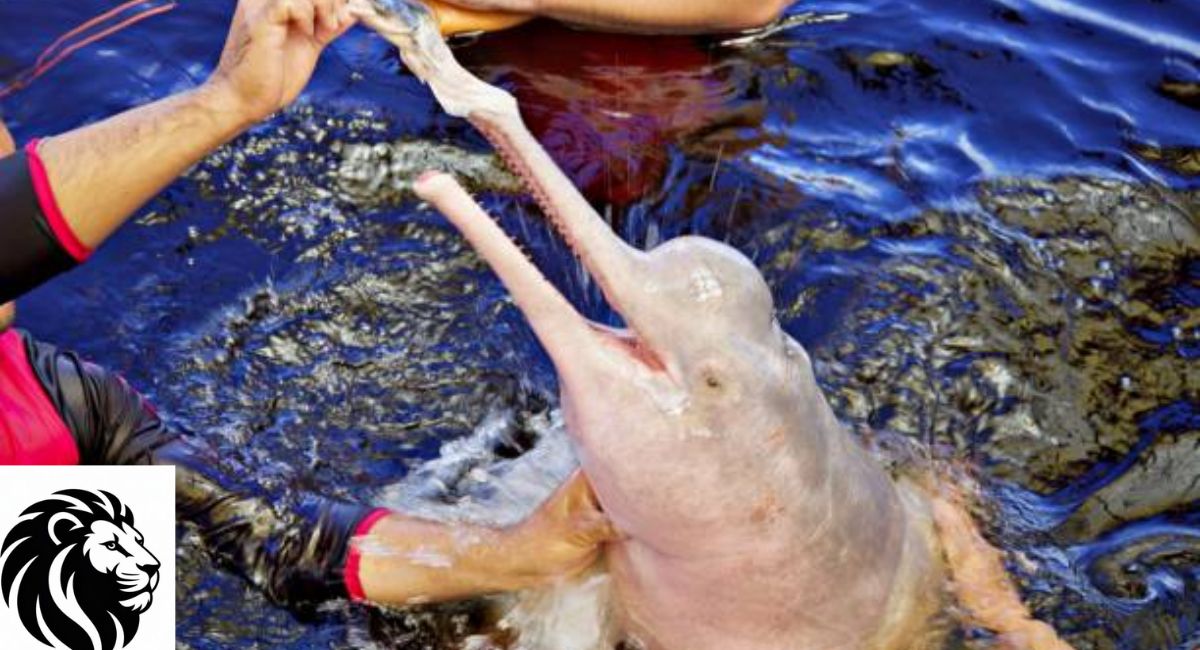
The Amazon River Dolphin, also known as the Pink Dolphin, is one of the most unusual freshwater mammals. Its pink coloration becomes more noticeable as it ages. These intelligent creatures navigate murky waters using echolocation. They inhabit rivers and flooded forests throughout the Amazon Basin.
Pollution and habitat destruction threaten their survival. Fishing activities also pose serious risks. Scientists continue studying their behavior and migration patterns. Protecting river ecosystems is vital for the future of this extraordinary species.
Harpy Eagle

The Harpy Eagle is one of the most powerful birds of prey in the Amazon rainforest. It has massive talons and a strong body built for hunting monkeys and sloths. This rare eagle prefers tall, untouched forests where it can build large nests high in the canopy. Its striking crown feathers make it look almost mythical.
Deforestation is the biggest threat to this majestic bird. When trees disappear, nesting sites vanish quickly. Conservationists protect large forest zones to help its survival. The Harpy Eagle reflects the health of the Amazon ecosystem and remains a key indicator species.
Poison Dart Frog
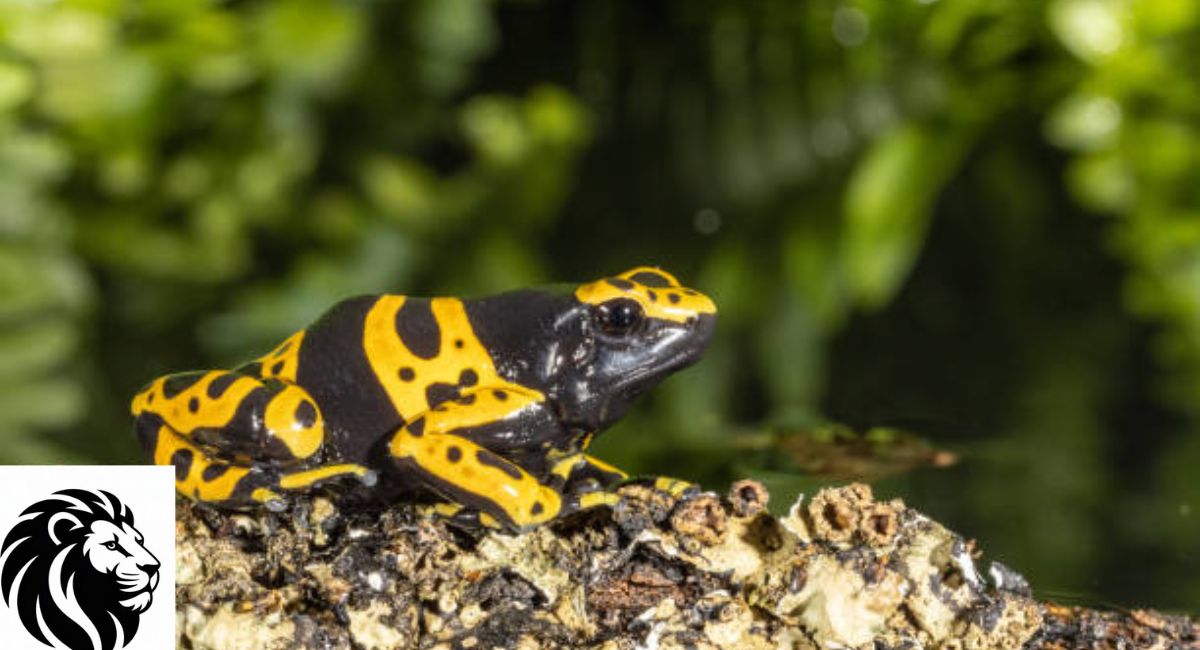
The Poison Dart Frog is one of the most colorful and fascinating amphibians in the Amazon. Its bright skin colors warn predators about its toxic nature. Despite its small size, it plays a big role in maintaining ecological balance in forest floors. Different species show unique color patterns.
Habitat destruction and pollution threaten these frogs significantly. Many species depend on very specific microhabitats. Scientists study their toxins for potential medical uses. These frogs represent the delicate nature of tropical ecosystems and rare amphibians diversity.
Black Caiman

The Black Caiman is one of the largest predators in the Amazon waterways. It can grow to impressive lengths and dominates river ecosystems. This powerful reptile feeds on fish, birds, and small mammals. It plays an important role in controlling aquatic populations.
Illegal hunting once reduced its numbers drastically. Conservation laws now protect many populations. However, habitat degradation remains a concern. The Black Caiman is a crucial part of maintaining balance in freshwater ecosystems.
South American Tapir
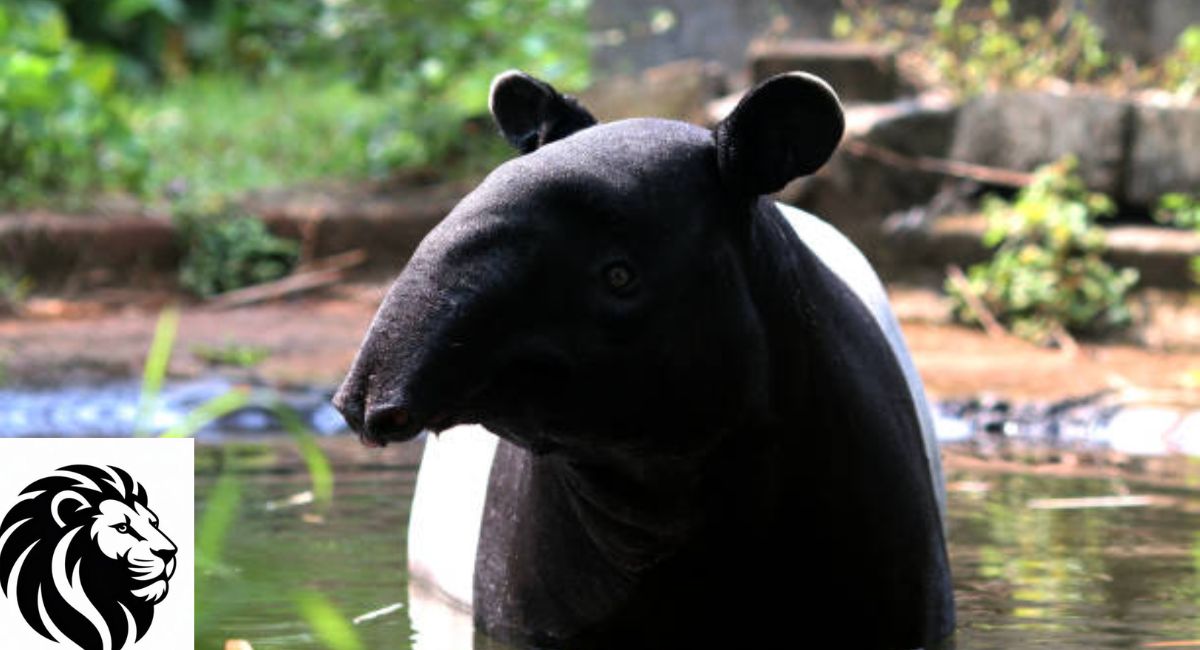
The South American Tapir is one of the oldest surviving mammals in the Amazon. It has a unique, trunk-like snout used for grabbing leaves and fruits. These shy animals help forests grow by dispersing seeds across large distances. They are mostly active at night.
Deforestation and hunting have reduced their population. Conservation programs aim to protect forest corridors. Their survival is essential for maintaining rainforest regeneration. Tapirs are often called “gardeners of the forest” because of their ecological role.
Queen Alexandra’s Birdwing Butterfly

The Queen Alexandra’s Birdwing Butterfly is the rarest butterfly in the world and is found only in Papua New Guinea. It is also the largest butterfly species, with females having a wingspan of up to 11 inches. Habitat destruction caused by deforestation has greatly reduced its population.
Why Are Rare Animals Becoming Extinct?
Rare animals are disappearing mainly because humans are changing natural environments too quickly. Forests are cut down for agriculture, cities expand into wild areas, and rivers become polluted. These changes reduce food sources and destroy habitats. As a result, many threatened species struggle to survive in shrinking ecosystems.
Climate change also adds pressure by altering temperature patterns and rainfall cycles. Animals that depend on stable conditions cannot adapt quickly enough. Illegal wildlife trade continues to remove individuals from already small populations. Together, these factors create a serious risk for global biodiversity loss.
Conservation Efforts to Save Rare Animals
Conservation efforts focus on protecting habitats, restoring populations, and reducing human impact. National parks, wildlife reserves, and protected marine zones help safeguard endangered species. Scientists use tracking devices, DNA studies, and camera traps to understand animal behavior and movement patterns.
Organizations like WWF and IUCN support global conservation programs. Captive breeding has helped species like the California Condor recover. Community involvement also plays a key role in protecting wildlife. Education and awareness encourage people to support wildlife preservation and sustainable living practices.
Amazing Facts About Rare Animals
Rare animals often have extraordinary abilities and adaptations. Some species survive in extreme environments, while others have unique reproductive behaviors. The Kakapo, for example, can live for decades and only breeds under specific conditions. The Purple Frog spends most of its life underground and appears only during heavy rains.
Scientists sometimes rediscover species thought to be extinct, which brings hope to conservation efforts. These moments show that nature is still full of surprises. Rare animals also act as keystone species, meaning their survival helps entire ecosystems remain balanced and healthy.
Conclusion
Rare animals are more than just unusual creatures. They are essential parts of Earth’s ecosystems. Every species plays a role in maintaining balance in nature. When one disappears, the entire system can be affected. Protecting endangered wildlife is not only a scientific responsibility but also a moral one.
The future of rare animals depends on global awareness and action. Conservation programs, habitat protection, and sustainable practices can help preserve these incredible species. If we act wisely today, future generations will still be able to witness the beauty of the world’s rarest animals.
FAQs
1. What is the rarest animal on Earth?
The Vaquita is considered the rarest animal on Earth, with fewer than 10 individuals left in the wild in Mexico.
2. Why are rare animals important?
Rare animals help maintain ecosystem balance and biodiversity. Losing them can disrupt entire food chains and natural habitats.
3. Which is the cutest rare animal in the world?
Animals like the Red Panda, Kakapo, and Ili Pika are often called cute rare animals due to their unique and adorable appearance.
4. Where do most rare animals live?
Many rare animals live in remote regions such as the Amazon rainforest, African savannas, Asian forests, and isolated islands.
5. How can we help protect rare animals?
We can support conservation groups, reduce pollution, avoid illegal wildlife products, and protect natural habitats to save endangered wildlife.

Welcome to natureanimalhub! I’m Anam Sattar, an AI Powered SEO, and Content Writer with 4 years of experirnce.
I help websites rank higher,grow traffic, and look amazing. My goal is to make SEO and web design simple and effective for everyone.
Let’s achieve more together!