

The animal kingdom includes a fascinating variety of species, and animals that start with A represent a diverse collection of mammals, birds, reptiles, amphibians, fish, and insects. From the unusual aardvark to the powerful alligator, these animals live in habitats ranging from deserts and grasslands to forests, rivers, and oceans.
Learning about animals alphabetically can be a simple and enjoyable way to understand biodiversity. Some animals beginning with A are familiar household or zoo animals, while others are rarely seen outside their natural habitats. Each species has unique physical features, behaviors, diets, and survival strategies that help it thrive in its environment.
Aardvark and Aardwolf
The aardvark is one of the most distinctive animals that starts with A. Native to much of sub-Saharan Africa, it has a long snout, large ears, strong claws, and a powerful sense of smell. Aardvarks primarily feed on ants and termites. Their long, sticky tongues help them collect insects from underground nests.
Aardvarks are mostly nocturnal and spend much of their active time searching for food. They are also excellent diggers and can create burrows that provide shelter from predators and extreme temperatures.
The aardwolf is another African mammal beginning with A. Despite its name, it is not a wolf. It belongs to the hyena family and has a diet consisting largely of termites. Its specialized tongue allows it to consume large numbers of insects without destroying the entire termite colony.
Both animals demonstrate how species can develop highly specialized feeding strategies. Their physical characteristics are closely connected to the food sources available in their environments.
Alligator and Anaconda
The alligator is a large reptile associated with freshwater habitats. American alligators are found mainly in the southeastern United States, while Chinese alligators are native to parts of eastern China. These reptiles have powerful jaws, muscular tails, and armored bodies that help them survive in aquatic environments.
Alligators are opportunistic predators and can consume fish, turtles, birds, mammals, and other animals. They often spend considerable time in water but can also move across land.
The anaconda is another famous animal beginning with A. Anacondas are large constricting snakes found in South America. The green anaconda is particularly well known for its massive body and semi-aquatic lifestyle. It spends much of its time in swamps, wetlands, slow-moving rivers, and other areas with abundant water.
Anacondas use constriction to subdue prey. Their diet can include fish, birds, reptiles, and mammals. Despite their intimidating reputation, these snakes generally prefer habitats where they can remain hidden and use the water to their advantage.
Alpaca and Antelope
The alpaca is a domesticated South American camelid related to the llama. It is especially valued for its soft, warm fiber, which has been used to produce clothing and textiles for centuries. Alpacas are social animals and are commonly raised in groups.
They are adapted to high-altitude environments and mainly feed on grasses and other vegetation. Their relatively gentle nature has also made them popular as livestock and companion animals in different parts of the world.
Antelope is a general term used for many hoofed mammals belonging to the family Bovidae. These animals vary greatly in size, appearance, and habitat. Examples include gazelles, impalas, kudus, and elands.
Many antelope species live in African grasslands, savannas, and woodlands, although some are found in other parts of the world. Their speed, alertness, and ability to detect predators are important survival traits. Some species can run at impressive speeds, while others rely more heavily on camouflage or living in groups.
Albatross and Arctic Tern
The albatross is a remarkable seabird known for its enormous wingspan and ability to glide over oceans for long distances. Instead of constantly flapping their wings, albatrosses use wind currents to travel efficiently across the sea.
These birds spend much of their lives over open water and return to land mainly for breeding. Their long-distance movements make them an important example of adaptation to marine environments. Some albatross species can travel thousands of miles while searching for food.
The Arctic tern is another extraordinary bird. It is famous for its long-distance migration between breeding grounds in the Arctic and wintering areas near Antarctica. This journey exposes the bird to two very different polar environments during different parts of the year.
Arctic terns feed mainly on small fish, marine invertebrates, and other suitable prey. Their migration is one of the most impressive seasonal movements in the animal world.
Axolotl, Angelfish, and Anglerfish
The axolotl is an unusual amphibian native to freshwater habitats around Mexico City. Unlike many amphibians, it can retain juvenile physical characteristics throughout adulthood. It has external gills and spends its life in water.
Axolotls are also known for their remarkable ability to regenerate certain body parts. Scientists have studied them extensively because of their unusual regenerative abilities and unique biology. Habitat loss and environmental pressures have made wild axolotls particularly important from a conservation perspective.
Angelfish refers to several groups of fish, including freshwater angelfish and marine angelfish. Freshwater angelfish are popular aquarium species and are native to slow-moving waters in South America.
Marine angelfish are found in tropical and subtropical seas, especially around coral reefs. Their bright colors and distinctive body shapes make them some of the most recognizable reef fish.
The anglerfish is another fascinating fish beginning with A. Many species live in deep ocean environments where sunlight is extremely limited. Some anglerfish have a specialized structure called an illicium that extends from the head and can help attract prey.
Ants, Armadillos, and Arctic Foxes
Ants are among the most widespread and successful insects on Earth. They live in organized colonies and display complex social behaviors. Different species can build nests underground, inside trees, under rocks, or in other protected locations.
Ants perform many ecological functions. Some disperse seeds, improve soil structure, consume other insects, or serve as food for numerous predators. Their colonies can contain large numbers of individuals working together.
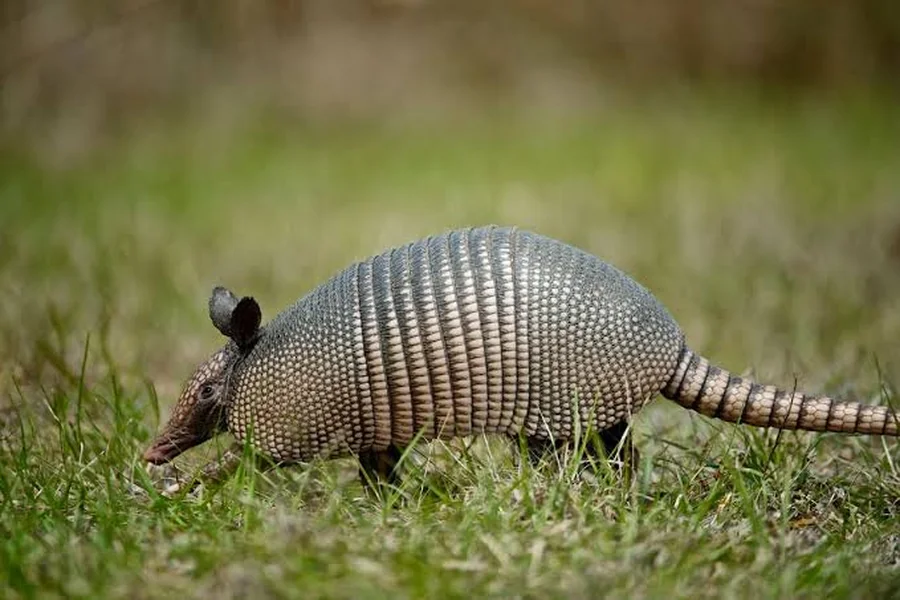
The armadillo is a mammal recognized by its protective armor. Most armadillo species are native to the Americas, and their habitats range from forests and grasslands to dry regions. They use their strong claws for digging and often search for insects and other small food items underground.
The Arctic fox is adapted to one of the coldest environments on Earth. It has dense fur that provides insulation and changes color seasonally in many populations. During winter, its coat can become white, helping it blend into snowy surroundings.
Arctic foxes eat a varied diet that may include small mammals, birds, eggs, fish, insects, and carrion. Their flexible feeding habits help them survive in an environment where food availability can change dramatically.
Final Thought
Animals that start with A demonstrate just how diverse the animal kingdom can be. From burrowing aardvarks and armored armadillos to ocean-flying albatrosses and deep-sea anglerfish, these species occupy remarkably different environments and have developed specialized ways to survive.
Studying these animals can also provide a broader understanding of ecosystems. Some species are predators, while others are herbivores, scavengers, pollinators, or important parts of aquatic food webs. Even animals that appear very different can have an important role in maintaining the balance of their habitats.
The letter A is only the beginning of the animal alphabet, but it already introduces an impressive range of species. Learning about their habitats, diets, behaviors, and adaptations is an engaging way to appreciate the variety of life on Earth.
FAQs
What are some animals that start with A?
Some animals that start with A include aardvark, aardwolf, alligator, anaconda, alpaca, antelope, albatross, Arctic fox, armadillo, axolotl, and anglerfish.
What is the largest animal that starts with A?
The albatross is among the largest flying birds by wingspan, while several large antelope species are among the biggest land mammals whose common names begin with A.
Is an axolotl an amphibian?
Yes, an axolotl is an amphibian. It is a salamander that is known for retaining juvenile features into adulthood and living primarily in water.
Are alpacas related to llamas?
Yes. Alpacas and llamas are closely related South American camelids. Both are domesticated animals, although they have different body sizes and traditional uses.
What do aardvarks eat?
Aardvarks mainly eat ants and termites. They use their strong claws to open insect nests and their long, sticky tongues to collect their food.
Where do anacondas live?
Anacondas are native to South America and are commonly associated with wetlands, swamps, rivers, and other areas with abundant water.
What makes Arctic foxes special?
Arctic foxes have several adaptations for surviving extreme cold, including dense insulating fur, compact body proportions, and seasonal coat changes in many populations.

Welcome to natureanimalhub! I’m Anam Sattar, an AI Powered SEO, and Content Writer with 4 years of experirnce.
I help websites rank higher,grow traffic, and look amazing. My goal is to make SEO and web design simple and effective for everyone.
Let’s achieve more together!