

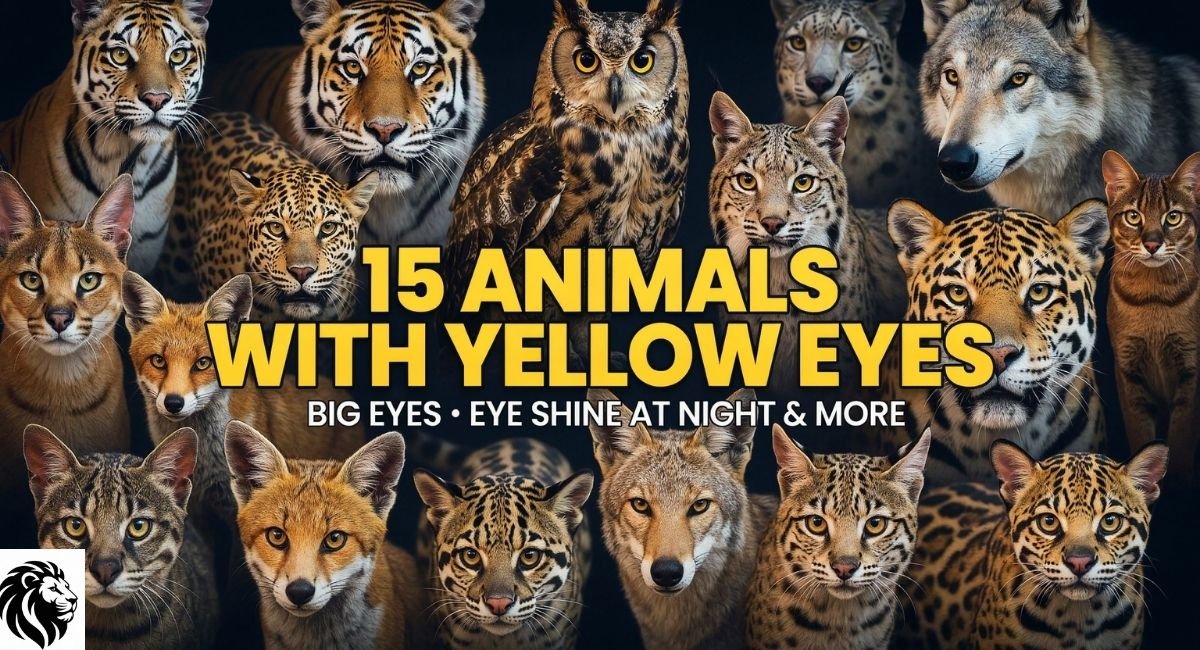
Have you ever spotted bright eyes staring at you from the darkness? Animals with yellow eyes often have a striking appearance that makes them easy to remember. Their eyes may look yellow, golden, amber, or orange depending on the species and lighting. Some creatures also show yellow eye shine when a flashlight or car headlight hits their eyes at night. Cats, owls, foxes, wolves, and several reptiles can display fascinating eye colors or reflections.
But what creates these unusual shades? Why do some animals seem to have glowing eyes after sunset? In this guide, you’ll discover 15 remarkable species, learn about night vision, and understand how eye reflection helps certain animals survive in low-light environments.
What Causes Animals to Have Yellow Eyes?
Yellow eyes can develop from pigments within the iris. In some species, yellow and golden shades come from specialized pigments that interact with light. Great Horned Owls, for example, have remarkably bright yellow irises. Other species show amber or golden tones instead of a pure lemon-yellow shade.
Lighting also changes what you see. A yellow iris can look golden in sunlight yet appear darker indoors. At night, reflected light may create an entirely different impression. Therefore, animal eye color and eye reflection shouldn’t always be treated as the same thing.
Why Do Some Animals Have Yellow or Golden Eyes?
Yellow and golden eyes give many animals a memorable appearance. The exact shade depends on pigments, iris structure, and the way light scatters through the eye. Amber eyes often sit between yellow and brown, creating a warm golden eye color that can look almost coppery in certain conditions.
In some species, the color remains vivid throughout adulthood. Domestic cats can have yellow, amber, or golden eyes, while many birds show bright yellow irises. Great Horned Owls are especially recognizable because their yellow eyes contrast sharply with their darker facial feathers.
How Eye Color Helps Animals Survive
Eye color itself doesn’t automatically provide superior vision. Instead, survival depends heavily on the eye’s internal structure, pupil shape, retina, and surrounding anatomy. Predators need to detect movement quickly, judge distance, and locate prey when visibility becomes poor.
For instance, many nocturnal animals possess specialized eyes that gather available light efficiently. Their pupils can also change size rapidly. These adaptations work together like a natural camera system, helping an animal remain alert when the landscape becomes dark.
Why Do Animals’ Eyes Shine Yellow at Night?
A nighttime eye may seem to glow because incoming light reflects back toward the observer. In many mammals, the tapetum lucidum helps redirect light through the retina. This can improve vision in dim conditions while also producing the familiar eyeshine seen in headlights.
Interestingly, the reflected color isn’t identical across every species. Tissue structure, reflective properties, viewing angle, and light intensity can all affect the final color. Coyotes, raccoons, and Great Horned Owls can produce yellow-looking eyeshine under suitable conditions.
Quick Comparison: Animals With Yellow Eyes
| Animal | Eye Appearance | Typical Activity | Notable Feature |
| Domestic Cat | Yellow to amber | Day and night | Strong reflective eyeshine |
| Great Horned Owl | Bright yellow | Mostly night | Large forward-facing eyes |
| Burrowing Owl | Yellow | Day and night | Often active in daylight |
| Gray Wolf | Yellow to amber | Day and night | Strong visual awareness |
| Red Fox | Amber/yellowish | Twilight and night | Noticeable eyeshine |
| Coyote | Yellow/amber | Twilight and night | Yellow eyeshine can occur |
| African Lion | Golden/amber | Day and night | Excellent movement detection |
| Leopard | Yellow/gold | Mostly night | Strong low-light hunting ability |
| Jaguar | Golden/amber | Day and night | Adaptable forest predator |
| American Alligator | Yellowish | Day and night | High-set eyes and vertical pupils |
| Leopard Gecko | Golden/yellowish | Twilight and night | Large specialized eyes |
| Green Iguana | Golden/yellowish | Day | Strong daytime vision |
| Bald Eagle | Bright yellow | Day | Exceptional distance vision |
| Osprey | Yellow | Day | Excellent vision for finding fish |
| Yellow-Eyed Penguin | Yellow | Day | Yellow iris and head band |
15 Animals With Yellow Eyes
From backyard visitors to powerful predators, yellow eyes occur across several animal groups. Some species have genuinely yellow irises, while others are better described as golden or amber-eyed. The following examples show how diverse yellow-eyed animals can be.
1. Domestic Cat
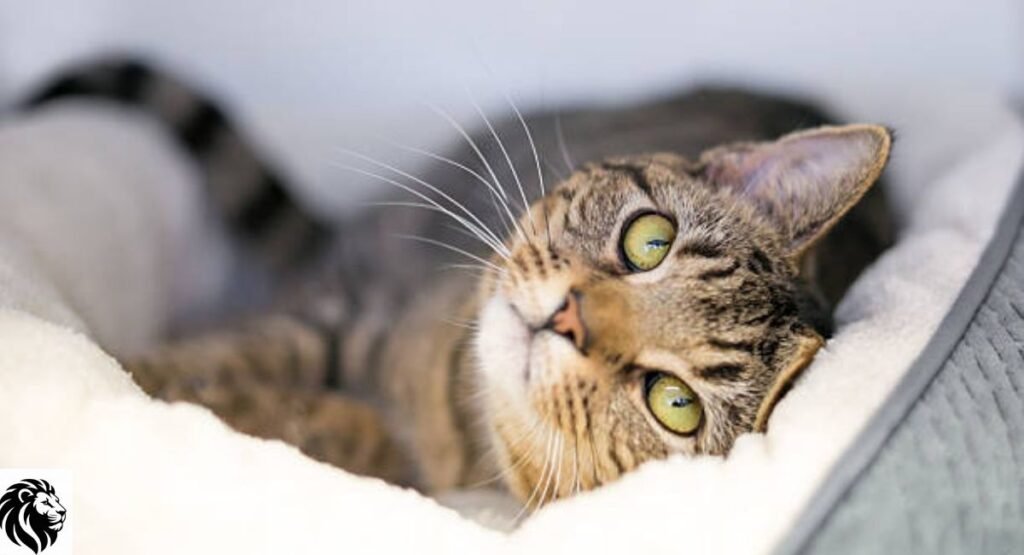
Domestic cats can have beautiful yellow, gold, and amber eyes. Their eye color varies among breeds and individuals, with shades ranging from pale yellow to deep golden tones. When a flashlight hits a cat’s eyes in darkness, reflective tissue can make them appear remarkably bright.
2. Great Horned Owl
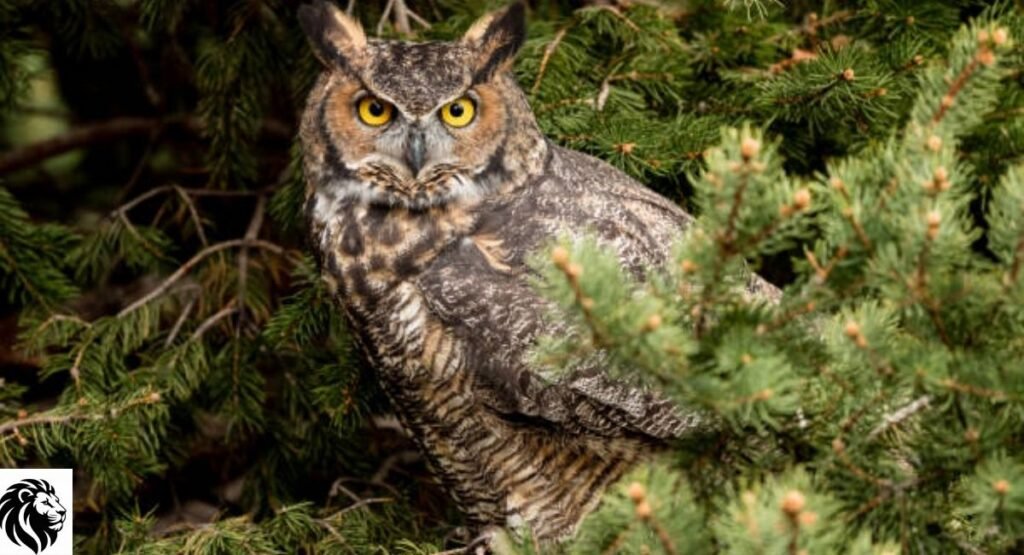
The Great Horned Owl has some of the most recognizable yellow eyes in North American wildlife. Its large yellow irises stand out against its dark facial pattern. The species hunts mainly during low-light periods, making its impressive eyes an important part of its hunting equipment.
3. Burrowing Owl
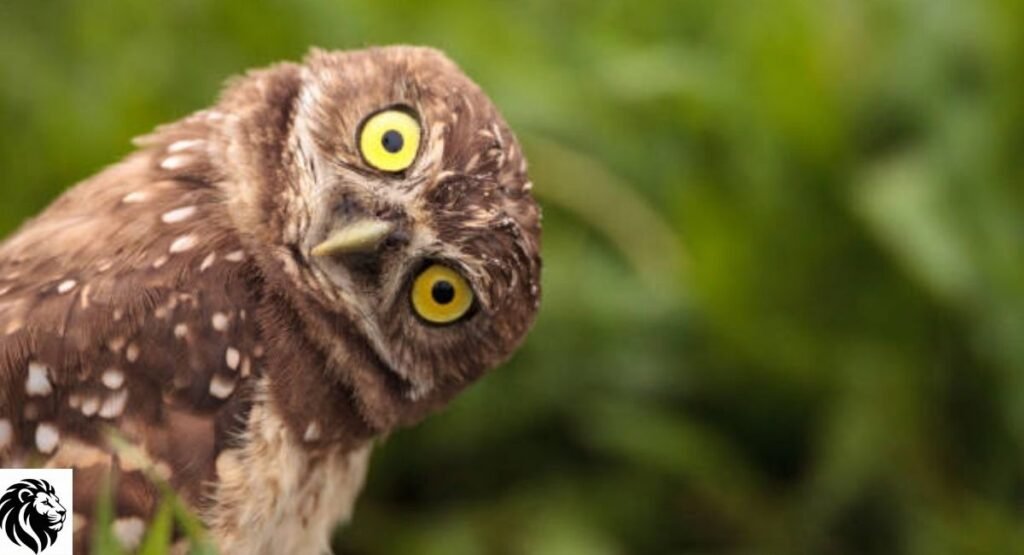
The Burrowing Owl has vivid yellow eyes that contrast beautifully with its small body and sandy plumage. Unlike many owls, it often remains active during daylight. Its eyesight helps it locate insects and small animals while moving through open grasslands and other exposed habitats.
4. Gray Wolf
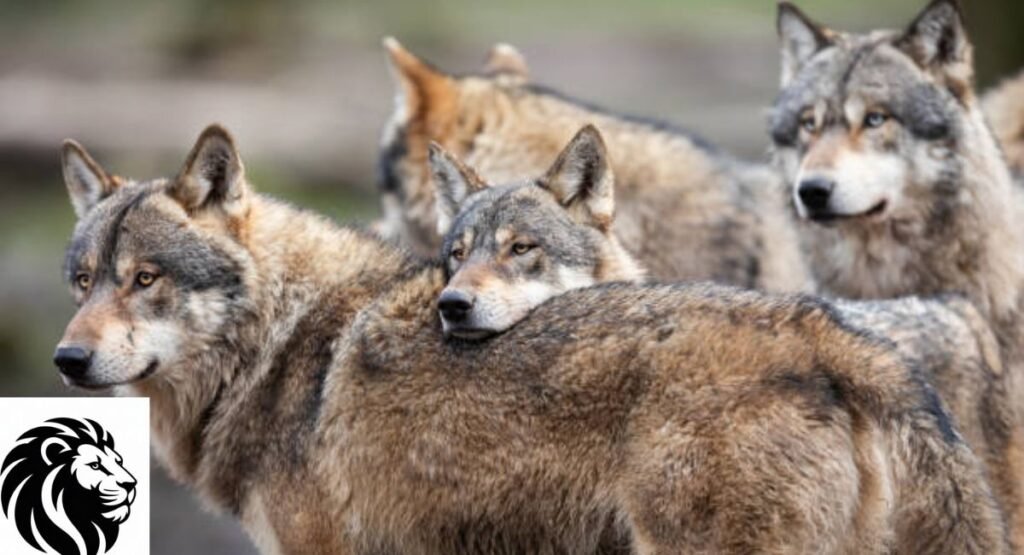
Gray Wolves can display yellow, amber, or golden-looking eyes. Their gaze can appear especially intense because of the contrast between the iris and their facial fur. Wolves also remain active during twilight and darkness, when strong visual awareness helps them travel, hunt, and monitor their surroundings.
5. Red Fox
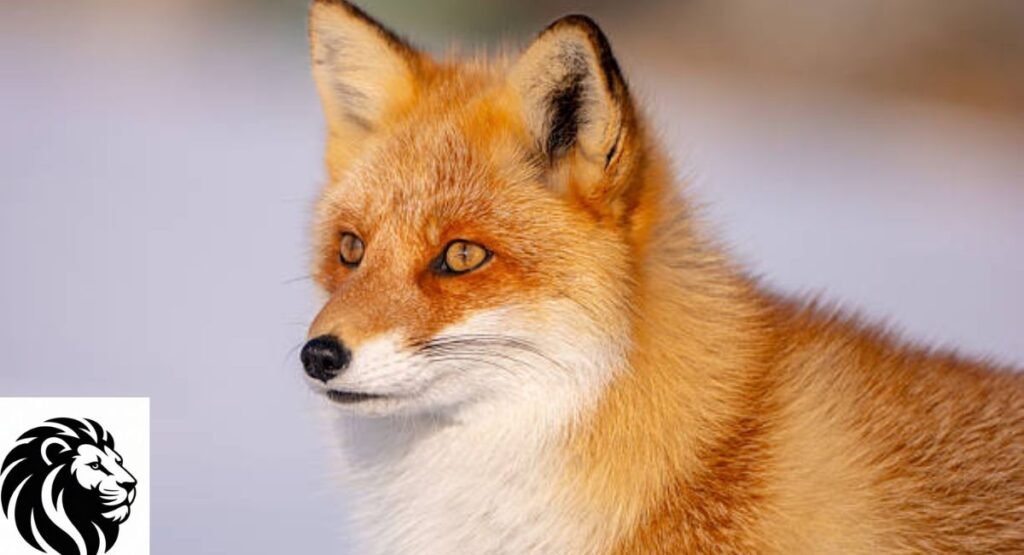
The Red Fox is another familiar example of an animal with striking amber or yellowish eyes. Its eyes can appear particularly dramatic after sunset. When artificial light reaches the eye from the correct angle, reflected light can create noticeable fox eyeshine, although the color may vary.
6. Coyote
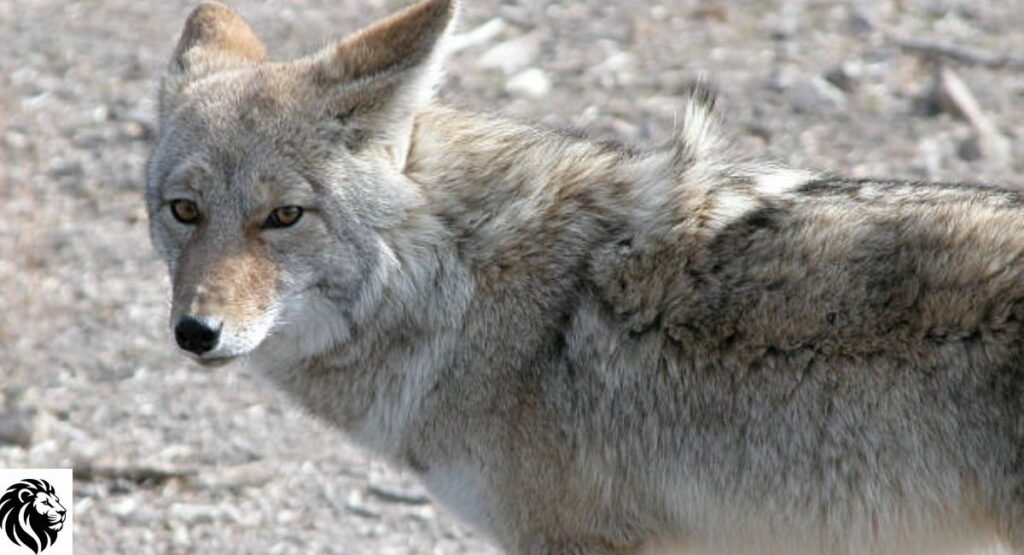
Coyotes often have yellow, amber, or golden-looking eyes. Their nighttime eyeshine can make them easier to notice beside roads or open fields. The reflected appearance depends on viewing conditions rather than simply the animal’s natural iris color. Yellow eyeshine is a recognized clue when identifying nighttime wildlife.
7. African Lion
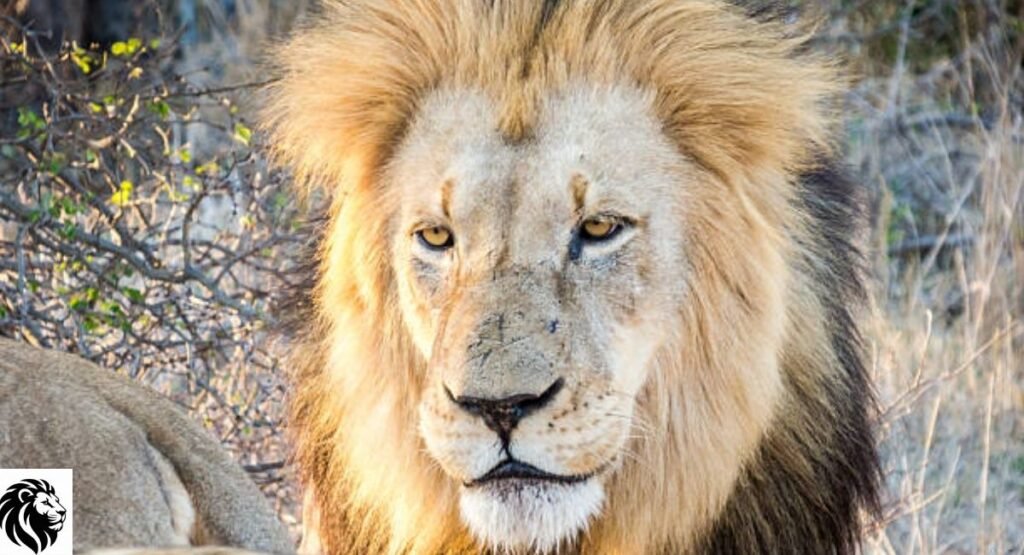
African Lions can have golden, amber, or yellow-brown eyes that blend naturally with their tawny coats. Their vision helps them track movement across open landscapes. Although lions can hunt at night, their eyesight isn’t based on eye color alone. Retinal structure and pupil control play larger roles.
8. Leopard
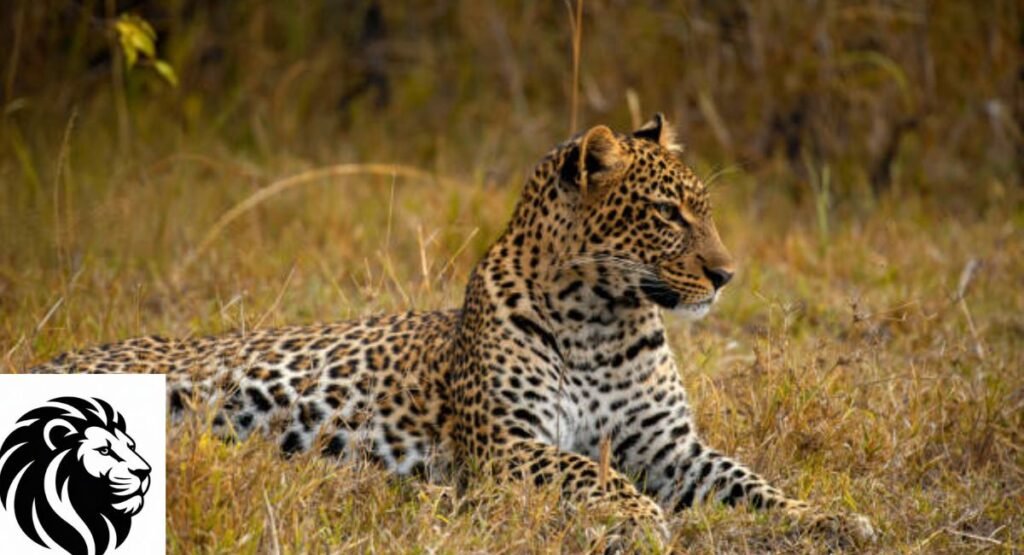
Leopards often have golden or yellowish eyes that give their faces a powerful expression. These solitary predators frequently move during darkness or twilight. Their visual system helps them detect movement in woodland habitats, where shadows can hide both prey and competitors.
9. Jaguar
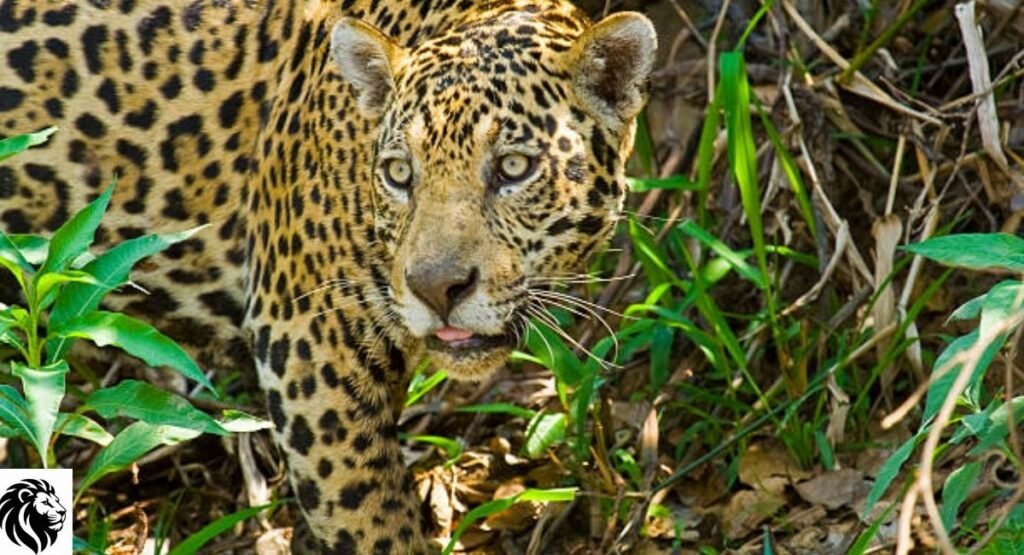
Jaguars can show golden, yellow, or amber-looking eyes. Their strong visual abilities support hunting in forests, wetlands, and other complex habitats. Because jaguars may hunt during both day and night, they need flexible vision rather than relying exclusively on darkness-adapted eyesight.
10. American Alligator
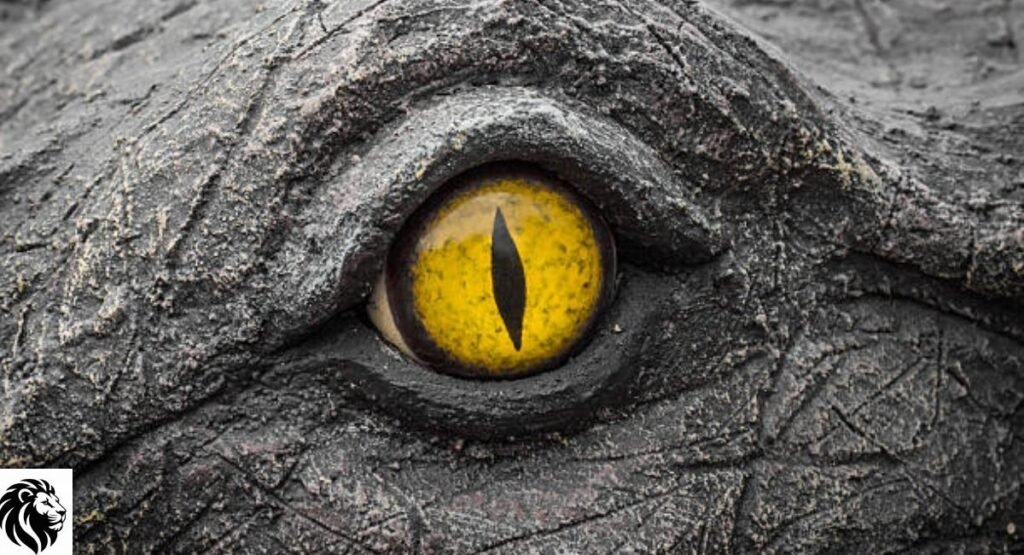
American Alligators have distinctive yellowish eyes with vertical pupils. Their eyes sit high on the head, allowing them to watch their surroundings while much of the body remains submerged. This arrangement gives the alligator a useful visual advantage when waiting quietly near the water’s edge.
11. Leopard Gecko
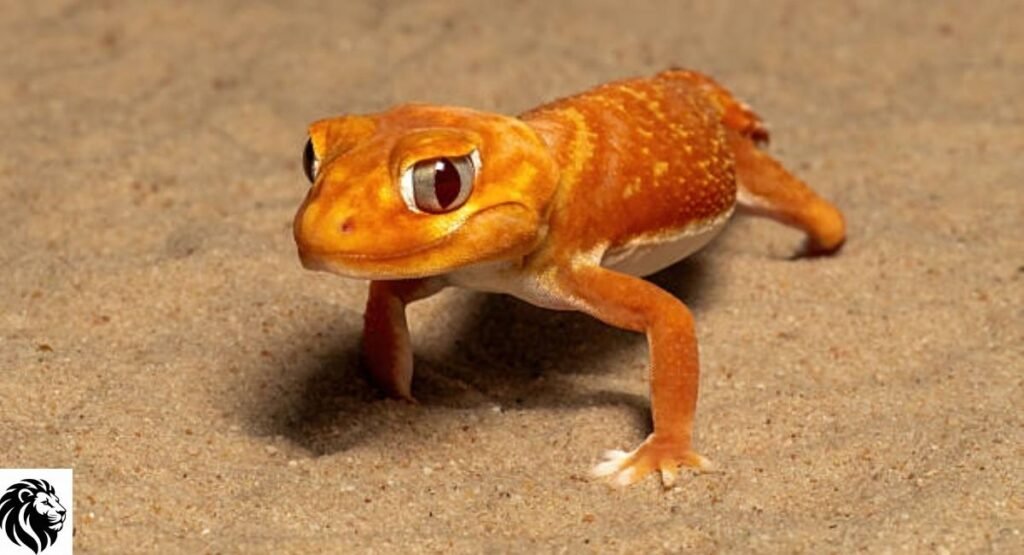
The Leopard Gecko has large, expressive eyes that can show golden or yellowish tones. Its unusual pupils and sensitive vision suit a lifestyle centered around twilight and nighttime activity. Those oversized eyes aren’t simply decorative. They help this small reptile monitor movement when daylight fades.
12. Green Iguana
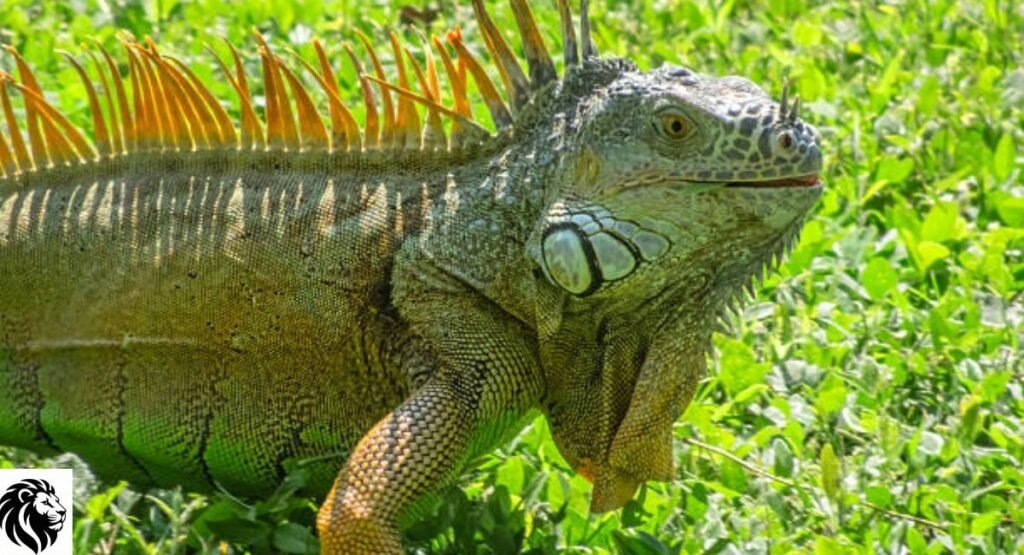
Green Iguanas can display golden or yellowish eyes that contrast with their green scales. These reptiles rely heavily on vision while climbing, feeding, and watching for danger. Unlike nocturnal predators, they don’t depend on strong nighttime eyeshine. Their visual system works primarily under daylight conditions.
13. Bald Eagle
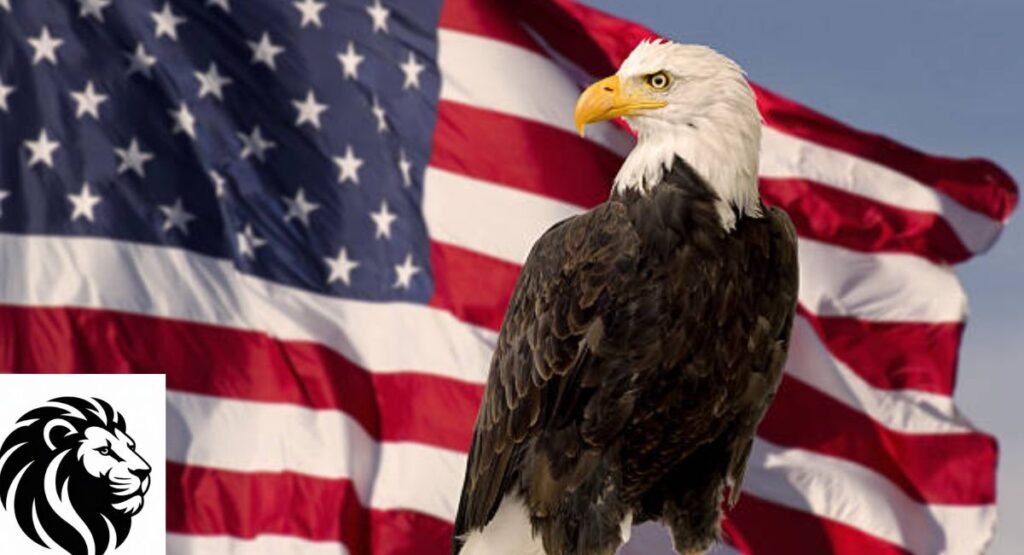
Adult Bald Eagles are famous for their bright yellow eyes, which contrast sharply with their white heads and dark bodies. Their eyesight is extraordinarily important for spotting prey across large distances. Eye color doesn’t create this ability. Instead, specialized visual anatomy gives these raptors their remarkable hunting precision.
14. Osprey
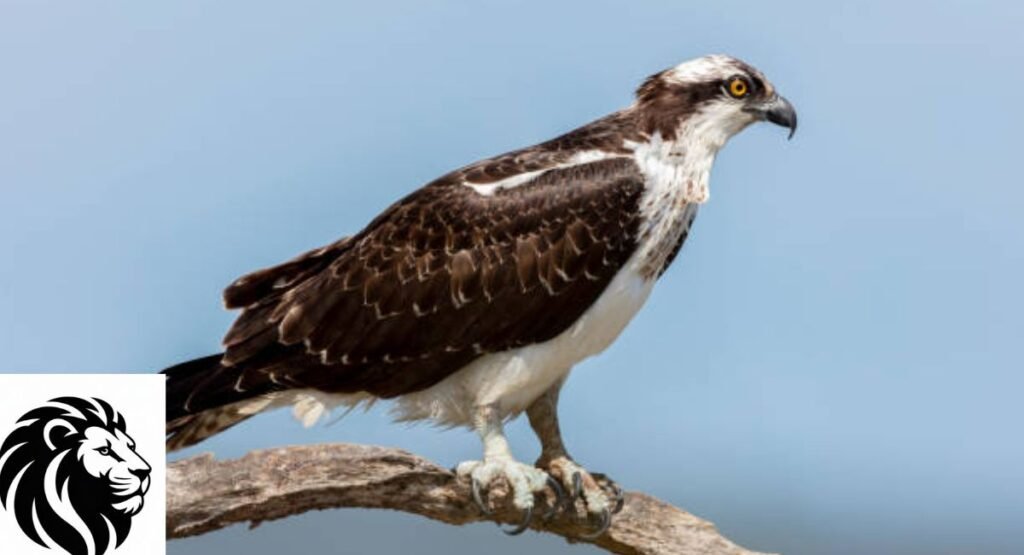
The Osprey has striking yellow eyes surrounded by dark facial markings. This fish-eating raptor depends on excellent vision to locate prey beneath the water’s surface. Its eyes also need to cope with bright sunlight, changing reflections, and rapid movement while the bird dives toward fish.
15. Yellow-Eyed Penguin
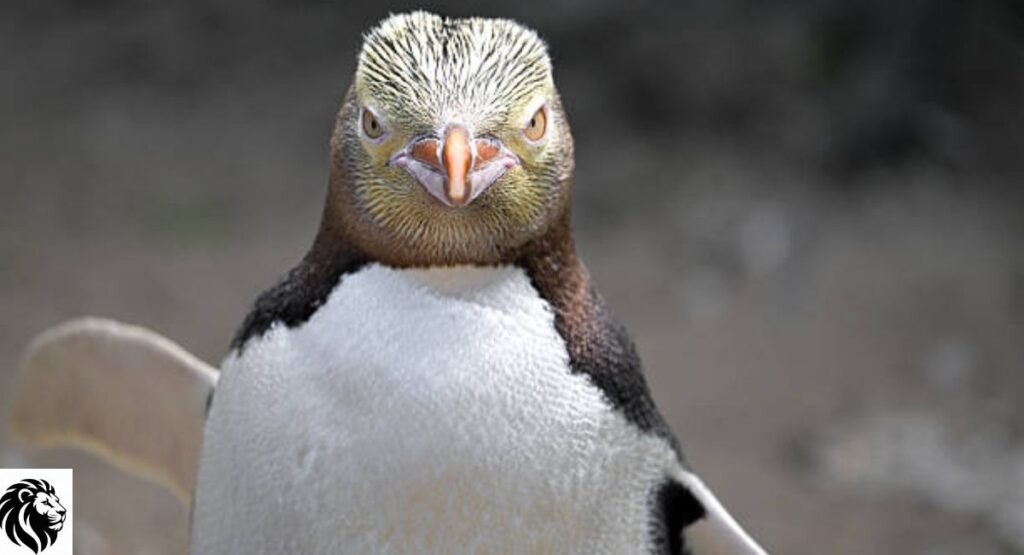
The Yellow-Eyed Penguin has genuinely yellow eyes and a distinctive yellow band around its head. Adults are unmistakable because of this unusual combination. The species lives naturally in New Zealand, where it remains one of the world’s rarest penguins. Juveniles have paler eyes before developing adult coloration.
Animals With Big Yellow Eyes
Some animals stand out because their eyes look unusually large compared with their heads. Owls are the classic example. Their forward-facing eyes give them excellent binocular vision, while domestic cats and Leopard Geckos also have conspicuous eyes suited to their lifestyles.
Large eyes can be useful when an animal needs to collect more available light. Still, size isn’t everything. The retina, lens, pupil, and neural processing system all influence visual performance. A big eye without the right internal structure wouldn’t automatically create superior night vision.
Animals With Yellow Eyes at Night
Seeing animals with yellow eyes at night can be startling. A fox, coyote, cat, or owl may appear to have tiny lamps shining from the darkness. In reality, the effect usually comes from light reflecting through specialized eye tissue rather than the animal producing light.
The color can change with distance and angle. A flashlight held slightly to one side may create little or no eyeshine. Move the light into a better position, however, and the same animal can suddenly seem to have glowing yellow eyes.
What Is Yellow Eye Shine?
Yellow eye shine occurs when light enters an animal’s eye and reflects back toward the observer. In species with a tapetum lucidum, this reflective layer helps send some light back through the retina. That process can improve sensitivity in low-light conditions.
Think of it like a tiny natural reflector behind the retina. Your flashlight sends light inward, and part of that light returns outward. The result can look like glowing animal eyes, especially when the surrounding landscape is almost completely dark.
What Causes Eye Reflection?
The tapetum lucidum plays a major role in eyeshine among many mammals. However, reflection isn’t identical across species. The microscopic structure and chemical properties of the reflective tissue can influence the color that reaches your eyes. Light angle and intensity matter too.
That’s why two animals standing beside each other may show different colors. One pair of eyes could appear yellow, while another looks green, orange, or red. The effect also changes when the animal turns its head or moves farther from the light source.
Why Do Some Animals’ Eyes Glow More Than Others?
Some species show much stronger eyeshine because their eye anatomy reflects more light toward the observer. The distance between the animal and light source also matters. A bright flashlight can create a dramatic effect that a weak light might never reveal.
Nighttime conditions add another layer. Dark surroundings make even a small reflection appear intense. According to wildlife research, eyeshine color can provide a clue, but it shouldn’t identify an animal by itself. Height, movement, habitat, and pupil shape provide useful supporting clues.
Why Do Animal Eyes Glow in the Dark?
Animal eyes don’t normally produce visible light like a bulb. Instead, some eyes reflect incoming light. The tapetum lucidum can enhance low-light sensitivity by giving photons another chance to interact with the retina. This adaptation benefits many animals that move after sunset.
Not every yellow-eyed animal has strong nighttime eyeshine. Bald Eagles and Green Iguanas, for example, mainly operate during daylight. A species can have naturally yellow irises without producing the dramatic reflection people associate with nocturnal wildlife.
Yellow Eyes vs. Golden, Amber, and Orange Eyes
Yellow, golden, amber, and orange aren’t always clearly separated in photographs. Amber generally describes a warm yellow-brown or golden-copper shade. Golden eyes appear richer and deeper, while orange eyes contain a stronger reddish tone. Lighting can blur these boundaries even further.
For wildlife identification, avoid relying on color alone. A photograph taken at sunset may make yellow eyes appear orange. A nighttime flash can create bright eyeshine that looks completely different from the animal’s natural iris. Eye color, pupil shape, body size, and habitat together provide a much better identification clue.
Conclusion
Yellow eyes make wildlife especially fascinating. From the enormous gaze of a Great Horned Owl to the bright eyes of a Bald Eagle, each species has its own visual story. Some animals have naturally yellow irises, while others become dramatically bright when light reflects from their eyes.
The next time you spot yellow eye shine at night, don’t assume you’ve found an animal with glowing eyes. A hidden fox, coyote, or cat may simply be reflecting your flashlight back at you. That small flash of color is a remarkable reminder of how cleverly animal eyes are built for survival.
FAQs
What animals have yellow eyes?
Cats, Great Horned Owls, coyotes, wolves, foxes, eagles, and several reptiles can have yellow, golden, or amber-looking eyes.
What animal has big yellow eyes?
The Great Horned Owl is one of the best-known animals with large, vivid yellow eyes. Its enormous eyes suit its low-light hunting lifestyle.
Why do animals have yellow eyes at night?
Natural yellow irises can remain visible in darkness. Reflected light can also make them look much brighter, creating the famous nighttime glowing effect.
Why do animal eyes shine yellow at night?
Some animals have a tapetum lucidum that reflects incoming light. This can produce bright yellow, green, orange, or other colors of eyeshine.
Are yellow eyes the same as golden or amber eyes?
Not exactly. Yellow, golden, and amber describe related shades. Individual animals can show subtle differences depending on genetics, age, lighting, and viewing conditions.

Welcome to natureanimalhub! I’m Anam Sattar, an AI Powered SEO, and Content Writer with 4 years of experirnce.
I help websites rank higher,grow traffic, and look amazing. My goal is to make SEO and web design simple and effective for everyone.
Let’s achieve more together!
1 thought on “15 Animals With Yellow Eyes: Big Eyes, Eye Shine at Night & More”