
Introduction
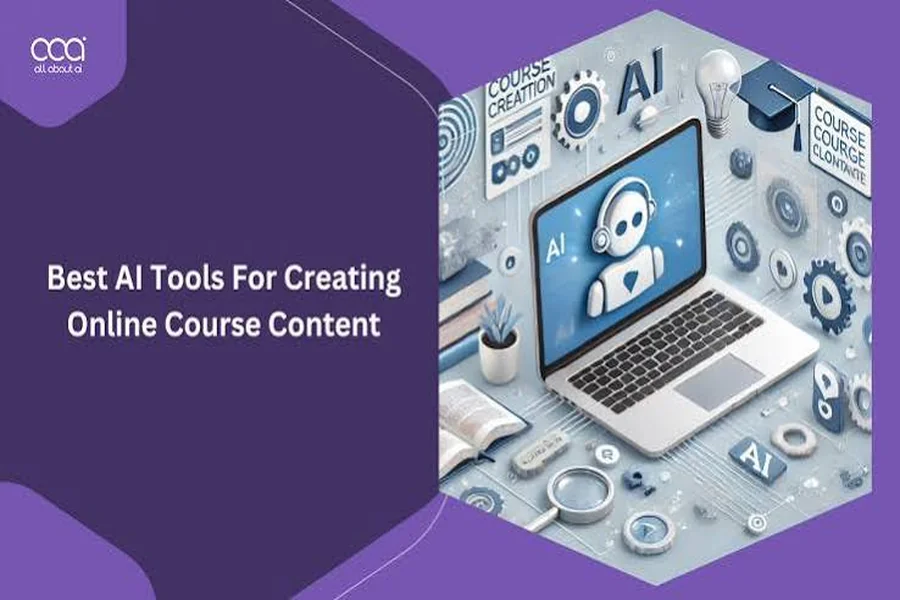
Creating an online course involves much more than recording a few lessons. Educators and entrepreneurs need to plan a curriculum, write learning materials, prepare presentations, create assessments, and organize content into a clear learning journey. These tasks can take weeks when handled manually, especially for creators who are building a course while managing other responsibilities.
The Best AI tools for online course creation help simplify this process by generating lesson outlines, drafting scripts, creating visual materials, and organizing educational content. With the right combination of tools, instructors can spend less time on repetitive tasks and more time improving the quality of their teaching.
Course creators can also explore symbolhubb as part of their collection of useful online resources. Alongside AI-powered platforms, a clear course plan and a good understanding of learners’ needs remain essential for building educational content that delivers genuine value.
Why Use AI for Online Course Creation?
AI tools can support nearly every stage of course development, from brainstorming a topic to preparing the final learning materials. For example, an instructor can turn a broad subject into modules, break complex ideas into smaller lessons, and draft quizzes that reinforce important concepts.
These tools can also help creators produce content in different formats. A written lesson can become a presentation outline, a video script, or a set of revision questions. This flexibility is useful for reaching learners who prefer visual explanations, written resources, or practical exercises.
However, AI-generated material should not be published without review. Educational content must be accurate, relevant, and appropriate for the intended audience. Human expertise is essential for checking facts, adding real-world examples, and ensuring that lessons support clear learning objectives.
Best AI Tools for Online Course Creation
Different platforms specialize in different tasks. Some help organize and host courses, while others focus on writing, video production, or presentation design.
1. LearnWorlds
LearnWorlds is an online course platform that helps educators build, host, and sell digital learning experiences. Its course-building features support structured lessons, learning activities, and branded educational websites. Available AI capabilities can assist with aspects of course development, depending on the current plan and product features.
It is a useful option for creators who want to manage both course content and the learner experience in one place. Before choosing a subscription, review its pricing, integrations, and assessment features.
2. Teachable
Teachable helps instructors create and sell online courses, coaching services, and digital learning products. Its course management tools allow creators to organize lessons and provide learners with a structured learning environment. AI-assisted features may help with content development, depending on the current offering.
This platform may suit independent educators, consultants, and entrepreneurs who want to turn their expertise into a paid course without building a website from scratch.
3. ChatGPT
ChatGPT can help course creators plan curricula, draft lesson scripts, generate examples, and prepare quizzes. It can also simplify difficult concepts for different experience levels and suggest activities that encourage learners to apply what they have learned.
For better results, provide a target audience, course objective, lesson length, and expected skill level. Review every generated lesson for accuracy and make sure the content reflects your own expertise and teaching style.
4. Canva
Canva offers presentation, graphic design, and visual content tools that can help instructors prepare attractive learning materials. Its AI-powered features can assist with presentation drafts, visual concepts, and educational graphics, depending on the available plan.
It is especially useful for turning lesson outlines into slides, creating downloadable worksheets, and designing course thumbnails. Keep designs consistent and avoid overcrowding slides with text, as clear visuals usually support learning better than decorative complexity.
5. Synthesia
Synthesia helps users create AI-generated presenter videos from scripts. Course creators can use it to prepare instructional videos without filming themselves for every lesson. This can be helpful for training materials, software demonstrations, and courses that require frequent updates.
The platform may reduce video production time, although creators should check available avatars, languages, export options, and subscription limits. Human narration or demonstrations may still be more appropriate for subjects that require personal connection or hands-on instruction.
How to Choose the Right Course Creation Tools
Start by identifying which part of course production takes the most time. If curriculum planning is your main challenge, use an AI writing assistant. If you need polished presentations, choose a design platform. If video production is slowing you down, consider an AI video tool. For selling and delivering lessons, prioritize a dedicated course platform.
Budget is another important factor. Some tools offer free access or trials, while advanced features, commercial use, or higher usage limits may require a subscription. Check whether the platform supports your preferred file formats, payment methods, integrations, and learner assessment needs.
It is also important to plan the learning experience before generating content. Define what learners should be able to do after each module, then use AI to help develop lessons that support those outcomes. Test the course with a small group and revise confusing sections based on their feedback.
Final Thought
AI can make online course development faster by helping educators plan lessons, create visuals, prepare videos, and organize learning materials. LearnWorlds and Teachable support course delivery, ChatGPT helps develop educational content, Canva creates visual resources, and Synthesia supports AI-presenter videos.
The best solution depends on your teaching goals, budget, and preferred format. Start with a few tools that solve real problems, review AI-generated content carefully, and keep learners’ needs at the center of every decision.
FAQs
1. What are AI tools for online course creation?
These tools use artificial intelligence to help create lesson outlines, scripts, presentations, quizzes, videos, and other materials used in online education.
2. Which AI tool is best for creating course content?
ChatGPT is useful for drafting lesson plans, scripts, and quizzes, while Canva supports visual materials. A dedicated course platform is needed to organize and deliver the finished course.
3. Can AI create an entire online course?
AI can help generate much of a course’s initial content, but instructors should review accuracy, add expertise, design meaningful assessments, and test the learning experience before publishing.
4. Are AI course creation tools free?
Some tools provide free plans or trials, but advanced features, video exports, and course-selling capabilities may require paid subscriptions.
5. How can I make an AI-generated course more engaging?
Use practical examples, short lessons, clear visuals, quizzes, and hands-on activities. Gather learner feedback and revise content that is confusing or difficult to apply.

Welcome to natureanimalhub! I’m Anam Sattar, an AI Powered SEO, and Content Writer with 4 years of experirnce.
I help websites rank higher,grow traffic, and look amazing. My goal is to make SEO and web design simple and effective for everyone.
Let’s achieve more together!