

What Is a Tanuki?
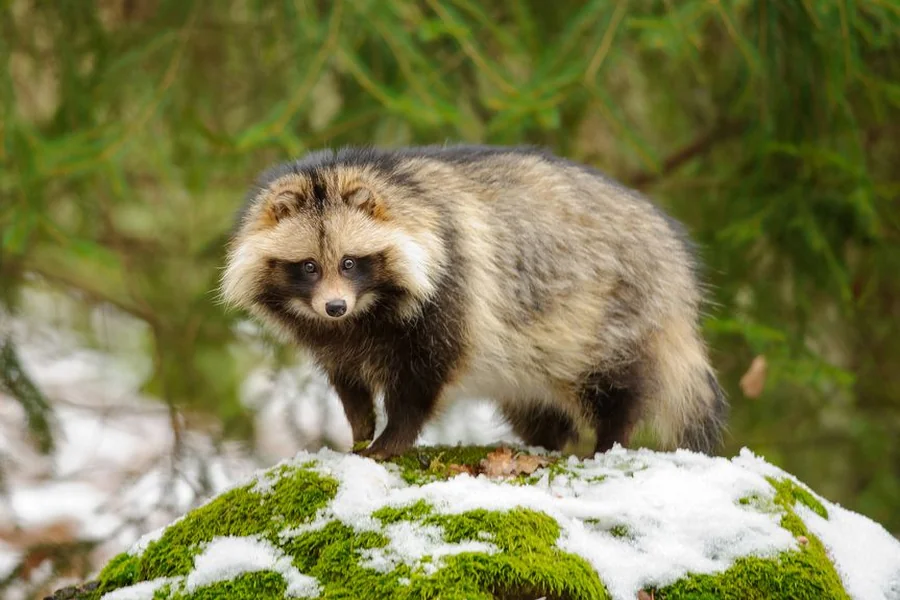
Tanuki is the Japanese name commonly used for the Japanese raccoon dog, a small mammal native to parts of East Asia. Although its face and body may remind people of a raccoon, it is not actually a raccoon. The tanuki belongs to the canine family, making it more closely related to dogs, foxes, and other members of the Canidae family. Its scientific name is Nyctereutes procyonoides viverrinus, and it has developed characteristics that help it survive in forests, grasslands, wetlands, and areas close to human settlements. Tanuki have compact bodies, short legs, rounded ears, and thick fur that changes slightly with the seasons. Their facial markings are especially recognizable because the darker fur around the eyes creates a mask-like appearance. They are generally shy and prefer to avoid direct contact with people, although they can adapt well to environments where food and shelter are available. This adaptability has helped make the tanuki an interesting part of Japan’s natural environment as well as its traditional culture. Unlike domestic dogs, tanuki are wild animals and have their own behaviors, feeding patterns, territories, and survival strategies.
Appearance, Habitat, and Daily Behavior
A tanuki has a distinctive appearance that combines features people might associate with several different animals. Its thick coat is usually brown, gray, or reddish-brown, with darker markings around the face, legs, and back. During colder months, its fur can become particularly dense, providing insulation against low temperatures. Tanuki generally have short legs and a relatively long body, which gives them a somewhat unusual appearance compared with foxes or domestic dogs. They can live in forests, agricultural areas, mountains, wetlands, and suburban environments, depending on the availability of food and shelter. Tanuki are primarily nocturnal, meaning they are most active after sunset and during the night. They spend much of their daytime resting in sheltered locations such as burrows, hollow spaces, dense vegetation, or other protected areas. Their movements can cover considerable distances when searching for food. Tanuki are also known for being adaptable and opportunistic animals. Rather than relying on one particular food source or habitat, they can adjust their behavior according to seasonal conditions. This flexibility is one reason they have been able to survive in landscapes that have changed significantly because of agriculture and human development.
What Do Tanuki Eat?
Tanuki are omnivores, so their diet can include both plant-based and animal-based foods. Their meals vary depending on location, season, and what resources are available. Fruits, berries, nuts, seeds, insects, frogs, small animals, eggs, fish, and other easily available foods may form part of their diet. They are not highly specialized hunters, so they often take advantage of whatever nutritious food they can find. In autumn, naturally available fruits and other plant foods can become particularly important as animals prepare for colder conditions. Tanuki may also search around fields, gardens, and areas near human settlements when food is easier to find there. This behavior demonstrates their ability to adapt to changing surroundings. Their feeding habits also make them important participants in local ecosystems because they consume different organisms and may help spread seeds through their movements and digestion. Although they can sometimes come into conflict with people when they search for food around homes or agricultural areas, tanuki generally prefer to remain hidden rather than actively approach humans. Like many wild mammals, they should be observed from a safe distance instead of being treated like pets.
Tanuki in Japanese Culture and Folklore
The tanuki has a particularly strong presence in Japanese folklore, where it is often portrayed as a magical creature capable of transformation and mischief. Traditional stories sometimes describe tanuki as shape-shifting beings that can take the form of people, objects, or other creatures. These stories are part of folklore rather than descriptions of real animal behavior. In popular Japanese imagery, tanuki figures are often shown with large bellies, expressive faces, hats, and other exaggerated features. Ceramic tanuki statues can also be found outside restaurants, shops, and other businesses, where they have traditionally been associated with welcoming visitors and bringing good fortune. The folklore surrounding tanuki has changed across different periods and regions, so the creature can appear as playful, clever, mischievous, generous, or even troublesome depending on the story. Modern entertainment has continued to use tanuki-inspired characters in animation, games, books, and other forms of media. Because of this cultural presence, the word tanuki can refer to both the real Japanese raccoon dog and the imaginative folklore figure inspired by it. Understanding this distinction helps explain why tanuki imagery may look very different from the actual animal found in Japanese forests.
Final Thought
Tanuki are fascinating because they connect the natural world with a long history of cultural storytelling. As wild mammals, they are adaptable omnivores with distinctive facial markings, thick seasonal fur, nocturnal habits, and an ability to live across a variety of environments. Their resemblance to raccoons can sometimes cause confusion, but their place within the canine family makes them a very different animal. At the same time, the tanuki has developed an identity far beyond zoology through Japanese folklore and traditional art. Stories about transformation and cleverness have helped keep the creature recognizable across generations, while real tanuki continue to live in natural and human-influenced landscapes. Learning about both sides of the tanuki gives a fuller picture of why this animal remains so interesting. Whether viewed as a wild mammal, a symbol in traditional stories, or an inspiration for modern characters, the tanuki represents an unusual meeting point between wildlife and culture.
FAQs
What is a tanuki?
A tanuki is the Japanese name for the Japanese raccoon dog, a wild mammal belonging to the canine family.
Is a tanuki a raccoon?
No, a tanuki is not a raccoon. Despite its similar facial appearance, it is a member of the dog family.
Where do tanuki live?
Tanuki can live in forests, mountains, wetlands, agricultural areas, and environments close to human settlements.
Are tanuki dangerous to humans?
Tanuki are generally shy wild animals and usually avoid people, but they should still be treated as wildlife and observed from a safe distance.
What do tanuki eat?
Tanuki are omnivores and may eat fruits, berries, insects, frogs, small animals, eggs, fish, seeds, and other available foods.
Are tanuki nocturnal animals?
Yes, tanuki are mainly nocturnal and are most active during the evening and nighttime.
Why are tanuki important in Japanese folklore?
Tanuki have appeared in Japanese folklore for centuries, often as magical shape-shifters known for cleverness, transformation, and mischief.
If you want, I can also make the same article more SEO-focused, more natural/human, or with shorter paragraphs under each H2.

Welcome to natureanimalhub! I’m Anam Sattar, an AI Powered SEO, and Content Writer with 4 years of experirnce.
I help websites rank higher,grow traffic, and look amazing. My goal is to make SEO and web design simple and effective for everyone.
Let’s achieve more together!
2 thoughts on “Tanuki: The Japanese Raccoon Dog Explained”