

From dense rainforests to open grasslands, Black Animals are among the most fascinating creatures on Earth. Their striking appearance often comes from melanism, a genetic trait that increases dark pigmentation and creates unique variations within wildlife populations. These remarkable animals include powerful predators, graceful birds, intelligent marine mammals, and rare reptiles that have adapted to survive in diverse environments.
Beyond their beauty, many species use their dark coloration for camouflage, protection, and successful hunting. Scientists continue to study these animals to better understand evolution, animal adaptation, and biodiversity. In this guide, you’ll discover 20 incredible black animals, their habitats, survival strategies, and the science behind their mysterious appearance.
What Are Black Animals?
Black Animals are species that have black or very dark fur, feathers, scales, skin, or exoskeletons. Their coloration may occur naturally or result from a genetic condition called melanism. This dark appearance can be found in mammals, birds, reptiles, amphibians, and even marine animals.
Color plays a vital role in the natural world. Animals use it for communication, camouflage, mating, and protection. In many cases, animal pigmentation helps a species survive. Dark-colored animals often blend more easily into shadows, forests, and dense vegetation, making them harder to spot.
Understanding Animal Coloration in Nature
Animal colors come from pigments and microscopic structures within the body. Melanin is one of the most important pigments and is responsible for black, brown, and dark shades. The amount of melanin an animal produces determines how light or dark it appears.
Coloration is not just about beauty. It helps animals avoid predators, find mates, regulate body temperature, and adapt to their surroundings. This is why animal adaptation and color evolution are closely connected.
What Is Melanism?
Melanism is a genetic condition that causes an animal to produce more melanin than usual. As a result, the animal develops a darker appearance. Scientists consider melanism the opposite of albinism, which causes a lack of pigmentation.
Many famous dark-colored animals owe their appearance to melanism. Black leopards, black wolves, and black squirrels are well-known examples. In some environments, melanism gives animals a survival advantage by improving camouflage and reducing visibility.
Melanism vs Albinism vs Leucism
Although these conditions affect coloration, they are very different.
| Condition | Description | Appearance |
| Melanism | Excess melanin production | Black or dark coloration |
| Albinism | Lack of melanin | White body with pink eyes |
| Leucism | Partial pigment loss | Pale or patchy coloration |
Understanding these differences helps scientists study genetic pigmentation and animal evolution more effectively.
Why Are Some Animals Black?
Black coloration does not happen by accident. It develops over time through genetics and natural selection. Animals that benefit from darker coloration often survive longer and produce more offspring. As a result, these traits become more common in certain populations.
Environmental conditions also influence coloration. Forests, mountains, and wet climates often provide advantages for darker animals. Over generations, these conditions help shape the appearance of many species.
Genetics Behind Black Coloration
Genes control how much melanin an animal produces. Sometimes a genetic mutation increases melanin production, resulting in darker fur, feathers, or scales. These mutations can be passed from parents to offspring.
Scientists have discovered that melanism evolved independently in many species. This means different animals developed similar dark coloration through separate evolutionary paths. It is a remarkable example of how natural selection works in different environments.
Evolutionary Benefits of Melanism
Dark coloration provides several advantages in nature. One of the most important benefits is animal camouflage. Animals that blend into their surroundings can avoid predators and approach prey more effectively.
Melanism may also improve protection against sunlight and help animals absorb heat in colder climates. These advantages explain why melanistic individuals often thrive in forests, mountains, and other challenging habitats.
Environmental Factors That Encourage Dark Coloration
Dense forests create shadows that favor darker animals. A black predator moving through a rainforest is much harder to detect than a lighter-colored one. Similarly, volcanic regions and rocky landscapes often provide excellent camouflage for black species.
Urban environments have also created new opportunities for some animals. Black squirrels, for example, are commonly found in several North American cities where their coloration may offer unique survival advantages.
Are There Any Disadvantages to Being Black?
Despite its benefits, melanism is not always helpful. Dark animals can absorb more heat in hot climates, which may increase stress during extreme temperatures. In open environments, black coloration may also make animals easier to spot.
Because of these challenges, melanism remains more common in certain habitats than others. Nature constantly balances the advantages and disadvantages of different traits.
20 Black Animals in the Wild
Black Panther
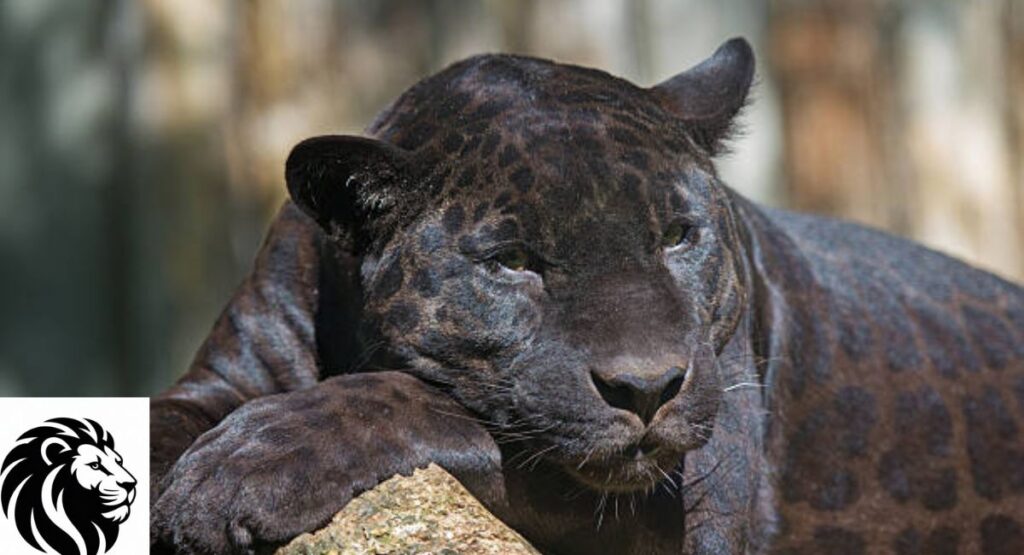
The term black panther usually refers to a melanistic leopard or jaguar. These powerful cats use their dark coats to blend into dense forests and hunt more effectively. Their spotted patterns are still visible under bright light, making them one of the most famous melanistic animals in the world.
Black Leopard
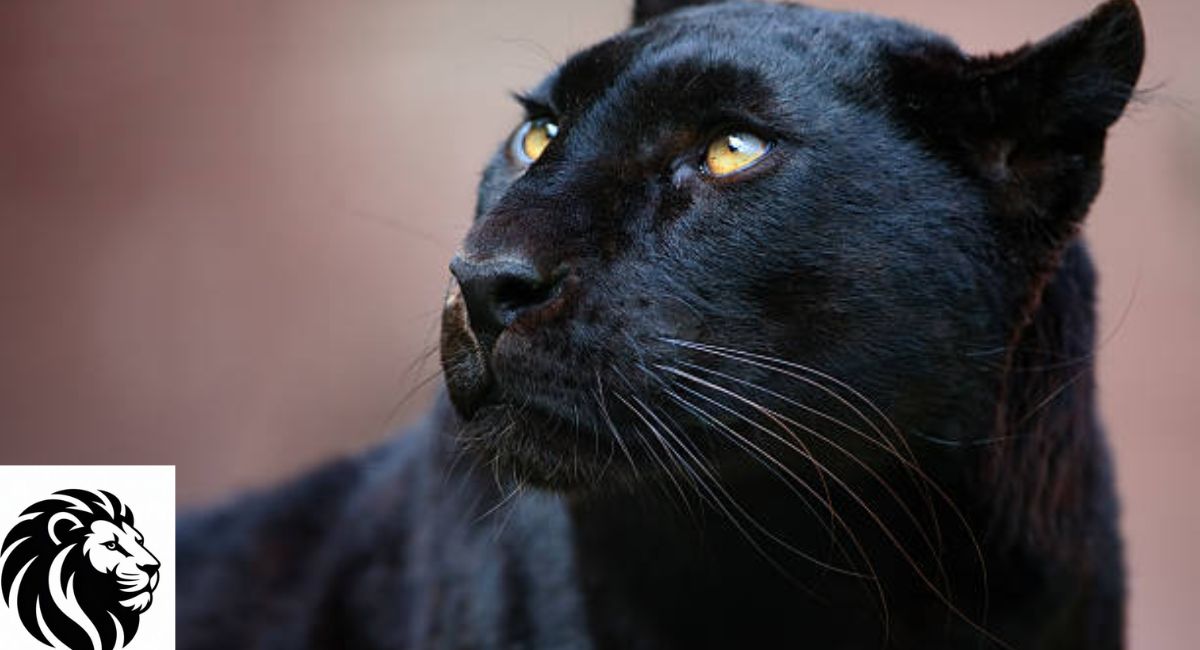
A black leopard is a leopard with melanism. These cats are found in parts of Asia and Africa. Their dark coloration provides excellent camouflage in forest habitats where shadows help them remain hidden from prey and competitors.
Black Jaguar

Black jaguars live mainly in Central and South America. They are strong swimmers and skilled hunters. Their muscular bodies and dark coats help them move through dense jungle environments with remarkable stealth and efficiency.
American Black Bear
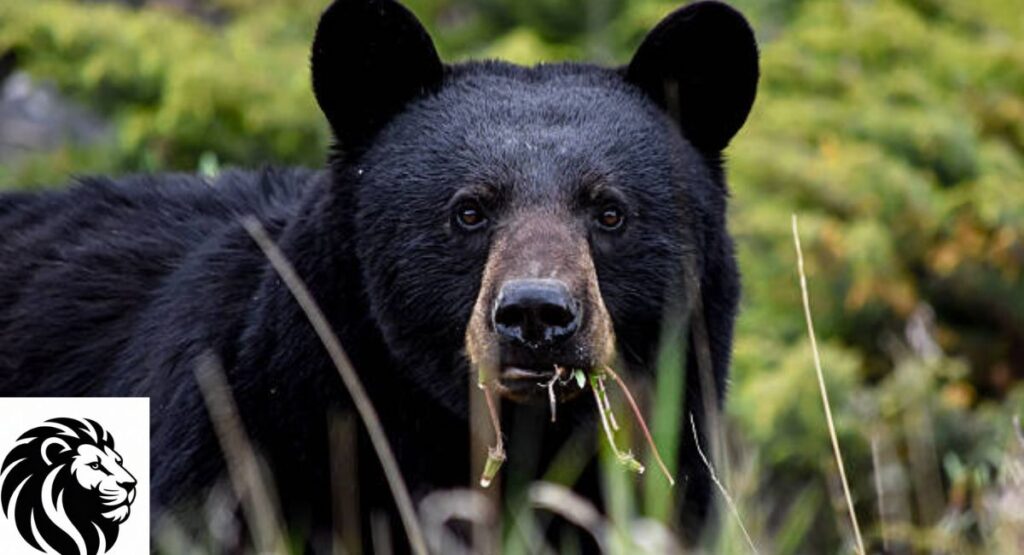
The American black bear is the most common bear species in North America. Despite its name, it can appear in several colors. Black individuals are widespread and thrive in forests where they feed on plants, insects, fish, and small animals.
Black Wolf
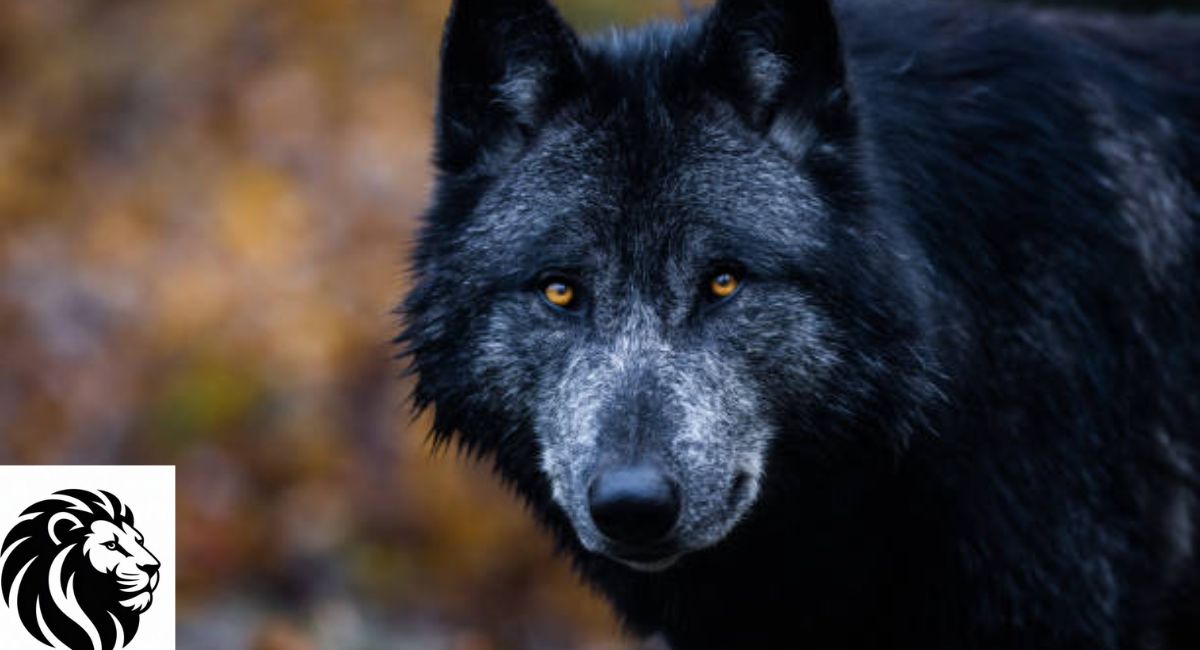
Black wolves are a melanistic form of the gray wolf. They are especially common in some regions of North America. Their dark coats help them blend into forested landscapes while hunting in coordinated packs.
Black Squirrel

Black squirrels are often seen in parks and urban areas. They are usually a melanistic variation of other squirrel species. Their dark fur may provide better heat retention during cold winters and improved camouflage in shaded habitats.
Black Swan
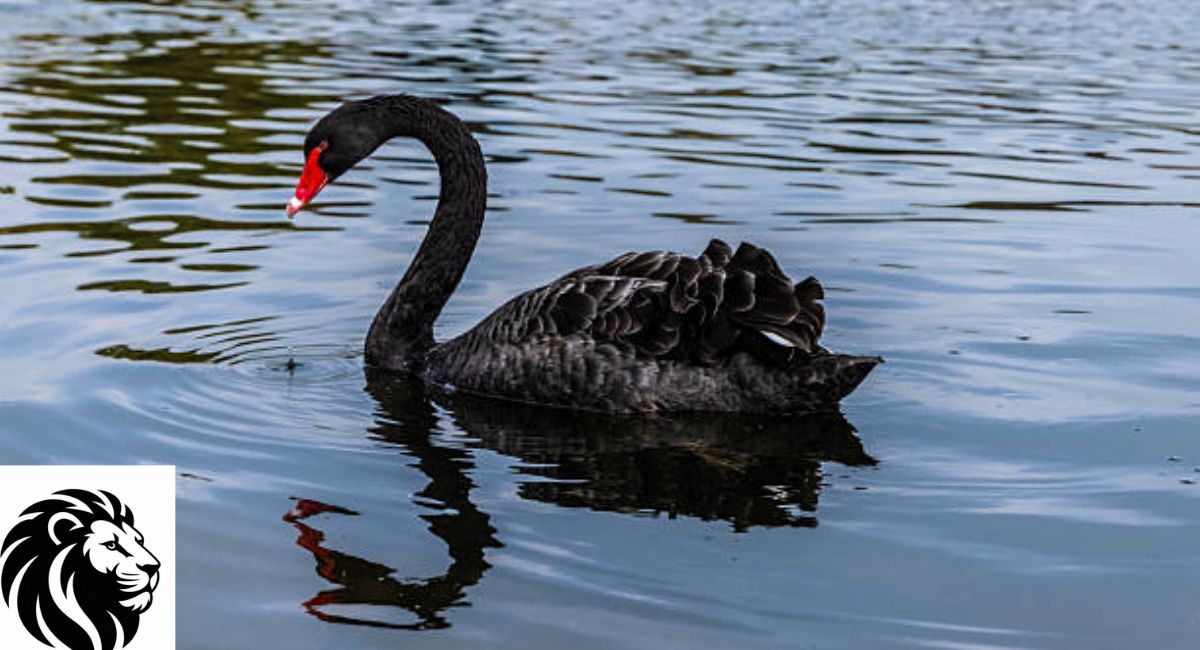
Native to Australia, the black swan is famous for its elegant appearance. Its black feathers contrast beautifully with its bright red bill. Unlike most swans, which are white, black swans have become a symbol of uniqueness and rarity.
Red-Tailed Black Cockatoo

This large Australian parrot is known for its glossy black feathers and striking red tail panels. It feeds on seeds, nuts, and fruits. The bird’s strong beak allows it to crack open tough food sources with ease.
Celebes Crested Macaque
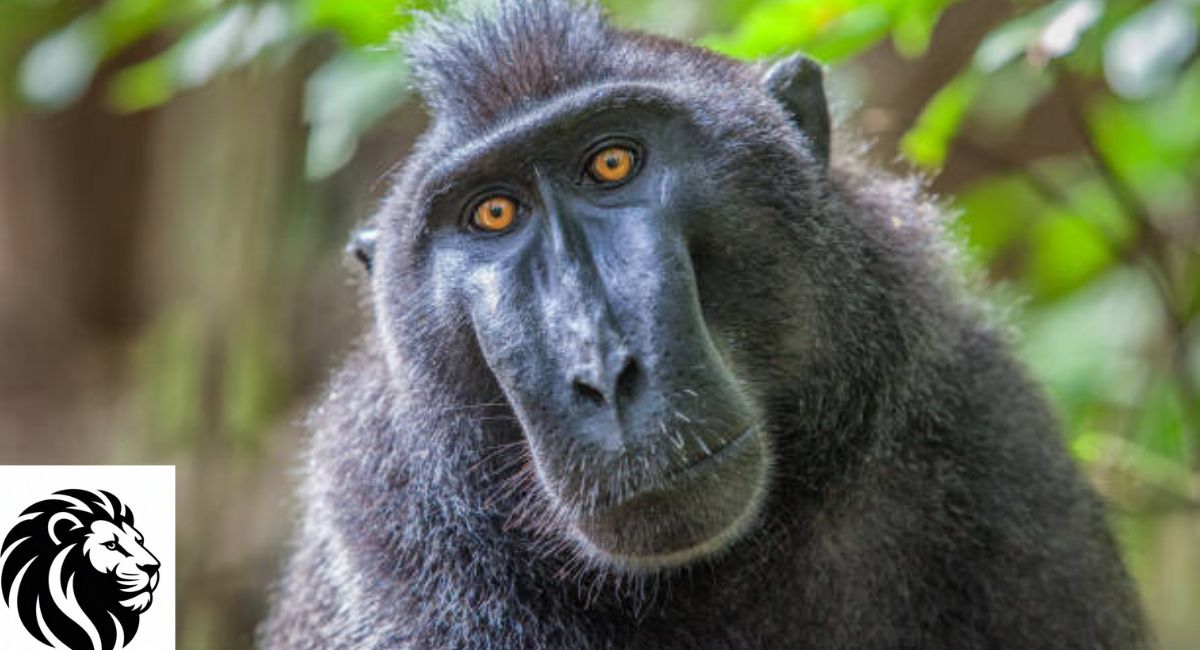
Found only on Indonesia’s Sulawesi Island, this monkey is easily recognized by its black fur and distinctive crest. Sadly, habitat loss and hunting have pushed the species toward endangered status.
Black Howler Monkey

Black howler monkeys live in the forests of Central and South America. They are famous for their powerful calls, which can travel several miles. Their loud vocalizations help establish territory and maintain group communication.
Killer Whale
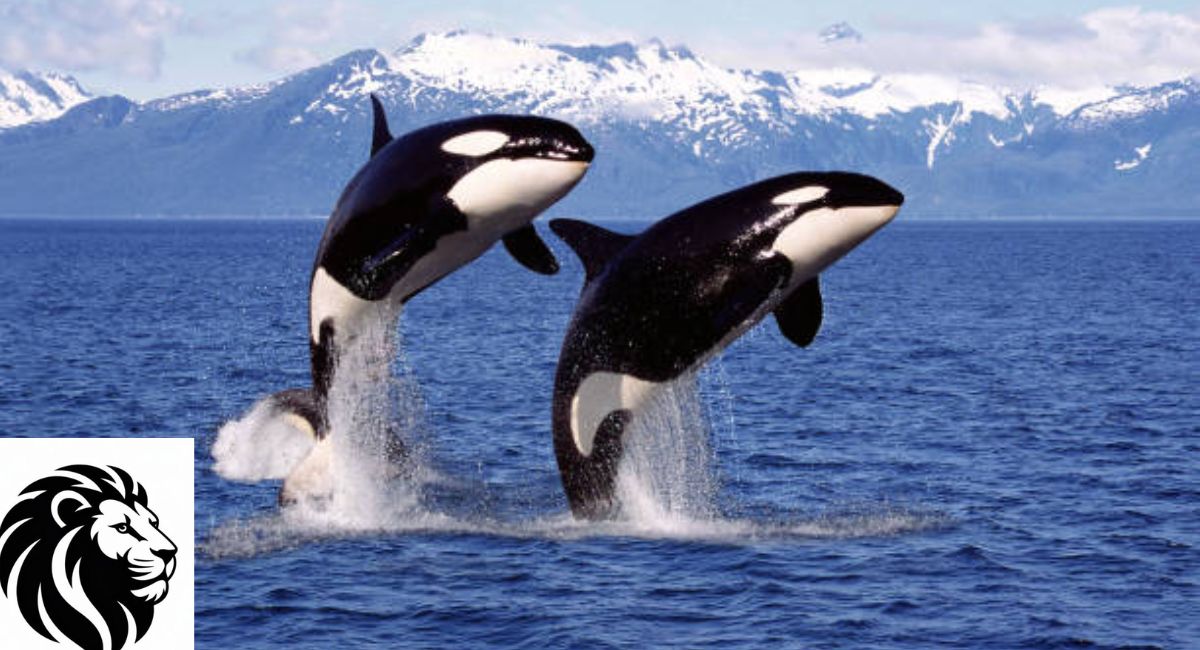
Also known as the orca, the killer whale displays striking black-and-white coloration. These intelligent marine mammals are apex predators that hunt fish, seals, and even larger whales in some regions.
Short-Finned Pilot Whale
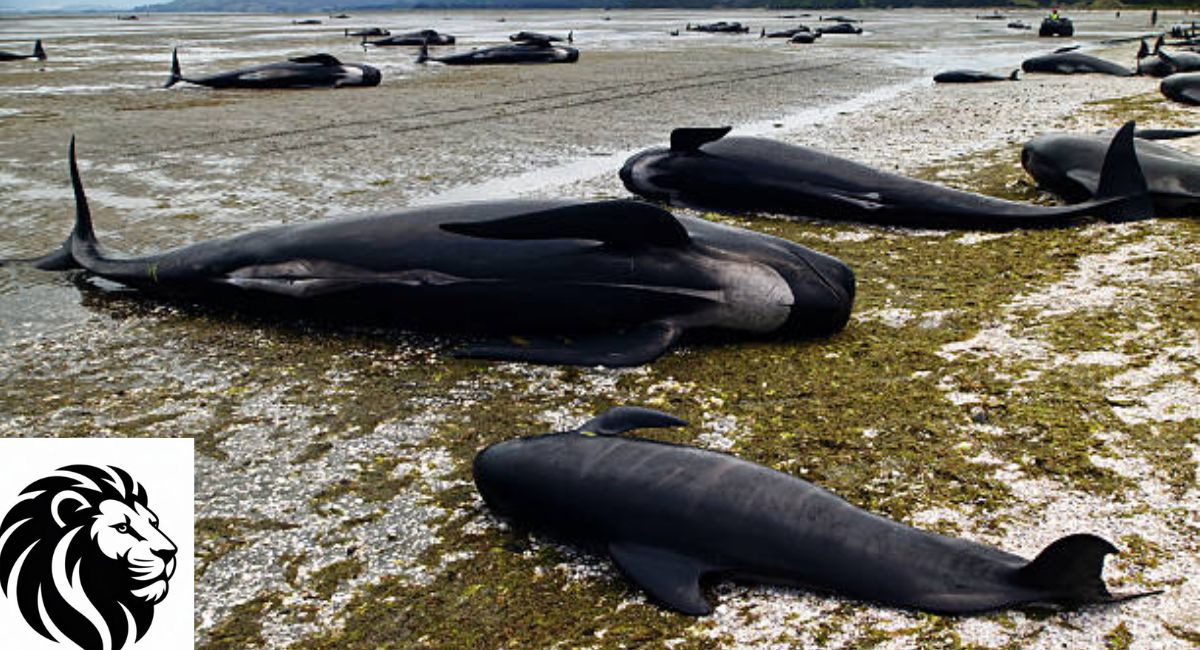
This social marine mammal lives in large family groups called pods. Its dark body helps it blend into deep ocean waters. Pilot whales are highly intelligent and communicate using a variety of sounds and clicks.
King Penguin

King penguins have sleek black backs and white bellies. They live on subantarctic islands and spend much of their lives at sea. Their streamlined bodies allow them to swim efficiently while hunting fish and squid.
Mexican Black Kingsnake

The Mexican black kingsnake is famous for its shiny black scales. It is non-venomous and often feeds on rodents, birds, and other reptiles. This snake is also popular among reptile enthusiasts because of its calm nature.
Black Rat Snake
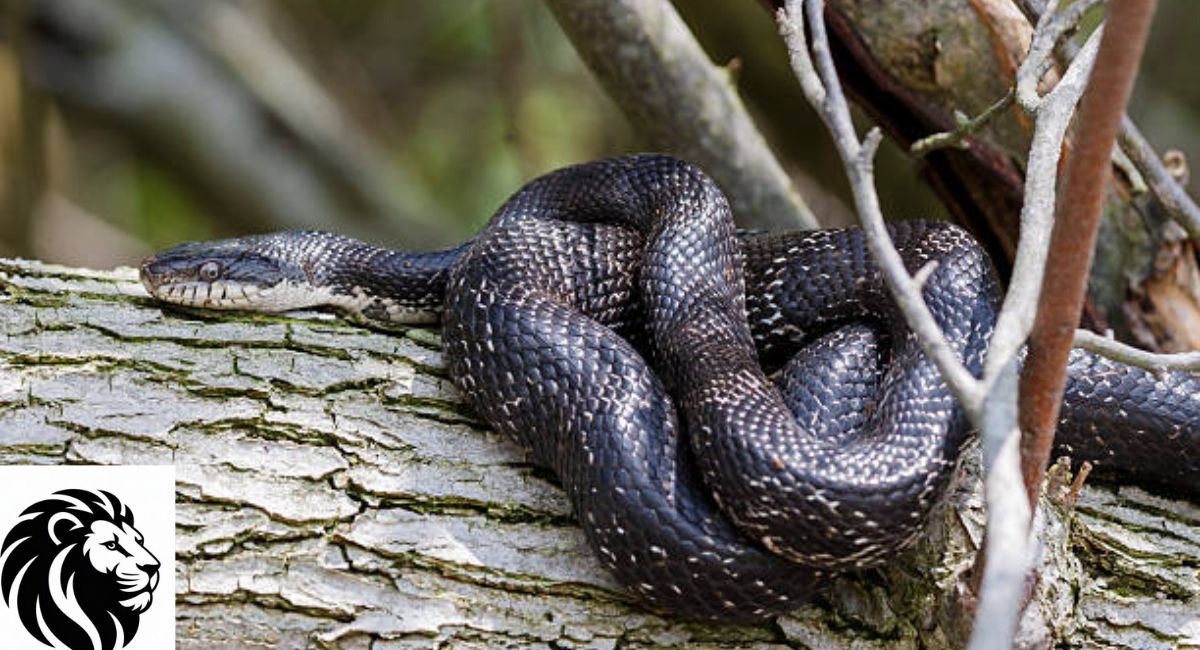
Black rat snakes are excellent climbers found across North America. They help control rodent populations and play an important role in maintaining ecological balance. Despite their intimidating appearance, they are harmless to humans.
Black Mamba
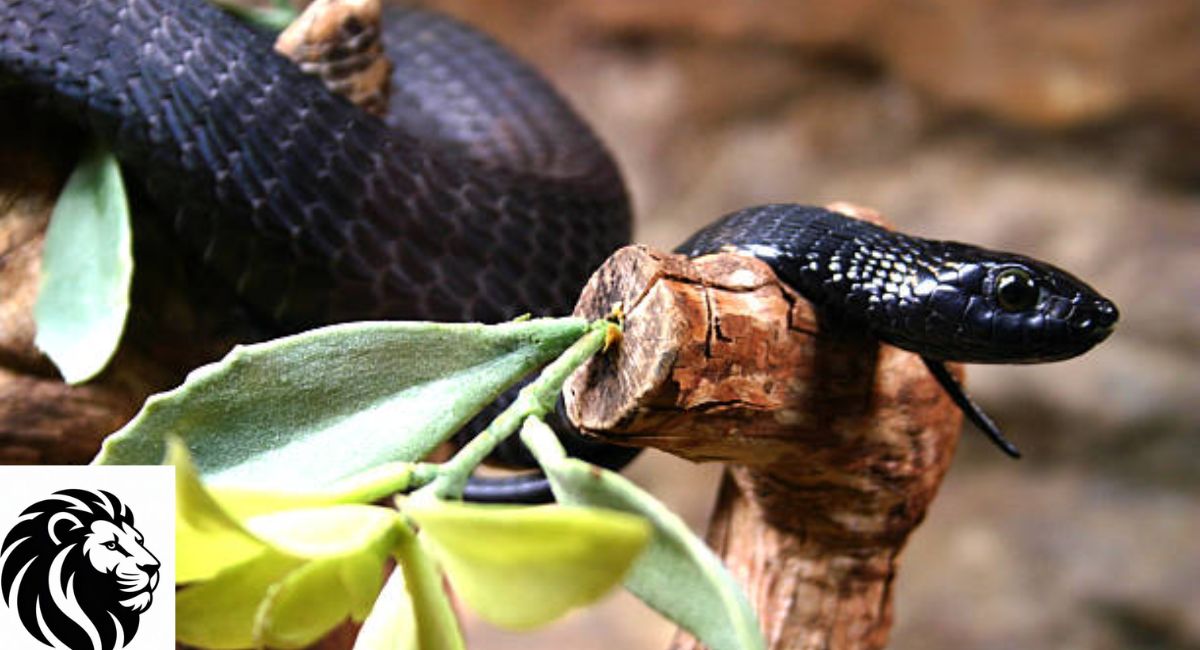
The black mamba is one of Africa’s most feared snakes. Interestingly, its body is not black. The name comes from the dark interior of its mouth. It is extremely fast and possesses highly potent venom.
Black Rhinoceros
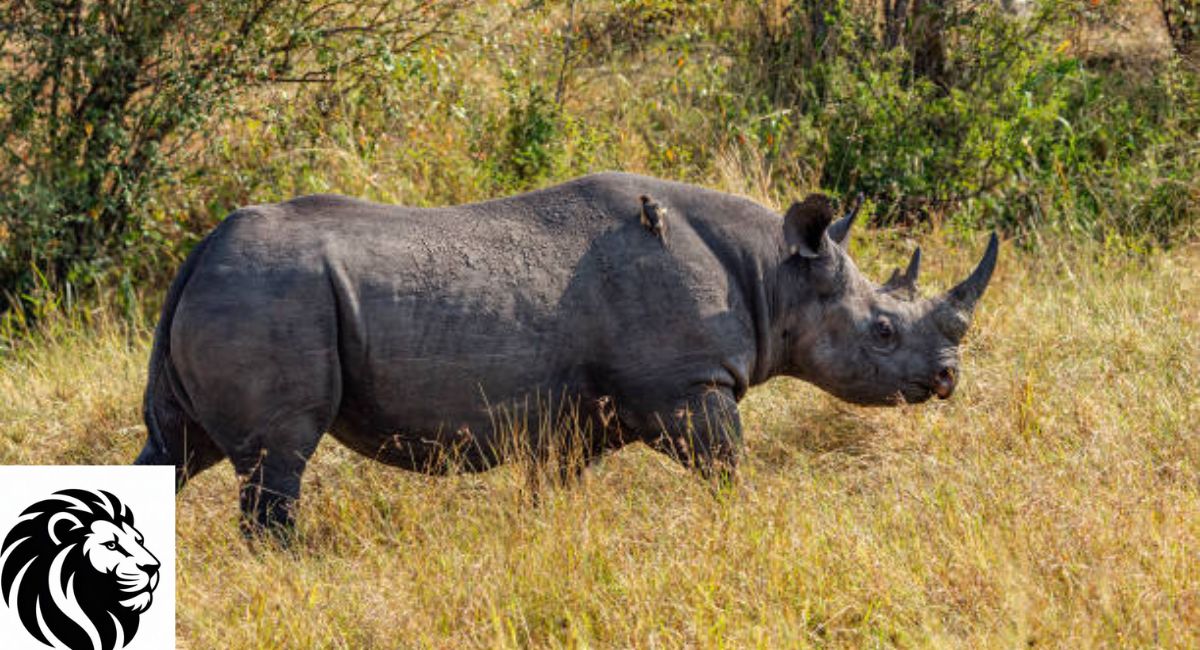
The black rhinoceros is a critically endangered species found in Africa. Despite its name, it is actually gray. The species received its name to distinguish it from the white rhinoceros. Conservation efforts continue to protect remaining populations.
Black Vulture
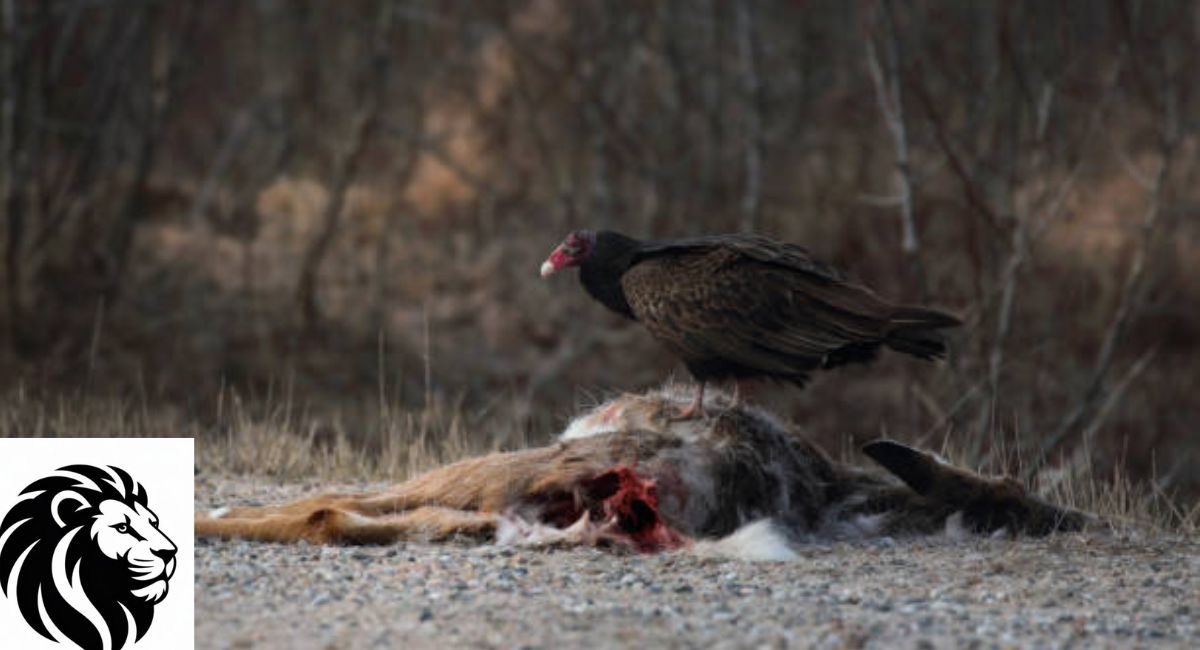
Black vultures play a crucial role in cleaning ecosystems. They feed on carrion and help prevent the spread of disease. Their strong immune systems allow them to consume food that would be dangerous for many other animals.
Black Hawk-Eagle
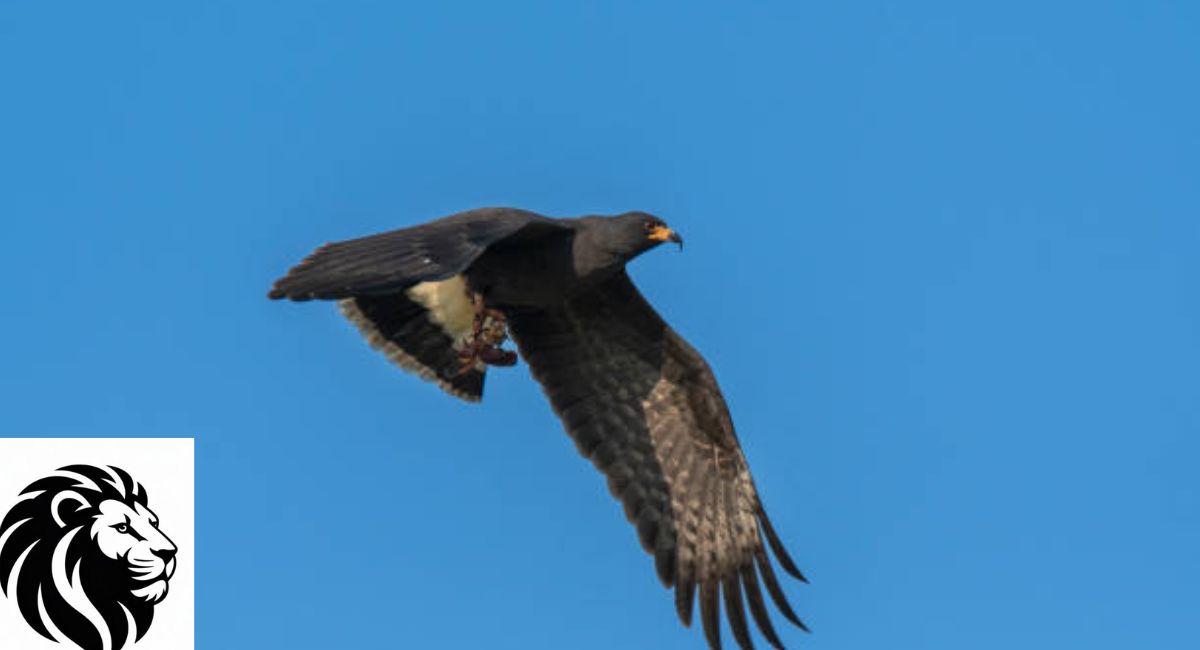
This powerful bird of prey lives in Central and South America. It uses sharp talons and excellent vision to hunt mammals, birds, and reptiles. Dense forests provide ideal hunting grounds for this skilled predator.
Black Stork
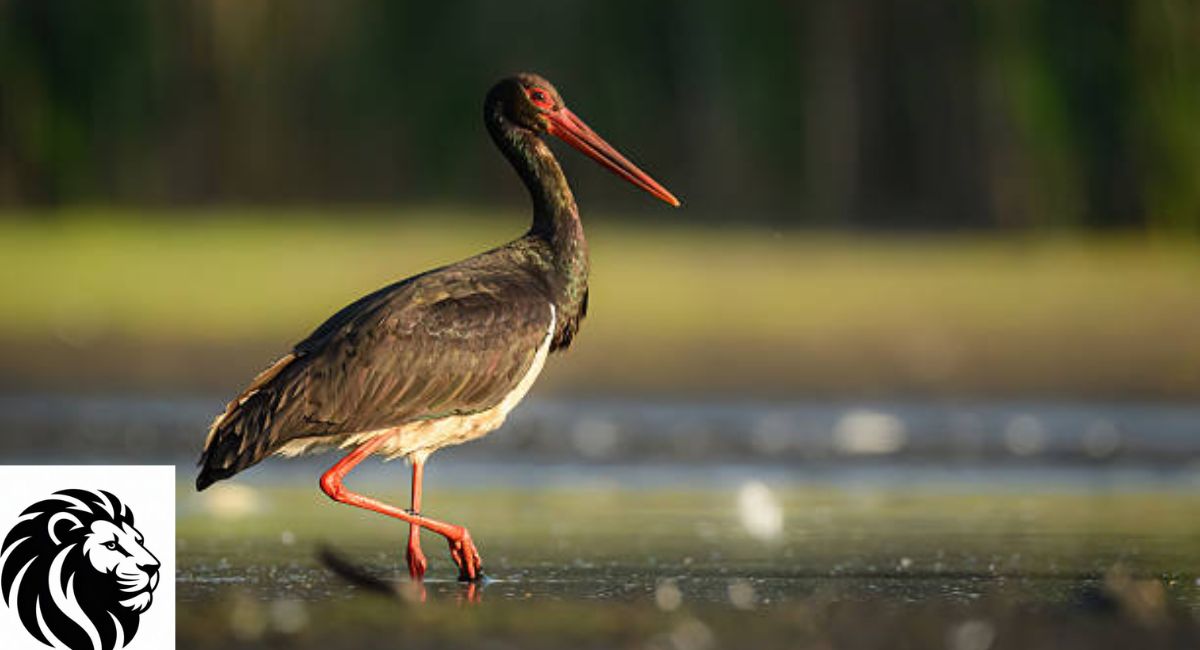
The black stork is a large migratory bird found across parts of Europe, Asia, and Africa. Unlike its white relative, it prefers secluded wetlands and forests where it can feed on fish, amphibians, and insects.
Rare Melanistic Animals
Although the animals discussed earlier are well known, many lesser-known melanistic species exist throughout the world. These rare creatures continue to fascinate researchers because they offer valuable clues about genetic pigmentation and evolution.
Some melanistic animals are so uncommon that only a handful of sightings have ever been documented. Their rarity makes them especially important for scientific study.
Melanistic Zebra

Most zebras are famous for black-and-white stripes. However, rare melanistic individuals display much darker coloration. These unusual animals are occasionally spotted in Africa and attract significant scientific interest.
Black Fox
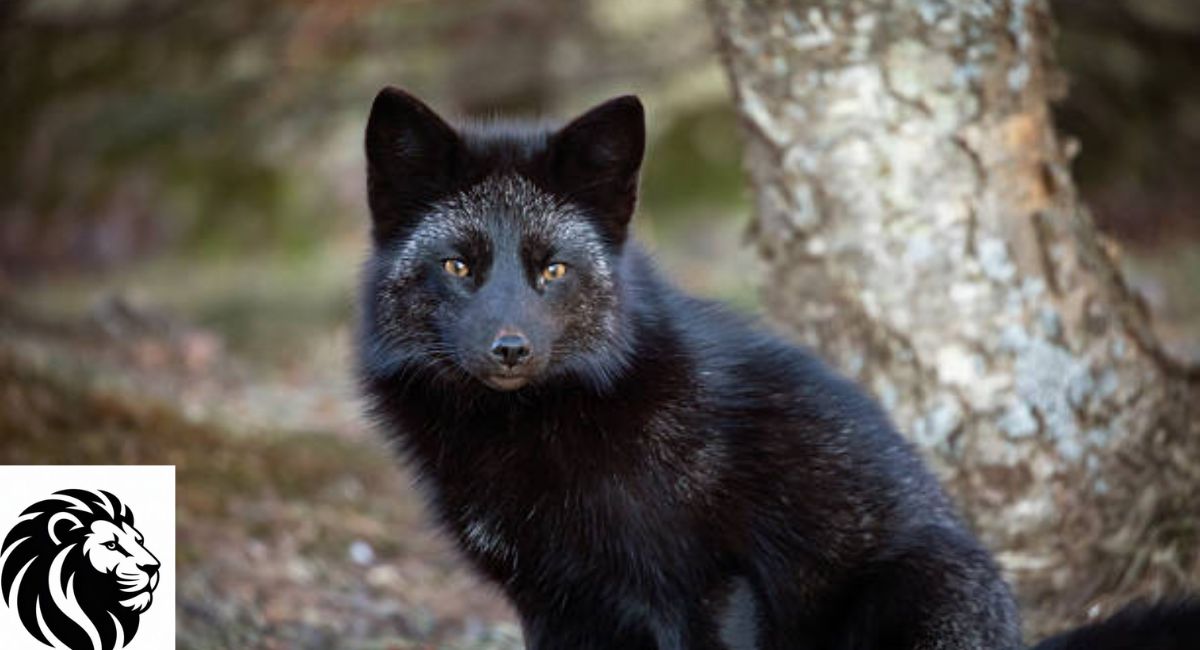
Melanistic foxes possess striking black coats instead of the more familiar red coloration. Their appearance results from genetic variations that increase melanin production.
Black Deer
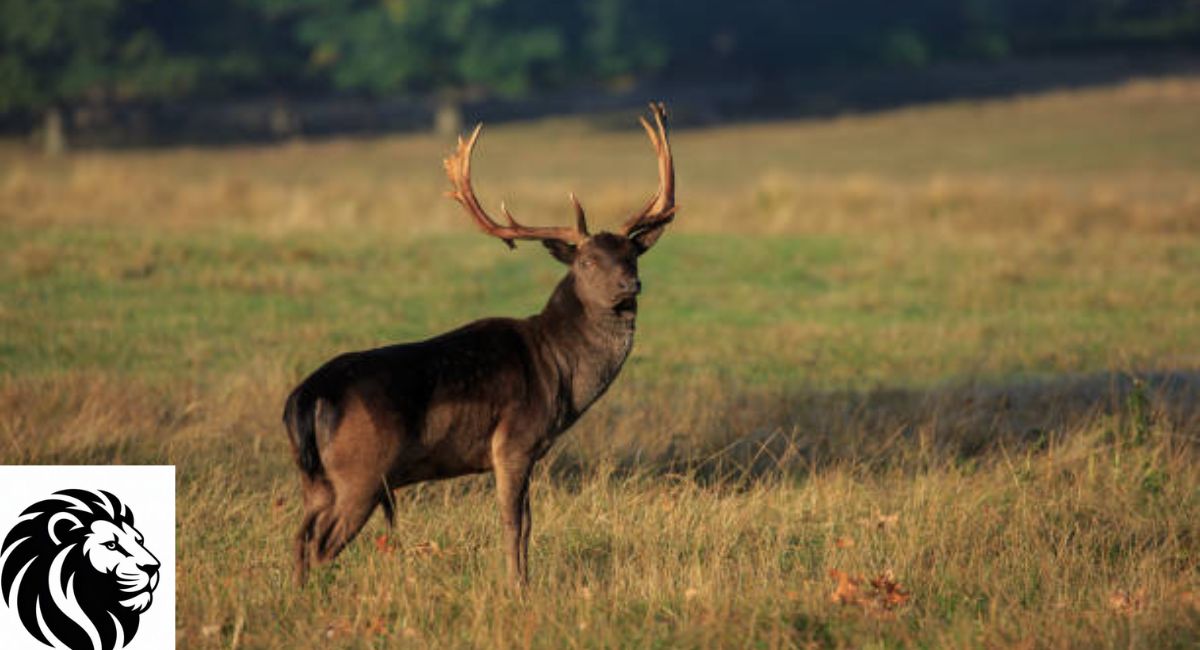
Rare black deer have been observed in Europe and parts of North America. Their dark coats create a dramatic contrast against snowy winter landscapes.
Black Penguin
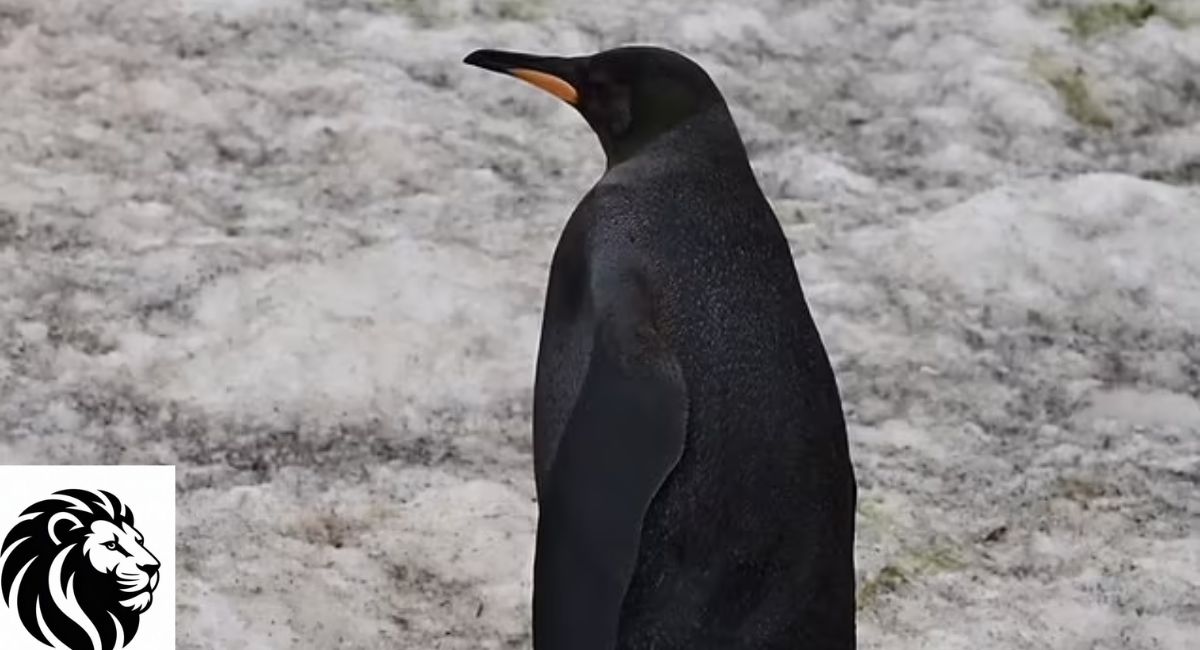
Although extremely rare, melanistic penguins occasionally appear in wild populations. These individuals display unusually dark feathers due to excessive melanin production.
Black Serval
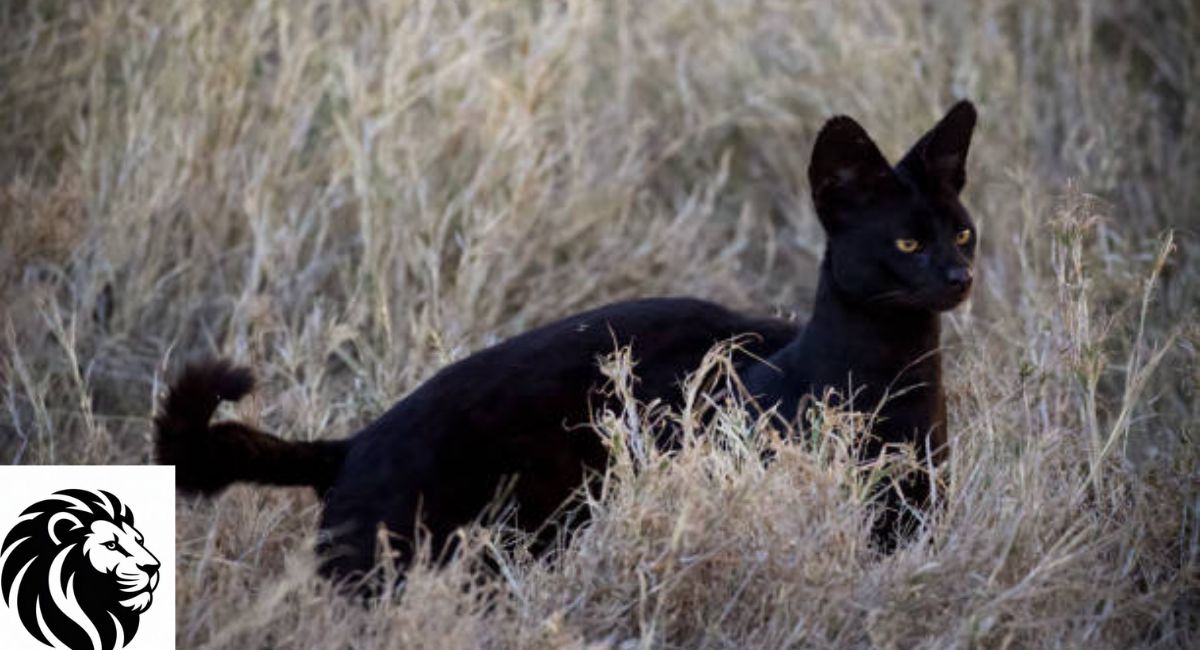
The serval is already an elegant wild cat. Melanistic servals are even more striking because their dark coats enhance their stealth and mysterious appearance.
Comparison Table of the 20 Black Animals
Before exploring habitats and survival strategies, it helps to compare these remarkable Black Animals side by side. Some are fierce predators while others are gentle herbivores. They live in very different environments, yet each species uses its dark coloration in unique ways.
| Animal | Habitat | Diet | Conservation Status |
| Black Panther | Forests | Meat | Varies by species |
| Black Leopard | Forests, Grasslands | Meat | Vulnerable |
| Black Jaguar | Rainforests | Meat | Near Threatened |
| American Black Bear | Forests | Omnivore | Least Concern |
| Black Wolf | Forests, Mountains | Meat | Least Concern |
| Black Squirrel | Forests, Cities | Nuts, Seeds | Stable |
| Black Swan | Wetlands | Plants | Least Concern |
| Red-Tailed Black Cockatoo | Woodlands | Seeds | Varies |
| Celebes Crested Macaque | Rainforests | Fruits | Critically Endangered |
| Black Howler Monkey | Rainforests | Leaves, Fruits | Vulnerable |
| Killer Whale | Oceans | Fish, Mammals | Data Varies |
| Short-Finned Pilot Whale | Oceans | Squid, Fish | Least Concern |
| King Penguin | Subantarctic Islands | Fish, Squid | Least Concern |
| Mexican Black Kingsnake | Deserts, Forests | Rodents | Stable |
| Black Rat Snake | Forests | Rodents | Stable |
| Black Mamba | Savannas | Small Mammals | Stable |
| Black Rhinoceros | Grasslands | Plants | Critically Endangered |
| Black Vulture | Open Areas | Carrion | Least Concern |
| Black Hawk-Eagle | Forests | Small Animals | Near Threatened |
| Black Stork | Wetlands | Fish | Least Concern |
Habitats Where Black Animals Thrive
Dark-colored wildlife survives in some of Earth’s most diverse ecosystems. From humid rainforests to icy oceans, Black Animals have adapted to environments that offer food, shelter, and protection. Their coloration often provides a major advantage in these habitats.
Interestingly, scientists have noticed that melanistic animals appear more frequently in dense environments where shadows dominate the landscape. These conditions make camouflage far more effective and increase survival rates.
Tropical Rainforests
Step into a rainforest and you’ll immediately notice deep shadows beneath the canopy. These dark conditions create ideal hiding places for species like black jaguars, black panthers, and black howler monkeys. Their coloration allows them to move almost unnoticed through thick vegetation.
Rainforests also provide abundant food and shelter. As a result, many dark-colored animals thrive in these biodiverse ecosystems where competition and predation constantly shape evolution.
Temperate Forests
Temperate forests across North America support black bears, black wolves, and black squirrels. Seasonal weather changes create unique challenges, yet these animals adapt remarkably well. Their dark coats often help retain warmth during cold winters.
Dense tree cover also improves animal camouflage, making it easier for predators to hunt and for prey species to remain hidden.
Grasslands and Savannas
At first glance, grasslands may not seem suitable for black animals. However, species such as the black rhinoceros and black mamba thrive in these environments. They rely less on camouflage and more on speed, strength, and behavioral adaptations.
Savannas provide vast feeding grounds and support a wide variety of wildlife. These ecosystems remain essential for many iconic African species.
Wetlands and Rivers
Wetlands support black swans, black storks, and numerous aquatic species. These habitats provide abundant fish, insects, and aquatic plants. Birds use wetlands as nesting grounds and migration stopovers.
Healthy wetlands also support biodiversity by filtering water and creating safe breeding environments for countless species.
Oceans and Coastal Waters
Marine environments host some of the most impressive Black Animals on the planet. Killer whales and pilot whales dominate ocean ecosystems with intelligence and teamwork. Their dark coloration may help conceal them in deep waters where sunlight struggles to penetrate.
Ocean habitats require specialized adaptations. Marine mammals rely on communication, cooperation, and navigation skills to survive in vast underwater environments.
How Black Animals Survive in the Wild
Survival in nature requires more than physical strength. Animals must constantly adapt to predators, climate, and changing ecosystems. Many Black Animals use their coloration as one of several tools that improve their chances of survival.
Over millions of years, evolution has equipped these species with remarkable abilities. Their success demonstrates the power of adaptation and natural selection.
Camouflage and Concealment
One of the greatest advantages of dark coloration is concealment. Forest predators like black leopards and black jaguars blend effortlessly into shadows. This allows them to approach prey without detection.
For prey species, camouflage works differently. Animals can avoid predators by remaining difficult to spot against dark backgrounds and dense vegetation.
Hunting Adaptations
Predators often combine camouflage with patience and precision. Black panthers quietly stalk prey before launching sudden attacks. Killer whales work together in coordinated groups to capture fish and marine mammals.
These hunting techniques show how wildlife adaptation extends beyond physical appearance. Behavior often plays an equally important role in survival.
Social Behavior
Many species survive through cooperation. Wolves hunt in packs while pilot whales travel in family groups called pods. Social structures improve protection, communication, and access to food resources.
Living in groups also allows younger animals to learn valuable survival skills from experienced adults.
Climate Adaptation
Dark coloration can help animals absorb heat in colder climates. Black squirrels and black wolves may benefit from this advantage during harsh winters. Warmer body temperatures can improve energy efficiency and overall survival.
However, this benefit varies depending on habitat. In hot environments, excessive heat absorption may create challenges instead.
Threats Facing Black Animals
Despite their impressive adaptations, many Black Animals face serious threats. Human activities continue to alter ecosystems at an unprecedented rate. As habitats shrink, wildlife populations struggle to survive.
Conservationists work tirelessly to address these challenges. However, many species remain vulnerable to extinction without continued protection efforts.
Habitat Loss
Habitat destruction remains the greatest threat to wildlife worldwide. Forest clearing, urban expansion, and agricultural development remove critical resources that animals need to survive.
Species such as the Celebes crested macaque suffer heavily from habitat loss because they depend on specific ecosystems that are difficult to replace.
Poaching and Illegal Wildlife Trade
Poaching continues to threaten species like the black rhinoceros. Criminal networks target animals for horns, skins, and other valuable body parts. These activities can rapidly reduce populations.
Even well-protected species remain vulnerable when enforcement efforts weaken.
Climate Change
Climate change affects habitats across the globe. Rising temperatures, changing rainfall patterns, and extreme weather events disrupt ecosystems and food supplies.
Many species must adapt quickly or risk population declines as environmental conditions continue to change.
Human-Wildlife Conflict
As human settlements expand, encounters between people and wildlife become more common. Predators may attack livestock while farmers may retaliate against animals they view as threats.
Finding ways for humans and wildlife to coexist remains a major conservation challenge.
Conservation Efforts Protecting Black Animals
Fortunately, many organizations and governments are working to protect wildlife. Conservation programs focus on habitat preservation, scientific research, and public education.
These efforts have already helped several endangered species recover from severe population declines.
Protected Areas
National parks and wildlife reserves provide safe habitats for countless species. These protected regions reduce habitat destruction and offer animals space to live naturally.
Many iconic Black Animals depend on protected landscapes for long-term survival.
Anti-Poaching Programs
Rangers, drones, camera traps, and tracking technology help combat illegal hunting. These tools allow conservation teams to monitor wildlife and respond quickly to threats.
Anti-poaching initiatives have become especially important for protecting rhinoceroses and large cats.
Captive Breeding Programs
Some endangered species benefit from carefully managed breeding programs. Zoos and conservation centers help maintain healthy populations that may eventually support reintroduction efforts.
These programs provide a safety net when wild populations become dangerously small.
Public Awareness
Education plays a vital role in conservation. When people understand the value of biodiversity, they are more likely to support wildlife protection initiatives.
Every individual can contribute by supporting conservation organizations and promoting sustainable practices.
Facts About Black Animals
Nature is full of surprises and Black Animals offer some of the most fascinating examples.
| Interesting Fact | Explanation |
| Black panthers are not separate species | They are melanistic leopards or jaguars |
| Melanism occurs in many groups | Mammals, birds, reptiles, and insects can be melanistic |
| Some black animals appear spotted in sunlight | Hidden markings become visible under bright light |
| Black wolves are common in some forests | Their coloration may provide survival advantages |
| Melanism evolved multiple times | Different species developed it independently |
One surprising fact is that melanism does not always make animals completely black. Some species retain hidden patterns that only appear under certain lighting conditions. This creates beautiful visual effects that often go unnoticed.
Another fascinating discovery is that scientists continue finding new examples of melanism across the animal kingdom. Each discovery helps researchers better understand evolutionary biology and adaptation.
Conclusion
Black Animals showcase some of nature’s most remarkable adaptations. From stealthy black panthers and powerful wolves to elegant swans and intelligent whales, these creatures demonstrate how melanism, camouflage, and evolution help wildlife survive in different environments. Their dark coloration is more than a visual trait; it often provides important advantages for hunting, protection, and adaptation.
However, many black-colored species face growing threats from habitat loss, climate change, and illegal hunting. Protecting these animals and their ecosystems is essential for preserving global biodiversity. By supporting conservation efforts and learning more about wildlife, we can help ensure that these extraordinary creatures continue to thrive for generations to come.
FAQs
1. What are Black Animals?
Black Animals are species with black or very dark fur, feathers, scales, or skin. Their coloration may occur naturally or result from melanism.
2. What causes melanism in animals?
Melanism is caused by genetic mutations that increase melanin production, giving animals a darker appearance than usual.
3. Are black panthers a separate species?
No, black panthers are not a separate species. They are melanistic forms of leopards or jaguars with dark-colored coats.
4. Do Black Animals have survival advantages?
Yes, many Black Animals benefit from improved camouflage, better hunting success, and protection in shaded environments.
5. Are Black Animals endangered?
Not all Black Animals are endangered, but some species, such as the black rhinoceros and Celebes crested macaque, face serious conservation challenges due to habitat loss and poaching.

Welcome to natureanimalhub! I’m Anam Sattar, an AI Powered SEO, and Content Writer with 4 years of experirnce.
I help websites rank higher,grow traffic, and look amazing. My goal is to make SEO and web design simple and effective for everyone.
Let’s achieve more together!