

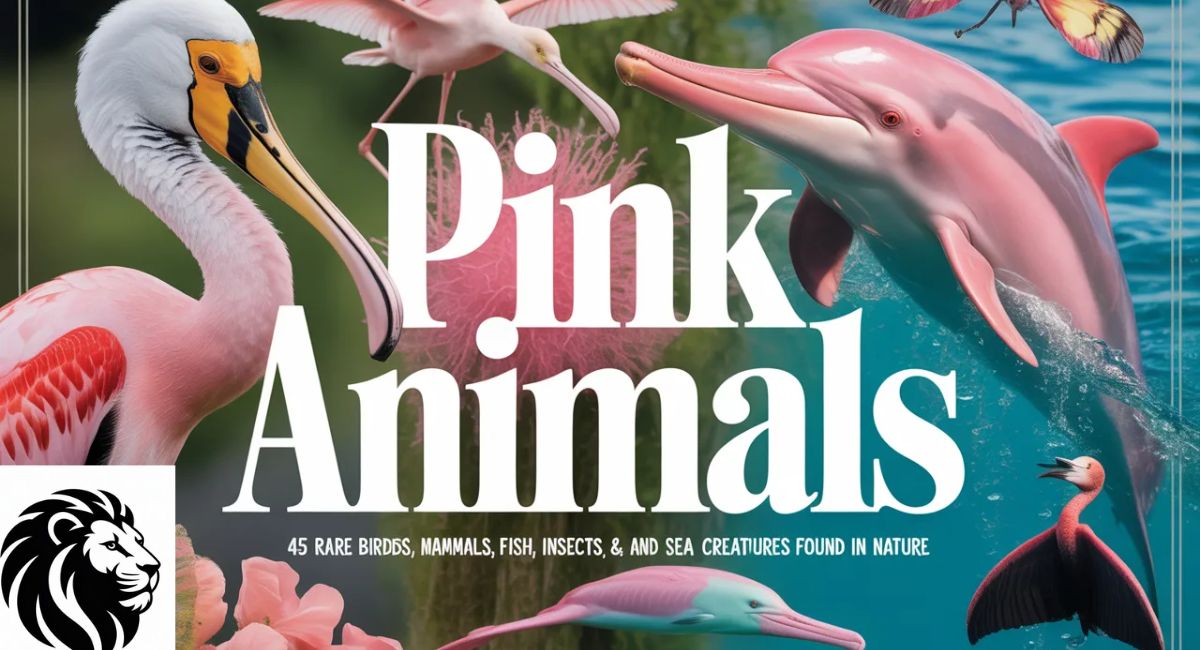
The world of Pink Animals is far more diverse than most people realize. While flamingos are often the first species that come to mind, nature is home to many fascinating creatures that display beautiful pink shades. From vibrant birds and unusual mammals to colorful fish and marine invertebrates, these animals can be found in a wide range of habitats across the globe.
Their striking appearance is often linked to animal pigmentation, diet, genetics, and environmental adaptation. Some species use pink coloration for camouflage, while others rely on it for survival or communication. Exploring these remarkable colorful animals offers a deeper understanding of Earth’s incredible biodiversity and the wonders of pink wildlife species found in nature.
What Makes Some Animals Pink?
Pink coloration may look magical, but science offers several fascinating explanations. One of the most common causes is the presence of carotenoids. These natural pigments occur in algae, shrimp, and various aquatic organisms. Animals that consume these foods gradually accumulate pigments in their skin, scales, or feathers. Flamingos provide one of the best-known examples. Without a diet rich in beta carotene, their famous pink feathers would slowly fade.
| Cause of Pink Coloration | Example |
| Diet and carotenoids | Flamingo |
| Genetic mutation | Pink Grasshopper |
| Reduced melanin | Pig |
| Camouflage | Bargibant’s Seahorse |
| Warning coloration | Shocking Pink Dragon Millipede |
Pink Birds Found in Nature
Pink birds are among the most recognizable examples of naturally colorful animals. Their vibrant plumage often helps them attract mates and communicate within flocks. Some species obtain their color from food, while others inherit it through genetics. These birds prove that the skies can be just as colorful as the ocean.
Many of these species inhabit wetlands, forests, and grasslands across multiple continents. Their striking appearance makes them favorites among birdwatchers. Let’s explore some of the most beautiful pink wildlife species found in nature.
Flamingo

Few birds symbolize pink coloration better than the flamingo. These elegant birds develop their famous hue from diets rich in algae and shrimp. The pigments accumulate within their feathers over time. Young flamingos start life with grayish feathers and gradually turn pink as they mature.
Pink Robin

Australia is home to many unusual species, and the Pink Robin is one of the most charming. Males display a bright rosy chest that contrasts beautifully with their dark body. This small bird spends much of its time searching forest floors for insects and spiders.
Roseate Spoonbill

At first glance, many people mistake the Roseate Spoonbill for a flamingo. Its broad spoon-shaped bill sets it apart. Soft pink feathers cover most of its body while vivid magenta accents decorate its wings. The bird uses its specialized bill to sweep through shallow water while hunting.
Major Mitchell’s Cockatoo

This striking Australian bird combines beauty with intelligence. Its soft pink body and colorful crest create a truly unforgettable appearance. When threatened or excited, the bird raises its spectacular crest, revealing bands of yellow, orange, and pink.
Pink-Headed Warbler

Hidden within the mountain forests of Mexico and Guatemala, the Pink-Headed Warbler displays one of the most unique color patterns among birds. Its silvery pink head contrasts with a rich reddish-pink body. Both males and females share similar coloration.
Pine Grosbeak

The Pine Grosbeak thrives in northern forests across North America and Eurasia. Males often display rosy pink plumage on their heads and backs. During harsh winters, these birds may travel south in search of food, delighting birdwatchers along the way.
Rosy Pelican

Despite its common nickname of white pelican, this species often shows subtle pink tones across its feathers. During breeding season, facial skin develops stronger shades of pink. Its enormous bill serves as a highly efficient fishing tool.
Galah

The Galah is one of Australia’s most recognizable parrots. Bright pink feathers cover its chest and face while gray wings complete the striking appearance. These highly social birds gather in large flocks and display remarkable intelligence.
Himalayan White-Browed Rosefinch

High in the Himalayan region lives this beautiful finch species. Males showcase rosy pink feathers that stand out against rugged mountain landscapes. Females possess more subdued colors that provide better camouflage.
Northern Carmine Bee-Eater

This colorful African bird combines several bright shades, including vibrant pink, red, blue, and black. It specializes in catching flying insects, especially bees. Its dazzling appearance makes it one of Africa’s most visually stunning birds.
Pink Mammals Around the World
Although mammals rarely display bright coloration, several fascinating species challenge that rule. Most pink mammals owe their appearance to thin skin, reduced pigmentation, or specialized biological traits. Unlike birds, mammals usually do not rely on colorful fur for survival.
These unusual species occupy a wide range of habitats, from underground tunnels to massive river systems. Their appearance often sparks curiosity because pink coloration remains uncommon among land mammals.
Naked Mole-Rat

The Naked Mole-Rat may not win beauty contests, but it remains one of the most scientifically fascinating animals on Earth. Its nearly hairless body reveals pinkish skin beneath. Researchers study this species extensively because of its unusual resistance to disease and pain.
Pig

Domestic pigs appear pink because their skin contains very little pigment. Blood vessels beneath the skin create the familiar rosy appearance. While common on farms, pink coloration would provide little protection in the wild where camouflage is crucial.
Amazon River Dolphin
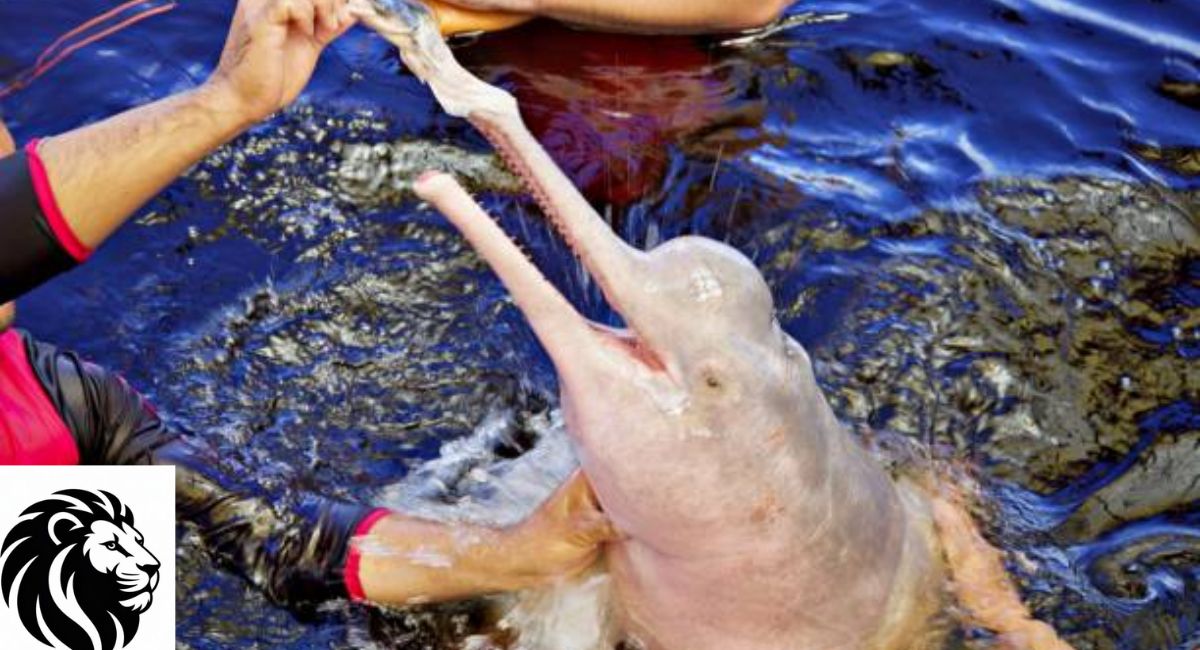
Often called the pink river dolphin, this remarkable creature inhabits South America’s vast river systems. Adults gradually develop a pink hue as scars and skin changes accumulate over time. Their flexible necks allow them to maneuver through flooded forests with ease.
Hippopotamus

Hippos may appear gray from a distance, but close inspection often reveals subtle pink tones. They also secrete a reddish fluid commonly called “blood sweat.” This substance acts as a natural sunscreen and protects sensitive skin from harsh sunlight.
Pink Fairy Armadillo

The Pink Fairy Armadillo ranks among the rarest mammals in the world. Native to Argentina, this tiny burrowing creature features a pale pink shell and soft fur. Its elusive lifestyle makes sightings extremely uncommon.
Pink Reptiles and Amphibians
Reptiles and amphibians rarely display pink coloration in the wild. When they do, the color often results from genetics, habitat conditions, or reduced pigmentation. These fascinating creatures demonstrate how natural coloration can vary dramatically across different ecosystems.
Some species use their pink tones to blend into rocky terrain or sandy environments. Others develop unusual shades through rare genetic traits. Despite their differences, each species contributes to the incredible diversity of Pink Animals found around the world.
Sonoran Coachwhip

The Sonoran Coachwhip is a fast-moving snake found in parts of the southwestern United States and northern Mexico. In certain regions, especially western Texas, individuals display rosy pink scales that match local soil colors. This remarkable camouflage helps the snake avoid predators while hunting.
Web-Footed Gecko

Native to the deserts of southern Africa, the Web-Footed Gecko possesses translucent skin with a soft pink glow. Its unusual feet help it move quickly across loose sand. The pink undertones become especially noticeable under sunlight, making it one of the most distinctive desert reptiles.
Galapagos Pink Land Iguana

Among the rarest reptiles on Earth, the Galapagos Pink Land Iguana survives only on a remote volcanic slope. Scientists estimate that only a small population remains in the wild. Its pink-and-black body pattern makes it one of the most extraordinary examples of unique animal coloration.
Axolotl

The Axolotl is a famous amphibian known for its feathery external gills and permanent aquatic lifestyle. While wild individuals are generally darker, captive populations often display pale pink bodies. This appearance results from reduced pigmentation and selective breeding.
Leucistic Corn Snake

Leucistic Corn Snakes exhibit reduced pigmentation because of leucism. Their scales often appear white with delicate pink shades beneath. These beautiful snakes remain popular among reptile enthusiasts because of their gentle temperament and striking appearance.
Pink Fish Species You Should Know
The underwater world contains some of the most colorful creatures on the planet. Many pink fish inhabit tropical reefs where bright colors blend into coral landscapes. These vivid hues may help attract mates, establish territory, or provide concealment among reef structures.
Marine ecosystems offer ideal conditions for colorful evolution. As a result, several fish species display brilliant pink shades that rival even the most colorful birds. Their appearance contributes significantly to the diversity of pink marine life.
McCosker’s Flasher Wrasse

This dazzling reef fish combines bright pink coloration with electric blue markings. During courtship displays, males flash their fins and intensify their colors. Divers often consider it one of the most beautiful reef fish in the Indian Ocean.
Northern Red Snapper

The Northern Red Snapper ranges from deep red to silvery pink. It plays an important role in commercial and recreational fisheries across North America. Strong jaws and sharp teeth allow this fish to feed on a wide variety of marine prey.
Squarespot Anthias

The Squarespot Anthias thrives among Indo-Pacific coral reefs. Males display vivid pink bodies accented by orange and lavender hues. Their brilliant colors make them highly sought after by aquarium enthusiasts and underwater photographers.
Pink Flowerhorn Cichlid

Unlike many species on this list, the Pink Flowerhorn Cichlid was developed through selective breeding. Its bright pink coloration and distinctive forehead hump make it instantly recognizable. The fish remains popular in home aquariums around the world.
Giant Frogfish

The Giant Frogfish is a master of disguise. It can slowly change color to match surrounding corals and sponges. Many individuals develop pink shades that blend seamlessly into reef environments. This remarkable habitat adaptation helps it ambush unsuspecting prey.
Pink Skunk Clownfish

The Pink Skunk Clownfish combines soft pink coloration with a thin white stripe running along its back. It forms close relationships with sea anemones, gaining protection while helping keep its host clean from parasites and debris.
Pink Insects and Arthropods
Insects and arthropods showcase some of the most surprising examples of pink coloration. These tiny creatures often use color for defense, camouflage, or mating displays. Some species evolved naturally pink appearances, while others developed them through rare genetic mutation events.
Despite their small size, these animals play important ecological roles. Many pollinate plants, control pest populations, or contribute to nutrient recycling within ecosystems.
Common Purple and Gold Moth

Despite its name, this moth frequently displays vivid pink wings decorated with golden markings. Active during daylight hours, it often visits gardens and meadows where mint plants grow.
Orchid Mantis

The Orchid Mantis resembles a flower more than an insect. Its pink and white body mimics orchid petals so effectively that butterflies and other insects often mistake it for a blossom. This extraordinary mimicry allows it to capture prey with ease.
Primrose Moth

The Primrose Moth features cream-colored wings decorated with soft pink patterns. It often rests inside evening primrose flowers during the day. This behavior provides shelter while enhancing its natural camouflage.
Crab Spider

The Crab Spider can change color between white, yellow, and pink depending on its surroundings. This ability allows it to blend into flowers while waiting for pollinating insects to land nearby.
Twelve-Spotted Lady Beetle

Unlike the familiar red ladybug, this species displays a bright pink background covered with black spots. Gardeners appreciate its appetite for aphids and other destructive pests.
Pink Grasshopper

Pink Grasshoppers are extremely rare in nature. Scientists believe a genetic mutation causes their unusual coloration. Unfortunately, their bright appearance makes them easier for predators to detect.
Shocking Pink Dragon Millipede

This incredible arthropod may be one of the brightest creatures on Earth. Its vivid pink body warns predators that it produces toxic chemicals. This form of warning coloration helps protect it from attack.
Small Elephant Hawk Moth

The Small Elephant Hawk Moth displays pink wings accented by olive and yellow markings. Its colorful appearance resembles a painted work of art rather than a typical moth.
Pink Marine Invertebrates and Ocean Creatures
The oceans contain an astonishing variety of pink sea creatures. Coral reefs, deep-sea habitats, and coastal waters support countless species that display pink coloration. Many rely on these colors for camouflage among corals, sea fans, and sponges.
Marine environments encourage extraordinary diversity. As a result, some of the most spectacular pink ocean animals belong to groups that many people rarely notice. These species highlight the incredible richness of marine ecosystems.
Bargibant’s Seahorse

This tiny seahorse lives among pink gorgonian corals. Its body perfectly matches its surroundings, making it nearly invisible. This remarkable example of camouflage remained undiscovered until the late twentieth century.
Sea Anemone

Many sea anemones display vibrant pink tentacles. Although they resemble flowers, they are actually predatory animals. Their stinging cells help capture fish and other small marine organisms.
Trinchesia sibogae

This brilliantly colored sea slug features a glowing pink body covered with delicate appendages. Its vivid appearance makes it a favorite subject among underwater photographers.
Pinkfish Sea Cucumber

The Pinkfish Sea Cucumber displays a striking two-tone body with dark upper surfaces and pink undersides. It plays a valuable role by consuming organic material from the seafloor.
Hairy Pink Squat Lobster

Despite its name, this creature is more closely related to hermit crabs than true lobsters. Its bright pink body and fuzzy appendages create a unique appearance rarely seen elsewhere in the animal kingdom.
Pink Sea Star

The Pink Sea Star ranks among the largest sea star species found along North America’s Pacific coast. Individuals vary from pale pink to intense bubblegum shades.
Clown Nudibranch

The Clown Nudibranch combines white, pink, orange, and yellow markings in spectacular patterns. Every individual displays a slightly different arrangement of colors.
Phyllodesmium poindimiei

This unusual sea slug possesses translucent pink structures that serve both respiratory and digestive functions. Its delicate appearance resembles strands of spun glass floating underwater.
Hopkins’ Rose Nudibranch

One of the most famous sea slugs, Hopkins’ Rose Nudibranch displays bright pink coloration throughout its body. It feeds primarily on bryozoans and thrives in coastal waters.
Pink Sea Fan

Pink Sea Fans create beautiful underwater forests that support countless marine species. Their branching structures provide shelter for fish, crustaceans, and other reef inhabitants.
Pink Cushion Star

This rounded sea star resembles a soft cushion resting on the seafloor. Its pink coloration varies depending on age, habitat, and environmental conditions.
The Rarest Pink Animals in the World
Some Pink Animals are uncommon, while others are so rare that only a handful of people ever see them in the wild. Habitat loss, climate change, and shrinking populations have pushed several species toward endangered status. These remarkable creatures highlight the importance of wildlife conservation and protecting fragile ecosystems.
Scientists continue to monitor many of these species because their survival depends on healthy habitats. Conservation programs, protected reserves, and research projects offer hope for the future. Without these efforts, some of the world’s most extraordinary animals could disappear forever.
| Rare Pink Animal | Why It Is Rare |
| Galapagos Pink Land Iguana | Extremely limited range |
| Pink Fairy Armadillo | Secretive underground lifestyle |
| Amazon River Dolphin | Habitat threats and pollution |
| Bargibant’s Seahorse | Tiny size and specialized habitat |
| Shocking Pink Dragon Millipede | Restricted distribution |
Where Do Pink Animals Live?
One of the most fascinating aspects of Pink Animals is their global distribution. These species inhabit nearly every major ecosystem on Earth. From tropical reefs to frozen northern forests, pink coloration appears in a surprising variety of environments.
Location often influences how pink coloration develops. Marine species frequently use color for reef camouflage, while birds may rely on pigments obtained through diet. Mammals and reptiles often display pink shades because of reduced pigmentation rather than bright external colors.
Pink Animals of Coral Reefs
Coral reefs contain some of the highest concentrations of pink marine animals. Seahorses, nudibranchs, sea stars, and colorful reef fish blend into coral formations using remarkable adaptations. The vibrant colors of reefs create ideal conditions for pink species to thrive.
Pink Animals of Rainforests
Rainforests support species such as the Orchid Mantis and various colorful birds. Dense vegetation creates countless opportunities for camouflage, mimicry, and specialized coloration. These habitats remain among the richest centers of biodiversity.
Pink Animals of Rivers and Wetlands
Wetland ecosystems support flamingos, spoonbills, pelicans, and river dolphins. These habitats provide abundant food sources rich in pigments that help maintain pink coloration in several species.
Pink Animals of Deserts
Deserts may seem unlikely homes for colorful wildlife, yet species like the Web-Footed Gecko and Pink Fairy Armadillo prove otherwise. Their coloration often helps them blend into pale sandy environments.
Pink Animals of Mountains and Highlands
Mountain ecosystems host species such as the Himalayan White-Browed Rosefinch. These rugged landscapes support specialized wildlife adapted to cooler temperatures and challenging conditions.
Amazing Facts About Pink Animals
The world of Pink Animals contains countless surprises. Some species owe their color to food. Others rely on genetics or environmental adaptation. Each animal contributes a unique chapter to the story of life on Earth.
Researchers continue discovering new facts about these creatures every year. Advances in genetics and wildlife biology help scientists better understand how pink coloration evolves and why it persists in certain species.
The Largest Pink Animal
Among naturally pink species, the Hippopotamus ranks among the largest. Adult hippos can weigh several thousand pounds while displaying subtle pink tones and producing their famous reddish protective secretion.
The Brightest Pink Animal
The Shocking Pink Dragon Millipede may hold the title for the brightest pink coloration. Its vivid body appears almost fluorescent and serves as a warning to potential predators.
The Most Famous Pink Animal
The Flamingo remains the world’s most recognizable pink species. Its elegant posture and brilliant feathers have made it a cultural symbol across many countries.
The Most Unusual Pink Mammal
The Pink Fairy Armadillo easily earns this distinction. Its tiny size, underground lifestyle, and pale pink shell create a combination unlike any other mammal.
The Most Colorful Pink Fish
McCosker’s Flasher Wrasse dazzles divers with a mix of pink, blue, orange, and yellow. During courtship displays, its colors become even more intense.
Pink Animals Can Change Color
Some species such as Crab Spiders and Giant Frogfish can alter their coloration over time. This ability improves predator avoidance and increases hunting success.
Not All Pink Animals Are Born Pink
Flamingos and Amazon River Dolphins often develop stronger coloration as they age. Diet, environment, and physical changes gradually transform their appearance.
Pink Coloration Appears Across Multiple Animal Groups
Birds, mammals, fish, reptiles, amphibians, insects, and marine invertebrates all include pink species. This widespread occurrence demonstrates how evolutionary adaptation can produce similar colors through different biological pathways.
Conclusion
The world of Pink Animals is full of incredible surprises. From vibrant birds and unique mammals to colorful fish and fascinating sea creatures, these species show how diverse and beautiful nature can be. Their pink coloration comes from different factors, including animal pigmentation, genetics, diet, and environmental adaptation.
By learning about these remarkable pink wildlife species, we gain a greater appreciation for Earth’s rich biodiversity. Many of these colorful animals face challenges from habitat loss and environmental change, making conservation more important than ever. Protecting wildlife helps ensure that future generations can continue to admire these extraordinary creatures in their natural habitats.
FAQs
1. Why are some animals pink?
Some animals become pink because of their diet, genetics, or reduced pigmentation. In many species, pigments such as carotenoids help create pink coloration.
2. What is the most famous pink animal?
The flamingo is the most famous of all Pink Animals due to its bright feathers and unique appearance.
3. Are flamingos born pink?
No, flamingos are born with gray or white feathers. Their pink color develops over time from the foods they eat.
4. What is the rarest pink animal in the world?
The Galapagos Pink Land Iguana is considered one of the rarest pink animals because it lives in a very limited area and has a small population.
5. Do pink animals live only in the ocean?
No, pink animals can be found in many habitats, including forests, rivers, deserts, mountains, wetlands, and oceans.

Welcome to natureanimalhub! I’m Anam Sattar, an AI Powered SEO, and Content Writer with 4 years of experirnce.
I help websites rank higher,grow traffic, and look amazing. My goal is to make SEO and web design simple and effective for everyone.
Let’s achieve more together!