

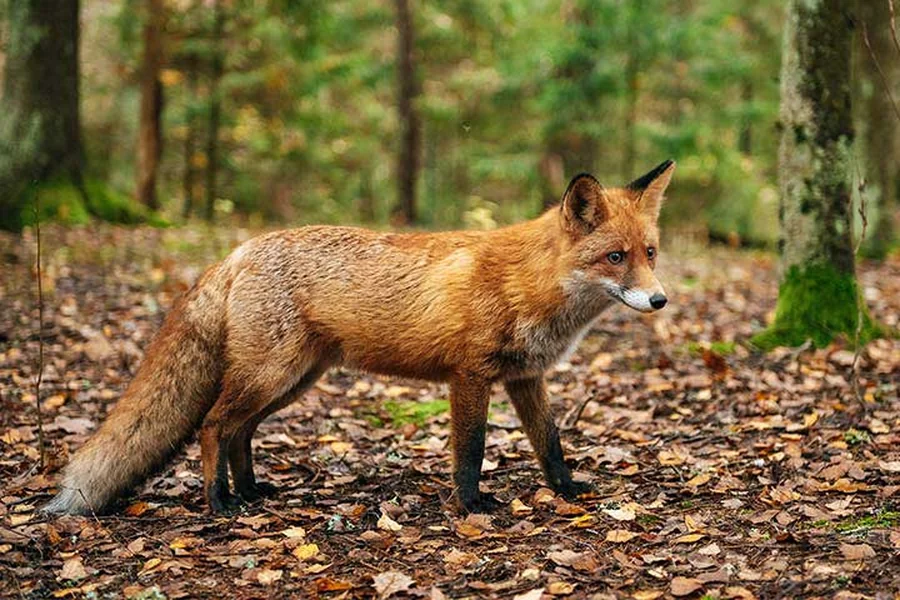
What Are Forest Animals?
Forest animals are wildlife species that live in wooded environments around the world. They include mammals, birds, reptiles, amphibians, and countless insects that depend on forests for food, shelter, breeding, and protection. Forest habitats can be very different depending on climate and geography, ranging from tropical rainforests and temperate woodlands to cold northern forests. Each environment supports its own collection of species adapted to local conditions. Animals such as deer, bears, foxes, wolves, monkeys, squirrels, owls, and countless smaller creatures can all be associated with forest ecosystems. Some animals spend most of their lives in trees, while others remain primarily on the forest floor. Their behaviors are also shaped by seasonal changes, available food, predators, and competition. Forest animals have developed remarkable adaptations that allow them to survive in environments where resources can change throughout the year. Some rely on camouflage, while others use speed, sharp senses, climbing abilities, strong claws, or social cooperation. Together, these animals form interconnected communities that help forests remain productive and balanced.
Common Animals Found in Forests
Forests provide suitable habitats for a wide variety of wildlife, and the species found there depend heavily on the type of forest. Deer are common in many woodland environments and feed mainly on vegetation such as leaves, grass, shoots, and other plants. Foxes can also live in forests and are adaptable predators that search for small mammals, birds, insects, and other food. Bears inhabit several forest regions and have varied diets that can include plants, fruits, insects, fish, and small animals. Wolves may live in forested landscapes where they can find suitable prey and enough space to establish territories. Smaller animals are equally important. Squirrels collect seeds and nuts, rabbits feed on vegetation, and many rodents provide food for larger predators. Birds such as woodpeckers, owls, hawks, and songbirds occupy different parts of the forest, from tree trunks to the upper canopy. In tropical forests, monkeys, sloths, big cats, colorful birds, and reptiles add even greater diversity. This variety allows different species to occupy different ecological roles and reduces direct competition for the same resources.
How Forest Animals Survive
Survival in a forest requires animals to respond to changing weather, predators, food supplies, and competition. Many forest animals use camouflage to blend into bark, leaves, soil, or shadows, making them harder for predators or prey to notice. Some species rely on speed and agility, while others have physical defenses such as claws, horns, shells, or powerful jaws. Tree-dwelling animals may have gripping feet, strong limbs, flexible bodies, or tails that help them move safely through branches. Other animals have excellent hearing, vision, or smell that allows them to detect danger or locate food. Seasonal adaptations are also important. Some animals grow thicker coats during colder months, while others store food, migrate, become less active, or change their feeding habits. Nocturnal species use darkness to avoid predators or search for food with less competition. Social behavior can provide another advantage, particularly for species that live in groups. By cooperating, communicating, and protecting one another, animals can improve their chances of finding food and avoiding threats. These different survival strategies demonstrate how closely forest wildlife is connected to its environment.
Why Forest Animals Matter
Forest animals play essential roles in maintaining healthy ecosystems. Herbivores influence plant growth by feeding on vegetation, while predators help regulate populations of prey species. Birds and mammals can spread seeds after eating fruits, helping new plants grow in different areas of the forest. Insects contribute to pollination and decomposition, while scavengers help recycle nutrients by consuming remains of dead animals. Even species that appear small or insignificant can have important effects on the wider ecosystem. The interactions between plants, animals, fungi, microorganisms, and soil create complex food webs that keep forests functioning. When one species declines significantly, its absence can affect other organisms that depend on it. Protecting forest animals therefore supports more than individual species; it helps preserve the ecological relationships that allow forests to remain healthy. Healthy forests also provide benefits to people, including clean water, carbon storage, soil protection, and natural resources. Wildlife conservation and forest conservation are therefore closely connected.
Final Thought
Forest animals represent an incredible range of wildlife adapted to life among trees, plants, streams, and changing seasons. From large predators and grazing mammals to birds, reptiles, insects, and tiny organisms, every species contributes to the balance of its habitat. Their different diets, behaviors, physical characteristics, and survival strategies show how nature creates solutions for challenging environments. Forests are not simply collections of trees; they are living ecosystems filled with relationships between thousands of species. Protecting these habitats gives forest animals the space and resources they need to survive while also preserving important ecological processes. By understanding forest wildlife and respecting its natural environment, people can better appreciate the importance of protecting forests for future generations.
FAQs
What are forest animals?
Forest animals are wild species that live in wooded habitats and depend on forests for food, shelter, breeding, and protection.
What animals commonly live in forests?
Common forest animals include deer, foxes, bears, wolves, squirrels, rabbits, owls, woodpeckers, and many other species.
What do forest animals eat?
Forest animals have different diets that may include plants, fruits, seeds, insects, fish, small mammals, birds, and other available foods.
How do forest animals protect themselves?
Forest animals use strategies such as camouflage, speed, climbing, strong senses, physical defenses, hiding, and group behavior to survive.
Why are forest animals important?
Forest animals help control populations, spread seeds, pollinate plants, recycle nutrients, and maintain healthy ecological relationships.
Do all forest animals live in trees?
No, some animals live mainly in trees while others spend most of their time on the forest floor, underground, or near streams and wetlands.
How can people help protect forest animals?
People can support habitat conservation, reduce deforestation, avoid disturbing wildlife, protect natural areas, and support responsible conservation efforts.

Welcome to natureanimalhub! I’m Anam Sattar, an AI Powered SEO, and Content Writer with 4 years of experirnce.
I help websites rank higher,grow traffic, and look amazing. My goal is to make SEO and web design simple and effective for everyone.
Let’s achieve more together!