

What Are Grassland Animals?
Grassland animals are wildlife species that live in open habitats dominated by grasses, herbs, and other low-growing vegetation. Grasslands occur on different continents and include environments such as African savannas, North American prairies, South American pampas, and Asian steppes. These habitats can support a remarkable variety of mammals, birds, reptiles, and insects. Animals living in grasslands must often cope with limited tree cover, seasonal rainfall, changing temperatures, and the constant presence of predators. Some species survive by running quickly across open ground, while others use camouflage, burrowing, herding, or sharp senses to stay safe. Grazing animals such as zebras, wildebeest, bison, antelope, and wild horses depend heavily on grass and other vegetation for food. Predators such as lions, cheetahs, wolves, and hyenas depend on these herbivores and other animals for survival. Smaller creatures, including prairie dogs, rabbits, snakes, insects, and grassland birds, also play important ecological roles. Together, these species create complex food webs that allow grassland ecosystems to remain productive and diverse.
Common Animals Found in Grasslands
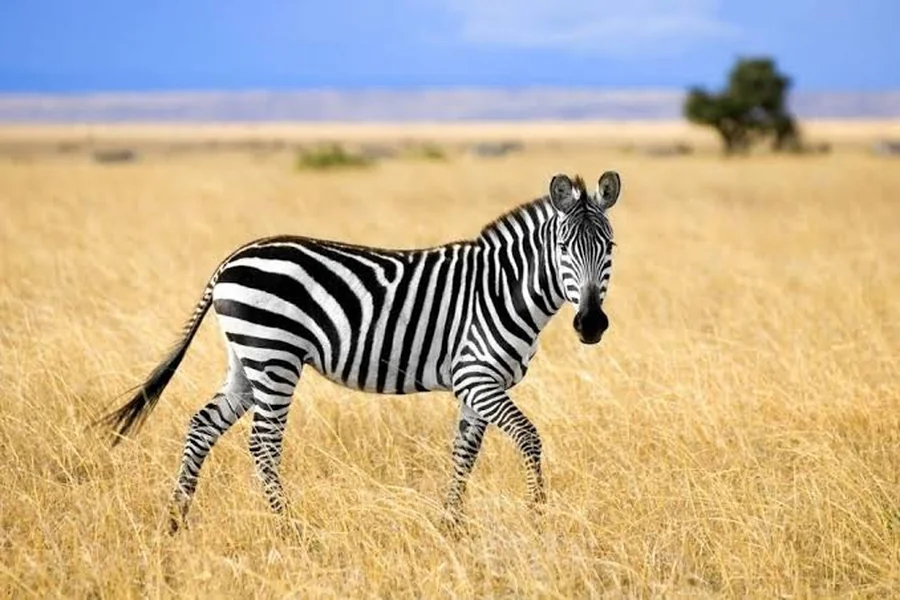
Grasslands are home to many recognizable animals, especially large herbivores that graze on abundant vegetation. Zebras are well adapted to African grasslands and often travel in groups while searching for food and water. Wildebeest are another important grazing species and are known for their large seasonal movements across parts of Africa. Antelope species vary greatly in size and appearance, but many are built for speed and endurance, helping them escape predators across open terrain. In North America, bison are iconic grassland mammals that feed primarily on grasses and other vegetation. Prairie dogs live in underground burrow systems and can create extensive colonies in suitable habitats. Kangaroos are strongly associated with Australian grasslands and open woodland environments, where they feed on grasses and other plants. Predators also occupy these habitats. Lions and cheetahs hunt prey across African savannas, while coyotes and other carnivores can inhabit grasslands in North America. Birds such as ostriches, hawks, falcons, and grassland songbirds add another important layer of biodiversity to these open ecosystems.
How Grassland Animals Survive
Life in an open grassland presents unique challenges because there are often few trees or dense places to hide. Many animals have evolved physical features and behaviors that help them survive in these exposed environments. Speed is particularly valuable for both predators and prey. Cheetahs can accelerate rapidly when pursuing prey, while antelope and other herbivores rely on speed, agility, and endurance to escape attacks. Herding is another important strategy. Animals such as zebras, wildebeest, and bison may gather in groups, making it easier to detect approaching predators and providing some protection through numbers. Some smaller animals avoid danger by digging underground burrows where they can escape extreme temperatures and predators. Camouflage can also help animals blend into grasses and soil. Many grassland species have brown, tan, or golden coloring that makes them less noticeable from a distance. Seasonal migration and movement toward areas with better water or food are also common strategies. These adaptations demonstrate how animals have evolved to make use of an environment where shelter may be limited but food can be abundant.
Grassland Food Chains and Ecosystem Roles
Grassland ecosystems depend on strong relationships between plants, herbivores, predators, scavengers, and decomposers. Grasses form the foundation of many grassland food webs by providing energy for grazing animals. Herbivores such as bison, zebras, antelope, and wildebeest consume vegetation and transfer that energy through the ecosystem. Predators then depend on these herbivores and smaller animals as sources of food. Scavengers help clean the environment by consuming remains left behind by predators or animals that die naturally. Insects, fungi, bacteria, and other decomposers break down organic material and return nutrients to the soil. Grazing animals can also influence plant growth and nutrient cycling through their feeding and movement. Burrowing species may change soil structure and create shelter used by other organisms. Birds can help control insect populations, while pollinating insects contribute to plant reproduction. Because these relationships are interconnected, protecting one species can have benefits throughout the ecosystem. Healthy grasslands therefore depend on maintaining both their wildlife populations and the natural processes that connect them.
Final Thought
Grassland animals have developed remarkable ways to live in wide, open environments where food, water, weather, and predators can change throughout the year. From powerful bison and graceful antelope to fast cheetahs, social zebras, burrowing prairie dogs, and numerous birds and insects, every species contributes to the health of its habitat. Their adaptations include speed, camouflage, group behavior, migration, burrowing, and specialized feeding strategies. Grasslands are valuable ecosystems that support biodiversity while also providing important environmental benefits. Protecting these habitats can help preserve the animals and ecological relationships that depend on them. Learning about grassland wildlife offers a fascinating look at how animals survive and interact in some of the world’s most open and dynamic natural environments.
FAQs
What are grassland animals?
Grassland animals are species that live in open habitats dominated by grasses and other low-growing plants.
What animals commonly live in grasslands?
Common grassland animals include zebras, wildebeest, bison, antelope, lions, cheetahs, prairie dogs, kangaroos, and many birds and insects.
What do grassland animals eat?
Herbivores mainly eat grasses, leaves, seeds, and other plants, while predators consume herbivores and smaller animals.
How do grassland animals protect themselves?
They use strategies such as running quickly, living in groups, camouflage, burrowing, sharp senses, and seasonal movement.
Why are grassland animals important?
Grassland animals help maintain food webs, spread nutrients, influence vegetation, control populations, and support overall ecosystem health.
Do grassland animals migrate?
Yes, some species migrate or make seasonal movements to find better sources of food, water, and suitable habitat.
What is the largest grassland animal?
The African elephant can live in grassland and savanna habitats and is one of the largest land animals found in these environments.

Welcome to natureanimalhub! I’m Anam Sattar, an AI Powered SEO, and Content Writer with 4 years of experirnce.
I help websites rank higher,grow traffic, and look amazing. My goal is to make SEO and web design simple and effective for everyone.
Let’s achieve more together!