

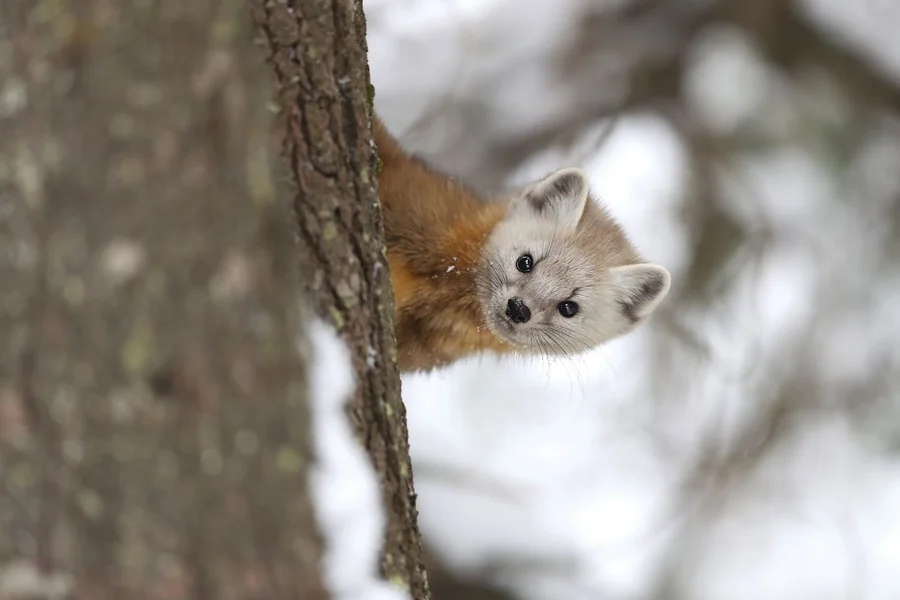
What Are Taiga Animals?
Taiga animals are wildlife species that live in the vast northern forests of the world. The taiga, also known as the boreal forest, stretches across large parts of Canada, Alaska, Scandinavia, and Russia. This environment is known for long, cold winters, short summers, dense coniferous forests, lakes, wetlands, and seasonal changes in daylight. Animals living in this region need special adaptations to handle freezing temperatures and changing food availability. Common taiga animals include moose, reindeer, wolves, lynx, brown bears, wolverines, foxes, and snowshoe hares. Many birds also migrate into the taiga during warmer months when insects and other food sources become abundant. Some species remain in the region throughout the winter, relying on thick fur, stored body fat, food caches, or other adaptations to survive. The taiga may appear harsh, but it supports a complex ecosystem where predators, herbivores, birds, insects, and plants interact throughout the year. Each species plays a role in maintaining the natural balance of this northern forest environment.
Common Animals Found in the Taiga
The taiga supports a wide range of mammals with different feeding habits and survival strategies. Moose are among the largest herbivores in the region and feed on leaves, twigs, aquatic plants, and other vegetation. Reindeer, also called caribou in North America, travel across northern landscapes and feed on vegetation including lichens. Wolves are important predators that can hunt large herbivores and often cooperate within family groups. Lynx are specialized forest predators with large paws that help them move through deep snow while hunting animals such as snowshoe hares. Brown bears can also inhabit boreal forests and may eat plants, berries, insects, fish, and other available foods. Smaller mammals include red squirrels, beavers, martens, voles, and hares. Each species occupies a particular ecological role, and many have developed behaviors that help them survive during periods when food is scarce. The variety of animals found across the taiga demonstrates how life can thrive even in regions with severe seasonal conditions.
How Taiga Animals Survive the Cold
Surviving a taiga winter requires specialized physical and behavioral adaptations. Many mammals grow thick coats that provide insulation against freezing temperatures. Some species develop seasonal changes in fur color, allowing them to blend into snow-covered surroundings and avoid predators. Animals such as snowshoe hares and some weasels can become significantly whiter during winter, improving their camouflage. Body size can also influence survival because larger bodies generally lose heat more slowly than smaller ones. Some animals store body fat before winter, while others collect and hide food supplies for later use. Certain mammals reduce their activity during the coldest periods, and some species enter hibernation or other forms of winter dormancy. Animals that remain active must continue finding food even when vegetation is limited and snow covers the ground. Specialized feet, hooves, claws, and body shapes can help wildlife travel across snow or search beneath it. These adaptations allow taiga animals to cope with one of the most challenging climates on Earth.
Taiga Food Chains and Ecosystem Roles
Taiga ecosystems depend on interconnected food chains involving plants, herbivores, predators, decomposers, and other organisms. Coniferous trees and other vegetation provide food and shelter for many animals. Herbivores such as moose, reindeer, and hares consume plants and become food for predators. Wolves, lynx, foxes, and other carnivores help regulate populations of smaller and larger prey species. Scavengers also contribute by consuming animal remains, while insects, fungi, and microorganisms help break down organic matter and return nutrients to the soil. Seasonal changes can affect every part of this system. During summer, longer days and warmer conditions can increase plant growth and insect activity, creating more food for many animals. Winter reduces available resources and forces wildlife to rely on stored energy, evergreen vegetation, or specialized feeding strategies. Because species depend on one another, major changes to one part of the ecosystem can affect other organisms. Protecting the taiga therefore means preserving the interconnected habitats that support its entire community of wildlife.
Final Thought
Taiga animals have evolved remarkable ways to survive in one of the world’s largest and coldest forest ecosystems. Thick fur, seasonal camouflage, food storage, migration, specialized feet, and changes in behavior all help wildlife deal with long winters and limited resources. From enormous moose and powerful wolves to small squirrels, hares, and forest birds, every species contributes to the functioning of the boreal ecosystem. The taiga is also an important natural environment for global biodiversity and climate processes. Protecting its forests, wetlands, waterways, and wildlife habitats can help maintain the ecological relationships that support these animals. Learning about taiga wildlife offers a better understanding of how animals adapt to extreme environments and how different species depend on one another to survive.
FAQs
What are taiga animals?
Taiga animals are wildlife species that live in the boreal forests of the Northern Hemisphere and are adapted to cold seasonal conditions.
What animals live in the taiga?
Common taiga animals include moose, reindeer, wolves, lynx, brown bears, wolverines, foxes, beavers, squirrels, and snowshoe hares.
How do taiga animals survive winter?
They survive through adaptations such as thick fur, seasonal camouflage, stored body fat, food caching, migration, reduced activity, and specialized body structures.
Do animals hibernate in the taiga?
Some taiga animals enter forms of hibernation or winter dormancy, while others remain active throughout the cold season.
What do taiga animals eat?
Their diets vary widely and can include leaves, twigs, berries, seeds, lichens, insects, fish, small mammals, and larger prey.
Are wolves important to the taiga ecosystem?
Yes, wolves are major predators that can influence prey populations and contribute to the balance of the boreal forest food web.
Where is the taiga found?
The taiga is mainly found across Canada, Alaska, Scandinavia, and Russia, forming a broad belt across northern regions of the world.

Welcome to natureanimalhub! I’m Anam Sattar, an AI Powered SEO, and Content Writer with 4 years of experirnce.
I help websites rank higher,grow traffic, and look amazing. My goal is to make SEO and web design simple and effective for everyone.
Let’s achieve more together!
1 thought on “Taiga Animals: Wildlife of the Northern Forests”