

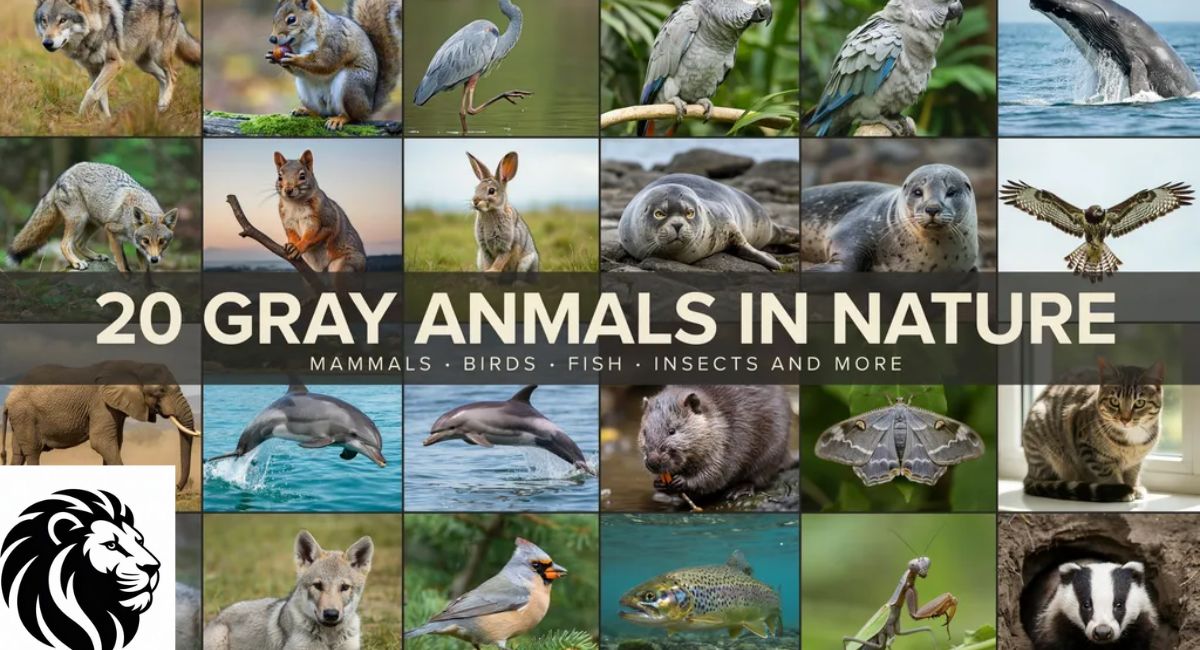
Nature often saves its most remarkable creations for the quietest colors. While bright feathers and vivid patterns attract attention, Gray Animals have mastered the art of survival through subtle beauty and remarkable adaptation. These fascinating creatures live in forests, oceans, wetlands, deserts, and mountains across the world. Their unique shades help with camouflage, improve thermoregulation, and strengthen predator avoidance in challenging environments.
From powerful wolves and giant whales to intelligent parrots and delicate butterflies, these species prove that simplicity can be extraordinary. This guide explores some of the most fascinating gray wildlife and reveals how species with gray coloration continue to thrive in nature’s ever-changing landscapes.
Why Are Some Animals Gray in Color?
Gray coloration developed through millions of years of evolution. Scientists believe natural selection favored species that could disappear into rocky cliffs, snowy fields, cloudy skies, and ocean waters. This type of protective coloration helps animals hunt prey while avoiding larger predators.
Another reason involves temperature control. Many species with gray coloration manage heat more efficiently than darker animals living in similar regions. This form of environmental adaptation allows survival in deserts, mountains, coastlines, and forests where weather conditions constantly change.
The Science Behind Gray Animal Coloration
The gray shades seen in wildlife come largely from melanin production and natural pigmentation. Different levels of pigments create silver, smoky, or charcoal appearances. Researchers call this cryptic coloration because it allows animals to blend almost perfectly with their surroundings.
Gray color also supports communication in certain species. Older wolves, mature birds, and dominant mammals sometimes display more noticeable gray tones than younger individuals. This fascinating evolutionary trait continues to shape wildlife populations around the world.
Gray Mammals
Mammals represent some of the most recognizable members of the gray wildlife family. Their fur often protects against harsh temperatures while supporting camouflage and social behavior. Several species also play important roles as predators, herbivores, and ecosystem engineers.
These gray mammals live on nearly every continent. Some roam frozen forests while others thrive in tropical grasslands or mountain valleys. Their adaptations reveal the incredible flexibility of mammalian evolution.
Gray Wolf
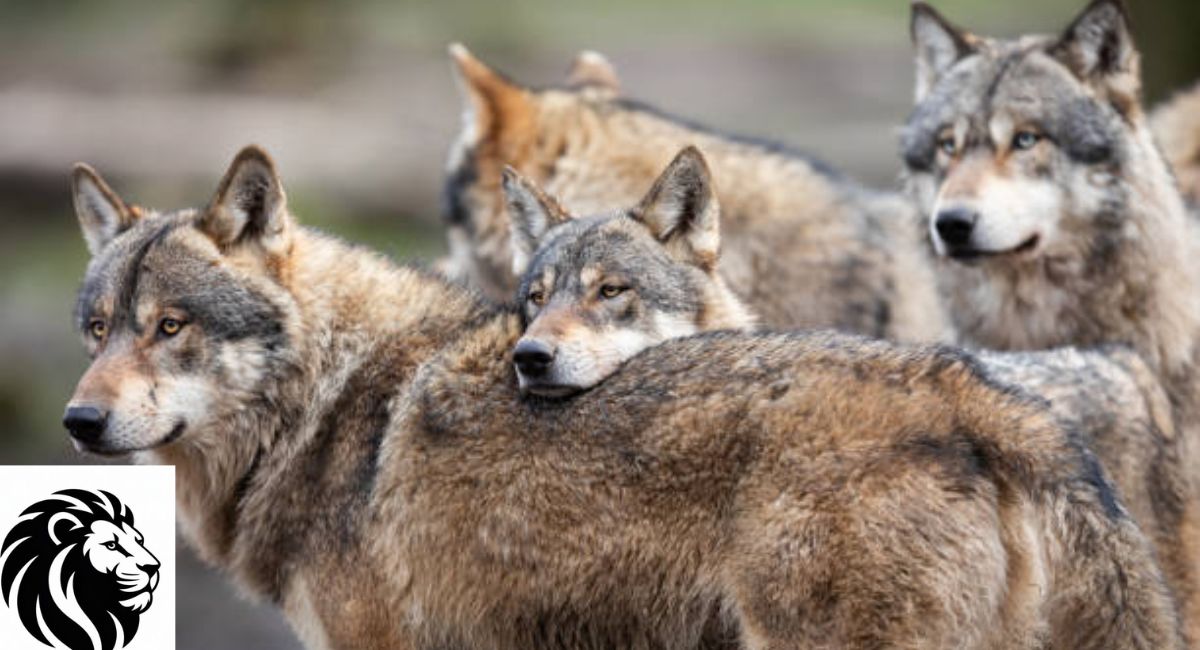
The Gray Wolf remains one of the most famous predators in North America. Its coat combines silver, white, black, and brown shades that provide excellent camouflage during hunting. Wolves depend heavily on pack behavior and a strong social hierarchy to survive. Their teamwork allows them to hunt prey much larger than themselves while protecting younger pack members.
Gray Fox
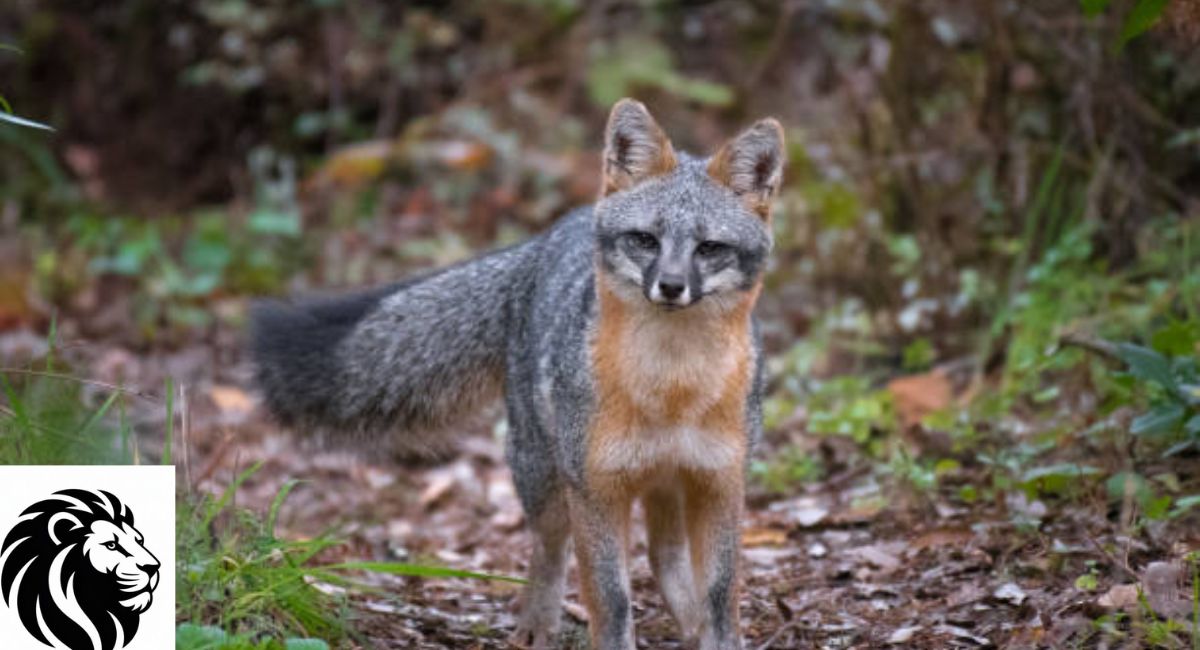
The Gray Fox stands apart from other fox species because it can climb trees with surprising skill. Its salt-and-pepper coat blends naturally with bark and woodland shadows. This clever predator uses forests for shelter and hunting opportunities. Scientists consider it one of the most adaptable foxes in the Americas.
Koala
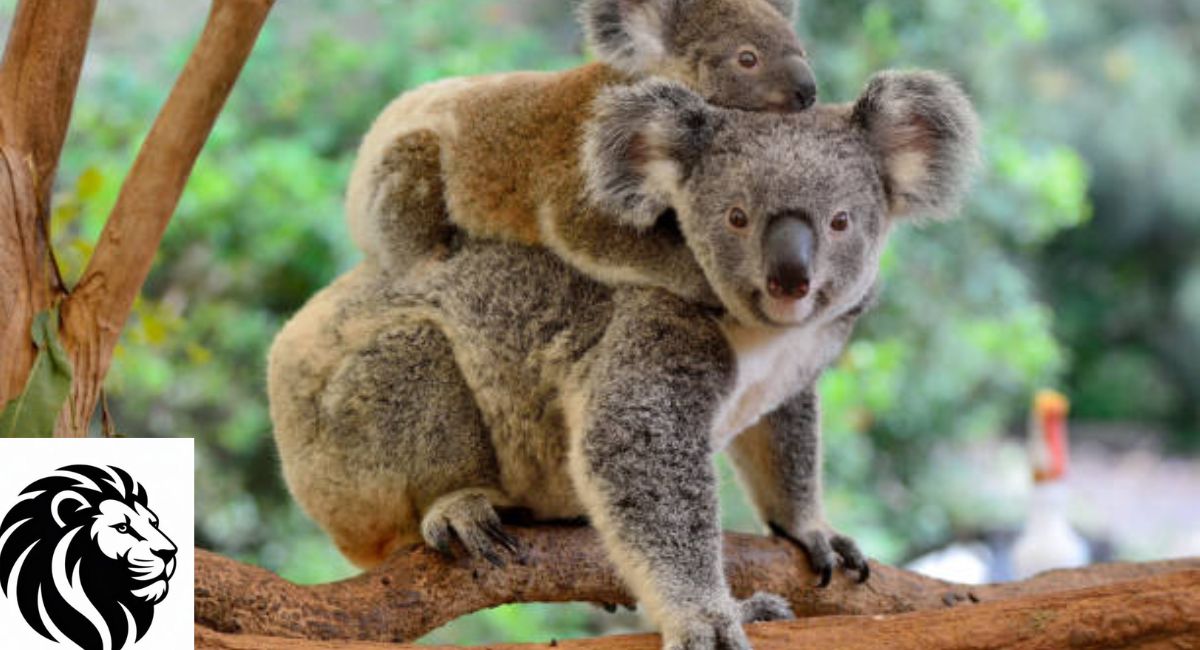
Koalas spend most of their lives high in eucalyptus trees across Australia. Their thick gray fur protects them from heat, wind, and rain throughout the year. Specialized digestive systems allow them to consume leaves that would poison many other animals. Their slow lifestyle helps conserve energy and water.
African Elephant
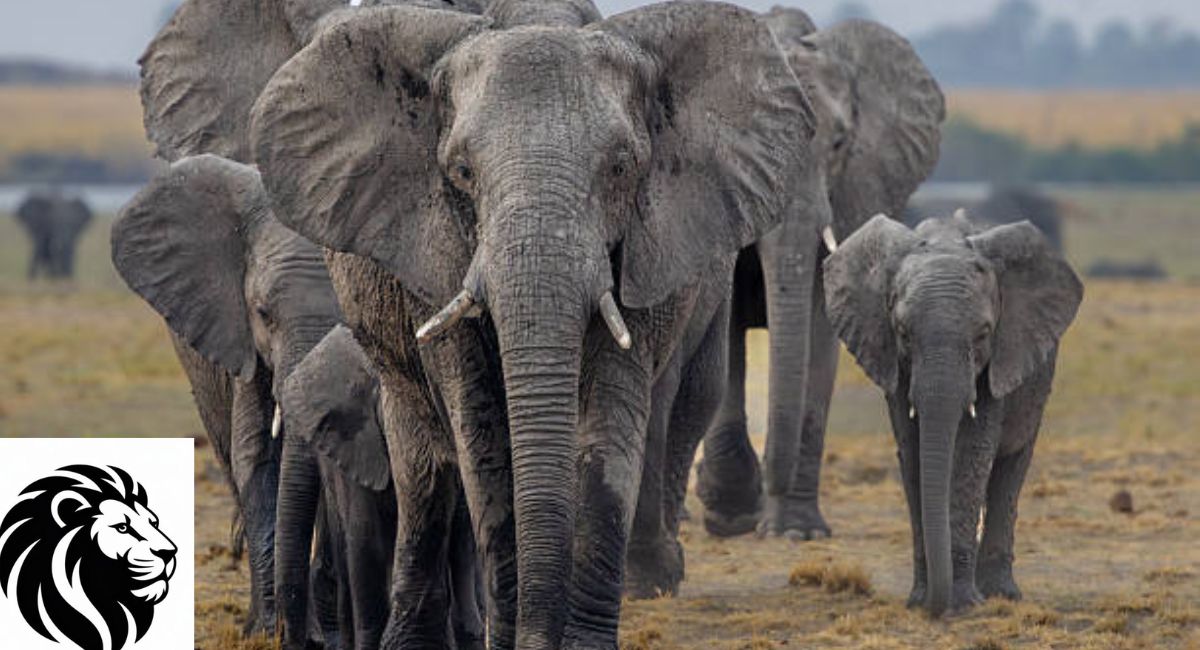
The African Elephant is the largest land animal alive today. Its gray skin protects against sunlight while helping regulate body temperature. Elephants often throw mud over their bodies to create natural sunscreen. Their intelligence, memory, and family bonds continue to fascinate wildlife researchers worldwide.
White Rhinoceros

Despite its name, the White Rhinoceros displays a gray appearance rather than a white one. Thick skin acts like natural armor against predators and harsh environments. Rhinos communicate using deep sounds that travel long distances through vegetation. Habitat loss remains one of their greatest challenges.
Donkey
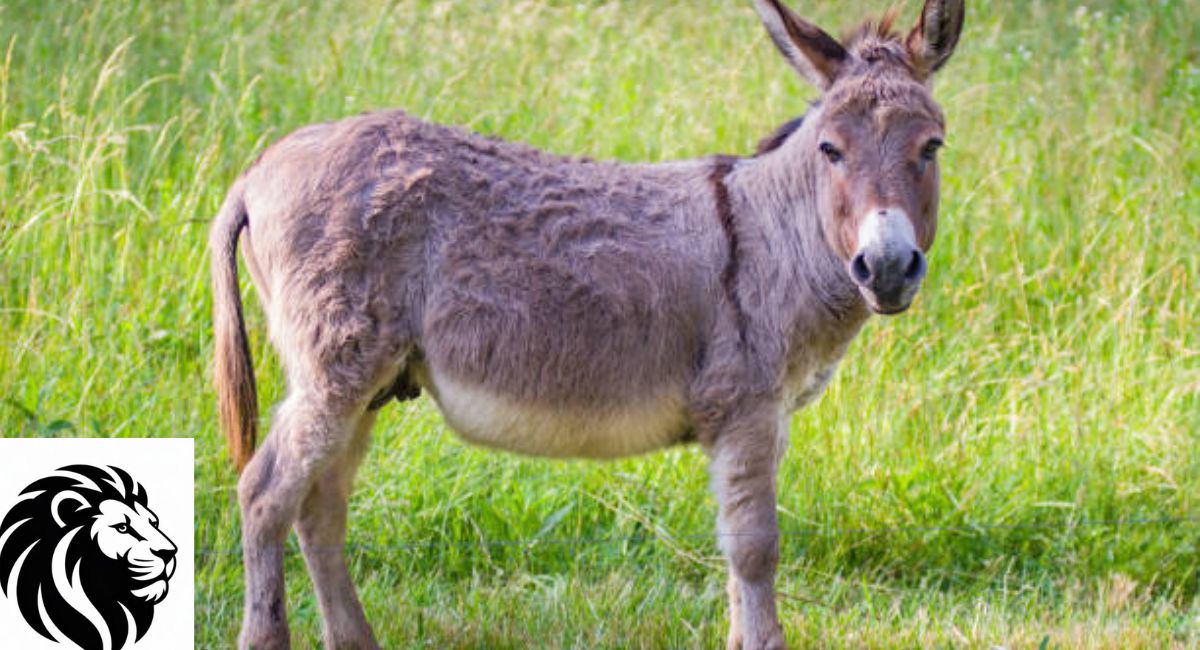
Donkeys have served humans for thousands of years as dependable working animals. Their gray coats provide protection against heat in dry climates. Strong hearing and impressive memory make them highly intelligent creatures. Wild relatives still survive in some remote regions today.
Gray Birds
Birds show that gray feathers can be just as beautiful as bright colors. Their plumage supports flight, insulation, camouflage, and communication. Several species also rank among the smartest animals on Earth.
Many gray birds use sound and social cooperation to survive. Migration patterns, nesting habits, and vocal abilities continue to attract scientific interest.
African Grey Parrot
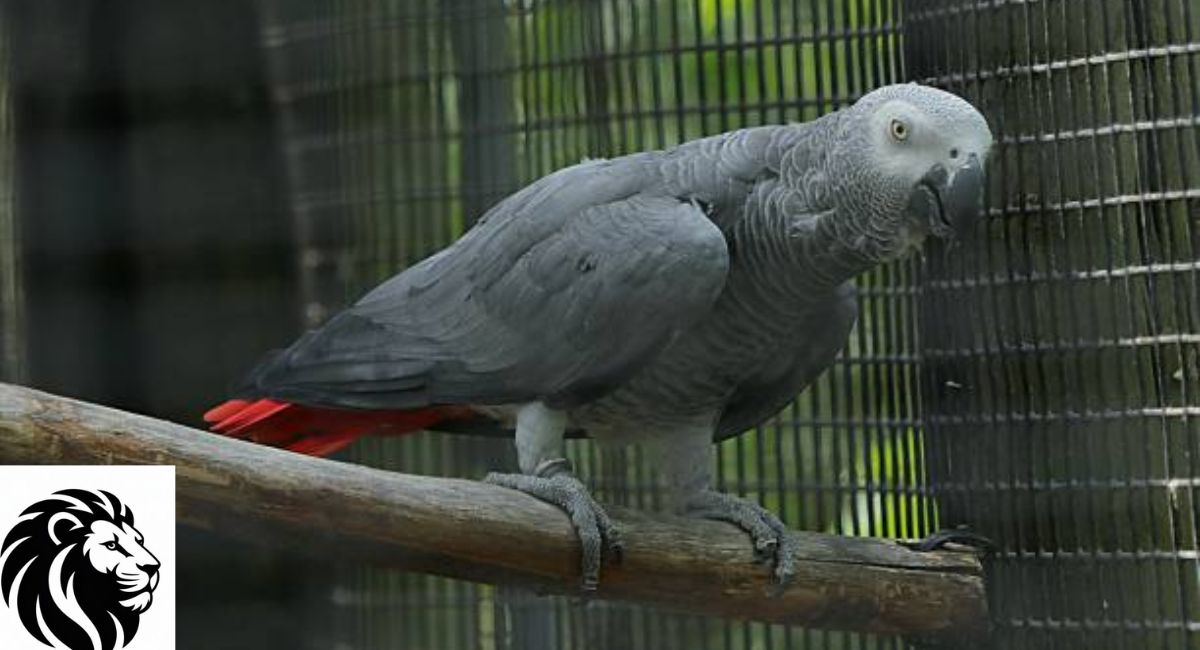
The African Grey Parrot ranks among the most intelligent birds ever studied. It can learn hundreds of words and understand simple concepts such as shapes and numbers. Its gray feathers provide camouflage among branches and leaves. Scientists continue exploring its impressive memory and communication skills.
Gray Heron
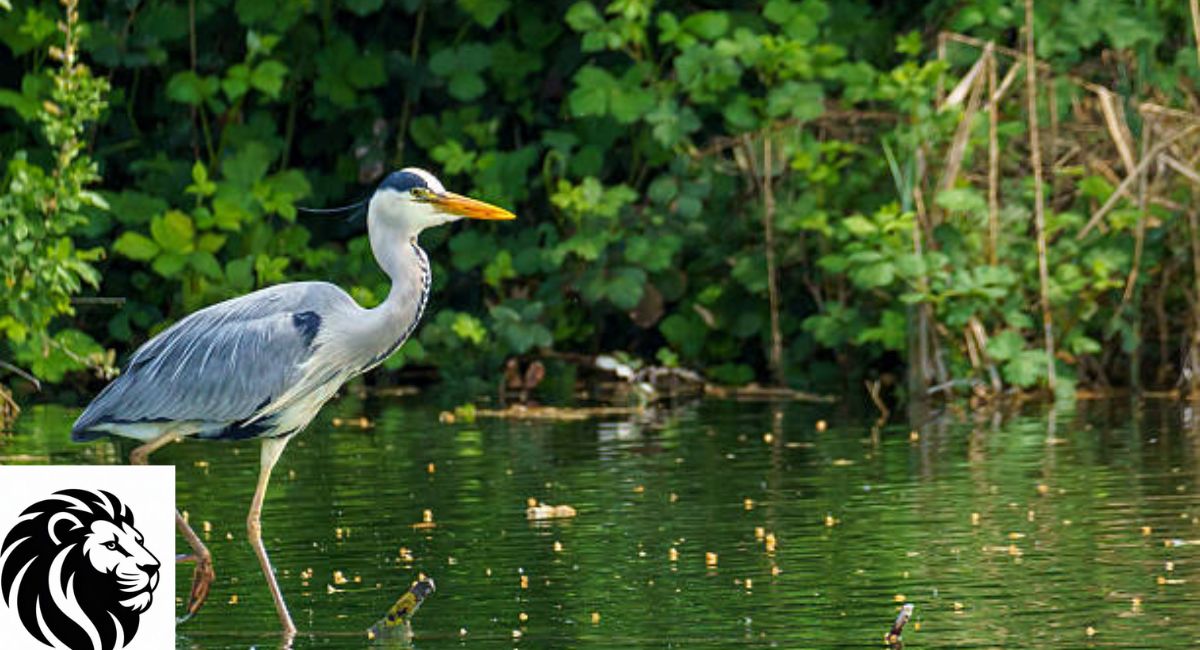
The Gray Heron spends hours standing perfectly still beside rivers and lakes. Its patience often ends with a lightning-fast strike that catches fish underwater. Long legs allow movement through shallow water without disturbing prey. The bird’s gray plumage blends perfectly with wetland environments.
Gray Jay
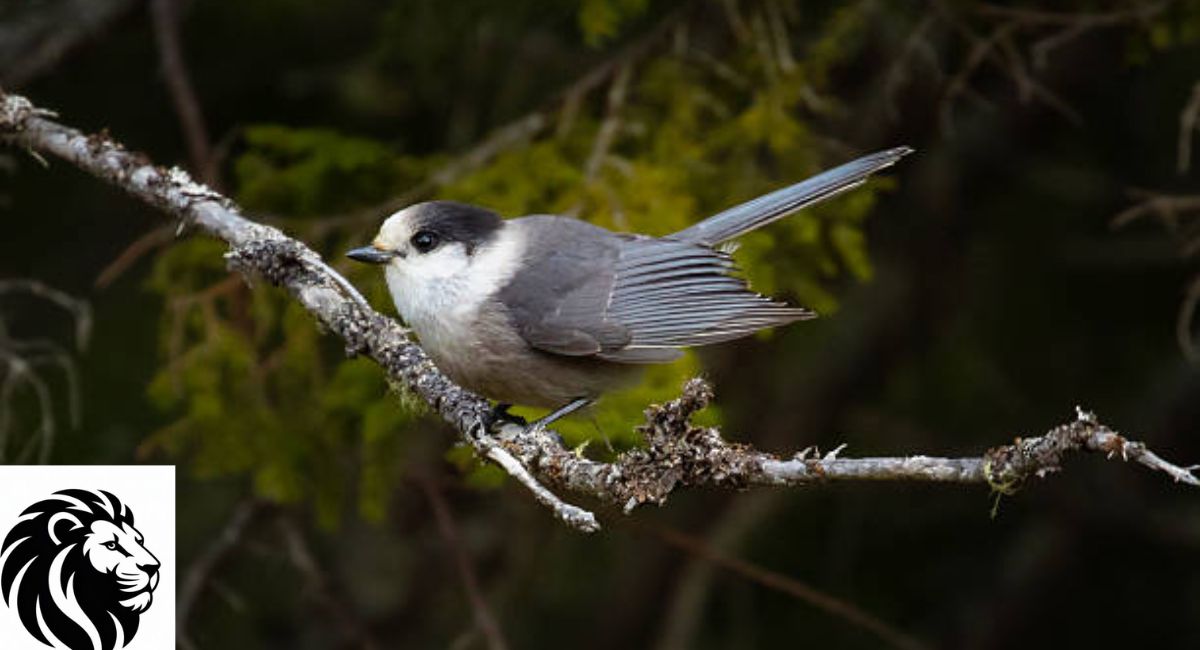
The Gray Jay survives harsh winters by storing food months in advance. Sticky saliva allows it to attach food to tree bark for later use. This remarkable strategy helps the bird endure long periods of snow and ice. Many wildlife experts consider it one of North America’s cleverest birds.
Gray Crowned Crane
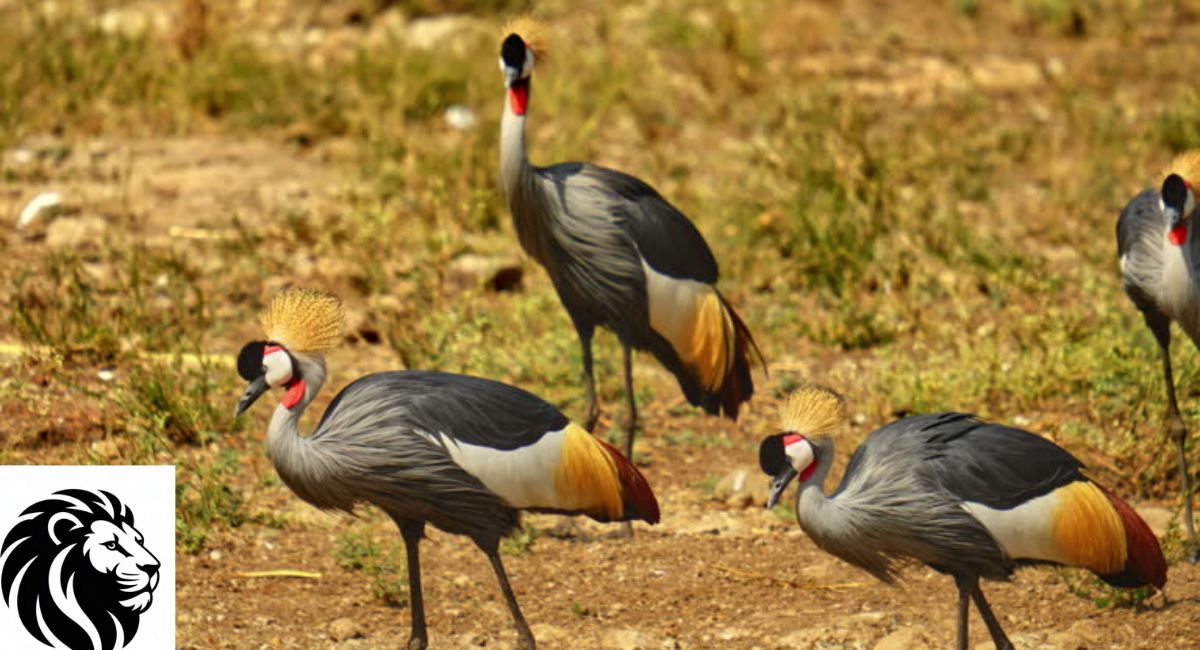
The Gray Crowned Crane attracts attention with its elegant posture and golden feather crown. Courtship displays involve dancing, jumping, and loud calls that strengthen pair bonds. Wetlands and grasslands provide important habitats for this species. Conservation efforts continue in several regions.
Blue-Gray Tanager
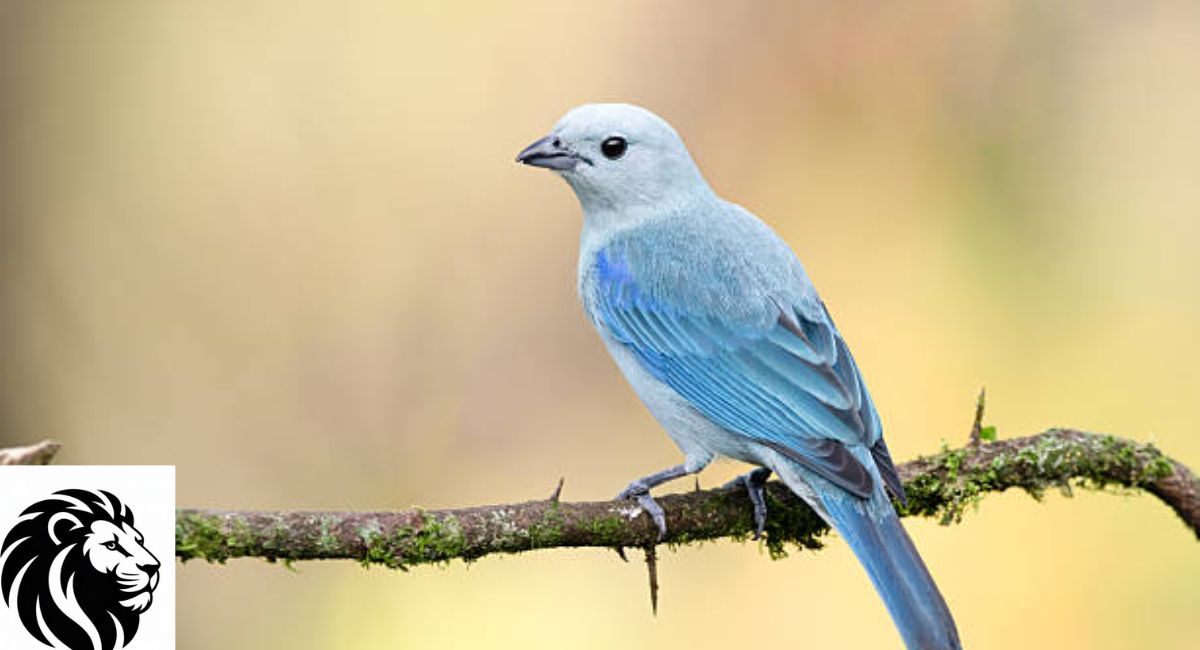
The Blue-Gray Tanager adds subtle beauty to tropical forests throughout the Americas. It feeds on insects, fruits, and nectar while helping with seed dispersal and pollination. Small social groups improve safety during feeding. Its soft colors provide excellent camouflage among leaves.
Gray Go-Away Bird
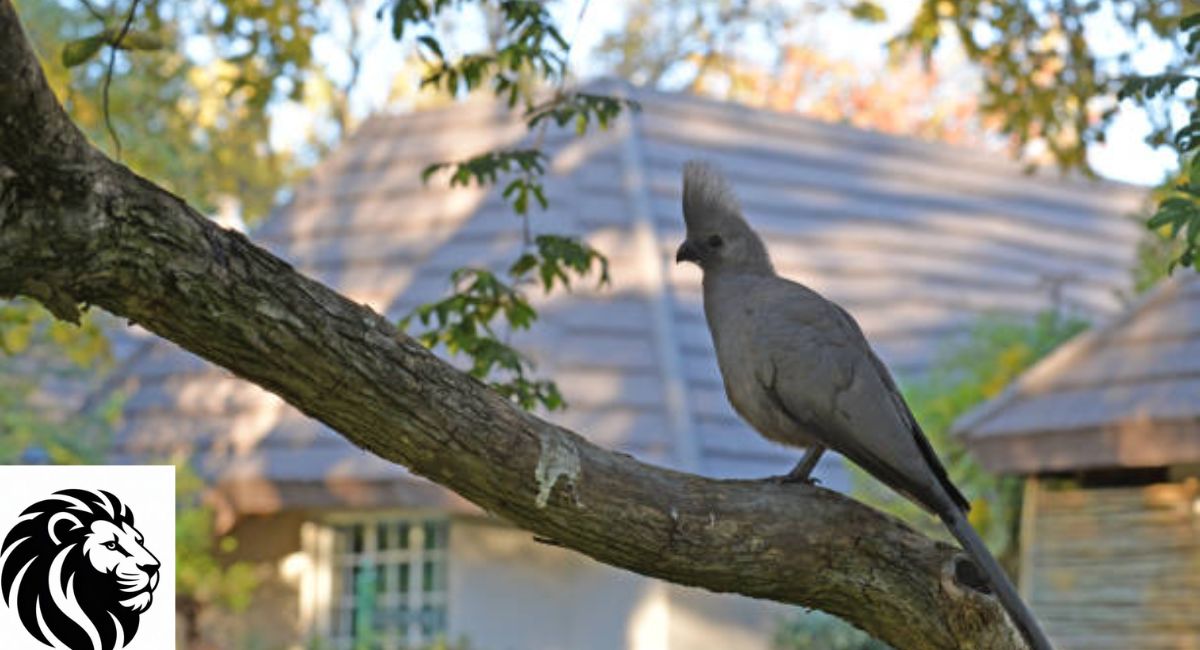
The Gray Go-Away Bird earned its unusual name from its loud warning call. These birds alert nearby animals whenever predators approach. They spend much of their time moving through trees in search of fruit and leaves. Their vocal behavior benefits many neighboring species.
Gray Marine Animals
The oceans contain some of the largest members of the Gray Animals family. Water conditions demand unique adaptations for communication, movement, and survival.
Marine species often depend on blubber, streamlined bodies, and advanced senses. These adaptations contribute greatly to global marine biodiversity.
Gray Whale
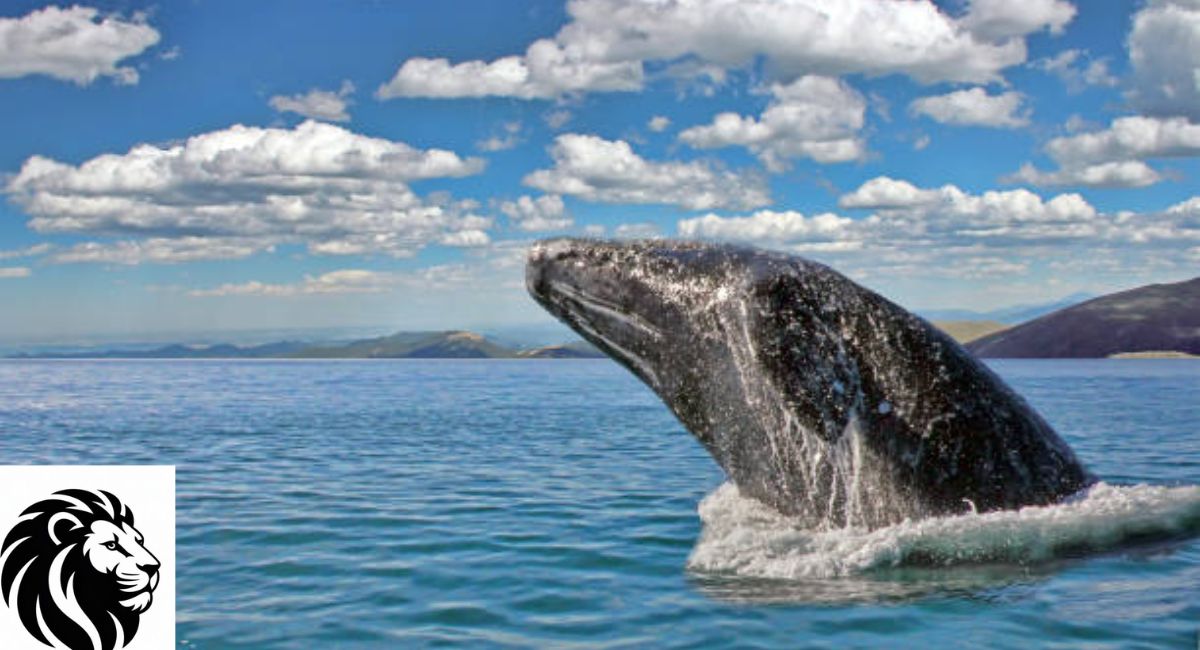
Gray Whales complete some of the longest migrations in the animal kingdom. Their journeys cover thousands of miles every year between feeding and breeding grounds. Thick blubber protects them in cold water environments. Scientists continue studying their complex vocal communication systems.
Bottlenose Dolphin
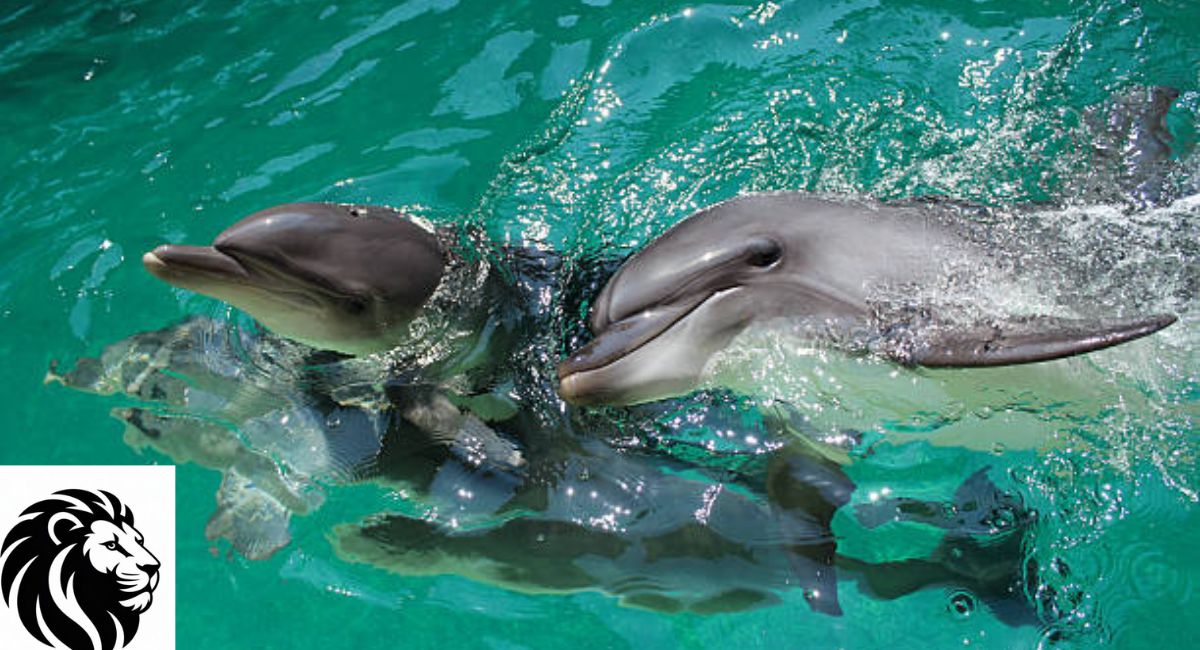
Bottlenose Dolphins use underwater communication and teamwork to hunt fish efficiently. Their intelligence rivals that of some primates. Dolphins recognize themselves in mirrors and solve difficult problems. These abilities make them among the smartest marine mammals alive today.
Gray Seal
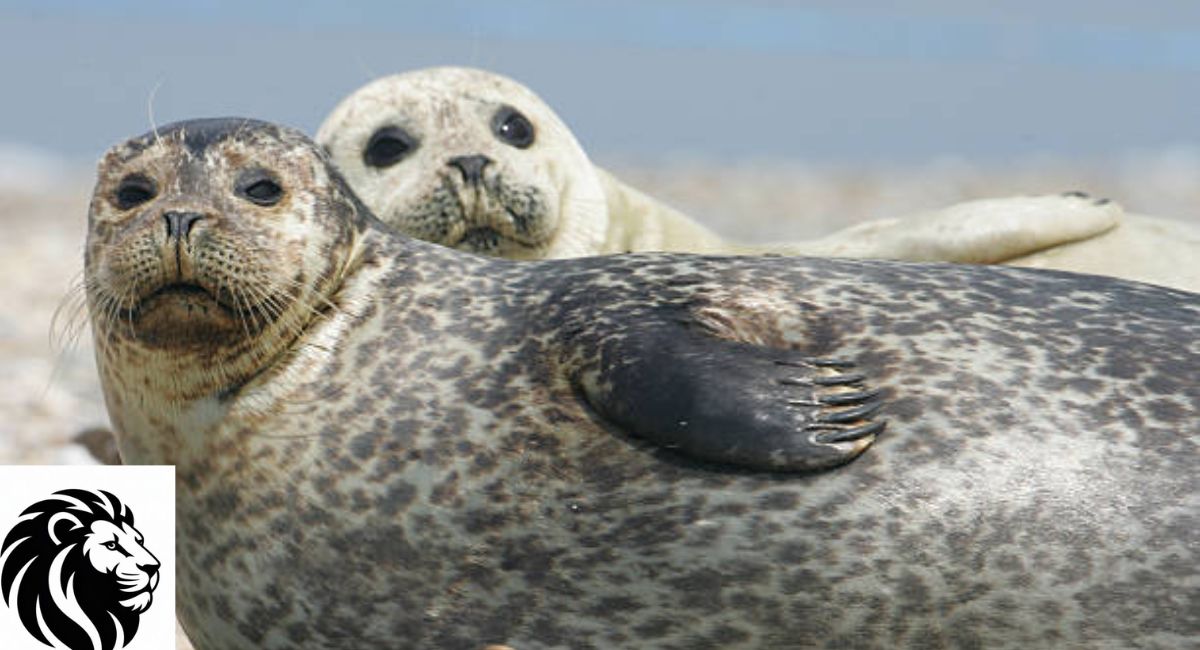
Gray Seals spend much of their lives in the ocean but regularly return to land for breeding and rest. Their streamlined bodies allow efficient swimming through rough waters. Large oxygen stores support long dives. Thick blubber protects against freezing temperatures.
Gray Triggerfish
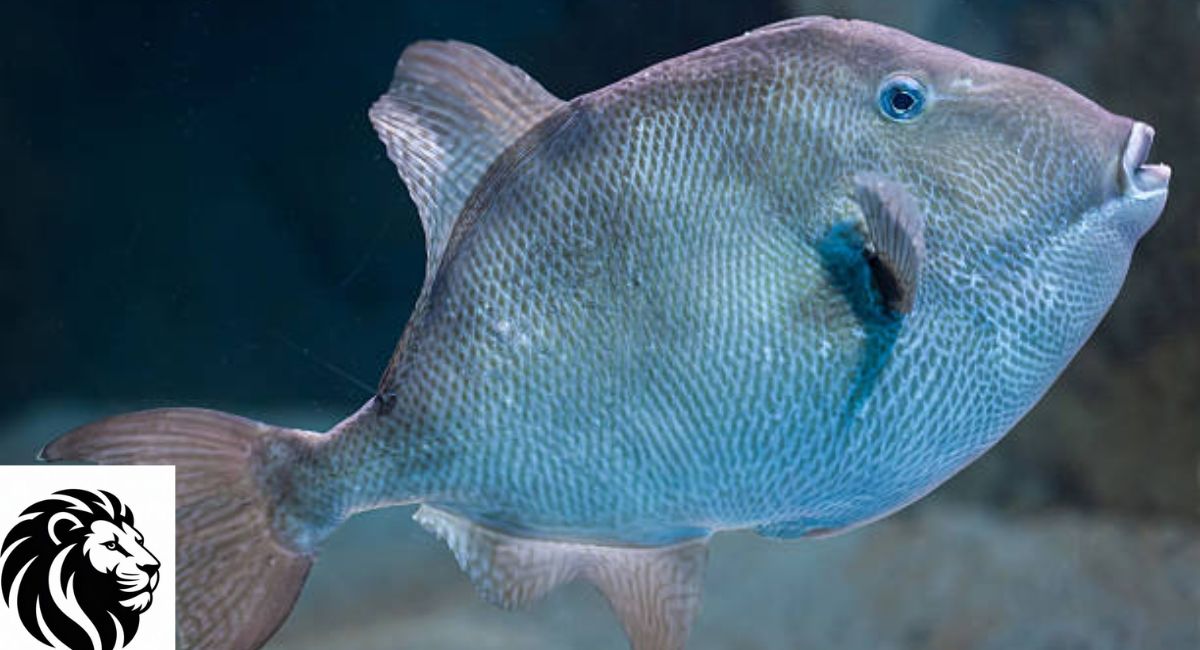
The Gray Triggerfish is famous for its powerful jaws and strong teeth. It feeds on shellfish, sea urchins, and crustaceans hidden among reefs. Its coloration provides camouflage against rocky ocean floors. The species plays an important role in maintaining reef ecosystems.
Gray Reptiles and Amphibians
Reptiles and amphibians may not receive as much attention as mammals or birds, yet they represent some of nature’s most remarkable examples of environmental adaptation. Their gray shades help them disappear among rocks, tree bark, wetlands, and riverbanks where survival often depends on remaining unseen.
Many of these species are classified as ectothermic species, meaning they rely on external heat sources to regulate body temperature. Their coloration plays an important role in both heat absorption and camouflage, giving them advantages in changing environments.
Gray Tree Frog
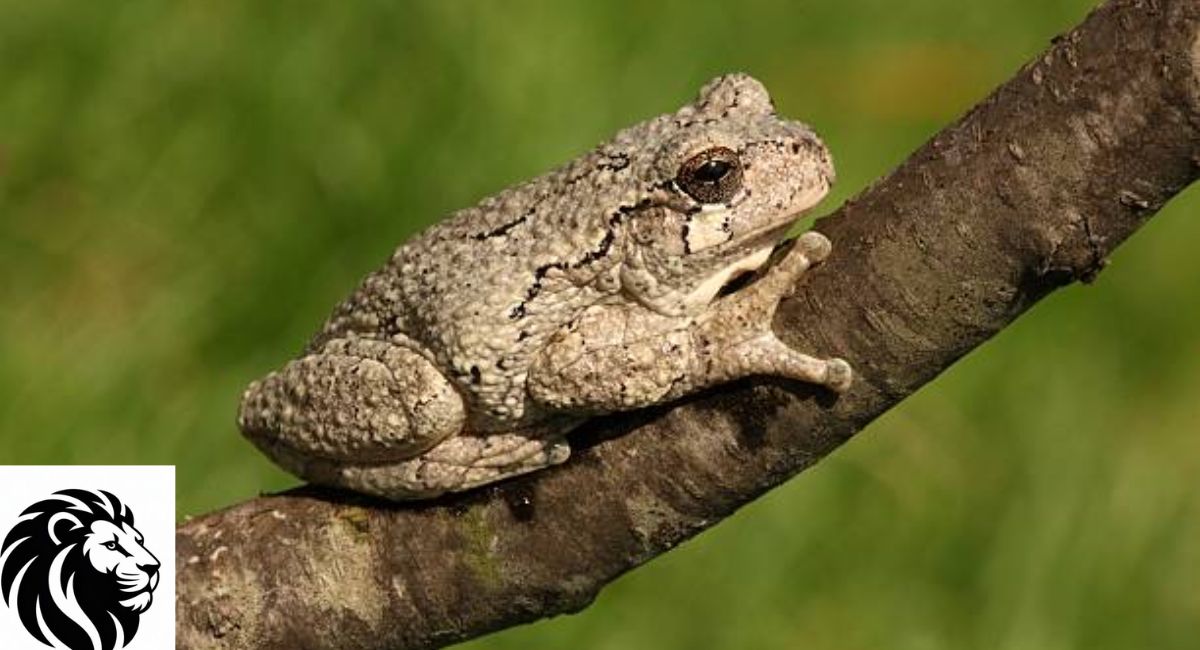
The Gray Tree Frog is a master of disguise. Its skin can shift between gray and green shades depending on humidity and surroundings. This incredible camouflage helps it avoid birds and snakes that hunt by sight. Sticky toe pads allow it to climb trees and walls with ease. During spring evenings, males produce loud calls to attract mates near ponds and wetlands.
Water Monitor

The Water Monitor is one of the largest lizards in Asia. Its gray scales protect it while moving through forests, rivers, and swamps. Strong claws and sharp senses make it an effective hunter of fish, birds, and small mammals. Unlike many reptiles, it is an excellent swimmer. The species demonstrates impressive examples of reptilian adaptation and habitat flexibility.
Northern Gray-Cheeked Salamander

This secretive amphibian prefers moist forests with fallen logs and rich soil. Its gray body blends perfectly with leaves and stones on the forest floor. Salamanders breathe partly through their skin, making clean environments essential for survival. Scientists often use them as indicators of ecosystem health because they react quickly to pollution and climate changes.
Gray Insects and Small Creatures
Small creatures often carry enormous ecological importance despite their size. Many insects depend on gray patterns to hide from predators or survive among tree bark and rocks. Their role in pollination and food webs supports countless other species.
Researchers frequently describe insects as the hidden workforce of ecosystems. Without pollinators and decomposers, forests, grasslands, and farms would struggle to survive. Even the smallest gray insects contribute to ecosystem balance and long-term biodiversity.
Gray Pansy Butterafly
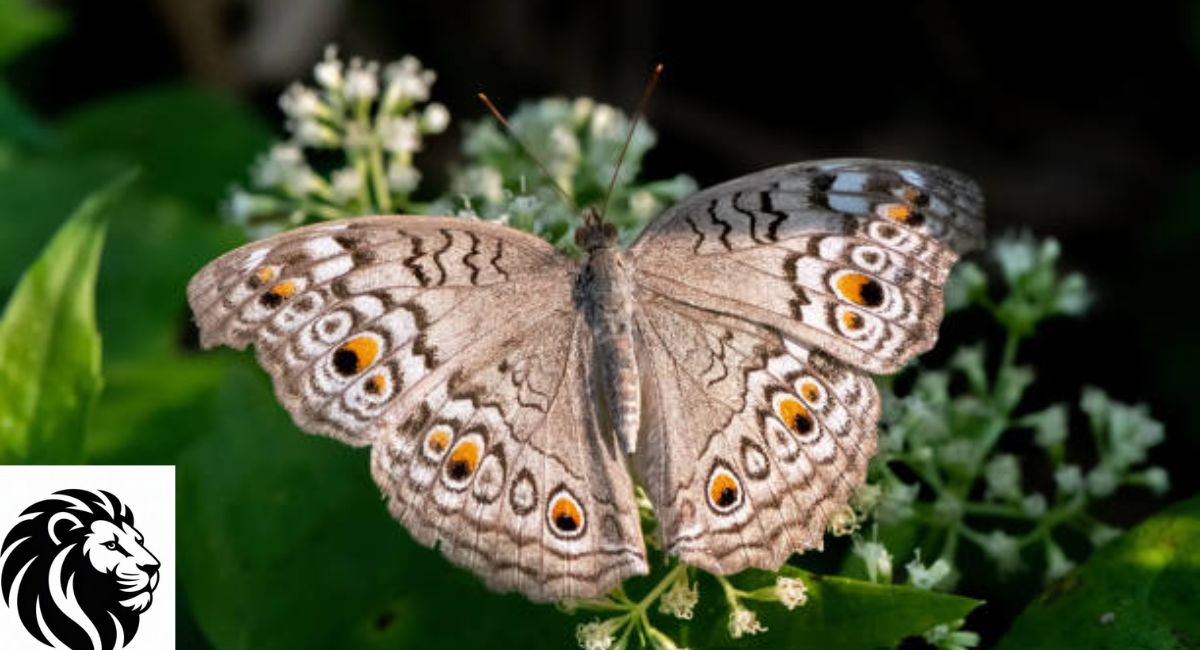
The Gray Pansy Butterfly combines beauty with survival efficiency. Its wings display soft gray patterns that resemble dried leaves when folded. This camouflage protects it from birds and reptiles searching for prey. Adults feed mainly on nectar while helping pollinate flowers in grasslands and gardens. Their presence often signals healthy local ecosystems.
Biggest Gray Animals in the World
Some Gray Animals grow to extraordinary sizes and dominate their habitats. These giants include massive ocean mammals and powerful land animals that play important roles in maintaining ecosystem balance.
| Rank | Big Gray Animal | Average Size | Habitat |
| 1 | Gray Whale | Up to 49 feet | Oceans |
| 2 | African Elephant | Up to 13 feet tall | Savannas and forests |
| 3 | White Rhinoceros | Up to 12 feet long | Grasslands |
| 4 | Gray Seal | Up to 10 feet long | Coastal waters |
| 5 | Water Monitor | Up to 8 feet long | Wetlands and rivers |
Small Gray Animals Found in Nature
Not all gray creatures are giants. Some of the smallest species rely on camouflage and agility rather than size to survive in forests, gardens, wetlands, and grasslands.
| Rank | Small Gray Animal | Average Size | Habitat |
| 1 | Gray Pansy Butterfly | 2 to 3 inches | Gardens and grasslands |
| 2 | Gray Tree Frog | 1.5 to 2 inches | Forests and wetlands |
| 3 | Gray Jay | 10 to 12 inches | Northern forests |
| 4 | Blue-Gray Tanager | 6 to 7 inches | Tropical forests |
| 5 | Northern Gray-Cheeked Salamander | 4 to 6 inches | Moist woodlands |
The Most Famous Gray Animals in the World
Some species become famous because of their intelligence, size, beauty, or cultural importance. These animals appear in documentaries, conservation campaigns, and educational programs across the United States and around the world.
Public interest has helped increase funding for wildlife conservation efforts involving several of these species. Their popularity also encourages scientific research and habitat protection projects.
| Famous Gray Animal | Reason for Fame |
| African Elephant | Largest land animal |
| Gray Wolf | Social hunting behavior |
| African Grey Parrot | Intelligence and speech |
| Gray Whale | Long migration routes |
| Koala | Unique diet and appearance |
| Gray Seal | Diving abilities |
Interesting Facts About Gray Animals
The animal kingdom contains countless surprises hidden behind gray coats, feathers, and scales. Many people assume colorful species dominate nature, yet gray animals often display equally impressive abilities and adaptations.
Researchers continue discovering new information about communication, migration, intelligence, and survival among these fascinating creatures. Their stories reveal how evolution rewards efficiency just as much as beauty.
| Record Holder | Species |
| Largest Gray Animal | Gray Whale |
| Largest Gray Land Animal | African Elephant |
| Smartest Gray Bird | African Grey Parrot |
| Best Team Hunter | Gray Wolf |
| Best Tree Climber Among Foxes | Gray Fox |
| Longest Migration | Gray Whale |
One fascinating fact involves camouflage differences between habitats. Forest species often rely on darker shades while marine species display lighter silver tones. This variation improves habitat adaptation and strengthens predator avoidance strategies across different environments.
Another interesting discovery involves communication. Dolphins use whistles and clicks while wolves depend on howls and body language. Parrots rely on vocal learning and mimicry. These examples show that intelligence appears in many forms throughout the animal kingdom.
Conclusion
The world of Gray Animals is far more diverse and fascinating than many people realize. From powerful wolves and gentle elephants to clever parrots and migrating whales, these creatures use intelligence, camouflage, and adaptation to survive in different environments. Their stories show that nature does not always rely on bright colors to create something extraordinary.
As you explore forests, coastlines, wetlands, or mountains, you may discover that some of nature’s greatest wonders wear shades of gray. Protecting these species and their habitats helps preserve biodiversity and ensures future generations can continue to admire their quiet beauty and remarkable survival skills.
FAQs
1. Why are some animals gray in color?
Many animals develop gray coloring for camouflage, temperature control, and protection from predators in their natural habitats.
2. What is the largest gray animal in the world?
The Gray Whale is the largest gray animal and can weigh more than 40 tons while traveling thousands of miles during migration.
3. Which gray animal is considered the smartest?
The African Grey Parrot is widely regarded as one of the smartest animals because of its ability to learn words and solve problems.
4. Are gray animals found in every habitat?
Yes, gray animals live in forests, oceans, wetlands, mountains, grasslands, and even deserts around the world.
5. How does gray color help animals survive?
Gray coloration provides camouflage and helps animals blend into their surroundings, making it easier to hunt or avoid predators.

Welcome to natureanimalhub! I’m Anam Sattar, an AI Powered SEO, and Content Writer with 4 years of experirnce.
I help websites rank higher,grow traffic, and look amazing. My goal is to make SEO and web design simple and effective for everyone.
Let’s achieve more together!
1 thought on “20 Gray Animals in Nature: Mammals, Birds, Fish, Insects, and More”