

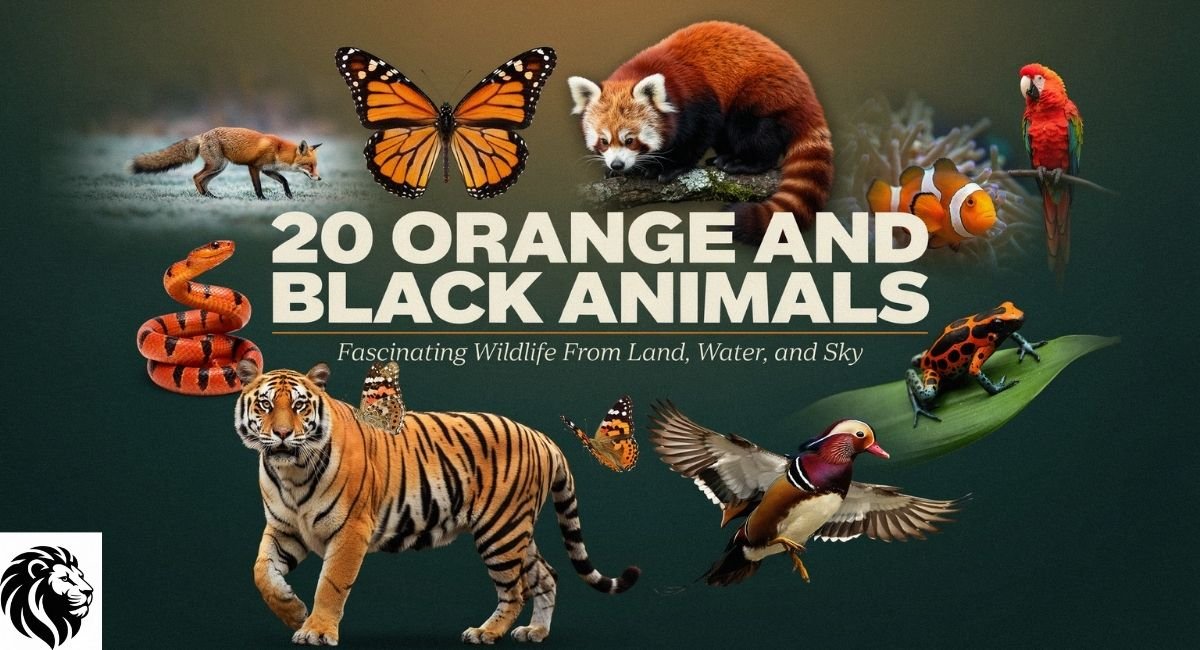
Nature has a talent for creating unforgettable patterns, and orange and black animals are among its most striking examples. From powerful tigers stalking through forests to tiny butterflies drifting across wildflowers, these creatures wear bold colors for many different reasons. Some use warning coloration to discourage predators, while others rely on camouflage, mimicry, or visual signals to survive. You’ll find these fascinating animals across forests, grasslands, oceans, wetlands, and tropical rainforests.
In this guide, we’ll explore 20 remarkable black and orange animals from land, water, and sky. Along the way, you’ll discover their habitats, behaviors, survival adaptations, and the surprising science behind their vivid animal coloration.
What Makes Animals Orange and Black?
Orange and black create a strong visual contrast, yet that contrast can serve several biological purposes. Depending on the species, these colors may provide warning coloration, camouflage, mimicry, or communication. The same palette can therefore hide one animal while advertising another as dangerous.
Interestingly, color works differently under different lighting conditions. A tiger’s orange coat can blend surprisingly well into vegetation for some prey, while a monarch’s vivid wings do the opposite. They make the butterfly conspicuous. Nature, as usual, doesn’t follow just one rule.
How Coloration Helps Wild Animals Survive
Color can function like an animal’s built-in survival signal. Aposematism warns predators about unpleasant defenses, while disruptive patterns break up an animal’s outline. Tigers use stripes for concealment, whereas monarchs advertise their unpalatable nature through orange-and-black wings.
Orange and Black Mammals
Mammals rarely display the crisp orange-and-black patterns seen in insects. Still, several species show reddish-orange, golden, brown, and dark markings that create a similar visual effect. Their coats often interact with vegetation, shadows, bark, and changing sunlight.
These mammals also demonstrate an important point about animal coloration. A color that looks brilliant to humans may appear quite different to another animal. Predator vision, habitat, distance, and lighting can dramatically change how effective a particular pattern becomes.
Bengal Tiger
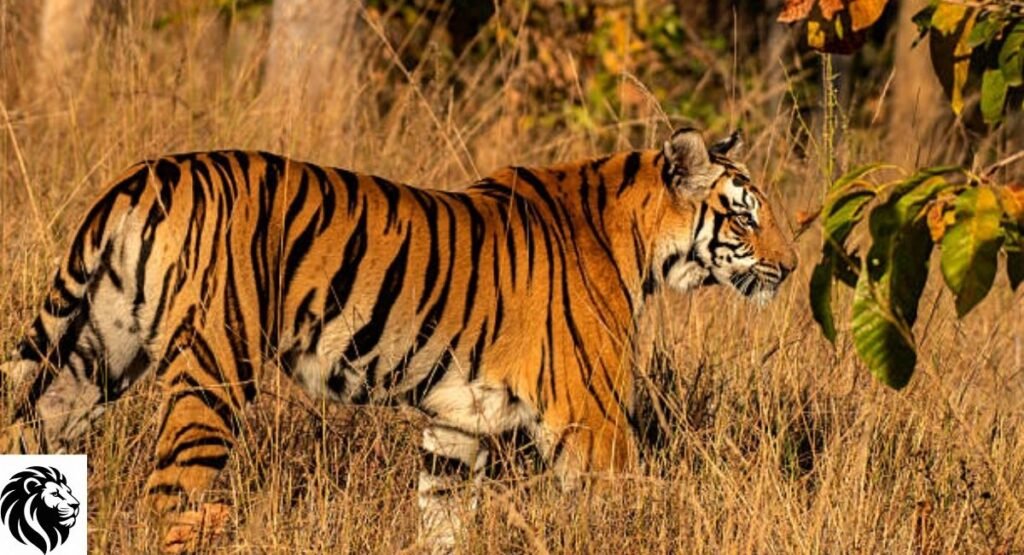
Few black and orange animals are as recognizable as the Bengal tiger. Its orange coat and dark stripes create disruptive camouflage among tall grasses, woodland shadows, and broken sunlight. Every tiger also carries a distinctive stripe arrangement, which researchers can use to identify individuals.
Red Panda
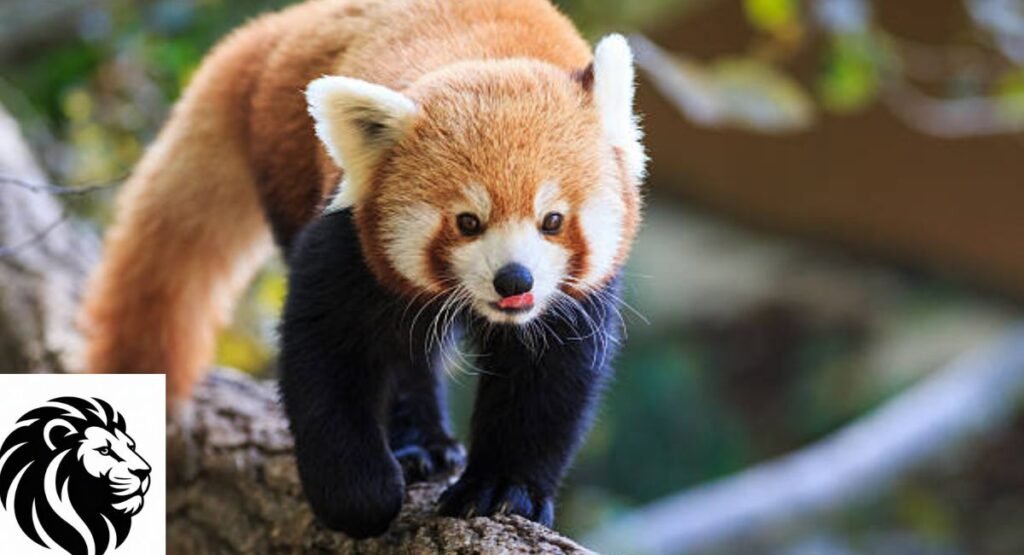
The red panda combines reddish-orange fur with darker legs, belly, and facial markings. Its thick coat suits cool mountain forests, while its long tail provides balance among branches. Bamboo forms much of its diet, although this agile climber also eats fruit, insects, eggs, and other foods when available.
African Civet
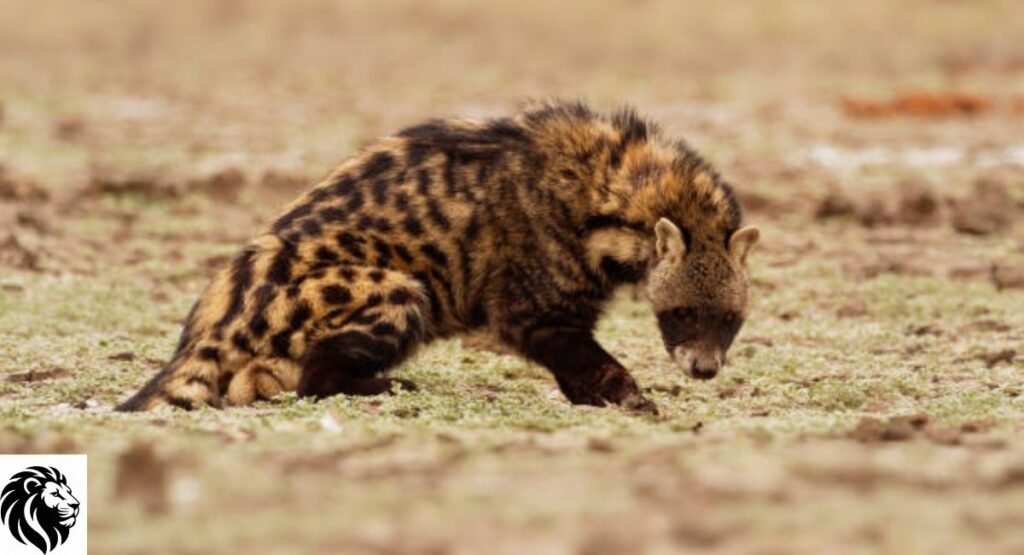
The African civet has a wonderfully unusual appearance, with dark markings, spots, and grayish or brownish fur. It lives across parts of sub-Saharan Africa and usually becomes active after sunset. Its varied diet includes fruit, insects, small vertebrates, and other available foods, making it an adaptable nocturnal mammal.
Malayan Tapir
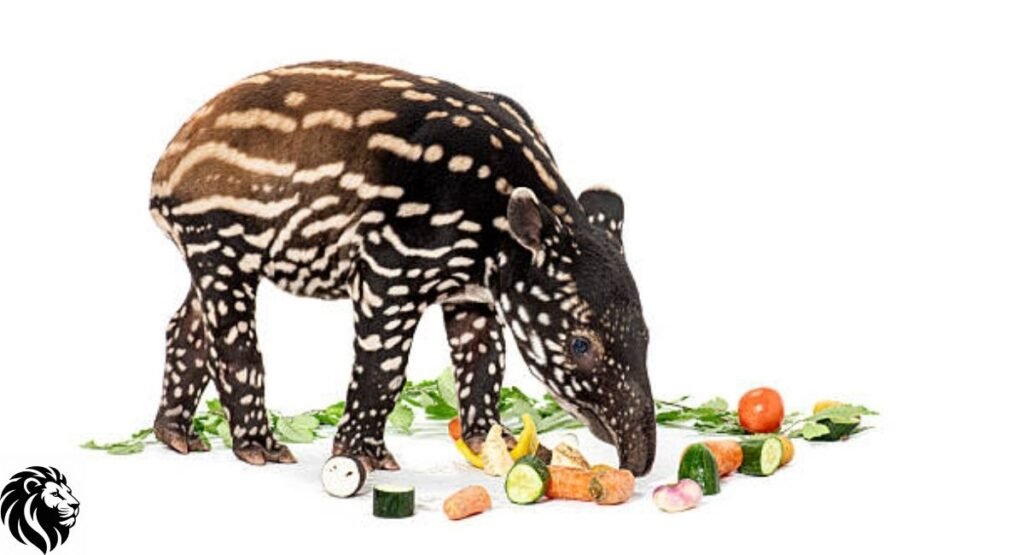
The Malayan tapir looks almost painted, with a dramatic pale middle section surrounded by much darker body regions. This pattern helps break up its large silhouette inside dense forests. It spends considerable time near water and feeds mainly on leaves, shoots, fruit, and other vegetation.
African Golden Cat
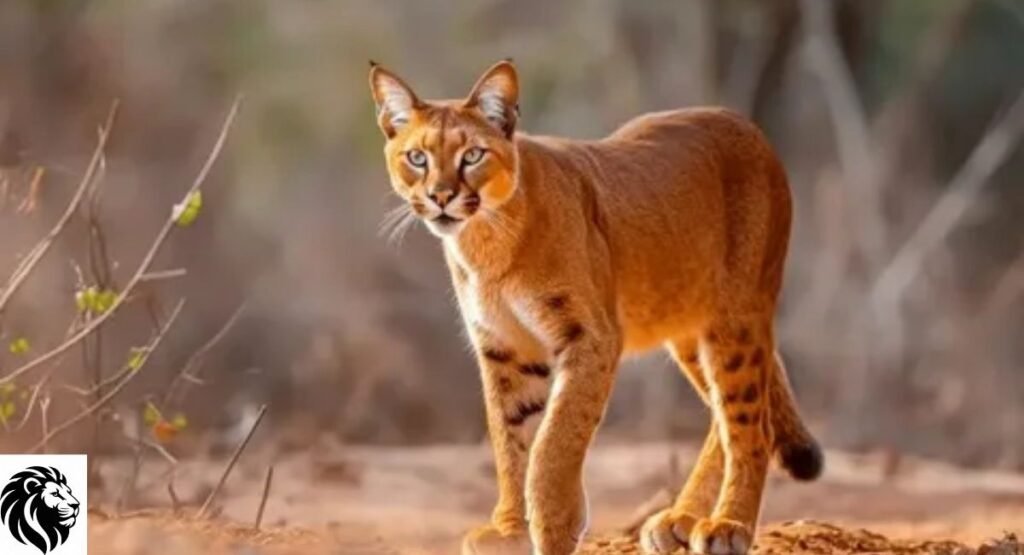
This elusive wild cat has a warm golden-orange coat with darker legs, tail, and facial markings in some individuals. Found in the forests of Central and West Africa, the African golden cat hunts small mammals, birds, and other prey on the forest floor. Its darker markings create subtle contrast that can help it blend into dense vegetation and shadowy woodland.
Orange and Black Birds
Birds can produce remarkable color contrasts through feather pigments and microscopic structures. Orange, rufous, chestnut, and black plumage can make certain species especially noticeable during courtship or territorial displays.
For birdwatchers in the United States, these patterns are particularly rewarding. Some species visit backyards, migration corridors, wetlands, or forests. Others live far beyond North America but demonstrate the same fascinating relationship between plumage coloration and survival.
Baltimore Oriole
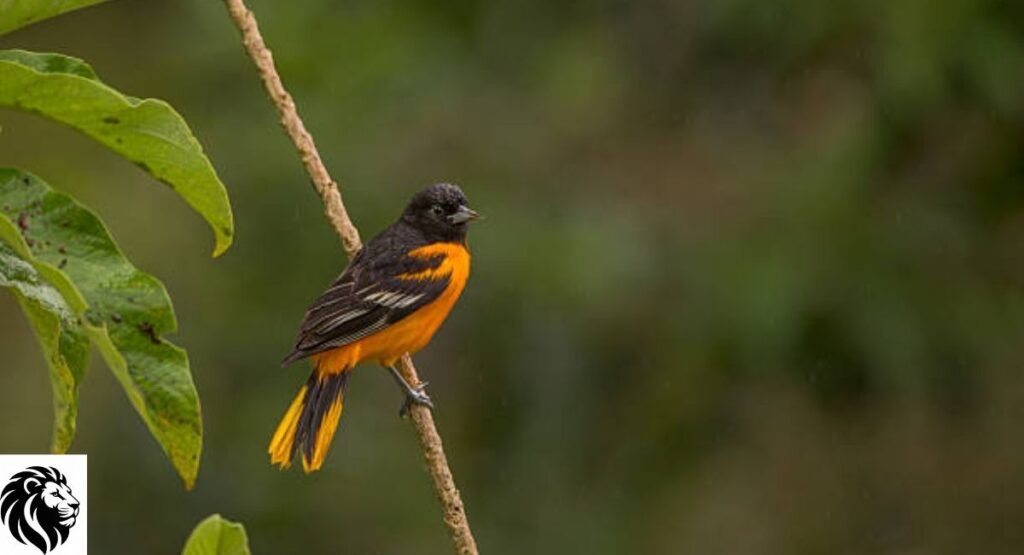
The Baltimore oriole is one of North America’s most familiar orange-and-black birds. Males typically show vivid orange underparts with black on the head and upper body. During migration and summer, you may spot them around open woodland, mature trees, orchards, and backyard feeding stations.
Black-and-Orange Flycatcher
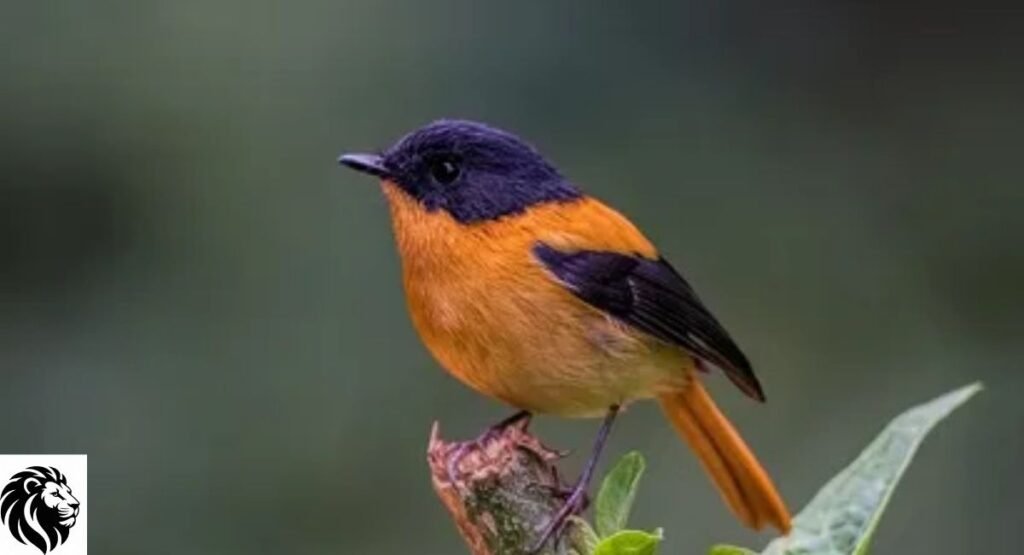
The black-and-orange flycatcher has a dramatic combination of dark and warm orange plumage. It belongs to a group of birds adapted for catching insects from perches. Its coloration, compact body, and quick aerial movements make it an intriguing example of colorful wildlife beyond the species commonly seen in American backyards.
Orange-Breasted Bushshrike
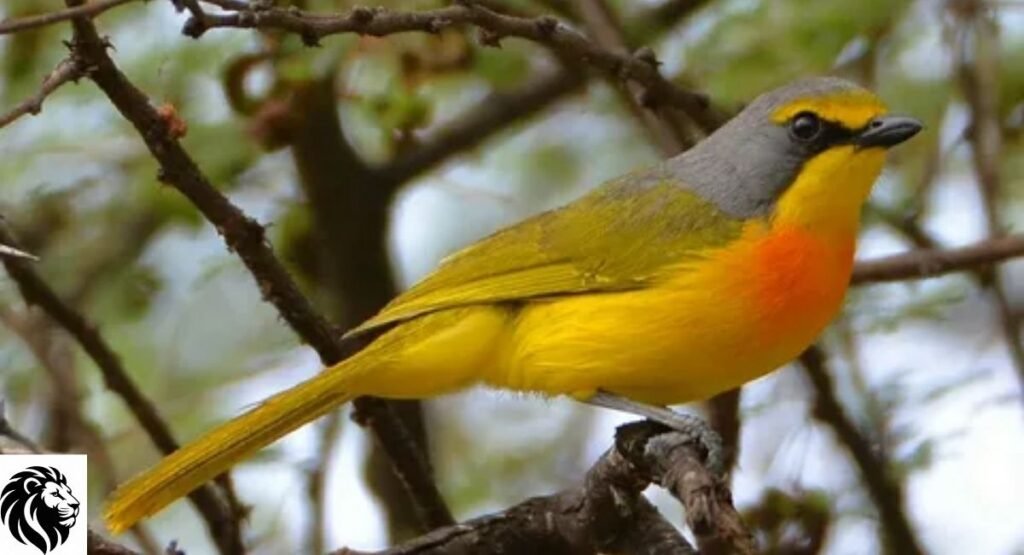
The orange-breasted bushshrike stands out with its rich orange breast and darker contrasting feathers. It inhabits African woodland environments, where it hunts insects and other small prey. Its powerful bill and patient hunting style reveal an interesting truth: attractive plumage doesn’t mean an animal lacks serious predatory skills.
Rufous Hummingbird
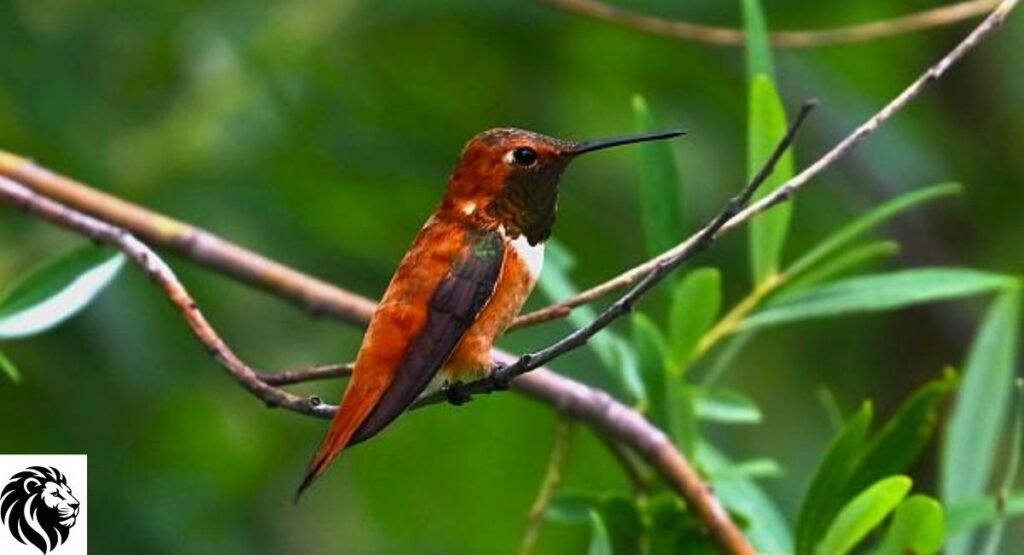
The Rufous hummingbird brings warm orange and copper tones to the skies of western North America. Males often show a brilliant reddish-orange throat, while females display more subdued coloring. These tiny birds defend feeding territories fiercely and undertake remarkable seasonal movements across parts of the continent.
Orange-Backed Troupial
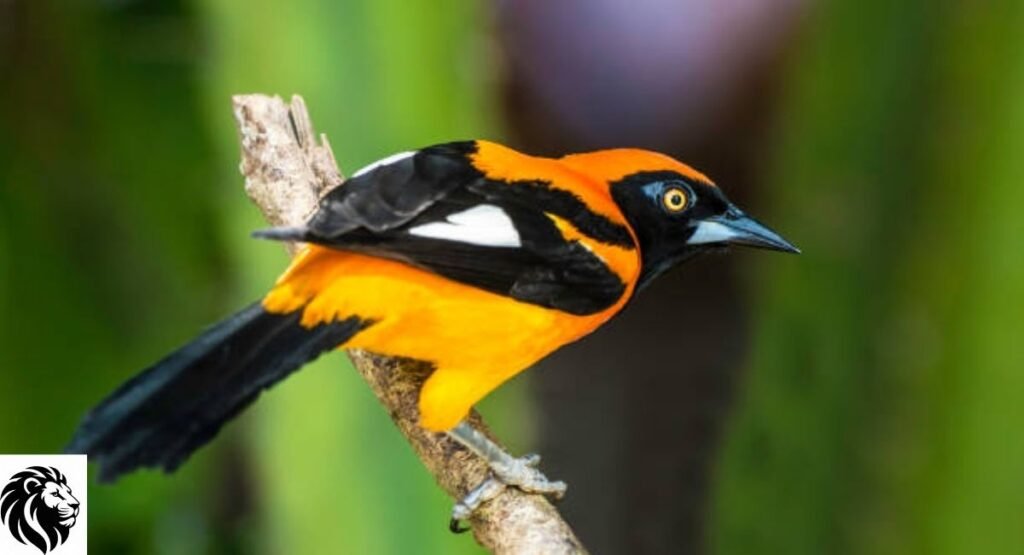
The orange-backed troupial combines dark plumage with vivid orange areas that immediately catch the eye. This tropical songbird lives in parts of northern South America and nearby regions. Its diet can include fruit and insects, while its vocal behavior helps make this striking species especially memorable.
Orange and Black Ocean Animals
Underwater environments create an entirely different visual world. Reef structures, sea fans, anemones, and shifting sunlight produce a complicated backdrop where strong colors can either conceal an animal or make it highly visible.
Marine orange and black creatures also demonstrate relationships that land animals rarely share. Some rely on symbiosis, while others use bold patterns to communicate ownership, species identity, or chemical defenses. Coral reefs, in particular, are biological theaters packed with extraordinary coloration.
Clownfish
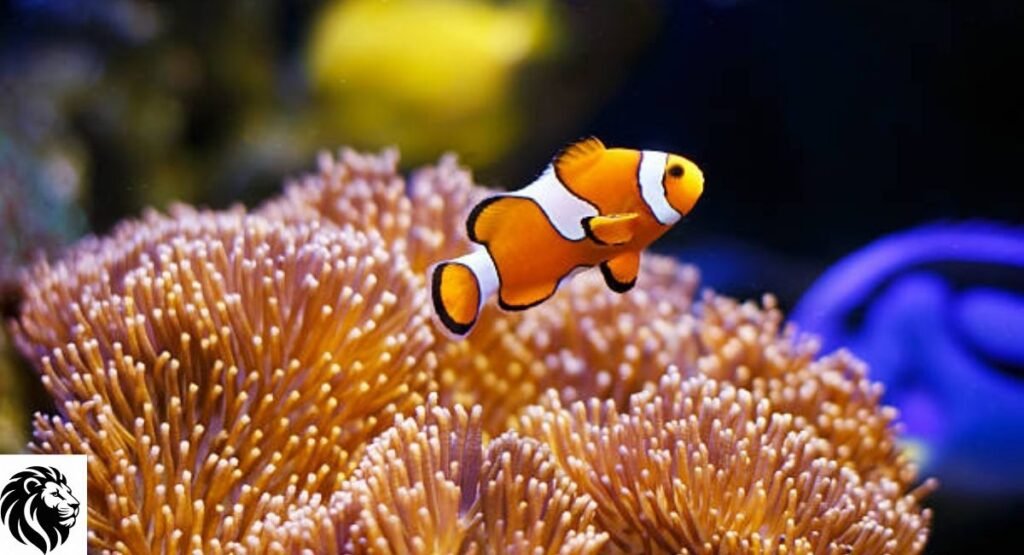
Clownfish are famous for orange bodies marked by pale bands with dark edges. Their relationship with sea anemones is equally fascinating. The fish gains protection among the anemone’s tentacles, while the host can benefit from nutrients, cleaning, and other interactions.
Orange-and-Black Sea Slug
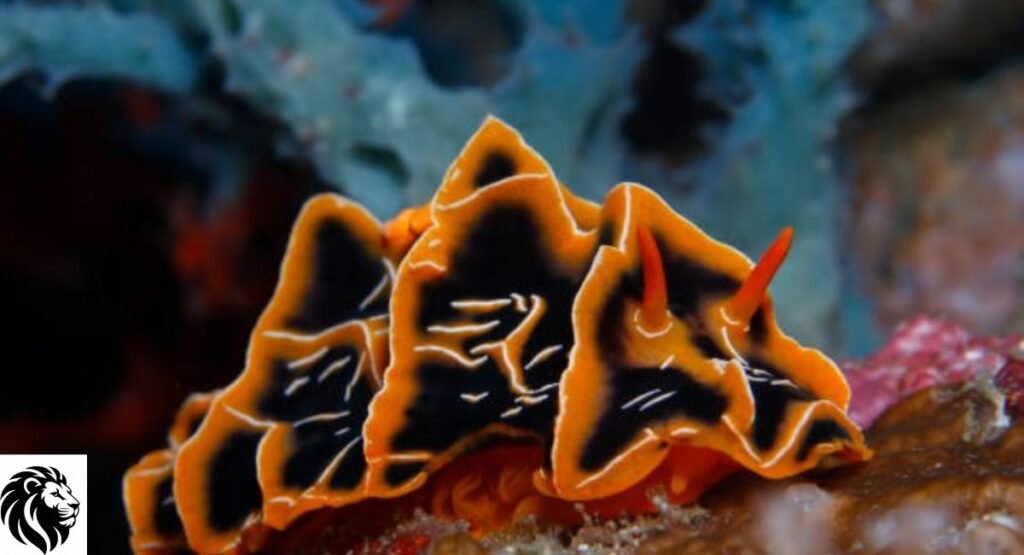
Some sea slugs display spectacular orange, black, yellow, or white patterns. Their bright appearance can advertise chemical defenses or simply make them visually distinctive against reefs. Many species obtain defensive compounds from their food, turning an apparently fragile body into a surprisingly well-equipped marine survivor.
Orange and Black Reef Fish
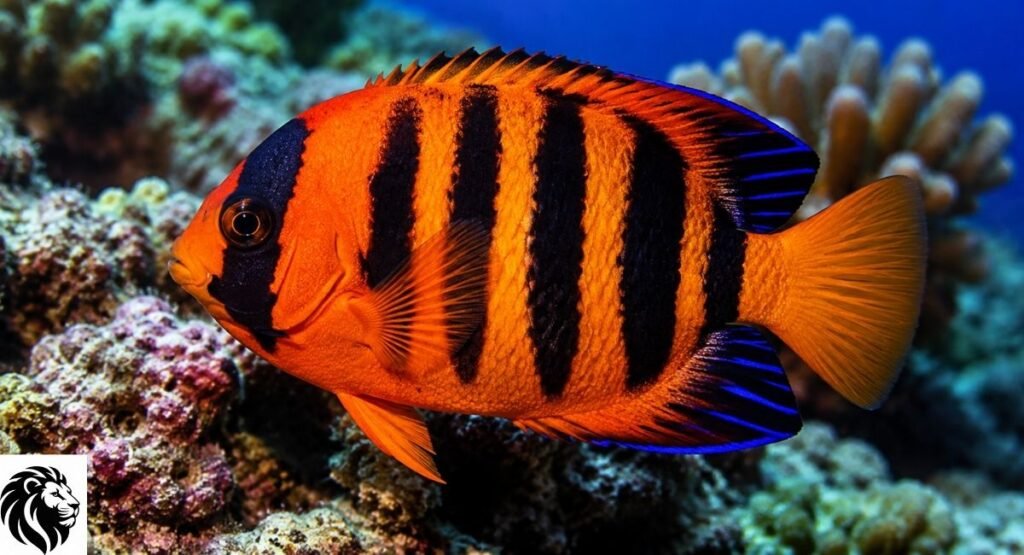
Several reef fish show orange-and-black patterns that help them stand out within complex coral habitats. Their colors can assist with species recognition and social signaling. Their diets vary widely, ranging from algae and plankton to small invertebrates, depending on the species and ecological niche.
Black-and-Orange Coral Fish
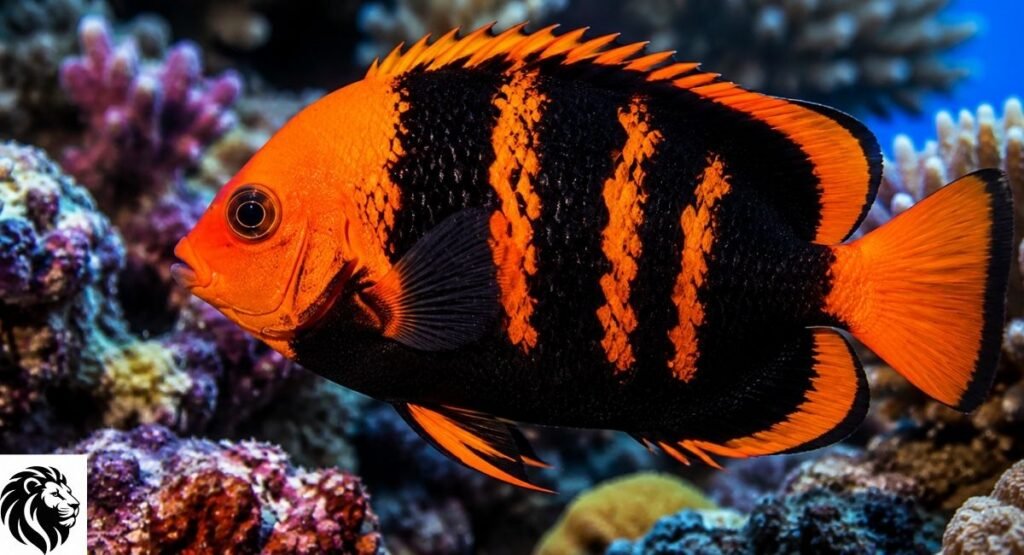
Black-and-orange coral fish illustrate how dramatically reef animals can contrast with their surroundings. Coral structures provide countless hiding places and feeding opportunities. Unfortunately, reef degradation can threaten this colorful diversity. Healthy coral communities support intricate food webs involving fish, invertebrates, algae, and microorganisms.
Orange and Black Reptiles and Amphibians
Reptiles and amphibians often use vivid coloration for communication and defense. However, orange-and-black markings don’t automatically mean an animal is poisonous or venomous. Each species has its own evolutionary story.
That distinction matters when observing wild animals. A bright pattern may represent genuine toxicity, mimicry, sexual signaling, or simple pigmentation. Never handle an unfamiliar reptile or amphibian merely because it appears harmless.
Coral Snake
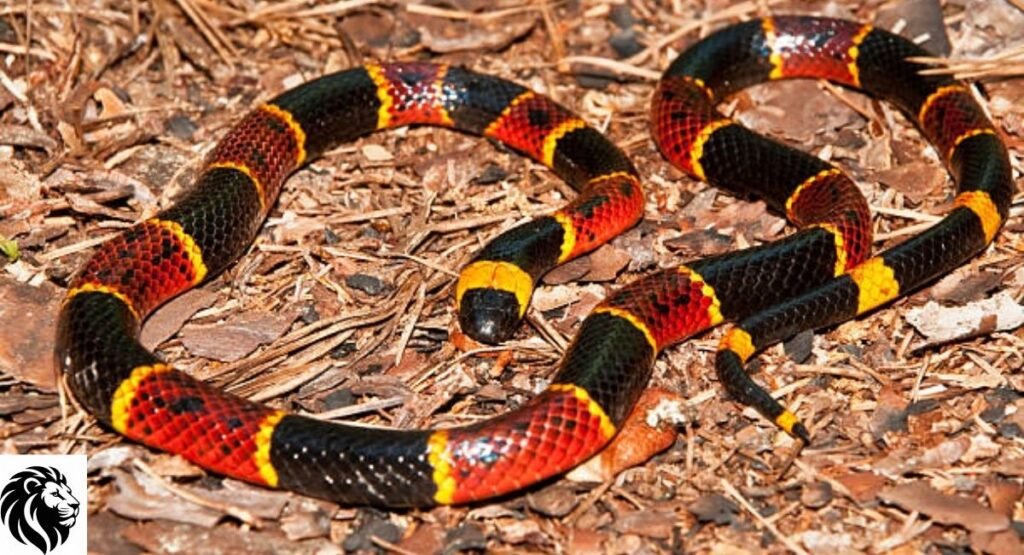
Coral snakes are famous for strongly contrasting bands, although their classic pattern usually includes red, yellow, and black rather than pure orange. Their coloration provides a warning about potent venom. Several harmless snakes resemble coral snakes, making accurate identification essential.
Poison Dart Frog
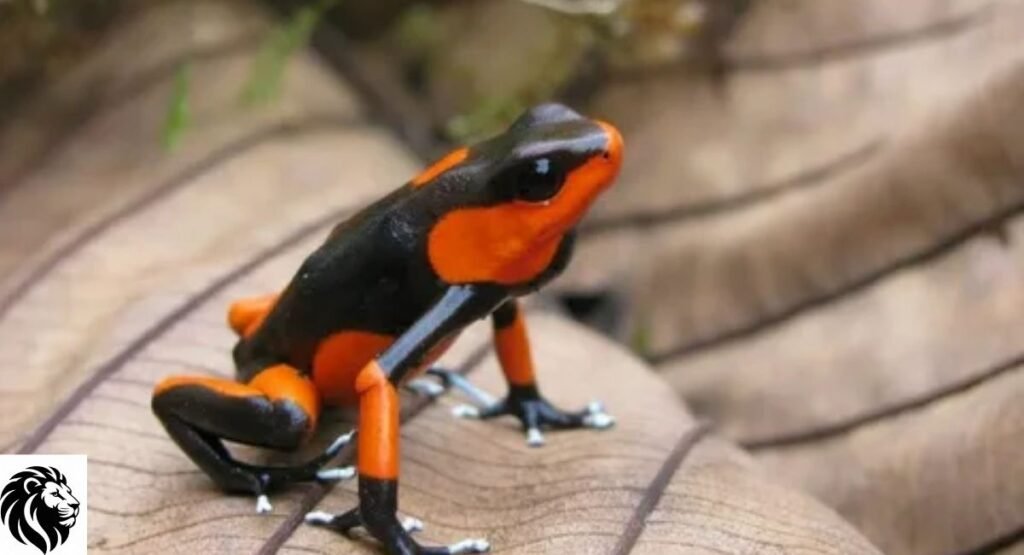
Poison dart frogs can display vivid orange, red, yellow, blue, and black patterns depending on the species. Their bright skin can warn predators about toxic compounds. These defenses are closely connected to their ecology, including diet and natural habitat, rather than simply being decorative colors.
Orange-and-Black Salamander
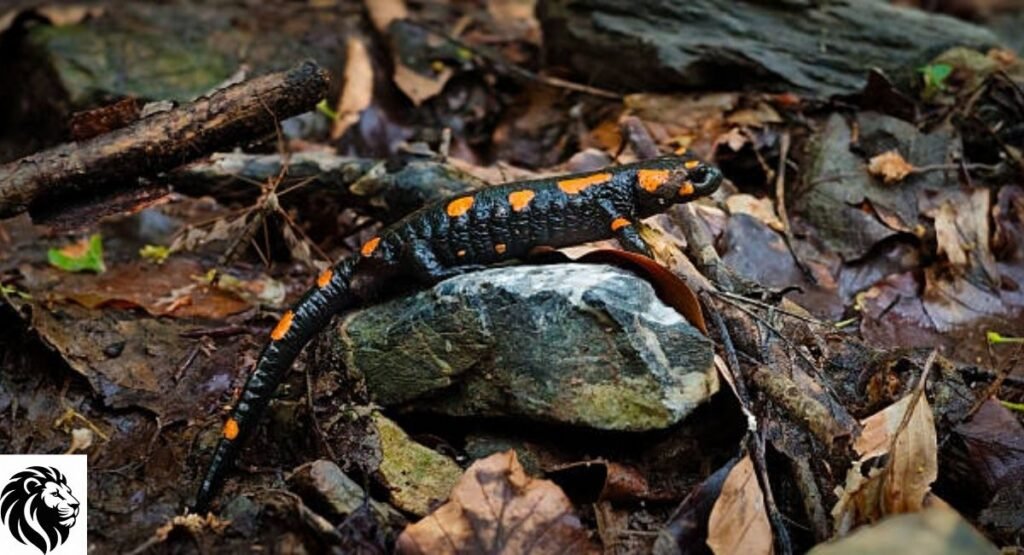
Several salamanders can show orange, reddish, and dark markings, particularly around the belly or body sides. Moist forests and woodland streams provide important habitat for many species. Their permeable skin makes them sensitive to environmental changes, so salamanders can reveal much about ecosystem health.
Orange and Black Insects
Insects may be the undisputed champions of orange-and-black fashion. Their small bodies can carry remarkably precise stripes, spots, bands, and wing borders.
These patterns often have serious biological jobs. Warning coloration, mimicry, camouflage, and mate recognition can all shape insect appearance. For predators, a tiny orange-and-black insect may look less like lunch and more like a bad decision.
Monarch Butterfly
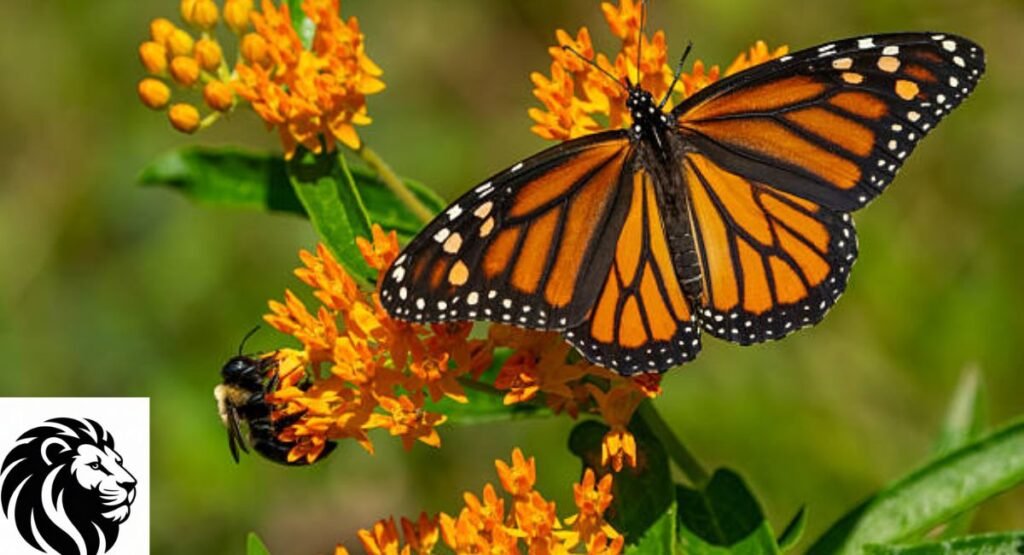
The monarch butterfly is perhaps the most famous example of an orange-and-black insect in North America. Its wings advertise chemical defenses acquired through milkweed as a caterpillar. Monarchs also undertake extraordinary migrations, with some traveling thousands of miles between seasonal habitats.
Eastern Black Swallowtail
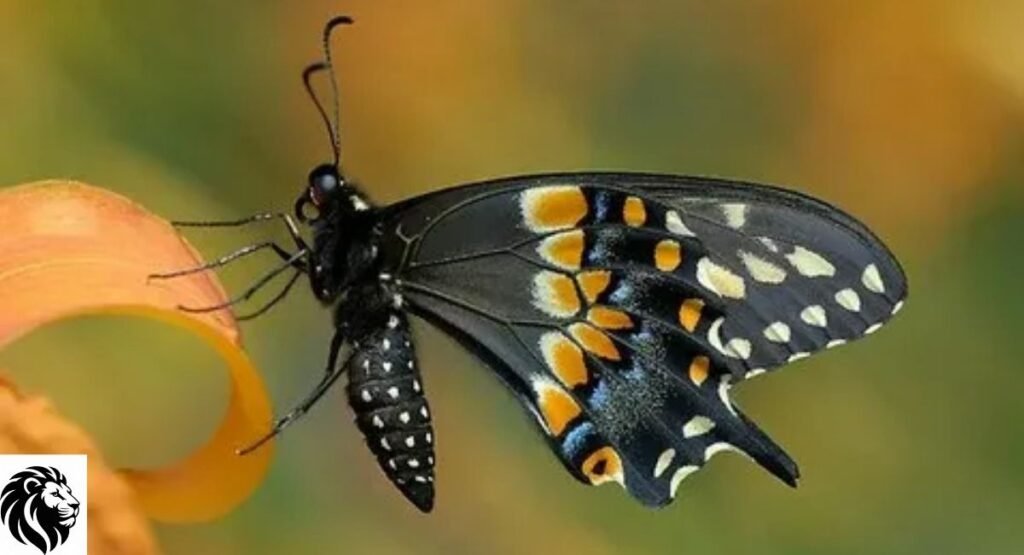
The eastern black swallowtail has dark wings decorated with yellow, orange, blue, and red details. Its caterpillars commonly use plants in the carrot family, including parsley and dill. Gardeners sometimes discover these caterpillars before realizing they are raising one of America’s attractive native butterflies.
Orange Sulfur Butterfly
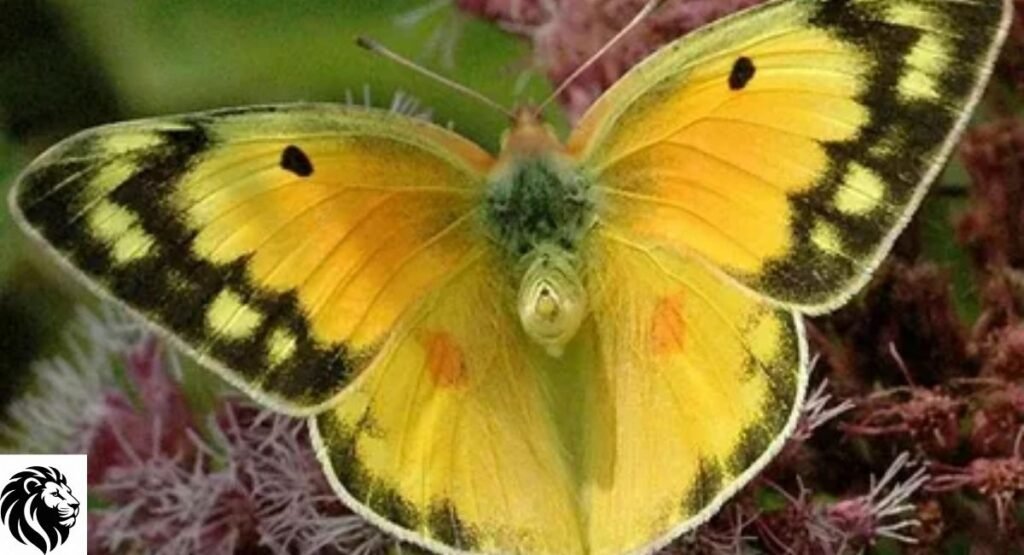
The orange sulfur butterfly displays warm yellow-orange wings with darker margins. It commonly inhabits open spaces where suitable host plants and nectar sources grow. Its seasonal activity changes with temperature and food availability, making meadows, fields, gardens, and roadsides useful places for observation.
Orange and Black Dragonfly
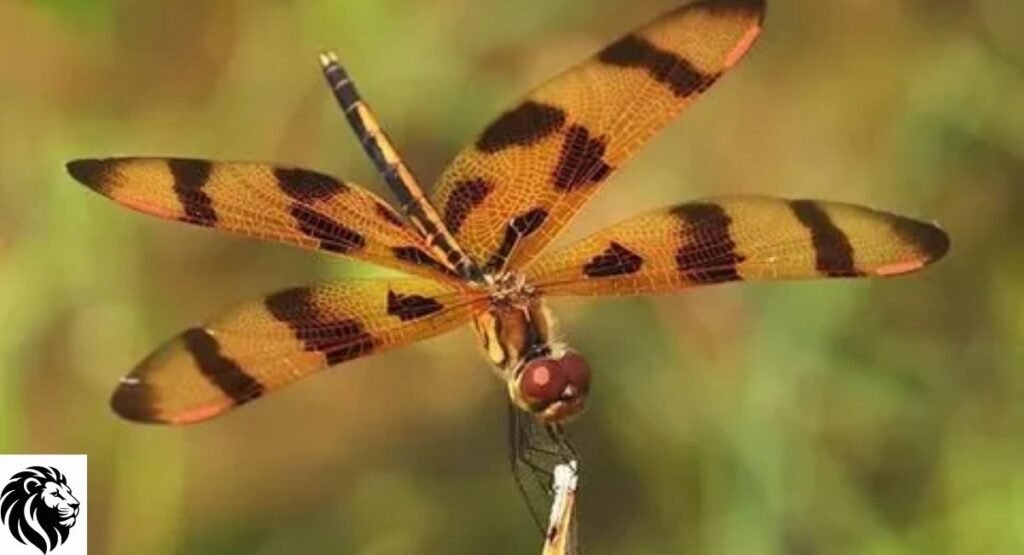
Several dragonfly species feature orange and dark body patterns. These aerial hunters patrol ponds, marshes, streams, and other freshwater environments. Their huge compound eyes provide an exceptional visual field, while powerful wings allow them to catch smaller insects during fast, agile flights.
Animals With Orange and Black Stripes
Striping is one of nature’s most effective visual tricks. Depending on the species, stripes can break up a body outline, advertise toxicity, create mimicry, or help individuals recognize one another.
When people search for an animal with orange and black stripes, the tiger usually comes to mind first. Yet insects, snakes, caterpillars, and other creatures can produce similarly dramatic patterns through completely different evolutionary pathways.
Tigers and Their Distinctive Stripes
A tiger’s stripes are more than beautiful markings. They create disruptive coloration, helping fragment the animal’s outline among vegetation and shadows. Each tiger has a distinctive stripe arrangement, almost like a biological fingerprint, which makes photographic identification useful for wildlife researchers.
Striped Insects and Their Warning Patterns
Orange-and-black stripes frequently appear among insects that predators learn to avoid. Monarchs provide a classic example, while other insects may imitate unpleasant or dangerous species. This is called mimicry, and it can turn a familiar visual pattern into a powerful evolutionary shield.
Largest Orange and Black Animals
Among the animals discussed here, the Bengal tiger ranks among the largest and most powerful. Its enormous body contrasts sharply with tiny insects such as butterflies and dragonflies. Size, however, doesn’t determine how useful coloration becomes. A small frog can use color just as effectively as a giant predator.
| Animal | Main Color Pattern | Typical Habitat | Key Adaptation |
| Bengal Tiger | Orange and black | Forests and grasslands | Disruptive stripes |
| Malayan Tapir | Dark and pale | Tropical forests | Body pattern |
| Emperor Penguin | Dark with orange accents | Antarctic waters | Insulation and diving |
| Monarch Butterfly | Orange, black, white | Meadows and migration routes | Warning coloration |
| Clownfish | Orange with dark-edged bands | Coral reefs | Anemone relationship |
Small Orange and Black Creatures
Tiny creatures can pack enormous biological sophistication into miniature bodies. Monarch butterflies, dragonflies, frogs, and many insects use bold colors despite their vulnerability to predators. Their patterns may warn enemies, imitate other species, or help them navigate complicated habitats.
| Creature | Main Colors | Habitat | Notable Feature |
| Monarch Butterfly | Orange, black, and white | Meadows, gardens, forests | Long-distance migration and warning coloration |
| Eastern Black Swallowtail | Black, orange, blue, and yellow | Gardens, fields, meadows | Caterpillars often feed on parsley and dill |
| Orange Sulfur Butterfly | Orange-yellow and black | Open fields and gardens | Active around flowering plants |
| Orange-and-Black Dragonfly | Orange and black | Ponds, marshes, streams | Fast aerial predator of smaller insects |
| Poison Dart Frog | Orange, black, yellow, or blue | Tropical rainforests | Bright colors can warn predators of toxins |
| Black-and-Orange Salamander | Orange and dark markings | Moist forests and woodland streams | Sensitive to environmental changes |
| Orange-and-Black Sea Slug | Orange, black, and white | Coral reefs and rocky waters | Some species use chemical defenses |
| Orange-and-Black Beetle | Orange and black | Forests, gardens, grasslands | Color may provide warning or mimicry |
| Orange-and-Black Wasp | Orange, black, and yellow | Gardens, forests, grasslands | Predatory behavior and protective coloration |
| Black-and-Orange Caterpillar | Orange and black | Plants, meadows, forests | Bright patterns may discourage predators |
Where Do Orange and Black Animals Live?
Orange-and-black species occupy an extraordinary range of environments. Some stalk through Asian forests, while others migrate across North America. Marine species live among reefs, and insects thrive in meadows, gardens, wetlands, and woodland edges.
This diversity shows that coloration isn’t tied to one habitat. Instead, natural selection shapes patterns according to local predators, prey, temperature, vegetation, light, and behavior. In other words, nature keeps changing the costume to fit the stage.
Forests and Woodlands
Forests support tigers, red pandas, salamanders, birds, and countless insects. Dappled sunlight creates constantly shifting patches of brightness and shadow. For some camouflaged animals, disruptive patterns can make recognition difficult, especially when vegetation interrupts the observer’s view.
Tropical Rainforests
Rainforests contain exceptional biodiversity because warm temperatures and abundant rainfall support complex food webs. Golden lion tamarins, poison dart frogs, colorful birds, and numerous insects occupy different layers of this environment. Dense foliage also creates countless visual backgrounds for camouflage and warning signals.
Oceans and Coral Reefs
Coral reefs host clownfish, reef fish, sea slugs, and many other brilliantly patterned creatures. Their three-dimensional structure provides shelter, feeding areas, and breeding sites. Yet warming seas, pollution, destructive fishing, and coral bleaching can place these ecosystems under severe pressure.
Grasslands and Open Habitats
Open habitats support butterflies, dragonflies, birds, and large mammals. Without dense vegetation, camouflage can become more challenging, so animals may rely on speed, behavior, warning colors, or patterns that disrupt their silhouette. Seasonal changes can also transform the visual background within weeks.
Why Do Animals Have Orange and Black Patterns?
Orange-and-black patterns evolved for different reasons, so there isn’t one universal explanation. Warning signals can tell predators that an animal tastes bad or possesses dangerous defenses. Camouflage can achieve the opposite goal by making an animal harder to recognize.
Mimicry adds another layer of complexity. Harmless or less-defended species may resemble protected species, while several defended species can converge on similar patterns. Scientists call these strategies Batesian and Müllerian mimicry, respectively.
Orange and Black Animals With Warning Colors
Warning coloration is known scientifically as aposematism. It works like a biological signboard: “Don’t eat me.” Monarch butterflies provide an excellent example because their orange-and-black wings advertise chemical defenses linked to milkweed consumption.
However, predators must learn what the signal means. After an unpleasant encounter, an animal may remember that particular pattern and avoid similar prey later. This creates an evolutionary feedback loop between predator learning and prey coloration.
Fascinating Facts About Black and Orange Animals
Orange-and-black coloration can perform completely different jobs across species. A tiger uses stripes for concealment, while a monarch uses bright wings to advertise an unpleasant meal. Clownfish use vivid patterns within a protective relationship with sea anemones.
The monarch is particularly remarkable. Its migration can cover thousands of miles, while its coloration helps deter predators. Tigers also have individual stripe patterns, which makes their markings useful for research and population monitoring.
| Fascinating Fact | Animal | Why It Matters |
| Unique stripe patterns | Tiger | Helps identify individuals |
| Long-distance migration | Monarch | Connects distant ecosystems |
| Warning coloration | Monarch | Discourages predators |
| Symbiotic relationship | Clownfish | Provides shelter and ecological benefits |
| Aerial hunting | Dragonfly | Controls populations of smaller insects |
Conclusion
From enormous predators to tiny pollinators, orange and black animals prove that color is rarely just decoration. Their striking patterns can hide bodies, warn predators, attract mates, identify species, or strengthen remarkable ecological relationships.
Next time you see orange and black in nature, look twice. A tiger’s stripes, a monarch’s wings, or a reef fish’s vivid bands may each tell a different survival story. That’s what makes wildlife so captivating: the same colors can play entirely different roles.
FAQs
1. What animals are orange and black?
Tigers, monarch butterflies, clownfish, some frogs, birds, insects, and other wildlife display orange-and-black or closely related color patterns.
2. Why do some animals have orange and black colors?
These colors can provide camouflage, warning signals, mimicry, communication, or species recognition. Their purpose depends on the animal and its environment.
3. Which animal has orange and black stripes?
The Bengal tiger is the best-known example. Several insects and other animals also have orange-and-black striped patterns.
4. Are orange and black animals dangerous?
Not necessarily. Some species have venom or toxins, while many are harmless. Color alone isn’t a reliable way to judge danger.
5. Where can you find black and orange animals?
You can find them in forests, grasslands, tropical rainforests, wetlands, gardens, oceans, coral reefs, and other habitats around the world.

Welcome to natureanimalhub! I’m Anam Sattar, an AI Powered SEO, and Content Writer with 4 years of experirnce.
I help websites rank higher,grow traffic, and look amazing. My goal is to make SEO and web design simple and effective for everyone.
Let’s achieve more together!