

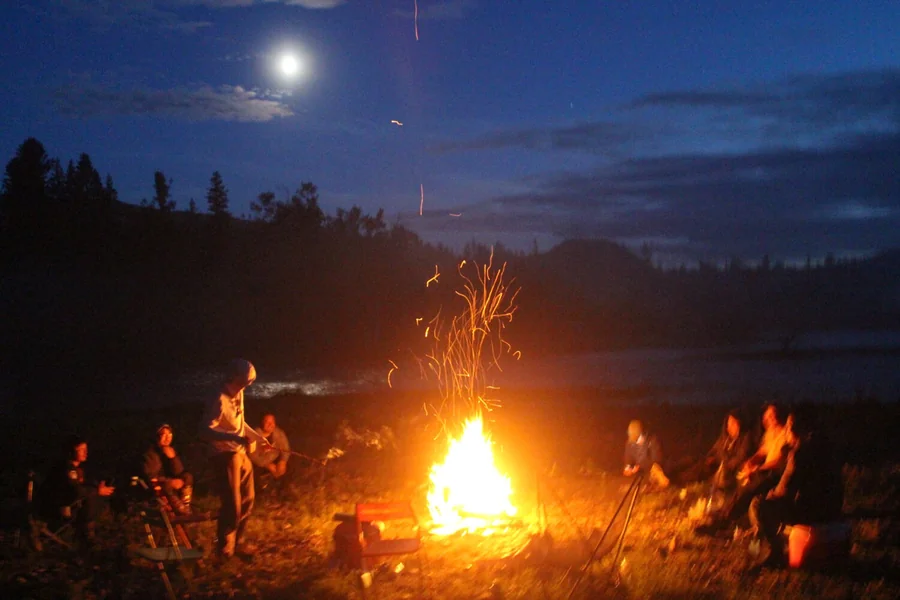
When most travelers retreat to their hotel rooms at the end of a busy day, a completely different kind of adventurer is just waking up. The world changes dramatically when the sun dips below the horizon, trading chaotic crowds and glaring sunlight for silver moonlight and serene landscapes. Welcome to the realm of Nocturnal Nomads: Exploring the Globe Under Starlight, where the true journey begins only after dusk. This unique approach to travel is rapidly gaining popularity among those who crave a deeper, more intimate connection with the places they visit. By intentionally shifting our schedules to match the night, we open ourselves up to extraordinary experiences that daytime tourists simply cannot access. From witnessing the ethereal dance of the northern lights in freezing polar skies to walking through glowing bioluminescent waters on tropical shores, the nighttime world offers a treasure trove of hidden wonders. There is a profound psychological shift that occurs when we travel under the cover of darkness. The sensory input changes entirely. Bright colors fade into subtle shades of indigo, silver, and charcoal, sounds become magnified in the still night air, and our focus shifts from the broad landscape to the intricate, immediate details surrounding us. Becoming part of this subculture of night travelers means adopting a completely new rhythm, one that aligns with celestial bodies rather than standard business hours. Whether you are traversing the arid dunes of a remote desert or navigating the neon-lit alleys of a sleepless metropolis, the nocturnal perspective transforms the familiar into something entirely extraordinary.
The Magic of the Midnight World
Astrotourism has emerged as a major cornerstone of the modern night travel movement. For urban dwellers accustomed to skies washed out by heavy light pollution, standing beneath a truly dark canopy is nothing short of a revelation. The Milky Way stretches across the firmament not as a faint, dusty haze, but as a vibrant, complex tapestry of stars, nebulas, and cosmic phenomena. Travelers now actively seek out internationally recognized Dark Sky Reserves, which are remote locations specifically protected from artificial light, to experience the universe exactly as our ancient ancestors did centuries ago. This celestial connection provides a profound sense of scale and deep tranquility, reminding us of our tiny but meaningful place in the vast cosmos. Looking up at a meteor shower or tracking the slow movement of the constellations offers a meditative experience that daytime activities rarely match.
Beyond the starry skies, the natural world undergoes a dramatic and fascinating transformation after sunset. The familiar daytime creatures retreat to their burrows and nests, and a completely new cast of characters emerges into the shadows. Night safaris in the African savanna or the dense Amazon rainforest reveal apex predators on the prowl, elusive nocturnal primates swinging through the canopy, and colorful amphibians that only sing their mating calls under the light of the moon. Even the oceans come alive in unexpected and magical ways. In places like Puerto Rico’s Mosquito Bay or along the pristine shores of the Maldives, microscopic plankton respond to water movement with bursts of bright blue bioluminescence. Swimming or kayaking through these glowing, neon waters feels exactly like floating through a liquid galaxy, completely blurring the line between the dark ocean and the starry sky above. The sensory deprivation of the dark heightens your hearing and sense of smell, making the crunch of leaves or the scent of night-blooming jasmine incredibly vivid.
Preparing for After-Dark Adventures
Venturing into the night requires a significantly different set of preparations than a standard daytime excursion. The foremost consideration for any nocturnal nomad is temperature management. Even in scorching desert environments where daytime temperatures are unbearable, the complete absence of solar radiation causes temperatures to plummet rapidly once the sun sets. Layering becomes an essential survival skill. Utilizing moisture-wicking base layers, heavy insulating mid-layers, and windproof outer shells allows you to maintain a comfortable core temperature while adjusting to fluctuating conditions. High-quality, durable footwear with reliable traction is also crucial, as your visual depth perception is reduced, and the ground can quickly become slick with evening dew, mud, or unexpected frost.
Illumination is another absolutely critical component of your nighttime gear list. While the ultimate goal is often to enjoy the natural darkness, navigating safely demands reliable, high-quality light sources. A high-lumen tactical headlamp with a dedicated red-light mode is an indispensable tool. Red light preserves your natural night vision, allowing your pupils to remain dilated while still providing enough illumination to read a topographical map or check your immediate footing. Bringing multiple spare batteries or a high-capacity portable power bank is non-negotiable, as cold night temperatures can drain electronic devices much faster than under normal conditions. Furthermore, photography enthusiasts must invest in specialized equipment to capture the dark. A heavy-duty, sturdy tripod, a modern mirrorless camera capable of clean high-ISO performance, and fast, wide-angle lenses are mandatory to capture the faint light of the stars or the subtle, ethereal glow of a moonlit landscape. Without this gear, attempting to document the night will result in nothing but blurry, dark frames. Hydration and nutrition also play a unique role. It is easy to forget to drink water when the sun isn’t beating down on you, but the physical exertion of night hiking requires constant hydration and high-energy snacks to keep your internal furnace burning.
Prime Destinations for Night Wanderers
The globe is dotted with phenomenal locations that truly shine only when the sun goes down. The Atacama Desert in northern Chile stands out globally as an absolute mecca for stargazers and astronomers. Its high altitude, bone-dry atmospheric conditions, and complete absence of urban light pollution create what are arguably the clearest, most pristine skies on Earth. Here, night travelers can observe distant galaxies and nebulas with the naked eye, or visit world-class research observatories that offer public viewing sessions through massive telescopes. The landscape itself, resembling the barren surface of Mars, adds to the alien, otherworldly feeling of traversing the desert at midnight.
For those chasing rare atmospheric phenomena, the extreme polar regions offer the ultimate nocturnal prize: the Aurora Borealis and Aurora Australis. During the long, dark winter months in Iceland, northern Norway, or the upper reaches of Canada, the night skies ignite with swirling, dynamic ribbons of green, pink, and violet light. This mesmerizing solar wind interaction creates a visual display that draws dedicated nocturnal nomads from every corner of the planet. Braving the severe sub-zero temperatures and biting winds is considered a very small price to pay for a front-row seat to one of nature’s most spectacular and humbling visual symphonies. In places like Svalbard, during the polar night, darkness lasts for 24 hours a day, offering an immersive, relentless nocturnal experience that challenges your perception of time.
Not all nighttime adventures take place in the remote wilderness. Dense urban environments offer their own distinct brand of nocturnal magic. Tokyo, Japan, famously transforms into a vibrant cyberpunk dreamscape after dark. The flashing neon signs of Akihabara, the endless, claustrophobic maze of tiny izakayas in Shinjuku’s Golden Gai, and the serene, quiet solitude of ancient shrines bathed in soft lantern light provide a deeply contrasting experience. Night travel in a massive metropolis allows you to witness the hidden, pulsing life of the city. You can watch bustling wholesale fish markets preparing for the dawn rush, interact with quiet street food vendors feeding the local night owls, and see a completely different social dynamic than what exists during the busy daylight hours.
Navigating the Challenges of the Dark
While the personal and aesthetic rewards of night travel are immense, the practical challenges cannot be ignored or underestimated. The most obvious and immediate hurdle is navigation. Familiar landmarks vanish into the shadows, hiking trails become significantly harder to follow, and the risk of disorientation increases exponentially without the sun to guide you. It is imperative to familiarize yourself with the terrain during daylight hours whenever possible, and to rely heavily on a combination of digital GPS devices and traditional analog compasses and maps. Trusting your instincts is important, but trusting your navigational tools is absolutely essential when your primary sense of sight is severely compromised.
Safety also takes on a completely new dimension in the dark. In wilderness areas, the risk of unpredictable wildlife encounters changes dramatically. Nocturnal predators are active, requiring travelers to be hyper-aware of their auditory surroundings and to carry appropriate deterrents, such as bear spray or noise-making devices, in specific regions. In urban settings, sticking to well-lit main thoroughfares and remaining constantly vigilant about personal security is crucial to avoiding dangerous situations. Furthermore, the logistical aspects of travel, such as public transportation schedules, restaurant hours, and the immediate availability of emergency medical services, are often severely reduced or entirely absent during the night shift. Comprehensive contingency planning, maintaining a well-stocked first aid kit, and ensuring clear communication with someone who knows your exact itinerary are vital, non-negotiable steps to ensure a safe, successful, and enjoyable nocturnal excursion.
FAQs
What is the best way to adjust my sleep schedule for night travel? The most effective method is to gradually shift your sleeping hours a few days before your trip by staying up later each night, utilizing blackout curtains during the day, and taking melatonin supplements to gently trick your body’s natural circadian rhythm.
Is it safe to hike in the wilderness at night? Hiking at night can be completely safe if you are thoroughly prepared with appropriate layered clothing, reliable dual sources of illumination, a detailed topographic map, and comprehensive knowledge of the local wildlife and terrain features.
Do I need special equipment to take photos of the night sky? You will definitely need a camera that allows for full manual settings, a heavy and sturdy tripod to prevent any camera shake during long exposures, and a wide-angle lens with a fast aperture to let in maximum light.
Are there specific regions that are best for stargazing? Designated Dark Sky Reserves, high-altitude arid environments like the Atacama or Namib deserts, and isolated ocean islands are universally considered the most optimal locations for clear, unobstructed stargazing.
Final Thought
Embracing the darkness is an open invitation to see the world through an entirely new, unfiltered lens. The quiet, undisturbed solitude of the midnight hours offers a remarkably rare opportunity for deep introspection and a profound connection with the natural environment. By courageously stepping outside of our traditional comfort zones, daytime schedules, and standard tourist itineraries, we uncover a vast universe of subtle beauty that remains completely hidden from the sunlit world. Whether you find yourself captivated by the cosmic ballet of the distant stars, the glowing bioluminescent secrets of a tropical ocean, or the electric, pulsing energy of a sleepless mega-city, the night is patiently waiting to be experienced. Let the light of the moon be your guide, trust your prepared instincts, and fully embrace the unparalleled, awe-inspiring rewards of wandering the globe under starlight.

Welcome to natureanimalhub! I’m Anam Sattar, an AI Powered SEO, and Content Writer with 4 years of experirnce.
I help websites rank higher,grow traffic, and look amazing. My goal is to make SEO and web design simple and effective for everyone.
Let’s achieve more together!